Welcome to Kota Kinabalu
Kota Kinabalu, affectionately known as KK, is the vibrant capital of Sabah on the island of Borneo. This coastal city is your gateway to the wild heart of Malaysian Borneo, where modern development meets untamed jungle and pristine islands. Framed by the South China Sea and the dramatic Crocker Range, KK is a city of remarkable contrasts. It's a place where you can haggle for exotic fruits at a bustling morning market in the shadow of a mosque, then within an hour be snorkeling over coral reefs in a protected marine park. The city's energy is infectious, fueled by a warm, multicultural community of Malays, Chinese, Kadazandusun, and Bajau peoples. With a staggering 981 hotels catering to every taste and budget, finding your perfect base to explore this dynamic region is effortless. Whether you're here to summit Mount Kinabalu, delve into rainforests, or simply unwind on a sunset beach, Kota Kinabalu is a city that promises adventure and relaxation in equal, unforgettable measure.
Overview
Kota Kinabalu's history is one of resilience. Originally known as Jesselton, it was a key trading post for the British North Borneo Chartered Company before being largely destroyed during World War II. Its rebirth as Kota Kinabalu in 1963, named after Southeast Asia's highest peak, symbolizes its enduring spirit. Today, KK is the bustling administrative and economic hub of Sabah, famous as the launching point for expeditions to Mount Kinabalu and the rich biodiversity of Borneo's interior. Culturally, it's a fascinating mosaic. The influence of its indigenous Kadazandusun communities is palpable, especially during the annual Kaamatan harvest festival. The cityscape is a mix of modern shopping malls, waterfront developments like Sutera Harbour, and traditional stilt villages (water villages) clinging to the coastline. Key districts include the bustling city center around Gaya Street, the upscale marina area of Sutera Harbour, and the relaxed beachfront strip of Tanjung Aru. KK is ultimately famous for its unparalleled access to nature: from the coral-fringed islands of Tunku Abdul Rahman Marine Park just offshore to the majestic mountain that watches over it all.
🗓️ Best Time to Visit
Kota Kinabalu enjoys a tropical climate year-round, making it a viable destination anytime. However, the best time to visit is during the dry season, typically from March to September. These months offer the most sunshine, lower humidity, and minimal rainfall, providing ideal conditions for climbing Mount Kinabalu, island-hopping, and outdoor exploration. The peak tourist seasons align with international holidays in June-August and December, so expect higher prices and more crowds. The wetter season runs from October to February, with November and January often being the rainiest. While you'll encounter frequent, heavy afternoon showers, mornings are often clear, and the landscape is lushly green. This period is considered the off-peak season, with potentially better hotel deals. Major events are scattered throughout the year: the vibrant Kaamatan (Harvest) Festival in May, the Kota Kinabalu Food Festival usually in April/May, and the Borneo International Kite Festival in September. Even in the wet season, KK's charm persists, as rain rarely lasts all day and indoor attractions, markets, and culinary tours remain fully enjoyable.
🌤️ Weather & Climate
Kota Kinabalu has a tropical rainforest climate with consistently high temperatures and humidity year-round. The city experiences significant rainfall throughout the year, with a slightly drier period from March to September. There is no true cold season.
Seasons
Dry Season
💨 Humidity: high
The most popular time to visit, with less frequent rain, more sunshine, and optimal conditions for outdoor activities and island trips. Humidity remains high.
Wet Season
💨 Humidity: high
Characterized by heavy, often intense afternoon and evening thunderstorms. Mornings can be sunny. The landscape is at its most lush, but outdoor plans may be interrupted.
Monthly Weather Details
January Weather
Best for: indoor activities, cultural sights
February Weather
Best for: indoor activities, cultural sights
March Weather
Best for: beach, sightseeing, hiking
April Weather
Best for: beach, island hopping, climbing
May Weather
Best for: festivals, beach, all activities
June Weather
Best for: beach, diving, all activities
July Weather
Best for: beach, diving, all activities
August Weather
Best for: beach, diving, all activities
September Weather
Best for: kite festival, beach, sightseeing
October Weather
Best for: sightseeing, food tours
November Weather
Best for: indoor activities, shopping
December Weather
Best for: indoor activities, cultural sights
🎒 What to Pack
All Year Round
- lightweight, breathable clothing
- rain jacket or umbrella
- sturdy sandals
- swimsuit
- sun hat
- sunscreen (high SPF)
- insect repellent
- reusable water bottle
🚗 Getting Around
Navigating Kota Kinabalu is relatively straightforward. The city center is compact and very walkable, especially around the waterfront, Gaya Street, and Signal Hill. For longer distances, ride-hailing apps like Grab are the most convenient, reliable, and affordable option, far superior to negotiating with traditional taxis. Public buses, mainly minivans, serve fixed routes and are incredibly cheap but can be confusing for visitors due to limited signage. A fun and scenic way to reach the nearby islands is via the frequent speedboat ferries from Jesselton Point to the Tunku Abdul Rahman Marine Park (a 15-20 minute ride). For airport transfers, Grab is again the best bet, though official airport taxis operate on a fixed coupon system. Renting a car or scooter is an option for confident drivers wanting to explore further afield, but be prepared for hectic city traffic. Biking is not common for city transport due to traffic and lack of dedicated lanes. Overall, a mix of walking for the core areas and using Grab for everything else is the most efficient strategy for getting around KK.
🎯 Top Attractions
Tunku Abdul Rahman Marine Park
A tropical paradise of five islands offering pristine beaches and crystal-clear waters for snorkeling and diving.
Signal Hill Observatory
Hilltop platform offering panoramic views of Kota Kinabalu city, islands, and Mount Kinabalu.
Gaya Street Sunday Market
Browse stalls selling handicrafts, street food, and local produce at this vibrant weekly market in the heart of the city.
Sutera Harbour
A large integrated resort with a marina, golf course, shopping, and waterfront dining.
KK Times Square
A shopping mall featuring a cinema, supermarkets, and various eateries.
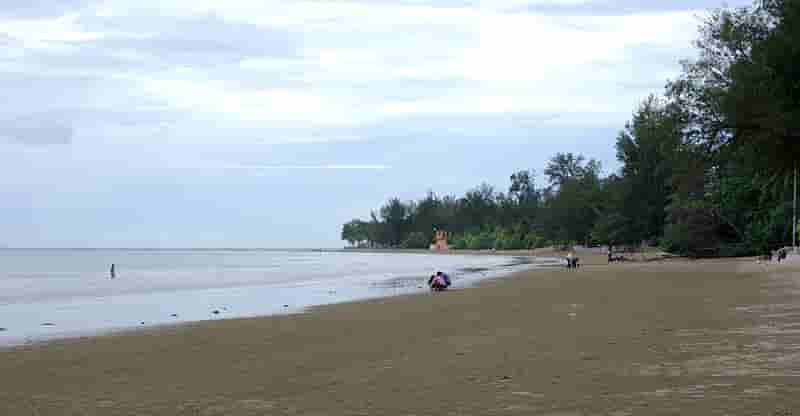
Tanjung Aru Beach
A famous beach renowned for its breathtaking, fiery sunsets and a popular esplanade with food and drink stalls.
Da Jia Lai Seafood Restaurant
Popular local seafood eatery known for fresh dishes.
Fook Yuen
Famous coffee shop offering traditional breakfast and drinks.
Zhi Wei Restaurant
Local restaurant serving a variety of Malaysian and Chinese cuisine.
Signal Hill Observatory Platform
Offers a panoramic view of Kota Kinabalu's skyline, the South China Sea, and nearby islands, especially beautiful at sunset.
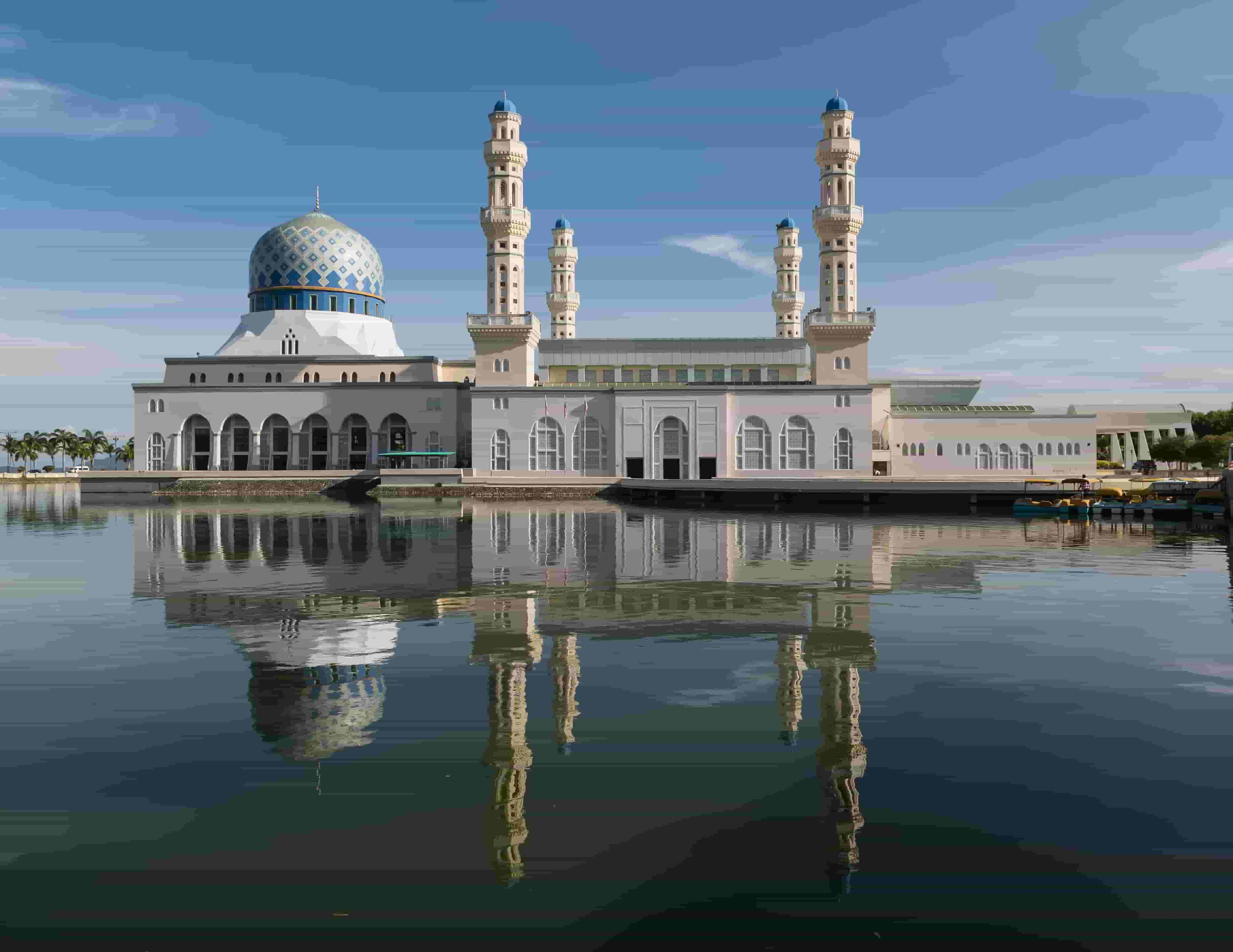
Kota Kinabalu City Mosque
A stunning landmark with intricate architecture, offering a peaceful place of worship and scenic views over the sea.
Sabah State Museum
A cultural museum showcasing Sabah's history, indigenous cultures, and natural heritage.
🏘️ Neighborhoods
City Centre (Gaya Street Area)
The historic and commercial heart of KK, bustling with shops, banks, the famous Sunday market, and budget to mid-range hotels. Very walkable.
Waterfront & Jesselton Point
The tourist focal point along the sea. Home to the ferry terminal for island trips, a long stretch of bars and restaurants, and many hotels.
Sutera Harbour
An integrated upscale resort development with a marina, golf course, luxury hotels, and fine dining. Feels secluded yet close to the city.
Tanjung Aru
A relaxed beachfront suburb famous for its stunning sunsets, public beach, and casual seafood restaurants. Located near the airport.
Likas Bay
A quieter residential and commercial area north of the center, home to the Sabah State Mosque and the 1Borneo Hypermall.
Karamunsing
A commercial district known for its IT and electronics shops, along with several popular local eateries and cafes.
🍽️ Local Cuisine
Kota Kinabalu is a paradise for food lovers, offering a delicious fusion of Malay, Chinese, Kadazan, and Indonesian influences. Seafood is the undisputed star, best enjoyed at open-air waterfront restaurants like Da Jia Lai, where you can pick your fresh fish, crab, or prawns from tanks. Must-try dishes include *hinava* (a Kadazan ceviche of raw fish marinated in lime and ginger), *ambuyat* (a sticky sago starch dip eaten with flavorful sauces), and the ubiquitous *nasi lemak*. Don't miss the opportunity to sample Sabah's unique noodles: *tuaran mee* (freshly made egg noodles) and *ngiu chap* (beef noodle soup). For breakfast or a snack, head to popular local cafes like Fook Yuen or Zhi Wei Restaurant for *kaya* toast, soft-boiled eggs, and strong local coffee. The Gaya Street Sunday Market is a fantastic place to sample local snacks and exotic fruits. Dining is generally casual and affordable, with hearty meals at hawker centers costing just a few dollars. Etiquette is relaxed; using your right hand for eating (if not using utensils) is polite, and it's common to share several dishes family-style.
💡 Local Tips
🚗 Day Trip Ideas
Tunku Abdul Rahman Marine Park
A cluster of five beautiful islands with white sand beaches and excellent snorkeling just off the coast.
Mari Mari Cultural Village
An interactive museum showcasing the traditional homes and customs of Sabah's five major indigenous tribes.
Klias River Cruise for Fireflies
An evening boat trip to see thousands of synchronized fireflies lighting up the mangrove trees.
Kota Belud (Tamparuli & Tagal Sungai Moroli)
Experience a "tagal" or community-managed river with fish foot spas, and visit the iconic Tamparuli suspension bridge.
Mantanani Islands
More remote islands further north, famous for clear waters, potential dugong sightings, and a serene atmosphere.
🛡️ Safety Tips
Kota Kinabalu is generally a safe city for travelers. Petty crime like bag-snatching or pickpocketing can occur in crowded markets (like Gaya Street Sunday Market) and dimly lit areas at night, so remain vigilant with your belongings. Use hotel safes for passports and excess cash. Common scams are rare but be cautious of overly friendly strangers offering tours or deals that seem too good to be true; always book activities through reputable agencies. Traffic can be chaotic, so cross roads carefully. For health, drink bottled or filtered water. Mosquito-borne illnesses like dengue exist, so use repellent. Emergency numbers are 999 for police and 994 for fire/ambulance. The water villages, while fascinating, are residential areas; be respectful if visiting. Overall, exercising standard city-smart precautions will ensure a very safe and enjoyable visit.
💰 Budget Guide
Kota Kinabalu offers excellent value. A budget traveler can manage on $30-50 USD per day: staying in hostels or basic guesthouses ($15-25), eating at hawker centers ($2-5 per meal), using public transport/Grab ($5-10), and enjoying free activities like beaches and hiking Signal Hill. Mid-range travelers ($70-120 USD/day) can enjoy comfortable 3-4 star hotels (aligning with the $89 average), dine at nice local restaurants, take Grab everywhere, and join paid tours like island hopping or river cruises. A luxury budget ($200+ USD/day) affords 5-star resorts at Sutera Harbour, fine dining, private tours, and spa treatments. Money-saving tips: Visit in the wet season for lower hotel rates, eat where the locals eat, book ferry tickets and tours directly at Jesselton Point, and take advantage of free attractions like the Signal Hill Observatory and city parks. Always confirm Grab prices and taxi fares before starting your journey.