Welcome to Kuala Lumpur
Welcome to Kuala Lumpur, a city where gleaming skyscrapers pierce the sky and ancient rainforests whisper at its edges. As the vibrant capital of Malaysia, this metropolis is a thrilling tapestry of Malay, Chinese, and Indian cultures, all woven together with a modern, cosmopolitan energy. Nestled in the heart of the Klang Valley, Kuala Lumpur, or 'KL' as locals affectionately call it, is a city of dramatic contrasts. You'll find serene temples and mosques nestled between futuristic towers, and bustling street markets just steps away from air-conditioned mega-malls. With over 5058 hotels offering an average stay of just $85 a night, finding your perfect base is effortless, whether you seek a luxury suite with a view of the iconic Petronas Twin Towers or a cozy guesthouse in a historic neighborhood. What makes KL truly special is its infectious spirit—a place where you can savor world-class cuisine for a few dollars, explore lush green parks in the shadow of urban giants, and experience genuine warmth from its diverse people. A recommended stay of 5-7 days allows you to dive deep into its many layers, from its rich history to its cutting-edge present. Get ready for a sensory adventure that is as delicious, chaotic, and welcoming as the city itself.
Overview
Kuala Lumpur's story began in the 1850s as a humble tin-mining outpost at the confluence of the Klang and Gombak rivers. Its rapid transformation into a global city is a testament to Malaysia's economic ambition, yet it has carefully preserved pockets of its multicultural heritage. The city is administratively a Federal Territory and serves as the nation's cultural, financial, and political heart. Culturally, it's a living mosaic: the call to prayer echoes from minarets, the scent of incense wafts from Chinese temples, and the colorful sights of Hindu festivals fill the streets. Key districts define its character. The Golden Triangle, encompassing Bukit Bintang and KLCC, is the bustling commercial and entertainment core, home to the Petronas Towers and luxury shopping. Brickfields, or 'Little India,' is a sensory explosion of spices and silk, while Chinatown around Petaling Street offers historic charm and bargain hunting. More residential areas like Bangsar and Mont Kiara provide trendy cafes and expat vibes. KL is famous for its architectural marvels, unparalleled shopping from street markets to glittering malls like Pavilion Kuala Lumpur, and most of all, its legendary food scene that draws gourmands from across the globe.
🗓️ Best Time to Visit
Kuala Lumpur enjoys a tropical rainforest climate year-round, with consistently high temperatures and humidity. There are no traditional four seasons, but rainfall patterns define the best times to visit. The driest and most pleasant months are generally from May to July and December to February. During these periods, you'll experience slightly less rainfall and more sunshine, ideal for exploring outdoor attractions like KLCC Park. The city has two monsoon seasons: the Southwest Monsoon from May to September brings drier weather, while the Northeast Monsoon from November to March affects the east coast of Malaysia but can still bring heavier, though usually brief, afternoon showers to KL. Peak tourist seasons coincide with major holidays like Chinese New Year (January/February), Hari Raya Aidilfitri (dates vary), and the year-end school holidays in November and December, when prices for flights and hotels can be higher. For the best balance of good weather and manageable crowds, target the months of June, July, or December. Major festivals are spread throughout the year, including Thaipusam (January/February) at the Batu Caves, the vibrant Hari Raya celebrations, and the Malaysia Grand Prix in Sepang (usually March).
🚗 Getting Around
Navigating Kuala Lumpur is efficient thanks to its integrated public transport network. The backbone is the Rapid KL system, which includes the LRT (Light Rail Transit), MRT (Mass Rapid Transit), Monorail, and bus services. The trains are air-conditioned, reliable, and the best way to bypass the city's notorious traffic, especially during peak hours. For cashless convenience, purchase a Touch 'n Go card, which works on all trains and many buses. Taxis are plentiful, but insist the driver uses the meter or agree on a fare beforehand. Ride-hailing apps like Grab are immensely popular, affordable, and often cheaper than taxis for point-to-point travel. Walking is enjoyable in specific pedestrian-friendly zones like the KLCC-Bukit Bintang link via air-conditioned walkways, but be prepared for heat and humidity. Biking is not a common mode of transport for tourists in the city center. From Kuala Lumpur International Airport (KLIA/KLIA2), the fastest transfer is the KLIA Ekspres train (28 minutes to KL Sentral), while airport taxis and Grab offer door-to-door service. Budget around RM 5-15 for a train trip across the city, while a Grab ride within central areas typically costs RM 10-25.
🎯 Top Attractions
Petronas Twin Towers
Admire the iconic Petronas Twin Towers, the tallest twin buildings in the world and a stunning architectural landmark in Kuala Lumpur.
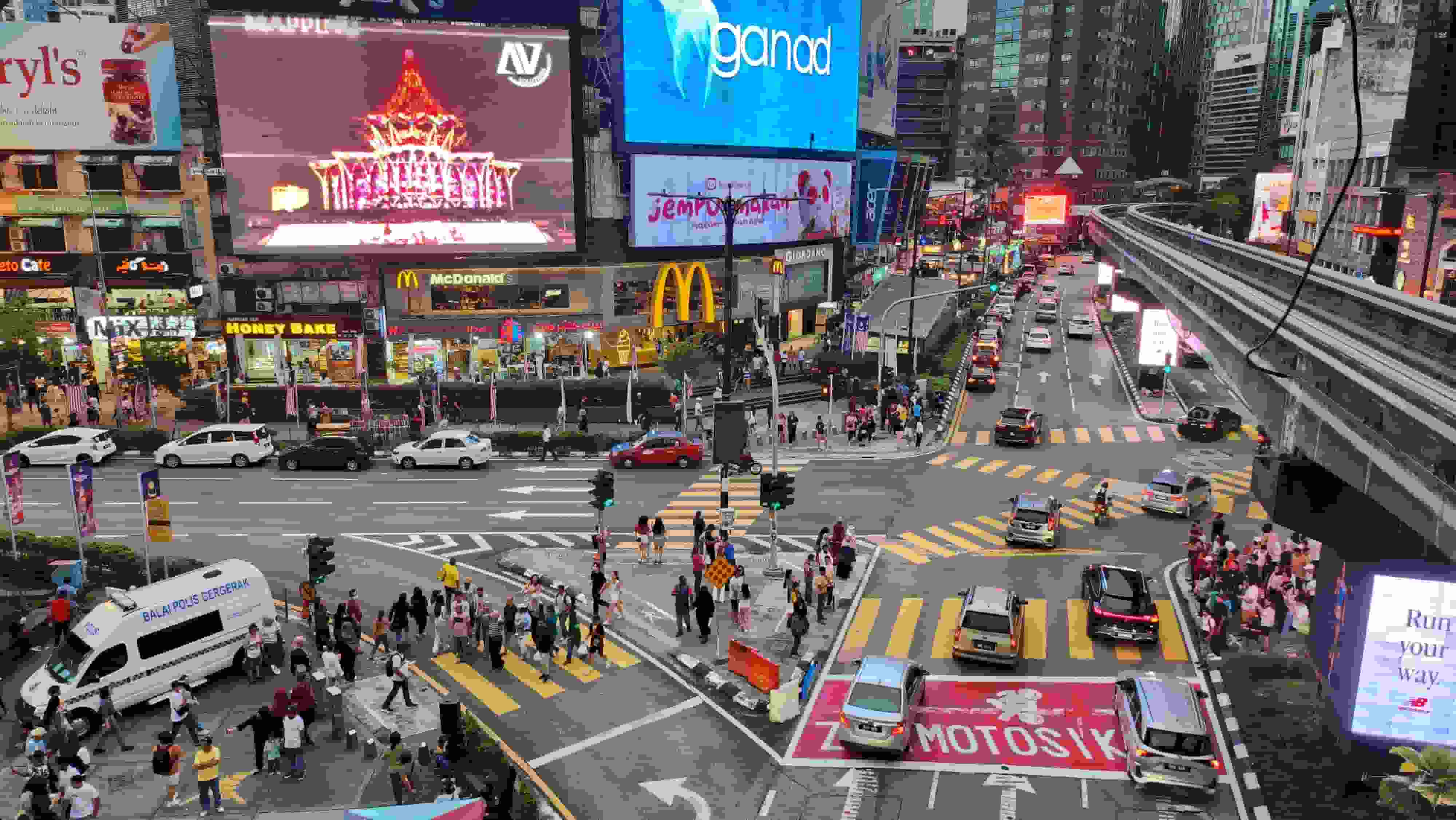
Bukit Bintang
Known as Kuala Lumpur's shopping and entertainment hub, Bukit Bintang is a lively area filled with malls, eateries, and nightlife.
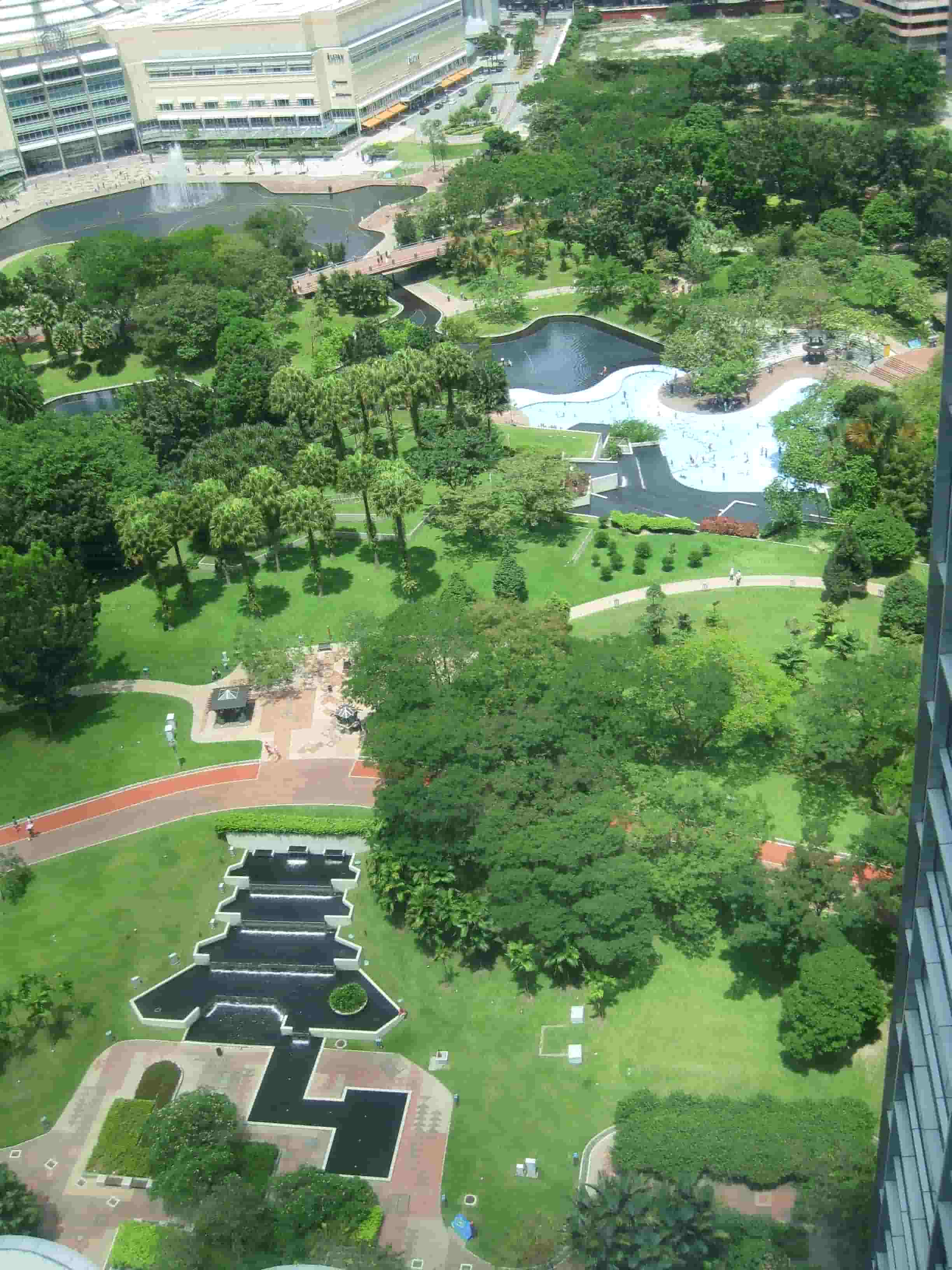
KLCC Park
Enjoy a peaceful stroll through this lush urban oasis, featuring beautiful gardens, fountains, and stunning views of the Petronas Towers.

Pavilion Kuala Lumpur
A premier luxury shopping mall in the Bukit Bintang area, home to high-end international brands and gourmet dining.
Bintang Walk
A famous shopping and entertainment street with luxury brands and nightlife.
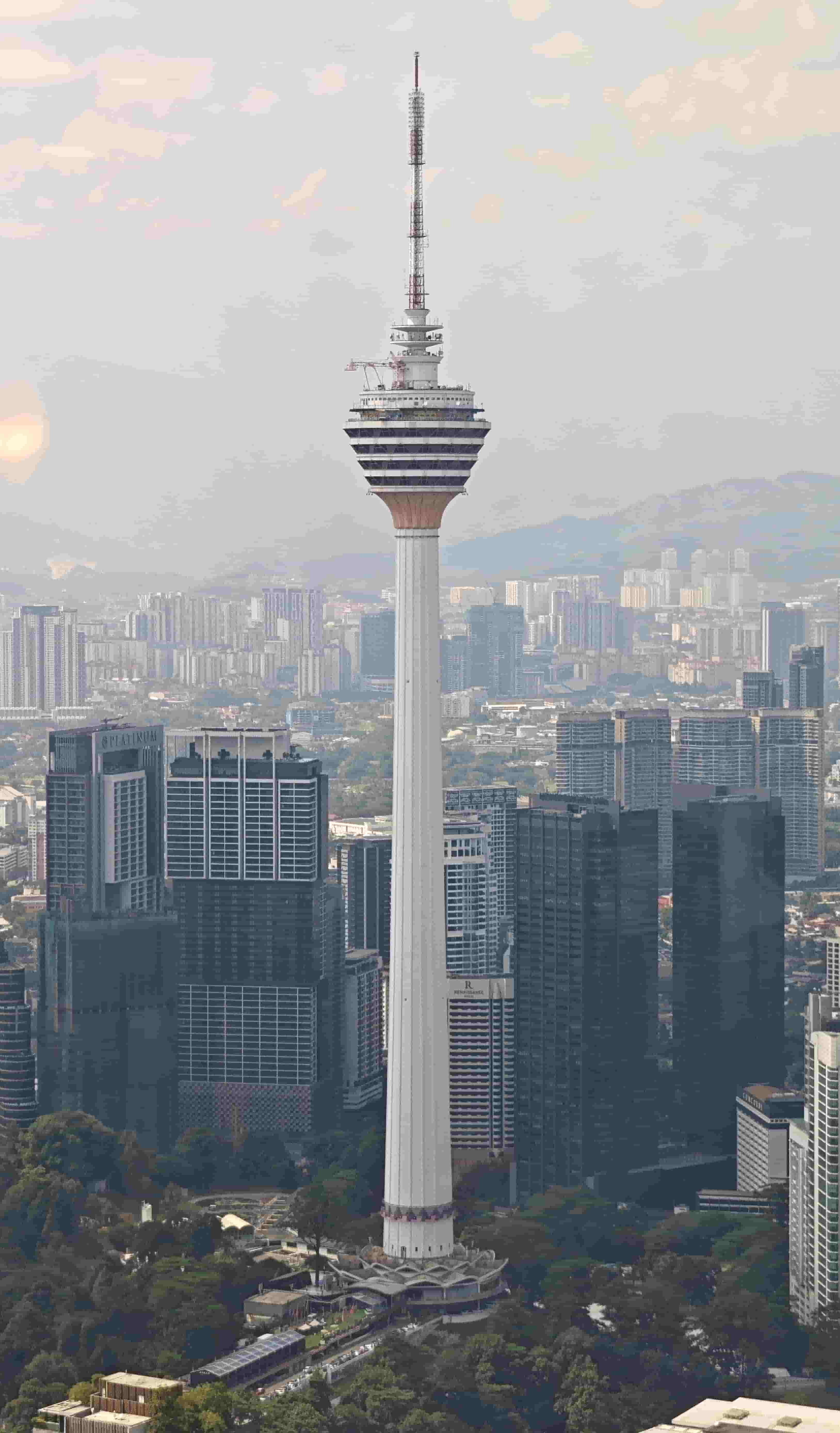
KL Tower
Iconic 421-meter-tall telecommunications tower with an observation deck and revolving restaurant
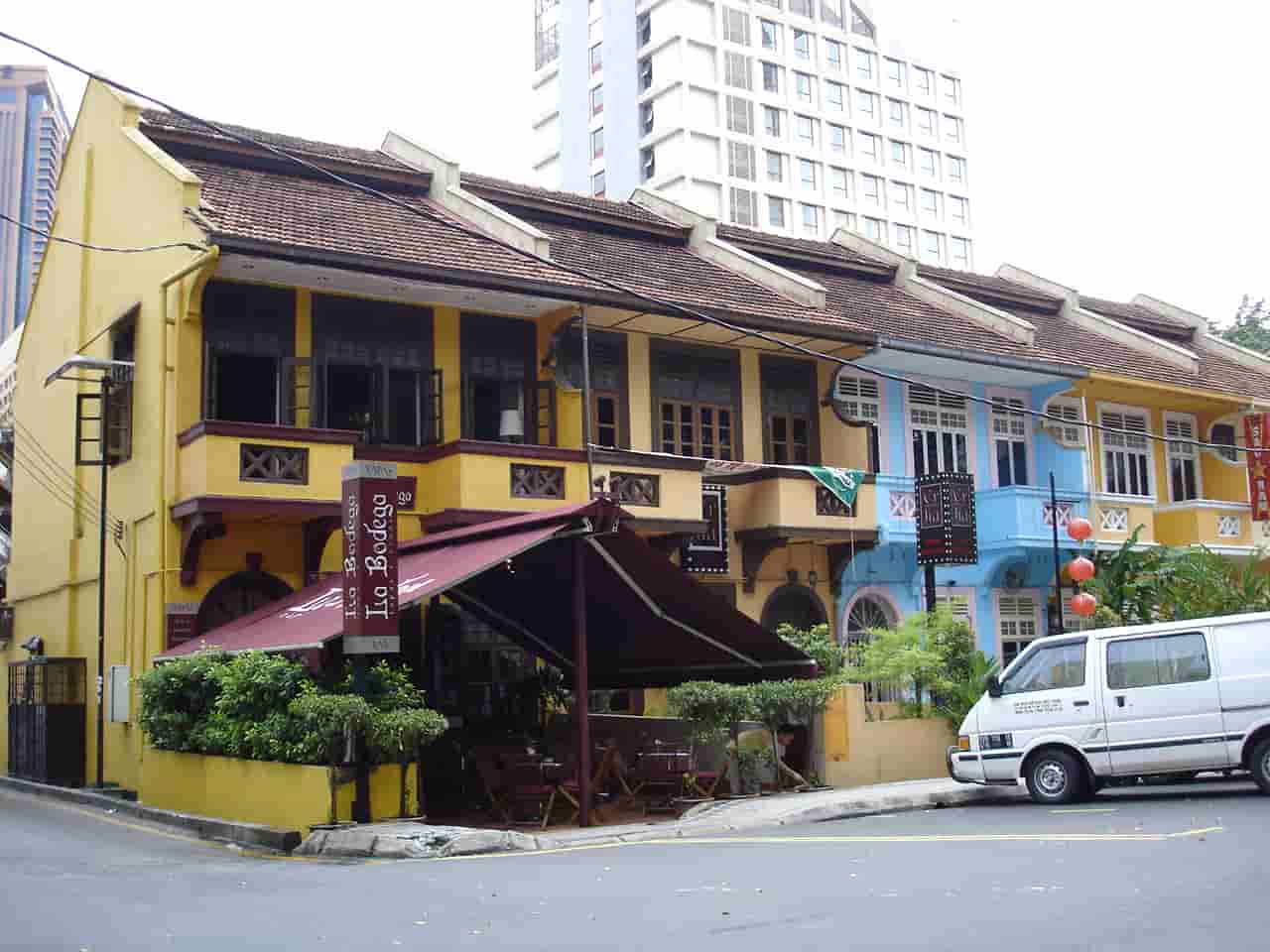
Changkat Bukit Bintang
A street famous for its lively bars, clubs, and international restaurants.
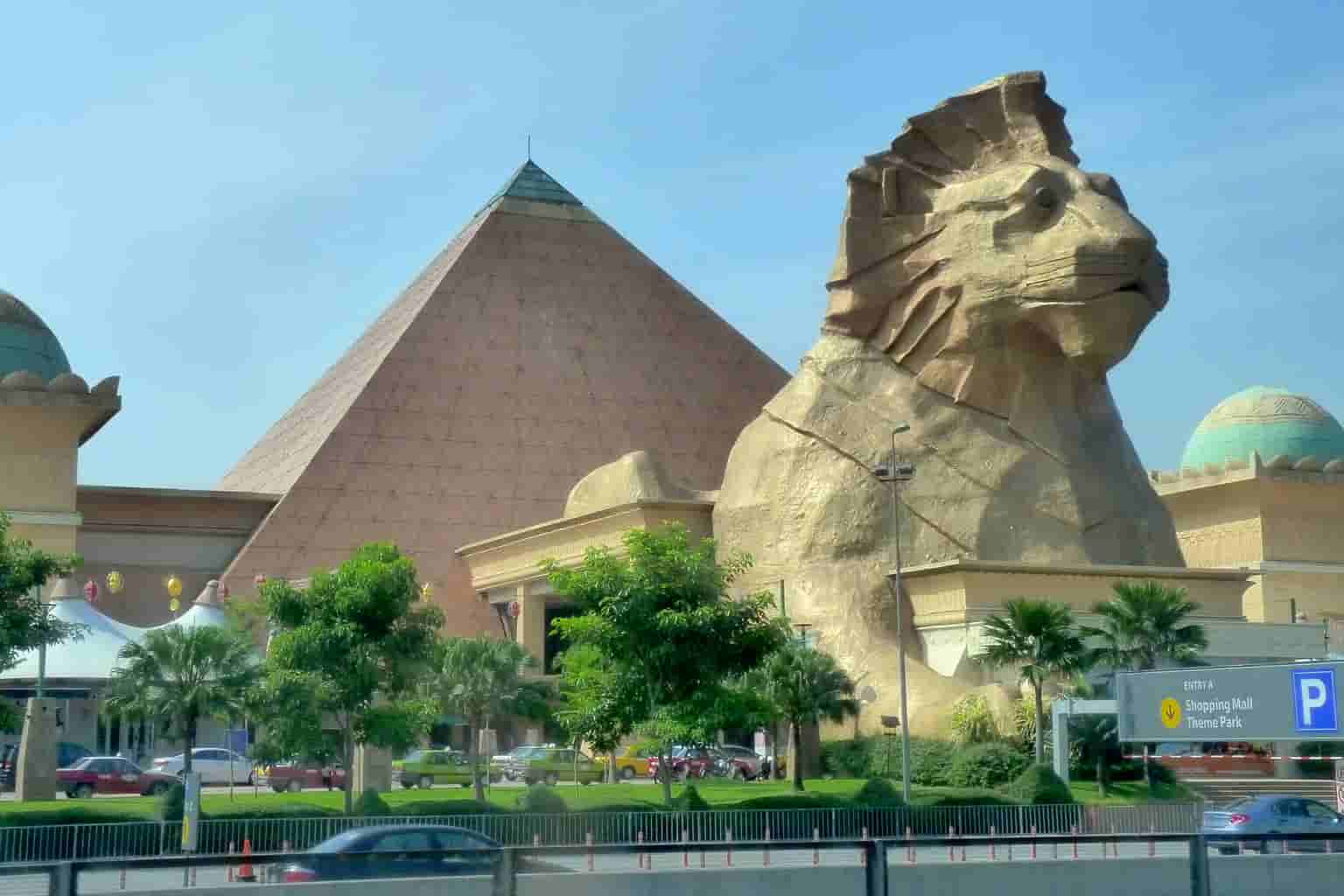
Sunway Pyramid
A massive shopping mall with a distinctive Egyptian theme, ice rink, and extensive retail options.
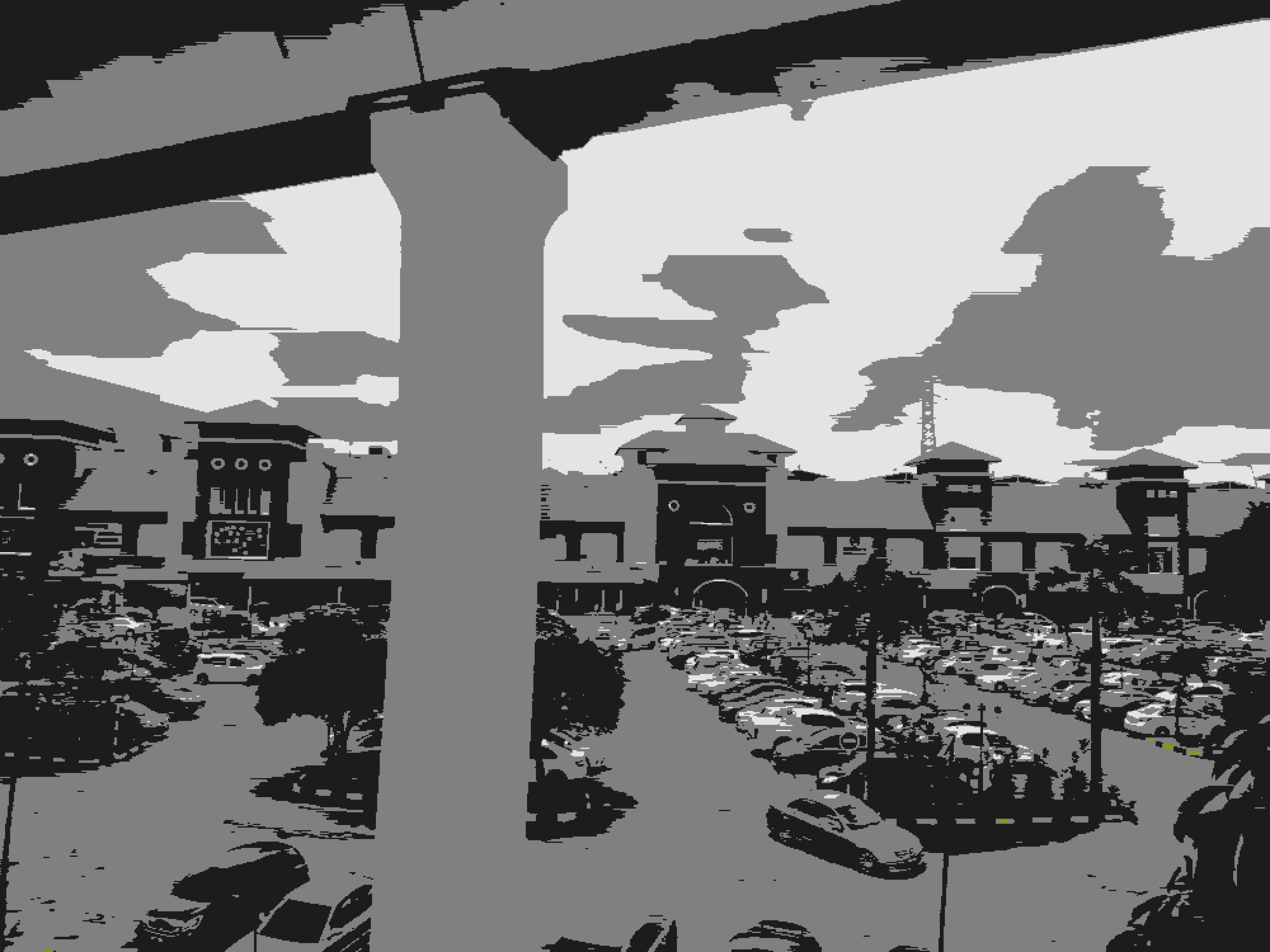
IOI Mall Puchong
A large shopping mall with numerous retail outlets, a cinema, and diverse dining options.
Taman Wawasan Lake
A scenic lake park popular for walking, jogging, and outdoor activities.
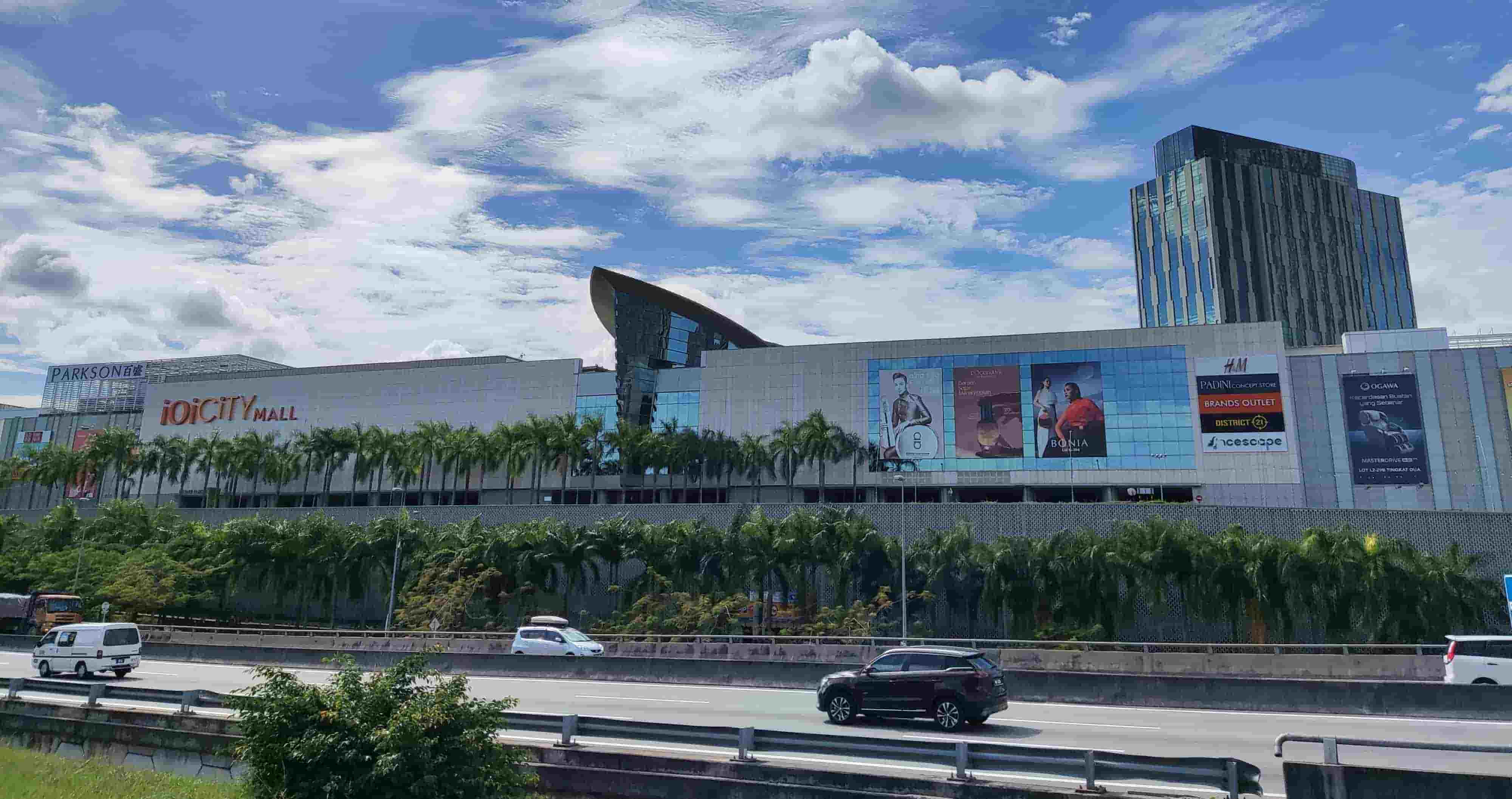
IOI City Mall
A large shopping mall with a wide range of retail outlets, entertainment options, and dining.
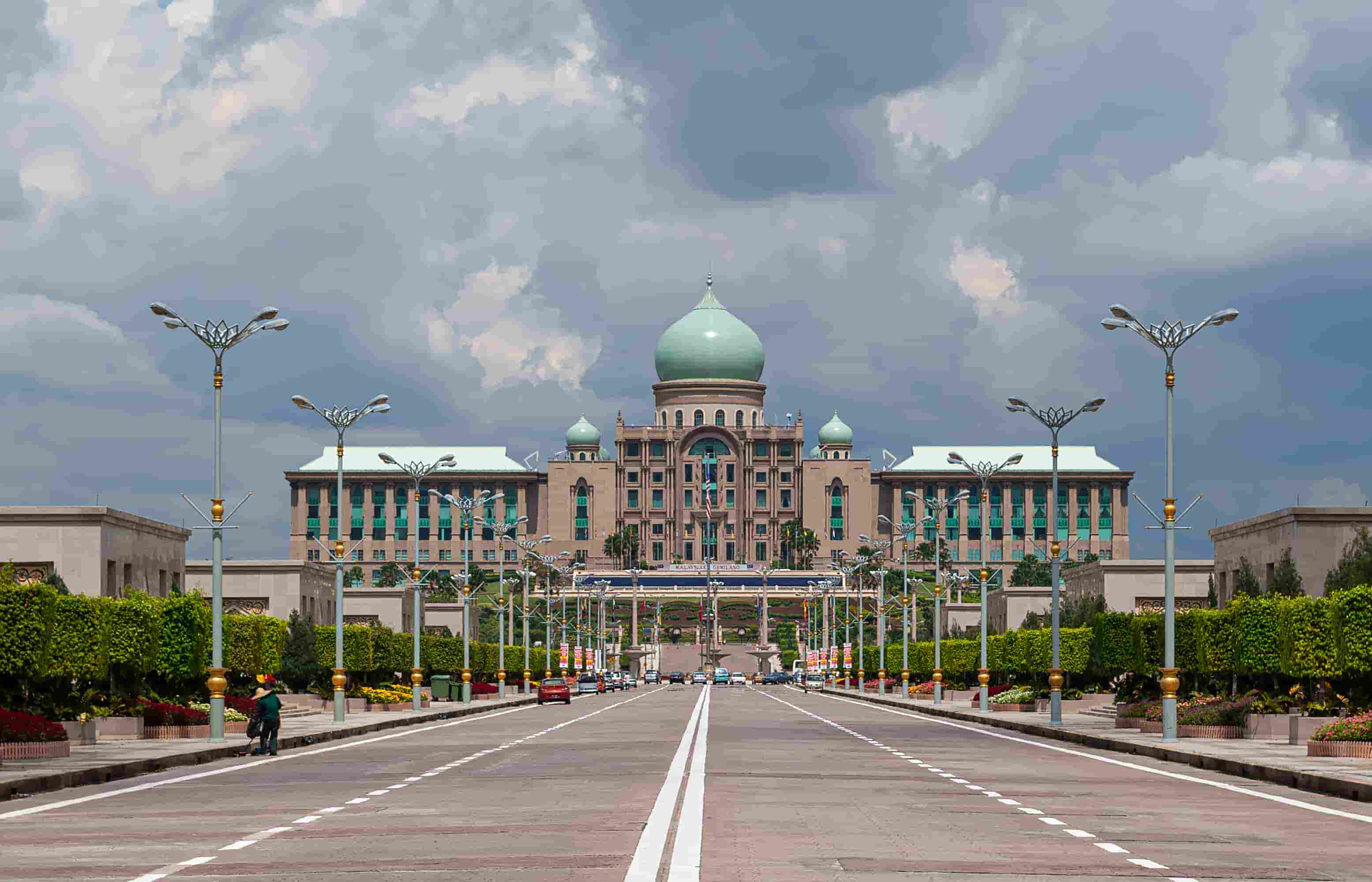
Putrajaya
Malaysia's administrative capital known for its impressive architecture and botanical gardens.
🏘️ Neighborhoods
Bukit Bintang
The pulsating heart of KL's entertainment and shopping scene, with glittering malls, endless restaurants, and the famous Jalan Alor food street.
KLCC
The sleek, modern financial district dominated by the Petronas Twin Towers, offering luxury hotels, high-end shopping at Suria KLCC, and beautiful parks.
Brickfields (Little India)
A vibrant, sensory-rich neighborhood filled with the aromas of spices, colorful saree shops, and some of the city's best South Indian food.
Chinatown (Petaling Street)
Historic and bustling area centered around a famous covered market street, known for bargain shopping, street food, and budget accommodations.
Bangsar
An affluent, leafy suburb popular with expats and locals, known for its trendy cafes, boutique shops, and relaxed yet upscale dining and bar scene.
Batu Caves
Famous for the towering limestone caves and Hindu temple complex, this area is more of a cultural destination than a residential neighborhood, with a strong local community vibe.
Mont Kiara
A modern, planned expatriate enclave with high-rise condominiums, international schools, and a plethora of cosmopolitan restaurants and cafes.
Kampung Baru
A traditional Malay village preserved in the shadow of the skyscrapers, offering a glimpse into old KL with wooden houses and excellent local Malay food stalls.
🍽️ Local Cuisine
Kuala Lumpur is a paradise for food lovers, offering a spectacular fusion of Malay, Chinese, and Indian flavors. Dining is a national pastime, with meals stretching late into the night at bustling hawker centers and mamak (Indian Muslim) stalls. Must-try signature dishes include Nasi Lemak (fragrant coconut rice with sambal, anchovies, and egg), Char Kuey Teow (stir-fried flat rice noodles), Satay (grilled meat skewers with peanut sauce), and Roti Canai (flaky flatbread with dhal). For a unique experience, have breakfast at a kopitiam (traditional coffee shop) with kaya toast and soft-boiled eggs. Popular food neighborhoods are everywhere: Jalan Alor in Bukit Bintang is a legendary open-air food street, while Brickfields offers superb South Indian banana leaf meals. In Chinatown, explore Petaling Street for street snacks. Drink fresh sugarcane juice, teh tarik ('pulled' milk tea), and local white coffee. You can eat incredibly well on a budget; a meal at a hawker stall costs RM 5-15, a mid-range restaurant RM 30-60 per person, and fine dining RM 100+. Dining etiquette is generally relaxed, but it's polite to use your right hand for eating if not using utensils. Don't be shy to eat with your hands for dishes like nasi kandar—just wash up at the provided basin first.
💡 Local Tips
🚗 Day Trip Ideas
Batu Caves
Climb the 272 colorful steps to this iconic Hindu temple complex set inside massive limestone caves, home to statues and shrines, including the towering Lord Murugan statue.
Putrajaya
Visit Malaysia's stunning planned administrative capital, known for its futuristic architecture, grand mosques (like the Pink Mosque), and beautiful man-made lakes perfect for a scenic cruise.
Genting Highlands
Escape to the cool mountain air of this hill resort, featuring theme parks, casinos, shopping, and indoor entertainment, all accessible via a scenic cable car ride.
Kuala Selangor
Experience nature with a firefly boat tour along the Selangor River at night, combined with visits to the historic Kuala Selangor Fort and eagle feeding at the river mouth.
Fraser's Hill
A charming, old-world colonial hill station offering cool temperatures, lush rainforest trails for bird watching and hiking, and a serene, tranquil atmosphere.
Melaka (Malacca)
Explore this UNESCO World Heritage city rich with Peranakan history, colonial architecture, vibrant Jonker Street Night Market, and delicious local cuisine.
🛡️ Safety Tips
Kuala Lumpur is generally a safe city for tourists, with a relatively low violent crime rate. However, as in any major metropolis, petty crime like pickpocketing and bag-snatching can occur, particularly in crowded tourist areas like Bukit Bintang, KLCC, and Chinatown. Stay vigilant with your belongings, avoid flashing expensive jewelry or electronics, and use hotel safes for passports and excess cash. Common scams include taxi drivers refusing to use the meter, friendly strangers inviting you to gambling dens or overpriced bars, and fake tourist police asking to check your money. Use official ride-hailing apps to avoid taxi hassles. At night, stick to well-lit, populated areas. While most districts are safe, exercise extra caution in less crowded areas. Emergency numbers are 999 for police and 994 for fire/ambulance. Health-wise, drink bottled or filtered water, and use insect repellent to guard against mosquitoes. For solo travelers, standard precautions apply: inform someone of your plans and avoid walking alone in isolated places after dark. Overall, using common sense will ensure a very secure and enjoyable visit.
💰 Budget Guide
Kuala Lumpur offers fantastic value, catering to all travel styles. A budget traveler can manage on $30-50 USD per day. This covers a dorm bed or basic guesthouse ($15-25), all meals at hawker centers and mamak stalls ($10-15), public transport ($3-5), and free or low-cost attractions like parks and street markets. A mid-range traveler should budget $80-150 USD daily. This allows for a comfortable hotel or Airbnb in a good location (from the average $85/night), meals at a mix of hawker centers and nice restaurants ($25-40), Grab rides and train trips ($10-15), and paid entry to major attractions like the Petronas Towers SkyBridge or KL Tower ($15-30). Luxury travelers can expect to spend $250+ USD per day for 5-star hotels, fine dining, private tours, and premium shopping. Accommodation is your biggest variable, with prices spiking during peak seasons. Save money by using the excellent public transport, eating at local stalls, visiting free attractions like the Batu Caves and KLCC Park light show, and shopping at markets instead of malls. Many museums have free entry days.