Welcome to Cameron Highlands
Nestled in the misty highlands of Pahang, Malaysia, Cameron Highlands is a breath of fresh air—literally and figuratively. This sprawling hill station, established by the British in the 1920s, offers a cool, temperate escape from the tropical heat of the lowlands. Its significance lies in its dual identity as both a major agricultural hub, famed for its sprawling tea plantations and strawberry farms, and a premier tourist destination renowned for its colonial charm, lush landscapes, and unique biodiversity. The region's rolling green hills, often shrouded in ethereal fog, are dotted with Tudor-style architecture, vibrant flower gardens, and winding mountain roads. With a remarkable 606 hotels ranging from quaint homestays to luxurious resorts, visitors are spoiled for choice when seeking a cozy retreat, with an average nightly stay costing around $88.71. Whether you're sipping freshly brewed tea overlooking endless emerald fields, exploring mysterious moss-covered forests, or simply enjoying the crisp, cool air, Cameron Highlands promises a uniquely serene and picturesque Malaysian experience.
Overview
Cameron Highlands is Malaysia's most extensive hill station, developed during the British colonial era as a sanatorium and retreat. Its history is deeply intertwined with agriculture, most notably the establishment of the Boh Tea Plantation in 1929, which remains a cornerstone of the local economy and landscape. The region is administratively divided into several key towns and areas, including Tanah Rata (the main administrative and commercial center), Brinchang (known for its markets and attractions), Ringlet (the entry point and site of the Sultan Abu Bakar Dam), and the quieter Kea Farm and Tringkap areas, famous for vegetable and strawberry farms. Culturally, it's a fascinating blend of Malay, Chinese, and Indian influences, reflected in its temples, food, and festivals. The area is world-famous for its tea plantations, cool-weather agriculture (strawberries, flowers, and vegetables), and its unique ecological sites like the Mossy Forest, a fragile, ancient cloud forest ecosystem. The pace of life is leisurely, focused on nature, agriculture, and relaxation, making it a favorite destination for both domestic and international tourists seeking respite.
🗓️ Best Time to Visit
Cameron Highlands enjoys a cool, temperate climate year-round, but timing your visit can enhance the experience. The dry season, from late February to early October, is generally considered the best time to visit, with less rainfall and clearer skies ideal for trekking, plantation tours, and sightseeing. The peak tourist seasons coincide with Malaysian school holidays and public holidays, particularly in March-April, June-July, and November-December; expect larger crowds and higher prices during these periods. The wetter monsoon season runs from late October to January, bringing heavier, more persistent rain which can lead to foggy conditions, landslides on some roads, and limited outdoor activity. However, this period sees fewer tourists and a uniquely atmospheric, mist-shrouded landscape. Major events are often agricultural or cultural festivals, such as the Cameron Highlands Flower Festival (usually in August), showcasing stunning blooms, and various tea harvest celebrations. For a balance of good weather and manageable crowds, aim for the shoulder months of February, May, or September.
🌤️ Weather & Climate
Cameron Highlands features a subtropical highland climate, characterized by mild temperatures year-round with significant rainfall. Days are comfortably cool, and nights can be chilly, with frequent mist and fog, especially in the early morning and evening.
Seasons
Drier Season
💨 Humidity: moderate
Sunny mornings are common with afternoon showers possible. The best time for outdoor activities and clear views of the plantations.
Wetter Season
💨 Humidity: high
Persistent rainfall and dense fog are common. Landslides can occur on roads. The landscape is lush and atmospheric, but outdoor plans may be disrupted.
Monthly Weather Details
January Weather
Best for: indoor museums, steamboat dinners
February Weather
Best for: sightseeing, garden visits
March Weather
Best for: trekking, tea plantation tours
April Weather
Best for: flower viewing, strawberry picking
May Weather
Best for: all outdoor activities
June Weather
Best for: hiking, photography
July Weather
Best for: all outdoor activities
August Weather
Best for: Flower Festival, sightseeing
September Weather
Best for: plantation visits, market exploring
October Weather
Best for: indoor attractions, cozy cafes
November Weather
Best for: indoor activities, spa visits
December Weather
Best for: festive markets, indoor dining
🎒 What to Pack
All Year Round
- light jacket or sweater
- umbrella or raincoat
- comfortable walking shoes with grip
- layered clothing
🚗 Getting Around
Navigating Cameron Highlands requires planning as public transportation is limited. There is no local train service or extensive public bus network within the highlands themselves. The most common and flexible way for tourists to get around is by hiring a local taxi or a private car with a driver for half or full-day tours, which can be arranged through hotels or at taxi stands in Tanah Rata and Brinchang. Ride-sharing apps like Grab are available but reliability can vary, especially during peak hours or in more remote areas. Walking is pleasant in the town centers of Tanah Rata and Brinchang, but attractions are spread out across the hills, making walking between them impractical and unsafe due to narrow, winding roads without sidewalks. Biking is an option for the adventurous on quieter roads, but the hilly terrain demands good fitness. Most visitors arrive via road from major cities; there is no airport in the highlands. Transfers from Kuala Lumpur or Penang are typically by private car, tourist coach, or shared van services which terminate at Tanah Rata. Costs for a full-day private car hire typically range from RM 150 to RM 250, while short taxi hops within towns cost around RM 10-15.
🎯 Top Attractions
Boh Tea Plantation
Explore the lush, rolling hills of one of Malaysia's most famous tea plantations and sample delicious, locally grown tea.
Cameron Lavender Garden
A stunning botanical garden showcasing vibrant lavender fields, perfect for leisurely walks and photography.
Rose Center
Garden showcasing various rose species and plants.
Cameron Highlands Night Market
Local market selling fresh produce, snacks, and souvenirs in a cool climate.
Mossy Forest
A unique and enchanting ecosystem high in the mountains, accessible via a canopy walkway with misty, surreal views.
Cameron Highlands Butterfly Farm
Marvel at the vibrant colors and delicate beauty of hundreds of live butterflies in this enchanting outdoor sanctuary.
Cameron Highlands Tea Plantations
Vast, rolling hills covered in tea bushes, offering tours and stunning photo opportunities.
Boh Tea Centre
A popular visitor center with a tea factory tour and a café overlooking plantations.
Time Tunnel Museum
Museum showcasing the history of Cameron Highlands through memorabilia and exhibits.
Rose Centre
A garden complex showcasing a variety of roses and other flowers in a cool climate.
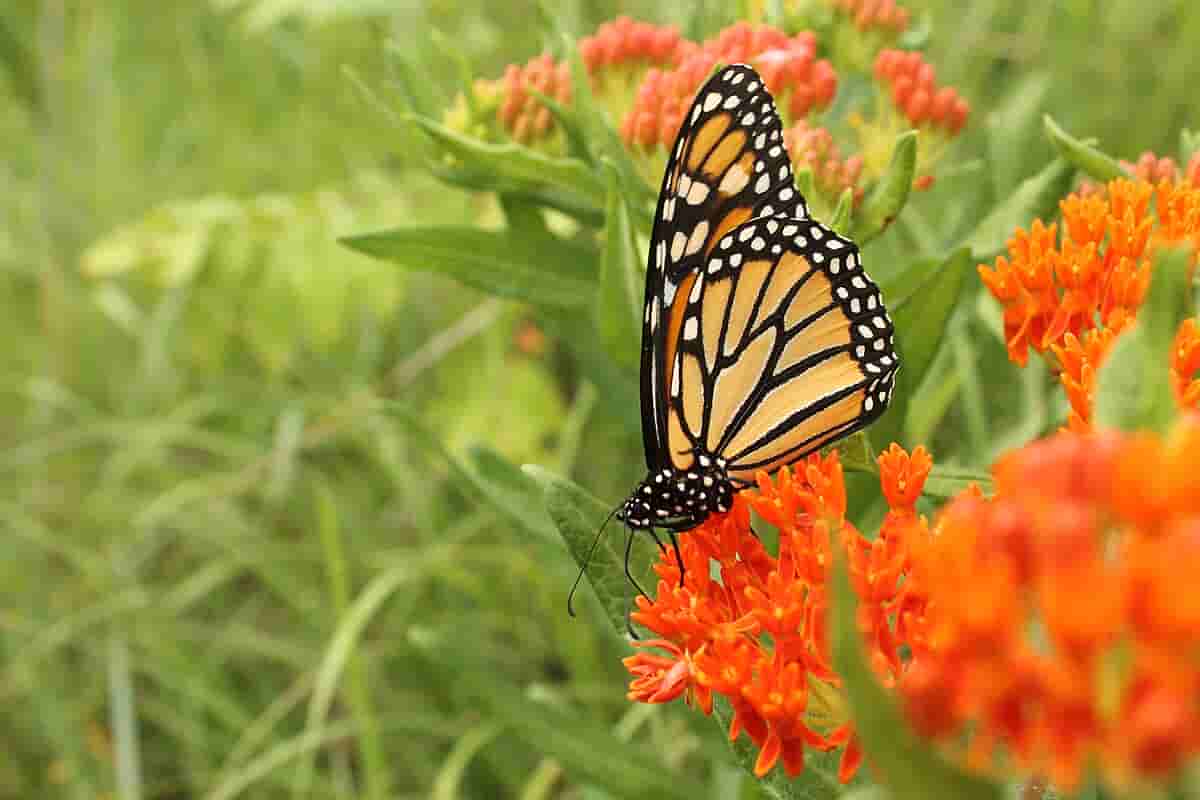
Butterfly Garden
A garden housing various butterfly species and other insects in a controlled environment.
Big Red Strawberry Farm
A farm where visitors can pick their own strawberries and enjoy strawberry-based treats.
🏘️ Neighborhoods
Tanah Rata
The main administrative and commercial town. It has the widest selection of accommodation, restaurants, travel agencies, and banks. It's the most convenient base for first-time visitors.
Brinchang
Located slightly higher than Tanah Rata, it's bustling with tourist attractions like the Night Market, Butterfly Farm, and numerous flower gardens. More commercial and crowded.
Ringlet
The first town you encounter when ascending from the lowlands. It's quieter, closer to the Sultan Abu Bakar Dam and Lakehouse, with a more local feel.
Kea Farm
A sprawling agricultural area famous for its vast vegetable farms, strawberry plots, and flower nurseries. Features a large morning market for fresh produce.
Tringkap
A small, traditional village known for its vegetable farming and quieter atmosphere. Offers homestay experiences and a glimpse into local farming life.
Boh Tea Plantation Area (Sungai Palas)
Not a residential neighborhood per se, but the area surrounding the iconic Boh Tea Centre. Offers stunning vistas but very limited accommodation options (mainly the factory's own bungalow).
🍽️ Local Cuisine
The cuisine of Cameron Highlands is a delightful reflection of its cool climate and agricultural bounty. Signature dishes heavily feature fresh, locally grown produce. Must-tries include steamboat (hot pot), a perfect meal for the cool evenings, where you cook an assortment of vegetables, mushrooms, seafood, and meats in a simmering broth at your table. Strawberries feature prominently in desserts, drinks, and even savory sauces—don't miss strawberry scones with cream or a fresh strawberry sundae. Other local specialties include 'ikan bakar' (grilled fish) with local herbs, and a variety of vegetable stir-fries using farm-fresh cabbage, corn, and lettuce. Dining culture is casual, with a mix of Chinese coffee shops (kopitiam), Indian banana leaf restaurants, and Malay food stalls. Popular food areas are concentrated in Tanah Rata and Brinchang, especially at the Brinchang Night Market. Price ranges are very reasonable: a hearty meal at a local eatery can cost as little as RM 10-15, while a steamboat dinner at a restaurant may range from RM 25-50 per person. Etiquette is relaxed; tipping is not customary but appreciated for good service.
💡 Local Tips
🚗 Day Trip Ideas
Boh Tea Plantation (Sungai Palas)
Visit Malaysia's most famous tea plantation. Tour the factory, learn about tea processing, and enjoy breathtaking views from the iconic glass-walled cafe.
Mossy Forest & Mount Brinchang
Explore the enchanting, ancient cloud forest with its gnarled, moss-covered trees. A boardwalk leads through this unique ecosystem near Malaysia's second-highest peak.
Robinson Falls & Jungle Trekking
A popular trekking route from Tanah Rata leading to a scenic waterfall. Offers a good introduction to the highlands' rainforest. Combine with other jungle trails.
Agricultural Loop (Kea Farm, Tringkap, Kampung Raja)
A self-guided tour of farms. Pick strawberries, buy fresh vegetables and flowers, visit bee farms, and see the agricultural heart of the region.
Cameron Lavender Garden & Rose Centre
Wander through beautifully landscaped gardens bursting with colorful blooms. The Lavender Garden features a gift shop and cafe, while the Rose Centre showcases thousands of roses.
🛡️ Safety Tips
Cameron Highlands is generally a very safe destination for tourists. Violent crime is rare. The primary safety concerns are related to road conditions and outdoor activities. Be cautious when driving or walking along the narrow, winding mountain roads, especially at night or in foggy/rainy weather. When trekking, stick to marked trails, as getting lost in remote areas is a real risk; consider hiring a local guide for longer hikes. Common scams are minimal but be aware of taxi drivers not using meters; always agree on a fare before starting your journey. There are no specific areas to avoid, but exercise normal vigilance in crowded places like night markets. For emergencies, dial 999 for police, ambulance, or fire. Health-wise, the altitude is not extreme, but some may feel slight discomfort. The tap water is not recommended for drinking; stick to bottled water. Pack any necessary medications as specific pharmaceuticals may not be readily available.
💰 Budget Guide
Cameron Highlands can cater to various budgets, though it's not an ultra-budget destination. A budget traveler can manage on RM 100-150 per day, staying in basic hostels or homestays (RM 40-80/night), eating at local coffee shops and markets, and using shared transport or walking. A mid-range traveler should budget RM 200-350 per day, covering a comfortable hotel or resort (RM 150-250/night), meals at decent restaurants, private taxi tours, and entrance fees to attractions. Luxury travel can exceed RM 500+ daily, with stays at high-end resorts, fine dining, and private chauffeur services. Food is affordable: a local meal costs RM 5-15, while a restaurant dinner is RM 20-50. Transport is the main variable; a full-day private car tour costs RM 150-250 but can be split among a group. Activity costs are low: most gardens and farms charge RM 5-15 entrance. Money-saving tips: visit in the off-peak season for better hotel rates, share taxi tours with other travelers, eat at local 'kopitiams', and focus on free activities like walking through public tea plantation areas or visiting town markets.