Welcome to Haryana
Haryana, a dynamic state in northern India, presents a fascinating blend of ancient heritage and modern ambition. While not a single city, this guide focuses on its urban heartlands—primarily Gurugram (Gurgaon) and surrounding areas—which serve as the gateway to experiencing Haryana's unique character. This is where India's agricultural soul meets its technological future, creating a landscape dotted with gleaming corporate towers, sprawling cyber cities, and tranquil bird sanctuaries. The region's infrastructure caters to both business travelers and curious explorers, with a selection of 9 hotels offering comfortable stays at an average of $89.38 per night, making it an accessible base for discovery. Whether you're drawn to the theatrical spectacle of the Kingdom of Dreams, the serene wetlands of Sultanpur National Park, or the buzzing social scene at Cyber Hub, Haryana offers a condensed, one-day itinerary packed with surprising contrasts, from rural museums celebrating folk art to futuristic business districts driving the nation's economy.
Overview
Haryana, carved out of the larger Punjab state in 1966, is a region steeped in the history of the epic Mahabharata, with Kurukshetra being a legendary battlefield. Today, it is renowned as an economic powerhouse, often called the 'Millennium City' or 'Cyber City' of India, with Gurugram at its forefront. This transformation from agrarian land to a global IT and automotive hub is its defining narrative. Culturally, it is deeply rooted in Punjabi and Haryanvi traditions, evident in its vibrant festivals, folk music like 'Ragini', and hearty cuisine. The state is famous for its prosperous agricultural output, particularly wheat and mustard, and its role in India's Green Revolution. Key districts for visitors include Gurugram, with its Cyber City and Cyber Hub for corporate and leisure activities; the historic and religious town of Kurukshetra; and the capital region of Chandigarh (a shared capital with Punjab), known for its modernist architecture. The juxtaposition of high-tech glass facades against the backdrop of rural life and historical sites creates a uniquely multifaceted destination.
🗓️ Best Time to Visit
The best time to visit Haryana is during the cooler, dry months from October to March. During this period, particularly from October to November and February to March, daytime temperatures are pleasant (20-30°C/68-86°F), making it ideal for exploring outdoor attractions like Sultanpur National Park and Damdama Lake. This is the peak tourist season. Winter (December-January) can be quite chilly, especially in the mornings and evenings, but is perfect for sightseeing. The scorching summer (April to June) is the off-peak season, with temperatures often exceeding 40°C (104°F), and is best avoided for extensive outdoor activities. The monsoon (July to September) brings moderate to heavy rainfall and high humidity, which can disrupt travel plans. Major events are seasonal: the Surajkund International Crafts Mela in February is a cultural highlight, while the Gita Jayanti in Kurukshetra (November/December) draws religious pilgrims. For a balance of good weather and fewer crowds, the shoulder months of October and March are optimal.
🌤️ Weather & Climate
Haryana experiences a continental climate with extreme seasonal variations. It has a hot summer, a cool winter, and a monsoon season with moderate rainfall. The weather is generally dry for most of the year except during the monsoon months.
Seasons
Winter
💨 Humidity: low
Cool and dry with chilly mornings and evenings. Pleasant, sunny days ideal for sightseeing and outdoor activities.
Summer
💨 Humidity: low to moderate
Extremely hot and dry, with intense heatwaves in May and June. Best for indoor and early morning/evening activities.
Monsoon
💨 Humidity: high
Hot and humid with sporadic to heavy rainfall. Can cause travel disruptions but brings relief from the summer heat.
Post-Monsoon
💨 Humidity: moderate
A transitional month with receding humidity and gradually cooling temperatures, leading into the pleasant winter.
Monthly Weather Details
January Weather
Best for: sightseeing, cultural visits
February Weather
Best for: sightseeing, Surajkund Mela
March Weather
Best for: outdoor activities, park visits
April Weather
Best for: early morning/late evening outings
May Weather
Best for: indoor attractions, malls
June Weather
Best for: indoor attractions, malls
July Weather
Best for: indoor cultural activities
August Weather
Best for: indoor cultural activities
September Weather
Best for: indoor activities, museum visits
October Weather
Best for: sightseeing, outdoor activities
November Weather
Best for: sightseeing, park visits
December Weather
Best for: sightseeing, cultural visits
🎒 What to Pack
All Year Round
- Sunscreen
- Sunglasses
- Comfortable walking shoes
- Power adapter
🚗 Getting Around
Navigating Haryana's urban centers, especially Gurugram, requires a mix of transport options. The Delhi Metro's Yellow Line connects key parts of Gurugram to Delhi, offering a fast and affordable way to travel. For local travel, app-based ride-sharing services like Uber and Ola are ubiquitous, reliable, and relatively inexpensive for point-to-point travel. Auto-rickshaws are a cheaper alternative for short distances; always insist on using the meter or agree on a fare beforehand. Taxis can be hired for full or half-days for more flexibility. While some areas like Cyber Hub are walkable, the city is largely designed for vehicles, and walking long distances between attractions is not practical. Biking is not a common tourist mode due to traffic. For airport transfers, Indira Gandhi International Airport (DEL) in Delhi is the primary gateway. Pre-paid taxis and app-based cabs are readily available at the airport for the 45-minute to 1.5-hour drive to Gurugram, depending on traffic. Costs: Metro rides are under $1, auto-rickshaws start at $0.50, and cab rides within the city typically range from $3 to $15.
🎯 Top Attractions
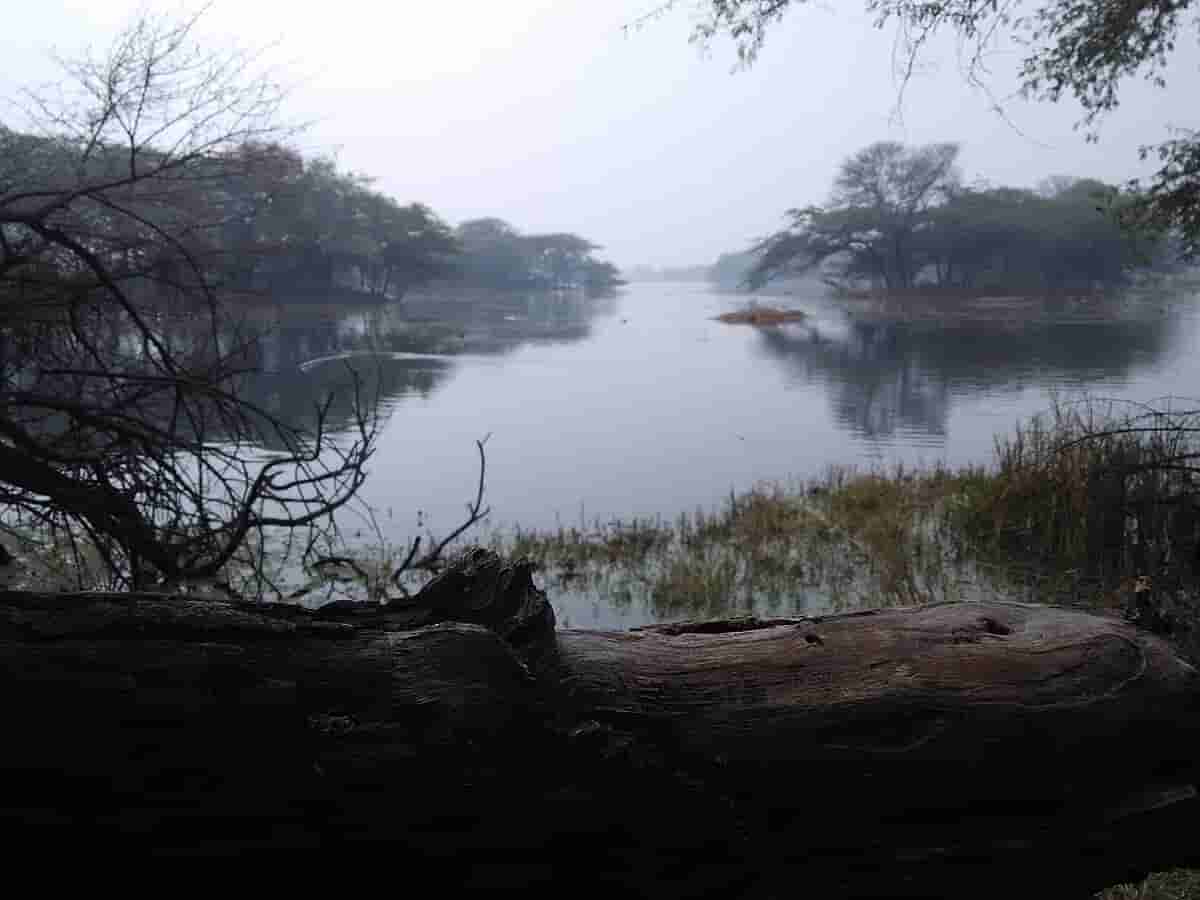
Sultanpur National Park
A bird sanctuary and national park, home to numerous resident and migratory bird species.
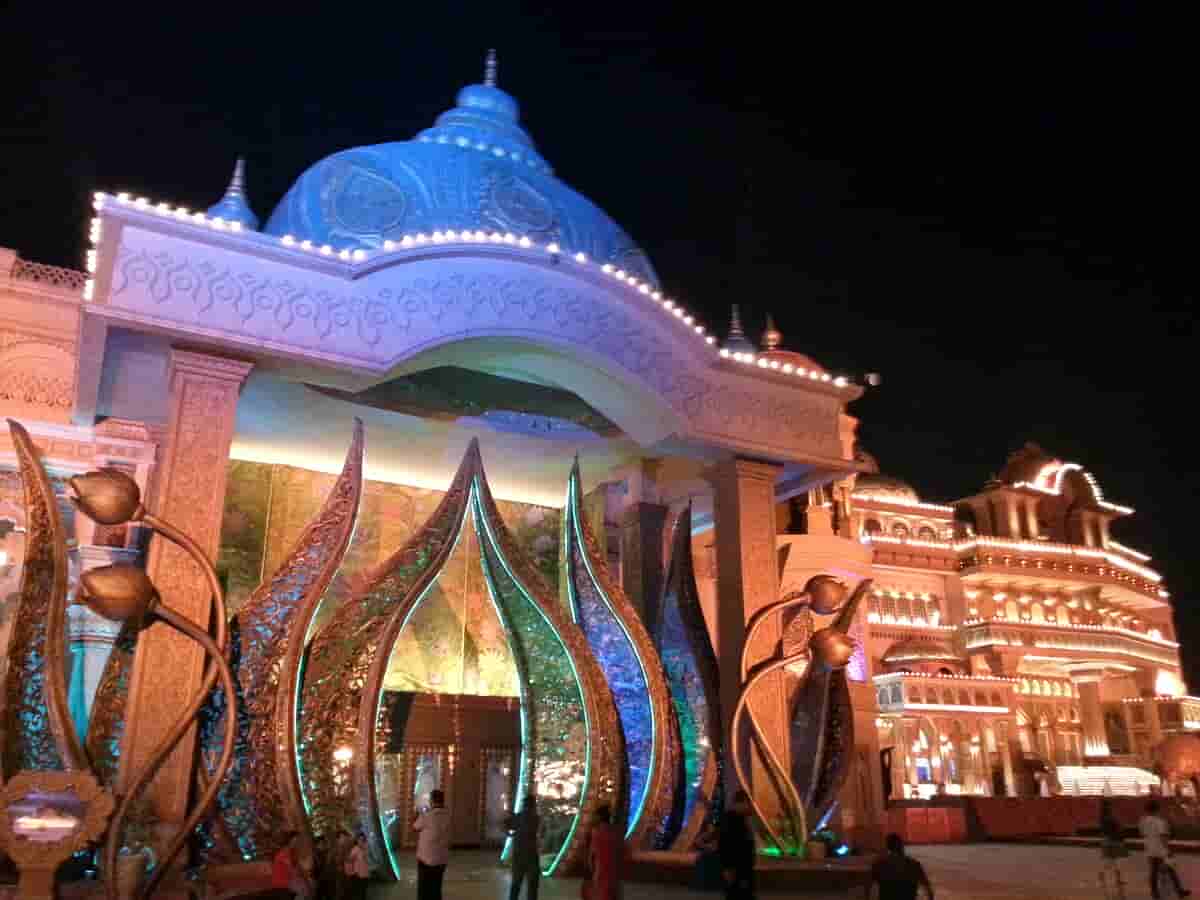
Kingdom of Dreams
A large entertainment and leisure complex showcasing Indian culture through theater, food, and art.
Cyber City
Modern business district with shopping and offices.
Heritage Transport Museum
A museum dedicated to the evolution of transportation in India.
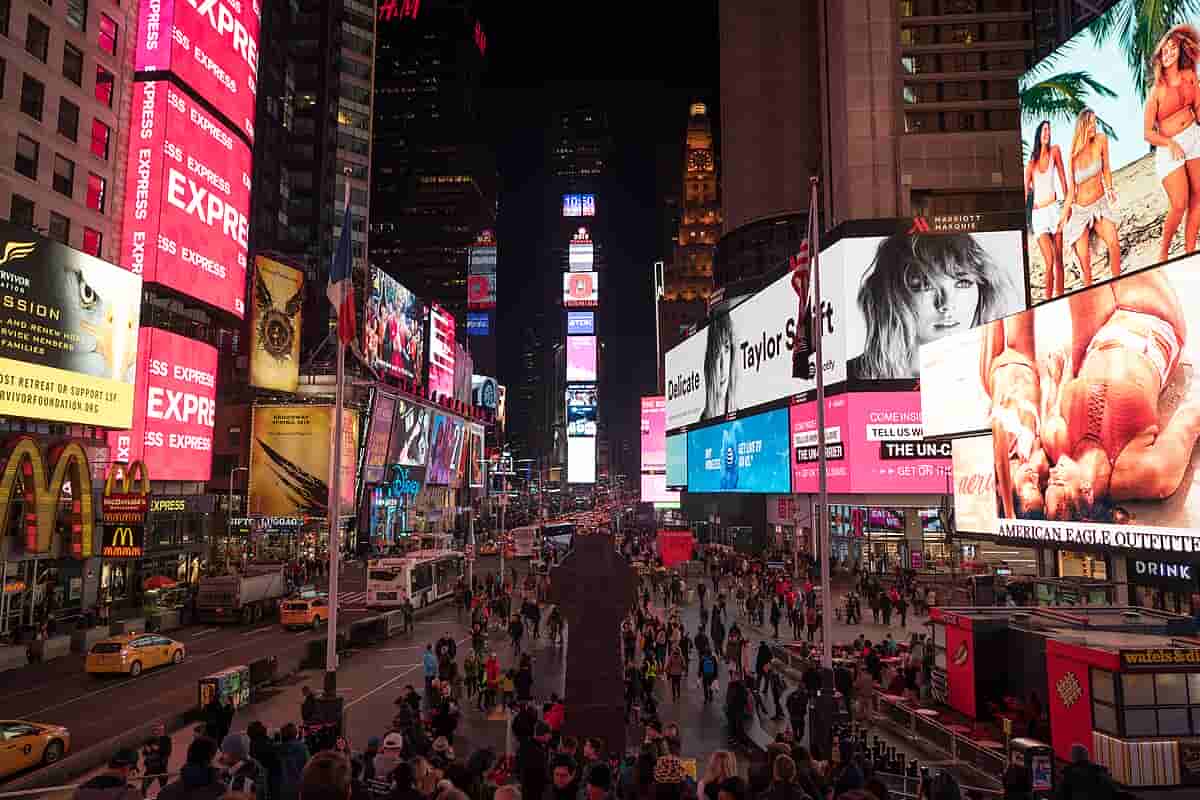
Cyber Hub
A vibrant dining and entertainment district with numerous restaurants.
Haryana Rural Museum
Museum showcasing rural life and artifacts.
Local Shopping Mall
Modern mall with various stores and eateries.
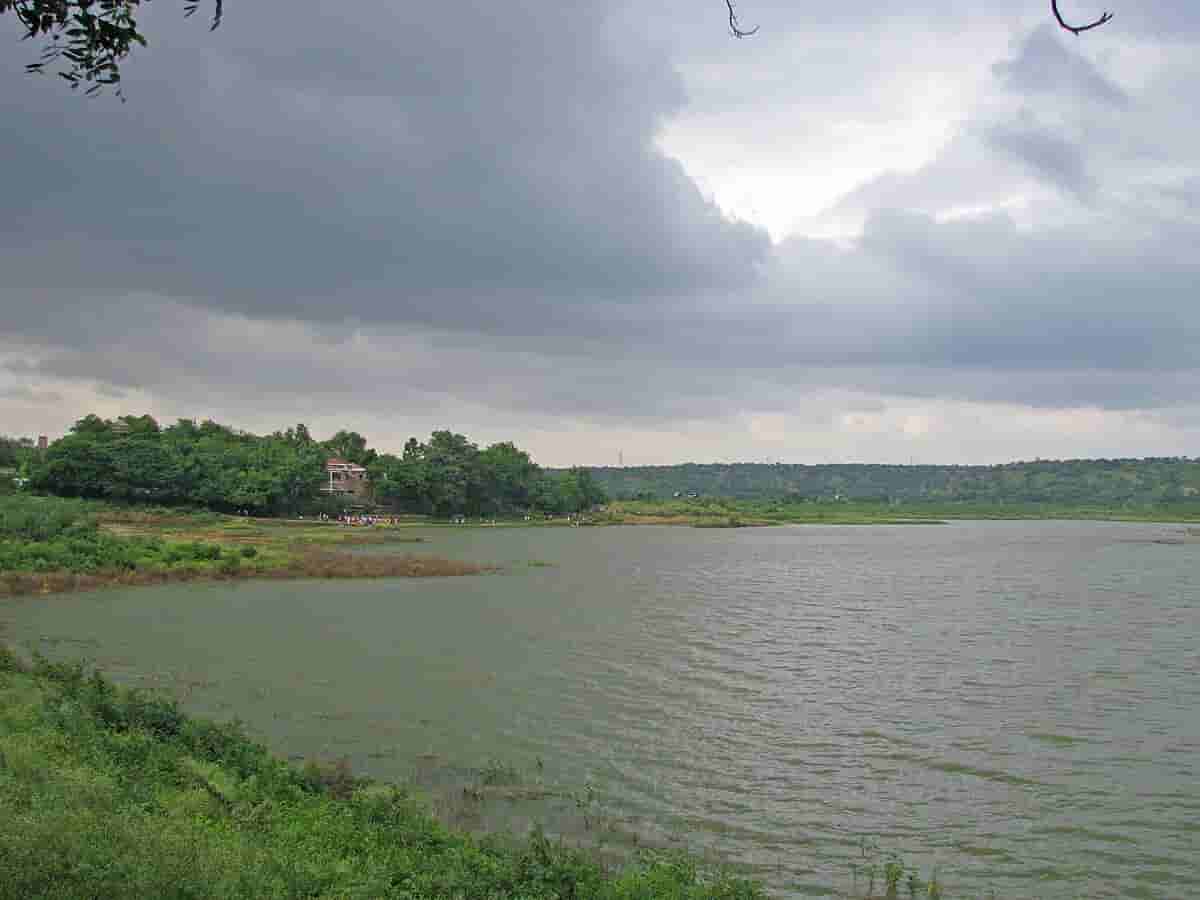
Damdama Lake
Large natural lake offering boating and adventure activities.
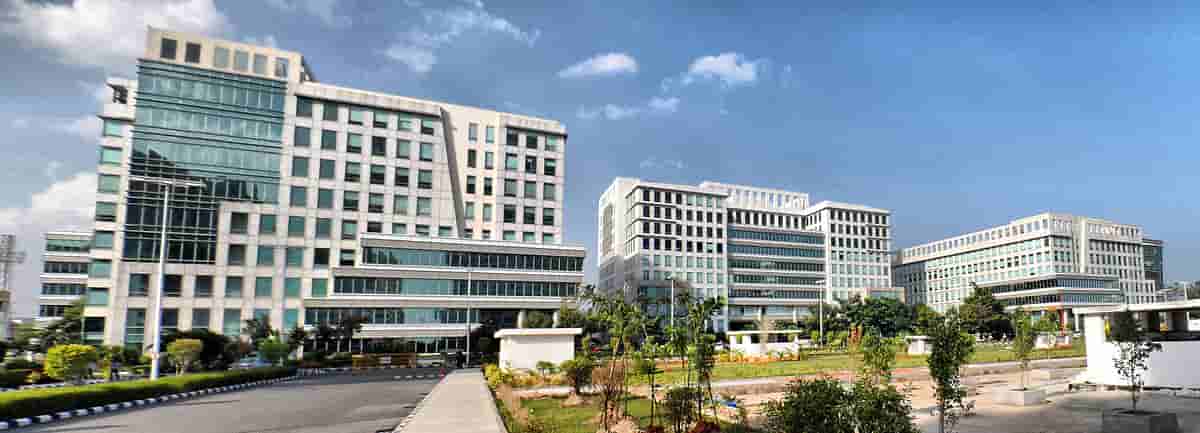
DLF Cyber City
A major IT and business hub in Gurgaon, with modern offices, malls, and restaurants.
🏘️ Neighborhoods
Cyber City / DLF Cyber City
The gleaming corporate heart of Gurugram, dominated by skyscrapers housing multinational companies. Adjacent to Cyber Hub for dining and entertainment.
Golf Course Road
An upscale residential and commercial corridor lined with luxury condominiums, five-star hotels, high-end malls, and premium restaurants.
Sector 14 & Old Gurgaon
The older, more established part of the city with local markets, government offices, and a more authentic, lived-in feel compared to the new sectors.
Sohna Road
A rapidly developing area with a mix of residential complexes, hotels, and commercial spaces, leading towards the scenic Damdama Lake.
Udyog Vihar
A major industrial and corporate area, with a mix of offices and manufacturing units. Functional with practical amenities for business visitors.
Manesar
An industrial town on the Delhi-Jaipur highway, known for its automotive plants and manufacturing hubs. Offers practical lodging for business.
Kurukshetra
A historic and pilgrimage city separate from Gurugram's hustle. Known for its religious sites connected to the Mahabharata epic.
🍽️ Local Cuisine
Haryanvi cuisine is robust, earthy, and centered around agricultural produce, with a fondness for dairy. Signature dishes include 'Bajra Khichdi' (millet porridge), 'Singri ki Sabzi' (a dried bean curry), and 'Kachri ki Chutney'. 'Kadhi Pakora' (gram flour dumplings in yogurt gravy) is a beloved comfort food. Meat lovers must try 'Tikkas' and 'Kebabs', often marinated in local spices. Dining culture ranges from rustic 'dhabas' (roadside eateries) serving thalis to upscale international restaurants in Cyber Hub. Must-try foods also include 'Makki ki Roti' with 'Sarson ka Saag' (cornbread with mustard greens) in winter and fresh 'Lassi' (yogurt drink). Popular food areas are Cyber Hub for global and trendy Indian fare, and Sector 14 market for local flavors. Price ranges are wide: a street food snack can cost under $2, a hearty thali at a mid-range restaurant $5-$10, and a fine-dining meal $20+. Etiquette: It's common to eat with your right hand. While many places offer cutlery, trying to eat a roti with your hands is part of the experience.
💡 Local Tips
🚗 Day Trip Ideas
Delhi
India's historic capital, home to the Red Fort, Qutub Minar, Humayun's Tomb, and bustling markets like Chandni Chowk.
Neemrana Fort Palace
A magnificent 15th-century fort converted into a heritage hotel, perfect for exploring history, zip-lining, or a luxurious lunch.
Sultanpur National Park
A serene bird sanctuary and wetland, ideal for birdwatching, nature walks, and photography away from the city bustle.
Damdama Lake
A large natural lake offering activities like boating, rock climbing, hot air ballooning, and picnicking in a rustic setting.
Kurukshetra
The legendary battlefield of the Mahabharata, a major pilgrimage site with ancient tanks, temples, and a panoramic light and sound show.
Chandigarh
The beautifully planned capital city designed by Le Corbusier, featuring the Rock Garden, Sukhna Lake, and Capitol Complex.
🛡️ Safety Tips
Haryana's urban centers like Gurugram are generally safe for tourists, with a visible security presence in malls and business districts. Exercise standard precautions: avoid isolated areas at night, keep valuables secure, and be cautious in crowded markets. Common scams can involve inflated prices from auto-rickshaw drivers not using meters or street vendors, so always confirm fares and prices upfront. When using ride-sharing apps, verify the car and driver details before entering. Traffic can be chaotic, so be extremely careful when crossing roads. Areas around major transport hubs require extra vigilance against petty theft. Emergency numbers: Police (100), Fire (101), Ambulance (102 or 108). For health, drink only bottled or purified water, and be cautious with street food; opt for busy stalls with high turnover. Air quality can be poor, especially in winter, so those with respiratory issues may want to carry a mask. Overall, using common sense and staying aware of your surroundings will ensure a safe visit.
💰 Budget Guide
Haryana can cater to various budgets, though its corporate nature leans towards mid-range and luxury options. A budget traveler can manage on $30-$40 per day by staying in guesthouses or budget hotel chains ($20-$30/night), eating at local dhabas and street stalls ($5-$8/day), using metro and auto-rickshaws ($3-$5/day), and visiting free or low-cost attractions like parks and museums. A mid-range traveler should budget $70-$100 per day, covering a comfortable hotel (around the $89 average), meals at decent restaurants, app-based cabs, and paid attractions like Kingdom of Dreams. Luxury travel can exceed $200+ daily, with five-star hotels, fine dining, private car hires, and exclusive experiences. Money-saving tips: Use the Delhi Metro for long-distance travel, eat at popular local joints rather than hotel restaurants, visit free attractions like Cyber Hub (just pay for food/drink), and book hotels and shows online in advance for discounts. Many museums have modest entry fees, making cultural exploration affordable.