Welcome to Chennai
Chennai, the vibrant capital of Tamil Nadu, is a city where ancient Dravidian culture collides with a modern, bustling metropolis. As India's gateway to the south, it unfolds along the Coromandel Coast, anchored by the iconic Marina Beach, one of the world's longest urban shorelines. This is a city of profound spirituality, home to magnificent temples and colonial-era churches, and a thriving hub for Carnatic music, Bharatanatyam dance, and the Tamil film industry, Kollywood. Its unique character is a blend of deep tradition and rapid development, offering visitors a rich tapestry of experiences from serene temple visits to chaotic, colorful bazaars. With a robust infrastructure catering to travelers, the city boasts an impressive 996 hotels, ensuring options for every preference and budget, from heritage stays to sleek business towers, all averaging around $85 a night. A recommended stay of 4-5 days allows you to fully absorb its contrasts, from the historic ramparts of Fort St. George to the contemporary allure of Phoenix MarketCity.
Overview
Chennai, formerly Madras, is a city steeped in history, tracing its modern origins to 1639 with the establishment of Fort St. George by the British East India Company. It served as a crucial colonial port and administrative center, leaving a legacy of Indo-Saracenic architecture. Culturally, it is the heartland of Tamil culture, fiercely proud of its language, literature, and classical arts. The city is famous as a global center for Carnatic music and Bharatanatyam, with annual music and dance festivals drawing connoisseurs worldwide. It's also the home of Kollywood, the Tamil film industry. Geographically, Chennai sprawls along the coast, with key districts including the historic George Town area, the commercial hubs of T. Nagar and Nungambakkam, the diplomatic enclave of Besant Nagar, and the IT corridors of OMR and GST Road. It's renowned for its silk sarees, aromatic filter coffee, and as a major automobile and healthcare hub in India.
🗓️ Best Time to Visit
The best time to visit Chennai is from November to February, during the winter season. This period offers the most pleasant weather, with cooler temperatures, lower humidity, and minimal rainfall, making it ideal for sightseeing and beach visits. The peak tourist season coincides with this period and major events like the Margazhi Music and Dance Festival (Dec-Jan). The summer, from March to June, is intensely hot and humid, with temperatures often exceeding 40°C (104°F), making outdoor activities challenging. The monsoon season arrives with the northeast monsoon from October to December, bringing the majority of the city's annual rainfall, which can lead to heavy showers and occasional flooding. While hotel prices may be lower during the hot and rainy off-peak seasons, the comfort and accessibility of winter make it the unequivocally recommended time for a visit.
🌤️ Weather & Climate
Chennai has a tropical wet and dry climate, characterized by high heat and humidity for most of the year. It experiences a distinct hot season, a period of heavy rainfall from the northeast monsoon, and a brief, relatively cooler winter.
Seasons
Winter
💨 Humidity: moderate
The most pleasant time to visit, with warm, sunny days and cooler evenings. Minimal rainfall and lower humidity make outdoor exploration comfortable.
Summer
💨 Humidity: high
Extremely hot and humid. Temperatures often soar above 35°C (95°F). Outdoor activities are best planned for early morning or late evening.
Monsoon
💨 Humidity: high
Receives rainfall from both the southwest and, more intensely, the northeast monsoon (Oct-Dec). Heavy, sporadic showers can cause localized flooding.
Monthly Weather Details
January Weather
Best for: sightseeing, beach
February Weather
Best for: sightseeing, beach
March Weather
Best for: indoor activities, early morning outings
April Weather
Best for: indoor activities, early morning outings
May Weather
Best for: indoor activities, early morning outings
June Weather
Best for: indoor activities
July Weather
Best for: indoor activities
August Weather
Best for: indoor activities
September Weather
Best for: indoor activities
October Weather
Best for: indoor activities
November Weather
Best for: indoor activities, cultural events
December Weather
Best for: sightseeing, beach, cultural events
🎒 What to Pack
All Year Round
- lightweight cotton/linen clothing
- sunglasses
- sunscreen (high SPF)
- hat/cap
- reusable water bottle
- comfortable walking shoes
🚗 Getting Around
Chennai's public transportation network is extensive but can be crowded. The Chennai Metro is efficient for connecting key areas like the airport, Central Railway Station, and commercial districts. The suburban railway network is useful for longer distances. Public buses (MTC) cover the entire city but are best for the adventurous. Auto-rickshaws are ubiquitous; always insist on using the meter or agree on a fare beforehand. App-based ride-sharing services like Ola and Uber are widely available, reliable, and often more comfortable. Taxis can be hired for full or half days. Walking is pleasant in specific areas like Besant Nagar Beach or inside large temple complexes, but sidewalks are often inconsistent. Biking is not generally recommended for tourists due to traffic. For airport transfers, pre-paid taxis at the airport, app-based cabs, or the metro are the best options. Costs are low: metro rides start at ₹10, auto-rickshaws at ₹30, and a 10km Uber ride around ₹200-300.
🎯 Top Attractions
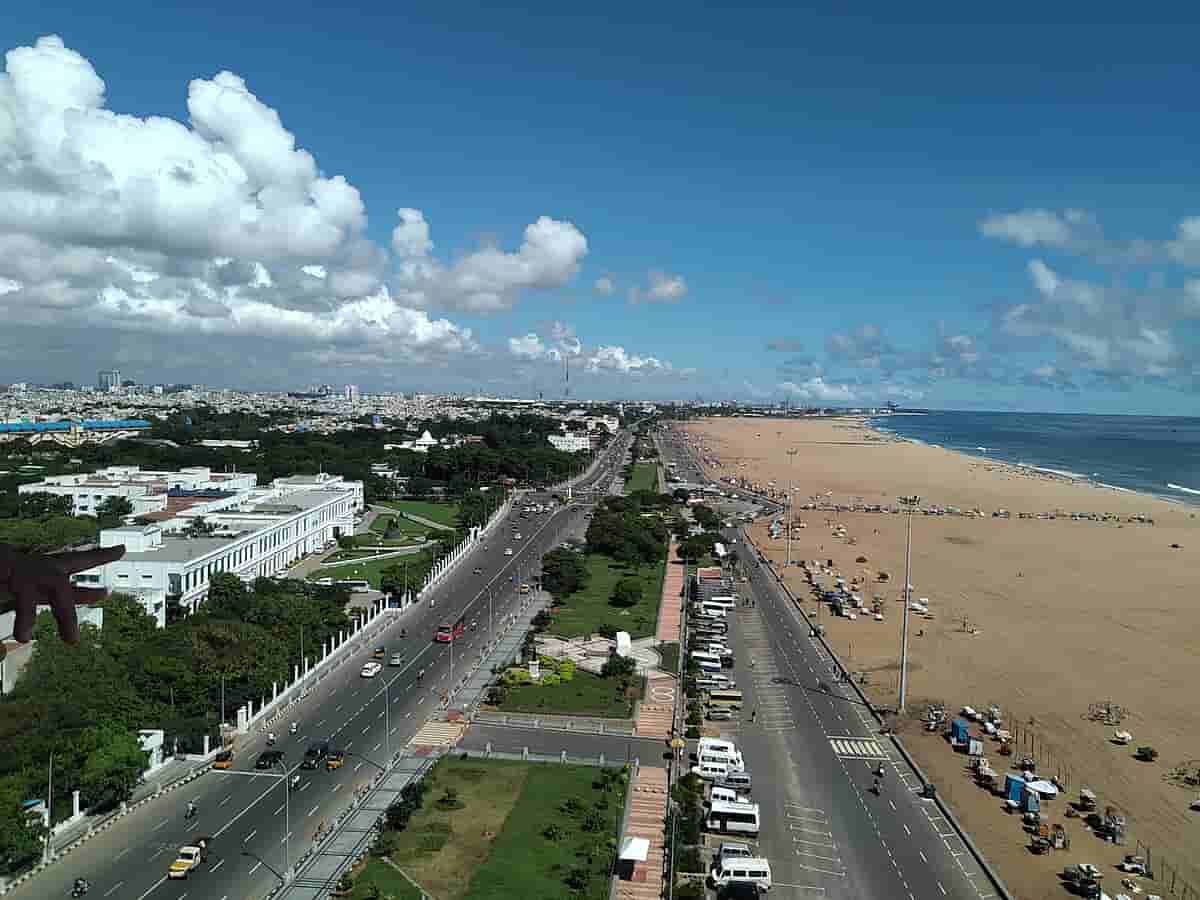
Marina Beach
One of the longest urban beaches in the world, offering a vibrant atmosphere with street vendors, beach walks, and scenic views.
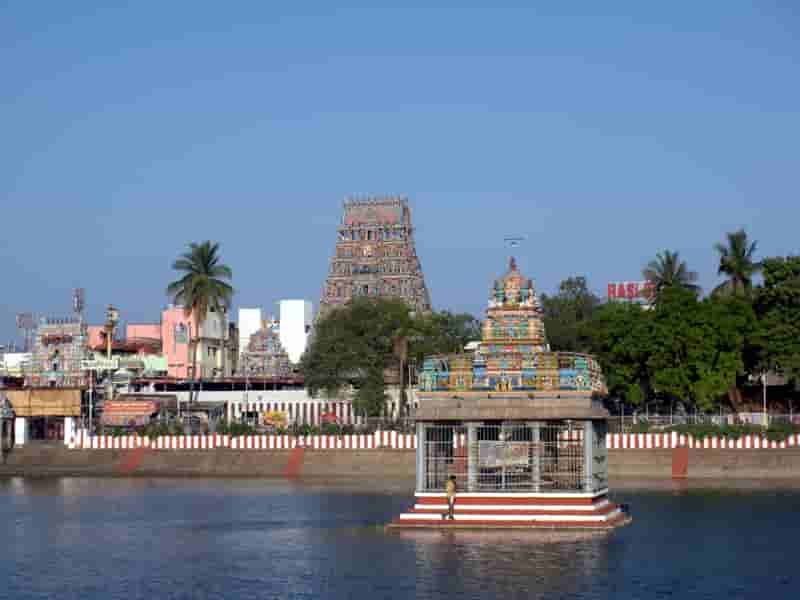
Kapaleeshwarar Temple
A stunning example of Dravidian architecture, this 7th-century Hindu temple is known for its intricate carvings and vibrant festivals.
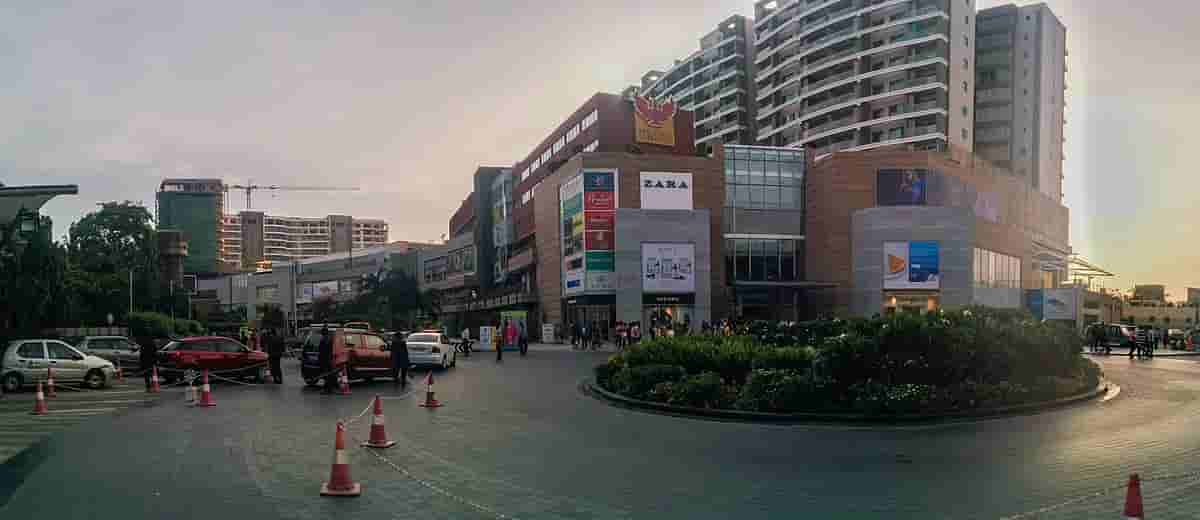
Phoenix MarketCity
A large shopping mall with a wide variety of retail, dining, and entertainment options.
San Thome Basilica
A stunning church built over the tomb of St. Thomas, featuring beautiful neo-gothic architecture and a tranquil atmosphere.
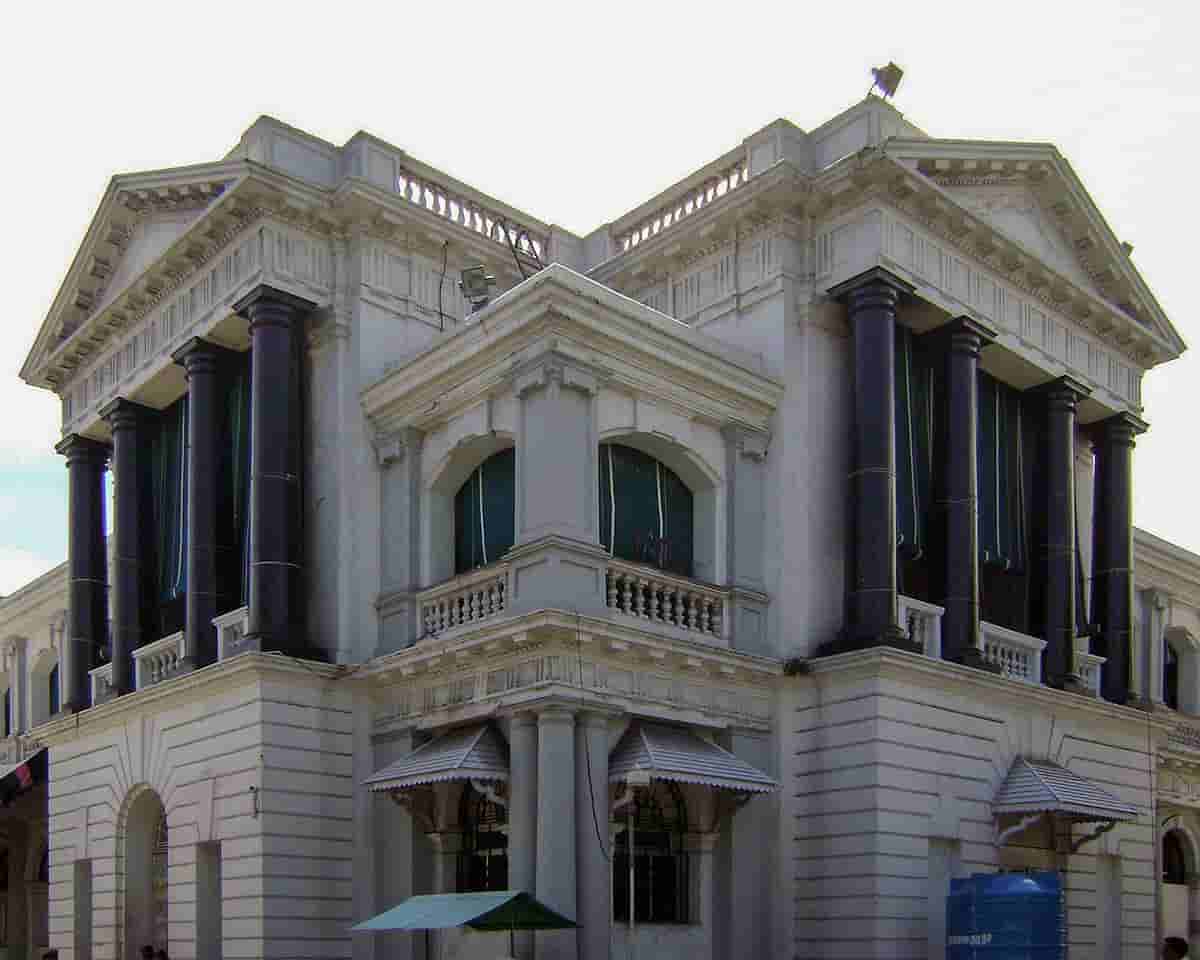
Fort St. George
A historic 17th-century fort that served as the administrative headquarters of the British East India Company, now a UNESCO World Heritage Site.
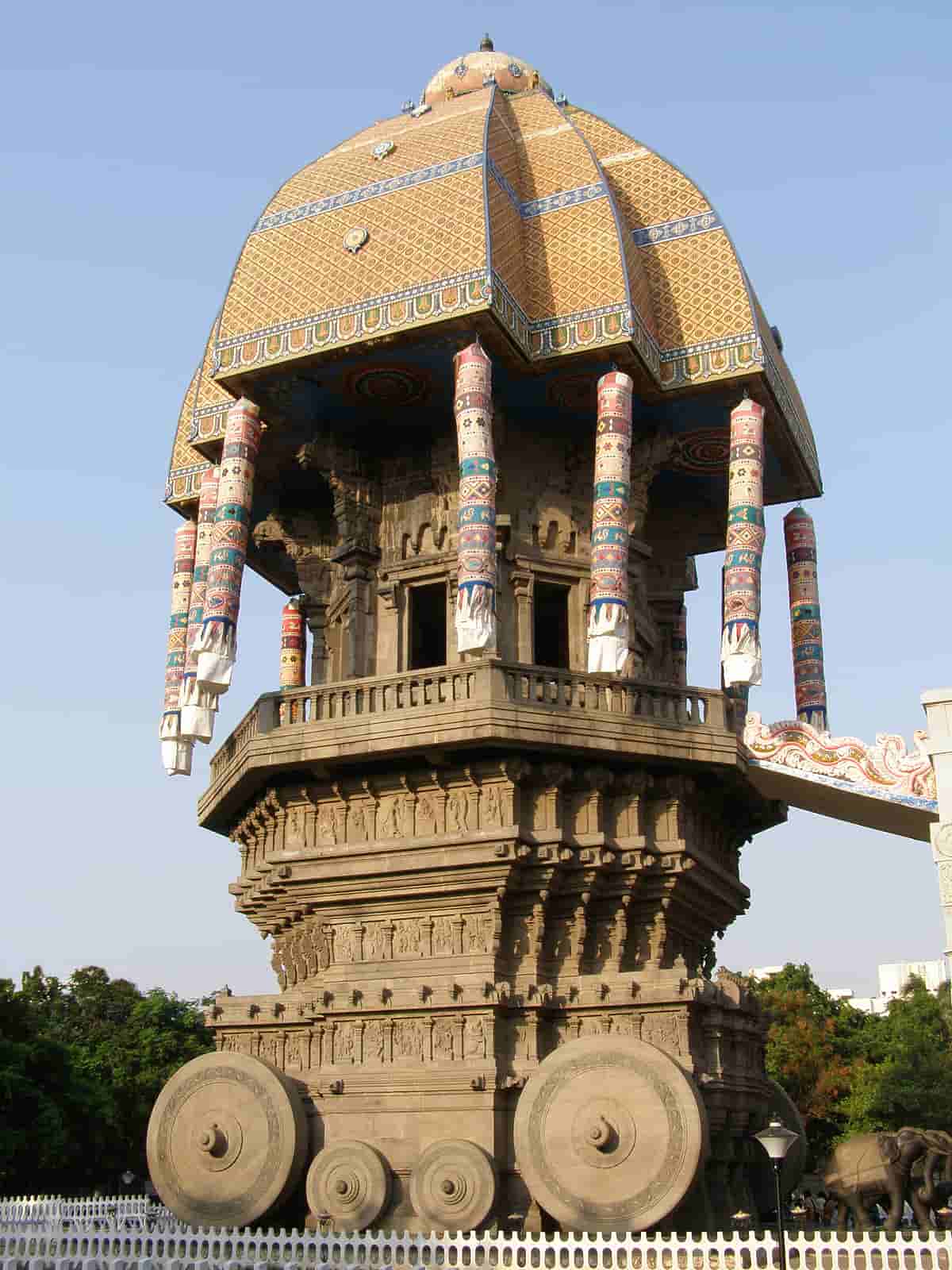
Valluvar Kottam
A monument dedicated to the classical Tamil poet Thiruvalluvar, featuring a chariot-shaped structure.
Santhome Cathedral Basilica
A minor basilica built over the tomb of St. Thomas, an important Christian site.
T Nagar Shopping District
A bustling commercial area famous for shopping, with numerous stores and boutiques.
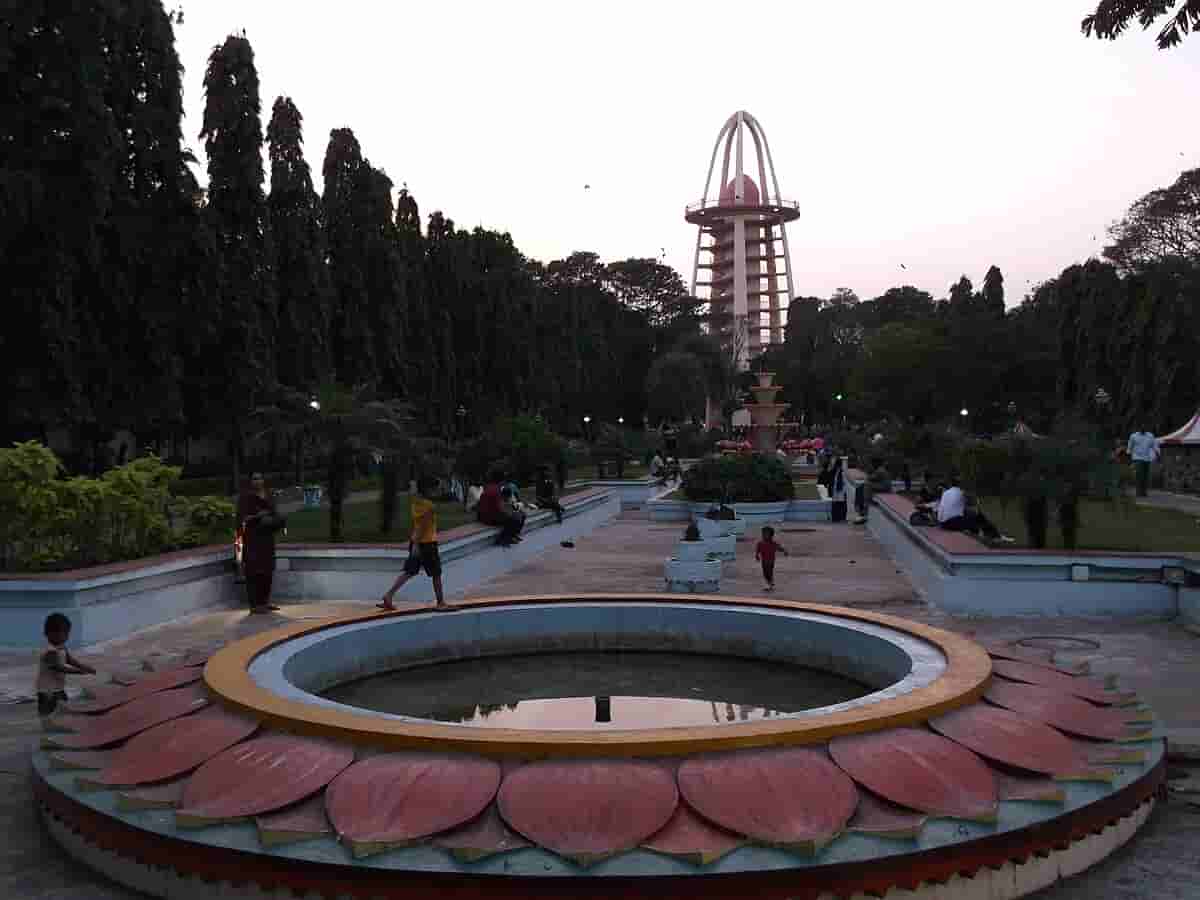
Anna Nagar Tower Park
Well-landscaped park with a tall tower and recreational facilities.
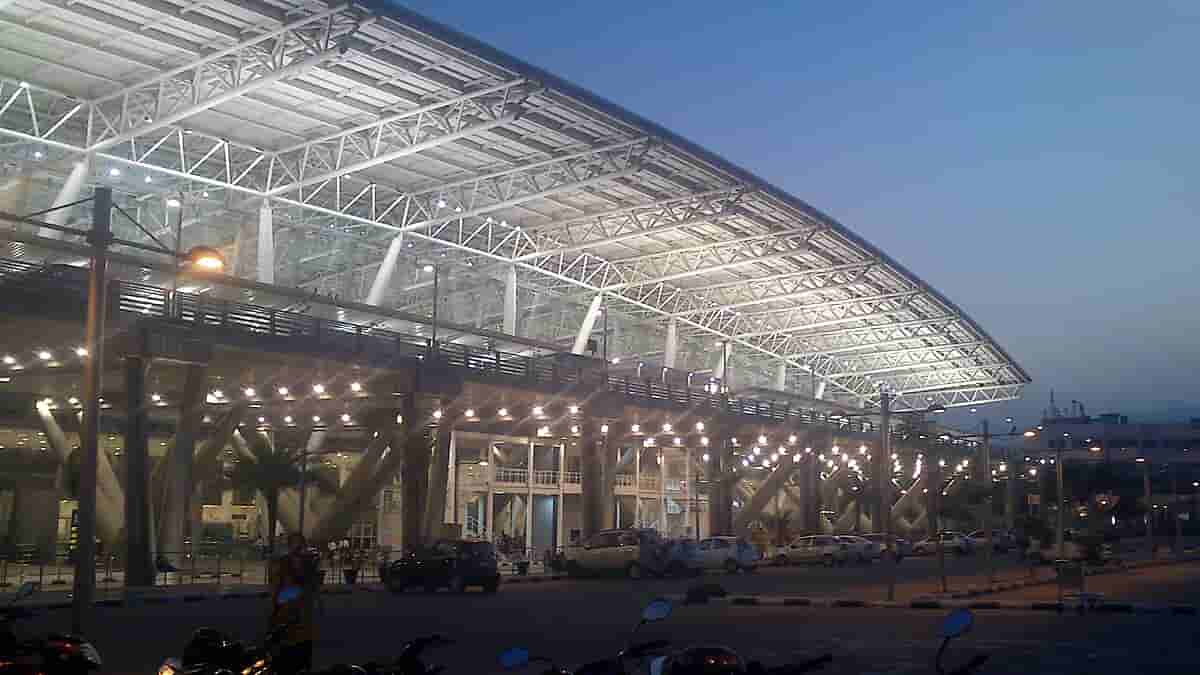
Chennai International Airport
The main airport serving Chennai, with various transportation options and amenities.
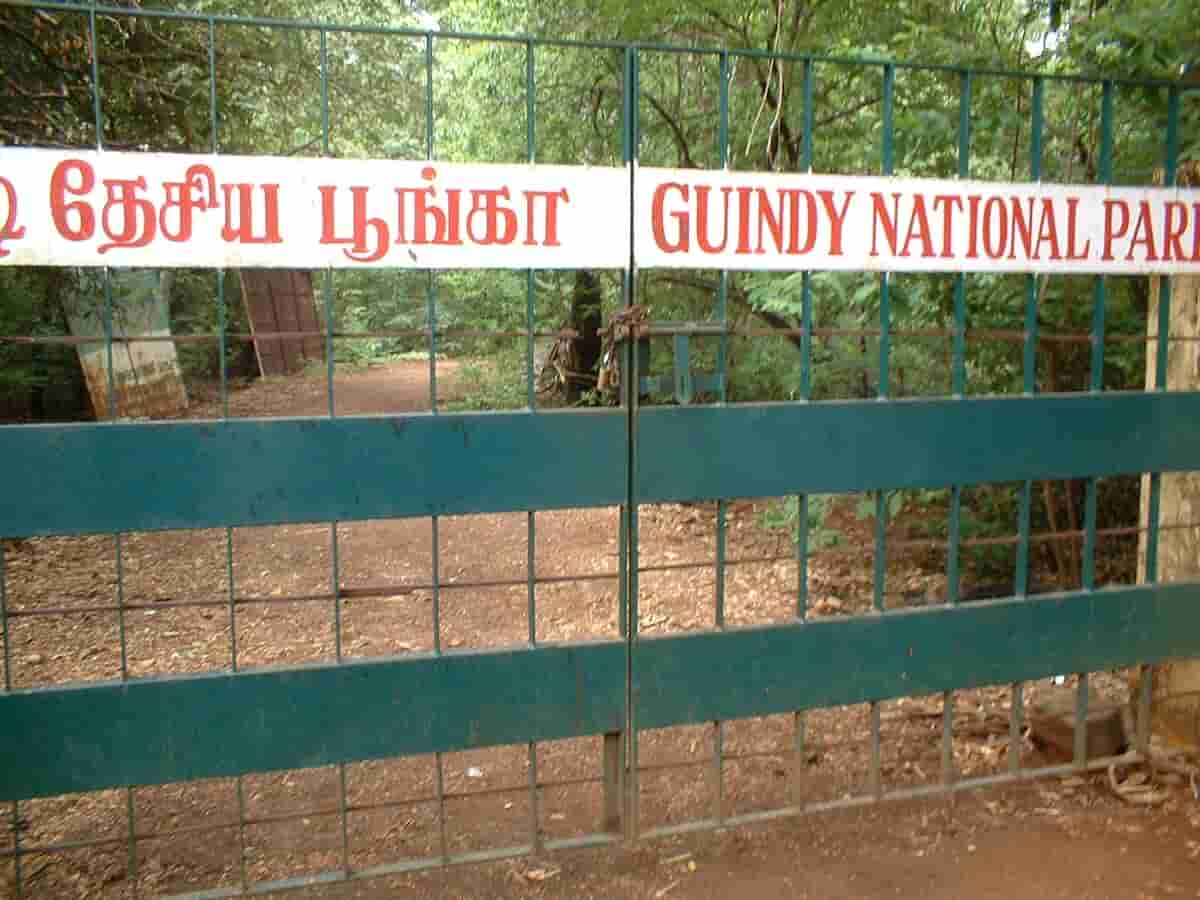
Guindy National Park
Sprawling urban wildlife sanctuary home to a variety of flora and fauna, including the endangered Grizzled Giant Squirrel.
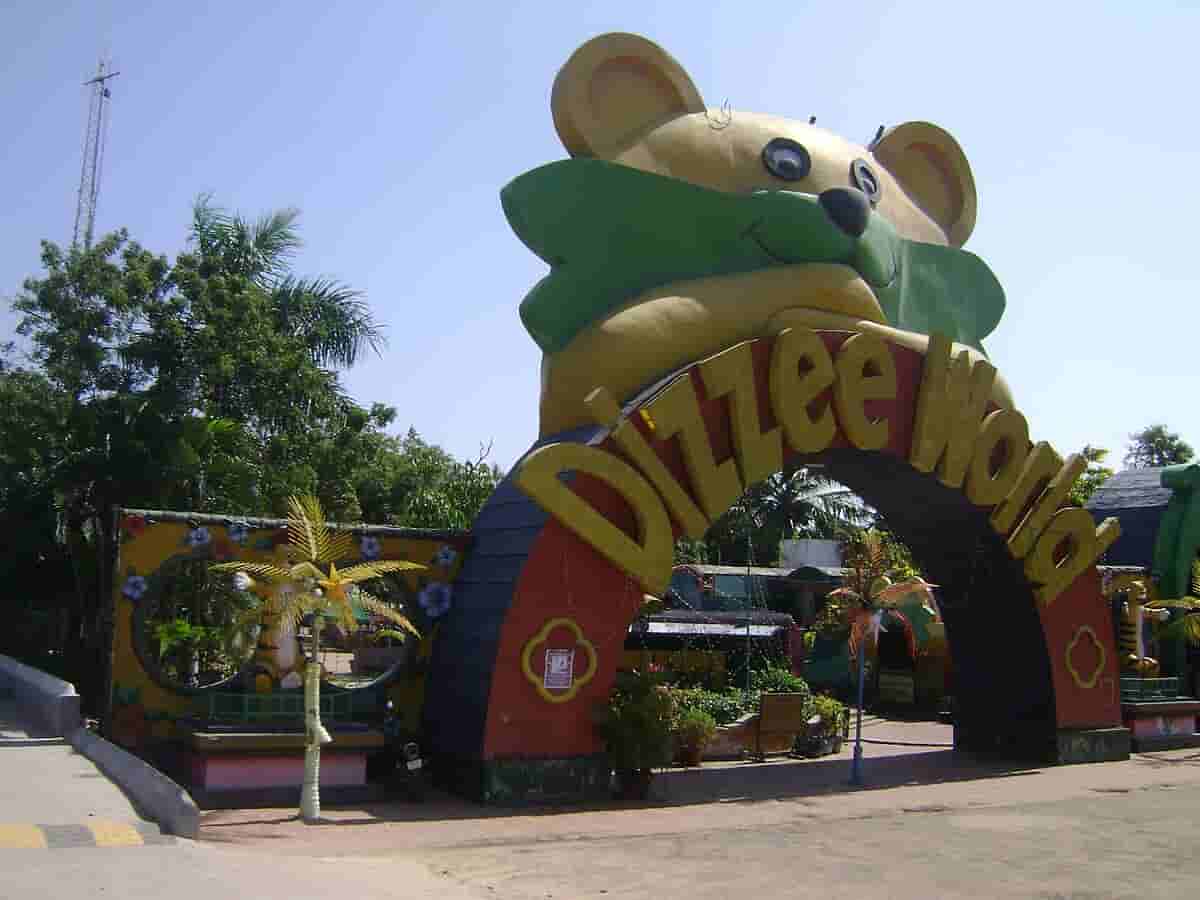
MGM Dizzee World
An amusement park with rides and water attractions, fun for all ages.
🏘️ Neighborhoods
Mylapore
The cultural and spiritual heart of Chennai, home to the ancient Kapaleeshwarar Temple, traditional music halls, and bustling markets. A labyrinth of old-world charm.
T. Nagar (Thyagaraya Nagar)
The city's premier shopping district, a chaotic and vibrant area packed with saree showrooms, jewelry stores, and the famous Pondy Bazaar street market.
Besant Nagar / Adyar
A leafy, upscale residential area along the coast, featuring the trendy Elliot's Beach (Bessie), cafes, boutiques, and a relaxed, cosmopolitan vibe.
Nungambakkam
A central commercial hub with a mix of corporate offices, high-end shopping malls, luxury hotels, fine-dining restaurants, and lively pubs.
George Town (Parry's Corner)
The historic old quarter, originating from Fort St. George. A maze of narrow lanes filled with wholesale markets, colonial architecture, and vibrant street life.
Alwarpet
An affluent, quiet neighborhood known for its art galleries, designer boutiques, chic cafes, and some of the city's best restaurants. A more refined atmosphere.
OMR (Old Mahabalipuram Road)
The city's sprawling IT corridor, lined with tech parks, multinational companies, large malls, and modern apartment complexes. Functional but less tourist-centric.
🍽️ Local Cuisine
Chennai's cuisine is a celebration of Tamil flavors, characterized by rice, lentils, coconut, and a masterful use of spices. The signature dish is the Chennai-style filter coffee, a strong, frothy brew served in a stainless steel tumbler and dabara. Must-try foods include idli, dosa, and vada with sambar and chutney, particularly the crispy ghee roast dosa. Non-vegetarian delights include Chettinad chicken, known for its fiery pepper-based masala, and fish curry with steamed rice. A traditional Tamil meal is served on a banana leaf, featuring an array of dishes from rasam to curd rice. Popular food areas range from humble 'mess' eateries in Triplicane and Mylapore to upscale restaurants in Nungambakkam and Alwarpet. Street food thrives in Marina Beach and T. Nagar. Prices are very reasonable: a street snack costs under ₹50, a hearty meal at a local restaurant ₹200-400, and a fine-dining experience ₹800+. Etiquette involves eating with your right hand and accepting refills until you signal you're full by folding the banana leaf.
💡 Local Tips
🚗 Day Trip Ideas
Mahabalipuram (Mamallapuram)
A UNESCO World Heritage site famous for its 7th- and 8th-century rock-cut temples, stone carvings, and Shore Temple by the sea.
Kanchipuram
One of India's seven sacred cities, known as the 'City of Thousand Temples' and the global hub for exquisite silk sarees.
Pulicat Lake
India's second-largest brackish water lagoon, a haven for birdwatchers, especially flamingos during migration season.
Vedanthangal Bird Sanctuary
One of the oldest water bird sanctuaries in India, where thousands of migratory birds nest from October to March.
Tirupati
One of the world's most visited religious sites, the temple of Lord Venkateswara. Requires significant planning and time.
Covelong (Kovalam)
A serene fishing village with a sandy beach, ideal for water sports like surfing and windsurfing, and a relaxing seaside vibe.
🛡️ Safety Tips
Chennai is generally considered a safe city for travelers, with a low incidence of violent crime. However, petty theft like pickpocketing can occur in crowded areas such as markets, beaches, and public transport. Be cautious of common scams, including auto-rickshaw drivers refusing to use the meter or taking you to specific shops for commission. Use app-based cabs for transparency. Avoid isolated areas of beaches after dark. Traffic is chaotic; exercise extreme caution when crossing roads. Drink only bottled or purified water and be mindful of street food hygiene to avoid traveler's stomach issues. Key emergency numbers are: Police (100), Fire (101), Ambulance (102 or 108). It's advisable to have travel insurance. Dress modestly, especially when visiting temples, to respect local customs and avoid unwanted attention.
💰 Budget Guide
Chennai can be traveled on a wide range of budgets. A budget traveler can manage on $25-40 per day, staying in hostels or basic guesthouses ($10-20), eating at local 'mess' restaurants ($5-10), and using public transport ($2-5). A mid-range traveler should budget $60-100 daily, covering a comfortable hotel or Airbnb ($30-60), meals at decent restaurants ($15-25), occasional cabs, and entry fees to attractions. A luxury experience costs $150+ per day, with premium hotels ($80+), fine dining ($30+ per meal), private car hires, and guided tours. Money-saving tips include traveling by metro or bus, eating at local vegetarian restaurants (meals for under $2), drinking bottled water, visiting free attractions like Marina Beach and temples, and bargaining in markets. Many museums have minimal or free entry fees. Avoid shopping in malls for souvenirs; local markets offer better value.