Welcome to Jaipur
Welcome to Jaipur, the magnificent 'Pink City' and capital of Rajasthan, India. Founded in 1727 by Maharaja Sawai Jai Singh II, Jaipur is a dazzling tapestry of history, culture, and color, and a cornerstone of the famed Golden Triangle tourist circuit. The city's unique moniker comes from the distinctive terracotta-pink hue that adorns its historic buildings, a tradition dating back to 1876 to welcome the Prince of Wales. As you wander through its bustling bazaars and past grand palaces, you'll be enveloped in an atmosphere of royal grandeur and vibrant street life. From the honeycombed windows of Hawa Mahal to the formidable ramparts of Amber Fort, Jaipur is a living museum of Rajputana architecture and valor. With a thriving hospitality scene offering over 1044 hotels, from opulent heritage havelis to modern budget stays, the city seamlessly blends its regal past with contemporary comforts, ensuring every traveler finds their perfect base for a 5 to 7-day exploration of this unforgettable destination.
Overview
Jaipur is the vibrant capital of Rajasthan, a city meticulously planned according to ancient Vastu Shastra principles and divided into nine rectangular blocks. It is globally renowned as the 'Pink City' for the uniform blush color of its historic core, a symbol of hospitality. The city's fame rests on its majestic forts, opulent palaces, and rich cultural heritage, showcasing the zenith of Rajput and Mughal architecture. Key districts include the Walled City (Old Jaipur), home to iconic sites like the City Palace, Jantar Mantar, and Hawa Mahal; the upscale Civil Lines with its government buildings and luxury hotels; and the bustling commercial hub of MI Road. Jaipur is a center for arts and crafts, famous for its block printing, blue pottery, gemstone jewelry (particularly in Johari Bazaar), and traditional textiles. The city's culture is a lively blend of folk music, dance (like Ghoomar), and grand festivals such as Diwali, Holi, and the Jaipur Literature Festival, which attract visitors from across the world.
🗓️ Best Time to Visit
The ideal time to visit Jaipur is during the cooler, dry months from October to March. During this period, daytime temperatures are pleasant (20-30°C/68-86°F), making it perfect for extensive sightseeing and outdoor exploration. This is the peak tourist season, coinciding with major festivals like Diwali (October/November) and the world-famous Jaipur Literature Festival (usually January). The winter months of December and January can be quite chilly in the mornings and evenings. The scorching summer from April to June is best avoided, with temperatures often soaring above 40°C (104°F). The monsoon season (July to September) brings relief from the heat but also high humidity and sporadic, heavy rainfall, which can disrupt travel plans. While this is the off-peak season with fewer crowds and lower prices, some outdoor activities may be limited.
🌤️ Weather & Climate
Jaipur has a hot semi-arid climate with three distinct seasons: a cool, dry winter; a very hot, dry summer; and a humid monsoon. Temperatures can vary dramatically from mild winters to scorching summers.
Seasons
Winter
💨 Humidity: low
Pleasant and dry days with cool to chilly nights. Ideal for all sightseeing and outdoor activities.
Summer
💨 Humidity: low to moderate
Extremely hot and dry. Sightseeing is best done in the early morning or late afternoon. Stay hydrated.
Monsoon
💨 Humidity: high
Hot and humid with intermittent, sometimes heavy, rainfall. Lush greenery appears, but travel can be disrupted.
Monthly Weather Details
January Weather
Best for: sightseeing, festivals
February Weather
Best for: sightseeing
March Weather
Best for: sightseeing (early month)
April Weather
Best for: indoor/early morning activities
May Weather
Best for: indoor/early morning activities
June Weather
Best for: indoor activities
July Weather
Best for: indoor activities, photography
August Weather
Best for: indoor activities, photography
September Weather
Best for: sightseeing (late month)
October Weather
Best for: sightseeing, festivals
November Weather
Best for: sightseeing, festivals
December Weather
Best for: sightseeing
🎒 What to Pack
All Year Round
- sunscreen
- sunglasses
- hat
- comfortable walking shoes
- reusable water bottle
🚗 Getting Around
Navigating Jaipur offers a mix of traditional and modern options. Auto-rickshaws are ubiquitous and affordable for short trips; always insist on using the meter or agree on a fare beforehand. Taxis and app-based ride-sharing services like Uber and Ola are widely available and convenient for longer journeys. For a truly local experience, hop on a cycle-rickshaw in the old city lanes. The Jaipur Metro provides a fast, air-conditioned connection along a north-south route, useful for reaching certain suburbs. For exploring the major forts spread around the city's outskirts, hiring a car with a driver for a half or full day is highly recommended and cost-effective. Walking is enjoyable within specific areas like the old city's bazaars, but the city is sprawling, so combining transport modes is key. The Jaipur International Airport (JAI) is about 13 km from the city center; prepaid taxi counters at the arrivals hall offer fixed-rate transfers.
🎯 Top Attractions
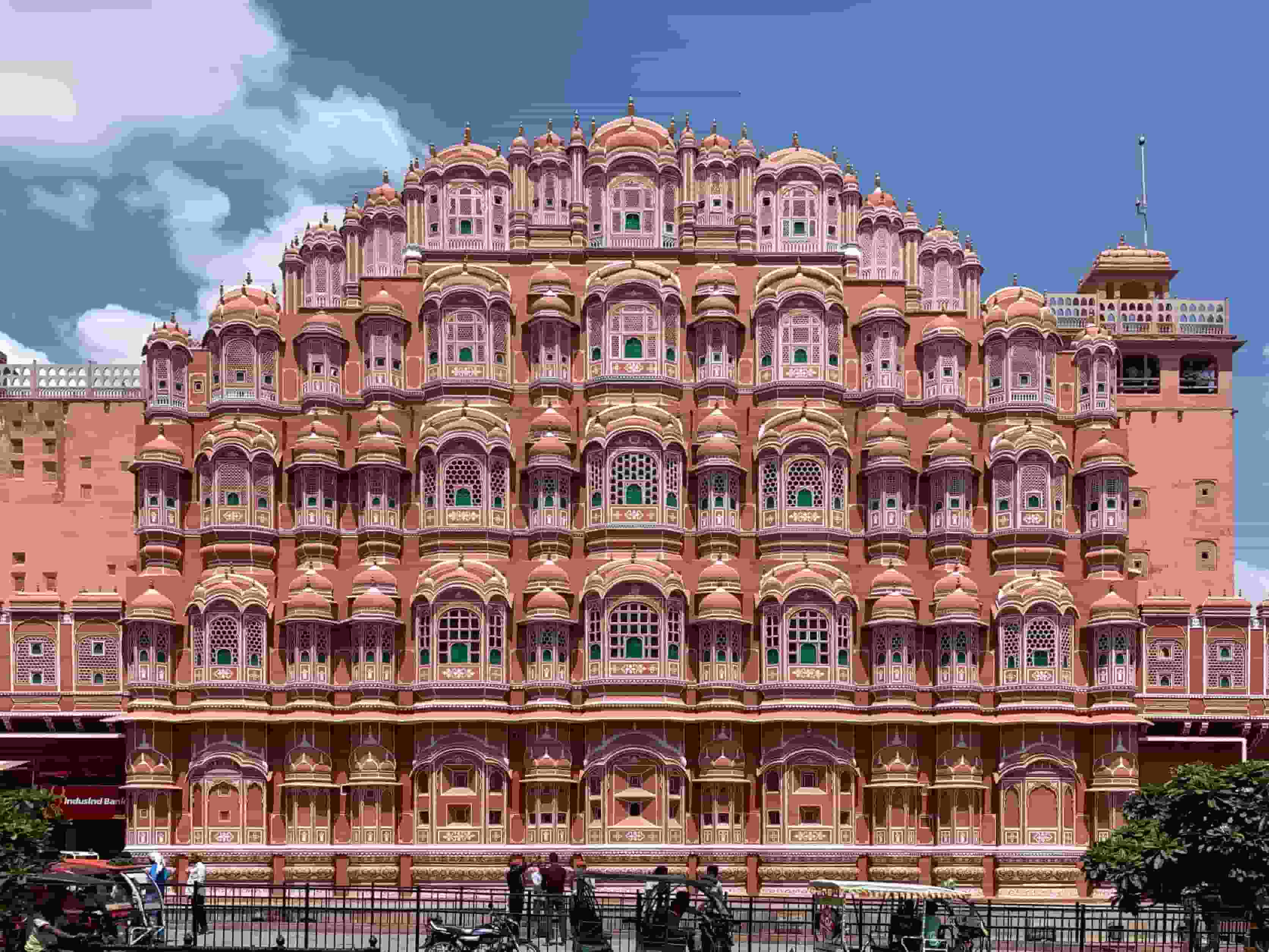
Hawa Mahal
Hawa Mahal is one of Jaipur’s most iconic landmarks, known for its intricate windows and panoramic views of the city.
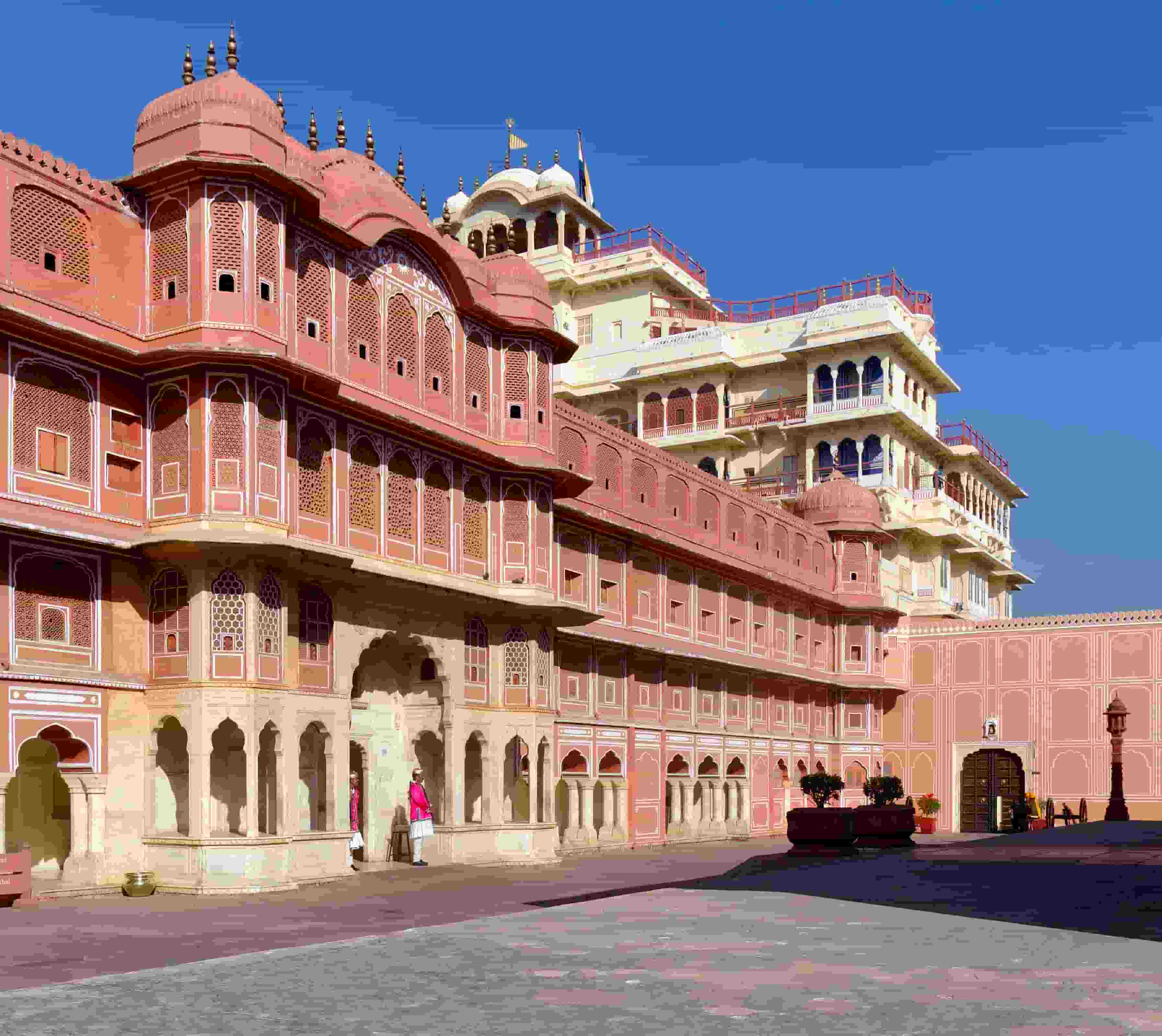
City Palace
Located in the heart of Jaipur, City Palace offers an insight into Rajasthan's royal history with its beautiful architecture and museums.
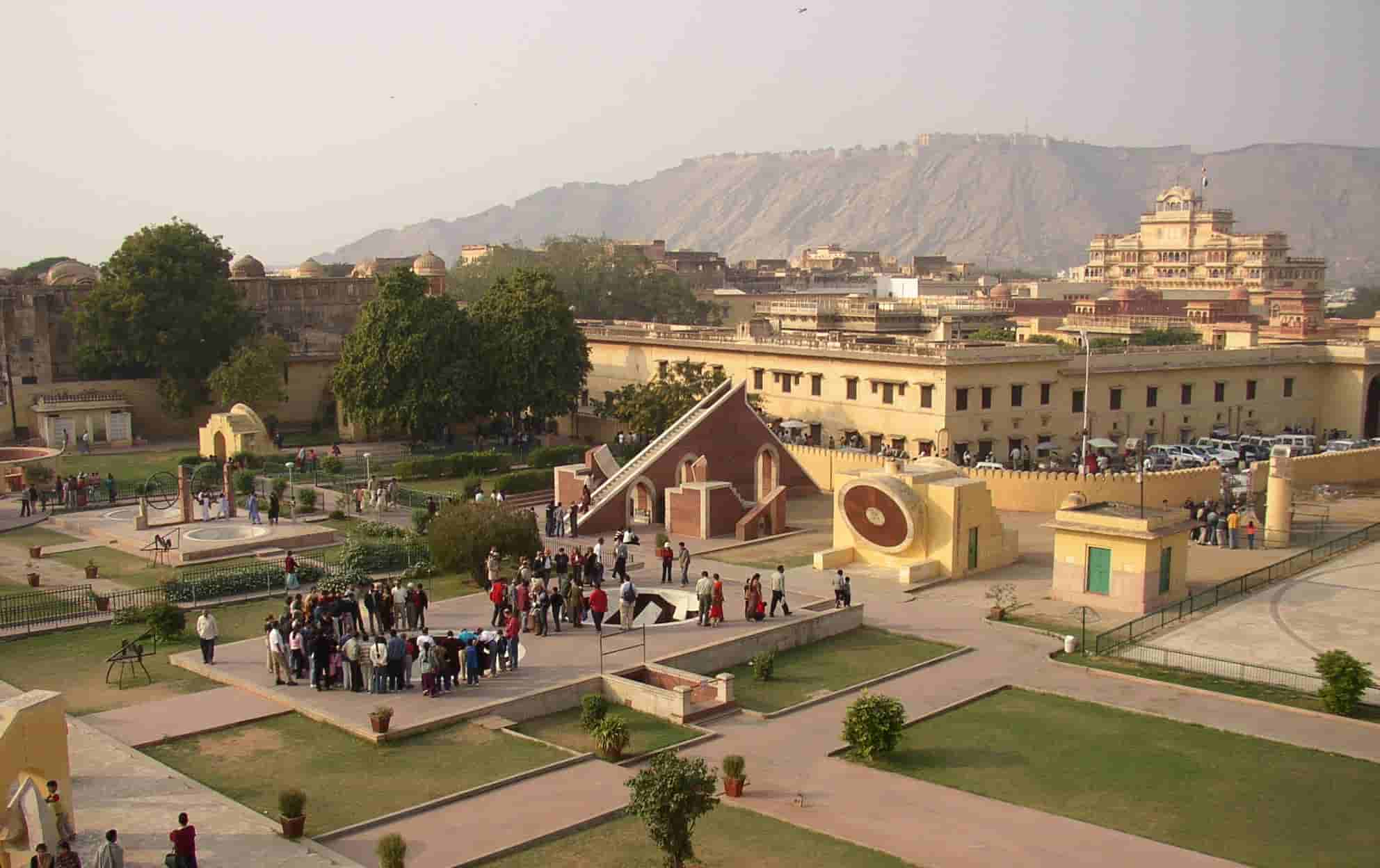
Jantar Mantar
An astronomical observatory and UNESCO World Heritage site, Jantar Mantar offers a fascinating glimpse into ancient scientific achievements.
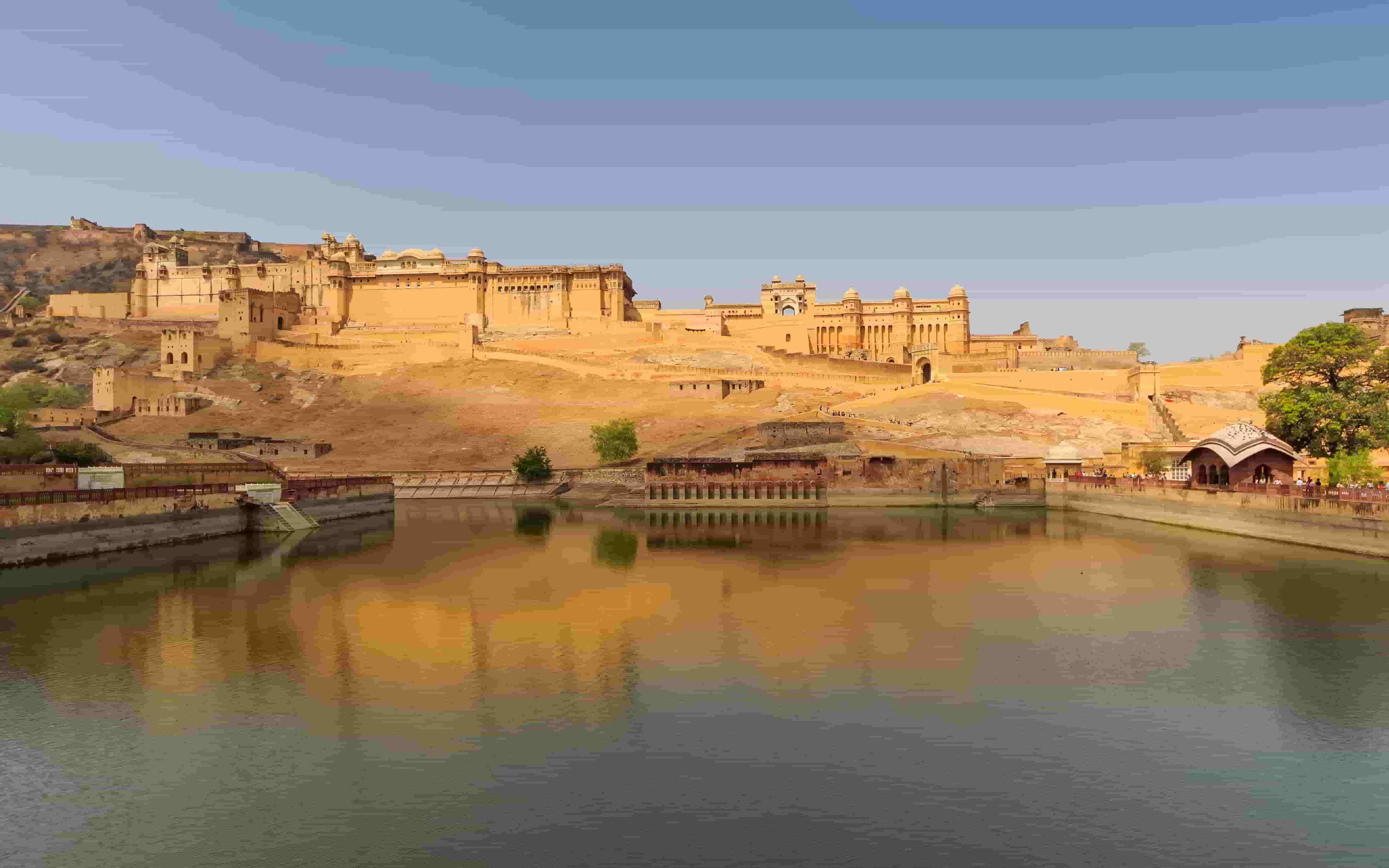
Amber Fort
A majestic fort with stunning architecture and panoramic views of the city, perfect for history and architecture lovers.
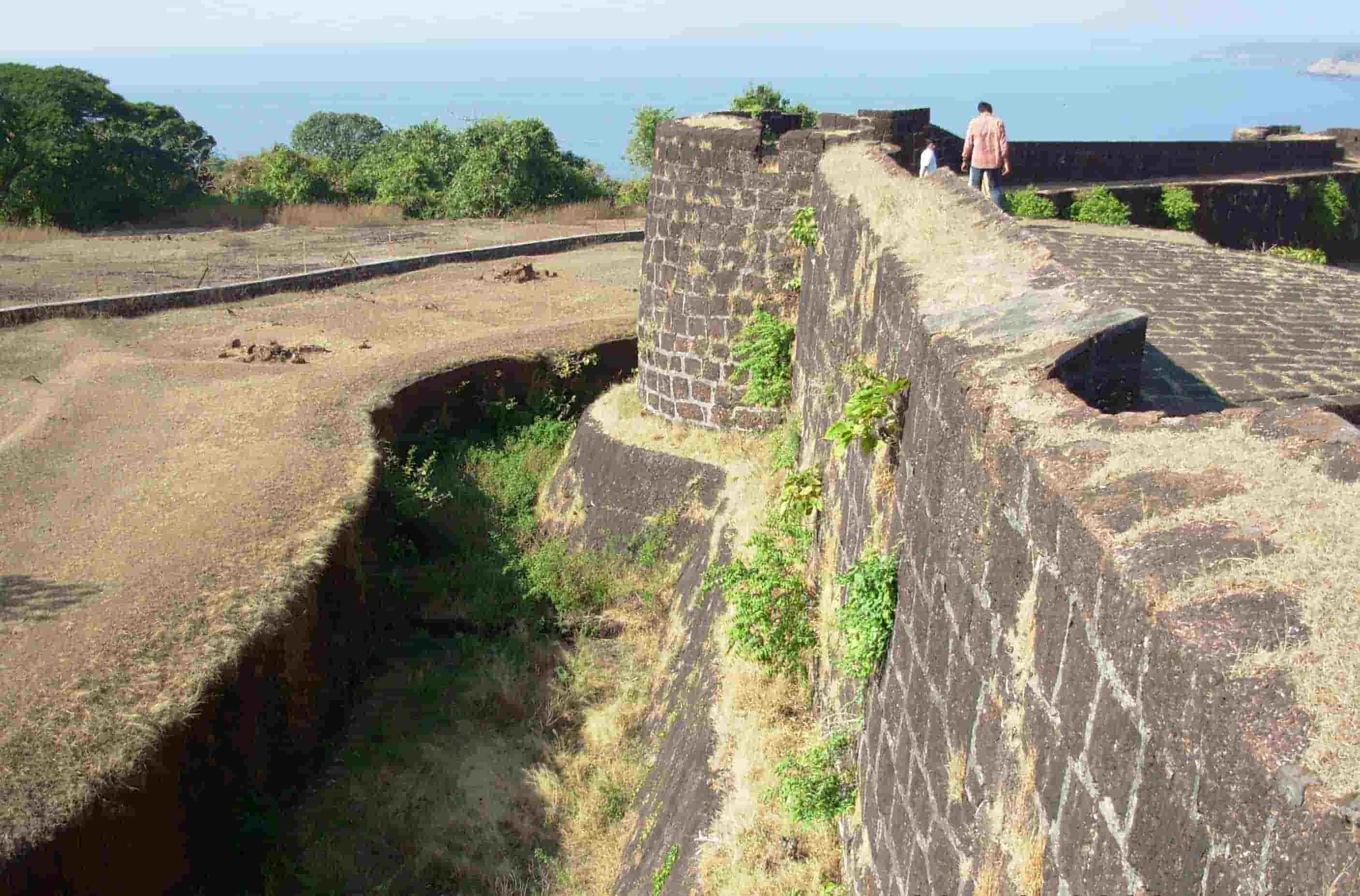
Jaigarh Fort
A fort known for housing the world's largest cannon on wheels and offering panoramic views.
Panna Meena Ka Kund
An ancient stepwell with symmetrical steps, popular for photography and historical interest.
Johari Bazaar
A bustling market famous for traditional jewelry, textiles, and handicrafts, ideal for shopping enthusiasts.
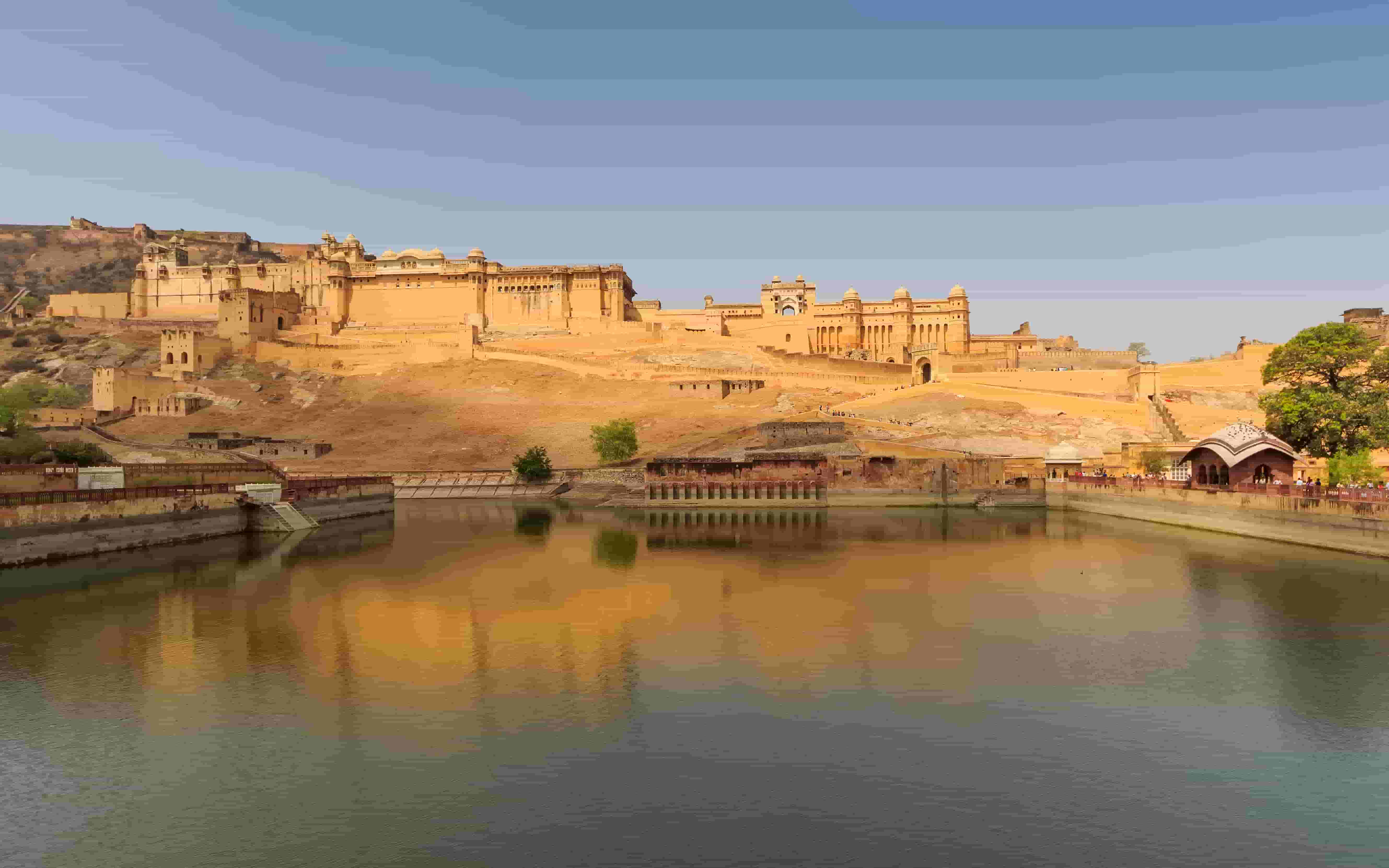
Amer Fort
A magnificent hilltop fort with stunning architecture, Amer Fort offers a blend of Mughal and Rajput influences.
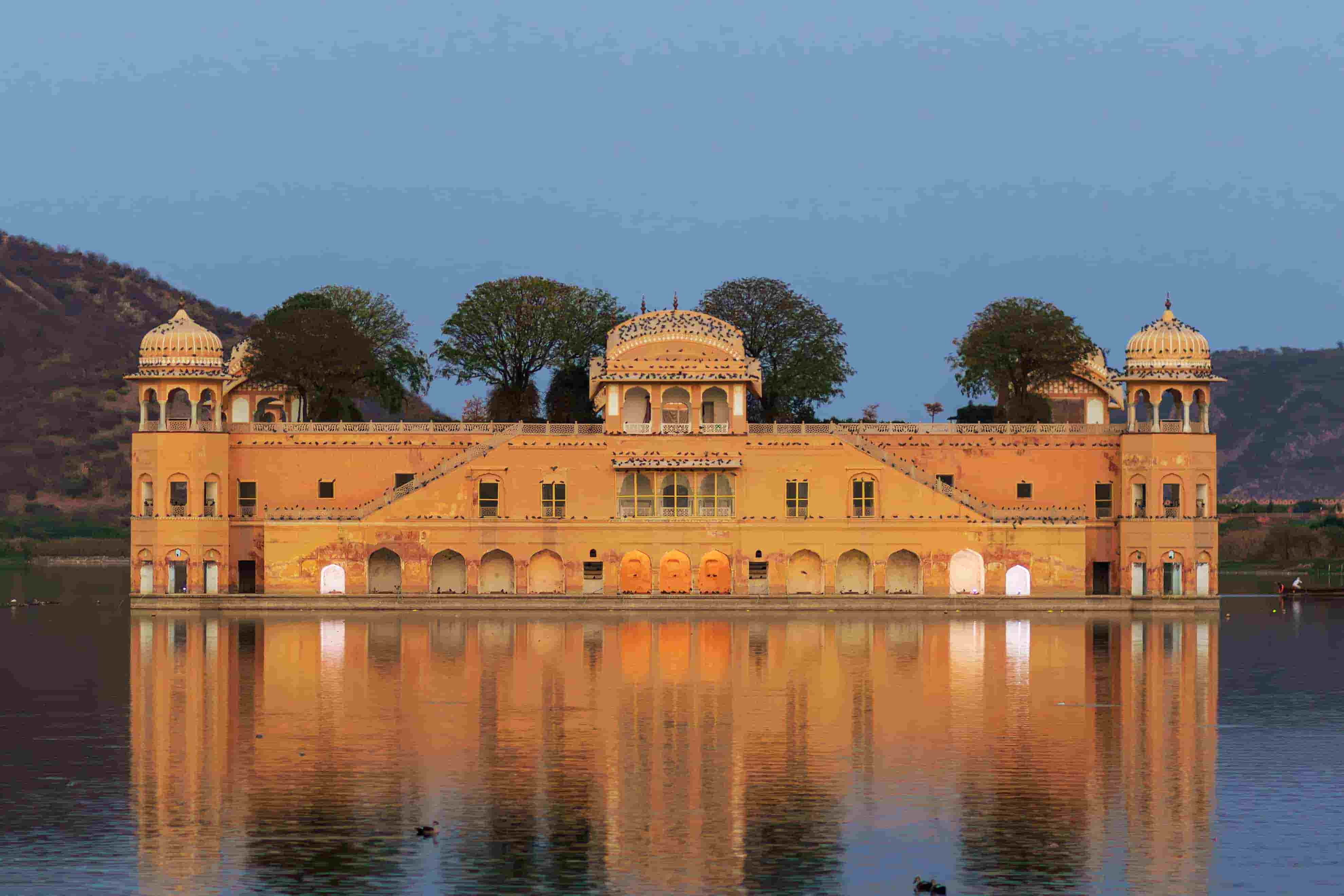
Jal Mahal
Jal Mahal is an enchanting palace situated in the middle of Man Sagar Lake, offering picturesque views and serene surroundings.
Nahargarh Fort
Explore this historic 18th-century fort overlooking the city, offering stunning views and architectural marvels.
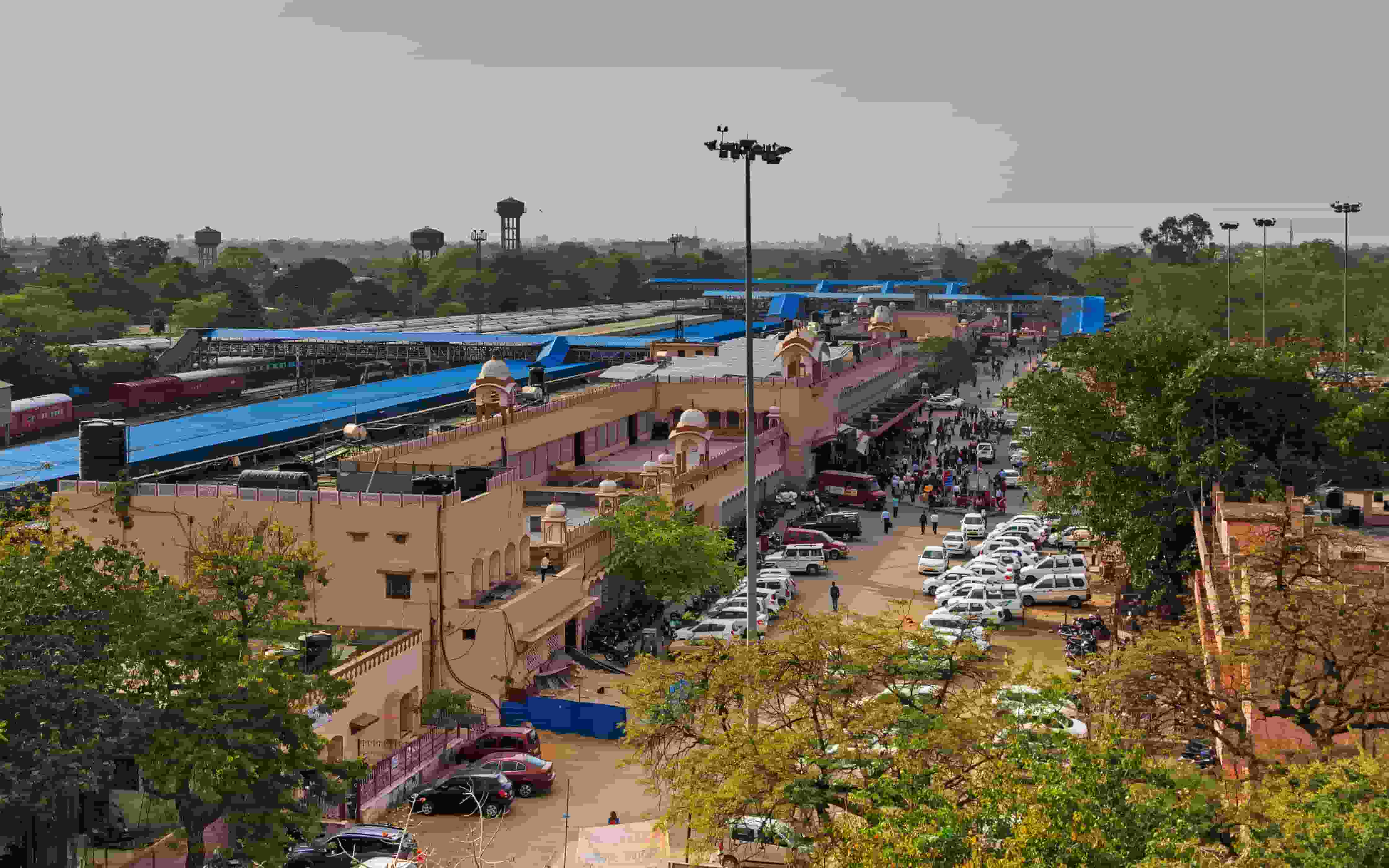
Jaipur Junction
The main railway station known for its architectural beauty.
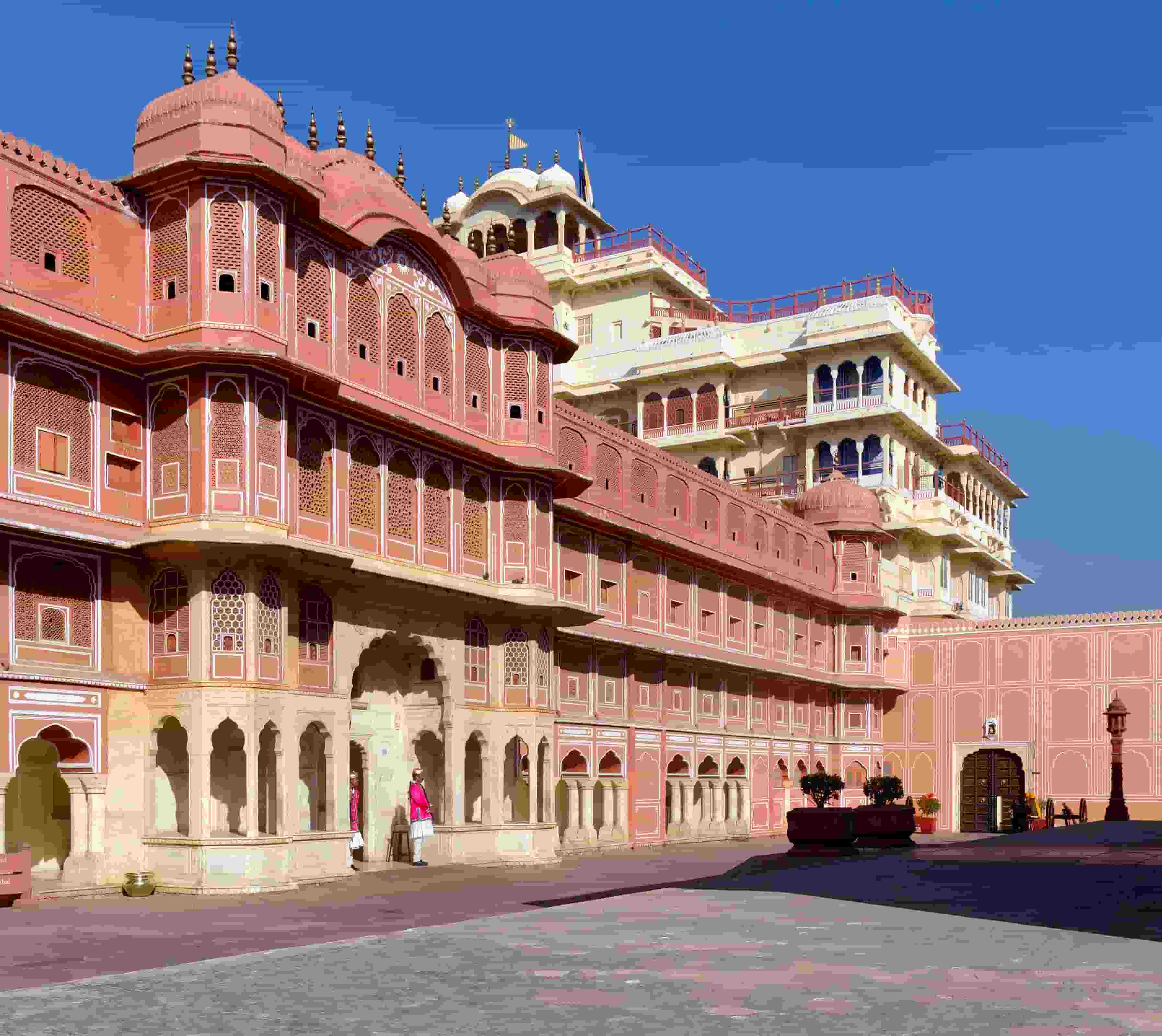
City Palace, Jaipur
A magnificent palace complex that houses museums and courtyards, reflecting Rajput and Mughal architecture.
🏘️ Neighborhoods
Old City (Walled City)
The historic heart of Jaipur, enclosed by walls and painted pink. Home to the City Palace, Hawa Mahal, Jantar Mantar, and vibrant bazaars.
Civil Lines
An upscale, planned area with wide avenues, government buildings, high-end hotels, and fine-dining restaurants. North of the old city.
C Scheme
A commercial and residential hub adjacent to Civil Lines, known for its trendy cafes, boutiques, art galleries, and modern shopping.
Bani Park
A peaceful, leafy suburb popular for its concentration of heritage hotels (havelis) set in beautiful gardens. A quiet retreat from the city bustle.
Malviya Nagar
A bustling residential and commercial area with a local feel, great street food, markets, and mid-range accommodation options.
Tonk Road
A major artery leading south from the city, lined with hotels of all categories, shopping malls, and proximity to the airport.
Amer (Amer)
The area surrounding the magnificent Amber Fort, about 11 km from central Jaipur. Offers rustic charm and stunning fort views.
🍽️ Local Cuisine
Jaipur's cuisine is a royal feast for the senses, characterized by rich, flavorful dishes often cooked in ghee (clarified butter). Must-try signature dishes include Laal Maas (fiery mutton curry), Gatte ki Sabzi (gram flour dumplings in spicy gravy), Dal Baati Churma (a classic combo of lentils, hard wheat rolls, and a sweet crumble), and Ker Sangri (a tangy desert bean and berry preparation). Street food is exceptional: sample Pyaaz Kachori (flaky pastry filled with spiced onions), Mirchi Bada (stuffed chili fritters), and refreshing glasses of Lassi. Dining ranges from humble street stalls and bustling local joints like Laxmi Mishthan Bhandar (LMB) to regal fine-dining experiences in heritage palaces. Key food areas include MI Road, Johari Bazaar, and the areas around the forts. Meals can cost from $2-5 for street food, $10-20 for a mid-range restaurant, and upwards of $30 for luxury dining. Etiquette is generally relaxed; eating with your right hand is common, and it's polite to try a bit of everything offered.
💡 Local Tips
🚗 Day Trip Ideas
Ajmer & Pushkar
A spiritual duo: Ajmer for the revered Dargah Sharif Sufi shrine, and nearby Pushkar for its sacred lake and Brahma Temple.
Ranthambore National Park
One of India's best tiger reserves. Go on an early morning or afternoon safari for a chance to spot the majestic Bengal tiger.
Sanganer
Famous for its centuries-old hand block printing and handmade paper industry. Visit workshops and the Anokhi Museum.
Samode
A picturesque village known for the stunning Samode Palace, a heritage hotel, and its ornate Haveli with beautiful frescoes.
Bhangarh Fort
A 17th-century fort ruin shrouded in local legends and known as one of India's 'most haunted' places, set in the Aravalli hills.
Chandlai Lake
A lesser-known saline lake that becomes a vibrant flamingo feeding ground during the winter migratory season (Nov-Feb).
🛡️ Safety Tips
Jaipur is generally safe for tourists, but standard precautions are advised. Petty theft like pickpocketing can occur in crowded markets and tourist sites, so keep valuables secure and be mindful of bags. Be cautious of common scams: overly friendly 'guides' at monuments, gemstone scams where you're pressured to buy and resell 'valuable' stones, and inflated prices from non-metered auto-rickshaws. Use official prepaid transport counters at the airport and railway station. Avoid isolated areas after dark. Drink only bottled or purified water and eat at busy, reputable establishments to avoid stomach issues. Emergency numbers: Police (100), Ambulance (102/108), Fire (101). It's advisable to have travel insurance. Dress modestly, especially when visiting religious sites, to show respect for local customs.
💰 Budget Guide
Jaipur can cater to all budgets. A budget traveler can manage on $25-40 per day, staying in hostels or guesthouses ($10-20), eating street food and at local dhabas ($5-10), and using public transport/auto-rickshaws ($3-5). Mid-range travelers should budget $60-120 daily, covering a comfortable hotel or heritage stay ($30-70), meals at good restaurants ($15-30), taxi hire for sightseeing ($15-20), and entry fees. A luxury experience ($150+ per day) includes palace hotels ($100+), fine dining, private car with driver, and guided tours. Money-saving tips: Purchase a composite ticket for multiple monuments, eat at local joints away from tourist hubs, bargain firmly in markets, use the metro where possible, and visit government-run emporiums for fixed-price handicrafts. Many gardens and some fort exteriors can be enjoyed for free.