Welcome to Dungun
Nestled along the shimmering coast of Terengganu, Dungun is a captivating Malaysian town where the rhythm of the South China Sea meets the tranquility of a slower-paced life. Far from the bustling metropolises, Dungun offers a genuine slice of coastal Terengganu culture, where fishing boats bob in the harbor and lush greenery frames pristine beaches. Its significance lies not in grand monuments, but in its authentic charm as a gateway to some of Peninsular Malaysia's most stunning natural wonders, including the vast Tasik Kenyir and the world-renowned Perhentian Islands. With a comfortable selection of 27 hotels catering to various preferences, finding a base to explore this serene district is straightforward. Whether you're here to unwind on the golden sands of Pantai Teluk Bidara, delve into the historical echoes of the Bukit Besi iron mine, or simply savor fresh seafood by the water, Dungun presents a perfect, compact escape, ideally suited for a rejuvenating one-day stop or a relaxed short stay within a broader East Coast itinerary.
Overview
Dungun's history is deeply intertwined with the sea and the earth. For centuries, it was a vital fishing settlement, and its name is even thought to derive from a local tree. Its modern identity, however, was profoundly shaped by the rise and fall of Bukit Besi, once one of Southeast Asia's richest iron ore mines. The mining boom in the mid-20th century brought infrastructure and development, leaving behind a legacy visible in landmarks like the iconic Sura Gate. Today, Dungun is famous for its stunning coastline, including the popular Dungun Beach and the more secluded, picturesque Pantai Teluk Bidara. The town center is a functional hub with markets, shops, and government buildings, reflecting a predominantly Malay-Muslim culture where traditional customs and a warm, welcoming hospitality prevail. The Kuala Dungun Jetty remains the lifeline to the sea, while the district serves as the primary mainland access point for travelers heading to the breathtaking Perhentian Islands and as a southern gateway to the massive, rainforest-clad Tasik Kenyir, Southeast Asia's largest man-made lake.
🗓️ Best Time to Visit
The best time to visit Dungun, and Malaysia's East Coast in general, is during the dry season from March to October. This period offers the most reliable sunshine, calm seas, and minimal rainfall, making it ideal for beach activities, island hopping to the Perhentian Islands, and exploring outdoor attractions. The peak tourist season typically falls between June and August, coinciding with school holidays; expect more visitors and slightly higher prices. The monsoon season arrives from November to February, bringing heavy rainfall, rough seas, and frequent ferry cancellations to the islands. Many island resorts close during this period (November to February), and coastal activities are severely limited. Major cultural and religious events like Hari Raya Aidilfitri (dates vary annually) are fascinating times to experience local culture, though travel and accommodation can be busier. For the perfect balance of good weather and fewer crowds, consider the shoulder months of March, April, September, or October.
🌤️ Weather & Climate
Dungun experiences a tropical rainforest climate with consistently high temperatures and humidity year-round. The defining feature is the distinct Northeast Monsoon season, which brings heavy rainfall and rough seas to the east coast.
Seasons
Dry Season
💨 Humidity: high
Sunny and hot with occasional short showers. Ideal for beach activities, island trips, and outdoor exploration.
Monsoon Season
💨 Humidity: very high
Persistent heavy rainfall, overcast skies, and rough seas. Many island resorts close, and coastal activities are limited.
Monthly Weather Details
January Weather
Best for: indoor activities, cultural sightseeing
February Weather
Best for: indoor activities, cultural sightseeing
March Weather
Best for: beach, sightseeing
April Weather
Best for: beach, island trips
May Weather
Best for: beach, island trips
June Weather
Best for: beach, island trips
July Weather
Best for: beach, island trips
August Weather
Best for: beach, island trips
September Weather
Best for: beach, sightseeing
October Weather
Best for: beach, sightseeing
November Weather
Best for: indoor activities
December Weather
Best for: indoor activities
🎒 What to Pack
All Year Round
- lightweight clothing
- rain jacket or umbrella
- sunscreen
- insect repellent
- swimwear
- comfortable sandals
- hat
- reusable water bottle
🚗 Getting Around
Dungun is a relatively small town where the most convenient way to get around is by car or taxi. Public buses are available but infrequent and primarily connect major towns within Terengganu; they are not ideal for exploring local attractions. Metered taxis can be hailed in the town center or arranged through hotels, but ride-hailing services like Grab are widely available, reliable, and offer transparent pricing for trips within town and to nearby beaches. Renting a car or scooter provides the ultimate flexibility for visiting outlying sites like Bukit Besi or Pantai Teluk Bidara at your own pace. Walking is pleasant in the compact town center and along the beachfront promenades. For airport transfers, Sultan Mahmud Airport (TGG) is about a 90-minute drive south. Pre-booked private transfers, taxis, or ride-hailing apps are the best options, with costs ranging from approximately RM 120 to RM 200. Biking is possible but less common due to the heat and lack of dedicated cycle lanes.
🎯 Top Attractions
Dungun Beach
A long sandy beach ideal for relaxing walks and watching the sunset.
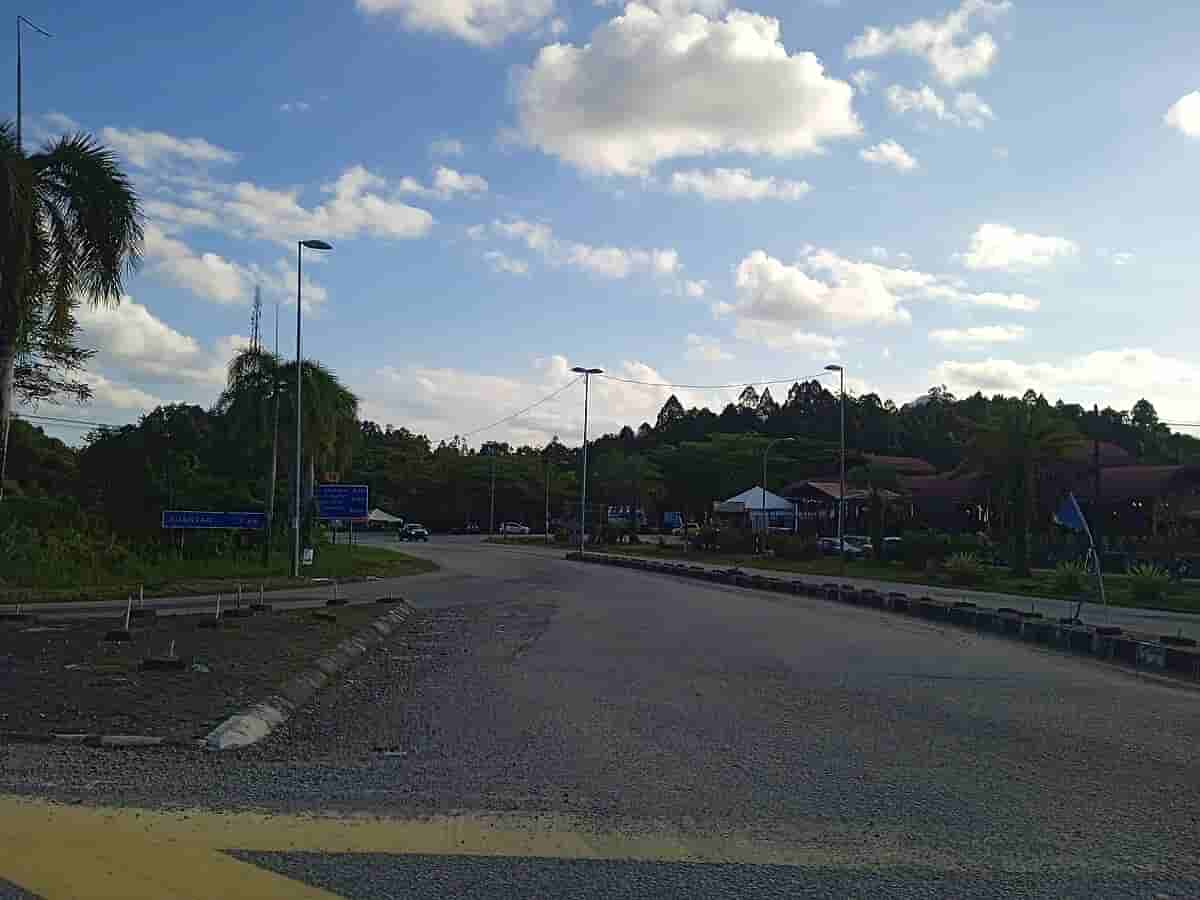
Bukit Besi
A historical iron mining town with a small museum showcasing its industrial past.
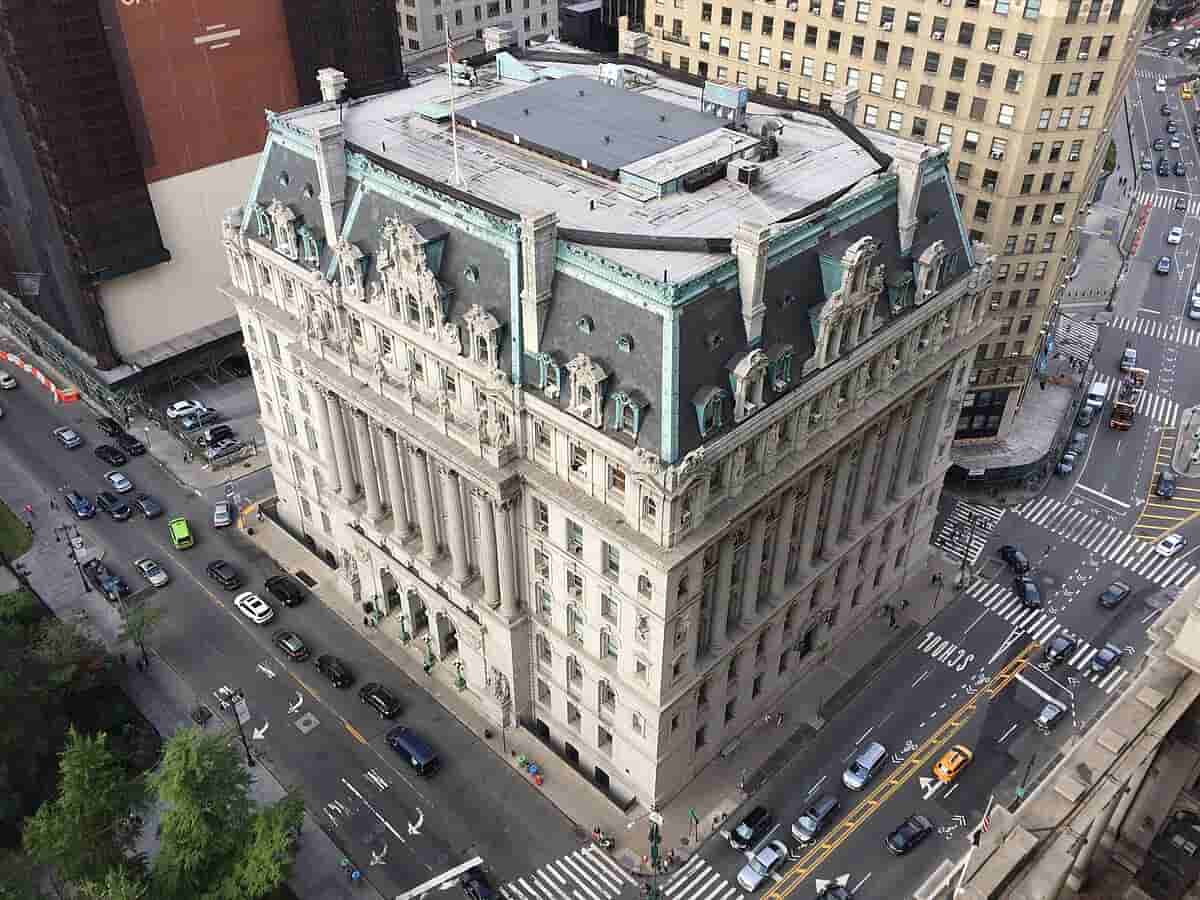
Sura Gate
Traditional Malay architectural landmark.
Pantai Teluk Bidara
A beautiful, quiet beach known for its golden sand and clear waters.
Dungun Town Center
The local town offering markets, shops, and a glimpse into everyday Malaysian life.
Pantai Batu Buruk
A scenic beach with coconut trees, perfect for picnics and sunset views.
Kuala Dungun Jetty
A jetty where you can observe local fishing activities and enjoy sea views.
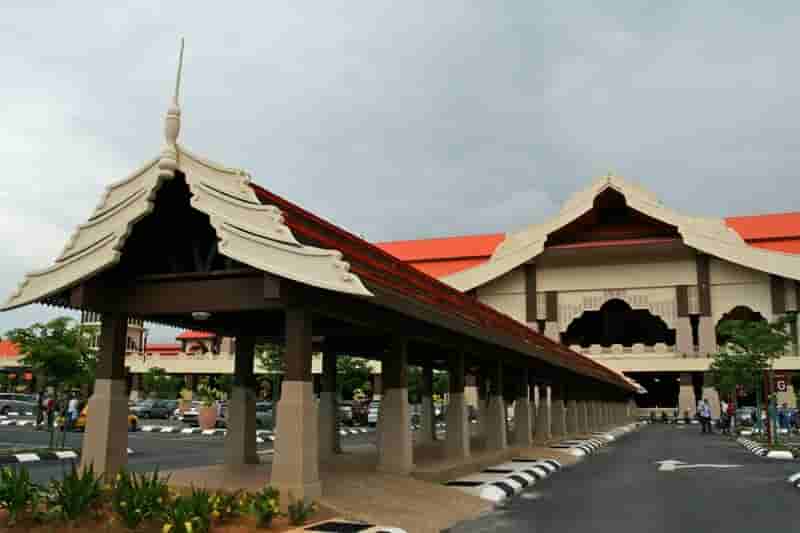
Sultan Mahmud Airport
Local airport with regional flight connections.
Tasik Kenyir
Largest man-made lake in Southeast Asia with boating and fishing
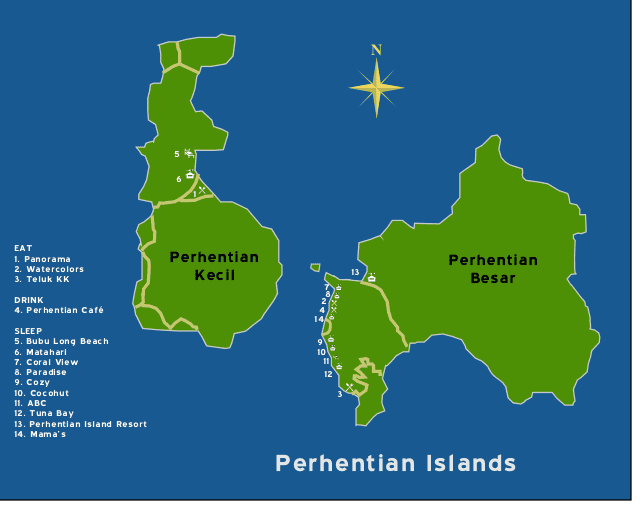
Perhentian Islands
Renowned for its crystal-clear waters and vibrant marine life, the Perhentian Islands offer world-class snorkeling and diving opportunities.
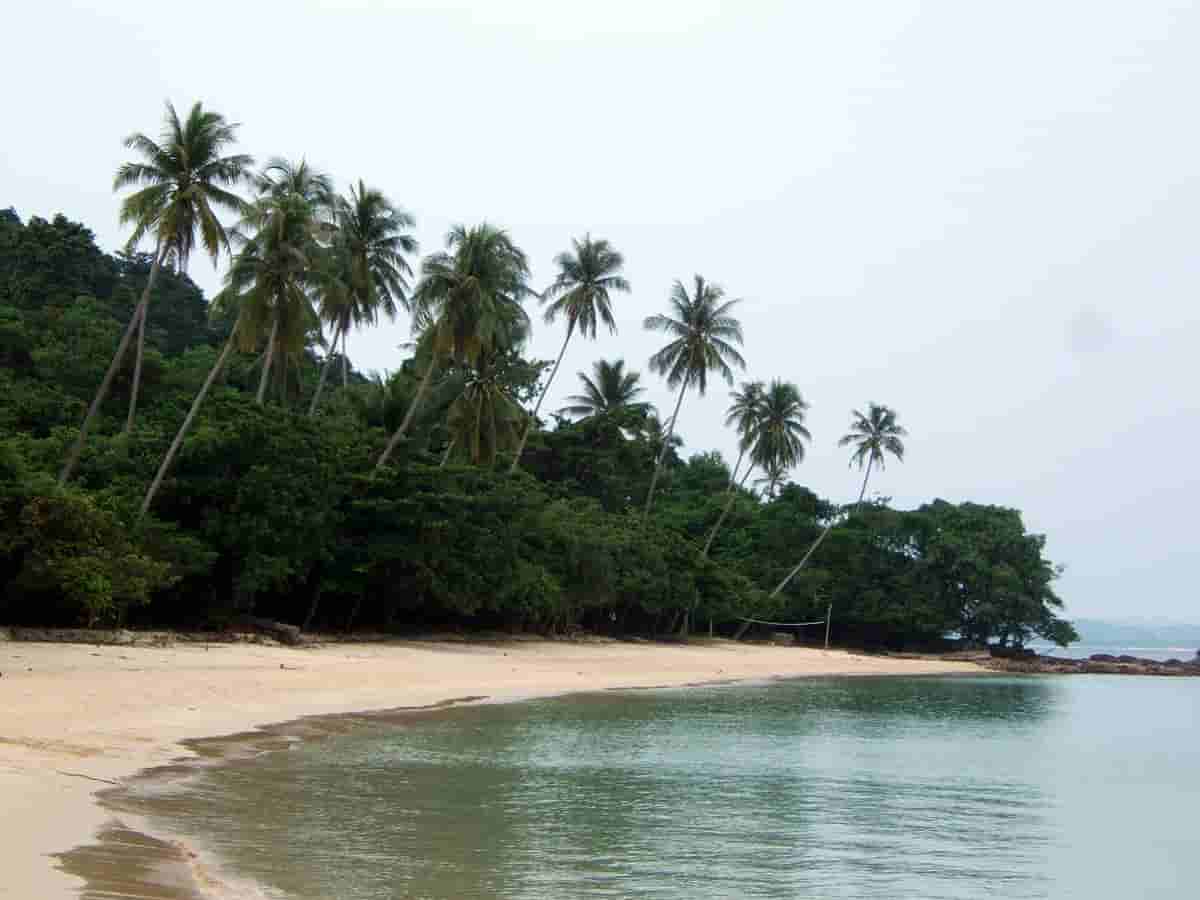
Kapas Island
A tranquil island paradise with pristine beaches, lush forests, and excellent opportunities for swimming, kayaking, and hiking.
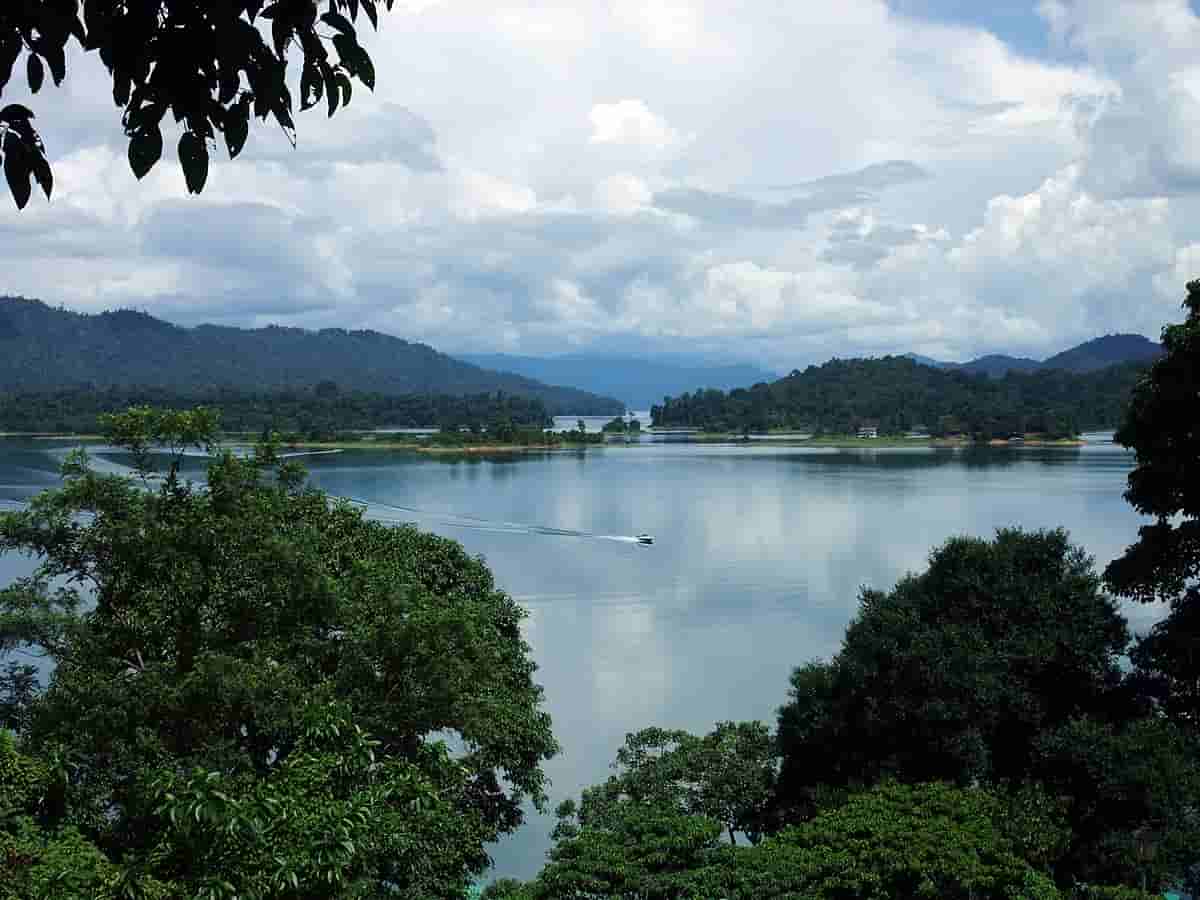
Kenyir Lake
The largest man-made lake in Southeast Asia, offering breathtaking scenery, fishing, and water sports activities.
🏘️ Neighborhoods
Dungun Town Center
The commercial and administrative heart, featuring shops, banks, government offices, and the main bus station. A practical base with easy access to amenities.
Dungun Beach Area
Stretches along the coastline with a mix of hotels, resorts, and local eateries. Offers direct beach access and beautiful sea views, especially at sunset.
Kuala Dungun (Jetty Area)
The historic fishing village and port area where the Dungun River meets the sea. Home to the jetty for boat services and a glimpse into traditional maritime life.
Pantai Teluk Bidara
A more secluded and scenic beach area located a short drive south of the town center. Known for its beautiful bay, rocky outcrops, and calmer atmosphere.
Bukit Besi
A former mining town inland from Dungun, rich in industrial heritage. Features historical sites like the Sura Gate and offers a different, hillier landscape.
Kampung Jambu Bongkok
A traditional village area offering a more authentic, residential feel. Experience local community life away from the main tourist tracks.
🍽️ Local Cuisine
Dungun's cuisine is a celebration of the sea, heavily influenced by Terengganu's distinctive Malay flavors. Signature dishes are a must-try. Nasi Dagang, fragrant rice cooked with coconut milk and fenugreek seeds, is traditionally served with rich tuna curry (gulai ikan tongkol) and a hard-boiled egg. Keropok lekor, a beloved local snack of chewy, deep-fried fish sausage, is best enjoyed fresh from the fryer with chili sauce. For a complete experience, seek out Ikan Bakar (grilled fish) at a seaside stall, where you select your fresh catch to be grilled over charcoal and served with sambal and rice. Dining culture is casual, with the best food found at night markets (pasar malam), waterfront food courts (medan selera), and humble roadside stalls. Popular food areas include the Dungun Town Center and spots along the beach roads. Prices are very reasonable: a hearty meal from a stall can cost under RM 15, while a sit-down restaurant meal may range from RM 20-40 per person. Etiquette is relaxed; eating with your right hand is common, and modest dress is appreciated.
💡 Local Tips
🚗 Day Trip Ideas
Perhentian Islands
Pristine tropical paradise renowned for crystal-clear waters, vibrant coral reefs, and excellent snorkeling/diving. A world-class island escape.
Tasik Kenyir
Southeast Asia's largest man-made lake, a stunning reservoir surrounded by ancient rainforest. Ideal for jungle trekking, fishing, boat tours, and visiting waterfalls.
Kuala Terengganu
The vibrant state capital, home to the Islamic Civilization Park, Central Market, Chinatown, and the majestic Crystal Mosque.
Bukit Besi
Explore the fascinating heritage of this former iron mining town, including the iconic Sura Gate and mining relics, set in a scenic inland area.
Marang
A charming coastal town known for its traditional kite-making, picturesque river, and boat trips to Kapas Island, a smaller, serene island getaway.
Rantau Abang
Famous as a former turtle nesting site (now protected). Visit the Turtle Information Center and enjoy the long, dramatic beachscape.
🛡️ Safety Tips
Dungun is generally a very safe town with low crime rates. Violent crime against tourists is rare. However, exercise standard precautions: secure your valuables, don't leave belongings unattended on the beach, and be cautious when walking alone at night in poorly lit areas. Common scams are not prevalent, but always agree on taxi fares beforehand or use ride-hailing apps for transparency. During the monsoon season (Nov-Feb), heed warnings about rough seas and avoid swimming in dangerous conditions. The main health recommendation is to drink bottled or filtered water. Use insect repellent to guard against mosquitoes. Emergency numbers are 999 for police and ambulance, and 994 for the fire department. As a predominantly Muslim area, dressing modestly, especially outside beach areas, is respectful and can help avoid unwanted attention.
💰 Budget Guide
Dungun is an affordable destination. A budget traveler can manage on RM 80-120 per day, staying in basic guesthouses or hostels (RM 40-70), eating at local stalls (RM 5-15 per meal), using public transport or walking, and enjoying free beaches. A mid-range traveler should budget RM 150-300 daily, covering a comfortable hotel or resort room (RM 100-200), meals at local restaurants (RM 15-40 per meal), occasional taxis or a rental car, and paid activities like boat trips. Luxury travel starts around RM 400+ per day, for beachfront resorts, fine dining, private tours, and car rentals. Money-saving tips include eating at pasar malam (night markets), traveling during the shoulder season, booking accommodation in advance online, and using Grab for transport. Many of the best experiences—beaches, town walks, and sightseeing—are free or very low cost.