Welcome to Setif
Nestled in the Hauts Plateaux region of northeastern Algeria, Sétif is a city where ancient history and vibrant modern life converge with captivating energy. Often called the 'capital of the High Plateaus,' this bustling metropolis sits at an elevation of over 1,000 meters, gifting it with a refreshing climate and a distinct, lively atmosphere. Sétif is a city of fountains and parks, a testament to its French colonial past, yet its roots dig deep into Numidian and Roman soil, most famously at the nearby UNESCO World Heritage site of Djemila. Visitors are immediately struck by the city's youthful pulse, fueled by its prestigious university, and its role as a major commercial and cultural hub. While its urban core buzzes with activity, Sétif offers pockets of serene beauty, from the iconic Ain El Fouara fountain to the sprawling Central Park. With a range of accommodations including approximately 10 hotels catering to various budgets, averaging around $85.30 per night, Sétif serves as a compelling and accessible gateway for explorers seeking an authentic Algerian experience beyond the typical tourist trail, perfect for a focused one-day immersion into its unique character.
Overview
Sétif's history is a layered tapestry, beginning as a Numidian settlement before becoming a significant Roman colony named Sitifis. This legacy is proudly displayed in the exceptional Sétif Archaeological Museum. The city later flourished under various Islamic dynasties and experienced substantial growth during the French colonial period, evident in its central grid layout and many public squares. Today, Sétif is the capital of its namesake province and one of Algeria's most important cities, renowned for its university, industry, and as a center for the surrounding fertile agricultural plains. The city is famous for several key features: its historical significance as a cradle of early Algerian nationalism (the Sétif massacre of 1945 is a pivotal moment), its cool, elevated climate, and its status as a hub for commerce and education. Culturally, it blends Berber, Arab, and French influences. The main districts include the bustling city center around Place du 1er Novembre and Ain El Fouara, the modern administrative and commercial areas, and the residential university zone. Sétif is a city that feels both historically weighty and dynamically forward-looking.
🗓️ Best Time to Visit
The best time to visit Sétif is during the spring (April to June) and autumn (September to October) months. During these periods, the weather is at its most pleasant, with mild to warm days, cool nights, and minimal rainfall, creating ideal conditions for exploring the city's outdoor attractions and taking day trips. Summer (July and August) brings dry heat, but temperatures are moderated by the altitude, making it warmer but not overwhelmingly hot; this is a popular time for local festivals. Winter (December to February) can be quite cold, with occasional frost and even rare snowfall, which can be charming but may limit some activities. Major events include the International Film Festival of Sétif (typically in summer) and various cultural and religious festivals throughout the year. For comfortable sightseeing and avoiding temperature extremes, the shoulder seasons of spring and fall are highly recommended as the peak visiting times.
🌤️ Weather & Climate
Sétif features a semi-arid climate with strong continental influences due to its high altitude (over 1,000m). It experiences hot, dry summers and cold, moderately wet winters, with significant temperature variations between day and night.
Seasons
Spring
💨 Humidity: moderate
Mild and pleasant days with cool nights. Increasing sunshine and occasional spring showers. Ideal for outdoor exploration.
Summer
💨 Humidity: low
Hot, dry, and sunny days with intense sun. Nights are cool and comfortable. Peak tourist season for locals.
Autumn
💨 Humidity: moderate
Warm days gradually cooling, with increased rainfall later in the season. Beautiful, clear skies are common early on.
Winter
💨 Humidity: moderate
Cold and damp with occasional frost and rare snowfall. Days can be crisp and sunny, but nights are freezing.
Monthly Weather Details
January Weather
Best for: indoor activities, museum visits
February Weather
Best for: indoor activities, cultural sites
March Weather
Best for: sightseeing, early spring walks
April Weather
Best for: sightseeing, park visits
May Weather
Best for: outdoor activities, day trips
June Weather
Best for: all activities, hiking
July Weather
Best for: all activities, festivals
August Weather
Best for: all activities, festivals
September Weather
Best for: sightseeing, day trips
October Weather
Best for: sightseeing, cultural visits
November Weather
Best for: indoor activities, museum visits
December Weather
Best for: indoor activities
🎒 What to Pack
All Year Round
- sunscreen
- sunglasses
- comfortable walking shoes
- scarf (for sun/wind)
🚗 Getting Around
Getting around Sétif is relatively straightforward. The city center is compact and very walkable, especially around the main attractions like Ain El Fouara fountain and the central park. For longer distances, a network of public buses serves major routes, though schedules can be informal; fares are very cheap, usually under 50 DZD. Taxis are abundant and affordable for getting around town; always ensure the meter is used or agree on a fare beforehand. Ride-sharing apps are not widely available. For day trips to sites like Djemila or Djebel Babor, hiring a taxi for the day or joining an organized tour is the most practical option. Sétif does not have a passenger train station within the city for local travel, but the Ain Arnat Airport (QSF) is located about 10 km from the center; airport transfers are best done via pre-arranged hotel shuttle or taxi. Biking is not a common mode of tourist transport due to traffic. Overall, taxis and walking are the most efficient ways for visitors to navigate.
🎯 Top Attractions
Setif Archaeological Museum
Museum featuring Roman artifacts and local history.
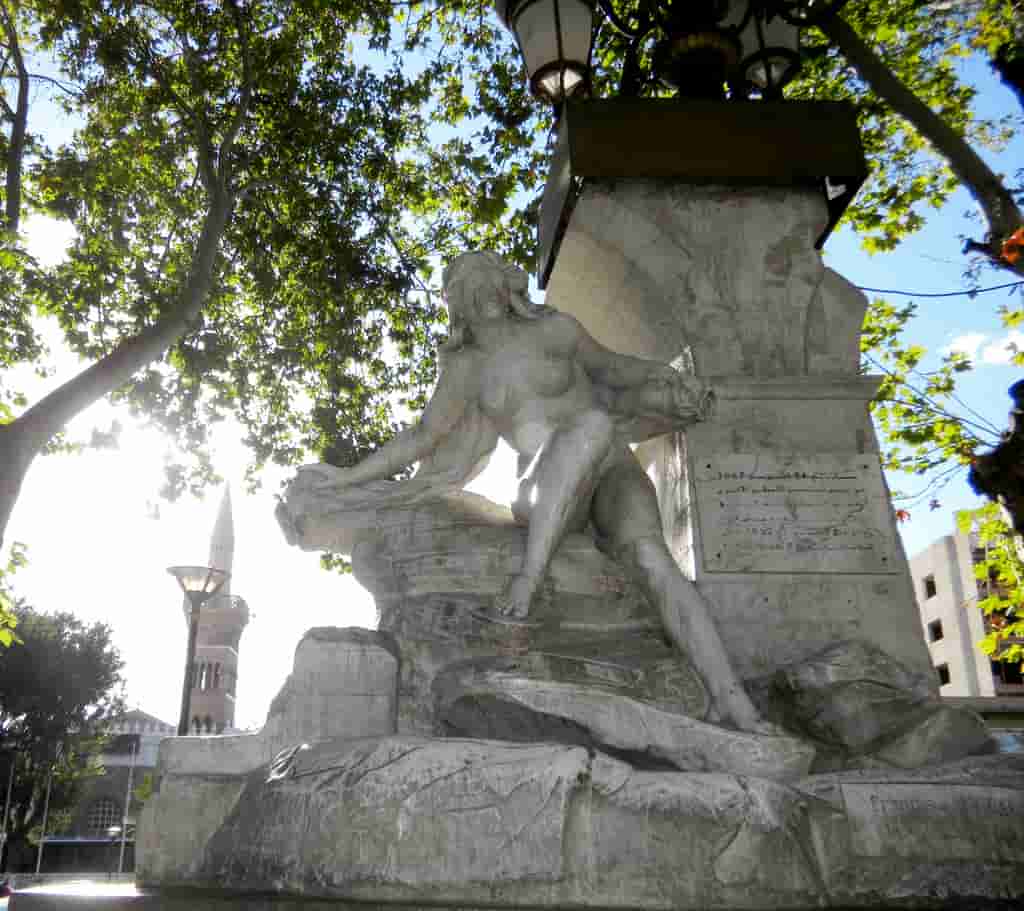
Ain El Fouara Fountain
Historic fountain and popular meeting spot in the city center.
Setif University
Major educational institution with scenic campus.
Setif Central Park
Large park ideal for relaxation and outdoor activities.
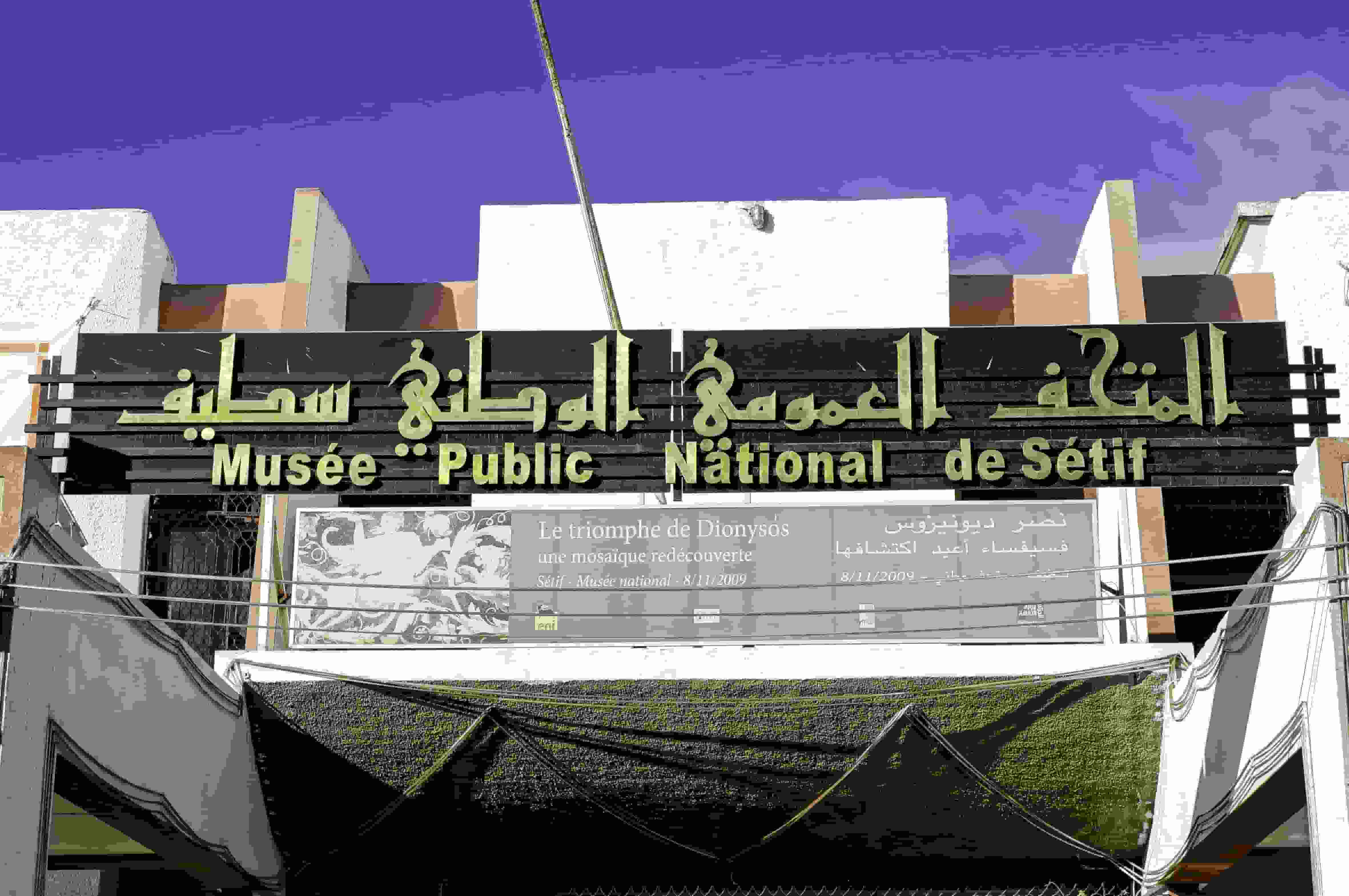
Setif Museum
Local museum featuring historical and cultural exhibits.
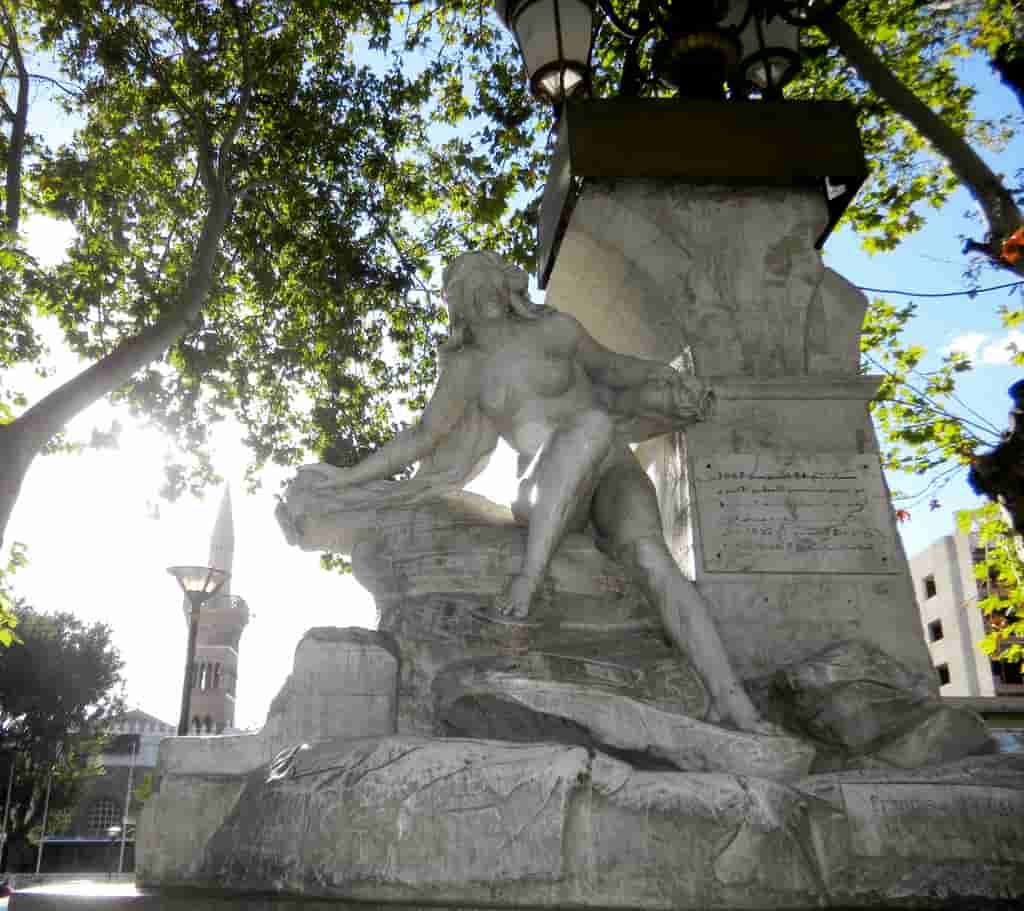
Ain El Fouara
Famous fountain and landmark in the city center.
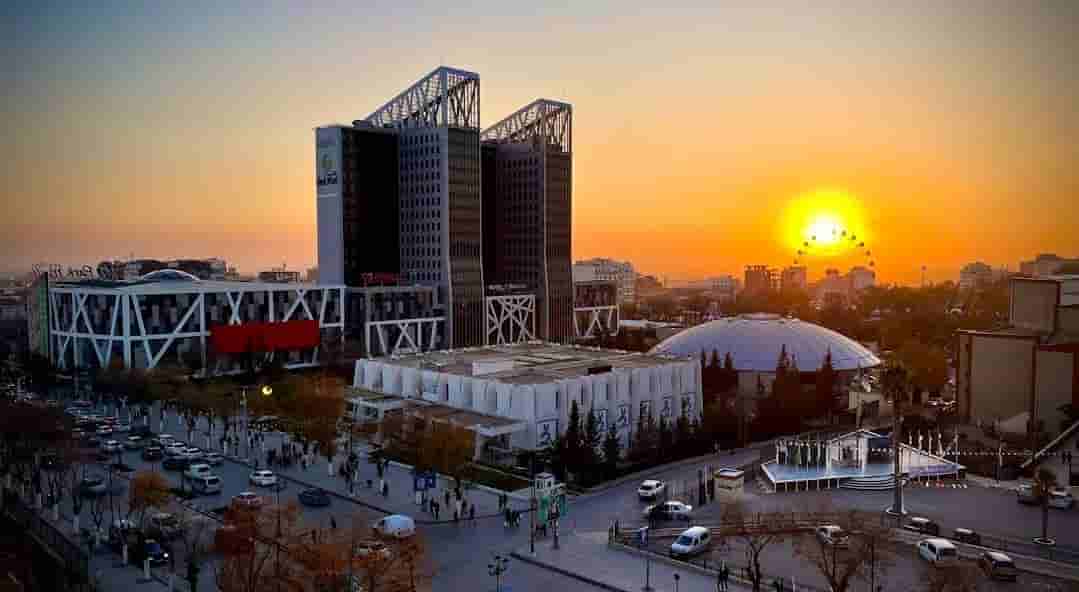
Setif Grand Mosque
Large mosque with impressive architecture and religious significance.
Djebel Babor
Mountain with hiking and wildlife.
Setif Park
Green space perfect for leisurely walks and picnics.
Roman Ruins of Djemila
UNESCO World Heritage site with ancient Roman ruins.
Setif City Center
Urban area with shops and cafes.
🏘️ Neighborhoods
Centre-Ville (City Center)
The bustling heart of Sétif, home to Ain El Fouara fountain, Place du 1er Novembre, the Grand Mosque, and many shops and cafes. It's the main commercial and administrative hub.
University District
Located to the west of the center, this area revolves around Setif University. It's lively with students, affordable eateries, bookshops, and a youthful energy.
El Ithnain (Les Frères Bouchama)
A major residential and commercial district with wide avenues, modern buildings, and shopping centers. It's a more contemporary part of the city.
Bir El Arche
A densely populated residential neighborhood south of the center, offering a very local atmosphere with markets and everyday life.
Hai Djenane
A quieter, more upscale residential area with villas and greener spaces, located on the outskirts of the central hustle.
Zone Industrielle
The industrial and logistical area of the city. Not a tourist destination, but important for the city's economy and home to some larger hotels.
Near Central Park
The area surrounding the expansive Setif Central Park offers a greener, more relaxed environment while still being close to the city center.
🍽️ Local Cuisine
Sétif's cuisine is a hearty reflection of its plateau location, featuring wheat, lamb, poultry, and fresh vegetables. Signature dishes include 'Chakhchoukha,' a flavorful stew of torn pieces of semolina flatbread (rougag) mixed with a spiced tomato and meat sauce, and 'Rechta,' fine handmade noodles served with a white sauce made from chicken or lamb. As a major wheat-producing area, breads and pastries are exceptional; try 'Mhadjeb,' a thin semolina crepe stuffed with onions and tomatoes, from a street vendor. Dining culture ranges from casual street food stalls to more formal restaurants. The area around the university and the city center offers a variety of eateries. For a full meal at a local restaurant, expect to pay 1500-3000 DZD per person. Etiquette is important; eating with the right hand is traditional for some dishes, but utensils are commonly used. Always accept offers of mint tea, a symbol of hospitality. For dessert, don't miss the local pastries like 'Baklava' or 'Zlabia.'
💡 Local Tips
🚗 Day Trip Ideas
Roman Ruins of Djemila
A breathtaking UNESCO World Heritage site featuring exceptionally well-preserved Roman ruins, including a forum, temples, arches, and stunning mosaics, set in a beautiful mountainous landscape.
Djebel Babor
A mountain peak and nature reserve, part of the Tell Atlas range. Ideal for hiking, picnicking, and enjoying panoramic views. Home to the rare Kabylie Macaque monkey.
Ain Oulmene
A nearby town known for its agricultural production and traditional lifestyle. Offers a glimpse into rural Algerian life and local markets.
Lake Ain Zada
A serene artificial lake surrounded by hills, perfect for a relaxing afternoon, a picnic, or a short walk away from the city bustle.
Bejaia (on the coast)
A major port city on the Mediterranean coast with a dramatic setting between the sea and the mountains, featuring a historic casbah, beaches, and the Gouraya National Park.
🛡️ Safety Tips
Sétif is generally considered safe for travelers, with a visible police presence in central areas. Petty crime like pickpocketing can occur in crowded markets or on busy public transport, so remain vigilant with your belongings. Avoid displaying expensive jewelry or electronics. There are no specific no-go areas, but it's wise to be cautious in unfamiliar neighborhoods after dark. Standard scam awareness applies; be wary of overly friendly strangers offering unsolicited guides or deals. Emergency numbers are: Police: 17, Ambulance: 14, Fire: 14. For health, drink bottled water and ensure food from street vendors is freshly cooked and hot. It's recommended to have comprehensive travel insurance. Respect local customs and dress modestly, especially when visiting religious sites. As in any city, using registered taxis and informing your hotel of your plans for day trips is a good practice.
💰 Budget Guide
Sétif offers good value for travelers. A budget traveler can manage on approximately 6,000-8,000 DZD ($45-$60) per day, staying in basic guesthouses or budget hotels (from 4,000 DZD/night), eating street food and at local cafés (500-1,000 DZD per meal), and using public transport. Mid-range travelers should budget 12,000-18,000 DZD ($90-$135) daily, covering a comfortable hotel (averaging 11,500 DZD/$85), meals at sit-down restaurants (1,500-2,500 DZD), taxi rides, and entrance fees to museums. A luxury budget of 25,000+ DZD ($185+) per day affords top hotels, fine dining, private guided tours, and car rentals. Money-saving tips: Visit free attractions like Ain El Fouara and Central Park, eat 'Mhadjeb' and other street food, negotiate taxi fares for longer trips, and travel during the off-peak winter season for slightly lower accommodation rates. Always carry cash (Algerian Dinar) as credit cards are not widely accepted outside major hotels.