Welcome to Algiers
Algiers, the capital of Algeria, is a city of breathtaking contrasts and profound history, dramatically poised where the Mediterranean Sea meets the steep, terraced hills of North Africa. Known as 'Algiers the White' for its gleaming white buildings that cascade down to the azure coast, it is a place where French colonial architecture stands alongside the intricate alleyways of a centuries-old Ottoman Casbah. This is a city that has witnessed Phoenician traders, Roman conquerors, Berber dynasties, and Ottoman corsairs, each layer adding to its rich, complex tapestry. As the political and cultural heart of Algeria, Algiers offers visitors a compelling mix of grand boulevards, historic monuments, and vibrant street life. With a selection of 39 hotels catering to various tastes and an average nightly rate that makes exploration accessible, the city invites a deep, if compact, immersion. A recommended stay of one day is a tantalizing introduction, but the city's soul—found in its bustling ports, serene gardens, and ancient Kasbah—often convinces travelers to linger longer.
Overview
Algiers is a city defined by its layered history and its stunning geography. Founded by the Phoenicians and later shaped by Romans, Byzantines, and various Berber kingdoms, its most defining epochs began with the arrival of the Ottomans in the 16th century, who established the famed Casbah as a powerful pirate republic. French colonization in the 19th century dramatically reshaped the city's lower quarters, creating the grand European-style boulevards and edifices like the Central Post Office. Today, Algiers is famous for this duality: the labyrinthine, UNESCO-listed Casbah of Algiers, a living museum of Moorish architecture, and the spacious, French-built 'ville nouvelle' below. The city is administratively divided into numerous communes, but key districts for visitors include the historic Casbah; the bustling city center around the Grand Post Office and the port; the upscale residential area of El Biar; and the coastal promenades of Sidi Fredj and Ain Taya. Culturally, it's a city of passionate debate, aromatic coffee shops, and a deep pride in its hard-won independence, offering a uniquely North African experience that feels both timeless and dynamically modern.
🗓️ Best Time to Visit
The best time to visit Algiers is during the spring (April to June) and autumn (September to November) shoulder seasons. These periods offer the most pleasant weather, with warm, sunny days and mild evenings, ideal for exploring both the outdoor gardens and the dense Casbah. Summer (July-August) can be intensely hot and humid, especially inland, though the coastal breezes provide some relief; it's peak season for local tourism. Major events like Independence Day (July 5) and the Algiers International Fair (typically in June) occur in summer. Winter (December to February) is the off-peak season, characterized by cooler temperatures and the city's highest rainfall, but it offers fewer crowds and lower prices. While some days can be rainy and grey, there are also stretches of crisp, clear weather perfect for sightseeing. Cultural festivals are spread throughout the year, so checking local calendars for music or film events can enhance any visit.
🌤️ Weather & Climate
Algiers enjoys a Mediterranean climate with hot, dry summers and mild, wet winters. The city benefits from cooling sea breezes along the coast, though temperatures can rise significantly just inland.
Seasons
Spring
💨 Humidity: moderate
Pleasant and sunny with occasional showers early in the season. Ideal for outdoor exploration and sightseeing.
Summer
💨 Humidity: moderate to high
Hot and dry with intense sun. Coastal areas are more comfortable. Perfect for beach visits and evening promenades.
Autumn
💨 Humidity: moderate
Warm start transitioning to cooler, rainier weather by November. A great time for cultural visits before the winter rains.
Winter
💨 Humidity: moderate
Mild but the wettest season. Days can be rainy and overcast, but interspersed with clear, cool periods suitable for indoor museums and cafes.
Monthly Weather Details
January Weather
Best for: indoor activities, museums
February Weather
Best for: city sightseeing on clear days
March Weather
Best for: early spring walks, gardens
April Weather
Best for: outdoor sightseeing, photography
May Weather
Best for: beach trips, coastal exploration
June Weather
Best for: beach, port activities, festivals
July Weather
Best for: swimming, evening outings
August Weather
Best for: coastal relaxation, water sports
September Weather
Best for: warm weather sightseeing
October Weather
Best for: cultural visits, food tours
November Weather
Best for: indoor museums, cafe culture
December Weather
Best for: holiday atmosphere, indoor sites
🎒 What to Pack
All Year Round
- comfortable walking shoes
- sunglasses
- sunscreen
- light scarf/shawl for modesty or sun protection
🚗 Getting Around
Navigating Algiers requires a mix of transport modes. The city has a one-line metro system, a tram network, and extensive bus services, all affordable and efficient for reaching major points. The metro is particularly useful for avoiding road traffic. Taxis are ubiquitous; ensure you use official yellow cabs and agree on a fare before departure or insist the meter is used. Ride-hailing apps like Yassir are also widely used and recommended for transparent pricing. Walking is the best way to explore compact, pedestrian-heavy areas like the Casbah and the city center, but be prepared for steep, uneven steps in the old town. Biking is not common for tourists due to traffic and hills. From Houari Boumediene Airport (ALG), located about 20km east, the most convenient transfer is by pre-booked taxi or app-based car; a fixed-fare taxi desk operates inside the arrivals hall. Public buses also connect the airport to the city center at a much lower cost.
🎯 Top Attractions
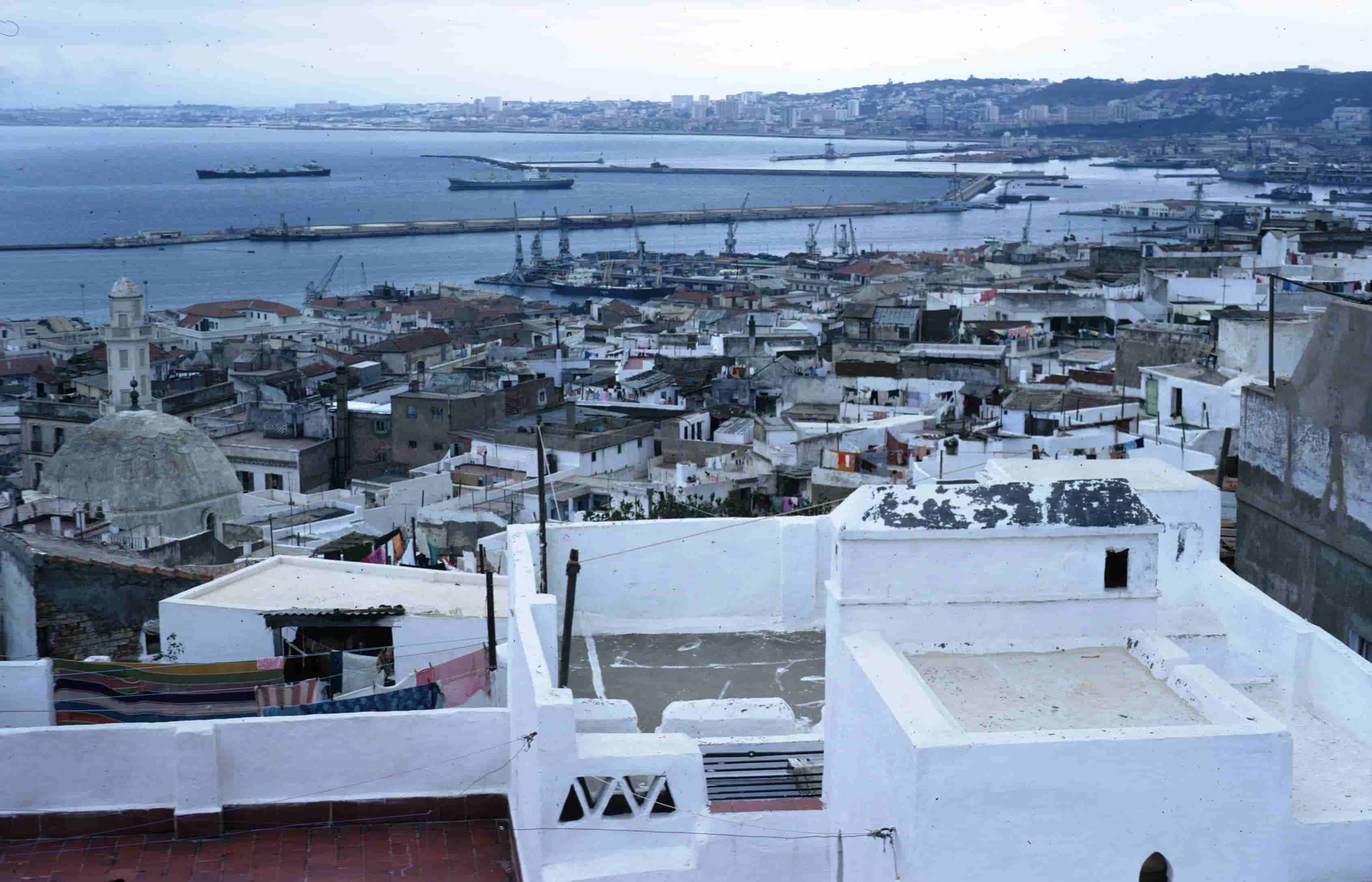
Algiers Casbah
UNESCO-listed old city with narrow streets and historic buildings
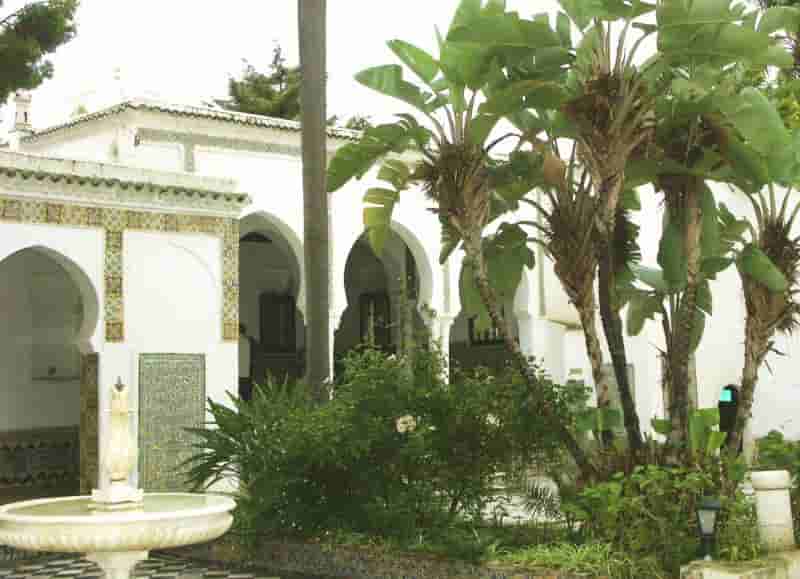
Bardo Museum
Museum housed in a Ottoman palace with prehistoric and Islamic art
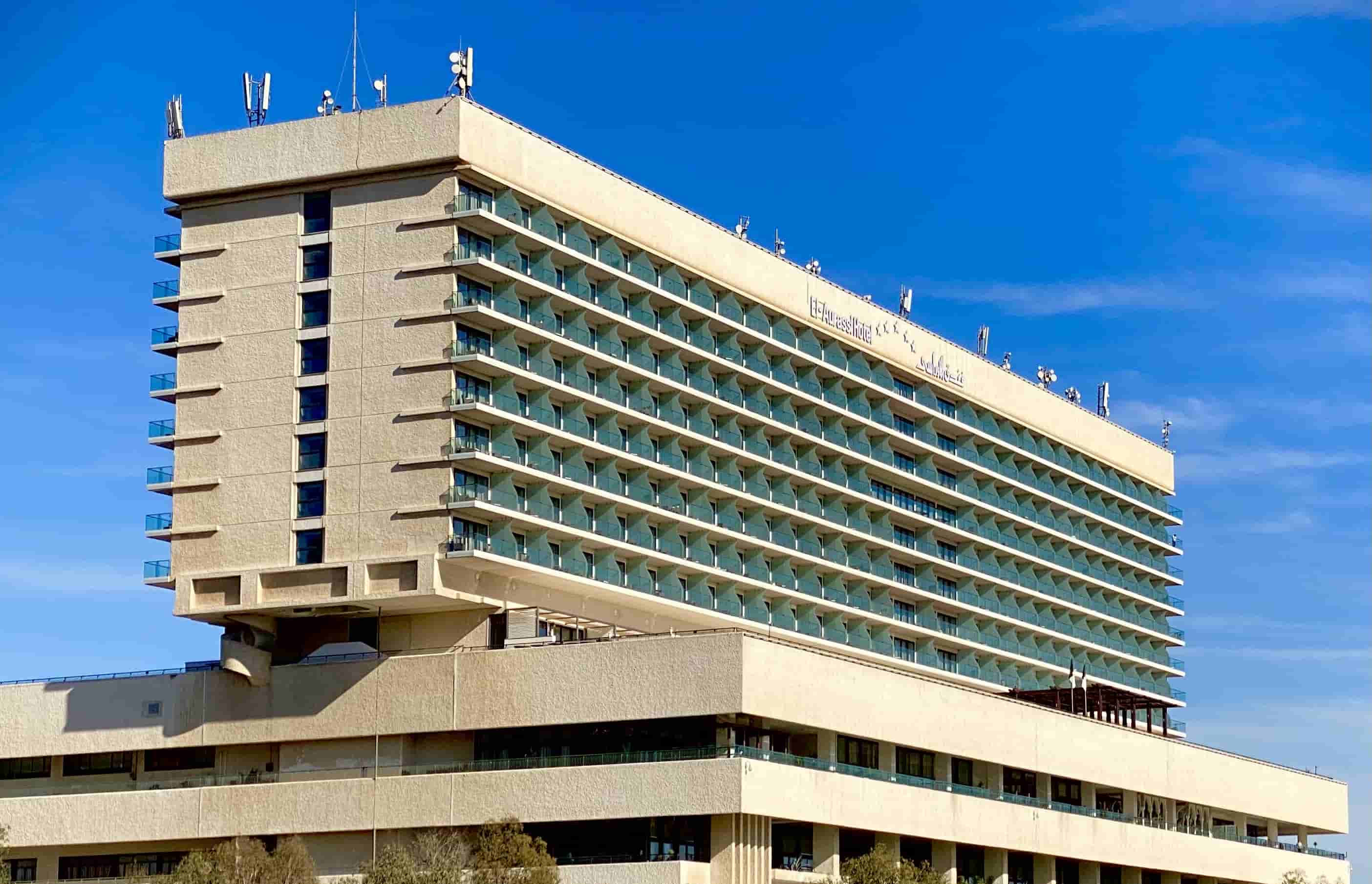
El Aurassi Hotel
Landmark hotel with panoramic views of the city and bay.
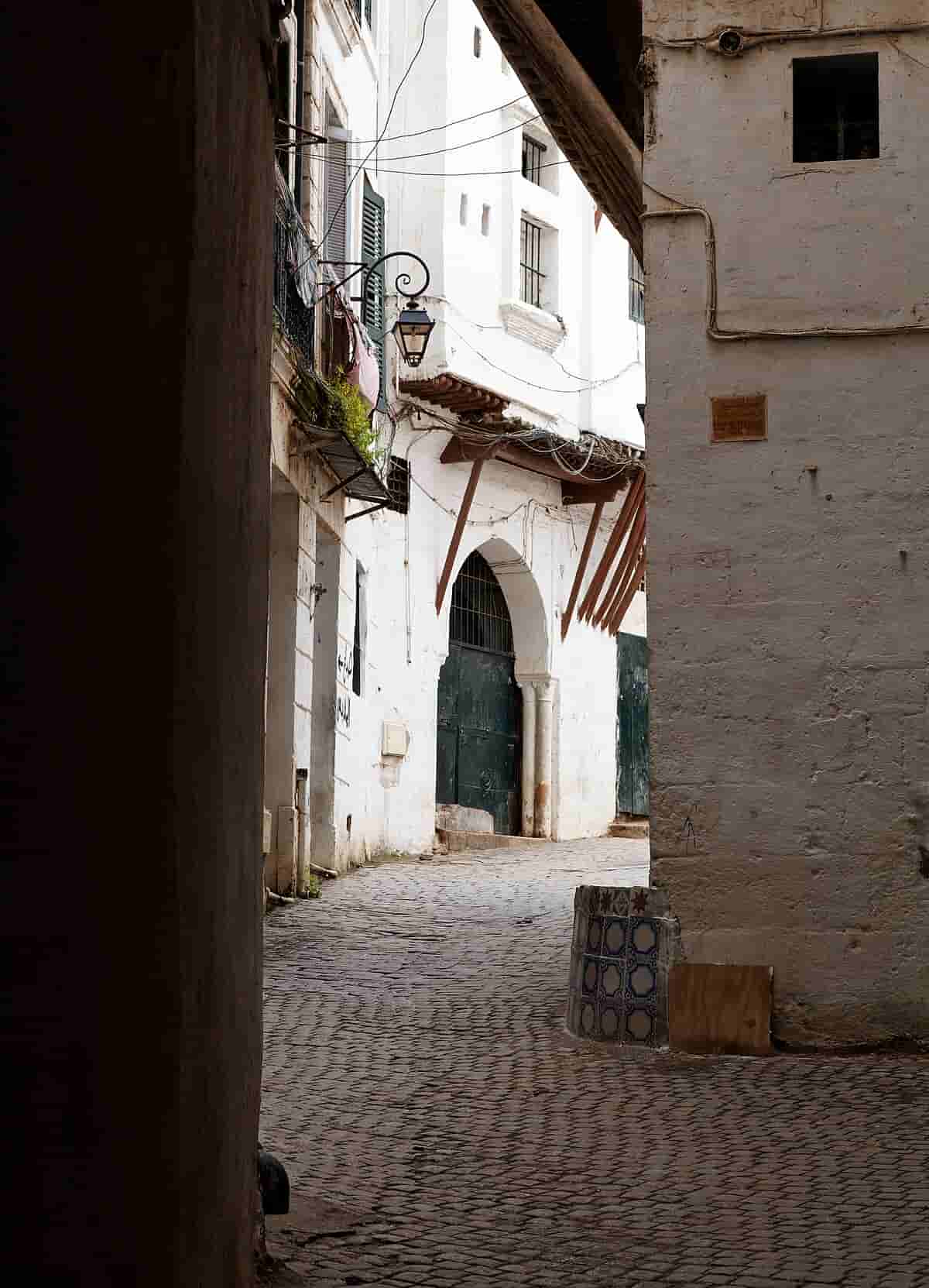
Casbah of Algiers
A UNESCO World Heritage site with narrow streets, traditional houses, and rich history.
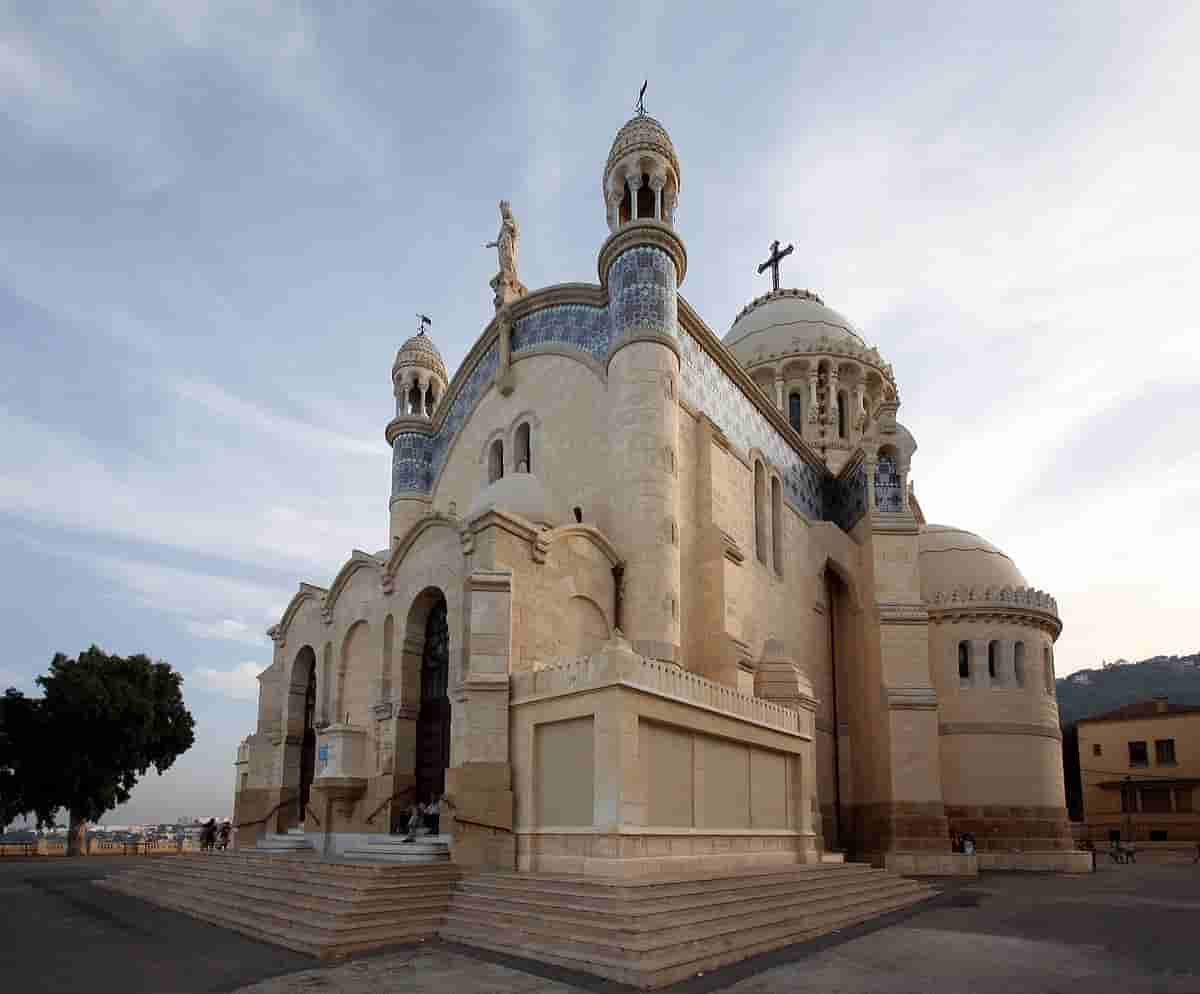
Notre Dame d'Afrique
Historic basilica offering stunning views over Algiers and the Mediterranean.
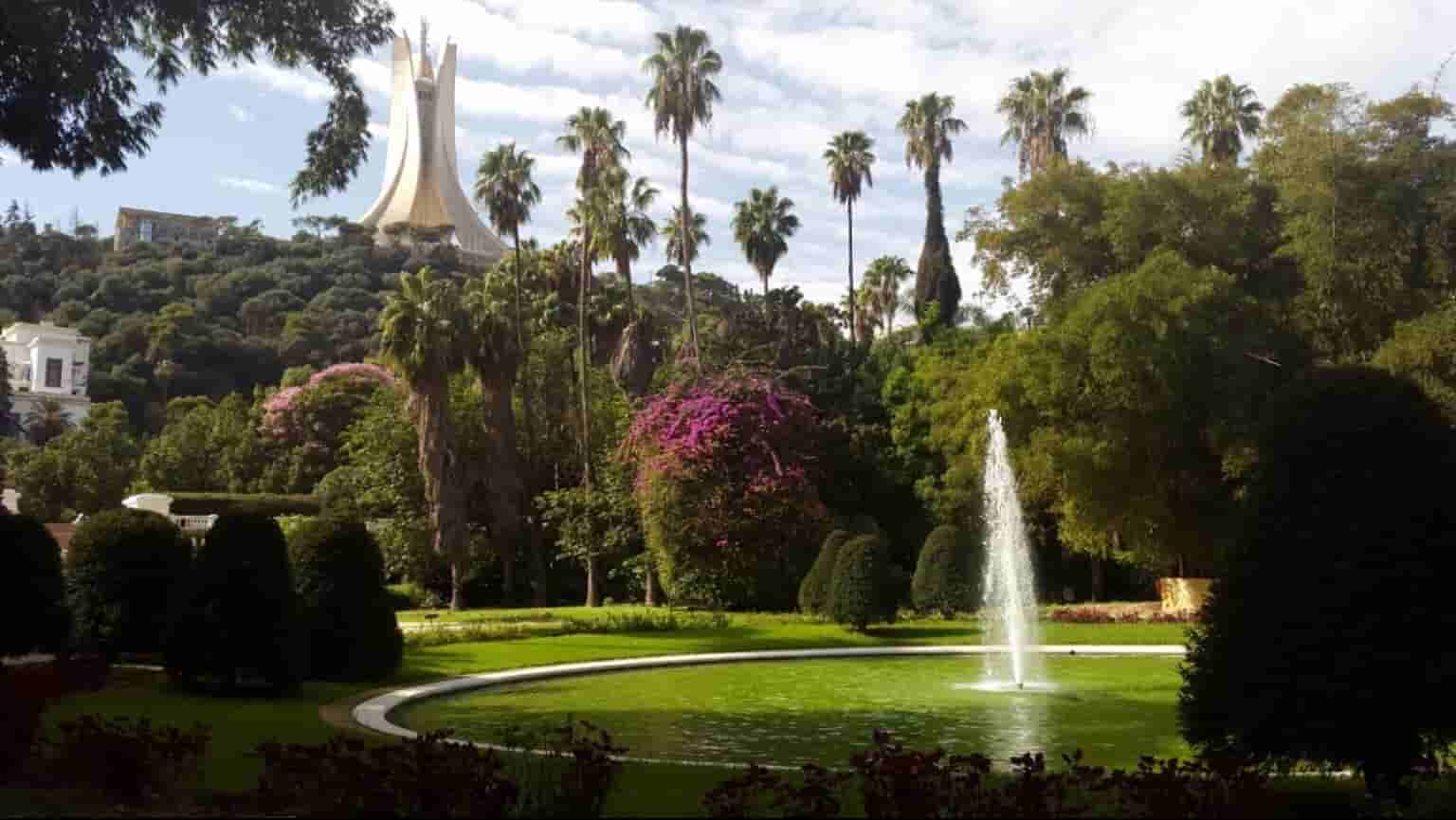
Jardin d'Essai du Hamma
A botanical garden with diverse plant species, fountains, and walking paths.
Algiers Central Post Office
Architectural landmark with Moorish and French colonial design.
Kasbah of Algiers
UNESCO World Heritage site with narrow streets and traditional houses.
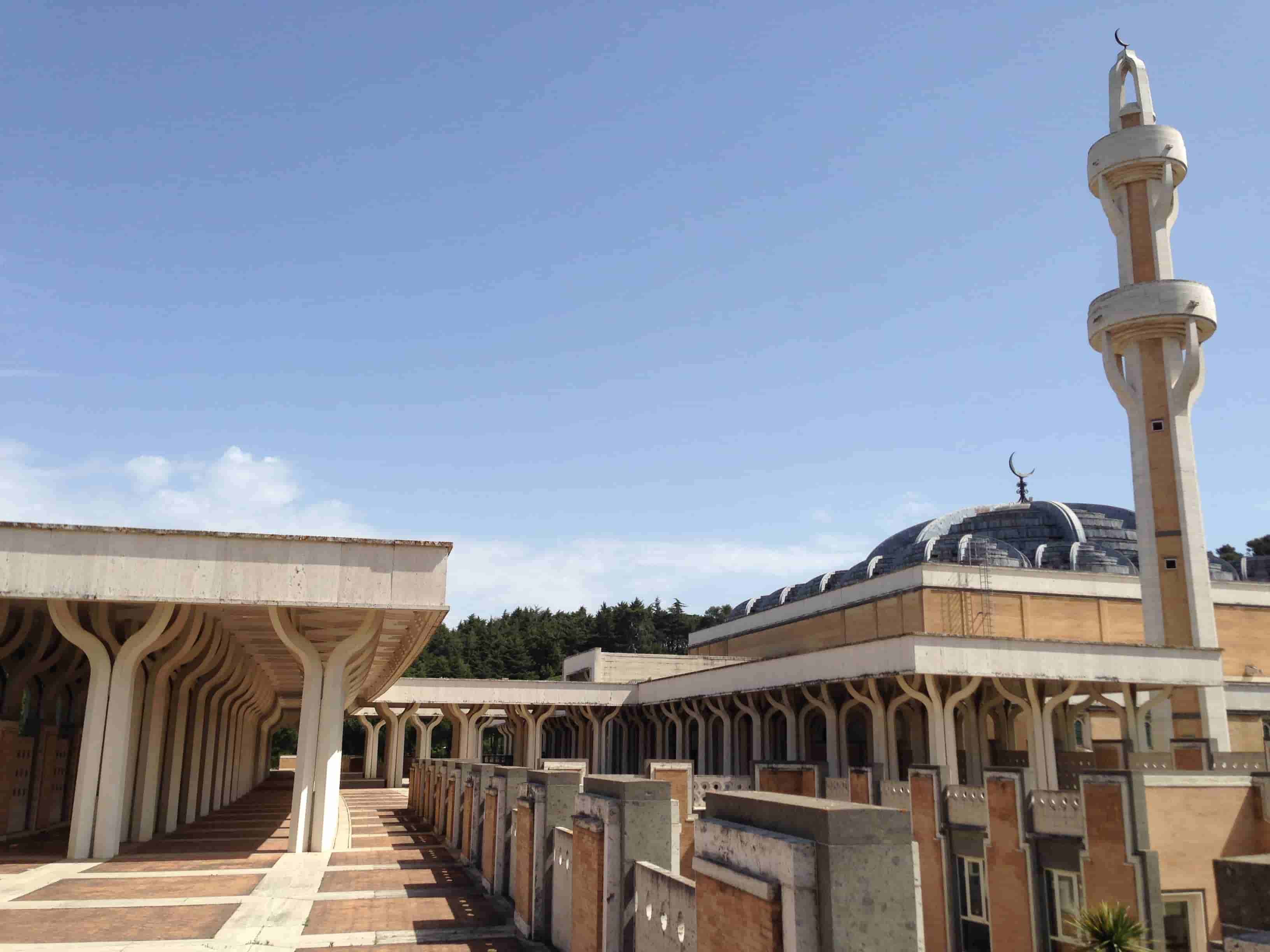
Grand Mosque
Iconic religious site showcasing Islamic architecture.
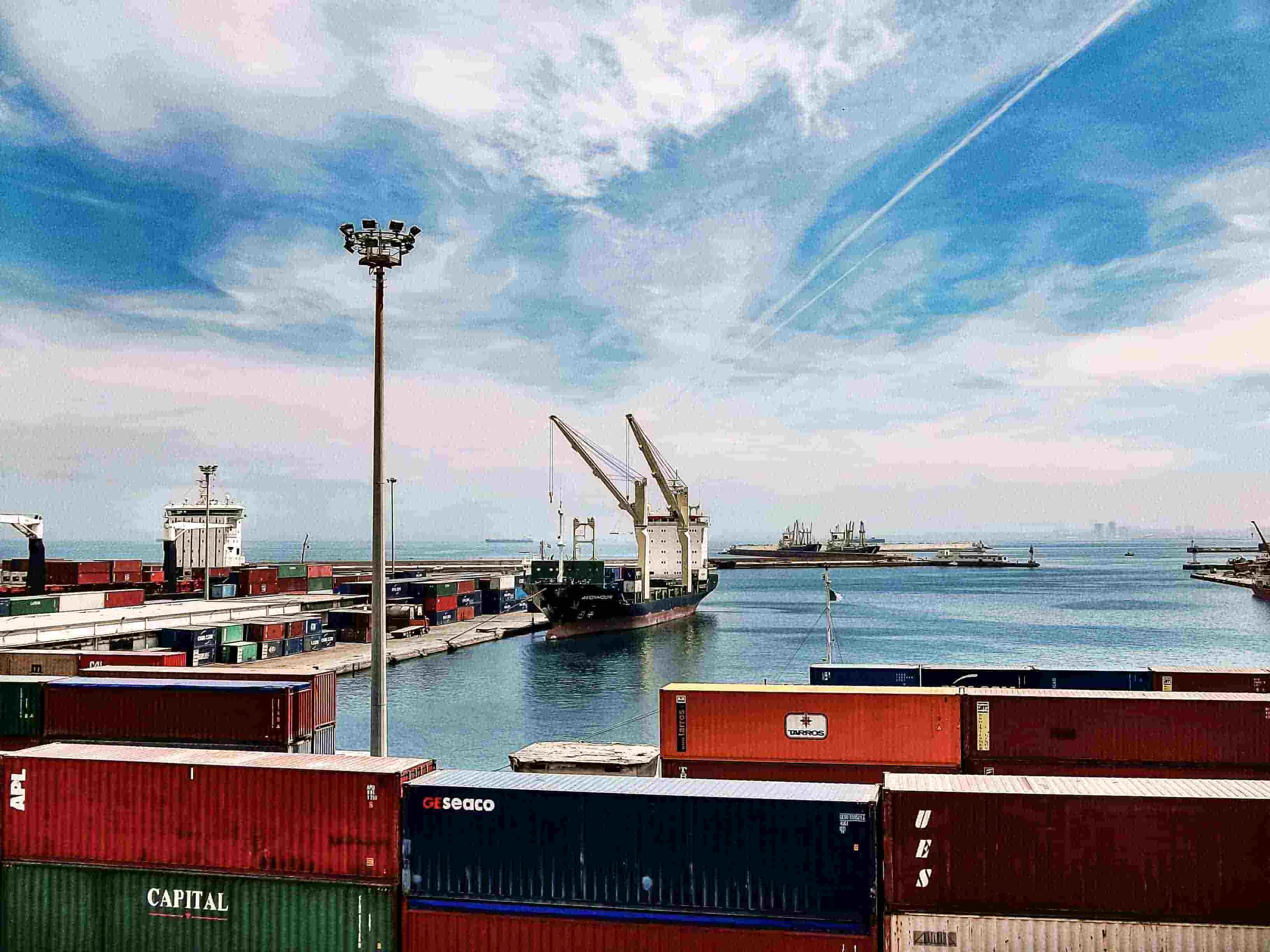
Algiers Port
Bustling port area with ferry services.
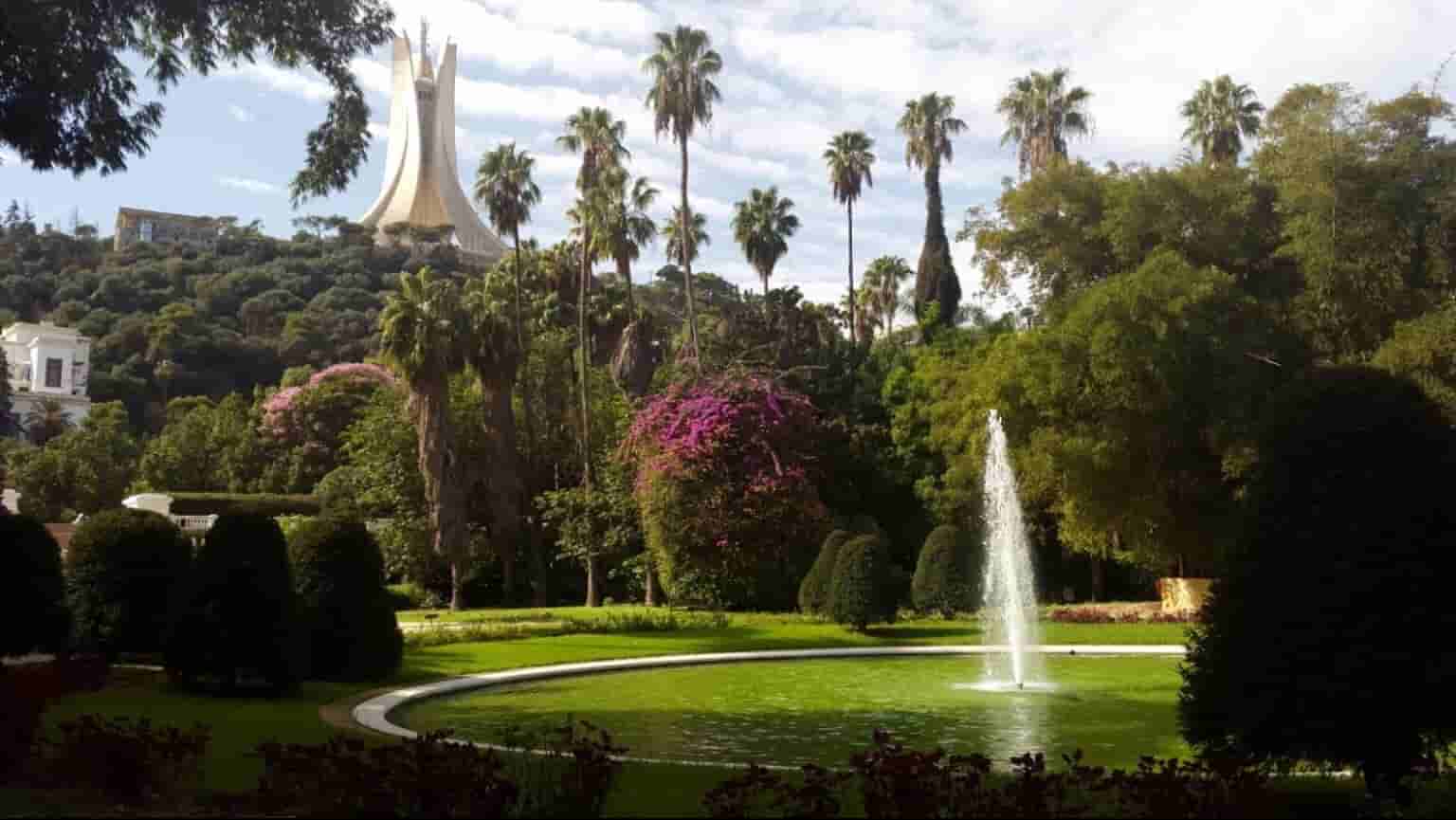
Hamma Garden
Botanical garden with exotic plants and fountains
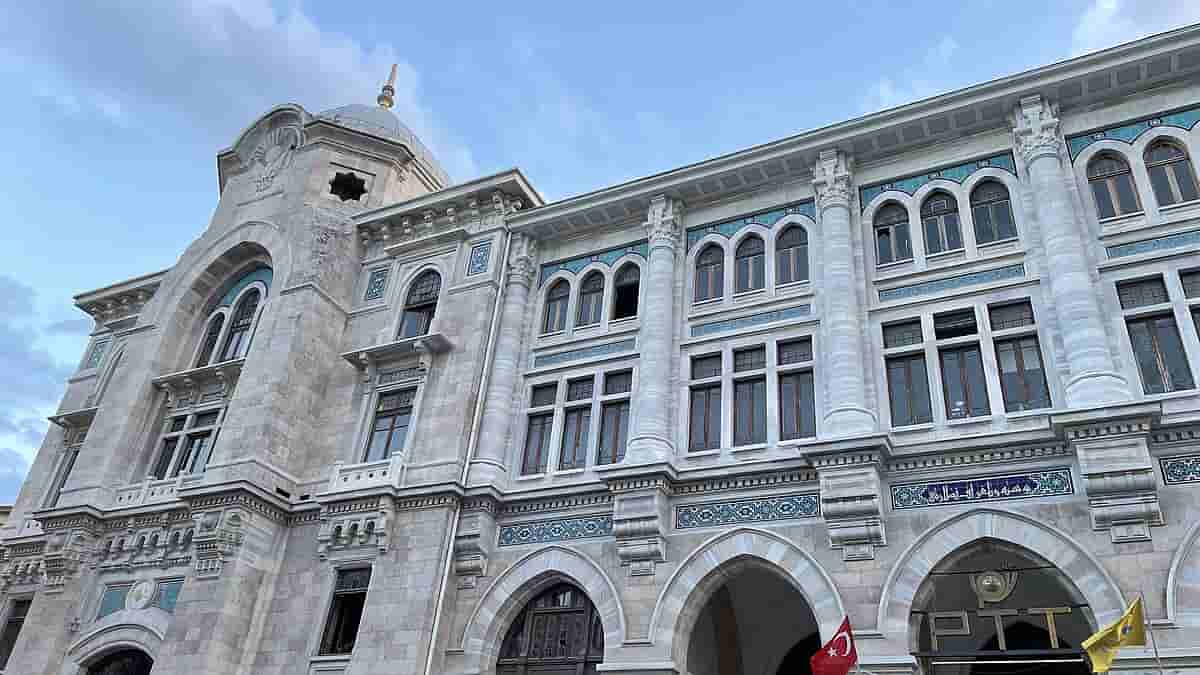
Grand Post Office
Architectural landmark in the city center.
🏘️ Neighborhoods
Casbah (Medina)
The historic heart, a UNESCO World Heritage site of narrow, winding streets, Ottoman palaces, and traditional houses. A living museum and residential area.
City Centre (Alger-Centre)
The French-built downtown with grand boulevards, colonial architecture, major landmarks like the Grand Post Office, and government buildings.
Bab El Oued
A lively, historic working-class neighborhood known for its steep streets, bustling market, and proximity to the port and famous 'Marché Triplet'.
El Biar & Hydra
Upscale hillside residential districts with embassies, upscale villas, chic cafes, restaurants, and panoramic views over the city and sea.
Sidi Fredj
A modern marina and tourist complex on a peninsula west of the center, featuring restaurants, a beach, and leisure facilities.
Ain Taya & Zeralda
Coastal suburbs to the east, known for their beaches, seaside resorts, and cliffside restaurants overlooking the Mediterranean.
🍽️ Local Cuisine
Algerian cuisine in Algiers is a hearty, flavorful blend of Berber, Arabic, Turkish, and French influences. Signature dishes you must try include couscous, the national staple, often served with vegetables and lamb or chicken; and chorba, a spiced soup perfect during Ramadan. For a taste of the sea, sample fried or grilled fish from the port. Street food shines with treats like mahjouba (a stuffed savory pancake) and merguez sausages. Dining culture is social and family-oriented. For a full experience, seek out a traditional restaurant for a mechoui (slow-roasted lamb) or a tagine. Popular food areas range from casual stalls in Bab El Oued and near the port to more formal restaurants in the city center and El Biar. Prices are generally reasonable: a street food meal can cost a few dollars, a mid-range restaurant meal $10-$20, and a high-end dinner $30+. Etiquette is relaxed; using your right hand to eat from shared plates is customary, and it's polite to accept offers of mint tea.
💡 Local Tips
🚗 Day Trip Ideas
Tipaza
Roman ruins by the sea, a UNESCO site with temples, a theater, and a museum set against a stunning coastal backdrop.
Cherchell
Another important Roman archaeological site with a museum housing impressive mosaics and statues, further west along the coast.
Blida & Chrea National Park
Visit the 'City of Roses' and then ascend to the Chrea ski resort in the Atlas Mountains for hiking and dramatic scenery.
Tizi Ouzou & Great Kabylia
Explore the cultural heart of Kabylia, with its distinctive Berber villages, crafts, and the beautiful Djudjura National Park.
Sidi Rached
A coastal town known for its beautiful beaches and relaxed atmosphere, perfect for a seaside escape close to the city.
🛡️ Safety Tips
Algiers is generally safe for tourists, with a visible police presence in central areas. Petty crime like pickpocketing can occur in crowded markets, transport hubs, and the Casbah, so keep valuables secure and be aware of your surroundings. Avoid poorly lit areas at night. Common scams include overcharging in unofficial taxis or at tourist sites; always use metered or app-based taxis and confirm prices beforehand. While political demonstrations are rare, it's wise to avoid any large gatherings. Emergency numbers are: Police (17), Ambulance (14), Fire (14). Tap water is generally safe in the city, but bottled water is widely available and recommended for sensitive stomachs. Respect local customs by dressing modestly, especially when visiting religious sites. Overall, exercising standard urban caution will ensure a safe and enjoyable visit.
💰 Budget Guide
Algiers can be traveled on a range of budgets. A budget traveler can manage on $40-60 per day, staying in hostels or basic hotels ($25-40), eating street food and at local cafes ($5-10), using public transport ($2-4), and visiting free attractions like the Casbah. Mid-range travelers should budget $80-150 daily, covering a comfortable hotel ($60-100), meals at decent restaurants ($15-30), taxi rides, and paid entry to museums. Luxury travel exceeds $200+ per day, with stays at top hotels like El Aurassi, fine dining, private guides, and car hires. Money-saving tips include using the efficient metro and tram, eating where locals eat (look for busy spots), visiting free public gardens like Jardin d'Essai, and bargaining at markets. Many museums have low entry fees. Staying slightly outside the very center can also yield better hotel rates.