Welcome to Oran
Perched on the northwest coast of Algeria, Oran is a city that hums with a vibrant, soulful energy, a place where the Mediterranean sun kisses a dramatic landscape of hills and sea. Known as 'El Bahia' (The Radiant), Oran is Algeria's second-largest city and a major port, offering a compelling blend of French colonial architecture, historic medinas, and a modern, bustling waterfront. Its unique character is deeply infused with the legacy of Rai music, born in the city's working-class districts, giving it a soundtrack all its own. While a recommended stay of one day offers a tantalizing glimpse, the city's layers of history—from Spanish and Ottoman rule to its pivotal role in World War II—invite deeper exploration. With around 25 hotels catering to various tastes and an average nightly rate of approximately $117, finding a comfortable base to experience Oran's infectious spirit is refreshingly straightforward. From the imposing Santa Cruz Fort overlooking the bay to the lively pulse of its beaches and cultural centers, Oran is a destination that dazzles with its contrasts and captivating charm.
Overview
Oran's history is a tapestry woven by Berbers, Arabs, Spaniards, Ottomans, and the French, each leaving an indelible mark on its architecture and culture. Founded by Andalusian traders in the 10th century, the city's strategic port made it a coveted prize. Its most famous cultural export is Rai music, a raw, poetic genre that emerged from the neighborhoods of Sidi El Houari and Mdina Jdida. The city is famous for its stunning coastal vistas, best seen from the Fort of Santa Cruz, and its vibrant, sometimes chaotic, urban energy. Key districts include the historic but dilapidated old town (Sidi El Houari), the bustling city center around Place du 1er Novembre, the modern waterfront developments, and the serene coastal suburb of Les Andalouses. Oran is a city of grand theaters, like the beautiful Le Théâtre Régional d'Oran, and lively markets, representing Algeria's contemporary face while fiercely guarding its storied past.
🗓️ Best Time to Visit
The best time to visit Oran is during the spring (April to June) and autumn (September to October) when temperatures are pleasantly warm, ranging from 20°C to 28°C (68°F to 82°F), and rainfall is minimal. These seasons are ideal for sightseeing, beach visits, and exploring the city on foot. Summer (July and August) is the peak tourist season, characterized by hot, dry weather often exceeding 30°C (86°F); it's perfect for beach-goers but can be crowded. Major summer events include the International Rai Festival. Winter (November to March) is the off-peak season, with cooler temperatures (averaging 10-18°C / 50-64°F) and higher rainfall, though it rarely gets cold. The city is quieter during this time, and hotel prices may be lower. The Mediterranean climate ensures sunshine is abundant year-round, but the shoulder seasons provide the most comfortable balance for a comprehensive visit.
🌤️ Weather & Climate
Oran enjoys a Mediterranean climate with hot, dry summers and mild, wetter winters. The city receives abundant sunshine throughout the year, with most rainfall concentrated between November and March.
Seasons
Spring
💨 Humidity: moderate
Pleasant and warm with blooming flora. Ideal for all outdoor activities and sightseeing.
Summer
💨 Humidity: moderate
Hot and dry, perfect for beach days. Can be crowded; seek shade during midday heat.
Autumn
💨 Humidity: moderate
Warm start cooling to mild, with increasing rain later. Excellent for comfortable exploration.
Winter
💨 Humidity: moderate
Mild and wet, with cool evenings. Rarely cold, but rain can disrupt outdoor plans.
Monthly Weather Details
January Weather
Best for: museums, cultural centers, cafe life
February Weather
Best for: city sightseeing, indoor attractions
March Weather
Best for: early spring walks, garden visits
April Weather
Best for: hiking, outdoor exploration
May Weather
Best for: beach start, fort visits
June Weather
Best for: beach, harbor activities, festivals
July Weather
Best for: swimming, sunbathing, nightlife
August Weather
Best for: all beach and coastal activities
September Weather
Best for: ideal all-around tourism
October Weather
Best for: sightseeing, comfortable walks
November Weather
Best for: cultural visits, local markets
December Weather
Best for: indoor museums, theater, cafes
🎒 What to Pack
All Year Round
- sunglasses
- sunscreen
- comfortable walking shoes
- scarf/shawl for modesty when visiting religious sites
🚗 Getting Around
Navigating Oran is an adventure in itself. The city has a network of public buses and trams that are inexpensive (tickets under $0.50) but can be crowded and confusing for non-Arabic/French speakers. Taxis are the most convenient option; ensure you use official yellow cabs and agree on a fare before departure or insist the meter is used. Short trips within the city center typically cost $3-$7. Ride-sharing apps are not widely available. Walking is excellent for exploring compact areas like the city center and the harbor, but the city is hilly. For longer distances or day trips, renting a car offers freedom, though driving can be hectic. Ahmed Ben Bella Airport (ORN) is about 12km from the city; the most reliable transfer is by official airport taxi, with a fixed fare of around $15-$20 to the center. For getting to attractions like Les Andalouses Beach, a taxi or rental car is recommended.
🎯 Top Attractions
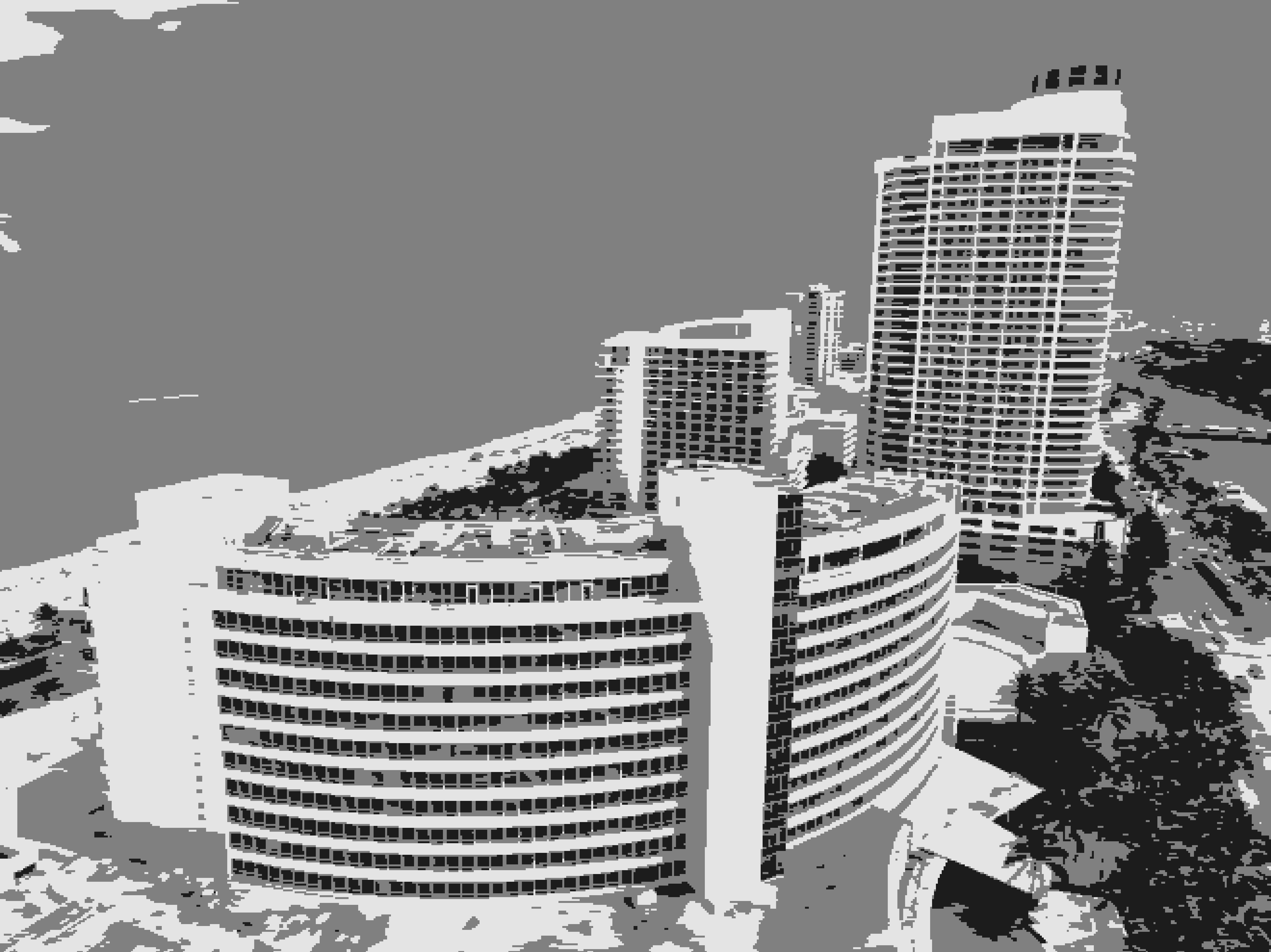
Oran Beach
Sandy beach with clear waters, popular for swimming and walks.

Santa Cruz Fort
A historic fortress overlooking the city and sea, with panoramic views.
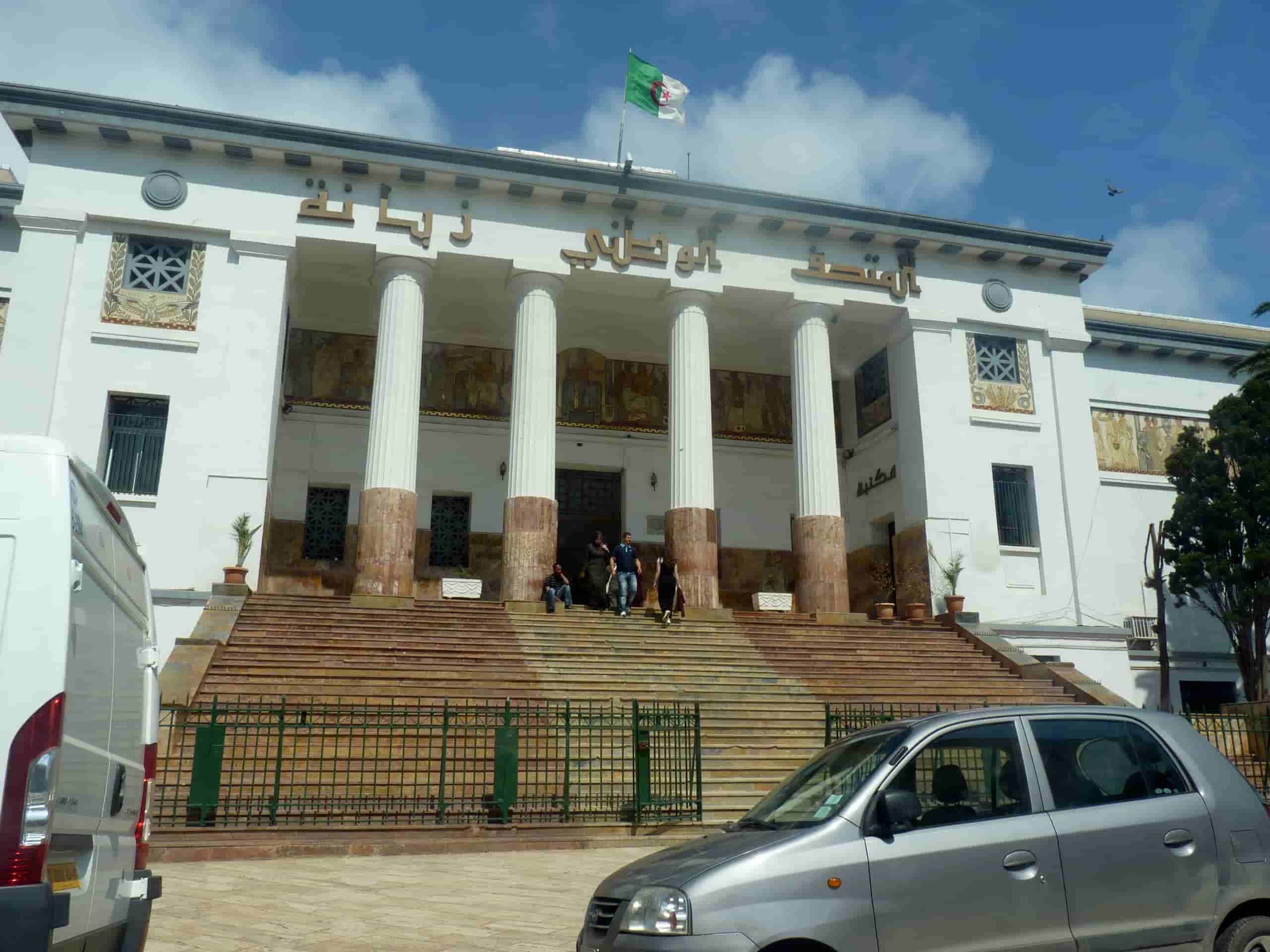
Ahmed Zabana National Museum
Museum showcasing Algerian history, art, and cultural artifacts.
Medina Jedida
A vibrant old quarter with markets, cafes, and traditional architecture.
Les Andalouses Beach
A scenic beach known for its clear waters and relaxed atmosphere.
Le Theatre Regional d'Oran
Beautiful historic theater hosting performances.
Oran Harbor
A bustling harbor with boat tours and seafood restaurants.

Cultural Center
A venue for concerts, exhibitions, and cultural events.
City Gardens
Well-maintained gardens perfect for leisurely strolls.
Medina of Oran
Old city area with narrow streets, markets, and traditional architecture.
Great Mosque of Oran
Modern architectural marvel and important religious site in the city
Bey Othmane Park
Urban park ideal for strolls and relaxation.
🏘️ Neighborhoods
Sidi El Houari (The Old Town)
The historic heart of Oran with Ottoman and Spanish ruins, narrow streets, and the old port. Atmospheric but in need of restoration.
City Centre (Place du 1er Novembre)
The bustling commercial and administrative hub, featuring the cathedral, main post office, shops, and cafes. Always lively.
Le Front de Mer (Waterfront)
The modern, developed coastline with marinas, walking paths, upscale apartments, and views of the harbor.
Les Andalouses
A western coastal suburb known for its beautiful sandy beach, resort hotels, and more relaxed, holiday atmosphere.
Mdina Jdida
The 'new medina,' a vibrant, crowded quarter with a large market, traditional architecture, and everyday local life.
Saint-Eugène (Sidi Okba)
A historic residential district with charming colonial-era villas, gardens, and a quieter, more upscale feel.
El Hamri
A modern residential and commercial area inland, less touristy but offering local markets and everyday amenities.
🍽️ Local Cuisine
Oran's cuisine is a flavorful testament to its Mediterranean and North African heritage. Seafood is a star, with grilled fish, shrimp, and calamari served fresh at harbor-side restaurants. Must-try dishes include 'chorba frik' (a lamb and green wheat soup), 'dolma' (stuffed vegetables), and 'tajine' (a slow-cooked stew, distinct from Moroccan tagine). For a quick, iconic bite, seek out 'karantika', a savory chickpea flour flan sold by street vendors. Dining culture is social and relaxed. Popular food areas include the harbor for seafood, the streets around Place du 1er Novembre, and the medina for more traditional fare. A budget meal can cost under $5, a mid-range restaurant meal $10-$20, and a high-end seafood dinner $30+. Etiquette tips: eating with the right hand is common for shared dishes, and it's polite to accept offers of mint tea. Bargaining is not done in established restaurants.
💡 Local Tips
🚗 Day Trip Ideas
Tlemcen
A historic city known as the 'Pearson of the West' for its stunning Islamic architecture, gardens, and Grand Mosque.
Mostaganem
A coastal city with beautiful beaches, a historic Ottoman fort, and a lively port area. Great for a seaside change of pace.
Beni Saf
A picturesque fishing town nestled between mountains and sea, offering dramatic coastal scenery and a relaxed atmosphere.
Mers-el-Kébir
A neighboring port town with a deep natural harbor, naval history, and views back towards Oran from its peninsula.
The Murdjadjo Mountains
The forested hills overlooking Oran, perfect for hiking, picnics, and panoramic views of the city and Mediterranean.
Sidi Bel Abbès
An inland city with a strong colonial military history and a more traditional Algerian urban feel.
🛡️ Safety Tips
Oran is generally safe for tourists, but standard precautions are advised. Petty crime like pickpocketing can occur in crowded markets, transport hubs, and beaches. Keep valuables secure and avoid flashing expensive items. Be cautious in the older medina areas at night; stick to well-lit main streets. Common scams include taxi drivers overcharging tourists—always agree on a fare first. As a conservative society, dress modestly to avoid unwanted attention. Emergency numbers: Police (17), Ambulance (14). Tap water is not recommended for drinking; stick to bottled water. Health-wise, no special vaccinations are required, but ensure routine shots are up to date. Travel insurance is recommended.
💰 Budget Guide
Oran can be experienced across a range of budgets. A budget traveler can manage on $40-$60 per day: staying in basic hotels or guesthouses ($25-$40), eating street food and at local cafes ($10-$15), using public transport ($2-$5), and visiting free attractions like beaches and gardens. A mid-range traveler should budget $80-$150 per day: a comfortable hotel ($60-$100), meals at decent restaurants ($20-$35), taxi rides ($10-$15), and paid museum entries. Luxury spending exceeds $200+ daily: boutique or high-end hotels ($120+), fine dining, private tours, and car rentals. Money-saving tips: Visit in the off-season (winter) for lower hotel rates, eat 'karantika' and other street food, walk where possible, and bargain in the souks. Many of the city's best views and historic walks are completely free.