Welcome to Kathmandu
Kathmandu, the vibrant and ancient capital of Nepal, is a city that assaults the senses in the most enchanting way. Nestled in the Kathmandu Valley within the Bagmati Province, this city is not just the political and cultural heart of the nation but a living museum where history, spirituality, and daily life intertwine amidst a backdrop of the majestic Himalayas. The air is thick with the scent of incense and spices, the sounds of temple bells and bustling markets create a constant hum, and everywhere you look, intricate wood carvings and golden stupas tell stories centuries old. As the primary gateway for trekkers and spiritual seekers alike, Kathmandu offers a dizzying array of experiences, from serene temple courtyards to the chaotic energy of its famous tourist districts. To accommodate the steady stream of visitors, the city boasts a robust hospitality sector with 368 hotels, ranging from basic guesthouses to luxurious heritage properties, ensuring every traveler finds a suitable base for their adventures. With an average stay of 3-4 days recommended, you have just enough time to scratch the surface of its profound depth.
Overview
Kathmandu's history stretches back over two millennia, with the Kathmandu Valley once forming its own independent kingdom. The city is famed for its exquisite Durbar Squares—the historic royal plazas of Kathmandu, Patan, and Bhaktapur—which are UNESCO World Heritage Sites showcasing Newari architecture, with pagoda-style temples, carved wooden windows, and bronze statues. The city is a spiritual epicenter, home to sacred Hindu sites like Pashupatinath Temple, where open-air cremations take place on the Bagmati River, and immense Buddhist stupas like Boudhanath and Swayambhunath (the 'Monkey Temple'), where pilgrims endlessly circle the domes spinning prayer wheels. Culturally, it is the homeland of the Newar people, whose festivals, art, and cuisine are central to the city's identity. The main districts for visitors include the tourist hub of Thamel, a labyrinth of shops, restaurants, and hotels; the more tranquil and upscale area around the Garden of Dreams; and the historic cores surrounding the Durbar Squares. Kathmandu is famous as the gateway to the Himalayas, a center for Tibetan Buddhism, and a treasure trove of living heritage.
🗓️ Best Time to Visit
The best time to visit Kathmandu is during the dry, clear seasons of autumn (October to November) and spring (March to April). Autumn offers post-monsoon crisp air, perfect visibility of the mountains, and comfortable temperatures, coinciding with major festivals like Dashain and Tihar. Spring brings blooming rhododendrons and warm days, though occasional showers are possible. These are the peak tourist seasons, so expect higher prices and crowds. Winter (December to February) is cool with chilly nights, but days are sunny and pleasant, offering a quieter experience. The monsoon season (June to September) brings heavy rainfall, high humidity, and potential travel disruptions due to landslides, but it's the off-peak season with lush greenery and fewer tourists. Major events include Holi (March), Buddha Jayanti (April/May), and Indra Jatra (September).
🌤️ Weather & Climate
Kathmandu has a subtropical highland climate with distinct seasons. Summers are warm and rainy due to the monsoon, while winters are cool and dry with crisp days and cold nights.
Seasons
Spring
💨 Humidity: moderate
Pleasant and warm days with occasional pre-monsoon showers. Ideal for sightseeing and trekking.
Summer/Monsoon
💨 Humidity: high
Hot, humid, and wet with heavy rainfall, especially in July and August. Landslides can disrupt travel.
Autumn
💨 Humidity: low
Clear skies, mild temperatures, and excellent mountain views. The peak tourist season.
Winter
💨 Humidity: low
Dry, sunny days but cold nights, with occasional morning fog. Warm layers are essential.
Monthly Weather Details
January Weather
Best for: sightseeing, cultural tours
February Weather
Best for: sightseeing, trekking preparation
March Weather
Best for: trekking, festivals
April Weather
Best for: trekking, sightseeing
May Weather
Best for: indoor activities, early trekking
June Weather
Best for: indoor cultural sites
July Weather
Best for: indoor cultural sites
August Weather
Best for: indoor cultural sites
September Weather
Best for: sightseeing as rains ease
October Weather
Best for: trekking, festivals, sightseeing
November Weather
Best for: trekking, sightseeing
December Weather
Best for: sightseeing, cultural tours
🎒 What to Pack
All Year Round
- comfortable walking shoes
- sunscreen
- sunglasses
- reusable water bottle
- power adapter
- daypack
🚗 Getting Around
Navigating Kathmandu is an adventure in itself. There is no formal city-wide public bus system; instead, crowded micro-buses and tempos (three-wheelers) ply set routes very cheaply but are challenging for newcomers. Taxis are plentiful and affordable for foreigners, but you must insist on using the meter or agree on a fare before departure. Ride-sharing apps like Pathao and Tootle are popular and often cheaper than taxis for shorter trips. Walking is the best way to explore compact areas like Thamel and the Durbar Squares, but be prepared for uneven pavements, traffic, and pollution. Renting a bicycle is possible but not recommended for main roads due to chaotic traffic. For airport transfers, pre-paid taxi booths inside Tribhuvan International Airport offer fixed rates to major areas, which is the most straightforward option. Average costs: micro-bus ($0.20-$0.50), taxi ($3-$10 for short trips), ride-share ($2-$6).
🎯 Top Attractions
Swayambhunath Stupa
Ancient hilltop Buddhist temple complex offering panoramic views of Kathmandu and surrounded by prayer wheels and monkey-populated forests.
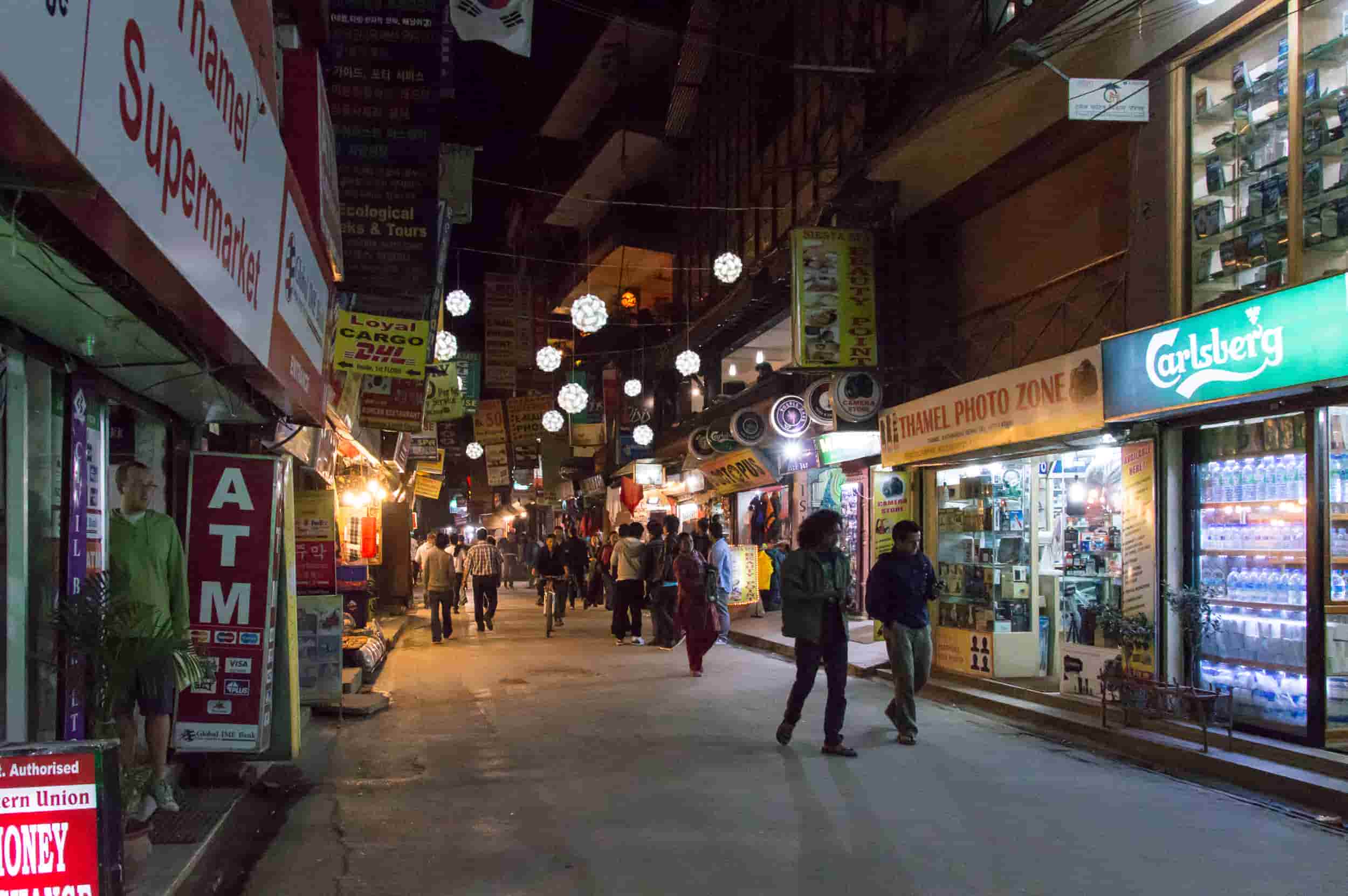
Thamel
The bustling tourist hub of Kathmandu, famous for its narrow streets packed with shops, restaurants, hotels, and trekking gear outlets.
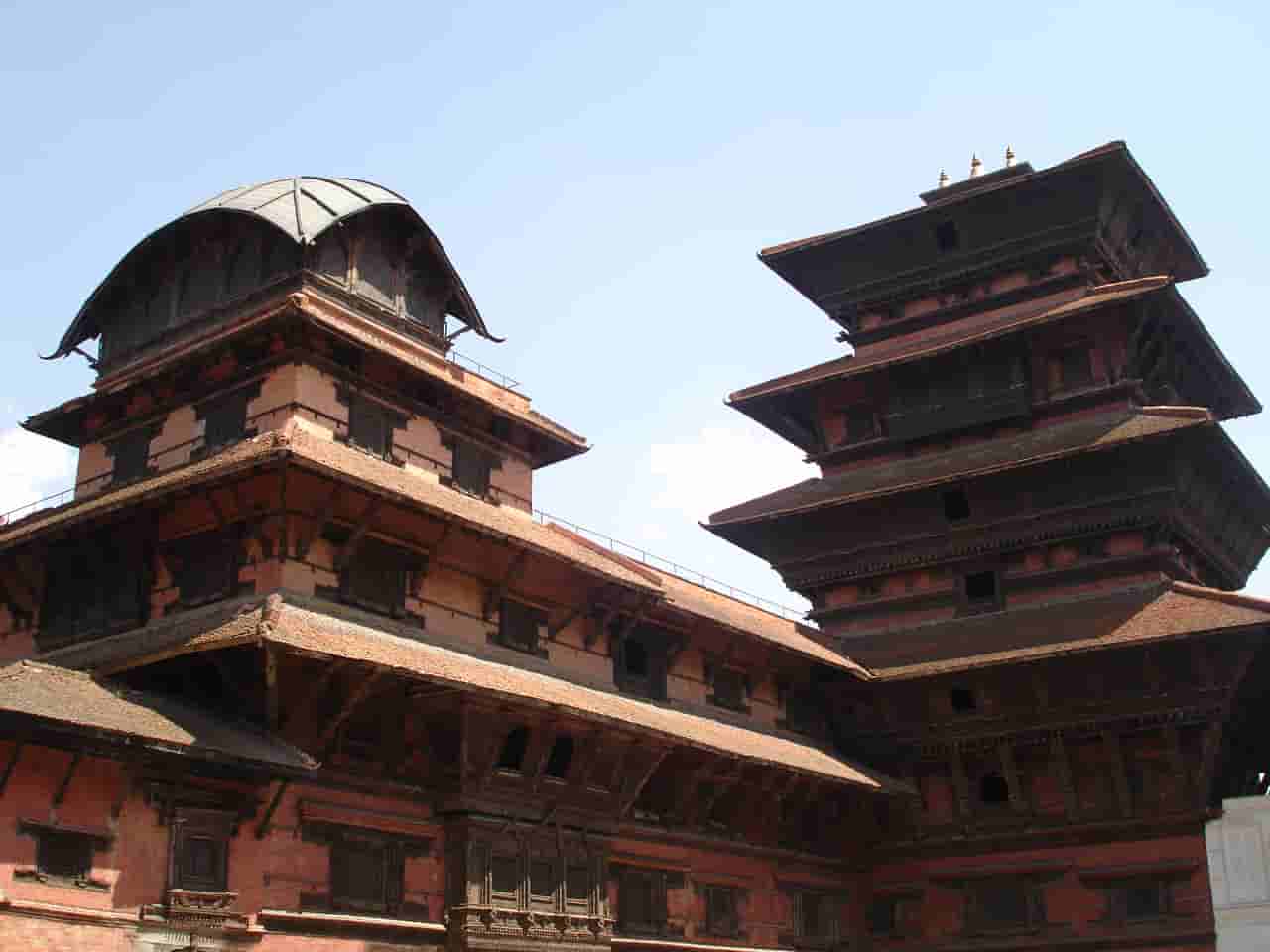
Kathmandu Durbar Square
A historic plaza filled with ancient temples, palaces, and intricate architecture that showcases the rich cultural heritage of Nepal.
Pashupatinath Temple
One of the most sacred Hindu temples dedicated to Lord Shiva, located on the banks of the Bagmati River.
Boudhanath Stupa
Massive Buddhist stupa, one of the largest in the world and a UNESCO World Heritage site, known for its intricate architecture and spiritual significance.
Garden of Dreams
A beautifully restored neoclassical historical garden, providing a peaceful and elegant escape from the city's hustle and bustle.
Durbar Square
Historic city square filled with ancient temples, palaces, and monuments that showcase Kathmandu's rich cultural heritage.
Thamel District
A bustling area with shops, restaurants, and cultural sites popular with tourists.
Shivapuri Nagarjun National Park
A national park offering hiking trails and rich biodiversity.
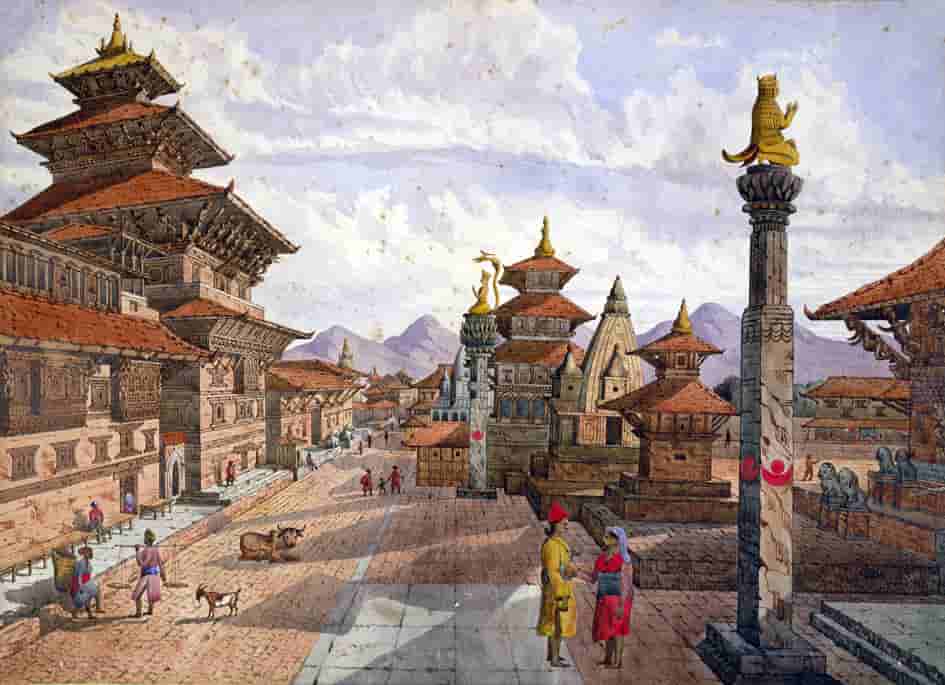
Patan Durbar Square
UNESCO World Heritage site with historic temples and palaces.
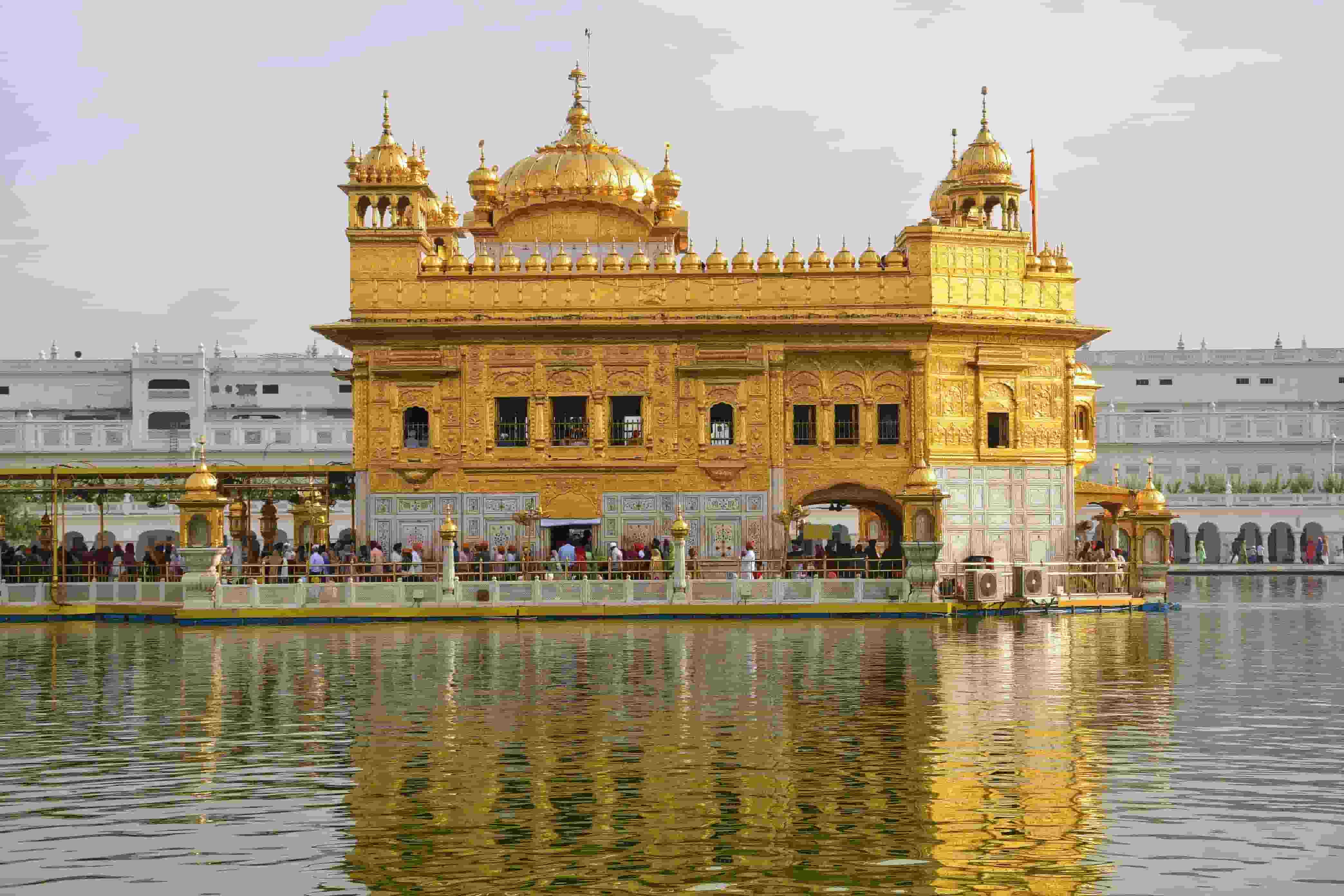
Golden Temple
Buddhist monastery with golden facade and intricate details.
Patan Museum
Museum showcasing Nepalese art and cultural history
🏘️ Neighborhoods
Thamel
The bustling, tourist-centric heart of Kathmandu, packed with hotels, restaurants, shops, and travel agencies. A convenient but chaotic base.
Patan (Lalitpur)
A separate city south of Kathmandu proper, home to the magnificent Patan Durbar Square. Offers a more relaxed, artistic atmosphere with fewer crowds.
Boudha
Centered around the great Boudhanath Stupa, this area has a strong Tibetan Buddhist community. Filled with monasteries, meditation centers, and craft shops.
Jhamsikhel
An upscale, expat-friendly neighborhood in Patan with trendy cafes, boutique shops, and excellent international restaurants. Cleaner and quieter than Thamel.
Kathmandu Durbar Square Area
The historic old town surrounding the royal palace. A maze of narrow streets, ancient temples, and traditional Newari architecture.
Lazimpat
A diplomatic and affluent area north of Thamel, home to embassies, upscale hotels, and fine dining restaurants. Offers a peaceful retreat.
Swayambhu
The hillside area around the Swayambhunath Stupa. Offers panoramic views of the city and a mix of guesthouses and local life.
Bhaktapur
A preserved medieval city east of Kathmandu, another UNESCO site with its own Durbar Square. Feels like stepping back in time.
🍽️ Local Cuisine
Nepali cuisine is a hearty, flavorful blend of Himalayan and South Asian influences. The national dish is dal bhat, a lentil soup served with rice, vegetable curry, and pickles, often with optional meat. Momos (Tibetan-style dumplings) are a ubiquitous street food, steamed or fried and served with a spicy tomato-based chutney. Newari cuisine is a highlight, featuring dishes like choila (spiced grilled buffalo meat), bara (lentil pancake), and yomari (sweet rice flour dumplings). Thakali set meals offer a variety of curries and sides. Dining is generally informal. Must-try areas include the alleys of Thamel and Patan Durbar Square for tourist-friendly spots, and local joints in areas like Jhamsikhel. Price ranges from $2-$5 for a street food meal to $10-$20+ at upscale restaurants. Etiquette includes eating with your right hand (though cutlery is provided), and it's polite to finish all food on your plate.
💡 Local Tips
🚗 Day Trip Ideas
Bhaktapur
A beautifully preserved medieval city and UNESCO site, famous for its pottery square, woodcarvings, and Nyatapola Temple.
Nagarkot
A hill station renowned for its breathtaking sunrise and sunset views over the Himalayas, including Mount Everest on clear days.
Dhulikhel
A traditional Newari town offering panoramic mountain views, ancient temples, and a quieter alternative to Nagarkot.
Shivapuri Nagarjun National Park
A protected area north of the city offering hiking trails, birdwatching, and a escape into nature with views of the valley.
Panauti
A historic town with a confluence of sacred rivers, ancient temples, and a glimpse into rural Newari life less touched by tourism.
Kakani
A scenic hill station with strawberry farms, hiking trails, and views of the Ganesh Himal range. Less crowded than Nagarkot.
🛡️ Safety Tips
Kathmandu is generally safe for tourists, but petty crime like pickpocketing and bag snatching occurs in crowded areas like Thamel and Durbar Square. Be vigilant, use hotel safes, and avoid flashing valuables. Common scams include inflated taxi fares, fake trekking gear, and overcharging by street vendors; always agree on prices beforehand. Traffic is chaotic; cross roads carefully. Air pollution can be high; sensitive individuals should consider masks. Drink only bottled or purified water and be cautious with street food to avoid traveler's diarrhea. Have travel insurance. Emergency numbers: Police (100), Tourist Police (1144), Ambulance (102). Respect religious sites by dressing modestly and asking permission before photographing people, especially at cremation ghats.
💰 Budget Guide
Kathmandu can suit all budgets. A budget traveler can manage on $25-$35 per day: dorm beds ($5-$10), local meals ($2-$5), public transport ($1-$2), and free/low-cost temple entries. Mid-range travelers spending $50-$100 per day enjoy private hotel rooms ($30-$60), meals at good restaurants ($5-$15), taxi rides ($3-$10 per trip), and guided tours. Luxury budgets of $150+ afford boutique/heritage hotels ($80+), fine dining ($20+ per meal), private car with driver ($50+ per day), and exclusive experiences. Money-saving tips: Eat dal bhat at local eateries, use ride-sharing apps, buy a heritage site composite ticket, bargain politely in markets, and avoid buying bottled water by using purification tablets or a filter bottle. ATMs are widely available but charge fees; carrying some USD or EUR cash to exchange can offer good rates.