Welcome to Chitwan
Nestled in the lush subtropical lowlands of Nepal's Narayani region, Chitwan is not a city in the conventional sense but a gateway to one of Asia's most magnificent wilderness experiences. This destination, centered around the vibrant tourist hub of Sauraha, serves as the perfect basecamp for exploring the UNESCO World Heritage site, Chitwan National Park. Here, the air hums with the calls of exotic birds and the distant trumpet of wild elephants, offering a profound escape from the Himalayan trekking trails for which Nepal is famed. Chitwan's unique allure lies in its seamless blend of rich Tharu culture and untamed natural beauty, where traditional thatched-roof villages sit on the edge of a primeval jungle teeming with Bengal tigers, one-horned rhinoceroses, and sloth bears. With a focus on eco-tourism and immersive wildlife encounters, the area provides a starkly different, yet equally captivating, side of Nepal. Accommodation is plentiful and tailored to adventure, with 37 hotels ranging from rustic jungle lodges to comfortable resorts, ensuring every traveler finds a suitable haven after a day of safari. The average nightly rate of around $58 reflects the region's excellent value, making a deep dive into this biodiverse wonderland accessible for many.
Overview
Chitwan, part of Nepal's Terai plains, is globally renowned for Chitwan National Park, the country's first national park established in 1973. Historically, this area was a royal hunting reserve for Nepal's Rana rulers and later the Nepalese monarchy, which helped preserve its dense forests and wildlife. The region is the ancestral home of the Tharu people, an indigenous group with a rich cultural heritage uniquely adapted to life in the malarial jungles. Their vibrant dances, distinctive music, and colorful artwork are integral to the local identity. While 'Chitwan' refers to the broader district, the main tourist focal point is Sauraha, a relaxed village on the banks of the Rapti River facing the national park. Bharatpur, a larger city with the regional airport, serves as a commercial and transport hub. Chitwan is famous for its world-class wildlife safaris—by jeep, canoe, or on elephant-back—offering some of the best chances on the subcontinent to spot the endangered one-horned rhinoceros and the elusive Bengal tiger. Beyond the jungle, experiences include cultural tours of Tharu villages, serene canoe rides, and visits to conservation centers like the Elephant Breeding Center, all set against a backdrop of serene rivers and oxbow lakes.
🗓️ Best Time to Visit
The ideal time to visit Chitwan is during the dry, cool season from October to early April. This period offers pleasant daytime temperatures (20-30°C/68-86°F) and minimal rainfall, making it perfect for jungle safaris, as animals congregate around water sources and visibility is high. October-November and February-March are particularly delightful. The winter months of December and January can be chilly in the mornings and evenings, requiring light jackets. The monsoon season, from June to September, brings high heat, humidity, and heavy rainfall, which can cause flooding, make trails muddy, and lead to park closures. However, this is when the landscape is most lush and vibrant. The pre-monsoon heat from April to May is extremely hot, but it's the best time for bird watching and spotting wildlife near remaining water holes. Major cultural events include the Tharu festival of Maghi in January, celebrated with traditional feasts and dance, and Holi, the festival of colors, in March. The peak tourist season coincides with the dry months, so booking accommodations in advance is recommended.
🌤️ Weather & Climate
Chitwan has a subtropical monsoon climate with three distinct seasons: a cool, dry winter; a hot, dry spring; and a hot, wet monsoon. Temperatures are generally warm to hot year-round, with significant rainfall from June to September.
Seasons
Cool & Dry
💨 Humidity: moderate
Pleasant days and cool nights. Ideal for all outdoor activities and wildlife viewing. Mornings can be foggy.
Hot & Dry
💨 Humidity: moderate to high
Intensely hot, especially in April-May. Good for birding and spotting wildlife at water sources, but can be uncomfortable.
Hot & Wet (Monsoon)
💨 Humidity: very high
High heat, extreme humidity, and heavy, frequent rainfall. Lush greenery but some park areas may be inaccessible due to flooding.
Monthly Weather Details
January Weather
Best for: safari, cultural tours
February Weather
Best for: safari, bird watching
March Weather
Best for: safari, outdoor activities
April Weather
Best for: wildlife spotting at waterholes
May Weather
Best for: bird watching (early month)
June Weather
Best for: lush scenery, indoor cultural activities
July Weather
Best for: lush scenery, limited safari options
August Weather
Best for: lush scenery, limited safari options
September Weather
Best for: transition period, improving conditions
October Weather
Best for: safari, perfect weather
November Weather
Best for: safari, perfect weather
December Weather
Best for: safari, cultural tours
🎒 What to Pack
All Year Round
- sunscreen
- insect repellent
- hat
- reusable water bottle
- comfortable walking shoes
🚗 Getting Around
Transportation in Chitwan is straightforward and centered around Sauraha and park access. There is no formal public transit within Sauraha itself. The primary modes are walking and cycling; the village is compact and flat, making bicycles (rentable for $2-5/day) an excellent way to explore locally. For longer distances, such as trips to Bharatpur city or specific park gates, shared or private jeeps and taxis are available. Taxis are unmetered, so negotiate fares beforehand; a short ride within Sauraha costs $2-4, while a trip to Bharatpur (about 20km) may cost $15-25. Many hotels and tour operators arrange private vehicle transfers. For airport transfers, Bharatpur Airport (BHR) is served by taxis and pre-booked hotel pickups; the 30-minute ride to Sauraha costs $15-20. Rickshaws (cycle and auto) are also common for short hops. The most unique 'transport' is by traditional dugout canoe on the Rapti River, often included in safari packages. For exploring the national park, movement is strictly regulated and only possible via guided jeep, elephant, or walking safaris arranged through licensed operators.
🎯 Top Attractions
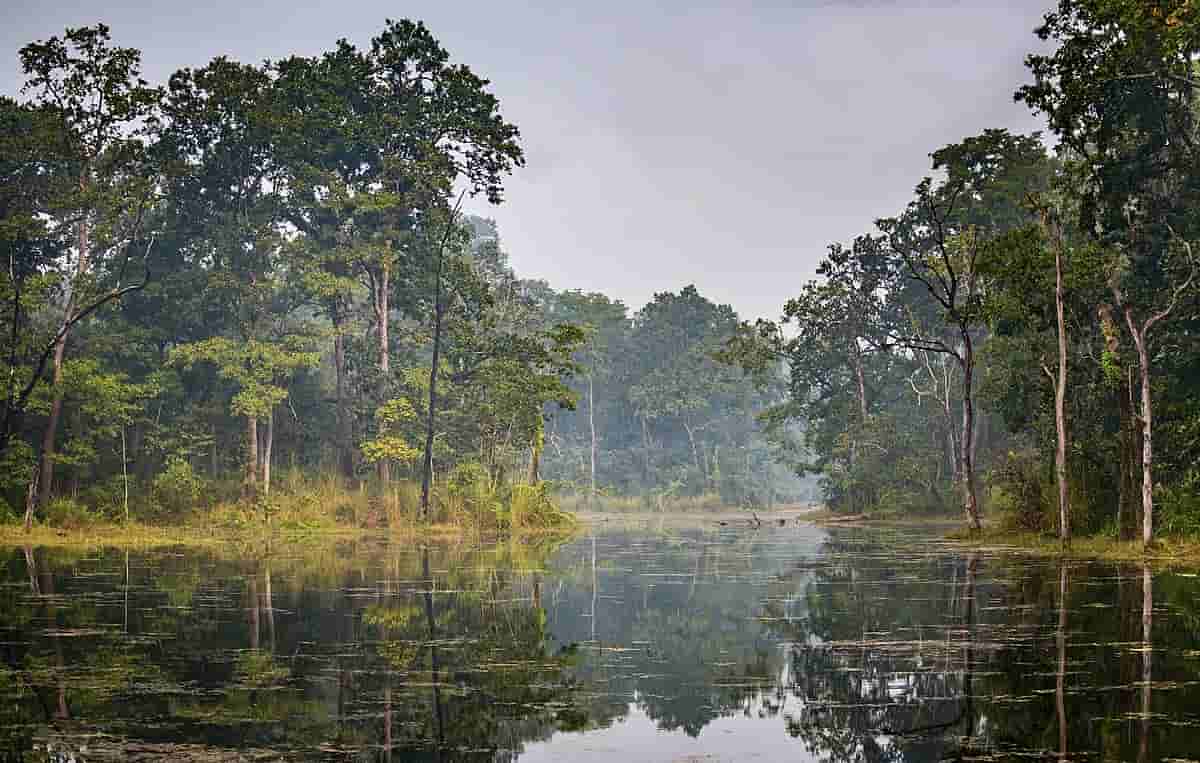
Chitwan National Park
A UNESCO site known for wildlife safaris to see rhinos, tigers, and elephants.
Elephant Breeding Center
Conservation center where visitors can observe elephants and learn about their care
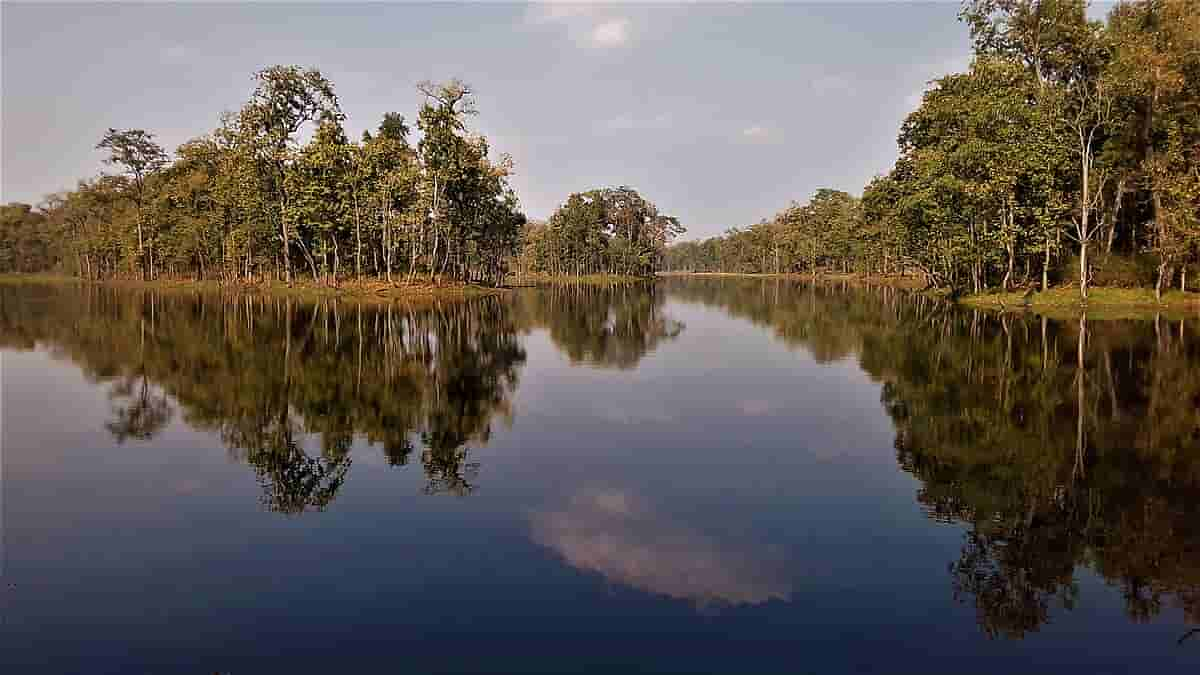
Bishazari Tal
A serene lake area ideal for bird watching and peaceful boat rides.
Rapti River
River offering canoe rides and chances to see crocodiles and birds.
Tharu Cultural Museum
A museum showcasing the traditions and artifacts of the local Tharu community.
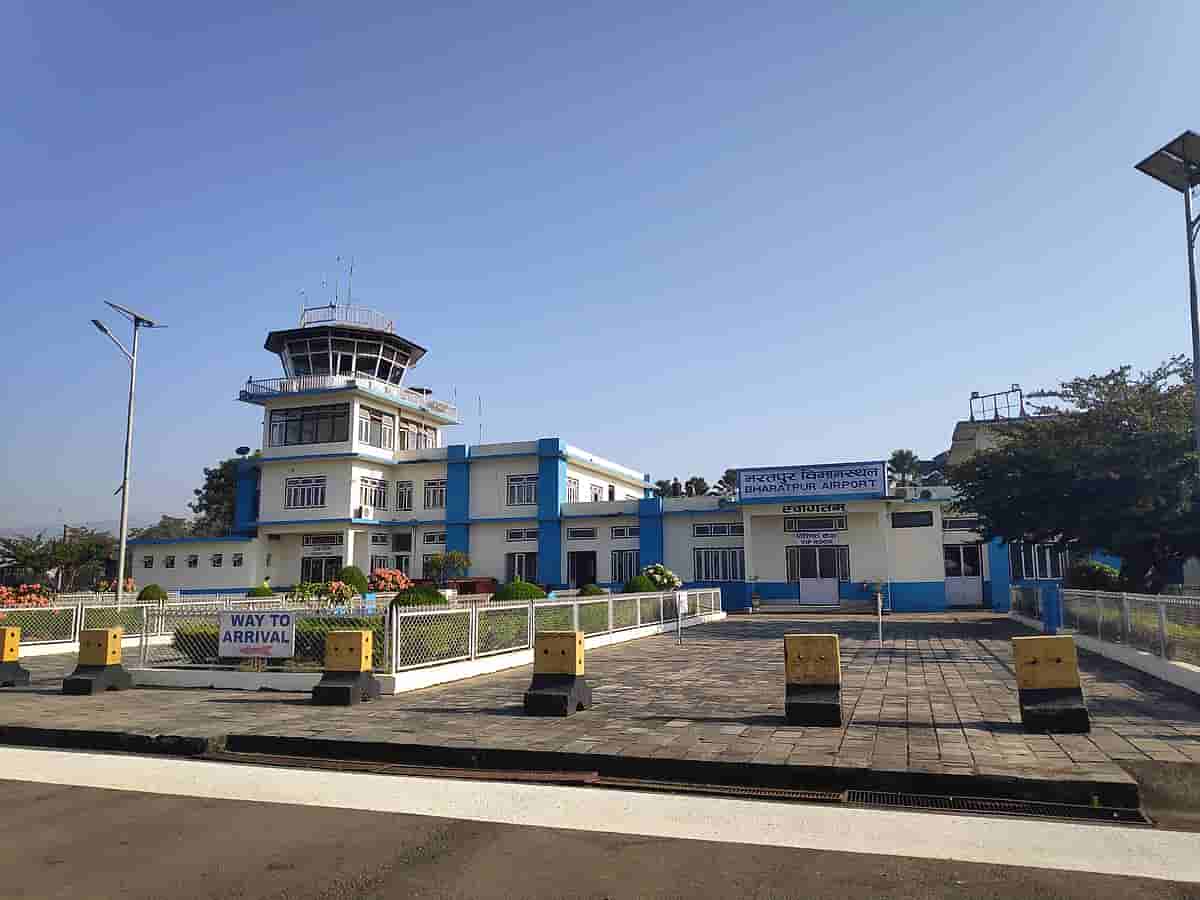
Bharatpur Airport
Domestic airport with easy access
Narayani River
River perfect for rafting and picnics
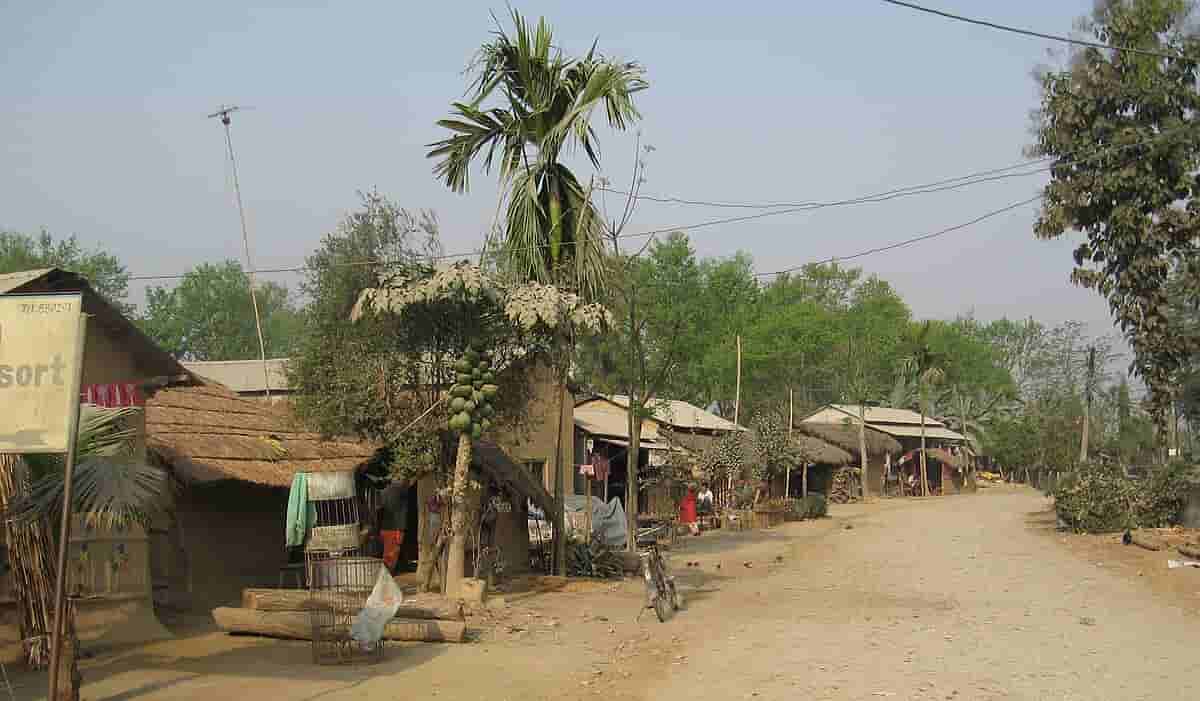
Sauraha
Tourist village with elephant breeding center and cultural shows
Bhimsingha Wildlife Museum
Largest collection of regional artifacts
Tundikhel Botanical Garden
250+ exotic plant species
Sauraha Village
Gateway to Chitwan with cultural shows and elephant rides
🏘️ Neighborhoods
Sauraha
The primary tourist hub, directly across the Rapti River from Chitwan National Park. A relaxed village with a main street of shops, restaurants, and lodges, offering easy access to safari operators.
Bharatpur
The bustling administrative and commercial capital of Chitwan District. Home to Bharatpur Airport and a more urban Nepali experience with markets, hospitals, and transport links.
Meghauli
A quieter, more upscale alternative to Sauraha, located further west along the river. Known for luxury jungle lodges offering exclusive and serene wildlife experiences.
Kasara
Location of the Chitwan National Park headquarters and the Elephant Breeding Center. Less of a tourist town and more a functional area for park administration and specific attractions.
Bachhauli
A Tharu village area near Sauraha, offering authentic cultural immersion. Visitors can see traditional mud-and-straw houses and experience local community life.
Jagatpur
An area closer to the Narayani River, known for river views and access to activities like canoeing. It provides a balance between accessibility and a quieter atmosphere.
🍽️ Local Cuisine
Chitwan's cuisine is a hearty reflection of the Terai plains, influenced by Tharu culture and neighboring North Indian flavors. Staples are rice, lentils, and seasonal vegetables, often flavored with mustard oil, turmeric, cumin, and chilies. Must-try signature dishes include 'Dal Bhat Tarkari' (lentil soup, rice, and vegetable curry), which is the national dish and often served unlimited. 'Tharu Khana' is a traditional platter featuring smoked fish, ghonghi (river snails), wild boar curry, and a bitter gourd dish called 'karela', accompanied by rice beer ('jaand' or 'tongba'). 'Sekuwa' (marinated grilled meat, often buffalo or chicken) is a popular snack. Dining is generally casual, with many restaurants in Sauraha offering both local and international fare. Price ranges are very reasonable: a local meal can cost $3-5, while a meal at a tourist-oriented restaurant is $5-10. Etiquette is simple; eating with the right hand is traditional, but cutlery is widely available. Be cautious with street food hygiene; stick to busy stalls and cooked-to-order items. Don't miss trying the sweet, creamy 'Dahi' (yogurt) and 'Sikarni', a spiced yogurt dessert.
💡 Local Tips
🚗 Day Trip Ideas
Devghat
A sacred Hindu pilgrimage site at the confluence of the Kali Gandaki and Trishuli rivers, forming the Narayani. Features temples, ashrams, and a serene spiritual atmosphere.
Gorkha
The ancestral home of the Shah dynasty, founders of modern Nepal. Visit the historic Gorkha Durbar (palace/fort) with stunning hill views and important temples.
Lumbini
The birthplace of Lord Buddha, a UNESCO World Heritage site. Explore the sacred garden, Maya Devi Temple, monasteries from various countries, and the peace pillar.
Narayani River Banks (near Triveni)
A scenic drive to the banks of the Narayani River for bird watching, picnicking, and observing local river life. Less touristy than Sauraha's Rapti River area.
Bishazari Tal (20 Lakes)
A complex of oxbow lakes and wetlands within the national park buffer zone, excellent for bird watching, nature walks, and spotting crocodiles from safe platforms.
🛡️ Safety Tips
Chitwan is generally safe for tourists, with a low crime rate. The primary risks are related to wildlife and health. Always follow your guide's instructions in the national park; maintain a safe distance from animals, especially rhinos and elephants. Never wander off marked paths during jungle walks. Be cautious of mosquito-borne diseases like malaria and dengue; use strong repellent and consider prophylaxis. Drink only bottled or purified water. Petty theft is rare but secure your valuables. Common scams are limited but be clear on pricing for taxis and tours before committing. Emergency numbers are 100 for police, 101 for fire, and 102 for ambulance. For serious medical issues, evacuation to Kathmandu may be necessary; ensure you have comprehensive travel insurance. Respect local customs, particularly in Tharu villages; ask permission before photographing people. Road safety can be a concern; be alert when cycling or walking near traffic.
💰 Budget Guide
Chitwan offers excellent value. A budget traveler can manage on $25-40 per day: basic guesthouse ($10-15), local meals ($5-10), bicycle rental ($2), and a shared jeep safari ($20-25). Mid-range budgets of $50-80 per day allow for a comfortable hotel ($25-40), meals at good restaurants ($15-20), private taxi trips, and a private or small-group safari ($40-60). Luxury budgets of $100+ per day include upscale jungle lodges ($60+), all meals, private guided tours, and premium experiences like elephant-back safaris. Major costs are safari packages, which range from $30 for a half-day group jeep safari to $100+ for full-day private tours. Money-saving tips: visit in the shoulder season (late September or April) for lower rates, book accommodation directly for possible discounts, eat at local 'bhattis' (eateries), share jeep safaris with other travelers, and use bicycles for local transport. Many hotels offer package deals including meals and activities, which can provide significant savings.