Welcome to Bhaktapur
Step through a portal into medieval Nepal in Bhaktapur, a living museum and UNESCO World Heritage Site just 13 kilometers east of Kathmandu. This ancient Newari city, also known as Khwopa, is a masterpiece of preserved architecture, where every brick and carved wooden window whispers tales from the Malla dynasty. Unlike its busier neighbors, Bhaktapur moves to a slower, more contemplative rhythm, its labyrinthine streets free of vehicular traffic in the historic core. Here, you'll find artisans shaping clay in Pottery Square, farmers drying rice and chili peppers in vast courtyards, and locals gathering at communal water taps, all against a backdrop of soaring pagoda temples. With a manageable size perfect for a deep dive, the city offers a concentrated cultural experience, supported by a selection of 21 hotels that allow you to extend your stay from a day trip into an immersive overnight journey, waking up to the city's serene morning atmosphere before the day-trippers arrive.
Overview
Bhaktapur, the 'City of Devotees,' was the capital of the great Malla Kingdom from the 12th to the 15th century and remained an independent kingdom until the 18th century. This golden age produced the breathtaking architectural wonders that define the city today. The heart of Bhaktapur is its three magnificent squares: Durbar Square, Taumadhi Square, and Pottery Square. Durbar Square is a royal complex of palaces and temples, while Taumadhi Square is dominated by the towering five-story Nyatapola Temple, Nepal's tallest pagoda. Pottery Square is a hive of traditional craftsmanship where potters work at their wheels using ancient techniques. The city is famous for its rich Newari culture, evident in its festivals, cuisine, and daily life. It's a center for traditional arts, particularly pottery, woodcarving, and thangka painting. The distinct red brick buildings, intricately carved wooden windows, and the pervasive sense of history make Bhaktapur a uniquely preserved window into Nepal's past.
🗓️ Best Time to Visit
The ideal times to visit Bhaktapur are during the dry, clear seasons of autumn (October to November) and spring (March to April). Autumn offers post-monsoon freshness, brilliant blue skies, and comfortable temperatures perfect for exploring the squares on foot. This season also features major festivals like Dashain and Tihar, providing incredible cultural immersion. Spring brings warm days, blooming rhododendrons, and the vibrant Holi festival. These are the peak tourist seasons, so expect more crowds. The winter months (December to February) are cooler, especially in the mornings and evenings, but days are generally sunny and pleasant, offering a quieter experience. The monsoon (June to September) sees heavy rainfall, which can hinder sightseeing, though the landscape is lush and green. The city is a year-round destination, but timing your visit for clear weather maximizes the enjoyment of its open-air architectural marvels.
🌤️ Weather & Climate
Bhaktapur experiences a subtropical highland climate with distinct seasons: a dry winter, a warm spring, a monsoon summer, and a pleasant autumn. Temperatures are moderate year-round, with the most significant variation in rainfall.
Seasons
Spring
💨 Humidity: moderate
Warm and pleasant days with increasing humidity towards May. Ideal for sightseeing and festivals like Holi.
Summer/Monsoon
💨 Humidity: high
Hot, humid, and wet with frequent, heavy afternoon rains. Lush greenery but potential for travel disruptions.
Autumn
💨 Humidity: moderate
Clear skies, mild temperatures, and minimal rain. The peak tourist season and best time for outdoor exploration.
Winter
💨 Humidity: low
Cool to cold, especially at night and in the morning. Days are generally sunny and dry, perfect for daytime sightseeing.
Monthly Weather Details
January Weather
Best for: sightseeing
February Weather
Best for: sightseeing
March Weather
Best for: sightseeing, festivals
April Weather
Best for: sightseeing, festivals
May Weather
Best for: indoor cultural activities
June Weather
Best for: indoor cultural activities
July Weather
Best for: indoor cultural activities
August Weather
Best for: indoor cultural activities
September Weather
Best for: sightseeing as rains ease
October Weather
Best for: sightseeing, festivals
November Weather
Best for: sightseeing, festivals
December Weather
Best for: sightseeing
🎒 What to Pack
All Year Round
- comfortable walking shoes
- sunscreen
- hat
- reusable water bottle
- power adapter
🚗 Getting Around
Bhaktapur's historic core is a pedestrian-only zone, making walking the absolute best and most enjoyable way to explore. The city is compact, and navigating its brick-paved lanes on foot is a key part of the experience. For longer distances, such as arriving from Kathmandu or visiting outlying areas, taxis are readily available. Ride-sharing apps like Pathao and Tootle operate in the Kathmandu Valley and can be used for trips to and from Bhaktapur. There is no local airport; the nearest is Tribhuvan International Airport (KTM) in Kathmandu, about a 45-minute to 1-hour drive away. Pre-paid taxis or private transfers can be arranged from the airport. Local buses (often crowded but very cheap) connect Bhaktapur's bus park to Kathmandu and Patan. Renting a bicycle is another excellent option for exploring the wider city area at your own pace. Costs are low: local bus fare from Kathmandu is under $1, while a taxi for the same journey will cost $15-$25.
🎯 Top Attractions
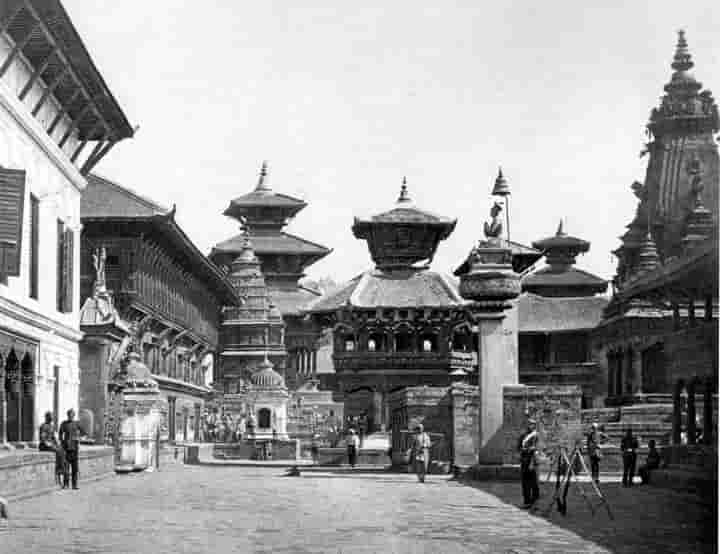
Bhaktapur Durbar Square
UNESCO World Heritage site with ancient temples, palaces, and courtyards.
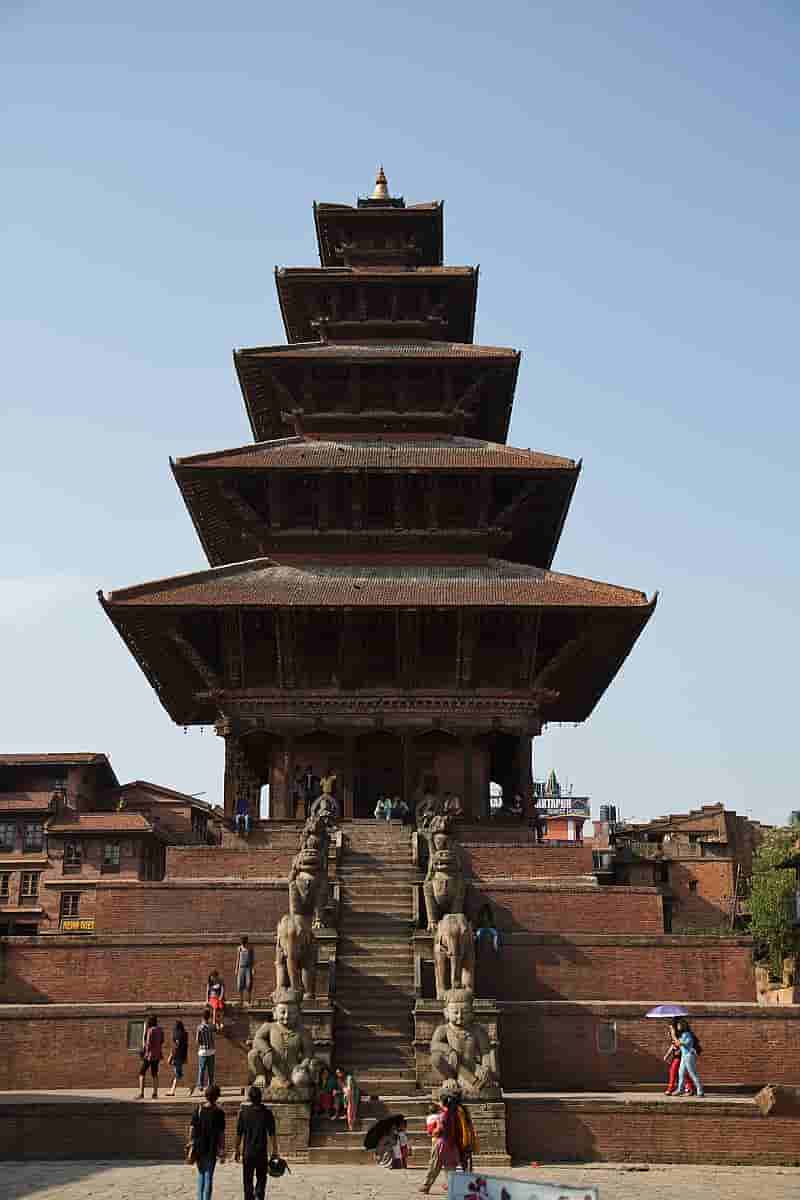
Nyatapola Temple
A five-story pagoda known for its impressive architecture and religious significance.
Pottery Square
Open area where artisans demonstrate traditional pottery-making techniques.
Taumadhi Square
A historic square with temples and traditional architecture.
Swayambhunath Temple
Kathmandu’s ancient hilltop temple with panoramic views.
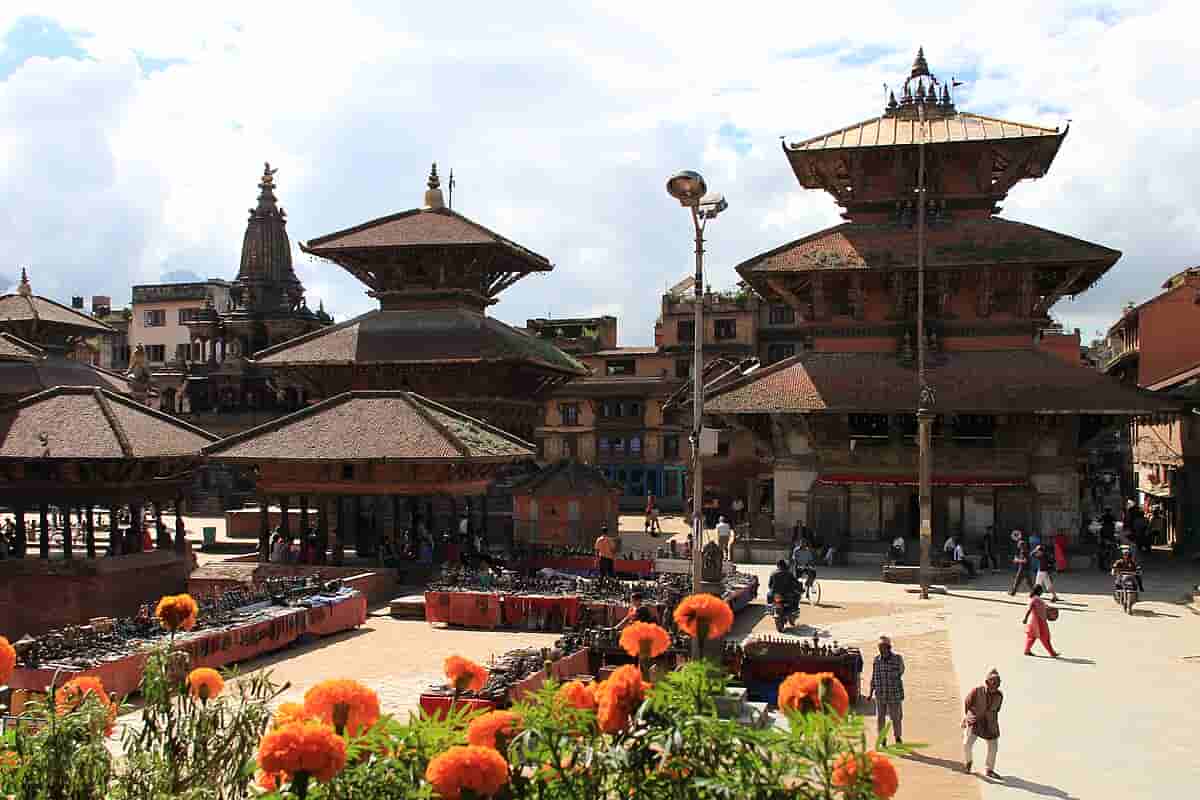
Durbar Square
UNESCO-listed historic site with palaces, courtyards, and temples.
Dattatreya Temple
Historic temple dedicated to the Hindu trinity.
Siddha Pokhari
Ancient pond with religious significance and peaceful ambiance.
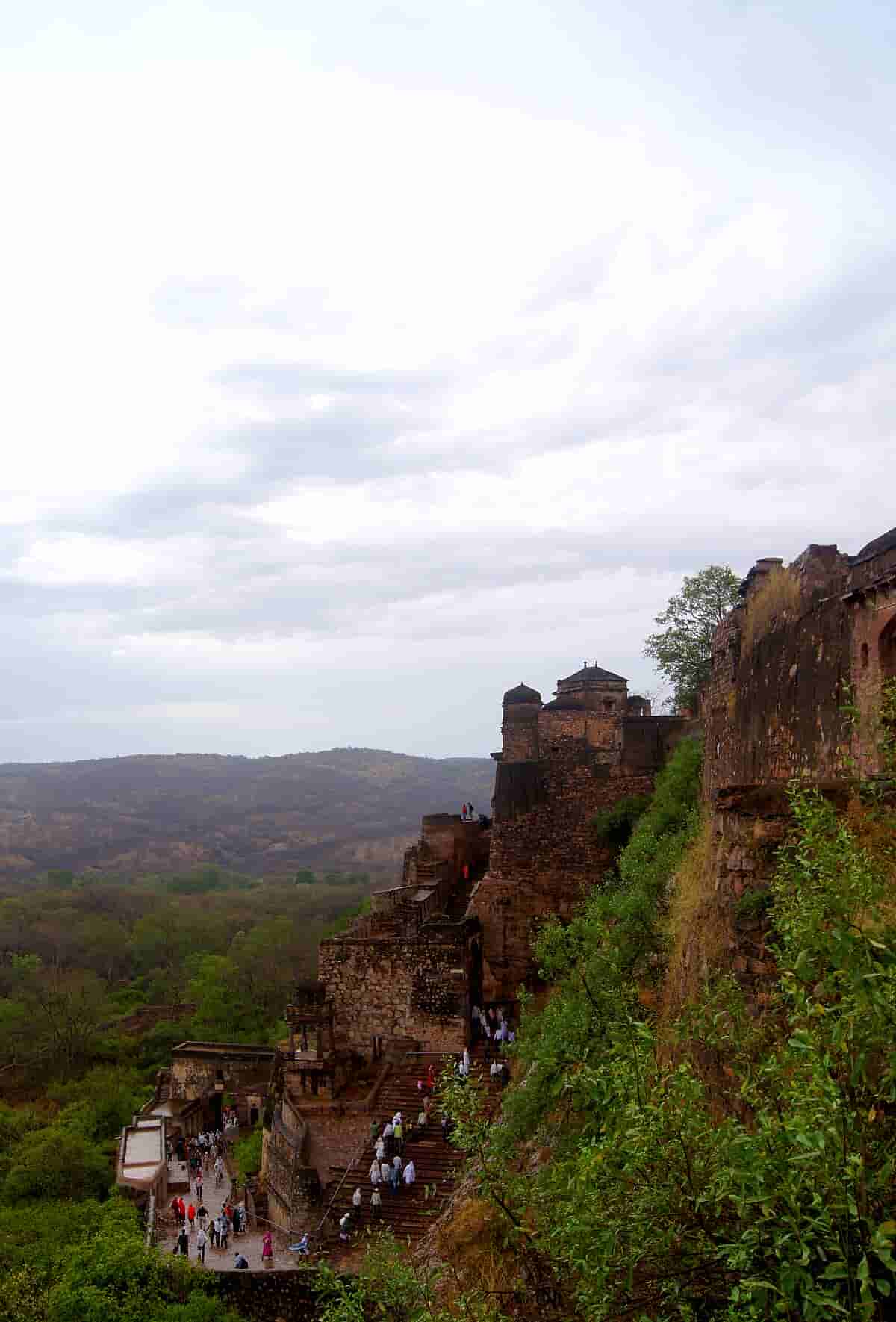
Ranthambore Fort
Historic 10th-century fort with architectural and biological diversity
Vijay Vilas Flotilla
Luxury hotel complex overlooking lakes and forests
Trigunia Ghat
Riverbank area popular for dawn bathing rituals
🏘️ Neighborhoods
Durbar Square Area
The historic and administrative heart, home to the royal palace, the Golden Gate, and numerous temples. The most concentrated area for sightseeing.
Taumadhi Square
Dominanted by the majestic Nyatapola Temple. A vibrant square filled with cafes, restaurants, and shops, buzzing with activity.
Pottery Square
A working artisan district where potters shape clay using traditional wheels and techniques. More rustic and less crowded.
Dattatreya Square
An ancient square centered around the Dattatreya Temple, known for its woodcarving museum and peacock window. A quieter alternative.
Suryamadhi
A residential area to the east of the core, leading to Siddha Pokhari (the big pond). Offers a glimpse into local daily life away from the tourist track.
City Periphery / Bus Park Area
The modern entrance to Bhaktapur, with the main bus park, larger hotels, and more contemporary services. The gateway to the historic city.
🍽️ Local Cuisine
Bhaktapur is a paradise for food lovers, especially those eager to try authentic Newari cuisine. Must-try dishes include Juju Dhau, the 'King of Yogurt,' a rich, creamy curd specific to the city, traditionally served in clay pots. Bara (a lentil pancake), Chatamari (a Newari 'pizza' made from rice flour), and various types of momo (dumplings) are staples. Samay Baji, a ceremonial platter with beaten rice, smoked fish, boiled egg, and black soybeans, offers a complete taste experience. Dining is often casual, in local courtyards or small eateries called 'bhattis.' The area around Durbar Square and Taumadhi Square has many rooftop restaurants with stunning views. Meals are incredibly affordable: a hearty local meal can cost $3-$5, while a meal at a tourist-oriented restaurant may range from $7-$15. Etiquette is simple; eating with your right hand is common for traditional meals, though utensils are always provided.
💡 Local Tips
🚗 Day Trip Ideas
Kathmandu Durbar Square & Thamel
Explore the capital's historic royal square and the bustling tourist hub of Thamel for shopping and dining.
Patan (Lalitpur)
Visit another stunning UNESCO-listed medieval city famous for its Durbar Square and exquisite metalwork and courtyards.
Nagarkot
Head to this hill station for breathtaking panoramic views of the Himalayas, especially at sunrise and sunset.
Changunarayan Temple
See Nepal's oldest temple, a UNESCO site, with incredible stone, wood, and metal artwork dating back to the 4th century.
Swayambhunath (Monkey Temple)
Visit the ancient hilltop stupa overlooking the Kathmandu Valley, a sacred site for both Buddhists and Hindus.
Kirtipur
Discover a historic Newari town on a hilltop with a quiet, authentic atmosphere, ancient temples, and weaving communities.
🛡️ Safety Tips
Bhaktapur is generally very safe for tourists, with a low crime rate. The main concerns are minor scams and pickpocketing in crowded areas like the main squares. Be cautious of overly persistent guides or shopkeepers; agree on prices for services beforehand. The pedestrian-only streets are uneven, so watch your step to avoid tripping. Use registered taxis or ride-sharing apps for longer journeys. For emergencies, dial 100 for police, 101 for fire, and 102 for ambulance. Health-wise, drink only bottled or purified water. Be mindful of food hygiene; eat at busy local establishments. Altitude sickness is not an issue here. Keep your valuables secure and be respectful of local customs and religious sites. Overall, common sense and basic travel precautions will ensure a safe and enjoyable visit.
💰 Budget Guide
Bhaktapur is a highly affordable destination. A budget traveler can manage on $25-$35 per day, staying in basic guesthouses ($10-$15), eating local meals ($3-$5 each), using local buses, and paying the foreigner entrance fee to the historic zone ($15 for SAARC, $30 for others, valid multiple days). Mid-range travelers spending $50-$70 per day can enjoy comfortable boutique hotels ($25-$40), meals at nice restaurants ($7-$15), occasional taxis, and shopping for handicrafts. A luxury experience ($100+) includes heritage hotels, fine dining, private guides, and driver services. Money-saving tips: Purchase the multi-day heritage ticket, eat at local bhattis, walk everywhere within the city, and buy souvenirs directly from artisans in Pottery Square. Accommodation outside the immediate historic core can also offer better value.