Welcome to Karlovy Vary
Nestled in a lush, forested valley in western Bohemia, Karlovy Vary (Carlsbad) is a city that seems plucked from a fairy tale. Founded in 1370 by Emperor Charles IV, its fame and fortune have flowed for centuries from its miraculous thermal springs. The cityscape is a stunning Baroque and Art Nouveau confection, where pastel-colored buildings climb the steep hillsides, connected by ornate colonnades that shelter steaming, mineral-rich geysers. This is a place of timeless elegance, where the ritual of 'taking the waters' has drawn royalty, artists, and thinkers from Goethe to Beethoven. Today, that legacy continues as a premier spa destination, offering restorative treatments and a uniquely serene atmosphere. With 47 hotels ranging from historic grand hotels to charming pensions, visitors can find accommodations averaging around $118 per night to suit their style, whether seeking a curative retreat or a picturesque one-day exploration of its architectural and natural wonders.
Overview
Karlovy Vary is the Czech Republic's most famous and historic spa town, renowned for its 13 main hot springs and over 300 smaller ones. The city's history is intrinsically linked to these waters, with its golden age occurring in the 18th and 19th centuries when European aristocracy flocked here for cures. This influx funded the construction of the magnificent colonnades—the Mill Colonnade and Hot Spring Colonnade being the most iconic—and opulent bathhouses that define its architectural character. The city center, straddling the Teplá River, is compact and walkable, centered around the Vřídlo geyser, which erupts to a height of 12 meters. Culturally, Karlovy Vary is famous for the annual Karlovy Vary International Film Festival, one of the oldest in Europe. It's also the birthplace of Becherovka, a herbal liqueur, and the world-renowned Moser glass. The city is famous for its serene, health-focused ambiance, stunning valley setting, and a unique tradition of drinking warm spring water from decorative porcelain cups called 'hrníčky'.
🗓️ Best Time to Visit
The best time to visit Karlovy Vary is from late spring to early autumn (May through September). May and June offer pleasant temperatures, blooming flowers, and fewer crowds, ideal for walking. July brings the peak of summer and the prestigious Karlovy Vary International Film Festival, which fills the town with energy and celebrities—book well in advance. August is similarly warm and busy. September provides a beautiful, mild climate with autumn colors beginning to show. The winter months (December to February) are cold and often snowy, transforming the town into a festive wonderland, especially with Christmas markets in December. However, some outdoor attractions and gardens may be less accessible. The shoulder seasons of April and October can be unpredictable with rain and cooler temps but offer the lowest hotel rates and fewest tourists. The spa treatments are available year-round, making it a destination for every season.
🌤️ Weather & Climate
Karlovy Vary experiences a temperate oceanic climate with continental influences, characterized by mild to warm summers and cold, cloudy winters. Precipitation is fairly evenly distributed throughout the year.
Seasons
Spring
💨 Humidity: moderate
Unpredictable weather with increasing sunshine. April can still be chilly. Gardens begin to bloom beautifully in May.
Summer
💨 Humidity: moderate
The warmest and most popular season. Days are long and pleasant, ideal for walking and outdoor cafes. Occasional rain showers.
Autumn
💨 Humidity: moderate
Crisp air and beautiful fall foliage, especially in the surrounding forests. November becomes cold and foggy.
Winter
💨 Humidity: high
Cold and often snowy, creating a picturesque winter scene. Days are short. Perfect for enjoying the cozy spa atmosphere and Christmas markets.
Monthly Weather Details
January Weather
Best for: spa treatments, Christmas markets (early Jan)
February Weather
Best for: winter walks, spa retreats
March Weather
Best for: early spring sightseeing
April Weather
Best for: visiting before peak crowds
May Weather
Best for: ideal sightseeing, garden visits
June Weather
Best for: outdoor activities, colonnade walks
July Weather
Best for: film festival, peak summer visits
August Weather
Best for: summer festivals, hiking
September Weather
Best for: pleasant weather, fall colors
October Weather
Best for: autumn scenery, fewer tourists
November Weather
Best for: spa visits, indoor attractions
December Weather
Best for: Christmas markets, cozy atmosphere
🎒 What to Pack
All Year Round
- comfortable walking shoes
- umbrella or rain jacket
- layered clothing
🚗 Getting Around
Karlovy Vary is exceptionally walkable, especially in the compact city center and along the river. The most enjoyable way to explore is on foot, following the Teplá River and the colonnade network. For steeper hills, like the climb to the Diana Observation Tower, a funicular railway provides a scenic and easy ascent (cost approx. 120 CZK round trip). The city's public bus system is efficient for reaching outer districts and hotels on the periphery; a single ticket costs about 25 CZK. Taxis and ride-sharing apps like Bolt are available but not usually necessary for central exploration; always ensure the meter is used. The nearest major airport is in Prague (PRG), about 130km away. The most convenient transfer is by private shuttle or pre-booked taxi (approx. 2500-3500 CZK). Alternatively, take a bus or train to Karlovy Vary's main station and then a local bus or taxi to the center. Renting a car is possible but not recommended for the center due to limited parking.
🎯 Top Attractions
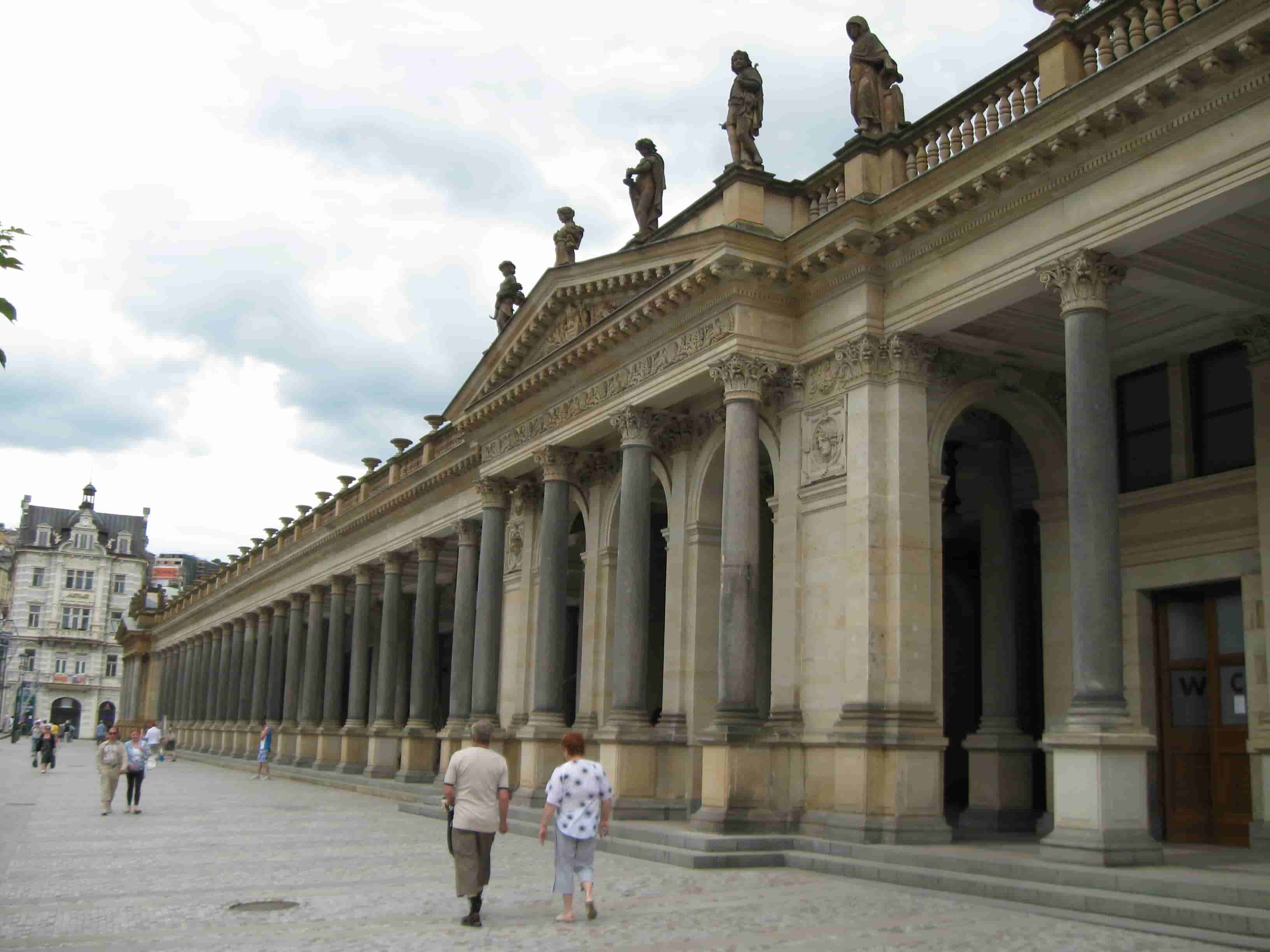
Mill Colonnade
A beautiful and historic spa colonnade where visitors can drink from the healing thermal springs.
Hot Spring
Natural thermal springs for therapeutic bathing
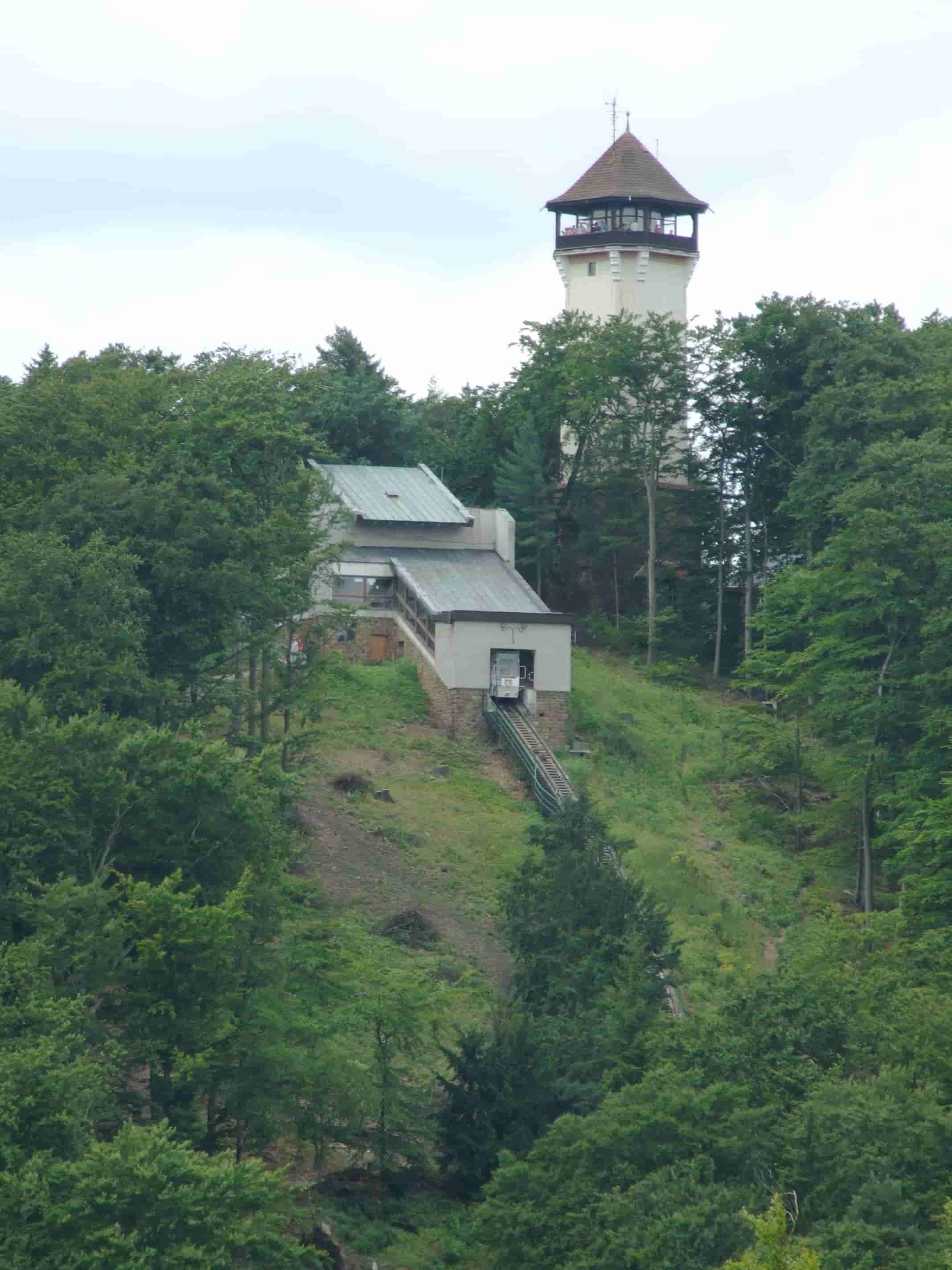
Diana Observation Tower
A scenic viewpoint accessible by funicular, offering sweeping views of the spa town.
Karlovy Vary City Center
The stunning historic heart of the spa town, famous for its ornate architecture and charming river walk.
Diana Lookout Tower
A hilltop tower accessible by funicular, offering spectacular panoramic views of the entire valley.
Hot Spring Geyser
The iconic geyser that erupts up to 12 meters high, located in the middle of the Tepla River.
Karlovy Vary Colonnades
Historic structures housing thermal springs, perfect for drinking cures and walks.
Castle Tower
Medieval tower offering panoramic views of Karlovy Vary.
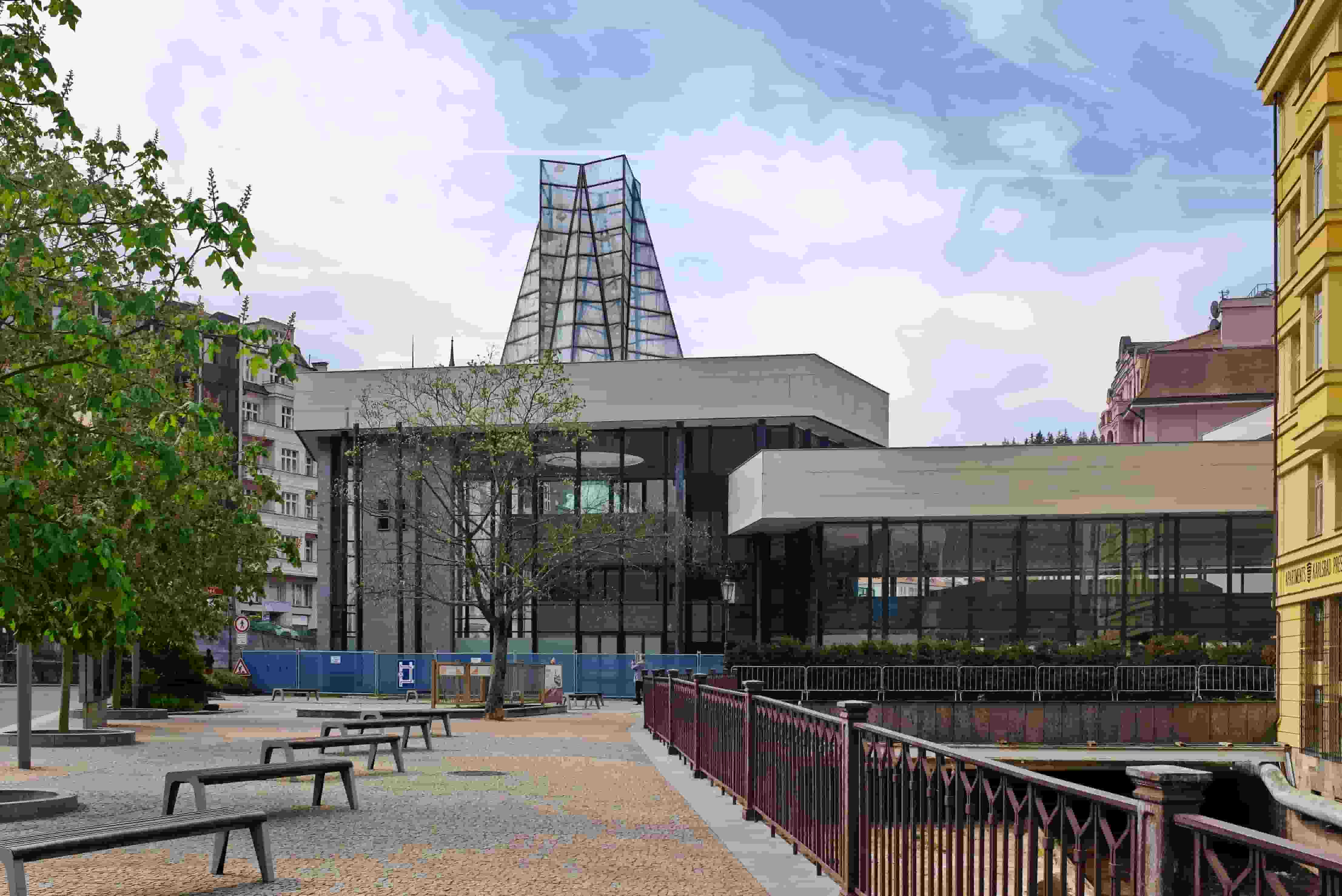
Hot Spring Colonnade
Modern glass and steel colonnade housing the hottest geyser in the town.
Vřídlo Hot Spring
Karlovy Vary’s most famous thermal spring, erupting at 72°C and surrounded by elegant colonnades.
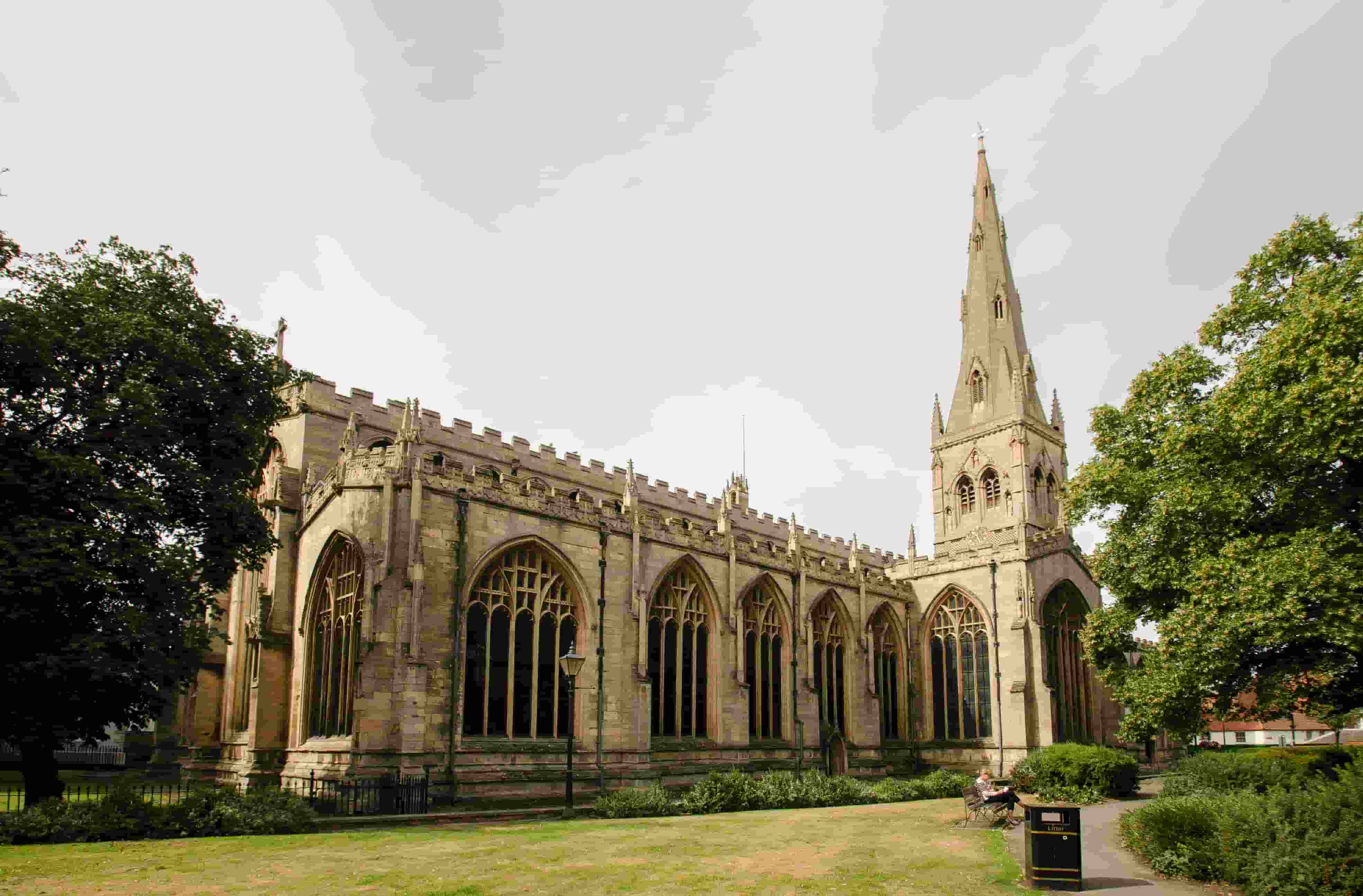
Church of St. Mary Magdalene
A baroque masterpiece offering spiritual serenity and architectural beauty.
Karlovy Vary International Film Festival
Renowned annual film festival held at various venues in the city
🏘️ Neighborhoods
City Center (Střed)
The historic heart, home to the major colonnades (Mill, Hot Spring), Vřídlo geyser, and the Teplá River. Packed with hotels, restaurants, and shops in stunning Baroque buildings.
Westend (Západní)
A quieter, primarily residential area west of the center, with some guesthouses and pensions. Offers a more local feel and easy access to forest walks.
Drahovice
A northern district known for the modern Thermal Hotel and its large outdoor pool complex. Also home to the Karlovy Vary Airport.
Bohatice
Located on the hills south of the center, offering panoramic views. Home to the Diana Observation Tower, reached by funicular.
Tuhnice
A practical area near the main train and bus stations. Features more affordable accommodations and is a good transport hub.
Stará Role
A suburban district to the east, with a mix of housing and local amenities. Offers a glimpse of everyday life away from the tourist core.
🍽️ Local Cuisine
Karlovy Vary's cuisine is a hearty blend of traditional Czech fare and spa-influenced delicacies. Must-try dishes include 'svíčková' (marinated beef sirloin with creamy sauce and dumplings) and 'karlovarský knedlík' (large bread dumplings). A unique local creation is the 'Karlovarský oplatky' (spa wafers), thin, round waffles often enjoyed with the thermal water. The town is the birthplace of Becherovka, a potent herbal digestif; try it neat or in a cocktail. For a true spa tradition, sample the mineral-rich spring water itself. Dining ranges from casual pubs ('hospoda') to upscale hotel restaurants. Expect to pay 150-250 CZK for a main course in a mid-range restaurant. Tipping around 10% is customary for good service. The area around the Mill Colonnade and Stará Louka street offers many dining options with lovely views.
💡 Local Tips
🚗 Day Trip Ideas
Loket
A picturesque medieval town dominated by a 13th-century Gothic castle perched on a rocky outcrop above the Ohře River.
Mariánské Lázně (Marienbad)
Another magnificent spa town, known for its elegant colonnades, singing fountain, and more park-like setting.
Prague
The stunning capital city of the Czech Republic, with its historic Old Town, Prague Castle, and Charles Bridge.
Krušné Hory (Ore Mountains)
A mountain range perfect for hiking, cycling in summer, and skiing in winter, with charming villages like Boží Dar.
Bečov nad Teplou
Famous for the rare Reliquary of St. Maurus, a stunning Gothic reliquary second only to the Crown Jewels.
Sokolov
A town with a Renaissance chateau, museum on mining history, and a contrast to the spa towns.
🛡️ Safety Tips
Karlovy Vary is generally a very safe city with low violent crime. Standard precautions apply: be aware of your belongings in crowded tourist areas like the colonnades to guard against petty pickpocketing. There are no specific areas to avoid, but exercise normal caution at night. Common scams are rare but can include taxi drivers overcharging tourists; always use metered taxis or ride-sharing apps. The thermal spring water is safe to drink from the designated fountains, but start slowly as the high mineral content can have a laxative effect. Emergency number is 112 for all services. Pharmacies ('lékárna') are well-stocked. Tap water is safe to drink. The town is hilly, so wear appropriate footwear to avoid slips, especially in wet or icy conditions.
💰 Budget Guide
Daily budgets vary significantly in Karlovy Vary. Budget travelers can manage on 800-1200 CZK ($35-$52) per day by staying in hostels or budget pensions (from 600 CZK), eating at pubs or self-catering, using public transport, and enjoying free sights like the colonnades and geyser. Mid-range travelers should budget 2000-3500 CZK ($87-$152) for a comfortable hotel (average $118/night), meals at nice restaurants, a few spa treats like a wafel or Becherovka tasting, and taxi rides. Luxury visitors can spend 5000+ CZK ($217+) on five-star spa hotels, gourmet dining, private treatments, and chauffeur services. Money-saving tips: Visit outside the July film festival, purchase a spa cup for cheap spring water tasting, walk everywhere in the center, enjoy the many free public drinking springs, and look for hotel packages that include breakfast and spa access.