Welcome to Harrachov
Nestled in the dramatic Jizera Mountains within the Krkonoše National Park, Harrachov is a Czech gem that transforms with the seasons. This small town of just 1,500 permanent residents swells with energy as a premier destination for skiers, hikers, and those seeking authentic Bohemian charm. Its significance is twofold: as a historic center of glassmaking dating back centuries and as a modern hub for winter sports, home to one of the country's most famous ski jumps. The crisp mountain air, the thunderous roar of the Mumlavský Waterfall, and the warm glow from traditional pubs create an unforgettable atmosphere. With 14 hotels offering cozy accommodations, visitors can find a perfect base to explore, whether it's a family-run pension or a modern resort, with an average nightly rate providing excellent value for this alpine escape. Harrachov is more than a stopover; it's an immersion into the rugged beauty and artisanal heart of the Czech borderlands.
Overview
Harrachov's story is deeply intertwined with the noble Harrach family, who developed the region's famed glass industry in the 18th century, a legacy proudly displayed at the Harrachov Glass Factory and Museum. Culturally, it sits at a crossroads, with Polish influences palpable just across the nearby border. The town is famously divided into two main parts: Dolní Harrachov (Lower Harrachov), the administrative and transport center, and Horní Harrachov (Upper Harrachov), the tourist heart clustered around the ski jumps and resort facilities. Harrachov is internationally renowned for its winter sports complex, hosting World Cup ski jumping events on its massive Čerťák hill. Beyond the slopes, it's the gateway to the pristine wilderness of Krkonoše National Park, a UNESCO Biosphere Reserve, and is celebrated for its powerful waterfalls, particularly the Mumlavský Waterfall on the Mumlava River. This blend of industrial heritage, athletic prestige, and natural splendor defines its unique character.
🗓️ Best Time to Visit
Harrachov is a true year-round destination, with its peak season undeniably being winter (December to March). This is when the town fully comes alive as a ski and snowboard paradise, with the Harrachov Ski Resort operating at full capacity and the ski jump often hosting thrilling competitions. The atmosphere is festive, but accommodations book quickly and prices are at their highest. For hiking, mountain biking, and enjoying the waterfalls without the crowds, the late spring (May-June) and early autumn (September-October) are ideal. The summer months (July-August) see pleasant temperatures perfect for exploring Krkonoše National Park, though these are also popular vacation weeks. Major events are seasonal: winter features the FIS Ski Jumping World Cup, summer brings music festivals and hiking tours, and the glass factory is a constant cultural draw. For a balance of good weather and manageable crowds, target the shoulder seasons.
🌤️ Weather & Climate
Harrachov experiences a temperate continental climate with significant mountain influences, resulting in cold, snowy winters and mild, humid summers. Weather can change rapidly in the mountains.
Seasons
Winter
💨 Humidity: high
Consistent snow cover, ideal for skiing. Days are short, cold, and often overcast or snowy.
Spring
💨 Humidity: moderate
Unpredictable transition from snowmelt to greenery. Late spring offers pleasant hiking conditions.
Summer
💨 Humidity: high
Warmest but wettest season. Perfect for hiking, though afternoon thunderstorms are common.
Autumn
💨 Humidity: moderate
Crisp air and stunning fall foliage. Early autumn is excellent for outdoor activities before winter sets in.
Monthly Weather Details
January Weather
Best for: skiing, winter sports
February Weather
Best for: skiing, winter sports
March Weather
Best for: late-season skiing, early hiking
April Weather
Best for: hiking, sightseeing
May Weather
Best for: hiking, nature walks
June Weather
Best for: hiking, mountain biking
July Weather
Best for: hiking, festivals
August Weather
Best for: hiking, sightseeing
September Weather
Best for: hiking, photography
October Weather
Best for: autumn foliage, sightseeing
November Weather
Best for: pre-winter sightseeing, museum visits
December Weather
Best for: skiing, christmas markets
🎒 What to Pack
All Year Round
- layered clothing
- waterproof jacket
- sturdy walking shoes
- daypack
🚗 Getting Around
Harrachov is compact and highly walkable, especially in the central tourist areas around the ski jumps and main hotels. For reaching trailheads or the glass factory, the local bus service provides reliable and affordable connections, with a single ticket costing around 20 CZK. Taxis are readily available but more expensive; ride-sharing apps like Bolt operate in the region. Renting a bicycle or e-bike is an excellent way to explore the surrounding Jizera Mountain paths. For airport transfers, the nearest major airport is in Prague (PRG), about a 2-hour drive. Direct shuttle buses and private transfer services connect Prague airport to Harrachov regularly, with shared shuttle costs starting around 800 CZK. Having a car offers maximum flexibility for day trips into Poland or deeper into the national park, but for staying within town and its immediate attractions, walking and local buses are perfectly sufficient.
🎯 Top Attractions
Harrachov Ski Resort
A premier ski destination in the Czech Republic, offering fantastic slopes and stunning mountain views.
Mumlavský Waterfall
A breathtaking 50-meter-tall waterfall surrounded by lush forests and hiking trails.
Krakonoš Museum
A fascinating museum dedicated to the local folklore and traditions of the Krkonoše mountains.
Mumlava Falls
The source of the Elbe River, a picturesque and powerful waterfall located in the Krkonoše National Park.
Krkonoše National Park
A protected area of stunning mountain scenery, offering endless hiking and biking trails in the Giant Mountains.
Mumlava Waterfall
Beautiful waterfall in the Krkonoše Mountains National Park
Glass Museum Harrachov
A museum showcasing the history of glassmaking in the region.
Harrachov Glass Factory
Historic glass production with museum and demonstrations
Harrachov Ski Jump
A legendary ski jump site with panoramic winter views and opportunities for winter sports activities.
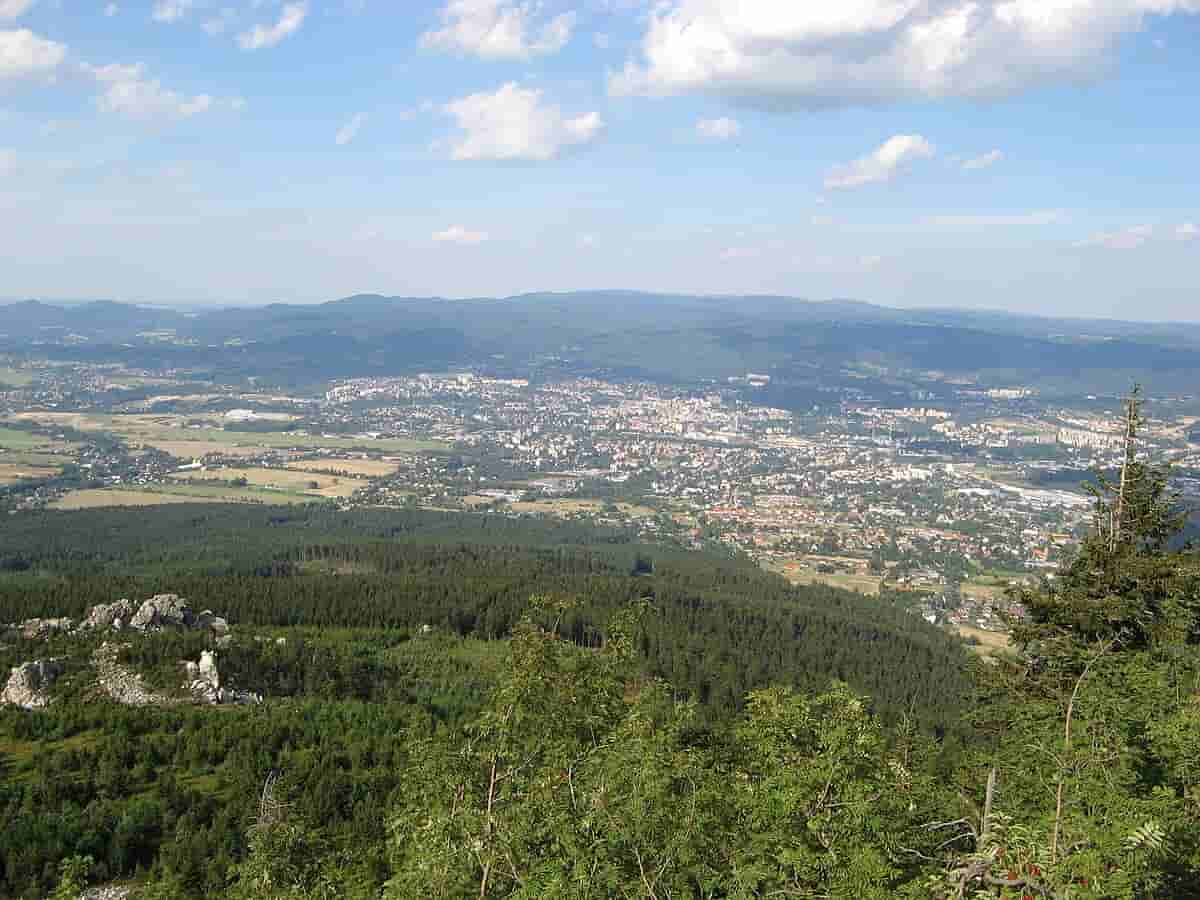
Jizera Mountains
Area for hiking and cycling
Grimm's Fairy Tale Land
A whimsical theme park featuring rides and shows inspired by classic fairy tales for all ages.
Harrachov Ski Jump Complex
A world-class ski jump venue operational year-round with opportunities for summer bungee jumping.
🏘️ Neighborhoods
Horní Harrachov (Upper Town)
The tourist and sports epicenter, home to the iconic ski jumps, main ski resort facilities, and a concentration of hotels and restaurants. Lively in winter, tranquil in summer.
Dolní Harrachov (Lower Town)
The administrative and transport hub with the bus station, larger supermarkets, and the glass factory. Offers a more local, residential feel with good transport links.
Around the Mumlava River
A picturesque area following the river, leading to the Mumlavský Waterfall. Features scenic walking paths, quieter accommodations, and direct access to nature.
Rýžoviště
A quieter, more spread-out residential area on the outskirts, offering guesthouses and pensions with beautiful mountain views and easy access to cross-country trails.
Town Center (Centrum)
The historic heart with the main square, key shops, restaurants, and the Krakonoš Museum. Walkable to most amenities and serves as a central meeting point.
Ski Jump Base Area
Immediately surrounding the Čerťák ski jump complex. Atmosphere is electric during competitions, with dedicated bars and sports-centric accommodations.
🍽️ Local Cuisine
Harrachov's cuisine is hearty mountain fare designed to fuel outdoor adventures. Signature dishes include 'vepřo-knedlo-zelo' (roast pork with dumplings and sauerkabbage), 'guláš' (beef stew), and 'svíčková' (marinated beef with creamy sauce). Given the alpine location, wild game, trout from local streams, and forest mushrooms feature prominently. Dining culture is informal and pub-centric; a 'hospoda' or 'pivnice' is the heart of social life. Must-try foods include 'knedlíky' (dumplings) in all forms and the region's excellent beers, notably from the Harrachov Brewery. For a sweet treat, sample 'trdelník' or apple strudel. Most restaurants are clustered in the town center and around the ski base. A hearty meal at a mid-range pub costs 200-400 CZK. Etiquette is straightforward; it's customary to say 'Dobrou chuť' (enjoy your meal) before eating. Tipping around 10% is appreciated for good service.
💡 Local Tips
🚗 Day Trip Ideas
Szklarska Poręba, Poland
A vibrant Polish mountain resort town just across the border, famous for its own waterfalls (Kamieńczyk) and ski areas.
Špindlerův Mlýn
The bustling 'capital' of the Czech Krkonoše, offering extensive skiing, hiking, shopping, and a lively atmosphere.
Janské Lázně
A historic spa town with therapeutic springs, elegant colonnades, and a cable car up to the Černá hora plateau.
Liberec
The regional capital, featuring a spectacular zoo, a famous TV tower with a view, and a beautiful historic town hall.
Pec pod Sněžkou
The base for ascending Sněžka, the highest peak in the Czech Republic, via cable car or challenging hike.
Bohemian Paradise (Český ráj)
A UNESCO Global Geopark known for its surreal sandstone rock formations, castles, and ruins.
🛡️ Safety Tips
Harrachov is generally a very safe destination with low crime rates. The primary risks are environmental: always check weather and avalanche forecasts before heading into the mountains, stay on marked trails, and be prepared for sudden changes in conditions. On the slopes, follow piste markings and ski responsibly. Petty crime like pickpocketing is rare but can occur in crowded tourist areas; use common sense with valuables. There are no specific areas to avoid, but exercise normal caution at night. Emergency number is 112 for all services. For mountain rescue, dial 1210. Medical facilities are available in town for minor issues; serious cases are transferred to larger cities. Tap water is safe to drink. Ensure you have adequate travel insurance that covers mountain sports and emergency evacuation.
💰 Budget Guide
Harrachov offers good value, especially outside peak winter weeks. A budget traveler can manage on 800-1200 CZK per day by staying in a hostel or guesthouse (400-600 CZK), eating at self-catering or cheap pubs (200-300 CZK), using public transport/walking (50 CZK), and enjoying free hikes. Mid-range daily budgets of 1500-2500 CZK cover a comfortable hotel (1000-1500 CZK), restaurant meals and pub lunches (400-600 CZK), some taxi rides or ski lift passes (300-500 CZK), and museum entries. Luxury spending of 3500+ CZK per day includes premium hotels, fine dining, private guides, and spa treatments. Money-saving tips: visit in shoulder seasons for lower accommodation rates, purchase multi-day ski passes if skiing, picnic with supplies from local markets, and take advantage of the many free natural attractions like the waterfalls and national park trails.