Welcome to Brno
Nestled in the rolling hills of South Moravia, Brno is the Czech Republic's vibrant second city, a place where history hums beneath a modern, student-fueled energy. Often overlooked by travelers racing to Prague, Brno rewards those who pause with a captivating blend of Gothic spires, avant-garde architecture, and a laid-back, almost Mediterranean atmosphere. This is a city of contrasts: the imposing Špilberk Castle, once a feared prison, overlooks a bustling historic center dotted with cozy wine bars. The UNESCO-listed Villa Tugendhat, a masterpiece of modernist design, stands in quiet conversation with centuries-old cathedrals. As the judicial and cultural heart of Moravia, Brno is both a university town buzzing with innovation and a gateway to some of the country's finest vineyards. With a manageable scale perfect for a one-day immersion or a leisurely weekend, the city offers a surprisingly rich urban experience. Visitors will find a welcoming and well-equipped base for exploration, with a choice of 27 hotels offering an average nightly rate that makes discovering this under-the-radar gem both accessible and comfortable.
Overview
Brno's history is etched into its very stones, from its 13th-century founding to its role as a mighty fortress of the Habsburg monarchy. For centuries, it was Moravia's capital, a status reflected in its grand buildings and strategic importance, symbolized by the hilltop Špilberk Castle. The 20th century left its mark with the functionalist Villa Tugendhat and the sprawling Brno Exhibition Centre, a testament to the city's long-standing trade fair tradition. Today, Brno is famous as a hub of science, justice, and higher education, hosting numerous universities and the country's Supreme Court. Culturally, it pulses with festivals, a renowned opera and philharmonic, and a thriving alternative arts scene. The city is loosely organized around its compact Old Town (Střed), centered on Freedom Square (Náměstí Svobody), which is surrounded by historic streets, cafes, and shops. The leafy suburbs of Veveří and Pisárky offer greener, quieter spaces, while the district of Černá Pole is home to the architectural gem Villa Tugendhat. Brno is also the perfect launchpad for exploring the dramatic caves of the Moravian Karst, just a short trip north.
🗓️ Best Time to Visit
The best time to visit Brno is late spring (May-June) and early autumn (September), when the weather is pleasantly warm, crowds are manageable, and the city's parks and outdoor cafes are in full swing. Summer (July-August) brings the warmest temperatures and a lively atmosphere fueled by students and festivals, but it can be hot and slightly busier. This season features major events like the Brno International Fireworks Competition and various music festivals. Winter (December-February) is cold and often gray, but it has its own charm with Christmas markets adorning the main squares. The off-peak seasons of late fall and winter see fewer tourists and lower prices. Spring sees the city bloom and hosts events like the Ignis Brunensis festival. Autumn offers beautiful foliage and the wine harvest season, with many wine festivals in the surrounding region. For comfortable sightseeing and active exploration, the shoulder months are ideal.
🌤️ Weather & Climate
Brno experiences a temperate continental climate with four distinct seasons. Winters are cold and often overcast, while summers are warm and relatively humid, with occasional thunderstorms.
Seasons
Spring
💨 Humidity: moderate
A season of transition, starting chilly and damp in March, becoming pleasantly mild and blooming by May. Perfect for sightseeing.
Summer
💨 Humidity: moderate
Warm to hot days with longer daylight hours. The most popular season, ideal for outdoor cafes, festivals, and day trips. Occasional rain showers.
Autumn
💨 Humidity: moderate
Crisp air and beautiful fall foliage, especially in September and October. Gradually becomes colder, wetter, and foggier in November.
Winter
💨 Humidity: moderate
Cold, gray, and often overcast with occasional snow. Christmas markets add charm, but it's best for indoor cultural activities.
Monthly Weather Details
January Weather
Best for: indoor activities, museums
February Weather
Best for: indoor activities
March Weather
Best for: early spring sightseeing
April Weather
Best for: sightseeing, parks
May Weather
Best for: outdoor activities, festivals
June Weather
Best for: festivals, day trips
July Weather
Best for: outdoor dining, swimming
August Weather
Best for: exploring, wine tours
September Weather
Best for: wine harvest, hiking
October Weather
Best for: fall foliage, sightseeing
November Weather
Best for: museums, cafes
December Weather
Best for: Christmas markets
🎒 What to Pack
All Year Round
- comfortable walking shoes
- layered clothing
- umbrella or rain jacket
🚗 Getting Around
Brno's city center is compact and highly walkable, with most major attractions within a 30-minute stroll. For longer distances, the public transportation system (DPMB) is excellent, affordable, and easy to use. It comprises trams, trolleybuses, and buses, with a unified ticket system. A 60-minute ticket costs around 30 CZK ($1.30). Taxis and ride-sharing apps like Bolt are readily available; always insist the meter is used or agree on a price beforehand. Biking is a growing option, with city bike-share schemes and dedicated lanes. Brno is served by Brno-Tuřany Airport (BRQ), located about 10 km southeast. The most convenient transfer is by taxi or ride-share (20-25 minutes, ~400-500 CZK). Public bus line 76 connects the airport to the main train station (Brno hl.n.) in about 25 minutes. The city's main railway station is a major hub with excellent connections to Prague, Vienna, and Bratislava.
🎯 Top Attractions
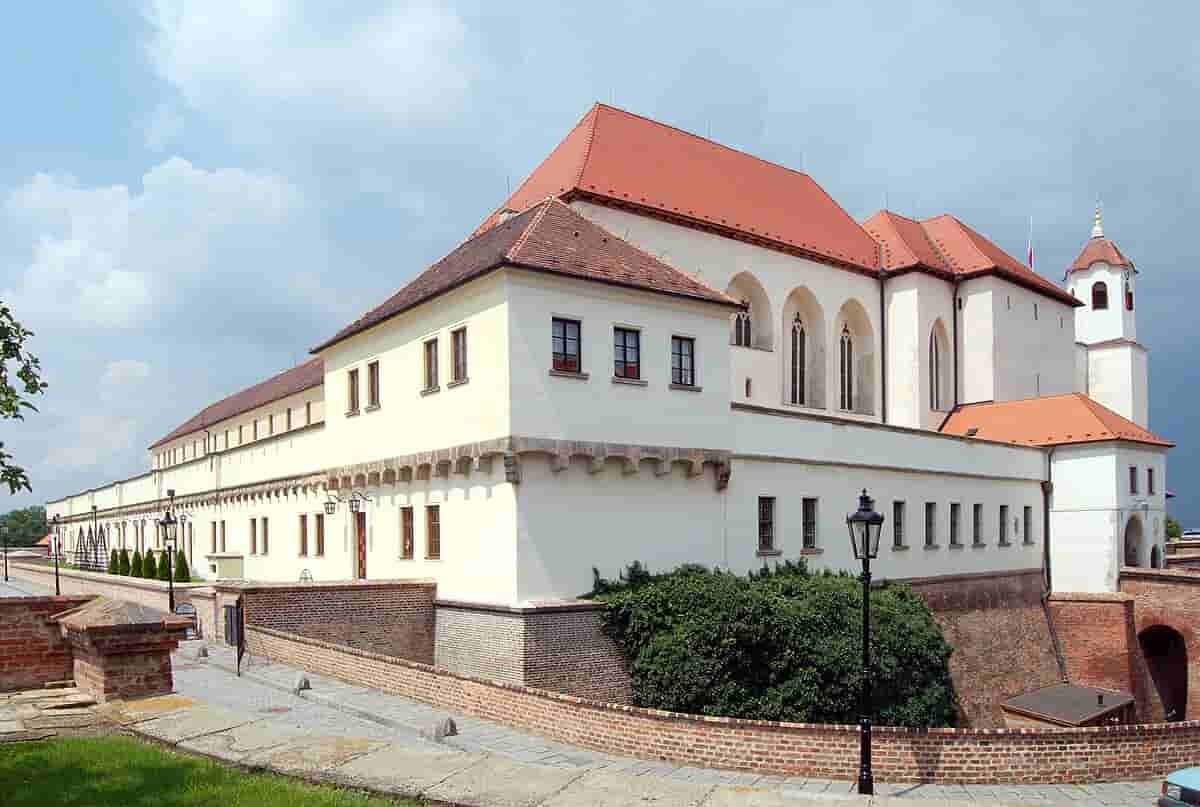
Spilberk Castle
A historic castle and former prison, now housing a museum and offering commanding views over the city.
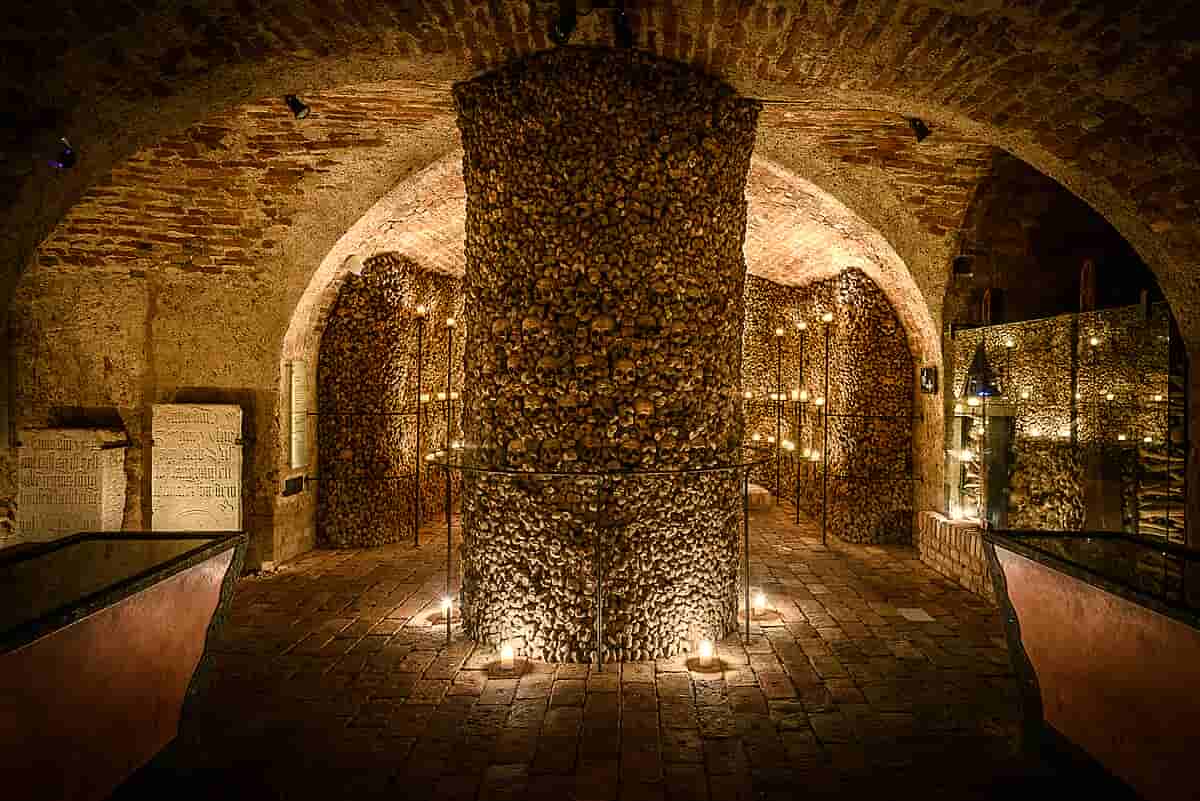
Brno Ossuary
The second largest ossuary in Europe, located beneath the Church of St. James.
Cathedral of St. Peter and Paul
A stunning Gothic cathedral with two distinctive towers, dominating the Brno city skyline.
Brno Old Town
Central square with architecture and cafes
Špilberk Castle
A majestic medieval fortress offering panoramic city views and fascinating historical exhibits.
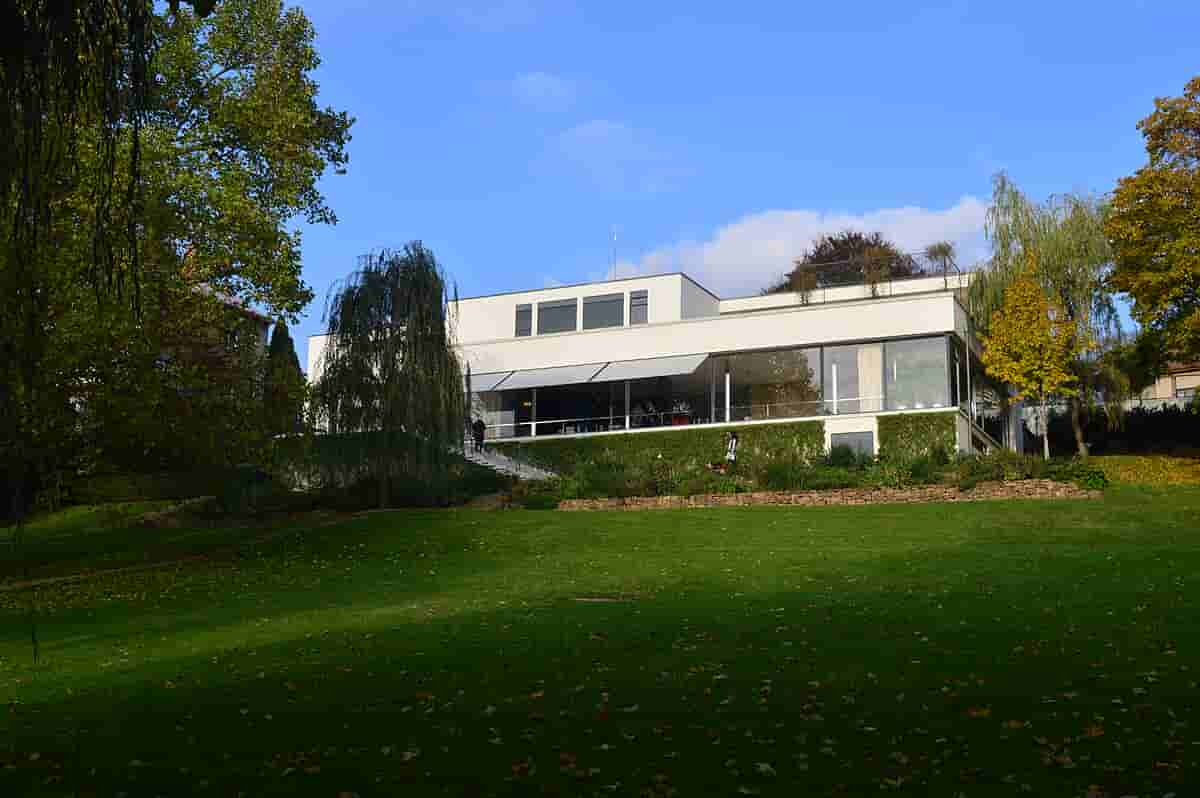
Villa Tugendhat
A UNESCO World Heritage site, this iconic functionalist villa is a masterpiece of modern architecture.
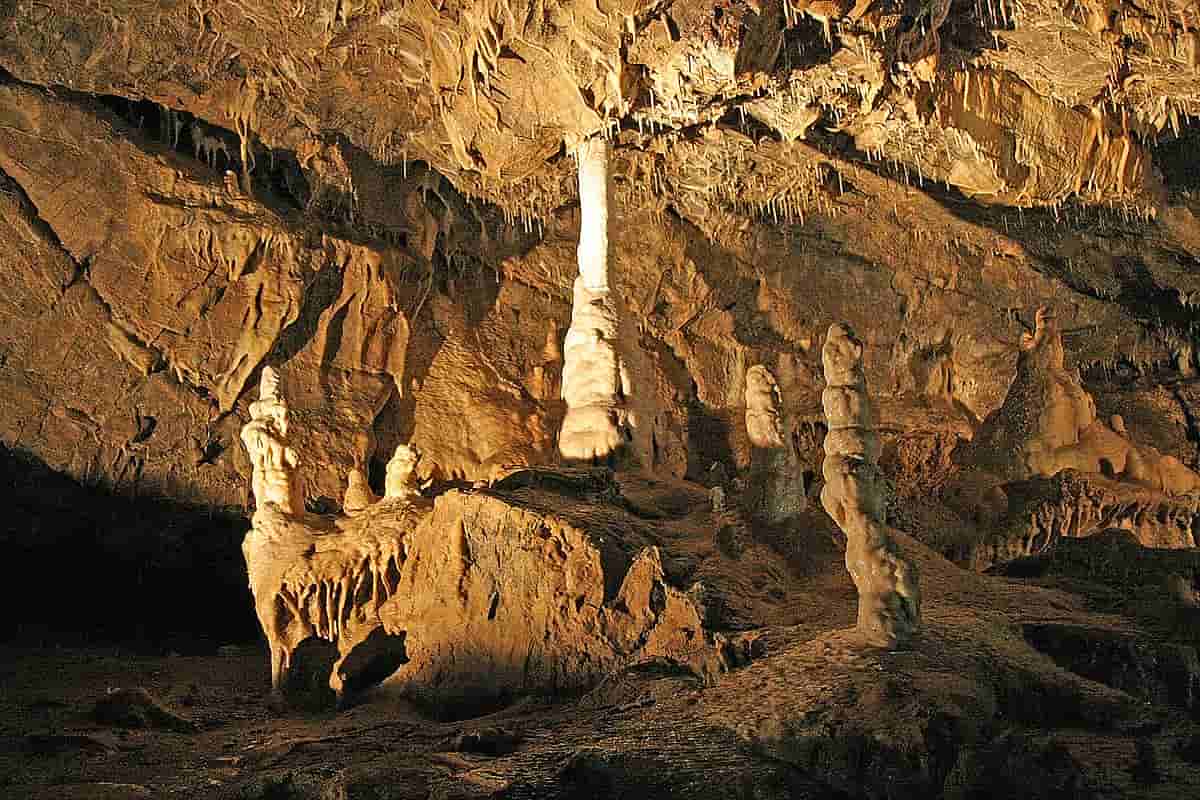
Moravian Karst
A breathtaking natural phenomenon with limestone caves and underground lakes perfect for exploration.
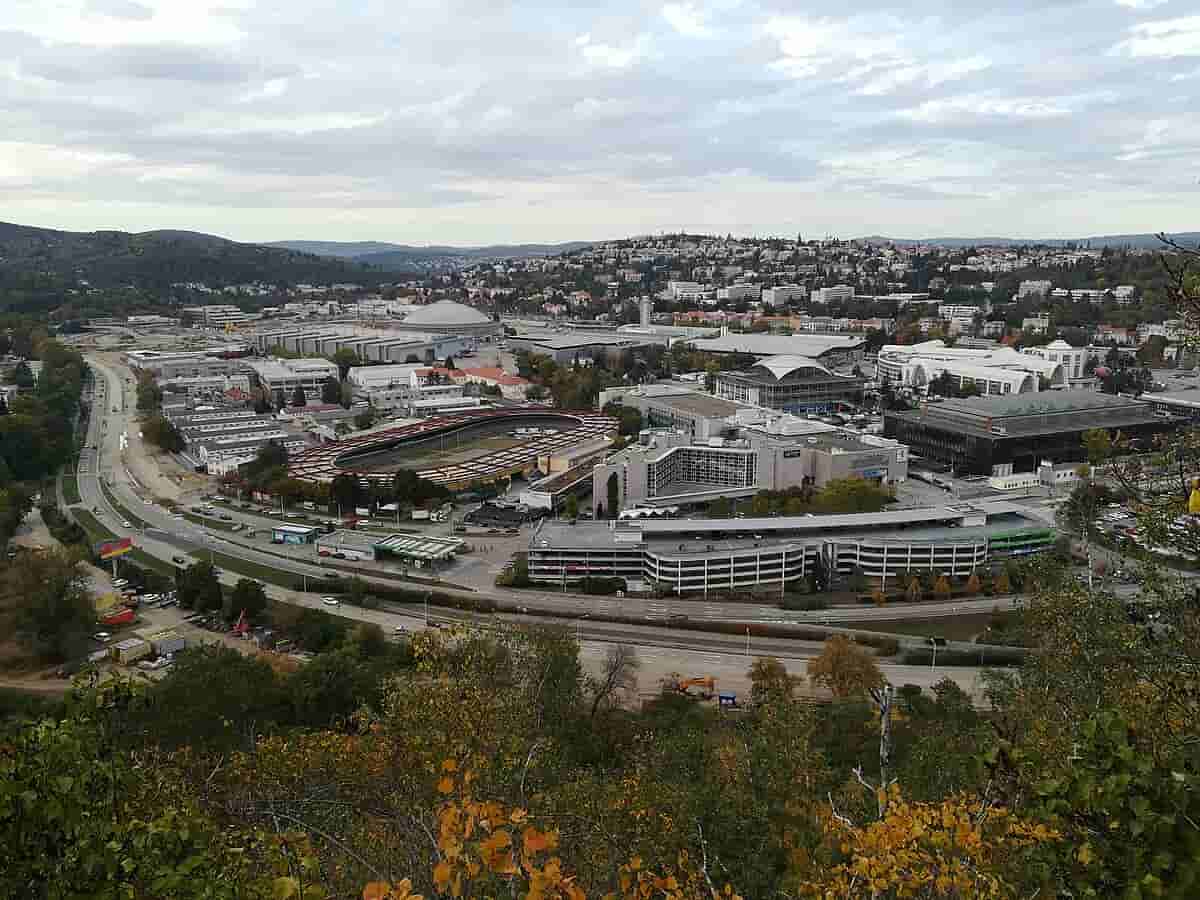
Brno Exhibition Centre
Large exhibition and trade fair complex
Freedom Square
The main central square of Brno, surrounded by historic buildings and home to the iconic astronomical clock.
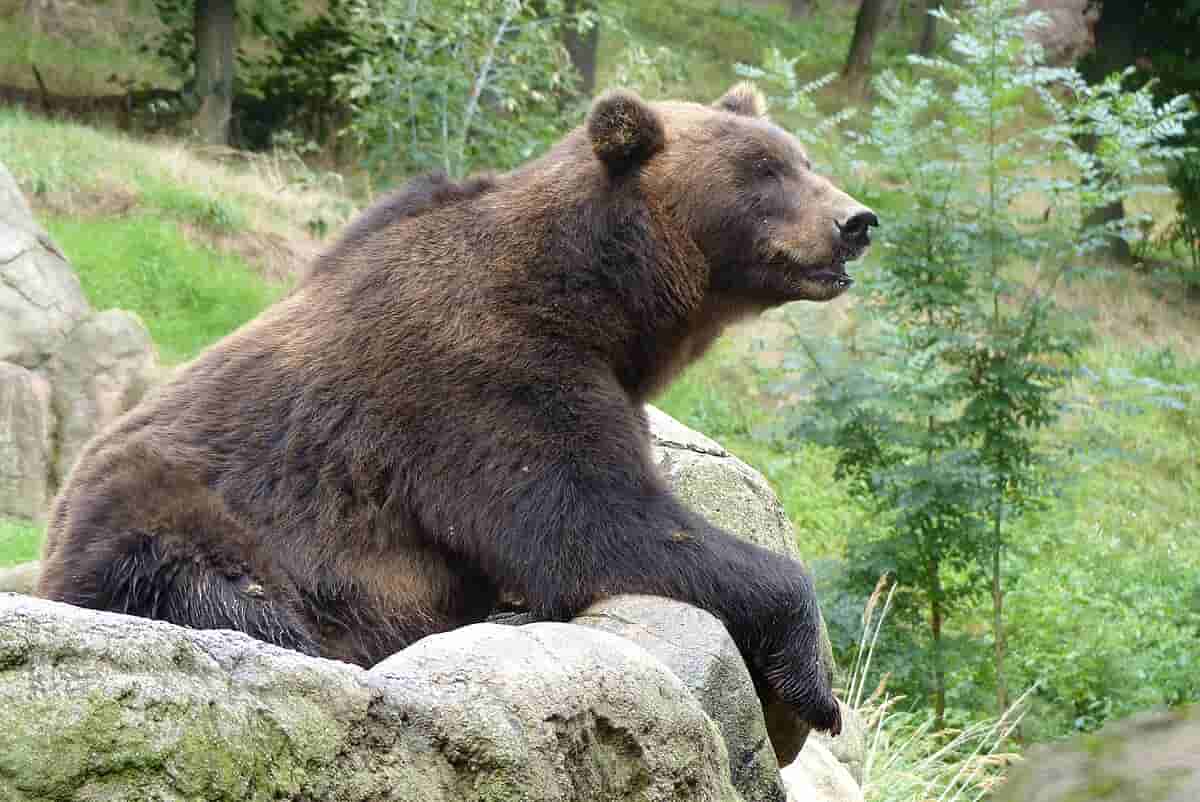
Brno Zoo
Family-friendly zoo with diverse animal exhibits.
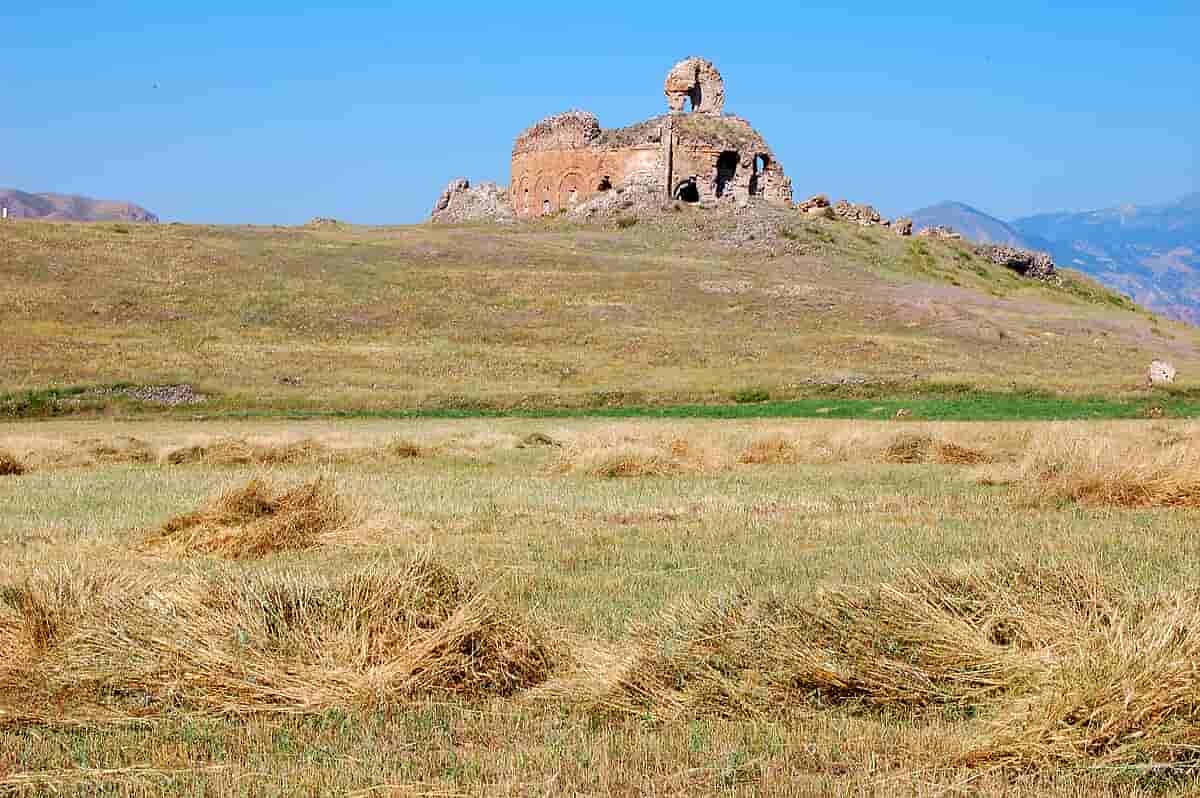
Brno Cathedral
Marvel at the impressive Romanesque and Gothic architecture of this 13th-century cathedral.
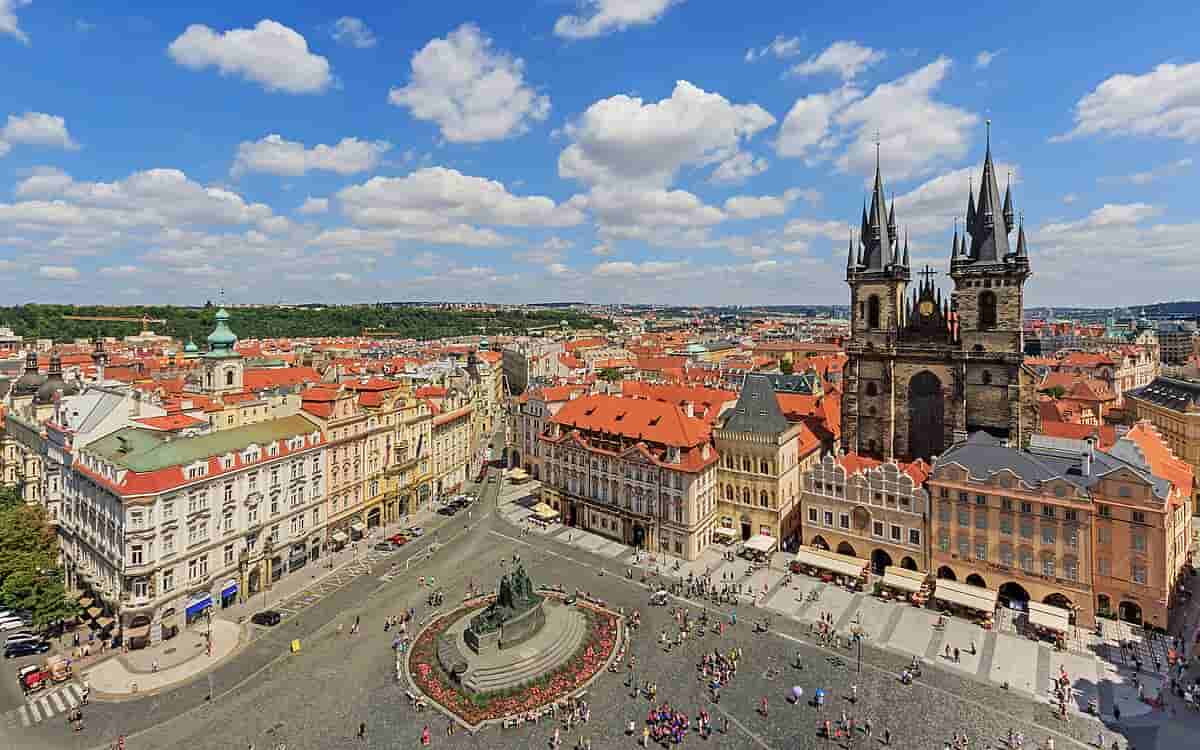
Old Town Square
A vibrant square lined with colorful buildings, trendy cafes, and perfect for evening strolls.
🏘️ Neighborhoods
Střed (City Center)
The historic heart of Brno, encompassing the Old Town, Freedom Square, and the main shopping streets. Packed with landmarks, restaurants, and hotels.
Staré Brno (Old Brno)
A quieter, historic district south of the center, home to the Augustine monastery where Mendel worked and a more local, village-like atmosphere.
Veveří
A leafy, residential area stretching west from the city center, dominated by the sprawling park around Veveří Castle and the Brno Reservoir.
Černá Pole
A prestigious, quiet residential neighborhood known for its beautiful villas and parks, most famously the UNESCO-listed Villa Tugendhat.
Pisárky
A district south of the center along the Svratka River, featuring the Brno Exhibition Centre, the zoo, and plenty of green spaces.
Žabovřesky
A lively, predominantly residential area with a strong local community feel, good amenities, and easy tram access to the center.
Královo Pole
A northern district with a mix of residential areas, university campuses (VUT), and the modern shopping center Galerie Vaňkovka.
🍽️ Local Cuisine
Brno's cuisine is hearty Moravian fare, a comforting blend of Czech, Austrian, and Hungarian influences. Must-try signature dishes include 'svíčková na smetaně' (marinated beef sirloin in a creamy root vegetable sauce), 'vepřo knedlo zelo' (roast pork with dumplings and sauerkraut), and 'moravský vrabec' (Moravian sparrow), which is actually roast pork neck. The city is also famous for its 'brněnské pivní lázně' (beer spa) culture and its proximity to wine country—don't miss tasting local white wines like Pálava or Müller-Thurgau. Dining is generally casual and focused on the food; it's customary to say 'dobrou chuť' (enjoy your meal) before eating. Popular food areas include the streets around the Old Town Hall and the vegetable market (Zelný trh). Expect to pay 150-250 CZK for a main course in a typical pub ('hospoda'), 300-500 CZK in a mid-range restaurant, and upwards of 600 CZK for fine dining. Tipping around 10% is standard for good service.
💡 Local Tips
🚗 Day Trip Ideas
Moravian Karst (Moravský kras)
A stunning protected area of limestone caves and gorges. Tour the Punkva Caves with an underground boat ride and visit the Macocha Abyss.
Lednice-Valtice Cultural Landscape
A UNESCO World Heritage site featuring breathtaking romantic castles, manicured gardens, and charming chateaux in a vast parkland.
Mikulov
A picturesque wine town on the Austrian border, dominated by a hilltop castle. Perfect for wine tasting, hiking the Palava hills, and exploring Jewish history.
Telč
A fairy-tale UNESCO town famous for its stunning Renaissance square lined with colorful, arcaded burghers' houses and a serene castle park.
Vienna, Austria
The imperial capital is easily accessible for a whirlwind day of grand architecture, world-class museums, and Viennese coffee culture.
Slavkov (Austerlitz) Battlefield
The historic site of Napoleon's decisive victory in 1805. Visit the memorial, museum, and the peaceful countryside dotted with monuments.
🛡️ Safety Tips
Brno is generally a very safe city with a low violent crime rate. Standard urban precautions apply: be aware of your surroundings in crowded areas like trams and the main train station, where pickpocketing can occur. Be cautious of taxi drivers overcharging; use reputable companies or ride-sharing apps. There are no specific no-go areas, but it's wise to be alert in quieter, poorly lit streets at night. Emergency numbers are 112 (general EU emergency) or 158 (police). Tap water is safe to drink. Healthcare is of a high standard; EU citizens should carry a European Health Insurance Card (EHIC). For minor ailments, pharmacies ('lékárna') are well-stocked. Keep valuables secure and use hotel safes when available.
💰 Budget Guide
Brno offers excellent value compared to Western Europe. A budget traveler can manage on 800-1200 CZK ($35-$52) per day: stay in hostels (~500 CZK), eat street food or cook, use public transport, and enjoy free attractions like walking tours. Mid-range travelers spending 1500-2500 CZK ($65-$110) daily can afford a comfortable hotel or Airbnb, dine in good local restaurants, take taxis occasionally, and visit paid attractions. A luxury budget of 4000+ CZK ($175+) allows for 4-star hotels, fine dining, private tours, and car rentals. Money-saving tips: purchase public transport day passes, eat the daily lunch menu ('denní menu') at restaurants, visit museums on free admission days, drink tap water, and explore the many free parks and historic streets. Accommodation averages $78/night, but prices fluctuate with seasons and events.