Welcome to Kanpur
Kanpur, the industrial powerhouse of Uttar Pradesh, India, is a city that defies easy categorization. Located on the banks of the sacred River Ganges, it is a place where the hum of machinery and the echoes of history create a compelling urban symphony. Often called the 'Leather City of the World' for its massive tanneries, Kanpur is far more than its factories. It's a city of resilience, having played a pivotal role in the 1857 Indian Rebellion, and a city of green lungs, with sprawling parks and one of Asia's largest man-made forests. For the traveler, it offers a raw, unfiltered glimpse into the heart of North India, where colonial-era churches stand alongside bustling markets and serene river ghats. With a robust infrastructure catering to its commercial visitors, the city offers over 125 hotels, ranging from functional business stays to comfortable accommodations, ensuring a convenient base for your 2-3 day exploration of its layered identity.
Overview
Kanpur's history is etched with both colonial struggle and industrial ambition. Originally known as Cawnpore, it was a major British garrison town and the site of a tragic massacre during the 1857 uprising, a memory preserved at sites like the Kanpur Memorial Church. Post-independence, it rapidly industrialized, becoming a critical hub for textiles, leather, and defense. Culturally, it is a microcosm of Uttar Pradesh, with a vibrant mix of traditions, languages, and festivals. The city is famous for its leather goods, its IIT (Indian Institute of Technology) campus, and its position as an economic engine. Main districts include the historic Civil Lines with its administrative buildings and parks, the commercial hub of Naveen Market, the industrial areas of Panki and Jajmau, and the more residential neighborhoods of Kakadeo and Shyam Nagar. The River Ganges forms its spiritual and geographical spine, with ghats like Massacre Ghat offering a place for reflection.
🗓️ Best Time to Visit
The best time to visit Kanpur is during the cooler, drier months from October to March. Winter (November to February) is ideal, with pleasant days and crisp nights, perfect for sightseeing and exploring the city's outdoor attractions like Allen Forest Zoo and Phool Bagh. This period also coincides with major festivals such as Diwali (October/November) and the grand Magh Mela in nearby Allahabad (January-February), offering rich cultural experiences. The spring months of February and March are also pleasant. The summer (April to June) is intensely hot and dry, with temperatures often soaring above 40°C (104°F), making outdoor activities challenging. The monsoon (July to September) brings relief from the heat but also high humidity and heavy, sporadic rainfall, which can disrupt travel plans. The off-peak seasons of summer and monsoon see fewer tourists and potentially lower hotel rates, but comfort is significantly reduced.
🌤️ Weather & Climate
Kanpur experiences a humid subtropical climate with three distinct seasons: a hot summer, a humid monsoon, and a mild, dry winter. Summers are intensely hot, monsoons bring heavy rainfall, and winters are the most pleasant for travel.
Seasons
Winter
💨 Humidity: low
Cool, dry, and sunny days with chilly nights. Ideal for all outdoor sightseeing and activities.
Summer
💨 Humidity: moderate
Extremely hot and dry, with intense sun. Outdoor exploration is best limited to early mornings or evenings.
Monsoon
💨 Humidity: high
Hot and very humid with heavy, intermittent rainfall. Travel can be disrupted, but the landscape turns lush green.
Monthly Weather Details
January Weather
Best for: sightseeing, outdoor activities
February Weather
Best for: sightseeing, outdoor activities
March Weather
Best for: sightseeing
April Weather
Best for: indoor activities, early morning outings
May Weather
Best for: indoor activities
June Weather
Best for: indoor activities
July Weather
Best for: indoor cultural sites
August Weather
Best for: indoor cultural sites
September Weather
Best for: sightseeing between showers
October Weather
Best for: sightseeing, festivals
November Weather
Best for: sightseeing, outdoor activities
December Weather
Best for: sightseeing, outdoor activities
🎒 What to Pack
All Year Round
- comfortable walking shoes
- sunglasses
- sunscreen
- power adapter
- refillable water bottle
🚗 Getting Around
Navigating Kanpur is an adventure in itself. Public transportation primarily consists of auto-rickshaws and cycle-rickshaws, which are ubiquitous and inexpensive for short distances; always agree on a fare before starting your journey. For longer trips, app-based ride-sharing services like Ola and Uber are widely available and offer a more comfortable, metered alternative to traditional taxis. The city has a limited public bus network, which can be crowded and confusing for visitors. Walking is feasible in specific areas like Civil Lines or around major markets, but sidewalks are often inconsistent. Biking is not recommended for tourists due to heavy traffic. For airport transfers, Kanpur's domestic airport (Chakeri) is about 17 km from the city center; pre-paid taxis and ride-shares are the best options. Overall, transportation costs are low: auto-rickshaws start around ₹30-50 for short hops, while ride-shares across the city may cost ₹200-400.
🎯 Top Attractions
Kanpur Memorial Church
A historic church built in Gothic style, commemorating the British who died in the 1857 uprising.
Allen Forest Zoo
A large zoological park with a variety of animal species and lush green surroundings.
Jajmau Tila
An ancient archaeological site with historical significance.
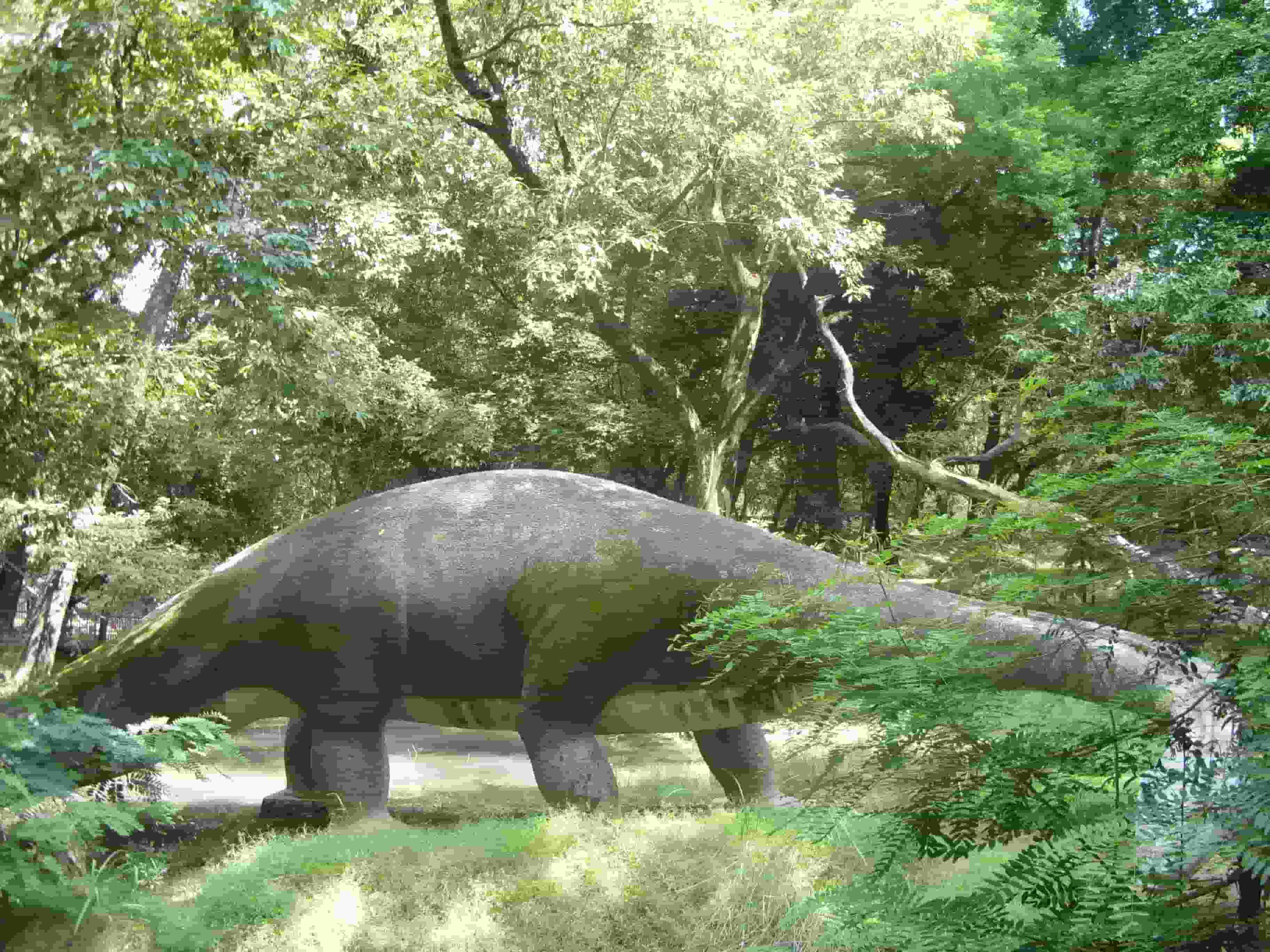
Kanpur Zoological Park
A large zoo featuring a variety of animals and a popular family destination.
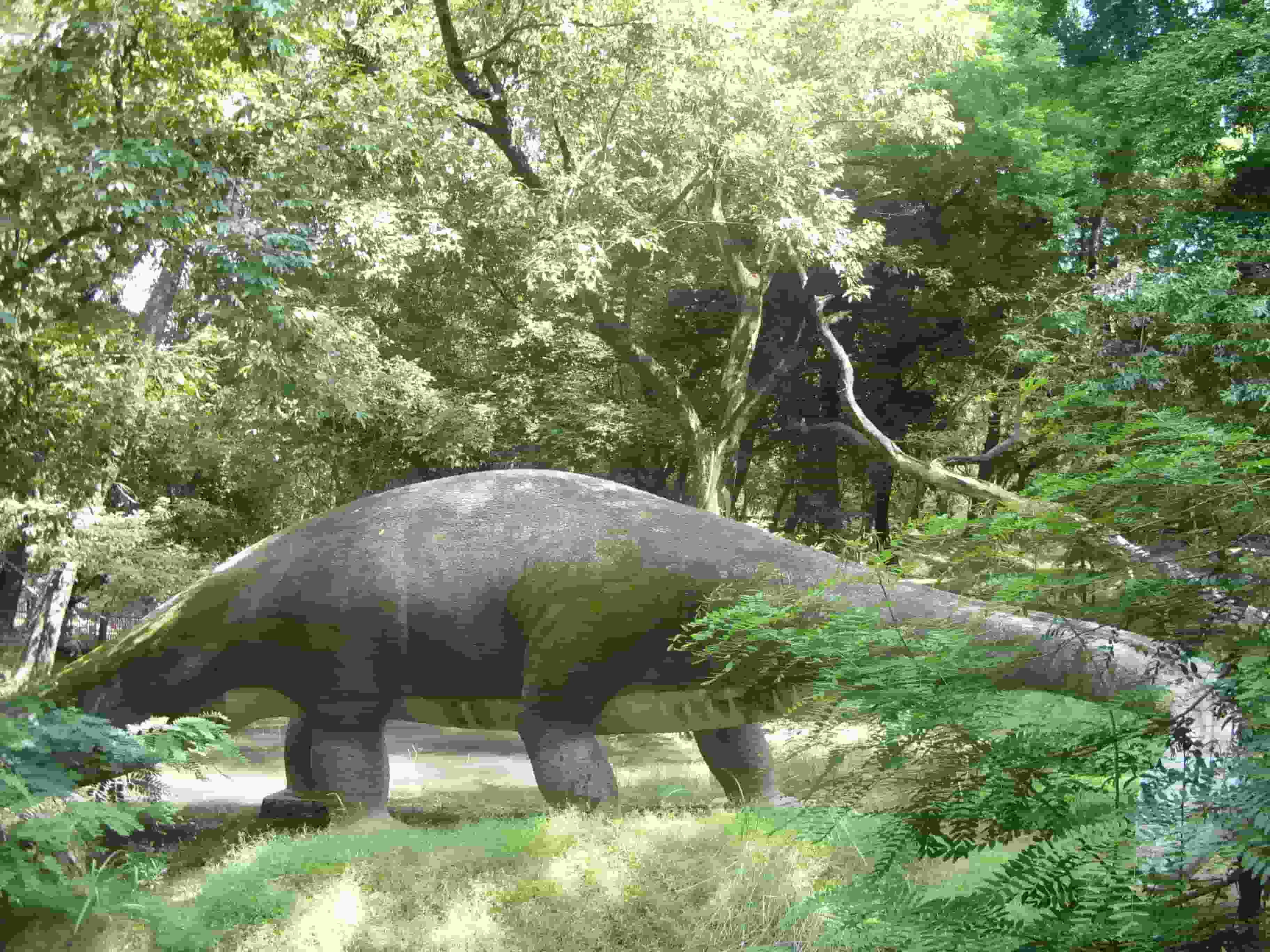
Kanpur Zoo
Home to tigers, elephants, and a variety of bird species.
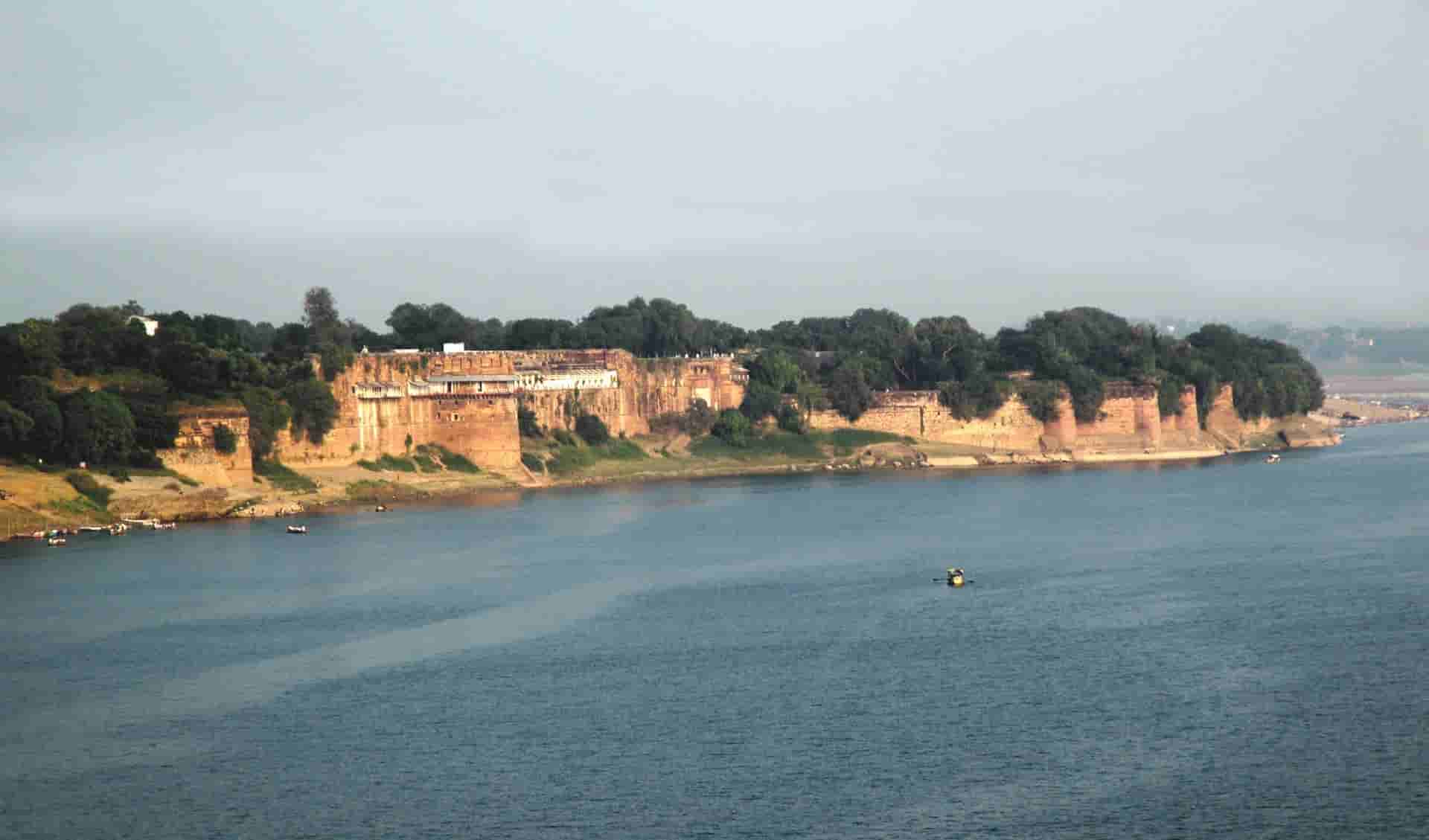
Allahabad Fort
Historical fort built by Emperor Akbar with Mughal architecture.
River Ganges
Sacred river ideal for peaceful walks or boat rides.
Phool Bagh
A public garden and park with fountains and historical structures.
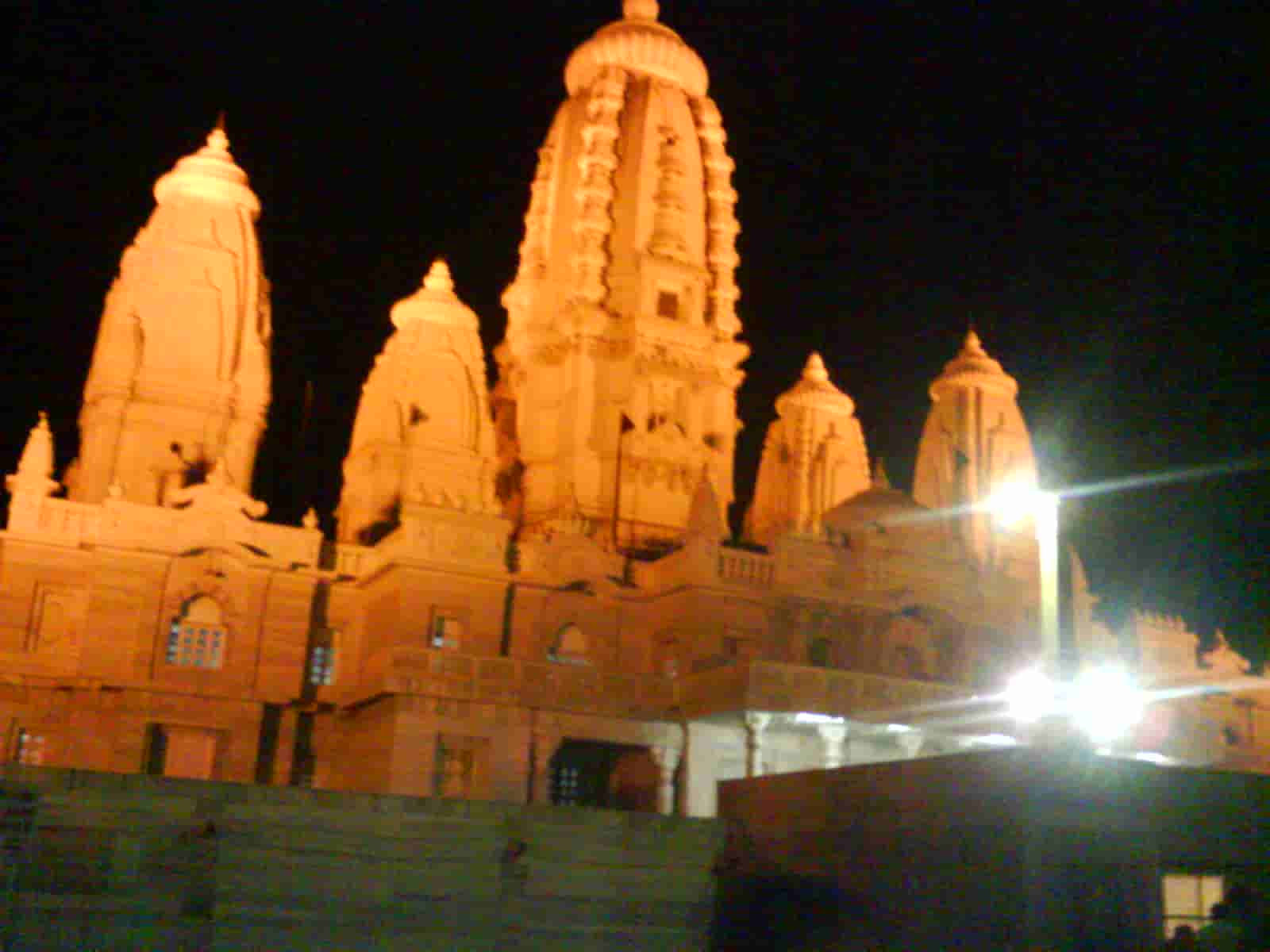
JK Temple
A modern Hindu temple known for its intricate architecture and peaceful ambiance.
Motijheel Park
A popular urban park with a lake, ideal for leisurely walks and family outings.
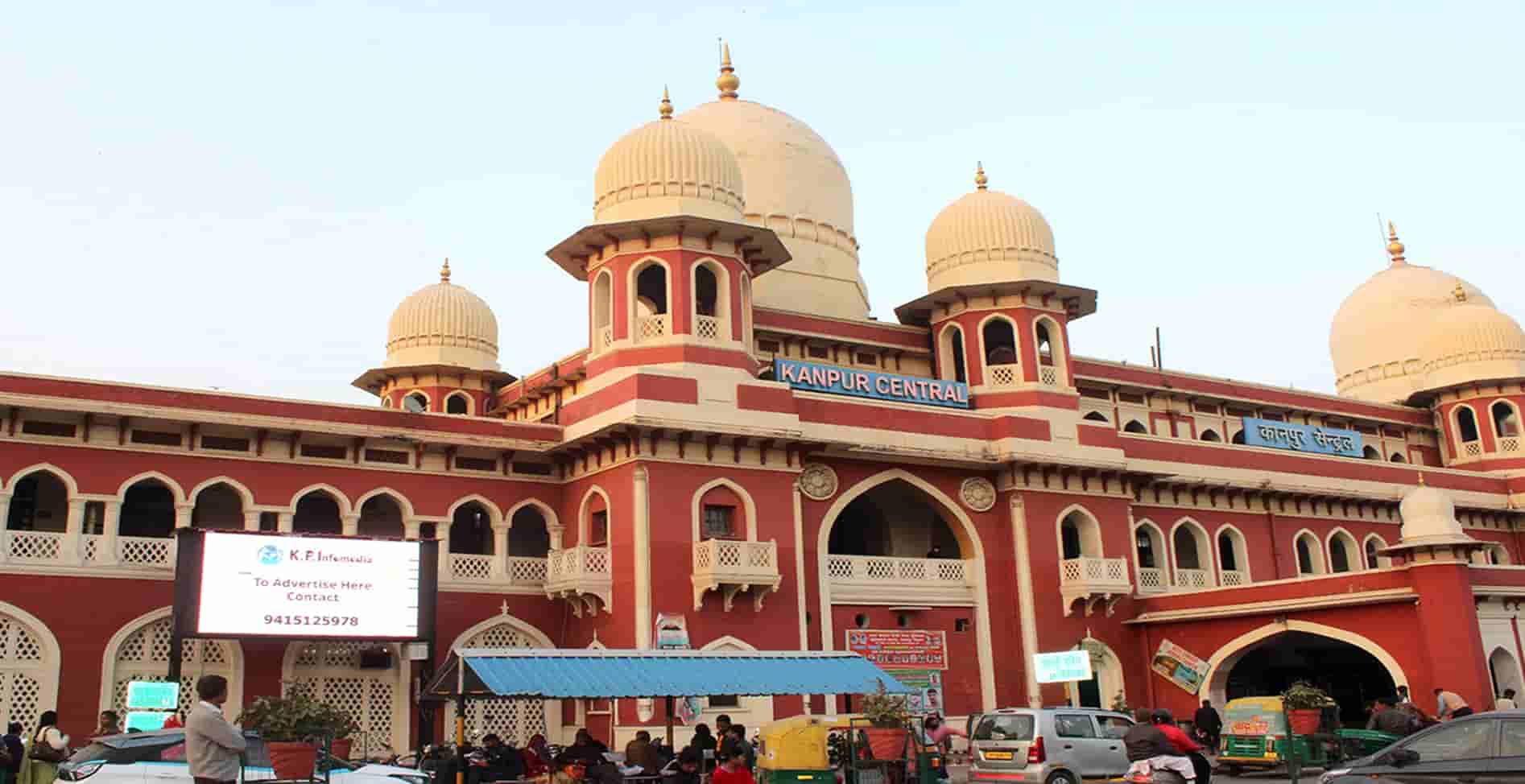
Kanpur Central Railway Station
One of the busiest railway stations in North India.
Ganga Riverfront
Scenic area along the banks of the holy Ganges River.
🏘️ Neighborhoods
Civil Lines
The historic administrative and residential heart of Kanpur, featuring wide streets, colonial architecture, major parks like Phool Bagh, and many government offices.
Naveen Market
The bustling commercial and shopping epicenter of the city, packed with shops, street food vendors, and constant activity. A sensory overload in the best way.
Kakadeo
A predominantly residential and commercial area known for its markets, eateries, and proximity to the Kanpur Central railway station. Lively and well-connected.
Panki & Jajmau
Industrial zones housing the city's famous leather tanneries and factories. Not typical tourist areas but of interest for industry visits and wholesale leather shopping.
Shyam Nagar
A calm, upscale residential neighborhood with wider streets, modern apartments, and some good restaurants. Offers a quieter alternative to the city center.
Arya Nagar
A central, densely populated area with a mix of residential buildings, colleges, and local markets. Very vibrant and full of local character.
🍽️ Local Cuisine
Kanpur's food scene is a hearty reflection of North Indian culinary traditions, with a particular love for rich, spicy, and flavorful dishes. Must-try street food includes the iconic 'Kanpurwala Chaat'—a tangy, spicy mix of potatoes, chickpeas, and chutneys—and 'Thaggu ke Laddu', a famous sweet from a local chain. For a more substantial meal, savor Mughlai delights like biryani and kebabs, especially the melt-in-your-mouth Kakori Kebabs which originated in the nearby town. Vegetarians will relish dishes like 'Aloo Tikki' and 'Chole Bhature'. Popular food areas are the bustling lanes of Naveen Market, Birhana Road, and Mall Road. Dining culture ranges from humble street stalls to upscale restaurants in hotels. Meals can be incredibly affordable: street food costs ₹50-150, a casual restaurant meal ₹200-500 per person, and fine dining upwards of ₹800. Etiquette is generally informal; eating with your right hand is common, though cutlery is always available.
💡 Local Tips
🚗 Day Trip Ideas
Bithoor
A historic and religious town on the Ganges, associated with the 1857 rebellion and Hindu mythology. Visit the Brahmavart Ghat and the memorials.
Allahabad (Prayagraj)
The spiritual confluence of the Ganges, Yamuna, and mythical Saraswati rivers. Visit Triveni Sangam, Allahabad Fort, and Anand Bhavan.
Lucknow
The elegant capital of Uttar Pradesh, famous for its Nawabi culture, exquisite cuisine, Mughal architecture, and Chikankari embroidery.
Kalpi
An ancient town on the Yamuna river, known for its historical significance and as a major center for handmade paper production.
Sanjay Van (Kanpur)
Not a distant trip, but a vast forest area within the city limits, perfect for a nature escape, bird watching, and picnics.
🛡️ Safety Tips
Kanpur is generally safe for travelers who exercise common sense. Petty theft like pickpocketing can occur in crowded markets and transit hubs, so keep valuables secure and be mindful of bags. Be cautious of overcharging by non-metered auto-rickshaw drivers; insist on using the meter or agree on a fare upfront. Avoid isolated areas, especially after dark. Traffic is chaotic, so exercise extreme caution when crossing streets. Drink only bottled or purified water and eat at busy, reputable establishments to avoid stomach issues. Emergency numbers: Police (100), Fire (101), Ambulance (102 or 108). It's advisable to have travel insurance. As in many Indian cities, solo female travelers may experience unwanted attention; dressing modestly and using reputable ride-sharing services at night is recommended.
💰 Budget Guide
Kanpur is a very affordable destination by international standards. A budget traveler can manage on $25-35 per day, staying in basic guesthouses or budget hotels ($15-25/night), eating at local dhabas and street stalls ($5-10/day), and using auto-rickshaws ($3-5/day). A mid-range traveler should budget $50-80 per day, covering a comfortable 3-star hotel (around the $90 average), meals at decent restaurants ($15-25/day), occasional taxis, and entry fees to attractions. Luxury travel starts at $120+ per day for upscale hotels, fine dining, and private car hires. Money-saving tips: Use ride-sharing apps for transparent pricing, eat local street food (which is delicious and safe if chosen wisely), visit free attractions like the ghats and parks, and bargain politely in markets. Many museums and historical sites have minimal entry fees.