Welcome to Jalandhar
Jalandhar, a vibrant city in the heart of Punjab, India, pulses with an energy that is both ancient and modern. Located in the fertile Doaba region between the Beas and Sutlej rivers, it's a city where the echoes of history meet the rhythms of contemporary life. Known as a major hub for sports equipment manufacturing and a center of Punjabi culture, Jalandhar offers a compelling mix of spiritual sites, bustling markets, and family-friendly attractions. Its significance extends beyond its borders, with a large diaspora that keeps its global connections strong. For the traveler, this translates to a welcoming atmosphere and a city eager to share its stories. With a robust infrastructure catering to visitors, including a selection of 104 hotels ranging from budget stays to comfortable mid-range options, finding a base to explore this dynamic city is straightforward. Whether you're drawn to the serene Devi Talab Mandir, the educational wonders of Science City, or the nostalgic charm of Rangla Punjab Haveli, Jalandhar promises an authentic slice of Punjabi life.
Overview
Jalandhar's history stretches back millennia, mentioned in ancient texts and serving as a significant center during the Indus Valley Civilization and later under various empires. Today, it is the third-largest city in Punjab and a major industrial and educational hub. The city is globally famous as a leading producer of sports goods, particularly hockey sticks, footballs, and cricket gear, earning it the nickname 'Sports Capital of India.' Culturally, it is a bastion of Punjabi arts, music, and Bhangra. The city is not strictly divided into tourist districts but is a sprawling urban center with key areas of interest. The central areas around Company Bagh and the Civil Lines are administrative and commercial hubs, while the older parts of the city near Devi Talab Mandir offer a more traditional feel. Jalandhar is also a major pilgrimage site for Hindus and Sikhs, housing important religious centers. Its character is defined by its hardworking spirit, deep-rooted traditions, and a love for hearty food, lively music, and sports.
🗓️ Best Time to Visit
The best time to visit Jalandhar is during the cooler, drier months from October to March. This period offers pleasant daytime temperatures and cool evenings, ideal for sightseeing and exploring the city's outdoor attractions like Company Bagh. Peak season coincides with major festivals: Diwali (October/November) illuminates the city, and Lohri (January) brings bonfires and celebrations. The winter months also host various cultural fairs. The summer, from April to June, is intensely hot and dry, with temperatures often soaring above 40°C (104°F), making outdoor activities challenging. The monsoon season arrives in July and lasts through September, bringing moderate to heavy rainfall and high humidity, which can disrupt travel plans. This is considered the off-peak season, though the landscape turns lush and green. For a balance of good weather and vibrant local life, plan your visit for the post-monsoon autumn or the crisp winter season.
🌤️ Weather & Climate
Jalandhar experiences a humid subtropical climate with four distinct seasons: a cool winter, a hot summer, a monsoon season, and a short autumn. Summers are scorching, monsoons are humid with moderate rain, and winters are pleasantly cool and dry.
Seasons
Winter
💨 Humidity: low
Pleasant and dry days with cool to chilly nights. Perfect for outdoor exploration and sightseeing.
Summer
💨 Humidity: moderate
Extremely hot and dry. Harsh sun makes afternoon outdoor activities difficult.
Monsoon
💨 Humidity: high
Hot and very humid with frequent, sometimes heavy, rainfall. Can be disruptive for travel.
Autumn
💨 Humidity: moderate
A brief transitional period with receding heat and humidity. Very comfortable.
Monthly Weather Details
January Weather
Best for: sightseeing, cultural visits
February Weather
Best for: sightseeing, outdoor activities
March Weather
Best for: sightseeing
April Weather
Best for: indoor activities, early morning outings
May Weather
Best for: indoor activities
June Weather
Best for: indoor activities
July Weather
Best for: indoor attractions, monsoon experience
August Weather
Best for: indoor attractions
September Weather
Best for: indoor attractions
October Weather
Best for: sightseeing, festivals
November Weather
Best for: sightseeing, outdoor activities
December Weather
Best for: sightseeing, cultural visits
🎒 What to Pack
All Year Round
- Sunscreen
- Sunglasses
- Comfortable walking shoes
- Power adapter
🚗 Getting Around
Navigating Jalandhar is an adventure in itself. Auto-rickshaws are the most common and affordable mode of transport for short distances; always agree on a fare before starting your journey. For more comfort, app-based ride-sharing services like Ola and Uber are widely available and offer predictable pricing. Local buses connect major points within the city and to nearby towns, but they can be crowded. Taxis can be hired for full-day or half-day tours through hotels or local operators. While the city center is somewhat walkable, the heat and traffic can be deterrents; walking is best enjoyed in parks like Company Bagh. For airport transfers, Sri Guru Ram Dass Jee International Airport in Amritsar is about 80 km away, with pre-paid taxis and private car services available. The local railway station is well-connected, and getting to/from it via auto-rickshaw or taxi is easy. Overall, costs are low: auto-rickshaw rides start at around ₹50 for short trips, while a day's car hire may cost ₹2000-3000.
🎯 Top Attractions
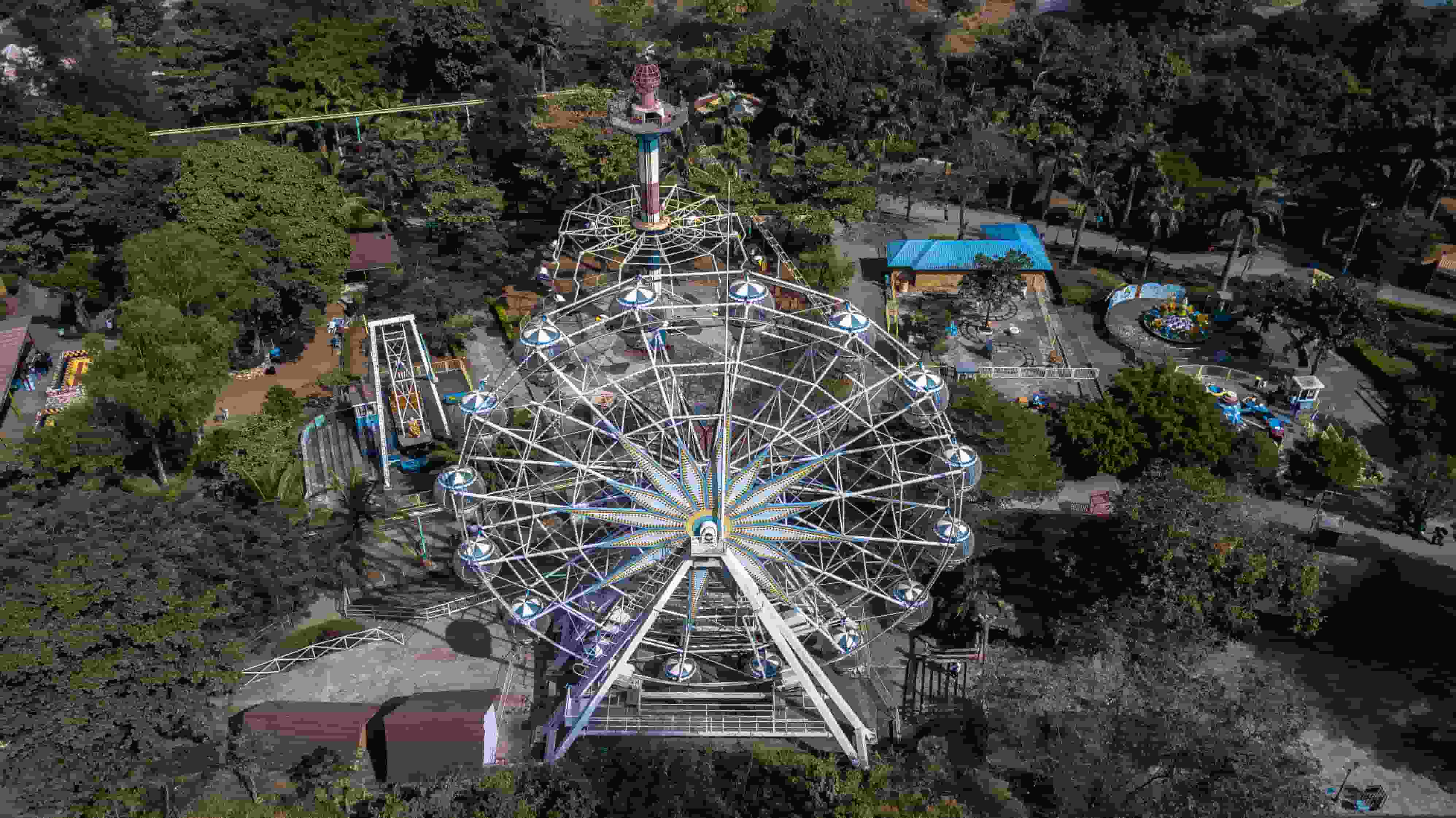
Wonderland Theme Park
An amusement park featuring rides, water slides, and entertainment for all ages.
Devi Talab Mandir
A historic Hindu temple dedicated to Goddess Durga, featuring a large sacred pond.
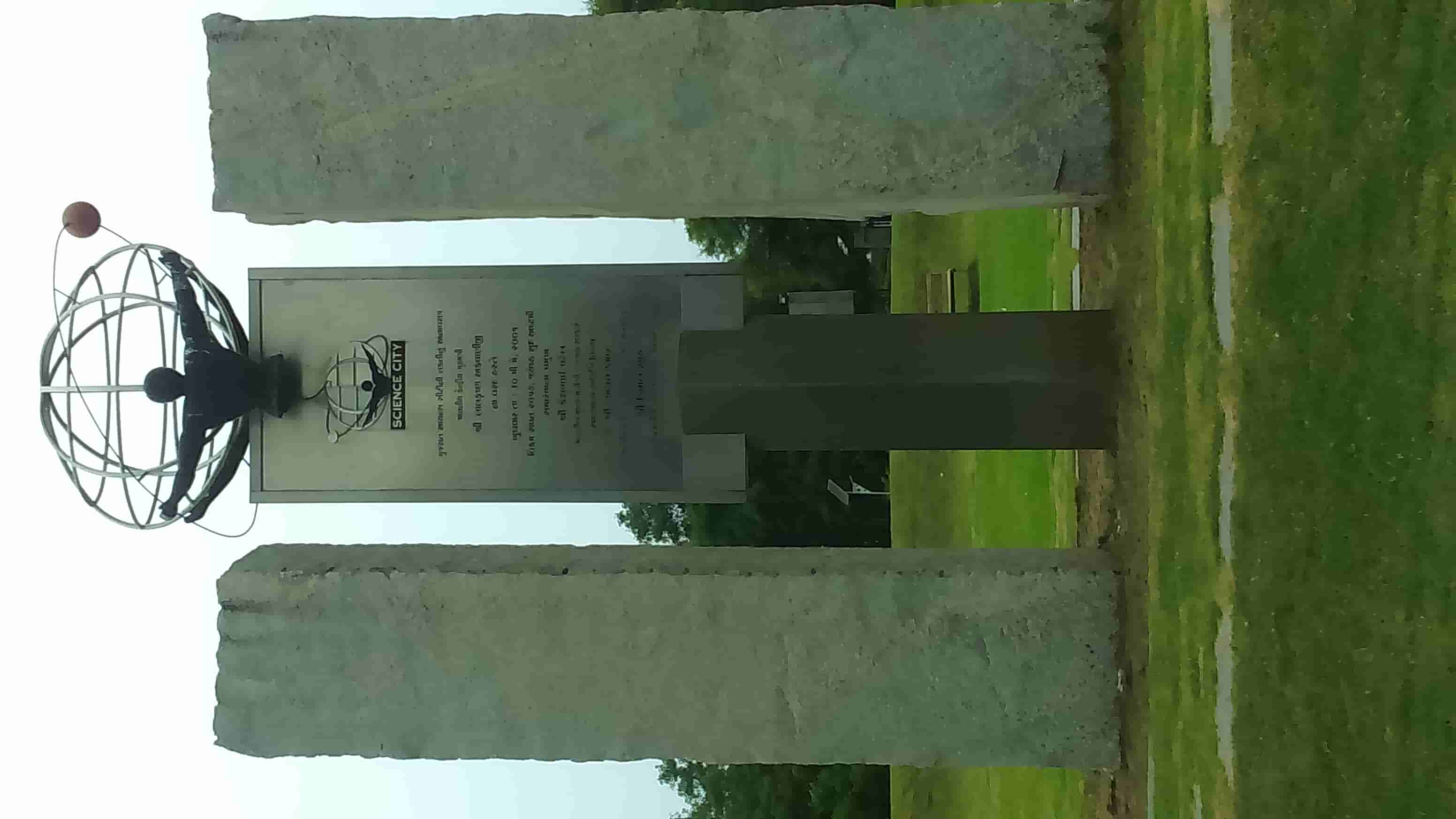
Science City
An interactive science museum with exhibits and educational activities.
Rangla Punjab Haveli
A cultural village showcasing Punjabi heritage, crafts, food, and performances.
Company Bagh
Public garden with fountains, walking paths, and historical monuments.
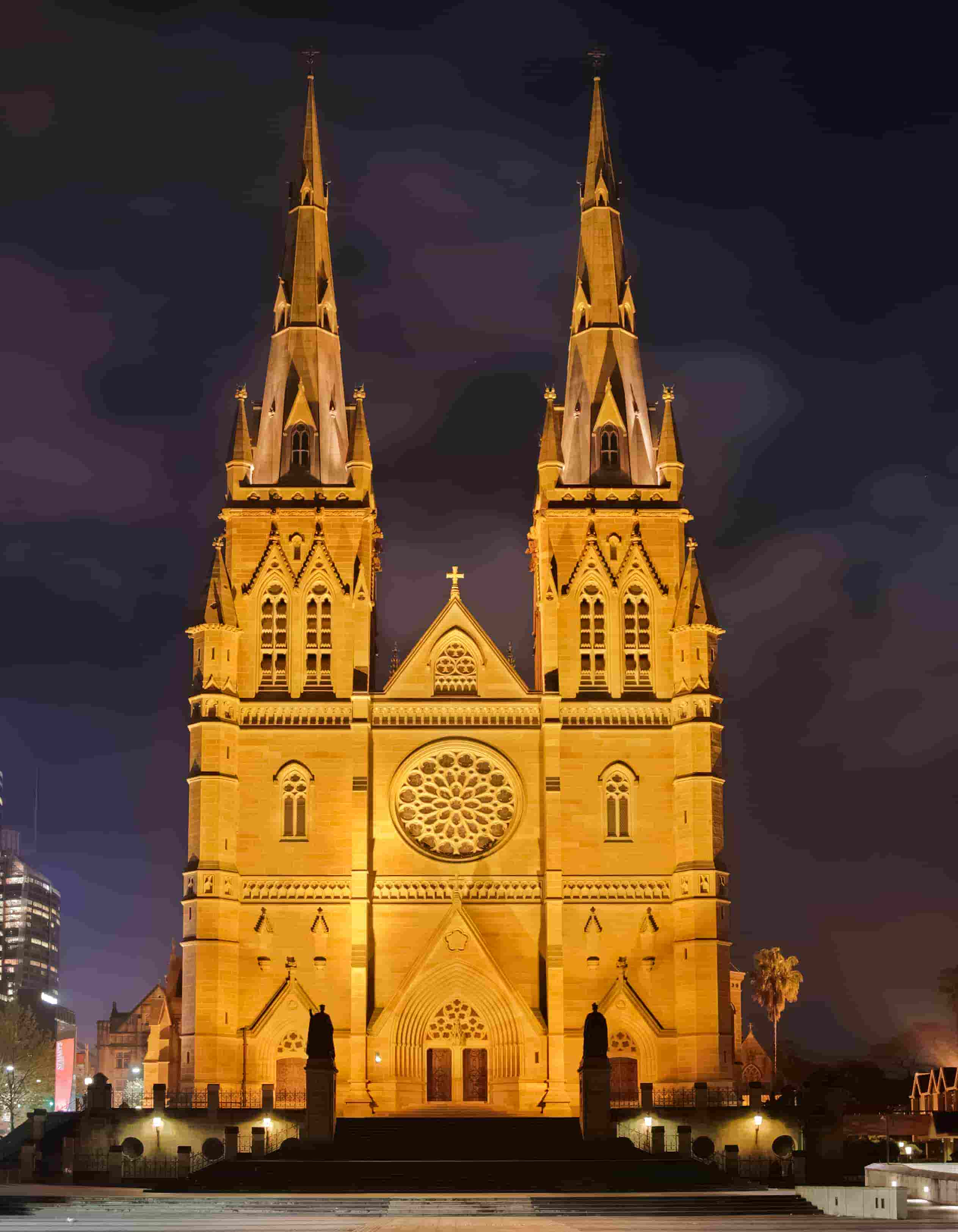
St. Mary's Cathedral
A historic cathedral known for its Gothic architecture.
Jalandhar Sports Complex
Modern sports facility hosting various athletic events and activities.
Jalandhar Sports Stadium
Venue for local sports and events
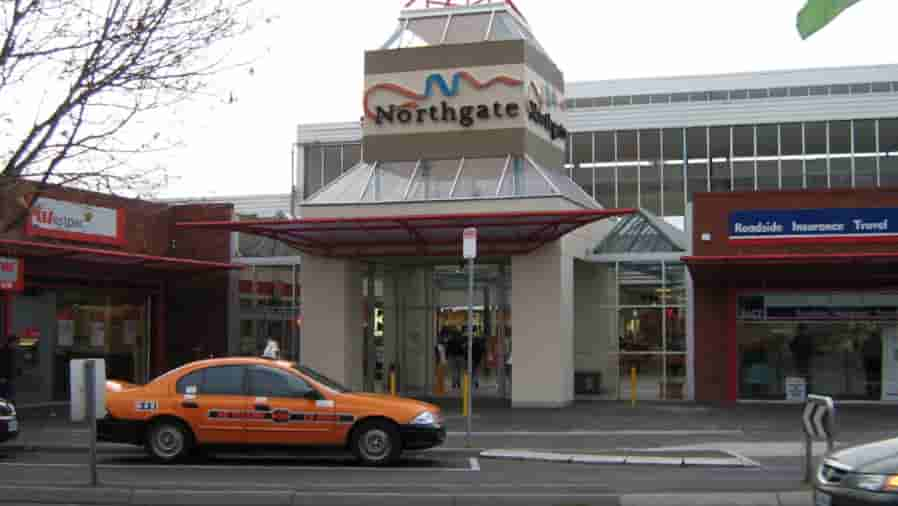
Local Shopping Malls
Modern malls offering variety of brands and dining
Jalandhar City Center
Urban core with markets, temples, and cultural sites.
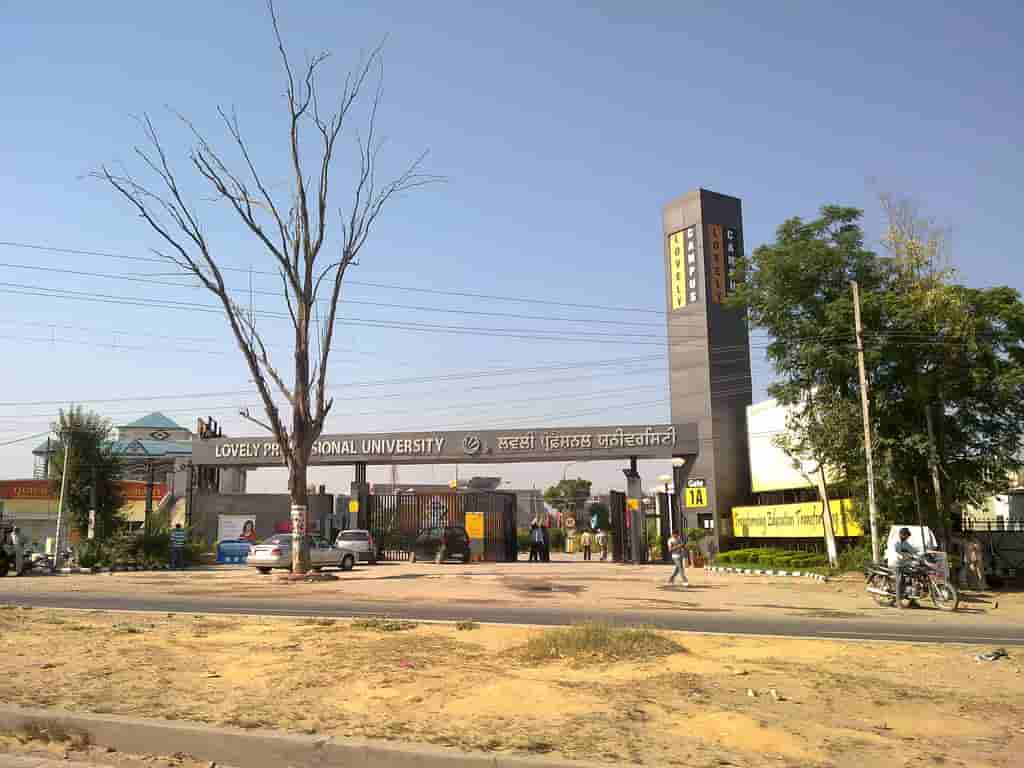
Lovely Professional University
Large private university with modern infrastructure and events.
Jalandhar Railway Station
Key railway station with connections across North India.
🏘️ Neighborhoods
Model Town
A well-planned, upscale residential and commercial area with wide streets, popular restaurants, cafes, and shopping complexes.
Civil Lines
The administrative and historic heart of the city, housing government buildings, Company Bagh, and colonial-era architecture.
Lajpat Nagar / Patel Chowk
A bustling commercial hub with dense markets, street food stalls, and a vibrant, chaotic local atmosphere.
G.T. Road Area
Located along the historic Grand Trunk Road, this is a major thoroughfare lined with shops, dhabas, hotels, and constant activity.
Near Devi Talab Mandir
The area surrounding the famous temple is a maze of old markets selling religious items, traditional clothing, and sweets.
Curo High Street / MBD Neopolis
Modern developments featuring multiplex cinemas, branded retail outlets, food courts, and entertainment zones.
🍽️ Local Cuisine
Jalandhar is a paradise for food lovers, offering an unabashedly rich and flavorful Punjabi cuisine. Signature dishes you must try include the iconic Butter Chicken, creamy Dal Makhani, and a variety of tandoori delights like Amritsari Fish and Tandoori Chicken. For breakfast, indulge in stuffed parathas with white butter and a glass of lassi. Street food is exceptional: seek out Chole Bhature, spicy Golgappas, and sweet Jalebis. The dining culture is hearty and communal, with many restaurants offering traditional floor seating (dastarkhwan). Popular food areas include the bustling markets around Model Town and the G.T. Road, where both humble dhabas (roadside eateries) and upscale restaurants thrive. A typical meal at a local dhaba can cost as little as ₹200-300 per person, while a multi-course feast at a fine-dining establishment may range from ₹800-1500. Etiquette is generally relaxed; eating with your right hand is common, and it's polite to try a bit of everything offered.
💡 Local Tips
🚗 Day Trip Ideas
Amritsar
Visit the iconic Golden Temple (Harmandir Sahib) and witness the powerful Wagah Border ceremony.
Kapurthala
Explore the 'Paris of Punjab,' known for its unique Indo-French architecture, including the Jagatjit Palace.
Phagwara
A nearby city offering a glimpse into industrial Punjab and access to smaller, local religious sites.
Nawanshahr (Shaheed Bhagat Singh Nagar)
A quieter town with historical significance and a memorial dedicated to the freedom fighter Bhagat Singh.
Hoshiarpur
Known for its wooden handicrafts, timber industry, and scenic surroundings at the foothills of the Shivaliks.
🛡️ Safety Tips
Jalandhar is generally a safe city for travelers, with friendly locals. However, standard precautions apply. Be cautious of petty theft in crowded markets and on public transport; keep valuables secure and be aware of your surroundings. Traffic can be chaotic, so exercise extreme caution when crossing streets. Common scams are rare but can include inflated prices from auto-rickshaw drivers or street vendors, so always negotiate fares and prices upfront. It's advisable to avoid isolated areas late at night. For emergencies, dial 100 for police, 102 for ambulance, and 101 for fire. Health-wise, drink only bottled or purified water, and be cautious with street food; choose vendors with high turnover. Ensure your routine vaccinations are up to date. The sun can be intense, so stay hydrated and use sun protection.
💰 Budget Guide
Jalandhar can cater to a range of budgets. A budget traveler can manage on ₹1500-2500 per day, covering a basic hotel (₹800-1200), street food and local meals (₹300-500), auto-rickshaw transport (₹200), and free/low-cost attractions like temples and parks. A mid-range traveler should budget ₹3500-6000 daily for a comfortable 3-star hotel (₹2000-3500), meals at decent restaurants (₹800-1200), taxi/ride-share rides (₹500), and paid entry to attractions like Science City. Luxury travelers can expect to spend ₹8000+ per day for upscale hotels, fine dining, private car hire, and shopping. Money-saving tips include using ride-sharing apps for fixed fares, eating at popular local dhabas, visiting public parks and temples, and shopping in local markets instead of malls. Many of the city's cultural experiences, like visiting Devi Talab Mandir, are free.