Welcome to Hyderabad
Hyderabad, the capital of Andhra Pradesh, is a city where history and modernity perform a captivating dance. Known as the 'City of Pearls' and the 'City of Nizams', this sprawling metropolis in southern India is a treasure trove of regal palaces, ancient forts, and cutting-edge technology parks. Its unique character is forged from centuries of Qutb Shahi and Asaf Jahi rule, leaving behind a legacy of magnificent Islamic architecture and a rich, layered culture. Today, it's a global IT hub, yet its soul resides in the bustling lanes around the iconic Charminar. With a staggering 846 hotels ranging from heritage havelis to sleek business towers, finding a comfortable base is effortless, whether you seek the romance of the old city or the pulse of the new. Hyderabad is a sensory feast, from the aroma of biryani and Irani chai to the glitter of bazaars and the serene expanse of Hussain Sagar Lake, promising an unforgettable journey through time.
Overview
Hyderabad's story began in 1591 with the founding of the city by Muhammad Quli Qub Shah. It flourished as the capital of the Golconda Sultanate, famed for its diamond mines, and later as the seat of the wealthy Nizams of Hyderabad, the world's richest men. This history is etched into its landscape: the formidable Golconda Fort, the graceful Charminar, and the opulent Chowmahalla Palace. The city is famous for its distinct Deccani culture, a beautiful synthesis of Persian, Mughal, and Telugu influences. Geographically, it's divided into the historic Old City, centered around Charminar with its labyrinthine markets and mosques, and the modern New City, encompassing areas like Banjara Hills, Jubilee Hills, and the tech corridor of HITEC City. Hyderabad is globally renowned for its Hyderabadi Biryani, its thriving pearl and diamond trade, and as a pharmaceutical and information technology powerhouse, earning it the nickname 'Cyberabad'.
🗓️ Best Time to Visit
The best time to visit Hyderabad is during the winter months, from October to March. This period offers pleasant and dry weather, with daytime temperatures ranging from 20°C to 30°C (68°F to 86°F), ideal for extensive sightseeing and exploring outdoor attractions like Golconda Fort and the Qutb Shahi Tombs. This is the peak tourist season, so expect higher hotel rates and crowds. The summer, from April to June, is intensely hot and dry, with temperatures often soaring above 40°C (104°F), making outdoor activities challenging. The monsoon arrives in July and lasts through September, bringing moderate to heavy rainfall and high humidity, which can disrupt travel plans but beautifully greens the city. Major events include the vibrant Bonalu festival (monsoon), the grand Ganesh Chaturthi (Aug/Sep), and the Hyderabad Literary Festival in January. For a balance of good weather and fewer crowds, consider the shoulder months of October or March.
🌤️ Weather & Climate
Hyderabad has a tropical wet and dry climate, featuring a hot summer, a monsoon season with substantial rainfall, and a mild, pleasant winter. Humidity can be high, especially during and after the rains.
Seasons
Winter
💨 Humidity: moderate
Pleasant and dry, with cool mornings and evenings. Ideal for all outdoor sightseeing and activities.
Summer
💨 Humidity: moderate to high
Extremely hot and dry, with intense sun. Sightseeing is best done in early morning or late afternoon.
Monsoon
💨 Humidity: high
Hot and humid with frequent, sometimes heavy, rainfall. Can cause travel disruptions but brings lush greenery.
Monthly Weather Details
January Weather
Best for: sightseeing, outdoor activities
February Weather
Best for: sightseeing, outdoor activities
March Weather
Best for: sightseeing (morning/evening)
April Weather
Best for: indoor activities, early tours
May Weather
Best for: indoor activities, early tours
June Weather
Best for: indoor activities
July Weather
Best for: indoor museums, cultural sites
August Weather
Best for: indoor museums, cultural sites
September Weather
Best for: indoor museums, cultural sites
October Weather
Best for: sightseeing as rains recede
November Weather
Best for: sightseeing, outdoor activities
December Weather
Best for: sightseeing, outdoor activities
🎒 What to Pack
All Year Round
- sunscreen
- sunglasses
- comfortable walking shoes
- reusable water bottle
🚗 Getting Around
Navigating Hyderabad is relatively straightforward with a mix of options. The Hyderabad Metro Rail is efficient, affordable, and connects key areas like Ameerpet, HITEC City, and the Old City. Auto-rickshaws are ubiquitous; always insist on using the meter or agree on a fare beforehand. App-based ride-hailing services like Ola and Uber are widely used, reliable, and offer car, auto, and bike options. For shorter distances in crowded areas like the Old City, walking is necessary, though sidewalks can be inconsistent. Biking is not commonly recommended for tourists due to traffic. Traditional yellow-top taxis are available but less common than app cabs. From Rajiv Gandhi International Airport (HYD), pre-paid taxis and app cabs are the most convenient transfers, taking 45-90 minutes to the city center. Public buses run by TSRTC are extensive but can be crowded. Costs: Metro fares start at ₹10, auto-rickshaws ₹30 for short hops, and airport transfers range from ₹500-1500 by cab.
🎯 Top Attractions
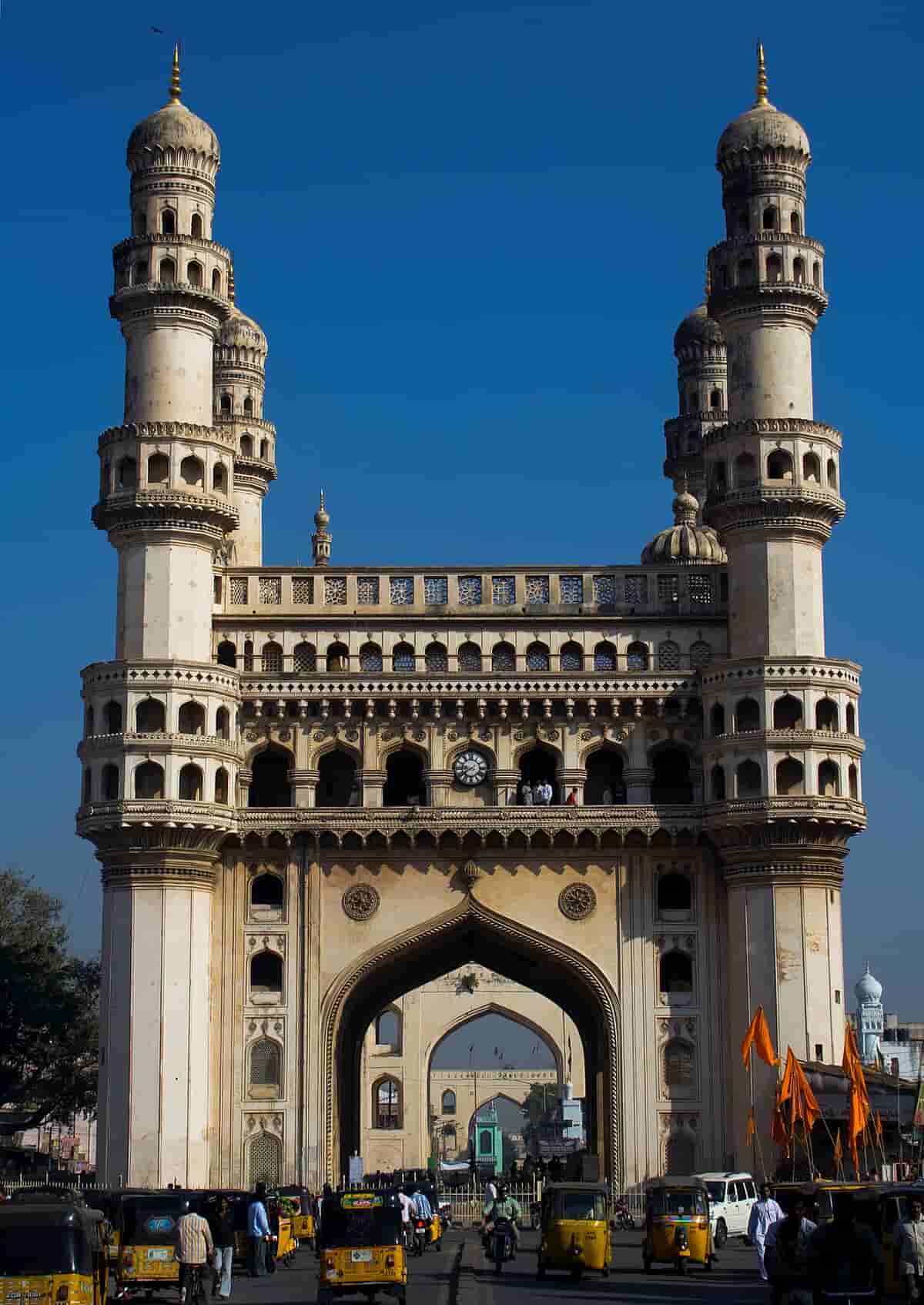
Charminar
A historic mosque with grand architecture and a bustling market, offering a glimpse into Hyderabad's rich cultural heritage.
Golconda Fort
A majestic historic fort offering panoramic views of the city, perfect for history buffs and photographers.
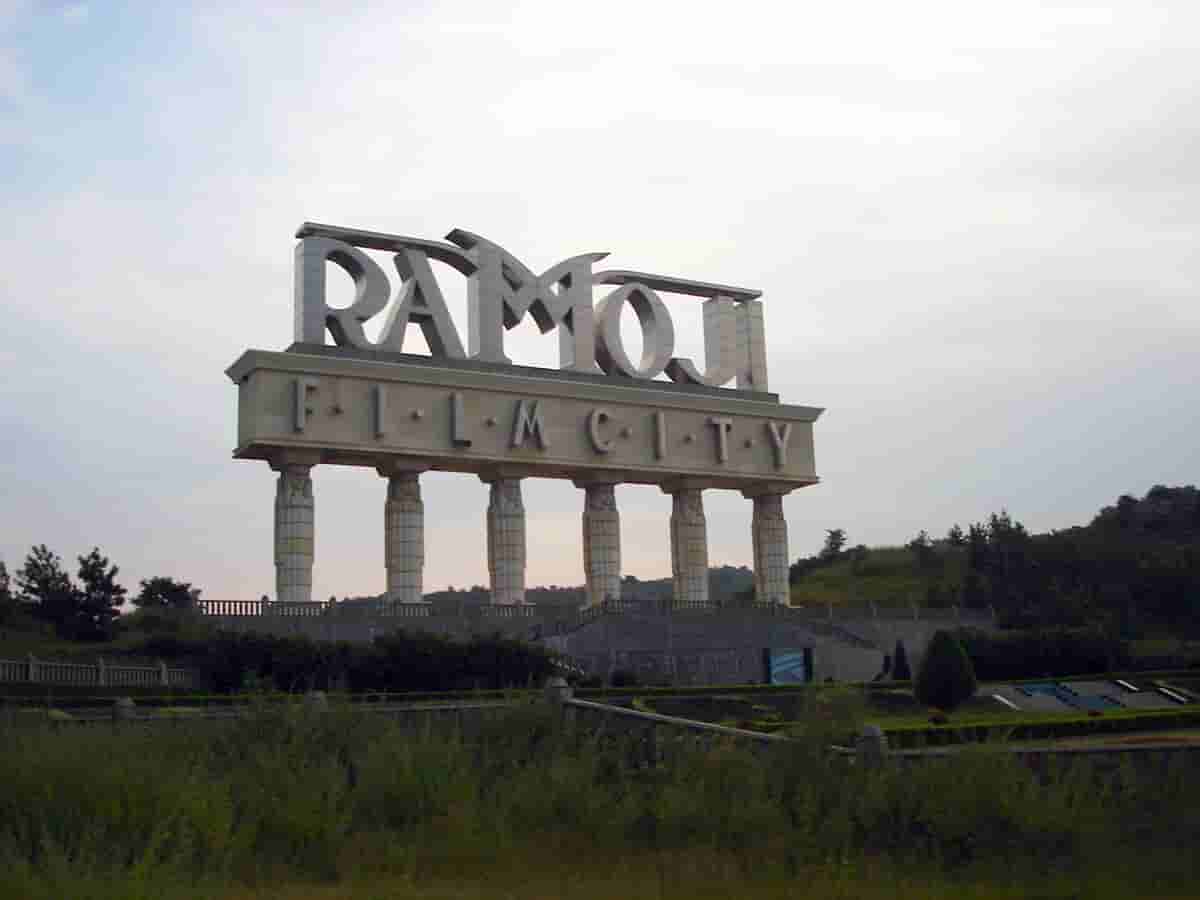
Ramoji Film City
A massive film studio complex that offers a fun-filled day with film sets, amusement parks, and live shows.
Hussain Sagar Lake
A beautiful man-made lake perfect for boating and enjoying a peaceful view of the Buddha statue in the middle.
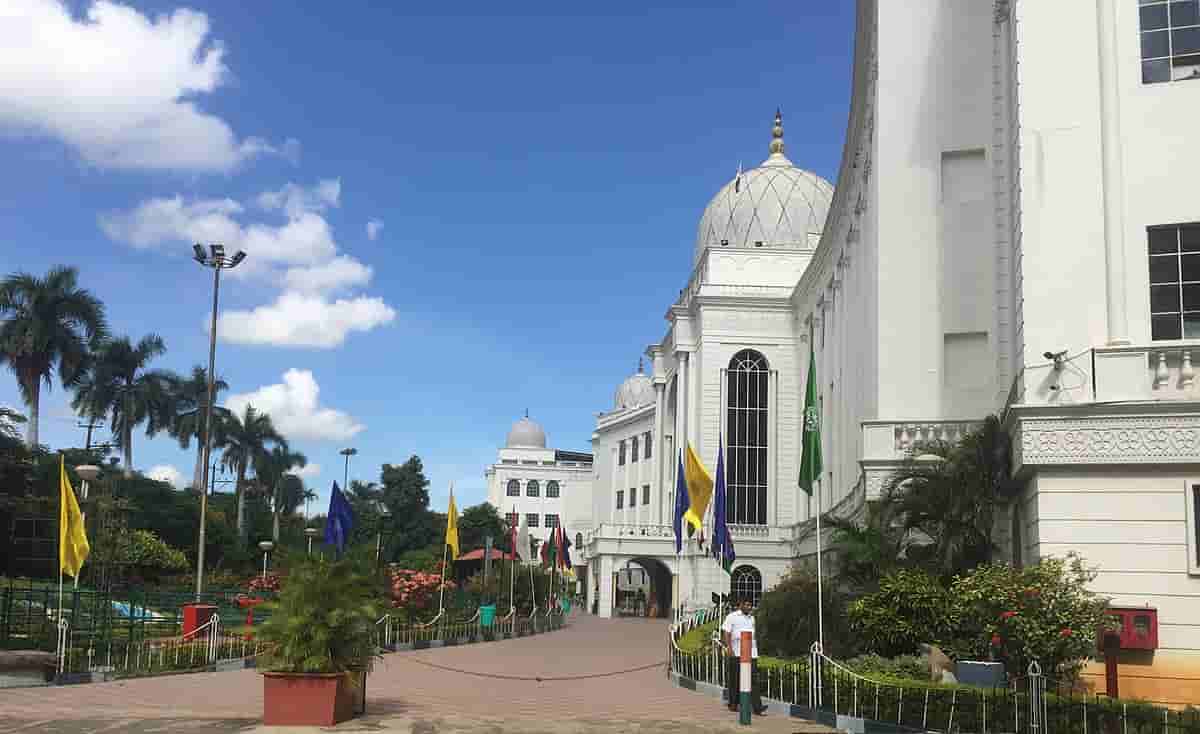
Salar Jung Museum
One of the largest art museums in India, known for its impressive collection of artifacts, sculptures, and paintings.
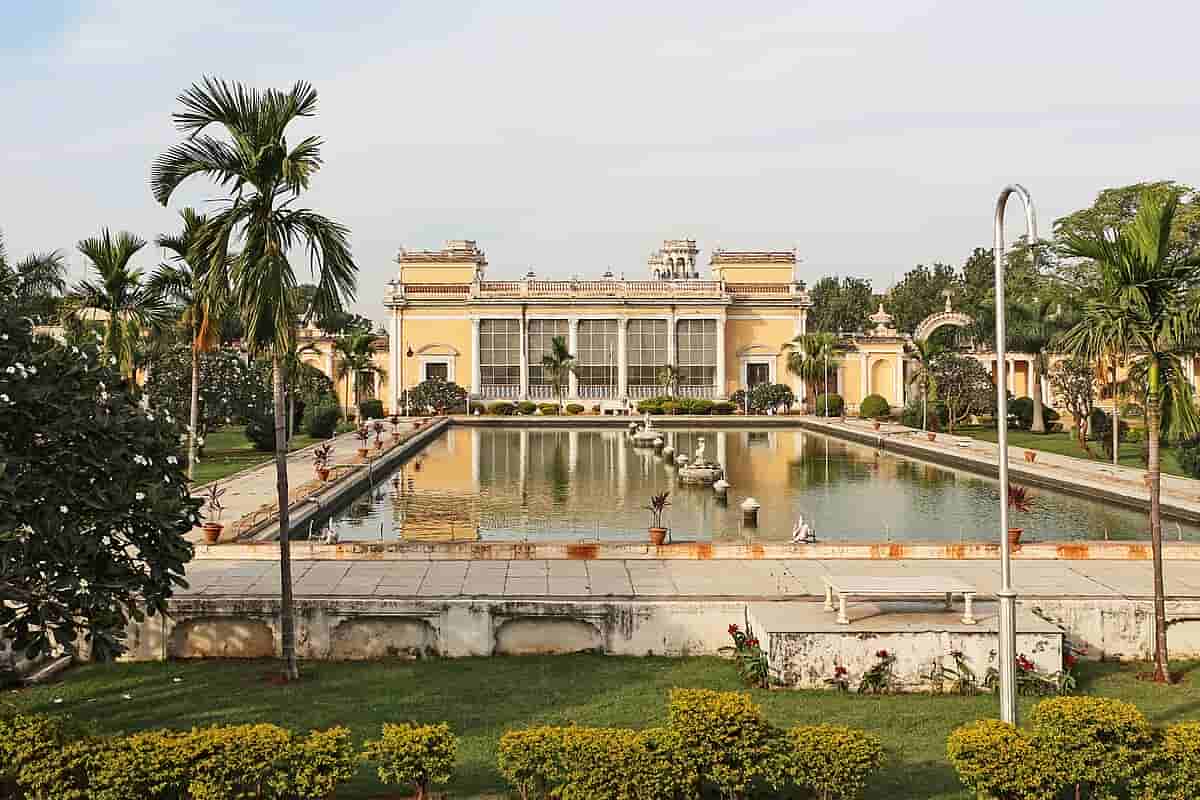
Chowmahalla Palace
The former royal palace of the Nizams, showcasing opulent architecture and history.
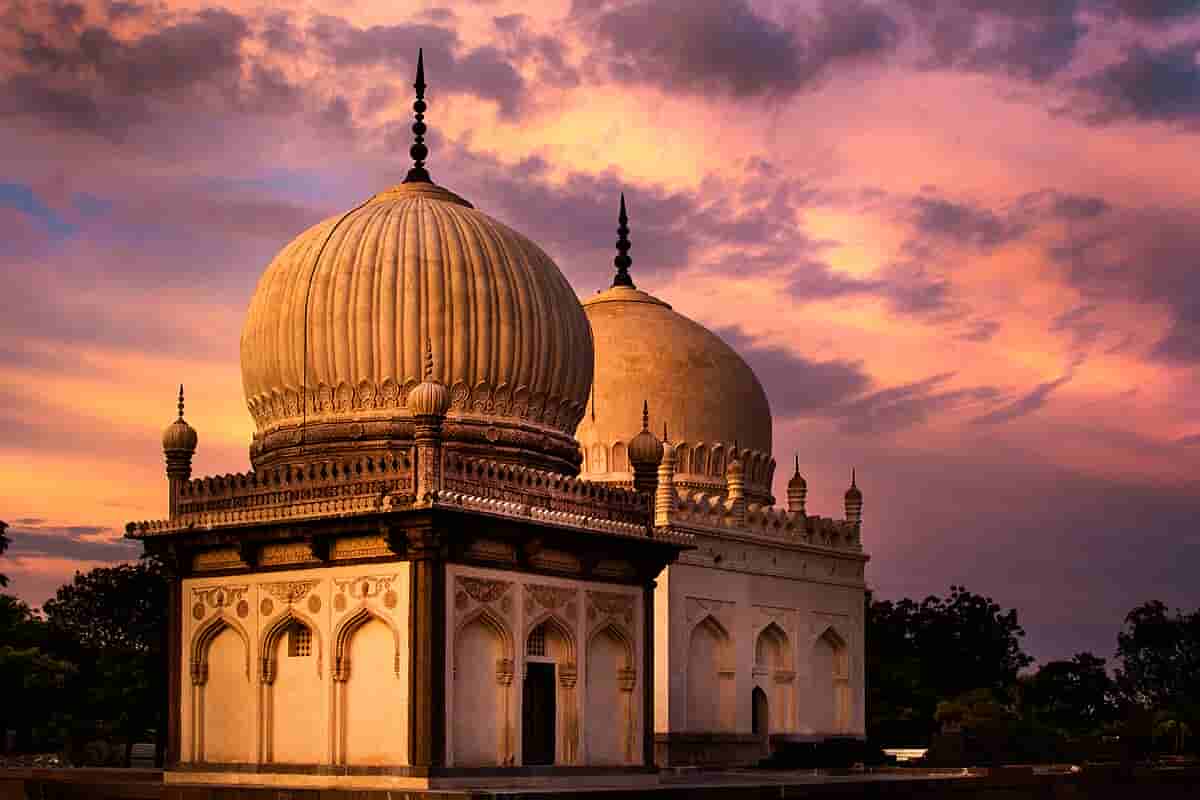
Qutb Shahi Tombs
The tombs of the Qutb Shahi dynasty, showcasing intricate Persian and Mughal architecture amidst peaceful gardens.
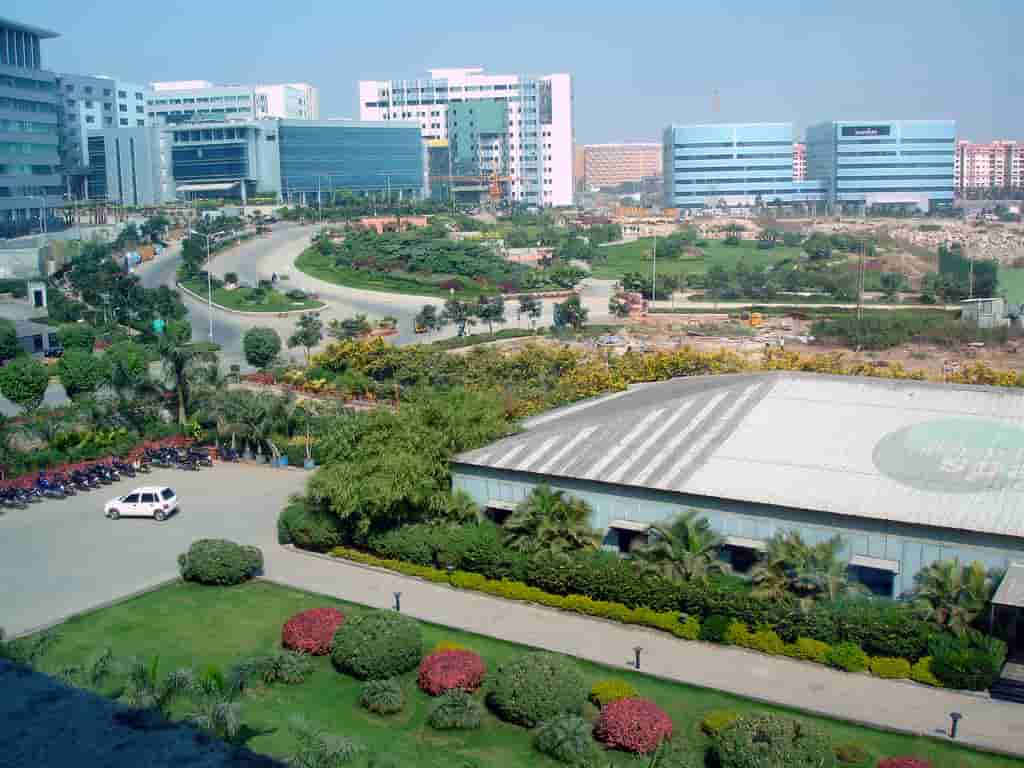
HITEC City
Hyderabad's major information technology and business district, making the hotel incredibly convenient for business travelers.
Mecca Masjid
One of the largest mosques in India, featuring stunning Mughal architecture and serene surroundings.
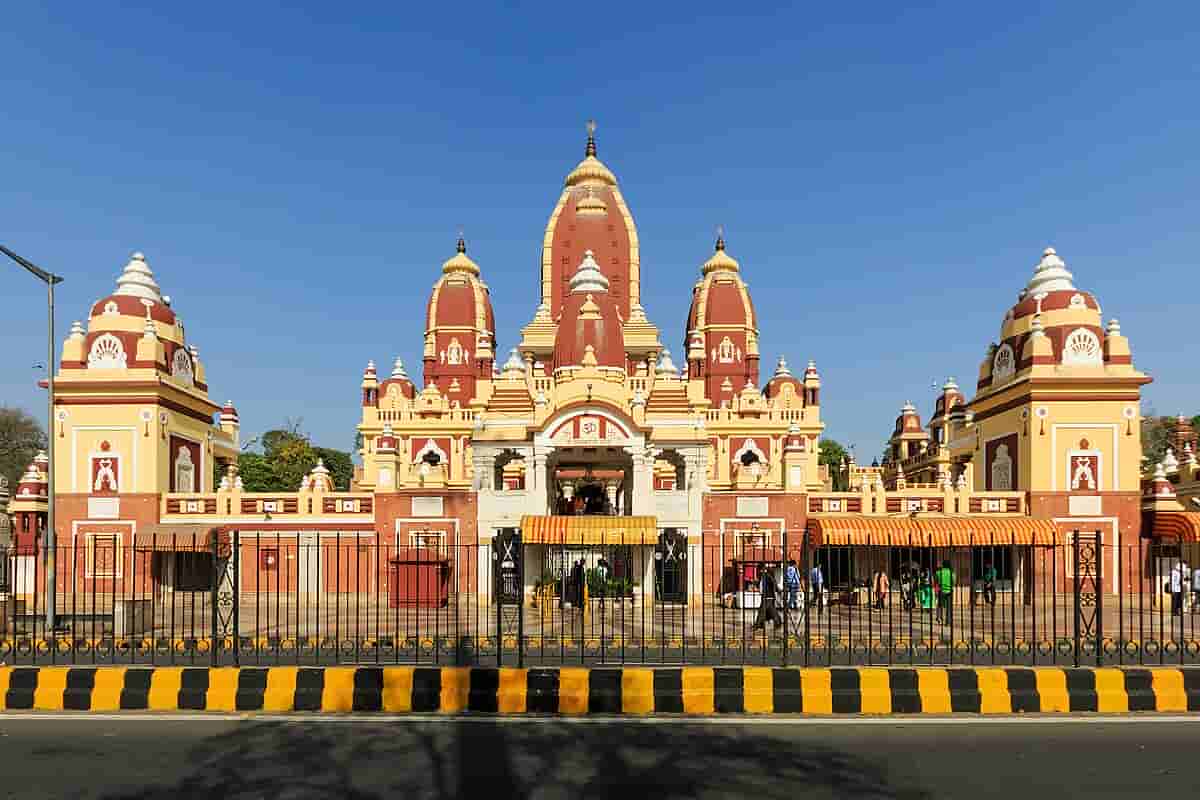
Birla Mandir
A stunning Hindu temple dedicated to Lord Venkateshwara, perched atop a hill with sweeping city views.
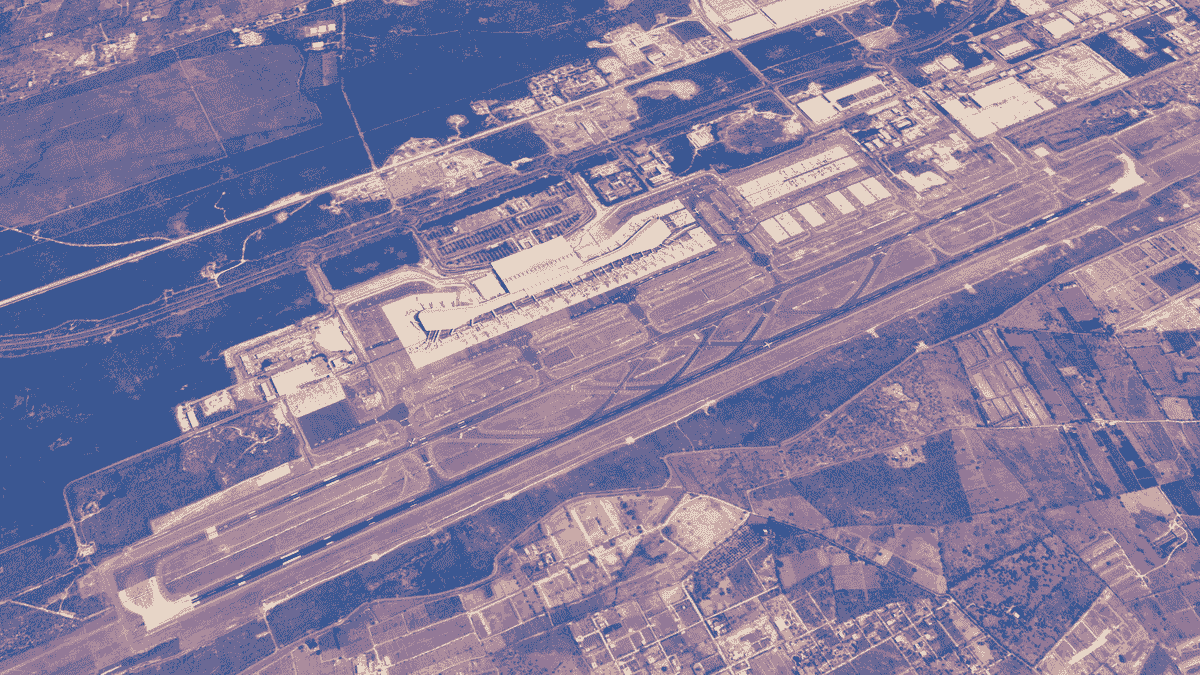
Rajiv Gandhi International Airport
Major international airport serving Hyderabad.
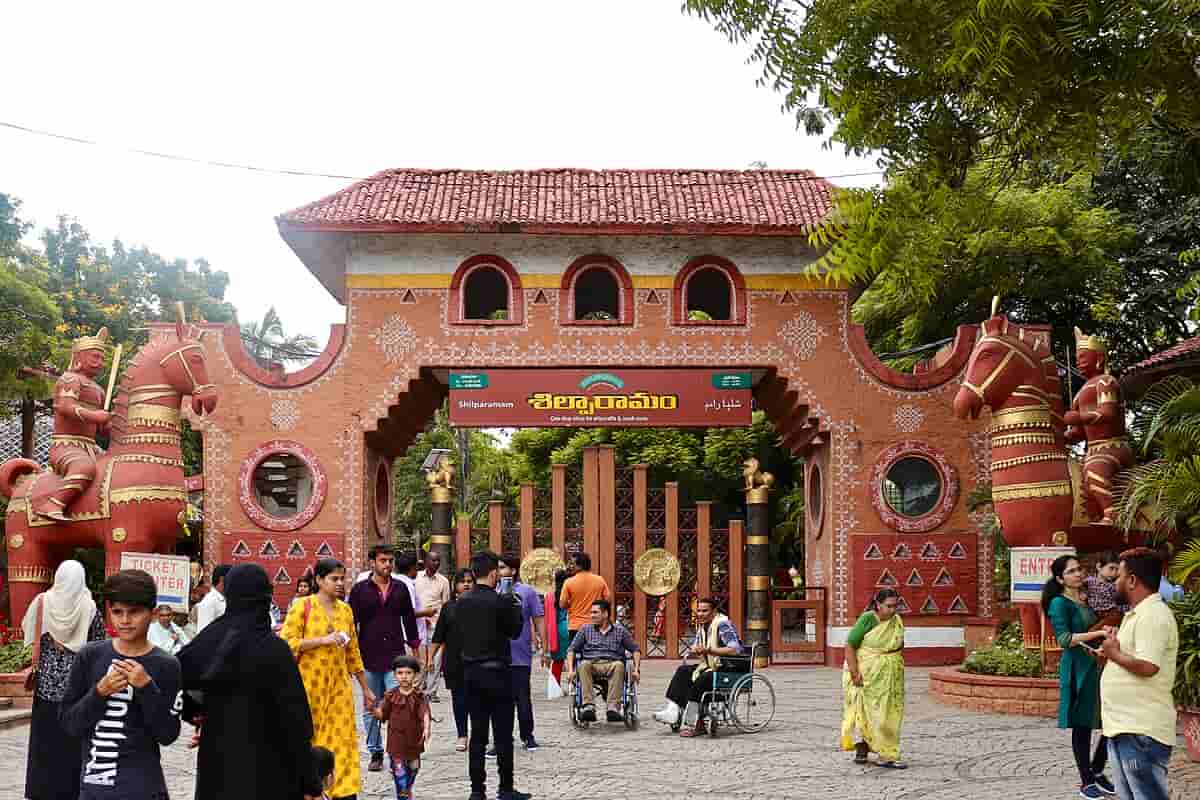
Shilparamam
A traditional arts and crafts village showcasing the diverse cultural heritage of India through live demonstrations, shopping, and festivals.
🏘️ Neighborhoods
Old City (Around Charminar)
The historic heart of Hyderabad, home to the iconic Charminar, Mecca Masjid, and bustling Laad Bazaar. A labyrinth of lanes filled with history, street food, and traditional markets.
Banjara Hills
An affluent residential and commercial area known for its upscale restaurants, luxury boutiques, vibrant nightlife, and serene parks. A hub for fine dining and shopping.
Jubilee Hills
Similar to Banjara Hills, this posh neighborhood is famed for its celebrity homes, high-end clubs, cafes, and the sprawling Film Nagar. The epicenter of Hyderabad's modern social scene.
HITEC City (Cyberabad)
The gleaming technology corridor, home to IT parks, multinational corporations, and modern malls. Offers contemporary hotels and a fast-paced, cosmopolitan atmosphere.
Secunderabad
The twin city to Hyderabad, with a distinct colonial-era charm. Known for its cantonment area, bustling Secunderabad Railway Station, parks, and a mix of old and new markets.
Banjara Hills Road No. 12 & 1
Specific stretches within Banjara Hills that form the core of the city's nightlife and dining scene, packed with the most popular pubs, bars, and restaurants.
Abids & Koti
Major commercial and educational hubs with crowded markets, bookstores, government buildings, and affordable shopping. A busy, central area with a local feel.
🍽️ Local Cuisine
Hyderabadi cuisine is a royal legacy, famous for its bold, aromatic, and spicy flavors. The undisputed king is Hyderabadi Biryani, a fragrant rice dish layered with marinated meat (chicken or mutton) and slow-cooked ('dum'). Must-tries include Haleem (a thick wheat and meat stew, especially during Ramadan), Kebabs like Boti and Shami, and the double-ka-meetha bread pudding. Don't miss the iconic Irani chai with Osmania biscuits at century-old cafes. Dining culture ranges from bustling street food stalls in the Old City to upscale restaurants in Banjara Hills. Popular food areas include the lanes around Charminar for street food, Paradise and Bawarchi for biryani, and the cafes at Basheer Bagh. A hearty meal can cost as little as ₹200 on the street, ₹500-1000 at a mid-range restaurant, and upwards of ₹1500 for fine dining. Etiquette is generally relaxed; eating with your right hand is common, and it's polite to try a bit of everything offered.
💡 Local Tips
🚗 Day Trip Ideas
Ramoji Film City
The world's largest integrated film studio complex. Offers studio tours, live shows, adventure activities, and fantastical sets.
Bhongir Fort
A striking monolithic rock fortress offering a challenging hike and panoramic views of the surrounding countryside from its summit.
Nagargunakonda
An important Buddhist heritage site with an archaeological museum, ancient stupas, and viharas, located on an island in a reservoir.
Warangal
The ancient capital of the Kakatiya dynasty, famous for the Thousand Pillar Temple, Warangal Fort, and Ramappa Temple (a UNESCO site).
Bidar
A historic city in Karnataka known for its magnificent Bidar Fort, exquisite Bidriware craft, and Persian-influenced architecture.
Pochampally
A village renowned for its traditional handloom weaving, producing beautiful Ikat silk and cotton sarees. Visit weavers' cooperatives.
🛡️ Safety Tips
Hyderabad is generally considered a safe city for tourists, with a relatively low crime rate. However, standard precautions apply. Be wary of common scams like inflated prices for auto-rickshaws or souvenirs, especially around major tourist sites like Charminar. Politely but firmly insist on meters or agree on fares upfront. Keep valuables secure and be mindful of pickpockets in crowded markets and on public transport. While most areas are safe, it's advisable to be cautious when walking alone in isolated parts of the Old City after dark. For emergencies, dial 100 for police, 102 for ambulance, and 101 for fire. Health-wise, drink only bottled or purified water, be cautious with street food (choose busy stalls), and consider travel insurance. Traffic is chaotic, so exercise extreme caution when crossing roads.
💰 Budget Guide
Hyderabad offers excellent value, catering to all budgets. A budget traveler can manage on ₹1500-2500 per day, staying in hostels or budget hotels (₹800-1500), eating at local dhabas and street stalls (₹200-500), using public transport and autos (₹200), and visiting free/low-cost attractions. Mid-range travelers should budget ₹4000-7000 daily for comfortable 3-4 star hotels (₹2500-5000), meals at decent restaurants (₹800-1500), occasional cab rides, and paid entry to major sites. Luxury travelers can spend ₹10,000+ per day on 5-star heritage or business hotels, fine dining, private car hires, and exclusive experiences. Money-saving tips: Use the Hyderabad Metro, eat at Irani cafes and local biryani joints, visit free attractions like Hussain Sagar and Birla Mandir, bargain in markets, and consider a combined ticket for Qutb Shahi Tombs and Golconda Fort. Many museums have free entry on certain days.