Welcome to Hampi
Hampi, a UNESCO World Heritage Site nestled in the rocky landscape of Karnataka, India, is not just a city but a sprawling open-air museum. Once the magnificent capital of the Vijayanagara Empire, its ruins tell tales of immense wealth, artistic grandeur, and spiritual devotion that flourished until the 16th century. Today, travelers wander through a surreal boulder-strewn terrain dotted with ancient temples, royal pavilions, and aquatic structures, all set against the serene backdrop of the Tungabhadra River. The experience is one of stepping back in time, where every stone has a story. While the site itself is vast and historical, modern amenities are concentrated in the nearby village of Hampi (Bazaar), which offers a base for exploration with a selection of 8 hotels catering to various preferences, ensuring a comfortable stay amidst the ancient wonders.
Overview
Hampi is the evocative ruins of the Vijayanagara Empire, which from the 14th to 16th centuries was one of the largest and richest cities in the world. Spread over 4,100 hectares, the site comprises over 1,600 surviving remains, including forts, royal complexes, temples, markets, and infrastructure like aqueducts and stables. The city is famous for its spectacular Dravidian temple architecture, intricate stone carvings, and the unique integration of its monuments with the natural boulder landscape. Culturally, it remains a living pilgrimage site, centered on the still-active Virupaksha Temple dedicated to Lord Shiva. The main areas for visitors are the Sacred Centre around the Virupaksha Temple and Hampi Bazaar, and the Royal Centre to the south, which includes the Zenana Enclosure and Lotus Mahal. The atmosphere is a blend of deep spirituality, historical awe, and a laid-back, traveler-friendly vibe.
🗓️ Best Time to Visit
The ideal time to visit Hampi is during the cool, dry winter months from November to February. Daytime temperatures are pleasant (around 25-30°C/77-86°F), perfect for extensive exploration of the sprawling ruins on foot or by bicycle. This is the peak tourist season, so expect more crowds. The monsoon season (June to September) brings lush greenery but also heavy, intermittent rains that can make some paths slippery and river crossings tricky, though the landscape is dramatically beautiful. Summer (March to May) is intensely hot, with temperatures often exceeding 40°C (104°F), making sightseeing strenuous, best confined to early mornings and late afternoons. A major cultural event is the Hampi Festival (usually November/December), a vibrant celebration of dance, music, and puppet shows. The chariot festival at the Virupaksha Temple is another significant draw.
🌤️ Weather & Climate
Hampi has a tropical savanna climate with distinct dry and wet seasons. Winters are warm and dry, summers are extremely hot, and the monsoon brings significant rainfall and high humidity.
Seasons
Winter (Dry & Pleasant)
💨 Humidity: moderate
Clear skies, sunny days, and cool nights. Ideal for all sightseeing and outdoor activities.
Summer (Hot & Dry)
💨 Humidity: moderate
Intense heat, especially in April and May. Sightseeing is best done at dawn and dusk.
Monsoon (Wet & Humid)
💨 Humidity: high
Heavy, intermittent rainfall. Landscape turns green, but some areas may be inaccessible.
Monthly Weather Details
January Weather
Best for: sightseeing
February Weather
Best for: sightseeing
March Weather
Best for: early morning sightseeing
April Weather
Best for: early morning sightseeing
May Weather
Best for: early morning sightseeing
June Weather
Best for: photography, indoor visits
July Weather
Best for: photography, indoor visits
August Weather
Best for: photography, indoor visits
September Weather
Best for: photography, indoor visits
October Weather
Best for: photography, indoor visits
November Weather
Best for: sightseeing
December Weather
Best for: sightseeing
🎒 What to Pack
All Year Round
- sunscreen
- hat
- reusable water bottle
- comfortable walking shoes
- power adapter
🚗 Getting Around
Exploring Hampi involves a mix of transportation. The core area is best navigated on foot or by bicycle, which can be rented cheaply (approx. $2-4/day) from guesthouses. For longer distances between temple clusters, auto-rickshaws are the most common and affordable option; negotiate fares before starting (approx. $3-6 per trip). There are no ride-sharing apps like Uber/Ola operating locally. Motorbikes and scooters offer more freedom for remote sites. For a comprehensive tour, consider hiring a local guide with an autorickshaw for a half or full day (approx. $15-30). The nearest major airport is in Hubballi (HBX), about 3 hours by road; pre-booked taxis cost around $40-50. Public buses connect Hampi to Hospet town (30 mins, under $1), which is the main transport hub with a railway station.
🎯 Top Attractions
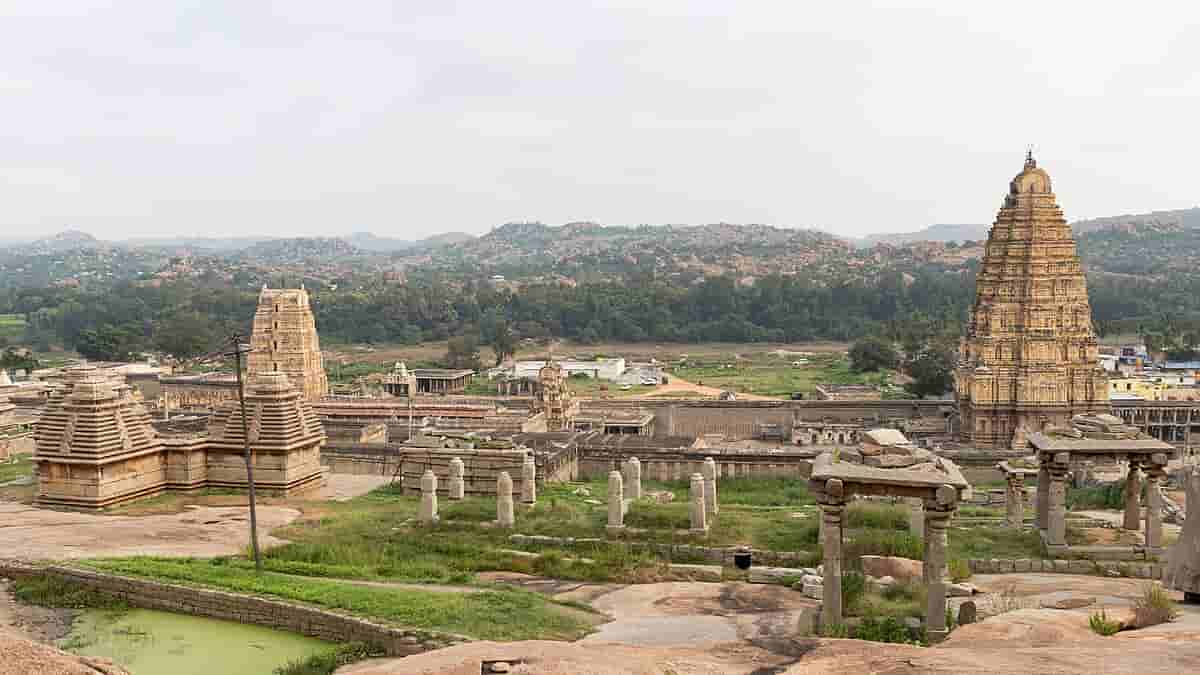
Virupaksha Temple
Ancient Hindu temple dedicated to Lord Shiva, a UNESCO site.
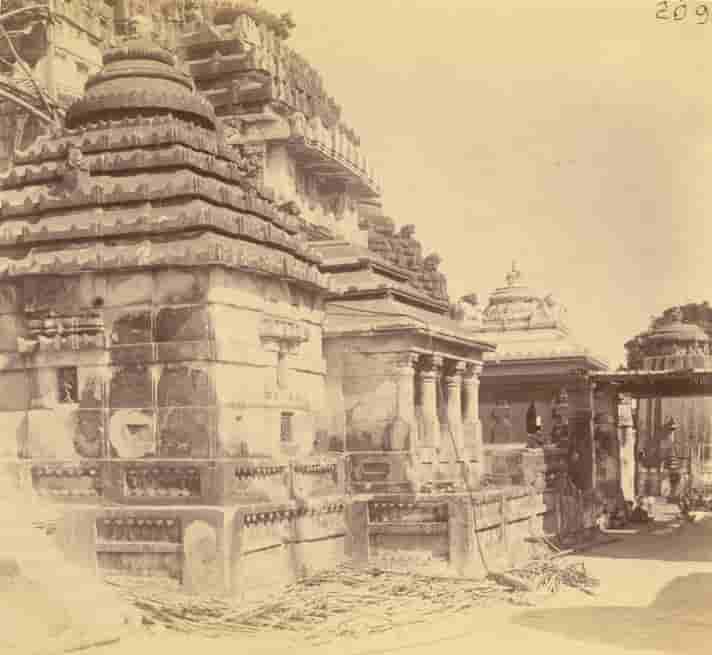
Vittala Temple
Famous for its stone chariot and musical pillars in Hampi.
Hampi Bazaar
Vibrant market street near Virupaksha Temple with local crafts.
Vijaya Vittala Temple
Famous for its stone chariot and musical pillars.
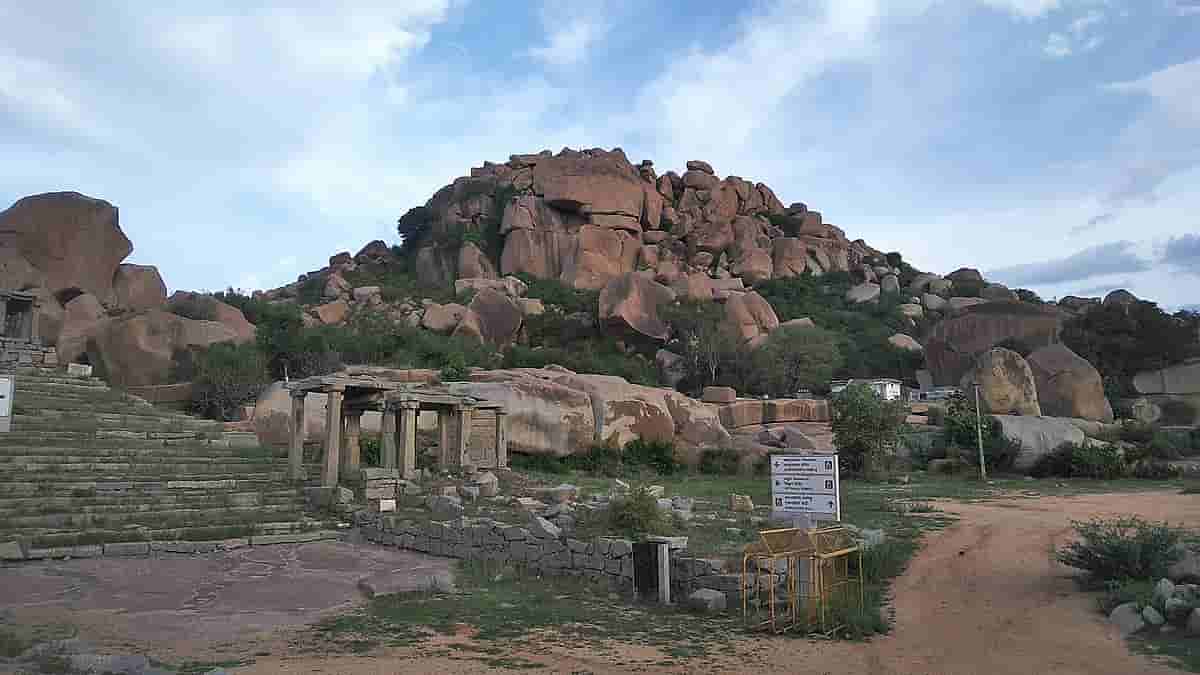
Matanga Hill
Popular sunrise spot offering panoramic views of Hampi.
🏘️ Neighborhoods
Hampi Bazaar
The main tourist hub directly in front of the Virupaksha Temple. Lined with guesthouses, cafes, and shops. Bustling and central.
Virupapur Ghad (Across the River)
A quieter, more bohemian area on the south bank of the Tungabhadra, accessible by boat. Known for its laid-back guesthouses and cafes.
Kamalapuram
Located near the Royal Centre ruins like the Lotus Mahal. Offers a few hotels and is closer to the archaeological museum.
Hospet
The modern gateway town 13 km from Hampi. Has a wider range of hotels, restaurants, banks, and the railway station.
Sanapur
A village area known for the Sanapur Lake and its coracle rides. Offers a few homestays amidst rural scenery.
Anegundi
An ancient village north of the river, believed to be the mythical Kishkindha. Rich in history and traditional culture.
🍽️ Local Cuisine
Hampi's cuisine is typical South Indian Karnataka fare, vegetarian-centric and flavorful. Must-try dishes include the hearty Bisi Bele Bath (a spicy rice-lentil mix), Ragi Mudde (finger millet balls) with spicy Saaru, and various dosas and uttapams. The local dining culture is casual, with many rooftop cafes in Hampi Bazaar offering multi-cuisine menus catering to international travelers. For an authentic experience, try a traditional thali meal at a local restaurant. Prices are very reasonable: a simple meal can cost $2-4, while a nice restaurant meal may be $5-10. Etiquette is relaxed; eating with your right hand is common. Don't miss the fresh fruit shakes and lassis available everywhere. Note that alcohol is not widely available in the main Hampi area due to its sacred status.
💡 Local Tips
🚗 Day Trip Ideas
Anegundi
Ancient village considered the monkey kingdom of Kishkindha from the Ramayana. Explore the Anjanadri Hill, Durga Temple, and local artisan communities.
Tungabhadra Dam
A major dam and reservoir near Hospet. Pleasant gardens and a nice spot for a picnic with views of the water release (if timed right).
Daroji Sloth Bear Sanctuary
The only sanctuary in India dedicated to the Indian Sloth Bear. Best visited in the late afternoon for bear sightings.
Badami, Aihole & Pattadakal
A full-day circuit to the other great Chalukyan empire sites, famous for their rock-cut cave temples and early Hindu architecture.
Hospet Local Market
Immerse in a bustling local Indian market for everyday goods, spices, and textiles, offering a contrast to Hampi's tranquility.
🛡️ Safety Tips
Hampi is generally very safe for travelers, with a low crime rate. However, standard precautions apply. Be cautious of overly persistent guides or touts at bus stations; agree on services and prices upfront. When crossing the Tungabhadra River by coracle, ensure you have a life jacket. The rocky terrain requires sturdy footwear to avoid slips. Guard against heatstroke by staying hydrated. Monkey gangs at temple sites can be aggressive; secure loose items like food, sunglasses, and phones. Emergency numbers: Police (100), Ambulance (102/108). For health, drink only bottled or purified water. Carry basic medications, as pharmacies are mainly in Hospet. Respect local customs at active temples by dressing modestly.
💰 Budget Guide
Hampi is a budget-friendly destination. A backpacker can manage on $20-30 per day: basic guesthouse ($5-10), local meals ($5-8), bicycle rental ($2-4), and temple entry fees (most are free, some charge $1-3). Mid-range travelers ($40-70/day) enjoy better hotels ($20-40), restaurant meals ($10-15), auto-rickshaw tours ($15-20), and a guide. Luxury is limited but possible with premium heritage stays ($60+), fine dining, and private car tours ($50+). Money-saving tips: Stay in guesthouses across the river in Virupapur Ghad for lower prices. Eat at local 'meals' restaurants for unlimited thalis. Rent a bicycle for maximum flexibility. Buy a composite ticket for multiple monuments. Travel by local bus from Hospet. Haggle politely for auto-rickshaw fares.