Welcome to Durgapur
Nestled in the heart of West Bengal's industrial belt, Durgapur emerges as a city of surprising contrasts and quiet charm. Often dubbed the 'Ruhr of India', this planned city, born from the vision of India's first Prime Minister, Jawaharlal Nehru, is a fascinating blend of industrial might and green, residential tranquility. While its steel plants and factories hum with productivity, Durgapur offers visitors a well-organized urban experience centered around its spacious parks, bustling markets, and the serene Damodar River. The city's infrastructure caters well to travelers, with a selection of 17 hotels providing comfortable stays at an average price point that makes exploring accessible. Whether you're drawn to the engineering marvel of the Durgapur Barrage, the retail therapy of City Centre, or the simple pleasure of a stroll in Troika Park, Durgapur presents a compact, one-day itinerary perfect for business travelers or those seeking an offbeat stop on a West Bengal tour. It's a city that rewards the curious traveler with a glimpse into modern India's industrial backbone, all within a framework of planned neighborhoods and community spaces.
Overview
Durgapur's story is intrinsically linked to India's post-independence industrial development. Conceived in the late 1950s as a major industrial township, it was developed with assistance from the United Kingdom and is one of India's few planned cities. Its economy is dominated by heavy industries like steel, coal, and chemicals, with the Durgapur Steel Plant being a central landmark. Culturally, Durgapur is a melting pot, with a population drawn from across India to work in its industries, creating a diverse and cosmopolitan local culture. The city is famous for its wide, tree-lined avenues, organized sectors, and numerous parks and playgrounds. Key districts include the bustling City Centre, the commercial and retail heart; Benachity, a lively market area; and the more residential and serene sectors like Bidhannagar. While industry defines its economy, the city's pride lies in its green cover and the Damodar River, which is harnessed by the impressive Durgapur Barrage, a key source of irrigation and a popular spot for locals and visitors alike.
🗓️ Best Time to Visit
The best time to visit Durgapur is during the cooler, dry months from October to March. During this period, the weather is pleasant, with daytime temperatures ranging from 20°C to 30°C (68°F to 86°F), making it ideal for sightseeing and outdoor activities like visiting the Barrage or Troika Park. This is the peak tourist season. The winter months (December-January) can see cooler mornings and evenings. The season to avoid is the summer, from April to June, when temperatures can soar above 40°C (104°F), making exploration uncomfortable. The monsoon arrives in July and lasts through September, bringing high humidity and heavy, sporadic rainfall, which can disrupt travel plans. Major cultural events like Durga Puja (September/October) and Diwali (October/November) are spectacular times to experience local fervor, though accommodations may be pricier. For a balance of good weather and manageable crowds, the shoulder months of October and February are perfect.
🌤️ Weather & Climate
Durgapur experiences a tropical climate with three distinct seasons: a hot summer, a humid monsoon, and a mild, dry winter. Summers are intensely hot, monsoons bring substantial rainfall, and winters are the most comfortable for travel.
Seasons
Winter
💨 Humidity: moderate
Pleasant and dry with cool mornings and evenings. Ideal for all outdoor activities and sightseeing.
Summer
💨 Humidity: moderate to high
Extremely hot and dry, with peak heat in May. Outdoor activities are best planned for early morning or late evening.
Monsoon
💨 Humidity: high
Hot and very humid with heavy, intermittent rainfall. Travel can be disrupted, but the landscape turns lush and green.
Monthly Weather Details
January Weather
Best for: sightseeing
February Weather
Best for: sightseeing
March Weather
Best for: sightseeing
April Weather
Best for: indoor activities
May Weather
Best for: indoor activities
June Weather
Best for: indoor activities
July Weather
Best for: indoor activities
August Weather
Best for: indoor activities
September Weather
Best for: indoor activities
October Weather
Best for: sightseeing
November Weather
Best for: sightseeing
December Weather
Best for: sightseeing
🎒 What to Pack
All Year Round
- sunscreen
- sunglasses
- reusable water bottle
- power adapter
🚗 Getting Around
Getting around Durgapur is relatively straightforward. The city lacks a metro system, so public transport primarily consists of buses operated by the Durgapur State Transport (DST) and private minibuses, which are inexpensive but can be crowded. Auto-rickshaws are the most common and convenient mode for short to medium distances; always insist on using the meter or agree on a fare beforehand. For more comfort and longer trips, app-based ride-sharing services like Ola and Uber are available and reliable. Taxis can also be hired for full or half-day tours. While the city center areas are walkable, the distances between major attractions often require motorized transport. Biking is not a common tourist activity due to traffic. For airport transfers, the nearest major airport is Kazi Nazrul Islam Airport in Andal (approx. 20 km away), which is well-connected by pre-paid taxis and app-based cabs. Train travel is excellent for entering and leaving Durgapur, with the city having two major railway stations: Durgapur and New Durgapur.
🎯 Top Attractions
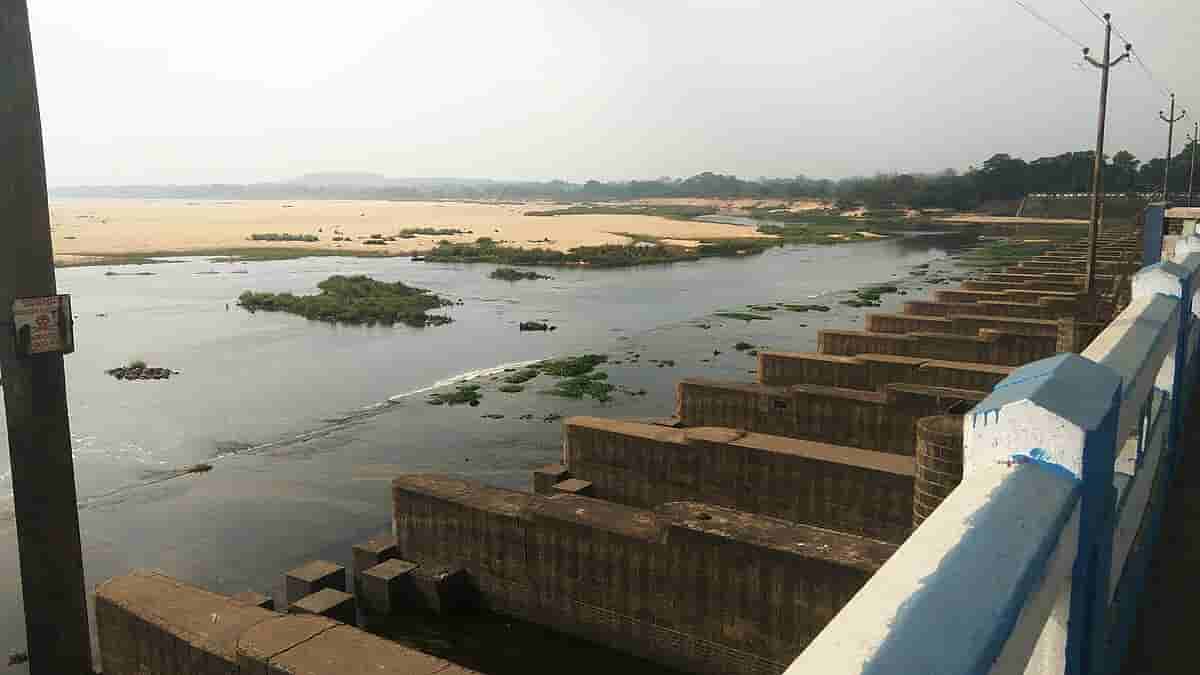
Durgapur Barrage
A dam on the Damodar River, offering scenic views and boating opportunities.
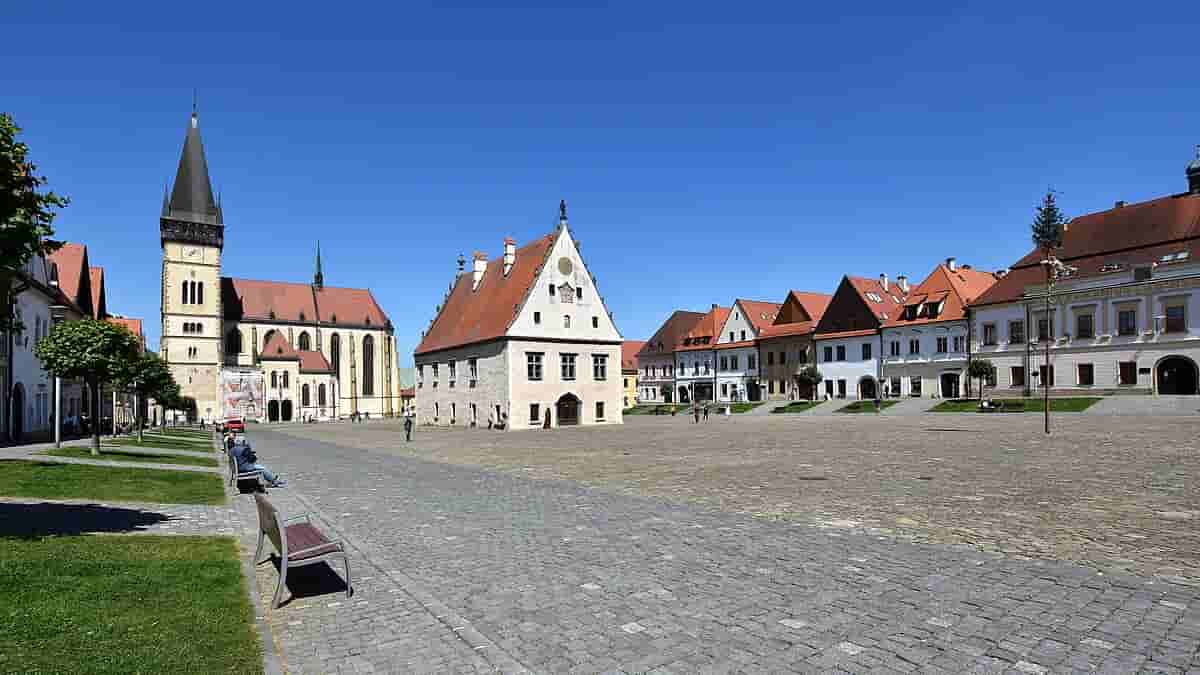
City Centre
A bustling commercial area with shops and eateries.
Troika Park
Amusement and water park popular with families for rides and recreational activities.
City Centre Mall
A popular shopping destination with various retail stores and eateries.
City Centre Market
Local market for shopping.
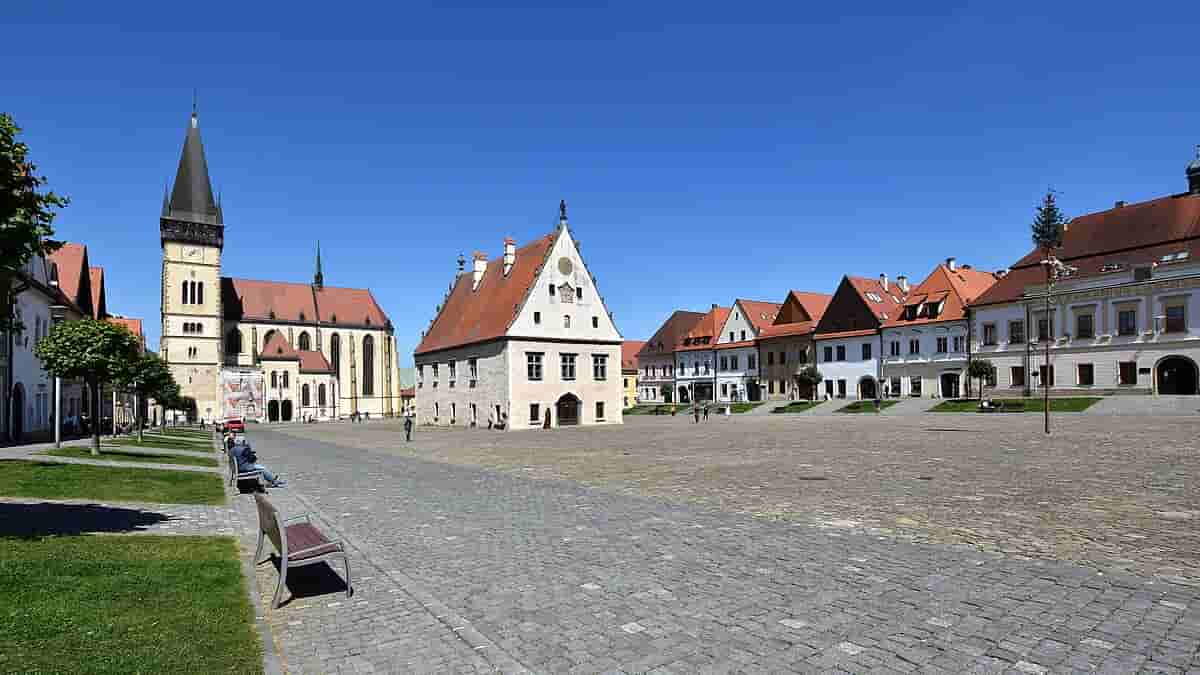
City Center
Shopping and entertainment hub
City Center Mall
A shopping mall with multiplex, food court, and retail stores.
City Center Market
A bustling market area with shops, eateries, and local entertainment.
Bhabani Pathak's Tilla
A historical site with ruins and local legends.
Nehru Park
A well-maintained park with walking trails and playgrounds.
🏘️ Neighborhoods
City Centre
The commercial and retail heart of Durgapur, home to the main mall, markets, restaurants, and major hotels. It's the most bustling area.
Benachity
A lively and older market area, famous for its traditional bazaar, street food, and vibrant local atmosphere. Less planned but full of character.
Bidhannagar
A planned, upscale residential sector known for its wide, clean streets, parks, and quieter ambiance. Houses many professionals.
Durgapur Steel Plant Township
A well-maintained, self-contained area for plant employees and families. Features its own markets, parks, and facilities with a community vibe.
Ambagan
A central residential and commercial area close to the railway station. Offers a mix of housing, local shops, and good connectivity.
Ushagram
A quieter residential neighborhood, offering a glimpse into local life away from the main commercial hustle.
B-Zone / C-Zone
Planned residential sectors characterized by lettered blocks. They are green, orderly, and primarily residential with local markets.
🍽️ Local Cuisine
Durgapur's cuisine is a hearty reflection of West Bengal, with influences from its migrant worker population. Must-try Bengali dishes include Machher Jhol (fish curry), Kosha Mangsho (spicy mutton curry), and a variety of sweets like Rosogolla and Sandesh. Street food thrives here; don't miss puchkas (pani puri), kathi rolls, and jhal muri (spicy puffed rice). For a unique local experience, try the canteen food at the Durgapur Steel Plant township, known for its quality and affordability. Dining culture ranges from no-frills street stalls and bustling sweet shops to modern multi-cuisine restaurants in City Centre Mall. Popular food areas include City Centre Market, Benachity, and the restaurants along Bidhan Road. Meals are incredibly affordable: street food costs under $1, a thali (set meal) at a local restaurant is $2-$5, and a meal at a upscale hotel restaurant might be $10-$20. Etiquette is generally informal; eating with your right hand is common, and it's polite to try a bit of everything offered.
💡 Local Tips
🚗 Day Trip Ideas
Bardhaman (Burdwan)
Historic city known for its royal heritage, beautiful temples like the 108 Shiva Temple, and famous sweets (Mihidana & Sitabhog).
Maithon Dam
A large dam and reservoir on the Barakar River, offering boating, a beautiful garden, and a serene environment for picnics.
Kalyaneshwari Temple
A significant and ancient temple dedicated to Goddess Kali, located in a scenic setting near mining areas.
Kazi Nazrul Islam Airport & Andal
Visit the modern airport township and the growing area of Andal, with new developments and parks.
Panchet Dam
Another major dam on the Damodar River system, offering picturesque views and a peaceful getaway.
Joychandi Pahar
A low hill range popular for hiking, picnics, and offering a panoramic view of the surrounding plains.
🛡️ Safety Tips
Durgapur is generally a safe city for travelers, with a low crime rate against tourists. Exercise standard precautions: avoid isolated areas after dark, keep valuables secure, and be cautious in crowded markets like City Centre Market to guard against petty theft. Common scams are rare but be wary of overly friendly strangers offering guided tours or deals that seem too good to be true. Always use registered taxis or app-based ride services. Traffic can be chaotic, so be vigilant when crossing streets. Health-wise, drink only bottled or purified water, and eat at busy, reputable establishments to avoid stomach issues. Mosquito repellent is advisable, especially during the monsoon. Emergency numbers: Police (100), Fire (101), Ambulance (102 or 108). For medical emergencies, private hospitals like Durgapur Steel Plant's Hospital or Global Hospital are reliable options.
💰 Budget Guide
Durgapur is a very affordable destination. A budget traveler can manage on $25-$40 per day, staying in guesthouses or budget hotels ($15-$25/night), eating at local eateries and street stalls ($5-$10/day), and using public transport/auto-rickshaws ($3-$5/day). Mid-range travelers can expect to spend $50-$80 per day, covering a comfortable hotel ($40-$60/night), meals at decent restaurants ($15-$25/day), occasional taxis, and entry fees to attractions. A luxury daily budget of $100+ affords stays at the best hotels (around $95+ as per average), fine dining, private car hire, and shopping. Most attractions like parks and the Barrage are free or have minimal fees. Money-saving tips: Use auto-rickshaws with meters, eat thali meals for great value, shop at local markets instead of malls, and visit during the shoulder seasons for potentially lower hotel rates. Staying slightly away from the immediate City Centre can also yield better accommodation deals.