Welcome to Digha
Digha, nestled along the Bay of Bengal in West Bengal, India, is a beloved coastal escape often hailed as the 'Brighton of the East'. This charming seaside town offers a quintessential Bengali holiday experience, where the rhythm of life is set by the gentle crash of waves and the scent of salt in the air. While its expansive, gently sloping beaches are the primary draw, Digha is more than just sand and sea; it's a gateway to simple pleasures, from fresh seafood feasts to serene sunrise strolls. The town has evolved from a quiet fishing village into a well-equipped tourist hub, offering a range of accommodations to suit every traveler. With 74 hotels dotting its landscape, from budget lodges to more comfortable resorts, finding a place to rest your head after a day of exploration is effortless. Whether you're seeking a romantic weekend, a family getaway, or a solo retreat to unwind, Digha's unpretentious charm and scenic beauty provide the perfect backdrop for a memorable 1-2 day sojourn.
Overview
Digha's history is intrinsically linked to the sea. Originally known as 'Beerkul' during British colonial times, its potential as a seaside resort was famously championed by John Frank Snaith in the 1920s. Renamed Digha (meaning 'long' in Bengali, referring to its lengthy shoreline), it gradually became a favorite among Bengali tourists and families. The town is famous for its shallow, firm beaches that stretch for miles, allowing visitors to walk far into the sea. Culturally, it embodies the relaxed, festive spirit of a Bengali picnic destination, often bustling with families enjoying games, horse rides, and street food. The main areas are Old Digha, the original and more bustling commercial center, and New Digha, developed later with wider roads, planned markets, and many of the newer hotels and attractions like the Science Center. Digha is renowned for its Marine Aquarium and Research Centre, one of the largest in Asia, showcasing the rich aquatic life of the Bay of Bengal. The town's essence lies in its simple, joyful atmosphere centered around beach life, fresh catches from the fishing harbor, and stunning views of the Mohona (estuary) where the river meets the sea.
🗓️ Best Time to Visit
The best time to visit Digha is during the winter and post-monsoon months, from October to March. During this period, the weather is pleasantly cool and dry, with temperatures ranging from 15°C to 30°C, making it ideal for beach activities, sightseeing, and long walks. This is the peak tourist season, so expect higher crowds and hotel rates, especially during weekends and holidays like Durga Puja (September/October) and Christmas. The summer months from April to June are hot and humid, with temperatures often soaring above 35°C, though sea breezes offer some relief. This is a good time for budget travelers to find deals. The monsoon season, from July to September, brings heavy rainfall and rough seas, leading to frequent beach advisories and the closure of many water activities. While the landscape turns lush green, this is the off-peak season with minimal tourist activity. Major events are sparse, but the town comes alive during Bengali festivals, with local celebrations adding cultural color to a visit.
🌤️ Weather & Climate
Digha experiences a tropical monsoon climate with three distinct seasons: a hot summer, a humid monsoon, and a mild winter. The weather is heavily influenced by the Bay of Bengal, bringing high humidity for most of the year.
Seasons
Winter
💨 Humidity: moderate
Pleasant and dry, ideal for all outdoor activities and beach visits. Peak tourist season.
Summer
💨 Humidity: high
Hot and humid with intense sun. Sea breezes provide some relief. Good for budget travel.
Monsoon
💨 Humidity: very high
Heavy rainfall and frequent storms. Rough seas often lead to swimming restrictions. Lush greenery.
Monthly Weather Details
January Weather
Best for: beach, sightseeing
February Weather
Best for: beach, sightseeing
March Weather
Best for: beach, early morning activities
April Weather
Best for: indoor attractions, evening strolls
May Weather
Best for: indoor attractions
June Weather
Best for: monsoon scenery, budget travel
July Weather
Best for: indoor activities only
August Weather
Best for: indoor activities only
September Weather
Best for: occasional outdoor visits
October Weather
Best for: beach as rains recede
November Weather
Best for: beach, sightseeing
December Weather
Best for: beach, sightseeing
🎒 What to Pack
All Year Round
- sunscreen
- sunglasses
- hat
- light cotton clothing
- swimwear
- sandals
🚗 Getting Around
Getting around Digha is straightforward, as the town is relatively compact. The most common and enjoyable modes of transport for short distances are walking along the beach promenades and cycling, with bicycles available for rent at nominal rates (approx. $1-2 per hour). For longer distances or travel between Old and New Digha, auto-rickshaws are ubiquitous and affordable; always agree on a fare before starting your journey (typically $1-3 for most trips within town). Taxis and private car hires are also available for day trips or more comfort, costing significantly more. There is no formal ride-sharing app service like Uber or Ola. Public buses connect Digha to nearby towns like Contai and Tamluk, but are less useful for intra-city travel. The nearest major airport is in Kolkata (Netaji Subhas Chandra Bose International), approximately 180 km away. From there, you can take a direct bus (3-4 hours, $5-10), a hired taxi (3-4 hours, $50-80), or a train to nearby stations like Ramnagar or Contai followed by a short taxi ride.
🎯 Top Attractions
Digha Beach
A popular seaside destination known for its wide sandy beach and gentle waves, ideal for relaxation.
Marine Aquarium and Research Centre
A center displaying diverse marine life and offering educational insights into local aquatic ecosystems.
Shankarpur Beach
A quieter, less crowded beach compared to Digha, perfect for those seeking a peaceful seaside experience.
Marine Aquarium
A small aquarium featuring local marine species and educational displays.
New Digha Beach
A more commercial beach area with various attractions and eateries.
Udaipur Beach
A less commercialized beach offering peace and quiet.
Digha Marine Aquarium
Home to a diverse collection of fish and marine species.
Digha Mohona
A scenic spot where a river meets the sea.

Science Center
A center promoting science through interactive models and exhibits.
Digha Science Center
An interactive science museum for all ages.
Amaravati Beach
A quiet, clean beach ideal for a peaceful getaway.
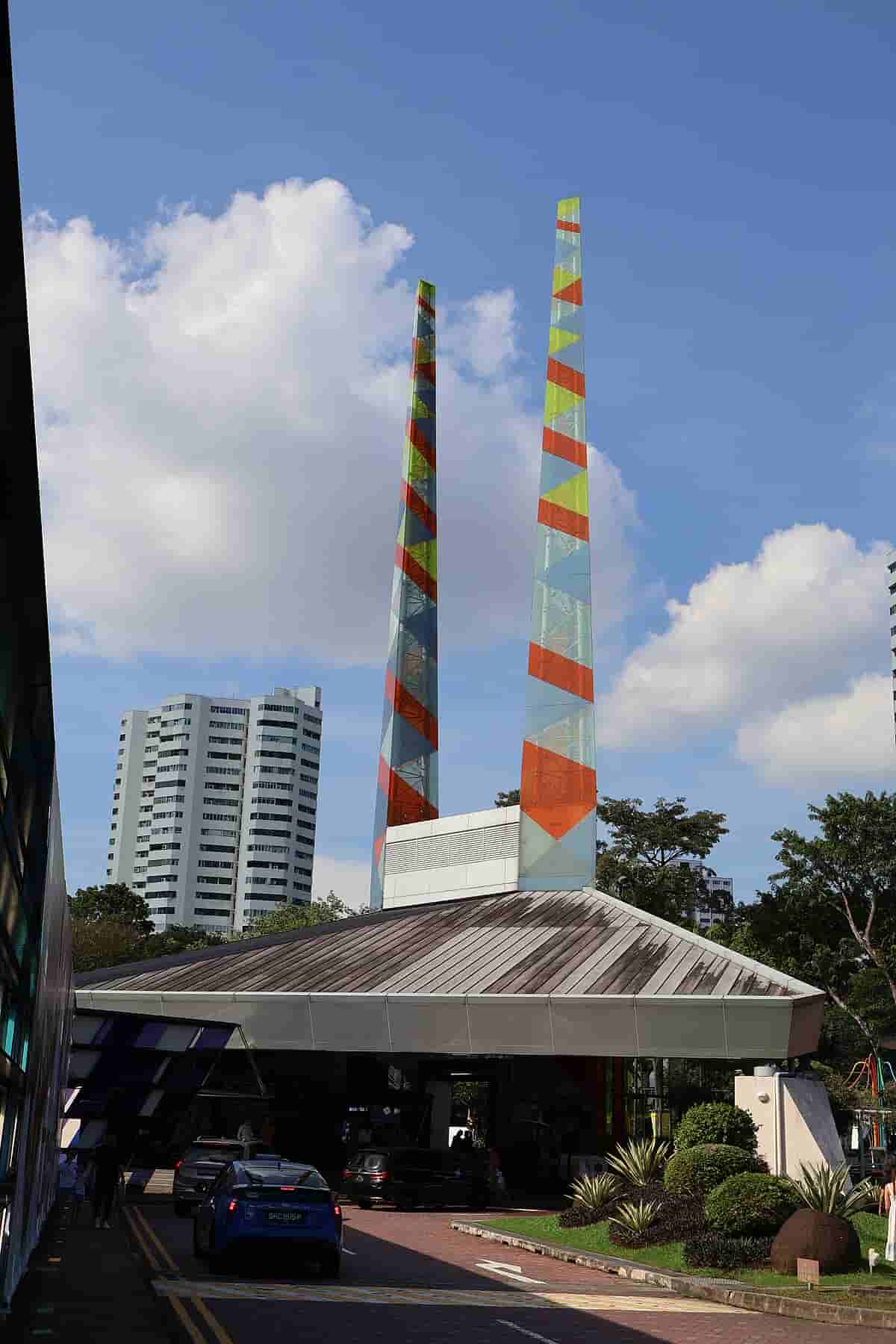
Science Centre
Interactive science museum popular with families and children.
🏘️ Neighborhoods
Old Digha
The original, bustling heart of Digha with a dense market, numerous budget hotels and eateries, and direct access to the main beach. Lively and chaotic.
New Digha
A planned extension with wider roads, more upscale hotels and resorts, the Science Center, and a cleaner, more organized beachfront. Generally quieter.
Marine Drive Area
The scenic road connecting Old and New Digha, lined with hotels offering sea views. Perfect for morning walks and cycling with panoramic vistas of the coast.
Shankarpur
A quieter fishing village and beach area located a short drive north of Digha. Known for its serene ambiance, less crowded beach, and fresh seafood shacks.
Udaipur Beach Area
A developing beach zone south of the main town, known for its wider, cleaner sands and newer resort properties. Offers a more secluded beach experience.
Near Mohona
The area around the estuary where the river meets the sea. Offers unique boat ride opportunities and beautiful sunset views over the confluence of waters.
🍽️ Local Cuisine
Digha is a paradise for seafood lovers, with its cuisine dominated by the day's fresh catch from the Bay of Bengal. Signature dishes include various preparations of pomfret, hilsa (ilish), prawns, crabs, and lobsters, cooked in classic Bengali styles like mustard-based 'shorshe bata' or in light curries. Must-try items are 'Chingri Malai Curry' (prawns in coconut milk), 'Ilish Paturi' (hilsa steamed in banana leaf), and fried fish served with plain rice. Street food is also popular, with puchkas (pani puri), jhal muri (spicy puffed rice), and rolls being widely available. Dining culture is casual, with most restaurants being simple, family-run establishments lining the beach roads. For a unique experience, visit the local fish market in the morning and have your purchase cooked at a nearby eatery. Price ranges are very reasonable: a hearty seafood meal at a mid-range restaurant can cost $10-20 per person, while street food and basic meals are under $5. Etiquette is relaxed; eating with hands is common, but utensils are always provided.
💡 Local Tips
🚗 Day Trip Ideas
Shankarpur
A serene fishing village with a clean, less crowded beach. Perfect for watching fishermen at work and enjoying fresh, simple seafood lunches at shacks.
Talsari
Famous for its unique casuarina forests, silver sand, and the confluence of three rivers with the sea. Offers beautiful scenery and peaceful isolation.
Mandarmani
A long, drivable beach resort town known for its red crabs and luxury resorts. Ideal for a scenic coastal drive and a upscale lunch by the sea.
Chandaneswar (Chandipur)
A famous Shiva temple with significant religious importance. The nearby Chandipur beach is known for its unique phenomenon where the sea recedes almost 5 km during low tide.
Junput
A quiet coastal village with a lighthouse, a long beach, and a Dakshin Rai temple. Offers a glimpse into rural Bengali coastal life.
🛡️ Safety Tips
Digha is generally a safe destination for tourists, especially families. However, standard precautions apply. Petty theft like bag-snatching or pickpocketing can occur in crowded markets and beaches, so keep valuables secure and avoid flashing expensive items. Be cautious when swimming; heed warning flags on the beach as currents can be strong, especially during monsoon. Common scams are rare but be wary of inflated prices for auto-rickshaws, horse rides, or souvenirs—always negotiate firmly beforehand. Women traveling alone should avoid isolated areas of the beach after dark. For health, drink only bottled or purified water and be mindful of street food hygiene. Emergency numbers: Police (100), Ambulance (102/108). It's advisable to have travel insurance and know the location of the nearest hospital or clinic.
💰 Budget Guide
Digha can cater to various budgets, though it's primarily a mid-range destination. A budget traveler can manage on $30-40 per day, staying in basic guesthouses ($15-25/night), eating at local stalls and small restaurants ($5-10/day), and using cycle-rickshaws or walking. A mid-range traveler should budget $60-100 per day, covering a comfortable hotel or resort ($40-70/night), meals at decent seafood restaurants ($15-25/day), auto-rickshaw transport, and entry fees to attractions. Luxury spending starts at $120+ per day, for premium beachfront resorts, private car hires, and lavish multi-course seafood dinners. Money-saving tips: Visit on weekdays for better hotel rates, avoid the peak December-January period, eat where locals eat, bargain for everything from souvenirs to transport, and explore free attractions like the beaches and Mohona. Many hotels offer package deals including meals.