Welcome to Desaru
Nestled along the eastern coast of Johor, Malaysia, Desaru is a sun-drenched coastal haven that masterfully blends serene natural beauty with exhilarating modern attractions. Once a quiet fishing village, it has blossomed into a premier resort destination, famed for its 25-kilometer stretch of golden sand at Desaru Beach. Today, Desaru is a tale of two coasts: a relaxed, traditional shoreline and the ambitious, integrated resort development of Desaru Coast, home to world-class golf courses, luxury hotels, and the thrilling Adventure Waterpark. This evolution offers a unique duality, where you can find solitude on a vast, breezy beach one moment and plunge down a waterslide the next. With a range of accommodations catering to every style, from family-friendly resorts to boutique stays across its 139 hotels, Desaru promises a versatile escape. Whether you seek adventure, culinary delights, or simply a tranquil spot to watch the South China Sea waves, Desaru delivers a compelling Malaysian getaway that feels both discovered and polished.
Overview
Desaru's history is intrinsically linked to the sea, having served as a humble fishing community for generations before its potential as a tourism gem was recognized in the late 20th century. Its name, derived from 'Desa' (village) and 'Ru' (a type of tree), hints at its rustic origins. The area's transformation accelerated with the development of Desaru Coast, a massive integrated resort project that has positioned it as a key player in Malaysia's luxury and family tourism market. Culturally, it remains a blend of Malay coastal life and contemporary resort culture. The city is famous for several key attractions: its expansive, often uncrowded beaches; the Desaru Coast Adventure Waterpark, one of Southeast Asia's largest; and its agricultural tourism, including the beloved Desaru Fruit Farm and Ostrich Farm. The Desaru Turtle Sanctuary is a crucial conservation effort, while Desaru Harbour serves as a gateway for ferry connections and a marina lifestyle. The area is broadly divided into the more developed Desaru Coast precinct with its high-end resorts and attractions, and the traditional beachfront areas offering a more laid-back, local vibe.
🗓️ Best Time to Visit
The best time to visit Desaru is during the drier months from March to October, when sunshine is plentiful and rainfall is lower, ideal for beach activities and waterparks. The peak season coincides with Malaysian school holidays (mid-March to May, November to December) and weekends, when resorts are busier. The off-peak season, particularly during the monsoon-influenced months of November to February on the east coast, sees fewer crowds and potentially better rates, though brief heavy showers are common. The northeast monsoon (Nov-Feb) can bring rougher seas, affecting some water sports. Major events are sparse but include festive celebrations like Hari Raya and Chinese New Year, which see an influx of domestic tourists. For the perfect balance of good weather and manageable crowds, aim for the shoulder months of March-April or September-October.
🌤️ Weather & Climate
Desaru enjoys a tropical rainforest climate with consistently warm temperatures year-round, high humidity, and significant rainfall. The east coast experiences a distinct monsoon season influencing sea conditions.
Seasons
Dry Season
💨 Humidity: high
Sunny and hot days with occasional short afternoon showers. Ideal for all outdoor activities and beach-going.
Northeast Monsoon Season
💨 Humidity: high
Heavier and more frequent rainfall, especially in the afternoons and evenings. Rough seas may affect water sports.
Monthly Weather Details
January Weather
Best for: indoor activities, spa, cultural visits
February Weather
Best for: sightseeing, occasional beach days
March Weather
Best for: beach, waterpark, outdoor activities
April Weather
Best for: beach, waterpark, golf
May Weather
Best for: beach, waterpark, all outdoor
June Weather
Best for: beach, waterpark, all outdoor
July Weather
Best for: beach, waterpark, all outdoor
August Weather
Best for: beach, waterpark, all outdoor
September Weather
Best for: beach, waterpark, all outdoor
October Weather
Best for: beach, waterpark, transition period
November Weather
Best for: indoor activities, resort amenities
December Weather
Best for: indoor activities, resort amenities
🎒 What to Pack
All Year Round
- lightweight clothing
- rain jacket or umbrella
- sunscreen (high SPF)
- insect repellent
- swimwear
- comfortable sandals
- hat
- reusable water bottle
🚗 Getting Around
Getting around Desaru requires planning, as public transportation is limited. The most convenient and common method is by private vehicle or taxi. Ride-hailing services like Grab operate reliably in the area and are affordable for point-to-point travel. Renting a car is highly recommended for maximum flexibility, especially for visiting scattered attractions like the fruit and ostrich farms. Some resorts offer shuttle services to key points within Desaru Coast. Walking is feasible within individual resort complexes but not for longer distances between attractions due to the spread-out nature of the area. Biking can be a pleasant option on designated paths within certain resorts. For airport transfers, Senai International Airport (JHB) is about a 1.5 to 2-hour drive away; pre-booking a private transfer or taxi is advised. Ferry services connect Desaru Harbour to Singapore and Tanjung Belungkor, providing an alternative scenic route.
🎯 Top Attractions
Desaru Beach
A long stretch of coastline popular for water sports, sunbathing, and beachfront dining.
Desaru Coast Adventure Waterpark
One of the largest water parks in Southeast Asia, with numerous slides and attractions.
Desaru Fruit Farm
A farm offering fruit picking tours and educational activities about local agriculture.
Desaru Turtle Farm
Educational farm with sea turtle conservation programs
Desaru Water Park
Theme park with water slides and splash zones
Desaru Harbour
Scenic harbor with boat tours and seafood restaurants
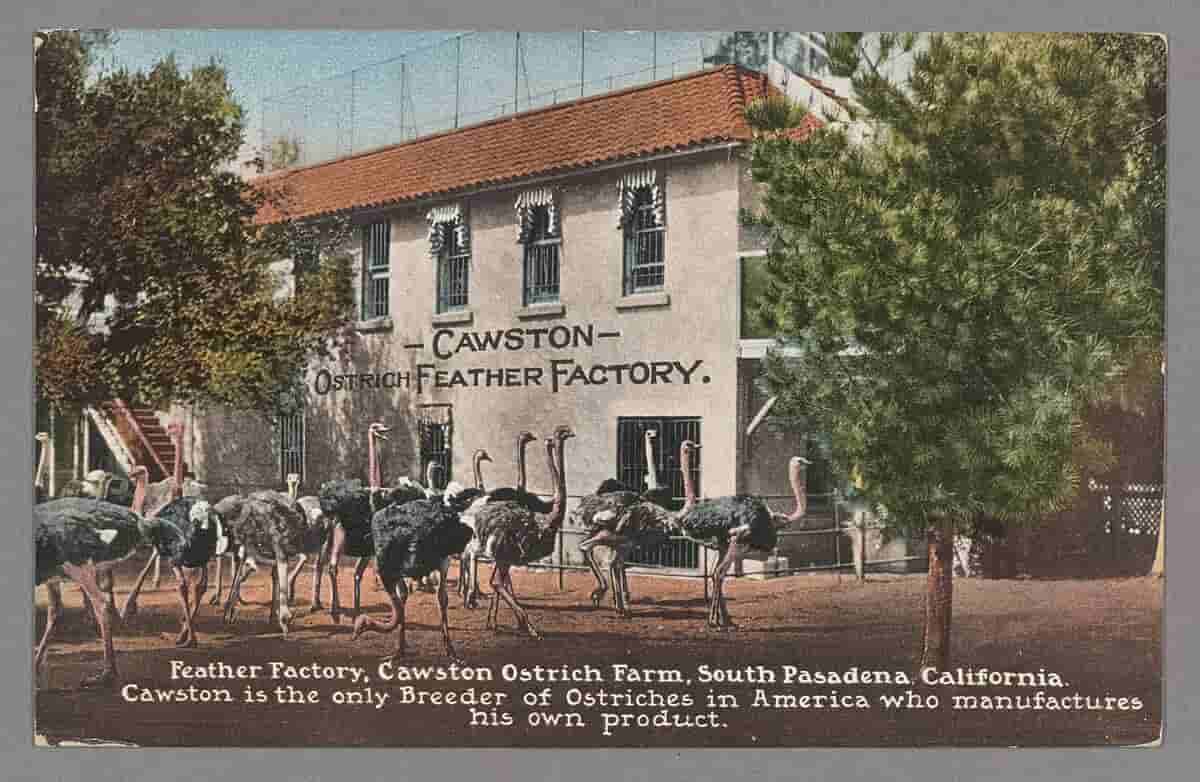
Ostrich Farm
A fun farm where visitors can see and learn about ostriches and other animals.
Desaru Waterpark
A family-friendly waterpark with numerous slides and pools.
Fruit Farms
Local farms where visitors can tour and taste tropical fruits.
Desaru Coast
A beachfront area with resorts, golf courses, and adventure waterpark.
Tanjung Balau Fishing Village
Traditional village offering cultural insights and fresh seafood.
Fruit Farms Desaru
Agricultural farms offering fruit picking and tours.
🏘️ Neighborhoods
Desaru Coast
The integrated luxury resort development featuring high-end hotels, championship golf courses, the Adventure Waterpark, and a marina. It's a self-contained precinct with manicured landscapes.
Desaru Beach (Main Strip)
The original beachfront area lined with a mix of older resorts, budget hotels, and local seafood restaurants. Offers direct access to the long, sandy beach with a more local vibe.
Sungai Rengit
A small, bustling town inland from the coast, known as the seafood capital of Desaru. Packed with famous open-air restaurants and local shops.
Teluk Sengat
A coastal village further north, offering a quieter, more rustic experience. Known for its jetty, mangrove tours, and simpler homestay accommodations.
Bandar Penawar
The main administrative town serving the Desaru area. It has banks, supermarkets, and local services, providing a glimpse of everyday life away from the resorts.
Desaru Fruit Farm Area
The inland area surrounding the popular fruit farm attraction. Features a scattering of resorts and villas set amidst greener, more agricultural landscapes.
🍽️ Local Cuisine
Desaru's cuisine is a celebration of Johor's coastal bounty and Malay culinary traditions. Signature dishes you must try include 'Ikan Bakar' (grilled fish, often stingray or seabass), marinated in spices and cooked over charcoal, and 'Laksa Johor', a unique noodle dish in a rich, savory gravy eaten with hands. Fresh seafood is king here, with restaurants along the beachfront serving crab, prawns, and squid cooked in sambal, butter, or sweet and sour styles. Dining culture ranges from casual open-air 'warung' (stalls) to upscale resort restaurants. For an authentic experience, visit the seafood restaurants at Sungai Rengit or Teluk Sengat. Price ranges are wide: a meal at a local eatery can cost as little as RM15-30, while resort dining will be significantly higher. Etiquette is generally relaxed; using your right hand for eating at traditional places is customary. Don't miss trying local fruits from the farms, like durian and starfruit, in season.
💡 Local Tips
🚗 Day Trip Ideas
Tanjung Piai (Southernmost Point of Mainland Asia)
Visit the national park marking Asia's southernmost tip, featuring a boardwalk through mangroves and a iconic monument.
Kota Tinggi Waterfalls
A popular recreational spot with cascading waterfalls and natural pools, perfect for a cool dip in a jungle setting.
Johor Bahru (JB)
Malaysia's southern capital, offering shopping malls, historical sites like the Sultan Abu Bakar Mosque, and vibrant street food.
Mersing (Gateway to Tioman Island)
A charming coastal town serving as the jump-off point to Tioman and other islands. Explore the jetty and local seafood.
Endau-Rompin National Park
One of Peninsular Malaysia's oldest rainforests, offering jungle trekking, river cruises, and wildlife spotting.
🛡️ Safety Tips
Desaru is generally a very safe destination for tourists, with a low crime rate. However, standard travel precautions apply. Be cautious of petty theft; do not leave valuables unattended on the beach. When swimming, heed warning flags about strong currents, especially during the monsoon season. Common scams are rare but be wary of unofficial tour operators; always book activities through your hotel or reputable agencies. Road safety is important; drive carefully, especially at night, as some roads may be poorly lit. Health-wise, use mosquito repellent to prevent dengue. Drink bottled or filtered water. Emergency numbers are 999 for police and ambulance. Keep your resort's contact details handy. Overall, Desaru's environment is relaxed and tourist-friendly.
💰 Budget Guide
Desaru caters to a range of budgets, though it leans towards mid-range and luxury. A budget traveler can manage on approximately RM150-250 per day by staying in basic guesthouses or hostels (outside the main resort zone), eating at local 'warungs', using ride-sharing efficiently, and enjoying free attractions like the public beach. A mid-range budget of RM400-700 per day allows for comfortable resort stays, meals at a mix of local and resort restaurants, taxi/ride-hailing for transport, and paid entry to one major attraction like the waterpark or fruit farm. A luxury experience (RM1000+ per day) includes 5-star accommodation at Desaru Coast, fine dining, private transfers, golf, and multiple activity tickets. Money-saving tips: visit on weekdays for better hotel rates, book attraction tickets online in advance for discounts, share ride-hailing costs with fellow travelers, and prioritize eating at local seafood restaurants in Sungai Rengit for great value.