Welcome to Darjeeling
Perched high in the Lesser Himalayas of West Bengal, Darjeeling is a jewel of misty mountains, colonial charm, and world-renowned tea. This hill station, whose name derives from 'Dorje Ling' or 'place of the thunderbolt,' offers a breathtaking escape where the air is crisp, the vistas are endless, and the pace of life slows to a serene amble. From the first light of dawn painting the snow-capped peaks of Kanchenjunga at Tiger Hill to the nostalgic chug of the UNESCO-listed Darjeeling Himalayan Railway, the city captivates every sense. Its unique blend of British-era architecture, vibrant Tibetan and Nepali cultures, and sprawling emerald tea gardens creates an atmosphere unlike any other in India. With a welcoming hospitality infrastructure that includes 168 hotels ranging from heritage bungalows to cozy homestays, finding your perfect mountain retreat is effortless. Whether you're a tea connoisseur, a railway enthusiast, a trekker, or simply a seeker of serene beauty, Darjeeling promises an unforgettable journey into the clouds.
Overview
Darjeeling's history is a tapestry woven from indigenous Lepcha culture, Nepali settlement, British colonial ambition, and Tibetan influence. Developed as a sanatorium and summer retreat by the British East India Company in the mid-19th century, its cool climate was a welcome respite from the plains. This legacy is etched into its architecture, from the Gothic-style St. Andrew's Church to the grand Windamere Hotel. The city is globally synonymous with its aromatic, amber-colored tea, cultivated in the surrounding estates like Happy Valley, which define the landscape and economy. Culturally, it's a vibrant mosaic: the influence of the Gorkha community is strong, Tibetan Buddhism flourishes in monasteries and the Peace Pagoda, and a cosmopolitan spirit lingers. The main hub is The Mall and Chowrasta, a pedestrian promenade lined with shops and cafes, offering stunning mountain views. Key districts include the bustling bazaar area, the quieter Observatory Hill with its sacred sites, and the upper reaches near the zoo and Himalayan Mountaineering Institute. Darjeeling is famous not just for tea, but as a gateway to Himalayan trekking, a center for Buddhist studies, and home to unique conservation efforts like the Padmaja Naidu Himalayan Zoological Park, which breeds the endangered red panda.
🗓️ Best Time to Visit
The best time to visit Darjeeling is during the spring (March to May) and autumn (October to November) seasons. Spring brings mild, pleasant weather with clear skies, blooming rhododendrons, and excellent views of the Himalayas, making it ideal for sightseeing and outdoor activities. Autumn offers similarly crisp, clear days following the monsoon, with vibrant festivals like Diwali adding cultural color. The summer monsoon (June to September) sees heavy rainfall, mist, and potential landslides, which can obscure views and disrupt travel, though the tea gardens are at their lushest. Winter (December to February) is cold, with temperatures often dropping near freezing, and occasional snowfall. While this season offers a unique, quiet charm and the clearest mountain views, some facilities may have limited heating. Peak tourist seasons coincide with spring, autumn, and Indian holiday periods, leading to higher prices and crowds. The off-peak monsoon and deep winter offer better deals and solitude, but with trade-offs in weather and accessibility.
🌤️ Weather & Climate
Darjeeling has a subtropical highland climate, characterized by cool summers, chilly winters, and a pronounced monsoon season. Weather can change rapidly, with mist and clouds frequently rolling in, especially in the afternoons and during the monsoon.
Seasons
Spring
💨 Humidity: moderate
Pleasant and mild with clear skies. Ideal for sightseeing and outdoor activities. Rhododendrons bloom beautifully.
Summer Monsoon
💨 Humidity: high
Warm, humid, and very wet with persistent rain and heavy mist. Landslides can occur. Lush greenery but limited views.
Autumn
💨 Humidity: moderate
Crisp, clear, and sunny days with chilly nights. Excellent visibility for Himalayan panoramas. Peak tourist season.
Winter
💨 Humidity: low
Cold with temperatures often near freezing. Occasional snowfall. Bright, sunny days offer the clearest mountain views.
Monthly Weather Details
January Weather
Best for: clear mountain views, cultural sightseeing
February Weather
Best for: clear mountain views, cultural sightseeing
March Weather
Best for: sightseeing, trekking
April Weather
Best for: sightseeing, tea garden visits
May Weather
Best for: sightseeing before monsoon
June Weather
Best for: lush scenery, indoor activities
July Weather
Best for: lush scenery, indoor activities
August Weather
Best for: lush scenery, indoor activities
September Weather
Best for: lush scenery, tea garden visits
October Weather
Best for: sightseeing, trekking, festivals
November Weather
Best for: sightseeing, trekking, clear views
December Weather
Best for: clear mountain views, cultural sightseeing
🎒 What to Pack
All Year Round
- layered clothing
- comfortable walking shoes
- sunscreen
- sunglasses
- umbrella or rain jacket
- power adapter
🚗 Getting Around
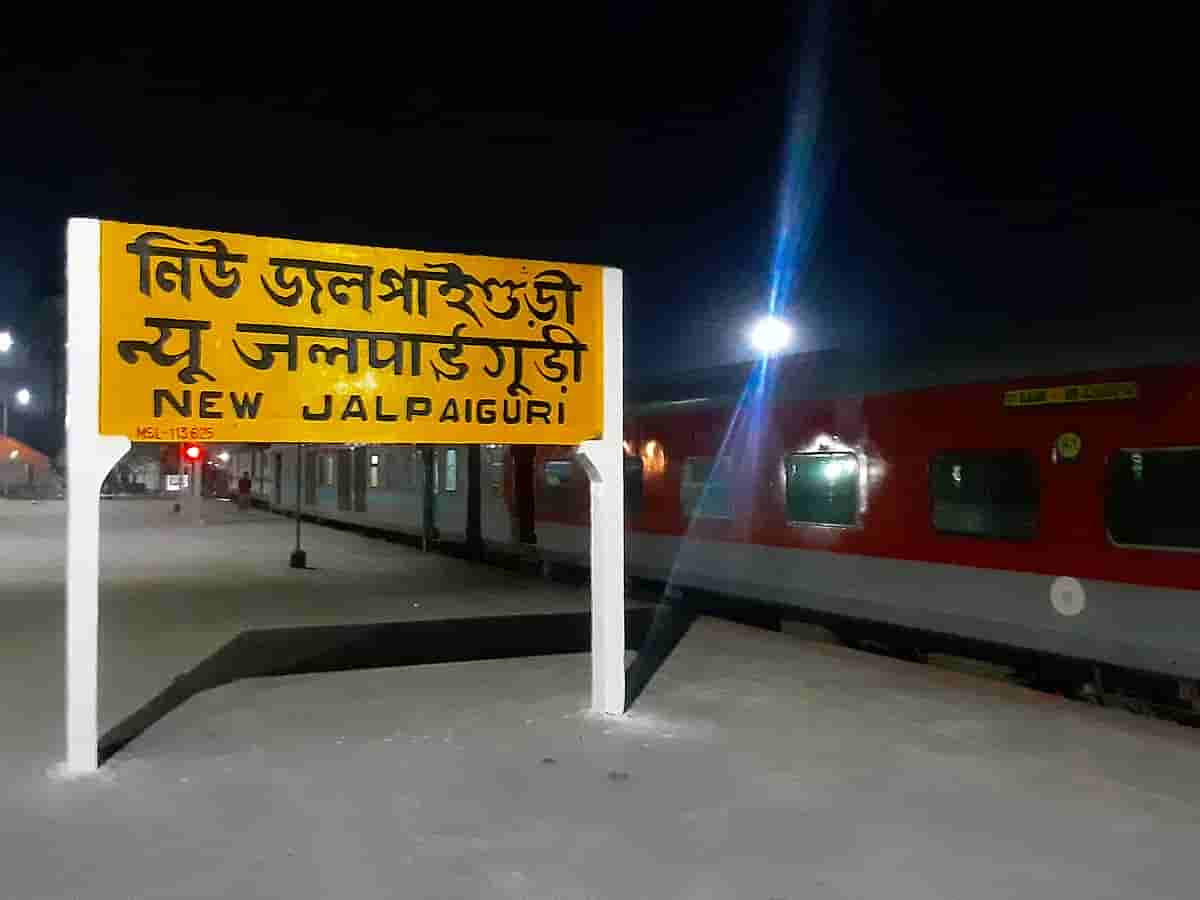
Darjeeling is a compact, hilly town where walking is the best way to explore the central Mall Road and Chowrasta area. For longer distances or steeper climbs, shared or private taxis (often vintage Ambassadors or Sumos) are readily available; always agree on a fare before starting your journey. The iconic Darjeeling Himalayan Railway, or 'Toy Train,' offers a charming, slow-paced ride on its diesel or steam engines, particularly on the scenic route to Ghum and through the Batasia Loop. For airport transfers, Bagdogra Airport (IXB) is about 70km away, a 3-4 hour drive by pre-booked taxi or shared jeep; the New Jalpaiguri (NJP) railway station is similarly distanced. Local buses and shared jeeps connect Darjeeling to neighboring towns but can be crowded. There are no ride-sharing apps like Uber, but hotel-concierge taxi services are reliable. Costs are moderate: short taxi rides within town cost a few hundred rupees, while the full-day Toy Train joyride is a splurge worth making for the experience.
🎯 Top Attractions

Darjeeling Himalayan Railway
A UNESCO World Heritage 'Toy Train' that winds through the scenic tea plantations and hills of Darjeeling.
Darjeeling Mall
The town's main promenade area with shops, restaurants, and views of the mountains.
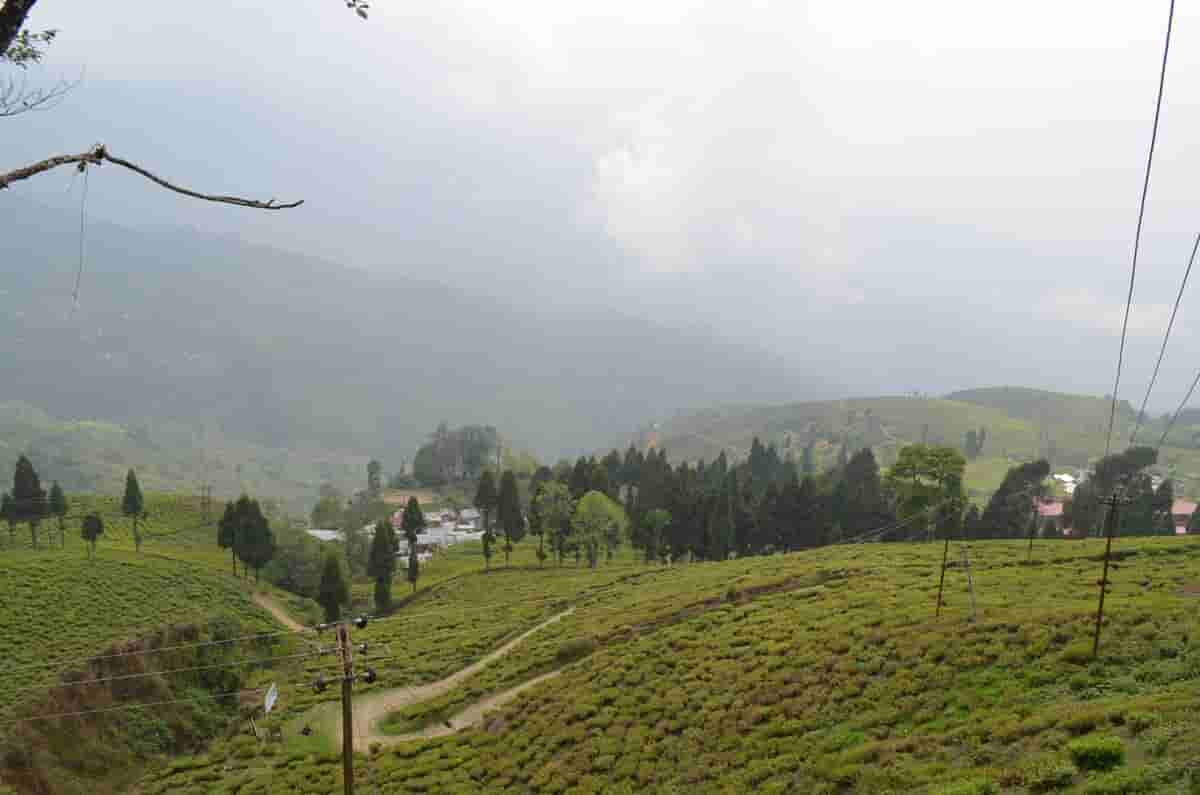
Happy Valley Tea Estate
One of Darjeeling's famous tea gardens offering tours and tastings.
Tiger Hill
Witness the awe-inspiring sunrise over the majestic Kanchenjunga range, the third-highest mountain in the world, at this iconic viewpoint.
Darjeeling Tea Gardens
Vast, rolling plantations where world-famous Darjeeling tea is grown.
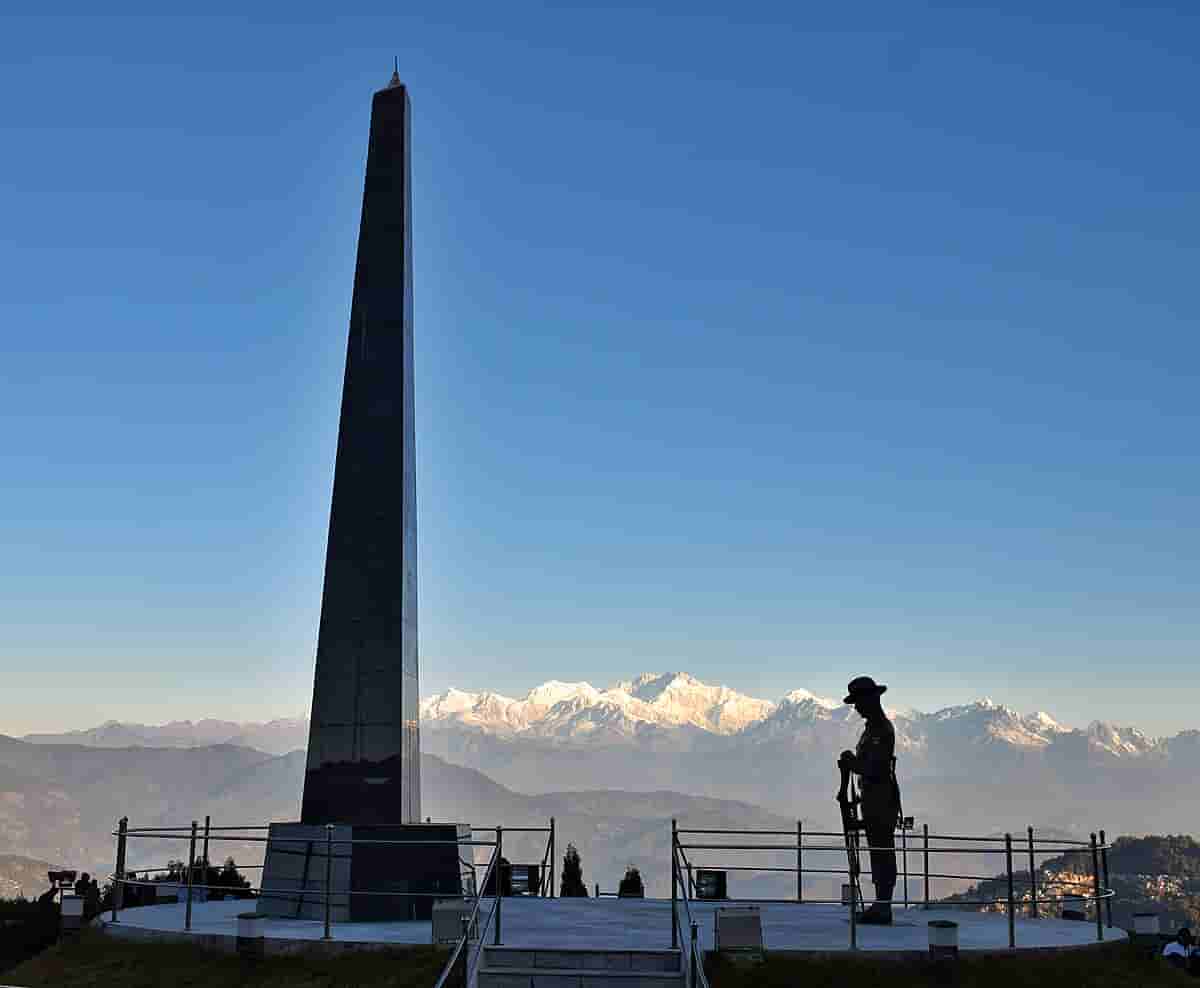
Batasia Loop
Witness the engineering wonder of this spiral railway track, offering breathtaking views of Darjeeling and the snow-capped Kanchenjunga range.
Darjeeling Mall Road
A bustling street lined with shops, cafes, and restaurants where visitors can experience the local culture.
Observatory Hill
A sacred hill with temples and viewpoints overlooking the town.
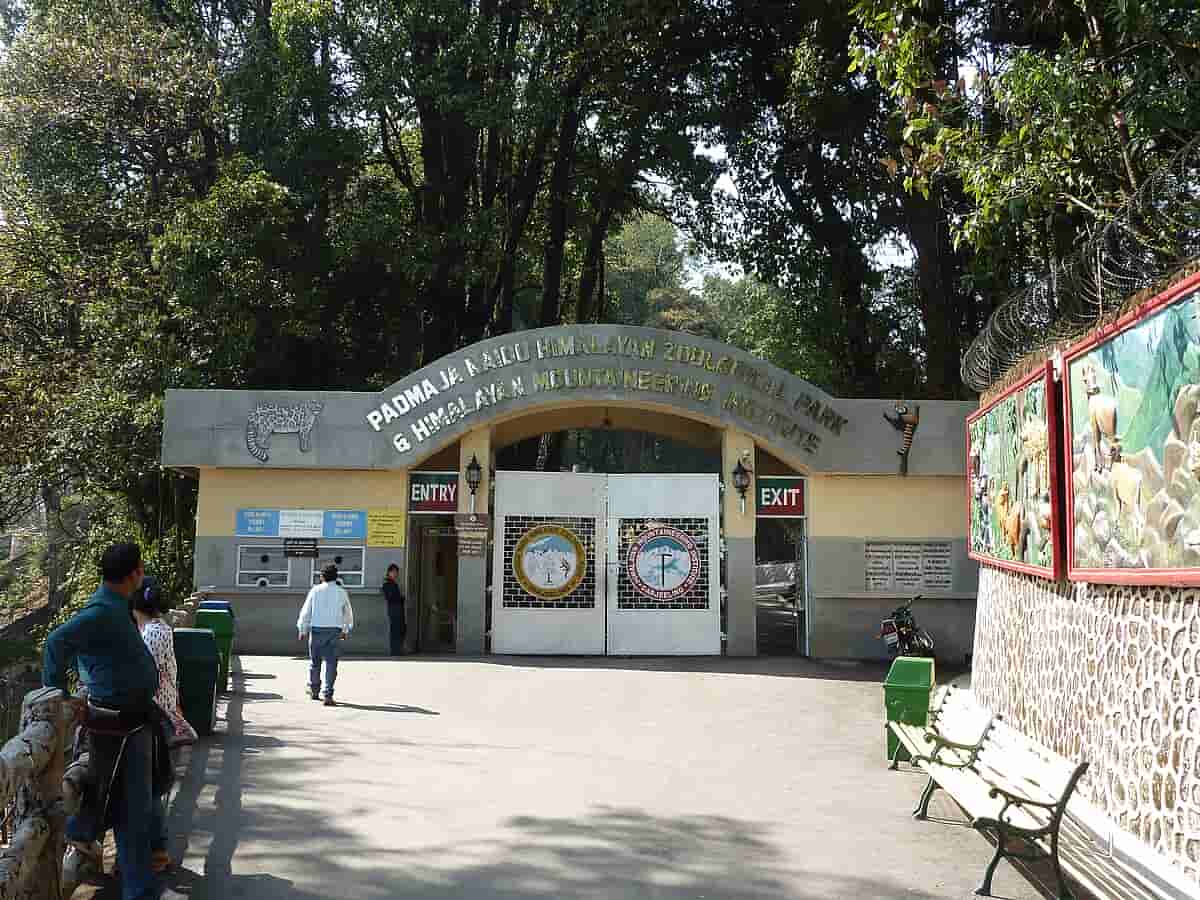
Padmaja Naidu Himalayan Zoological Park
Discover a diverse array of high-altitude species, including the endangered red panda, at this renowned zoo set against a stunning mountain backdrop.
Japanese Peace Pagoda
Marvel at the serene white marble structure of this Buddhist stupa, offering panoramic views of the Himalayas and the city of Darjeeling.
Tea Gardens of Darjeeling
Famous for producing world-class Darjeeling tea
Takdiling Monastery
Spiritual site in the Himalayas
🏘️ Neighborhoods
The Mall & Chowrasta
The vibrant, pedestrian-only heart of Darjeeling. Lined with shops, cafes, and hotels, it offers stunning panoramic views of the mountains and is the main promenade for locals and tourists alike.
Chowk Bazaar
A bustling, noisy, and colorful local market area below The Mall. This is where daily life unfolds, with shops selling everything from spices and produce to clothing and household goods.
Observatory Hill
A quieter, spiritually significant area home to the Mahakal Temple and ancient shrines. It's a peaceful spot with winding paths and a sacred aura, offering a different perspective of the town.
North Point
A residential and quieter area north of the main town, known for the North Point monastery and schools. It offers a more local feel and excellent views, slightly away from the tourist bustle.
Jorebunglow & Singamari
These adjacent areas house many of Darjeeling's famous educational institutions and have a calm, colonial-era ambiance. They are closer to attractions like the Happy Valley Tea Estate.
Lebong Cart Road
A scenic road winding along the hillside, offering spectacular valley views. It's home to some charming guesthouses and leads towards the Lebong racecourse, one of the highest in the world.
🍽️ Local Cuisine
Darjeeling's cuisine is a hearty, flavorful reflection of its Himalayan setting and Nepali-Tibetan heritage. Must-try dishes include steaming bowls of *thukpa* (noodle soup) and *momos* (dumplings), often served with a fiery tomato-based *achar* (chutney). *Churpi*, a hard cheese made from yak or cow's milk, is a local staple. For a taste of the hills, try *sel roti* (a ring-shaped rice doughnut) or *gundruk* (fermented leafy greens). Of course, sipping the world-famous Darjeeling tea is a daily ritual; visit a tea estate for a tasting session. Dining ranges from simple, bustling momo stalls in the bazaar to colonial-era restaurants serving Indian and Continental fare. The Mall Road area has many cafes with stunning views. Price ranges are wide: a street-side momo feast can cost under 100 rupees, while a multi-course meal at a heritage hotel will be significantly more. Etiquette is relaxed; using your right hand for eating is customary, and it's polite to try a bit of everything offered.
💡 Local Tips
🚗 Day Trip Ideas
Ghum
Home to India's highest railway station, the Ghum Monastery (Yiga Choeling), and the fascinating Old Gurkha Museum. The Batasia Loop war memorial and garden is also here.
Mirik
A serene lake town known for its beautiful Sumendu Lake, orange orchards, and cardamom plantations. Perfect for boating, pony rides, and a peaceful escape.
Kurseong
A charming, less-touristy hill station on the Toy Train route. Visit the Eagle's Crag viewpoint, Giddapahar Durga Mata Temple, and enjoy its tranquil atmosphere.
Sandakphu-Phalut Trek (Start Point)
For the adventurous, the trailhead for the famous trek to Sandakphu, the highest point in West Bengal, offering the best views of Kanchenjunga and Everest.
Lamahatta
A developing eco-tourism village with beautifully landscaped gardens, pine forests, and stunning views. Ideal for a quiet picnic and nature walk.
🛡️ Safety Tips
Darjeeling is generally a safe destination for tourists. However, exercise standard precautions. Petty theft like pickpocketing can occur in crowded markets; keep valuables secure. Be cautious of overly persistent taxi drivers or tour touts offering deals that seem too good to be true. Agree on all fares upfront. Due to the hilly terrain, walk carefully on uneven paths, especially in fog or rain. Political demonstrations can occur; avoid large gatherings. Altitude sickness is rare but drink plenty of water and take it easy upon arrival. Emergency numbers: Police (100), Ambulance (102/108). For health, drink bottled or boiled water, and consider travel insurance covering medical evacuation. Respect local customs, especially at religious sites.
💰 Budget Guide
Darjeeling can cater to various budgets. A budget traveler can manage on $25-40 per day by staying in basic guesthouses or homestays ($10-20), eating at local eateries ($5-10), using shared transport, and visiting free attractions like walks and viewpoints. Mid-range travelers spending $50-100 per day can enjoy comfortable hotels ($30-60), meals at decent restaurants ($15-25), private taxi hires for half-day tours, and paid entry to sites like the zoo or tea estates. Luxury travelers can spend $150+ per day on heritage hotels, fine dining, private guided tours, and spa treatments. Money-saving tips: Travel in the off-season for lower hotel rates, walk as much as possible, eat where locals eat, bargain politely in markets, and book train or toy train tickets in advance to avoid last-minute premiums. Shared jeeps are the cheapest way to/from the plains.