Welcome to Dapoli
Nestled along the Konkan coast of Maharashtra, Dapoli is a serene coastal town that offers a perfect escape from the urban clamor. Often called the 'Mini-Mahabaleshwar of Konkan' due to its pleasant climate and lush greenery, Dapoli is a tapestry of pristine beaches, historic forts, and therapeutic hot springs. This tranquil destination is not just a beach getaway; it's a gateway to experiencing the authentic, unhurried rhythm of coastal Maharashtra. With its unique positioning between the Sahyadri hills and the Arabian Sea, Dapoli provides a diverse landscape for travelers seeking both relaxation and gentle adventure. The town's infrastructure caters comfortably to visitors, with a selection of 32 hotels ranging from cozy homestays to comfortable resorts, ensuring a stay that suits every preference. Whether you're watching the sunset paint the sky from a secluded beach, exploring a centuries-old maritime fort, or soaking in natural hot water springs, Dapoli promises a restorative and memorable Indian coastal experience.
Overview
Dapoli is a taluka (administrative division) in the Ratnagiri district, historically part of the Maratha Empire's naval territory. Its coastline was once dotted with forts like Suvarnadurg, which played a crucial role in Maratha naval history under Chhatrapati Shivaji Maharaj and later the Angres. The region is predominantly agrarian and fishing-based, with a culture deeply rooted in Hindu traditions and Konkani heritage. The town itself is a modest hub, but Dapoli is famous for its stunning string of beaches—each with a distinct character, from the popular watersports hub of Karde to the turtle-nesting sands of Anjarle. It's also renowned for the Unhavare Hot Water Springs, believed to have medicinal properties. The local economy thrives on Alphonso mangoes, cashews, and kokum, flavors that define its cuisine. Life here is simple and closely tied to the sea and the land, offering visitors a genuine glimpse into coastal Maharashtrian life beyond the typical tourist trail.
🗓️ Best Time to Visit
The best time to visit Dapoli is from October to March, during the post-monsoon and winter seasons. This period offers pleasant, sunny weather with temperatures ranging from 20°C to 32°C (68°F to 90°F), ideal for beach activities, fort exploration, and sightseeing. The monsoon season (June to September) brings heavy rainfall, transforming the region into a lush green paradise, but many outdoor activities and water sports are restricted, and some remote beaches may be inaccessible. The summer months (April to May) can be hot and humid, though evenings by the coast remain tolerable. There are no major city-wide festivals, but visiting during traditional Hindu festivals like Ganesh Chaturthi (August/September) or Holi (March) offers a colorful look at local culture. The peak tourist season coincides with the pleasant winter months and school holidays, so booking accommodation in advance from the town's 32 hotels is recommended during this time.
🌤️ Weather & Climate
Dapoli has a tropical climate with three distinct seasons: a mild, dry winter; a hot, humid summer; and a very wet monsoon. Coastal breezes moderate temperatures year-round.
Seasons
Winter
💨 Humidity: moderate
Pleasant and dry, with cool mornings and evenings. Ideal for all outdoor activities and beach visits.
Summer
💨 Humidity: high
Hot and humid, with intense sun. Best for early morning or late evening outings; sea breezes provide some relief.
Monsoon
💨 Humidity: very high
Heavy to very heavy rainfall, especially in July. Lush green landscapes but limited beach access and water activities.
Monthly Weather Details
January Weather
Best for: beach, sightseeing
February Weather
Best for: beach, sightseeing
March Weather
Best for: beach, early sightseeing
April Weather
Best for: indoor, early mornings
May Weather
Best for: indoor, evening strolls
June Weather
Best for: monsoon scenery
July Weather
Best for: monsoon scenery
August Weather
Best for: monsoon scenery
September Weather
Best for: monsoon scenery
October Weather
Best for: sightseeing, beach return
November Weather
Best for: beach, sightseeing
December Weather
Best for: beach, sightseeing
🎒 What to Pack
All Year Round
- sunscreen
- sunglasses
- hat
- light cotton clothing
- swimwear
- comfortable walking shoes
- reusable water bottle
🚗 Getting Around
Getting around Dapoli and its surrounding attractions requires planning, as public transportation is limited. Auto-rickshaws are the most common mode for short distances within the town, with fares subject to negotiation. For exploring the various beaches and forts scattered along the coast, hiring a private taxi or a car with a driver for the day is the most convenient and recommended option. Daily hire costs can vary but expect to pay a negotiated rate for a full-day tour. Ride-sharing apps like Uber and Ola are not reliably available. Renting a scooter or bike is possible for the adventurous, offering flexibility, but be cautious on rural roads. Walking is pleasant within small beach villages, but distances between major points of interest are too great to cover on foot. The nearest major airport is in Pune (approx. 200 km away), and transfers are best arranged through hotel pick-up services or pre-booked private taxis.
🎯 Top Attractions
Dapoli Beach
A popular local beach with soft sands and calm waters for swimming.
Unhavare Hot Water Springs
Natural hot springs believed to have medicinal properties.
Kelshi Beach
Known for its scenic beauty and peaceful environment, ideal for relaxation.
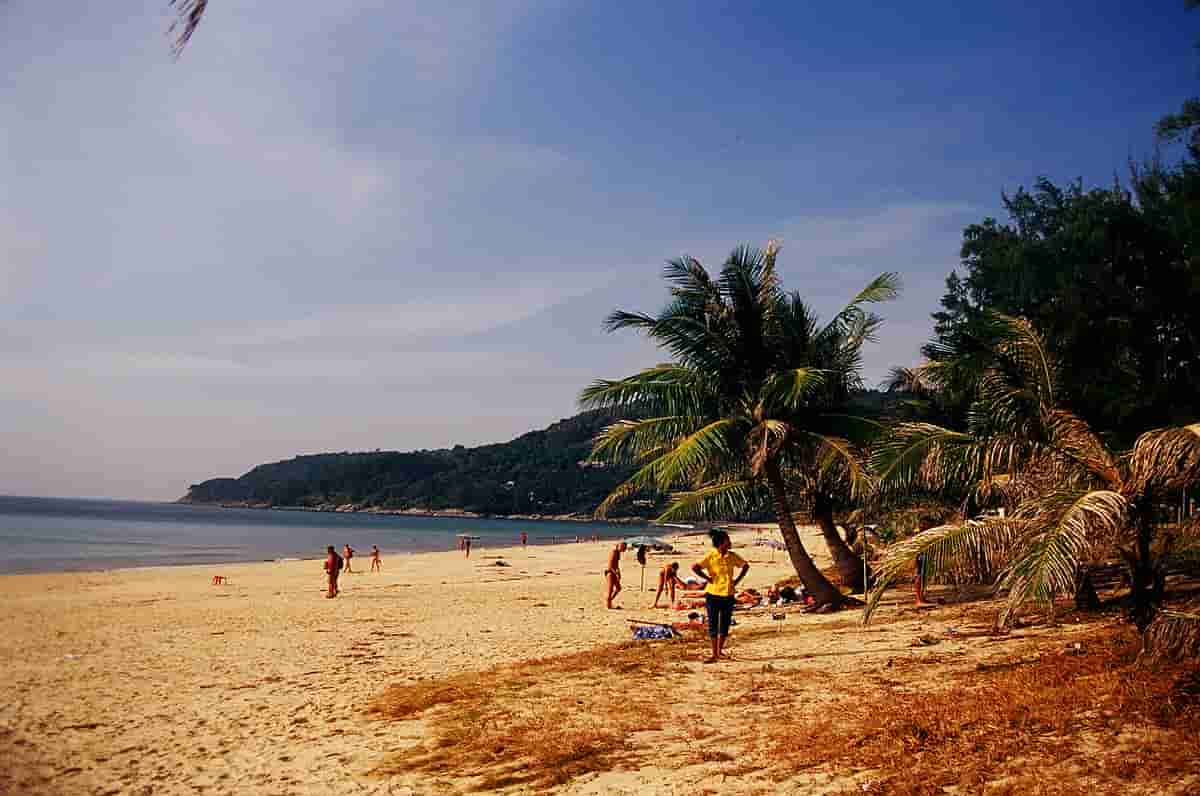
Karde Beach
Known for its clean shoreline and water sports like jet skiing and parasailing.
Anjarle Beach
A scenic beach surrounded by hills and coconut groves.
Murud Beach
A serene and clean beach ideal for swimming, sunbathing, and watching sunsets.
Suvarnadurg Fort
Historic island sea fort built by Shivaji Maharaj, accessible by boat.
Ladghar Beach
A secluded beach with golden sand and clear waters, perfect for swimming.
Suvarndurg Fort
Sea fort with historical significance and views.
Harnai Port
Fishing port known for its fresh seafood market and boat rides.
Unhavare Hot Springs
Natural hot water springs believed to have medicinal properties.
Suvarna Ganesh Temple
Historic temple dedicated to Lord Ganesha, attracting many pilgrims.
🏘️ Neighborhoods
Dapoli Town
The main administrative and commercial hub. Offers basic amenities, local markets, bus stand, and a range of guesthouses and hotels.
Karde Beach Area
A popular beach known for its wide sandy shore and water sports like parasailing. Has a cluster of resorts and homestays right on the beach.
Murud Beach Area
Home to the long and scenic Murud Beach and the historic Janjira Fort view (across the creek). Offers a mix of resorts and quieter stays.
Anjarle Beach Area
A serene and cleaner beach known for turtle nesting sites and a beautiful cliffside temple. Accommodation is more limited and spread out.
Harnai Port Area
A bustling fishing port with a historic fort (Suvarnadurg) accessible by boat. Stay here for fresh seafood and a vibrant working harbor atmosphere.
Ladghar Beach Area
A relatively secluded beach with rocky outcrops and calm waters. A few resorts offer a peaceful, away-from-it-all experience.
Unhavare Area
Located inland, centered around the famous hot water springs. Ideal for those seeking the therapeutic benefits and a quiet, rural setting.
🍽️ Local Cuisine
Dapoli's cuisine is a delicious highlight of the Konkan region, characterized by fresh seafood, coconut, rice, and kokum. Must-try dishes include Solkadhi, a cooling drink made from coconut milk and kokum, and various types of fish and prawn curries (like Kolambi or Bombil fry) served with steamed rice. Vegetarian fare is equally flavorful, featuring dishes like Amti (a lentil curry), Zunka Bhakri (spiced chickpea flour with millet bread), and Aluchi Patal Bhaji (colocasia leaves curry). Dining is often a simple, homely affair at local eateries or beach shacks. For a unique experience, visit the Harnai Port in the early morning to see the fish auction and enjoy incredibly fresh seafood at nearby stalls. Meals are very affordable, with hearty thalis (platters) at local restaurants costing a few dollars, while beachfront resorts offer higher-priced, curated menus. Etiquette is relaxed; eating with your right hand is common, though cutlery is always available.
💡 Local Tips
🚗 Day Trip Ideas
Dapoli Beach & Unhavare Hot Springs
Relax at the main Dapoli Beach followed by a therapeutic soak in the natural sulfur hot springs at Unhavare village.
Kelshi & Karde Beaches
Explore the serene Kelshi Beach with its backwaters and then head to the vibrant Karde Beach for water sports and sunset.
Harnai Port & Suvarnadurg Fort
Experience the bustling fish market at Harnai and take a boat ride to the majestic island sea fort of Suvarnadurg.
Anjarle & Murud Beaches
Visit the turtle-friendly Anjarle Beach and its cliffside temple, then drive to the long stretch of Murud Beach.
Ladghar Beach & Diveagar
Enjoy the rocky beauty of Ladghar and continue north to the wider, cleaner sands of Diveagar Beach.
🛡️ Safety Tips
Dapoli is generally a very safe and peaceful destination for travelers. Violent crime is rare. However, exercise standard precautions: avoid isolated beaches after dark, don't leave valuables unattended on the beach, and be cautious while swimming, as some beaches may have strong currents and lack lifeguards. Specific scams are uncommon, but always agree on a fare with auto-rickshaw or taxi drivers before starting your journey. Road conditions on rural routes can be uneven, so drive carefully if renting a two-wheeler. Health-wise, drink only bottled or purified water, and use mosquito repellent, especially during and after the monsoon. Emergency numbers are 100 for police, 102 for ambulance, and 101 for fire. It's advisable to carry a basic first-aid kit and any personal medications, as specialized medical facilities are limited in the immediate area.
💰 Budget Guide
Dapoli can cater to various budgets, though it leans more towards mid-range experiences. A budget traveler can manage on $30-40 per day by staying in basic guesthouses or homestays ($15-25/night), eating at local eateries ($5-10/day), and using shared auto-rickshaws for transport ($5/day). A mid-range traveler spending $70-100 per day can enjoy comfortable resort accommodation (from the average hotel price of ~$93/night), meals at nicer beach shacks or hotel restaurants ($15-25/day), and a private taxi for a day of exploration ($25-40). Luxury spending ($150+/day) covers premium beachfront resorts, all meals at upscale restaurants, and private car hire with a driver. Money-saving tips include traveling in small groups to split taxi costs, opting for homestays or offseason discounts, eating thali meals at local 'hotels' (restaurants), and focusing on free attractions like public beaches and fort ruins.