Welcome to Coimbatore
Welcome to Coimbatore, the vibrant 'Manchester of South India' nestled at the foothills of the Western Ghats in Tamil Nadu. This dynamic city is far more than just a major industrial and textile hub; it's a gateway to the lush Nilgiri mountains and a place where ancient temple traditions harmonize with modern engineering prowess. Known affectionately as Kovai, Coimbatore charms visitors with its pleasant climate, courtesy of its elevation, and its reputation as one of the most liveable cities in India. The city serves as a perfect base for exploring the hill stations of the south while offering its own unique blend of cultural sites, innovative museums, and sprawling shopping malls. With a welcoming atmosphere and excellent infrastructure, including a wide range of 233 hotels catering to every preference and budget, Coimbatore is an accessible and rewarding destination for travelers seeking both urban energy and natural serenity. Whether you're drawn by spiritual journeys to hilltop temples like Marudhamalai, the thrill of Black Thunder Water Park, or the fascinating history showcased at the Gedee Car Museum, Coimbatore promises a rich and varied experience.
Overview
Coimbatore's history is deeply intertwined with the Kongu Nadu region, with its name believed to derive from 'Koyamputhur,' meaning 'new town of Kovan,' a local chieftain. It grew from a small village into a major city under British rule, primarily due to its strategic location and the establishment of textile mills, earning its industrial moniker. Today, it's a powerhouse of education, healthcare, and manufacturing, particularly for pumps and wet grinders. Culturally, the city is a bastion of Tamil traditions, with a calendar filled with vibrant festivals like Pongal and Deepavali. Key districts include the bustling central areas around RS Puram and Gandhipuram, known for shopping and commerce, and the more residential and educational zones like Saibaba Colony and Peelamedu. Coimbatore is famous not just for its industry, but also for its proximity to natural wonders like the Siruvani Waterfalls and the Marudhamalai Hill Temple, a significant pilgrimage site. The city's spirit is one of humble enterprise, deeply rooted spirituality, and a surprising green cover that makes it distinct from other Indian metropolises.
🗓️ Best Time to Visit
The best time to visit Coimbatore is during the winter and early summer months, from November to March. During this period, the weather is at its most pleasant, with daytime temperatures ranging from a comfortable 25°C to 32°C (77°F to 90°F) and cool, dry evenings. This is the ideal season for sightseeing, temple visits, and exploring the surrounding hills. The peak tourist season aligns with this window, especially around major holidays. The summer months of April to June are hot and dry, with temperatures occasionally spiking, making it less comfortable for extensive outdoor activities, though early mornings and evenings are still manageable. The southwest monsoon (June-August) and the northeast monsoon (October-November) bring moderate to heavy rainfall, which can be refreshing but may disrupt travel plans to waterfalls and hill stations. Major events include the colorful Tamil New Year (April), the grand temple festivals at Marudhamalai, and the Coimbatore Marathon. Visiting during the shoulder months of October or March can offer a good balance of fewer crowds and agreeable weather.
🌤️ Weather & Climate
Coimbatore enjoys a relatively pleasant and moderate climate compared to other parts of Tamil Nadu, thanks to its proximity to the Western Ghats. It experiences distinct wet and dry seasons, with temperatures rarely reaching extremes.
Seasons
Winter
💨 Humidity: moderate
The most pleasant time to visit, with cool mornings and evenings and warm, sunny days. Ideal for all outdoor activities and sightseeing.
Summer
💨 Humidity: moderate
Hot and dry, with peak heat in April-May. Mornings and late evenings are still comfortable for outings.
Monsoon
💨 Humidity: high
Receives rainfall from both southwest and northeast monsoons. Intermittent heavy showers, lush greenery, and cooler temperatures.
Monthly Weather Details
January Weather
Best for: sightseeing, temple visits
February Weather
Best for: sightseeing, outdoor activities
March Weather
Best for: early morning outings
April Weather
Best for: indoor museums, mall visits
May Weather
Best for: water parks, early travel
June Weather
Best for: hill station trips
July Weather
Best for: lush greenery viewing
August Weather
Best for: lush greenery viewing
September Weather
Best for: indoor cultural sites
October Weather
Best for: post-monsoon freshness
November Weather
Best for: transition to peak season
December Weather
Best for: sightseeing, temple visits
🎒 What to Pack
All Year Round
- lightweight cotton clothing
- sunglasses
- sunscreen
- comfortable walking shoes
- reusable water bottle
🚗 Getting Around
Coimbatore offers a functional mix of transportation options. Public buses operated by the Tamil Nadu State Transport Corporation are extensive and very affordable, connecting all major points within the city and to nearby towns. Auto-rickshaws are ubiquitous and convenient for shorter trips; always insist on using the meter or agree on a fare beforehand. Ride-sharing apps like Ola and Uber are widely available and often more comfortable and transparently priced for longer journeys. Taxis can be hired for full or half-day tours. While the city center is somewhat walkable, the heat and traffic can be challenging, making shaded walks in parks like VOC Park more enjoyable. Biking is not common for tourists due to traffic conditions. For airport transfers, Coimbatore International Airport (CJB) is about 10 km from the city center. Pre-paid taxi counters at the airport offer fixed-rate rides, or you can book a ride-share. Average costs: Bus: ₹10-30; Auto-rickshaw: ₹50-150 for short trips; Ride-share: ₹150-300 for cross-city trips.
🎯 Top Attractions
Marudhamalai Temple
A hill temple dedicated to Lord Murugan, known for its architecture and panoramic views.
Black Thunder Water Park
A popular water park with thrilling rides and pools, great for family fun.

Gedee Car Museum
Home to an impressive collection of classic and rare cars from around the world.
Coimbatore Railway Station
Major railway junction connecting to various cities across South India.
G.D. Naidu Museum
A museum showcasing inventions and contributions of G.D. Naidu, an engineer and inventor.

Brookefields Mall
Large shopping mall with international brands, multiplex cinema, and food court.
Marudhamalai Hill Temple
A hilltop temple dedicated to Lord Murugan, offering scenic views and religious significance.
VOC Park
A family-friendly park featuring lush greenery, children's play areas, and peaceful walking paths.

Gass Forest Museum
An educational museum featuring exhibits on forestry and wildlife conservation.
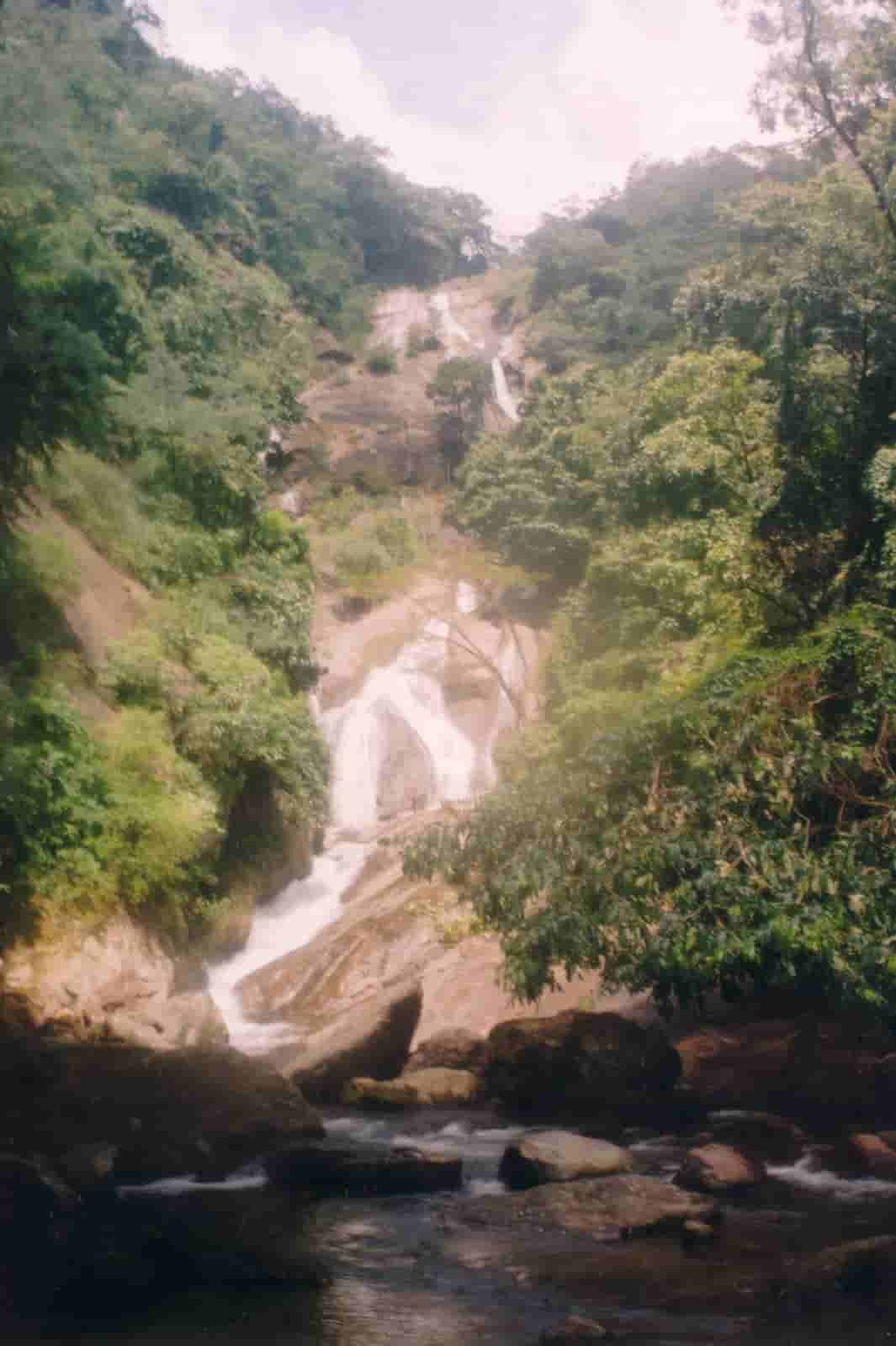
Siruvani Waterfalls
Famous waterfall and dam known for its sweet water and lush surroundings.
Velliangiri Hills
Sacred hills with trekking routes
Coimbatore Science Center
An interactive science museum with exhibits and a planetarium.
🏘️ Neighborhoods
RS Puram
An upscale commercial and residential hub known for its wide, tree-lined streets, high-end boutiques, branded showrooms, and some of the city's best restaurants and cafes.
Gandhipuram
The bustling commercial heart of Coimbatore, packed with shops, markets, budget hotels, and eateries. It's always lively and a major transportation junction.
Race Course
A prestigious, well-planned area surrounding the race course grounds. Known for luxury residences, premium hotels, fine-dining restaurants, and tranquil, green avenues.
Saibaba Colony
A quiet, affluent residential neighborhood with a cosmopolitan vibe. Features trendy cafes, bookstores, and boutiques, popular with students and young professionals.
Peelamedu
Home to the Coimbatore International Airport and several educational institutions like the Amrita University. Has growing commercial complexes and mid-range hotels.
Ukkadam
One of the oldest parts of the city, known for its massive wholesale market (Ukkadam Market) and the Perur Patteeswarar Temple. Offers a raw, authentic local experience.
Singanallur
A major industrial area that also provides good budget accommodation options. Well-connected and offers a practical, no-frills base for travelers.
🍽️ Local Cuisine
Coimbatore's cuisine is a delicious testament to Kongu Nadu culinary traditions, characterized by robust flavors and hearty meals. The signature dish is the Kongunadu meal, a lavish spread featuring arisi paruppu sadam (lentil rice), kambu koozh (pearl millet porridge), and a variety of kozhambu (gravies) like kathrikkai (brinjal) and urulai (potato). Must-try street foods include kari dosa, a dosa topped with a mutton or chicken curry, and sulaimani tea, a spiced black tea. Dining culture ranges from no-frills 'mess' restaurants serving homestyle meals on banana leaves to modern cafes and multi-cuisine restaurants. Popular food areas include Race Course Road, Cross Cut Road, and RS Puram, which are lined with eateries. For authentic local fare, visit the bustling Annapoorna or Sree Arya Bhavan. Price ranges are very reasonable: a street snack can cost under ₹50, a hearty vegetarian meal at a mid-range restaurant ₹200-400, and a fine-dining experience ₹800+. Etiquette is straightforward; eating with your right hand is common, and it's polite to finish all the food on your banana leaf.
💡 Local Tips
🚗 Day Trip Ideas
Ooty (Udhagamandalam)
The iconic 'Queen of Hill Stations' famous for its botanical gardens, tea plantations, Ooty Lake, and toy train ride.
Valparai
A serene, less-crowded hill station nestled amidst tea and coffee estates, offering stunning views, waterfalls, and wildlife spotting opportunities.
Isha Yoga Center
Home to the monumental Adiyogi Shiva statue and the Dhyanalinga, a powerful meditative space. A center for yoga and spirituality.
Top Slip (Anamalai Tiger Reserve)
Entry point to a rich wildlife sanctuary and tiger reserve. Offers jungle safaris, elephant camps, and pristine nature walks.
Palani
A major pilgrimage town dedicated to Lord Murugan. The hilltop Dhandayuthapani Swamy Temple is reached by a steep climb or cable car.
Avinashi
Famous for the ancient Avinashi Lingeshwarar Temple, a significant Shiva temple with intricate architecture and a sacred water tank.
🛡️ Safety Tips
Coimbatore is generally considered a safe city for travelers, with a low crime rate. However, standard precautions apply. Be cautious of petty theft in crowded areas like markets and bus stations; keep valuables secure and be aware of your surroundings. Common scams are rare but can include auto-rickshaw drivers refusing to use the meter or taking longer routes. Always agree on a fare upfront or use ride-sharing apps. Traffic can be chaotic, so exercise extreme caution when crossing streets. There are no specific no-go areas, but it's wise to avoid isolated spots at night. For emergencies, dial 100 for police, 101 for fire, and 108 for ambulance. Health-wise, drink only bottled or purified water. Street food is generally safe if from busy, reputable vendors, but those with sensitive stomachs should exercise caution. Mosquito repellent is recommended, especially during the monsoon. The city has excellent medical facilities, including well-regarded private hospitals.
💰 Budget Guide
Coimbatore is a very affordable destination. A budget traveler can manage on ₹1,500-2,500 per day, covering a basic guesthouse or hostel (₹800-1,200), local meals at 'mess' restaurants (₹200-400), public transport and auto-rickshaws (₹200-300), and low-cost attractions like temples and parks. Mid-range travelers spending ₹3,500-6,000 daily can enjoy comfortable 3-star hotels (avg. $77/night aligns here), meals at good restaurants, occasional taxis, and entry fees to museums and parks. A luxury budget of ₹9,000+ per day affords 4-5 star hotels, fine dining, private car hires, and spa treatments. Money-saving tips: Use city buses for long routes, eat at local vegetarian restaurants for incredibly cheap and delicious thalis, visit free attractions like the Coimbatore Railway Station architecture and many public parks, and shop at local markets instead of malls. Many temples have free entry. Traveling during the off-peak monsoon season can also yield lower hotel rates.