Welcome to Chikmagalur
Nestled in the lush foothills of the Western Ghats in Karnataka, Chikmagalur is a serene escape that whispers tales of coffee, misty mountains, and timeless beauty. Often called the 'Coffee Land of Karnataka,' this hill station is where India's love affair with coffee began, with legends tracing its roots back to the saint Baba Budan. The landscape is a mesmerizing tapestry of emerald-green coffee plantations, rolling hills cloaked in mist, cascading waterfalls, and some of the highest peaks in the state. It's a destination that caters to the soul of the wanderer, whether you're an avid trekker aiming for the summit of Mullayanagiri, a nature lover seeking the roar of Hebbe Falls, or simply a traveler in need of a tranquil retreat with a cup of freshly brewed coffee in hand. With its cool climate and picturesque vistas, it's no surprise that Chikmagalur offers a comfortable stay for every traveler, boasting a selection of 111 hotels ranging from rustic homestays in the plantations to luxurious resorts, ensuring your immersion into this green paradise is as comfortable as it is unforgettable.
Overview
Chikmagalur's history is steeped in the aroma of coffee. The district's name itself translates to 'the younger daughter's town' from Kannada, linked to a local marital legend. Its global significance, however, began in the 17th century when the Sufi saint Baba Budan smuggled seven coffee beans from Yemen and planted them in the hills of what is now the Baba Budangiri range. This clandestine act laid the foundation for India's massive coffee industry. Culturally, the region is a blend of traditional Kodava, Malnad, and Kannada influences, reflected in its festivals, cuisine, and warm hospitality. The city is famous predominantly for its sprawling Arabica and Robusta coffee estates, often interspersed with pepper and cardamom plantations. While the town of Chikmagalur serves as the central hub, the real magic lies in the surrounding areas and estates like Aldur, Mudigere, and Kalasa. The economy and daily life revolve around coffee cultivation, making plantation tours an essential experience. Beyond coffee, it's a gateway to breathtaking natural attractions like the Kudremukh National Park, a UNESCO World Heritage Site, and the hill station of Kemmangundi, offering a perfect blend of history, culture, and unparalleled natural beauty.
🗓️ Best Time to Visit
The best time to visit Chikmagalur is from September to March, when the weather is pleasantly cool and dry, ideal for outdoor activities like trekking and sightseeing. The post-monsoon period (September-November) is particularly magical, with lush greenery and gushing waterfalls. Winter (December-February) brings crisp, cool mornings and is perfect for exploring coffee plantations and peaks. The summer months (March-May) are warmer but still manageable compared to the plains, with temperatures rising in the afternoons; this is a good time for visiting before the monsoon sets in. The monsoon season (June-August) receives heavy rainfall, transforming the region into a verdant paradise. While this period is stunningly beautiful and offers a unique charm with mist-covered hills, trekking and outdoor activities can be challenging and some remote areas may be inaccessible. There are no major city-wide festivals, but the region celebrates local temple festivals and the coffee blossom season around March-April, when the plantations are filled with fragrant white flowers. The off-peak monsoon season can mean fewer crowds and lower accommodation rates.
🌤️ Weather & Climate
Chikmagalur enjoys a tropical highland climate due to its elevation in the Western Ghats. It features pleasant temperatures year-round, with a distinct wet monsoon season bringing heavy rainfall.
Seasons
Winter
💨 Humidity: moderate
Pleasant and cool, with crisp mornings and evenings. Ideal for all outdoor activities and plantation tours.
Summer
💨 Humidity: moderate
Warm days and mild nights. A good time to visit before the rains, though afternoons can be sunny.
Monsoon
💨 Humidity: high
Heavy to very heavy rainfall, especially from June to August. Lush greenery but trekking can be restricted. Landslides are possible.
Monthly Weather Details
January Weather
Best for: trekking, sightseeing
February Weather
Best for: trekking, sightseeing
March Weather
Best for: coffee blossom viewing, sightseeing
April Weather
Best for: plantation tours
May Weather
Best for: indoor activities, early day trips
June Weather
Best for: scenic drives, enjoying monsoon greenery
July Weather
Best for: indoor relaxation, cafe visits
August Weather
Best for: indoor relaxation, cafe visits
September Weather
Best for: waterfall visits, photography
October Weather
Best for: trekking, outdoor activities
November Weather
Best for: trekking, outdoor activities
December Weather
Best for: trekking, sightseeing
🎒 What to Pack
All Year Round
- comfortable walking shoes
- light jacket or sweater
- sunscreen
- hat
- umbrella or raincoat
- insect repellent
🚗 Getting Around
Getting around Chikmagalur requires some planning as public transportation within the district is limited. The town itself is walkable, but to explore attractions, you'll need private transport. The most convenient and recommended option is to hire a taxi or a local auto-rickshaw for the day. Pre-paid taxis and cab services like Ola are available in the town. Many hotels and homestays can arrange private car rentals with a driver, which is ideal for visiting multiple sites like Mullayanagiri, Baba Budangiri, and waterfalls; expect to pay around INR 2000-3000 for a full-day tour. For the adventurous, renting a scooter or bike is a popular and flexible way to explore the winding roads and plantations at your own pace; daily rentals cost approximately INR 500-800. There are limited KSRTC (state-run) bus services connecting the town to major attractions, but they are infrequent and not always reliable for tight itineraries. The nearest airports are in Mangalore (about 120 km away) and Bangalore (about 240 km away). Transfers are best arranged through your hotel or pre-booked taxi services, with costs ranging from INR 3000-5000 depending on the distance.
🎯 Top Attractions
Mullayanagiri Peak
The highest peak in Karnataka, offering breathtaking views and popular trekking routes.
Coffee Plantations
Vast expanses of coffee estates where guests can learn about coffee cultivation.
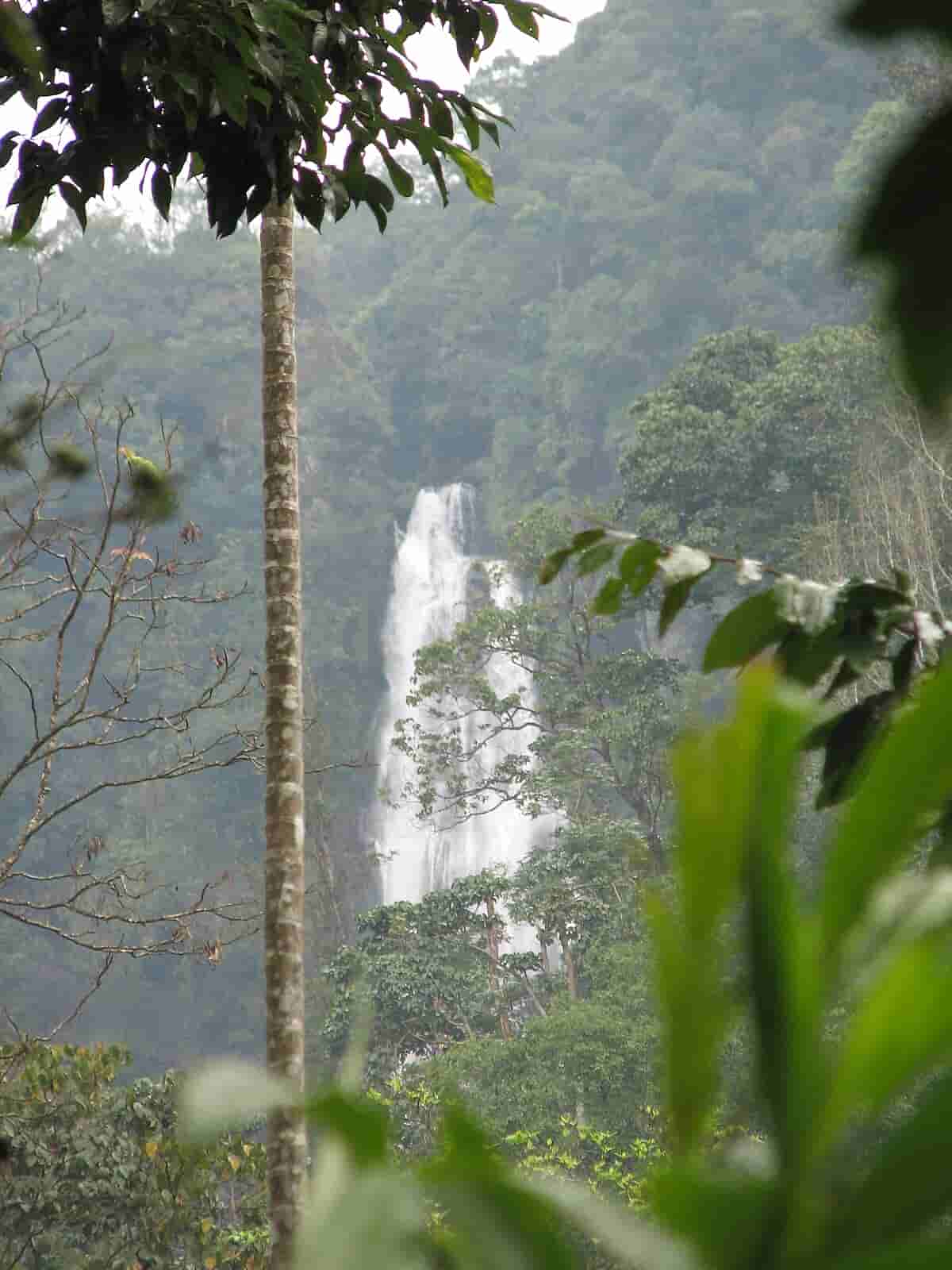
Hebbe Falls
A stunning waterfall surrounded by dense forests, accessible via a trek or jeep ride.
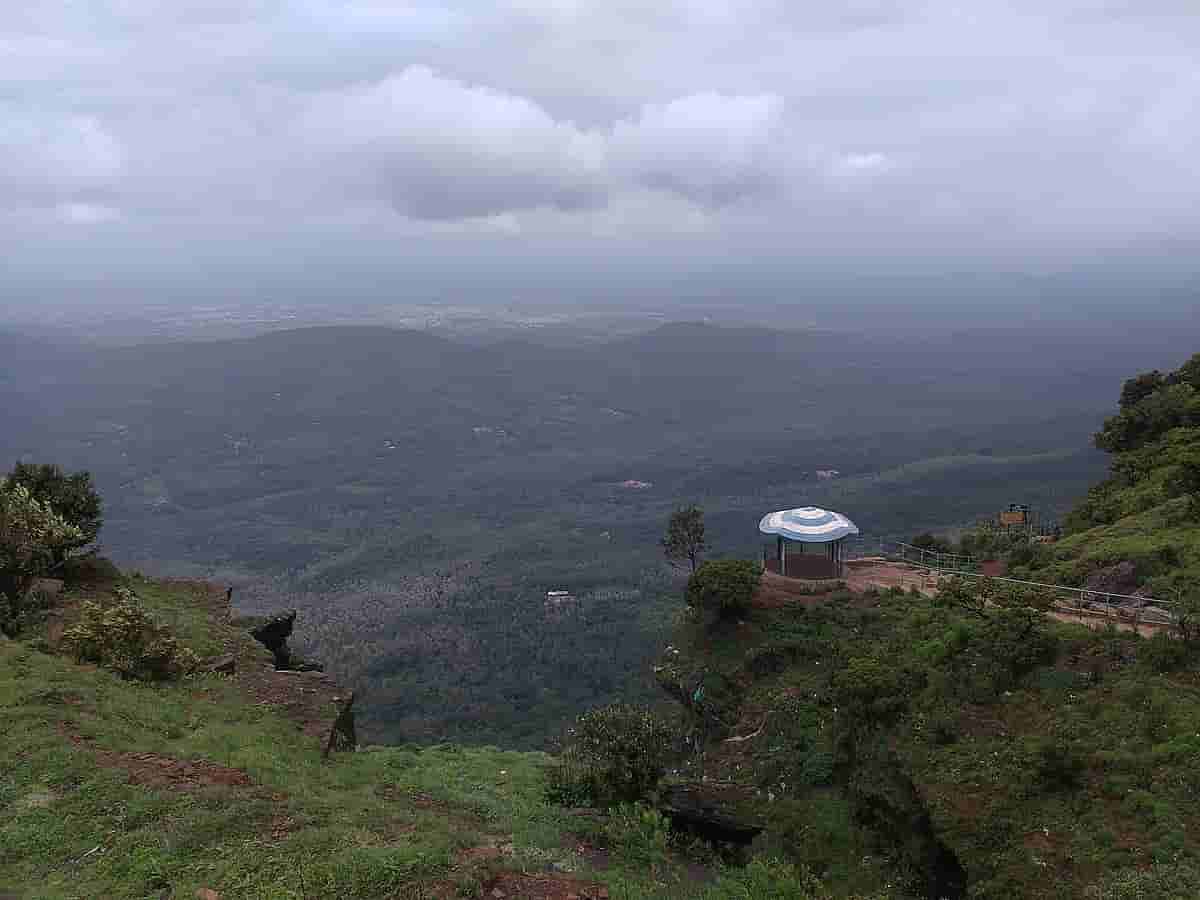
Baba Budangiri
A mountain range known for its scenic beauty, coffee plantations, and religious significance.
Coffee Plantation Tours
Guided tours through famous Chikmagalur coffee estates
Kemmangundi
A hill station with gardens, trekking trails, and waterfalls.
Jhari Waterfalls
Popular waterfall also known as Buttermilk Falls, great for swimming.
Coffee Museum
A museum dedicated to the history and process of coffee making in Chikmagalur.
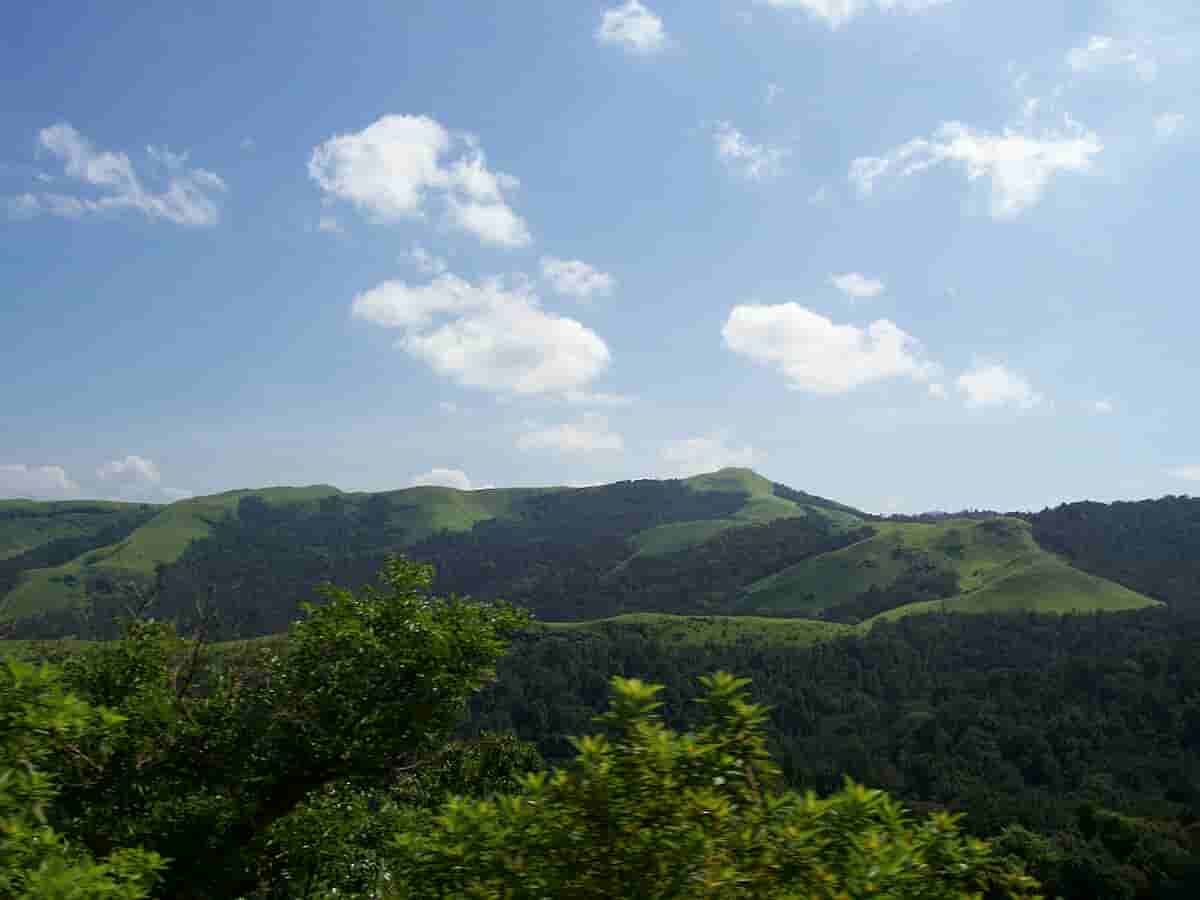
Kudremukh National Park
National park known for its biodiversity and trekking opportunities.
Zyara Cafe
Popular local cafe offering great coffee and snacks with a view.
Kaveri River
A sacred river offering scenic spots for relaxation and picnics.
Chikmagalur Town Center
Local market area for shopping and experiencing regional culture.
🏘️ Neighborhoods
Town Center
The bustling heart of Chikmagalur with markets, bus stand, and most essential services. Convenient for first-time visitors and those relying on public transport.
Aldur Region
A serene area known for its expansive coffee and spice plantations. Offers secluded homestays and resorts nestled within estates, perfect for a tranquil retreat.
Mullayanagiri Foothills
Area close to the base of Karnataka's highest peak. Ideal for trekkers and adventure enthusiasts, with lodges and homestays offering easy access to trails.
Baba Budangiri Range
A region of spiritual significance and stunning landscapes, home to the Dargah and unique 'Shola' grasslands. Offers a mix of pilgrimage and scenic beauty.
Kalasa
A temple town located further into the hills, known for its ancient Bhadra River source temple and proximity to Kudremukh National Park.
Luxury Estate Belt
Scattered premium coffee estates offering high-end resort experiences with spa services, fine dining, and exclusive plantation tours.
🍽️ Local Cuisine
Chikmagalur's cuisine is a hearty reflection of the Malnad region, known for its use of local ingredients, coconut, and spices. Signature dishes are designed to warm you up in the cool climate. Must-try foods include 'Kadambuttu' (steamed rice dumplings), 'Akki Roti' (rice flour flatbread), 'Neer Dosa' (thin, soft rice crepes), and various 'Bisi Bele Bath' (a spicy rice-lentil dish). Don't miss the local 'Koli Saaru' (chicken curry) or 'Mensinkai (Kundapura) Chicken'. Being the coffee capital, a freshly brewed cup of plantation coffee is a non-negotiable experience. For a unique treat, try 'Coffee Pak' (a coffee-flavored fudge). Dining is often a homely affair, with many homestays serving authentic, home-cooked meals on a banana leaf. Popular food areas are concentrated in the town center, with numerous local 'darshinis' (quick-service restaurants) and cafes. The Zyara Cafe is a famous spot for its ambiance and variety. Price ranges are very reasonable: a local meal can cost INR 150-300, while mid-range restaurants charge INR 400-800 per person. Etiquette is relaxed; it's customary to eat with your right hand, though cutlery is widely available.
💡 Local Tips
🚗 Day Trip Ideas
Kemmangundi & Hebbe Falls
A scenic hill station with beautiful gardens (Raj Bhavan) and a thrilling jeep ride to the majestic, multi-tiered Hebbe Falls.
Kudremukh National Park
A UNESCO World Heritage Site and biodiversity hotspot offering challenging treks through shola grasslands and stunning views of the horse-face shaped peak.
Sringeri
An ancient and revered temple town, home to the Sharada Peetham, one of the first monasteries established by Adi Shankaracharya.
Bhadra Wildlife Sanctuary
Take a wildlife safari or a boat ride on the Bhadra River to spot tigers, leopards, elephants, and a variety of bird species.
Horanadu & Kalasa
A spiritual circuit visiting the famous Annapoorneshwari Temple in Horanadu and the ancient temples in Kalasa, set amidst beautiful hills.
Belur & Halebidu
A journey into history to explore the exquisite Hoysala architecture at these twin temple towns, famed for their intricate stone carvings.
🛡️ Safety Tips
Chikmagalur is generally a very safe destination for tourists, with a low crime rate. However, standard travel precautions apply. Be cautious of your belongings in crowded town areas and markets. When trekking, especially to peaks like Mullayanagiri or in Kudremukh, always go with a guide or in a group, stick to marked trails, and check weather conditions as mist can descend quickly and trails can be slippery. Road safety is important; drive carefully on the winding, narrow ghat roads, especially during the monsoon when landslides can occur. There are no major tourist-targeted scams, but agree on taxi/auto fares before the journey. Emergency numbers: Police (100), Ambulance (108), Fire (101). For health, carry basic medications and a first-aid kit. While tap water is not recommended for drinking, bottled water is widely available. Mosquito repellent is advisable, particularly during and after the monsoon. Respect local customs and dress modestly when visiting religious sites like the Baba Budangiri Dargah.
💰 Budget Guide
Chikmagalur can cater to a range of budgets. For budget travelers, daily costs can be around INR 1500-2500 ($18-30). This includes a basic homestay or guesthouse (INR 800-1500/night), local meals at darshinis (INR 200-400/day), public bus or shared auto rides (INR 200/day), and low-cost activities like self-guided walks or visiting free viewpoints. Mid-range travelers can expect to spend INR 4000-7000 ($48-85) daily. This covers a comfortable hotel or plantation stay (INR 2500-4000/night), meals at good restaurants (INR 800-1200/day), a rented scooter or private taxi for half-day tours (INR 800-1500/day), and paid activities like guided plantation tours or entry fees. Luxury travel starts at INR 10,000+ ($120+) per day, featuring high-end resorts (INR 6000+/night), fine dining, full-day private car with driver, and exclusive experiences. Money-saving tips: Travel during the off-peak monsoon for lower hotel rates, book accommodation in advance for the best deals, opt for homestays that include meals, use rented two-wheelers for transport, and focus on free natural attractions like waterfalls and scenic drives.