Welcome to Belgaum
Nestled in the foothills of the Western Ghats, Belgaum is a captivating city where history whispers from ancient forts and modernity thrives in bustling university campuses. This strategic city, often called the 'Sugar Bowl of Karnataka,' serves as a vital commercial and military hub, bridging the vibrant cultures of Karnataka, Maharashtra, and Goa. Its unique position offers a fascinating blend of Marathi and Kannada influences, evident in its architecture, language, and cuisine. Visitors are greeted by a landscape dotted with historic Jain temples, serene lakes, and colonial-era churches, all set against a backdrop of lush greenery. With a comfortable range of accommodations, including around 20 hotels catering to various preferences, finding a base to explore this multifaceted destination is straightforward, with an average nightly stay costing around $95. Whether you're drawn by the echoes of the Kittur Rani's valor, the tranquility of Kamatgi Lake, or the lively energy of its educational institutions, Belgaum promises a compact yet richly layered travel experience, ideally suited for a focused one-day exploration that reveals the soul of this borderland gem.
Overview
Belgaum's history is a tapestry woven with threads from various dynasties, including the Ratta, Vijayanagara, Maratha, and Bahmani Sultanates, culminating in British colonial rule. This layered past is physically embodied in the imposing Belgaum Fort, a structure that has stood since the 13th century. The city is famous for its military significance, hosting a large cantonment area, and as an educational center, home to the prestigious Visvesvaraya Technological University. Culturally, it is a harmonious confluence where Kannada and Marathi traditions coexist, celebrated through festivals like Ganesh Chaturthi and Dasara. Key districts include the historic Fort Area, the bustling commercial hub around Kittur Chennamma Circle, the serene and green Cantonment, and the academic atmosphere of the university precinct. Beyond its urban core, Belgaum is renowned for its sugarcane production and as a gateway to the neighboring state of Goa, making it a stopover for travelers seeking a taste of Karnataka's northern frontier before heading to the beaches.
🗓️ Best Time to Visit
The best time to visit Belgaum is during the winter and early summer months, from October to March. During this period, the weather is pleasantly cool and dry, with daytime temperatures ranging from 25°C to 32°C (77°F to 90°F), making it ideal for sightseeing and exploring outdoor attractions like the fort and lakes. This is the peak tourist season. The monsoon, from June to September, brings heavy rainfall from the southwest monsoon, transforming the region into a lush green paradise but potentially hindering travel to waterfalls and outdoor sites. Summers, from April to May, can be quite hot and humid, with temperatures occasionally soaring above 35°C (95°F). Major events include the vibrant Belgaum Carnival (often in December), the historic Kittur Utsav (around October-November) celebrating Rani Chennamma, and various temple festivals. For comfortable exploration, plan your visit in the cooler, drier months.
🌤️ Weather & Climate
Belgaum experiences a tropical savanna climate with distinct wet and dry seasons. It enjoys moderate temperatures for most of the year, with a significant monsoon influence bringing heavy rainfall from June to September.
Seasons
Winter
💨 Humidity: moderate
Pleasant, dry, and sunny days with cool nights. Ideal for all outdoor sightseeing and activities.
Summer
💨 Humidity: moderate to high
Hot and increasingly humid as the season progresses. Best for early morning or late evening outings.
Monsoon
💨 Humidity: high
Heavy to moderate rainfall, lush green landscapes. Some outdoor activities and road travel may be disrupted.
Monthly Weather Details
January Weather
Best for: sightseeing
February Weather
Best for: sightseeing
March Weather
Best for: sightseeing
April Weather
Best for: indoor activities
May Weather
Best for: indoor activities
June Weather
Best for: waterfalls, indoor
July Weather
Best for: waterfalls, indoor
August Weather
Best for: waterfalls, indoor
September Weather
Best for: sightseeing
October Weather
Best for: sightseeing
November Weather
Best for: sightseeing
December Weather
Best for: sightseeing
🎒 What to Pack
All Year Round
- lightweight clothing
- comfortable walking shoes
- sunscreen
- sunglasses
- reusable water bottle
🚗 Getting Around
Getting around Belgaum is relatively straightforward. Auto-rickshaws are the most common and affordable mode of transport for short distances; always insist on using the meter or agree on a fare beforehand. For longer trips or more comfort, app-based ride-sharing services like Ola and Uber are operational and reliable. The city has a local bus network operated by the NWKRTC, which is economical but can be crowded and less frequent. Taxis can be hired for full-day or half-day tours from hotels or taxi stands. Belgaum is a fairly spread-out city, so walking is best confined to specific areas like the Fort precinct or commercial circles. Biking is not a common tourist option. The city is served by Belgaum Airport (IXG), located about 10 km from the city center; pre-paid taxis and app-based cabs are available for transfers, costing approximately $10-$15. For intercity travel, Belgaum has a major railway station and a well-connected bus stand.
🎯 Top Attractions
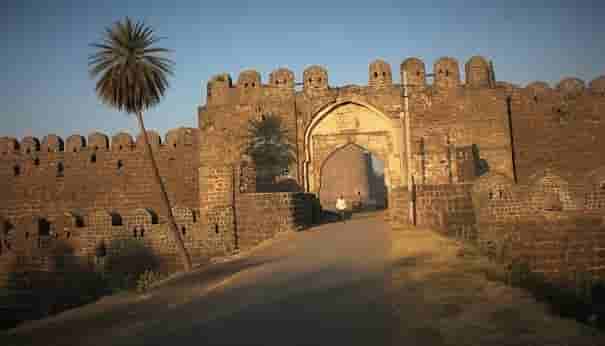
Belgaum Fort
A historic fort with temples and mosques, reflecting diverse architectural styles.
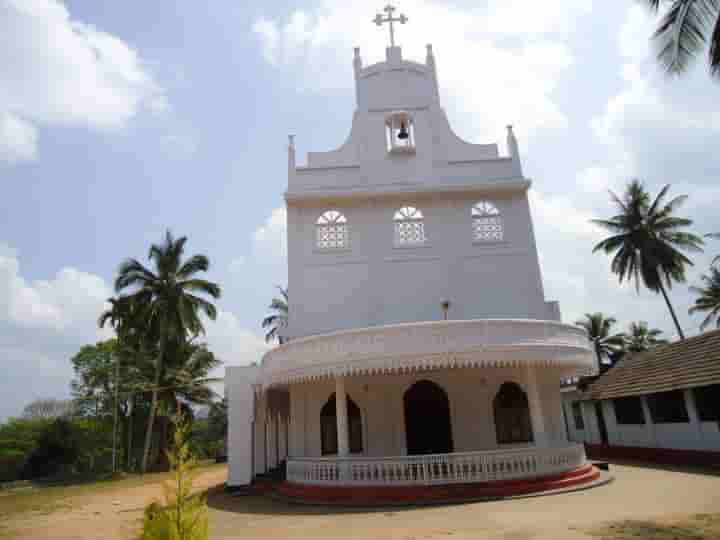
St. Mary's Church
Beautiful church known for its Gothic architecture and serene ambiance.
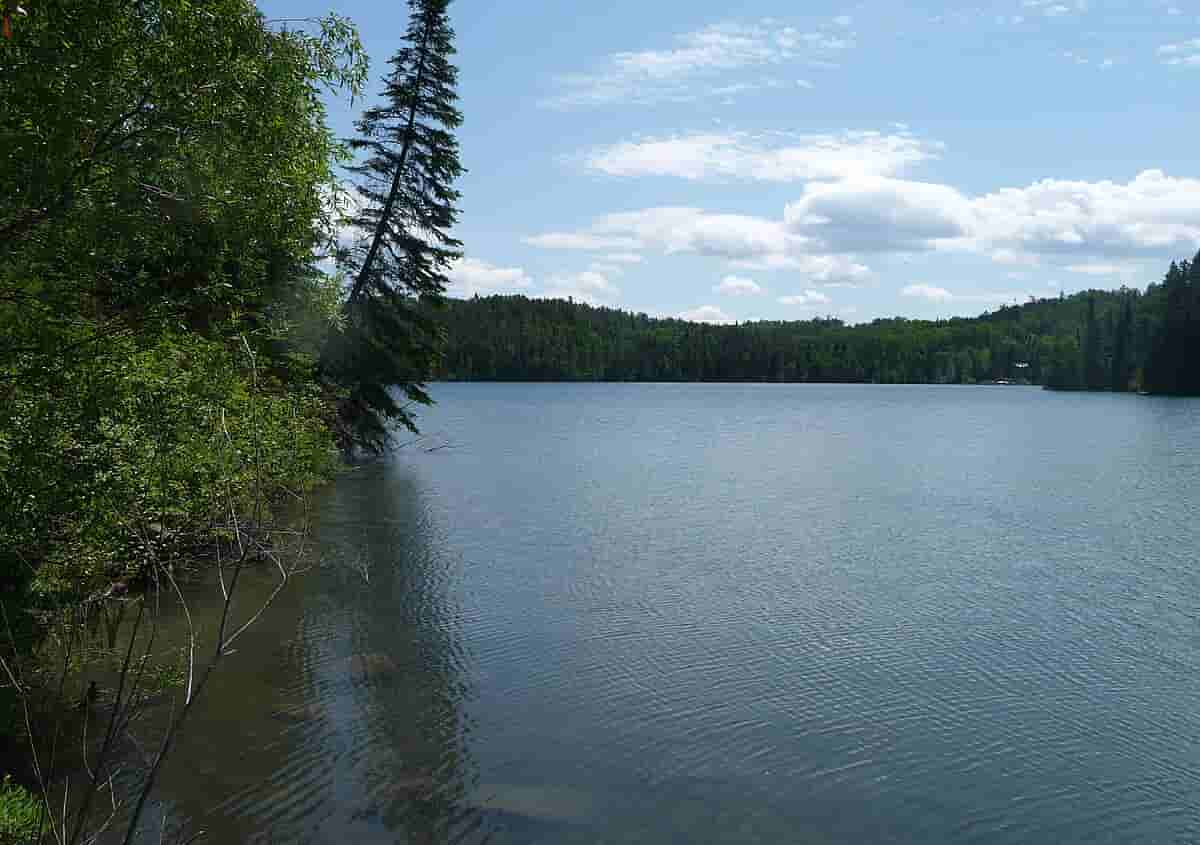
Kamatgi Lake
Serene lake ideal for picnics and bird watching, away from the city hustle.
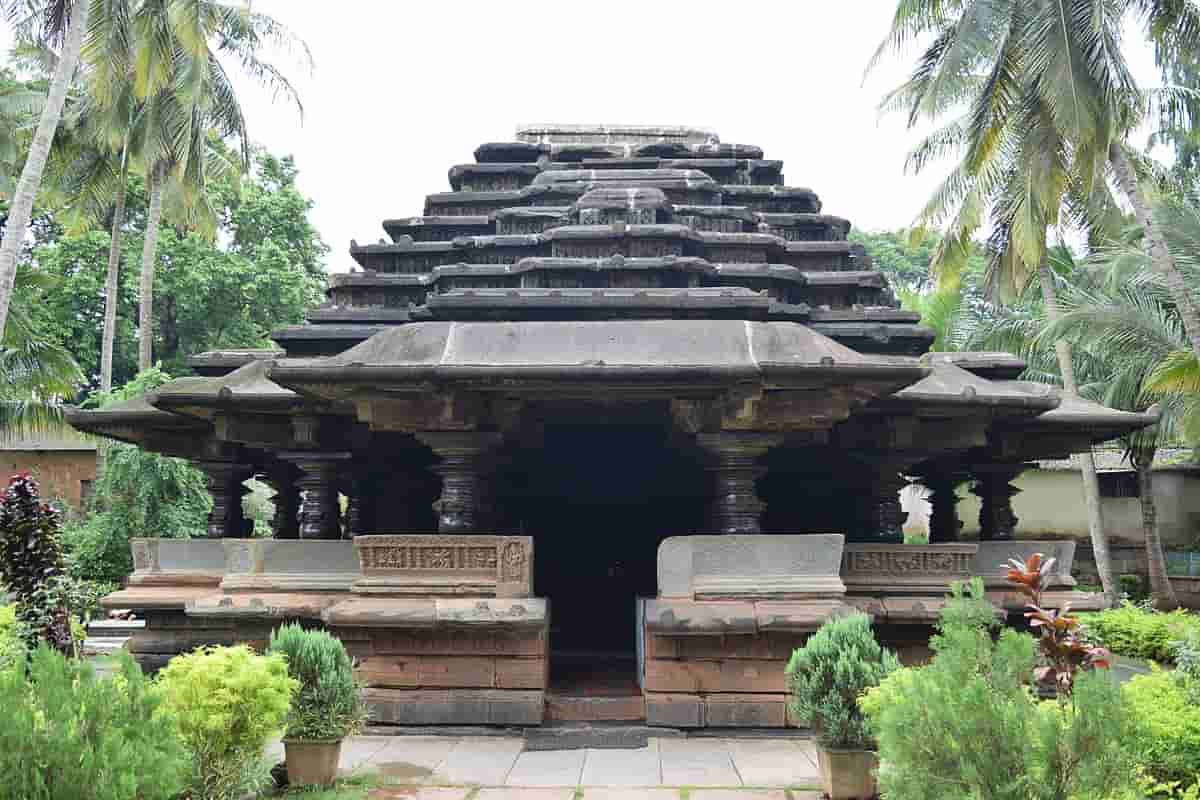
Kamal Basadi
A Jain temple known for its intricate carvings and peaceful ambiance.
Military Mahadev Temple
Popular temple dedicated to Lord Shiva, attracting many devotees.
Kittur Chennamma Circle
City center with shops, eateries, and a statue of the freedom fighter.
Hadoor Falls
Scenic waterfalls surrounded by lush greenery.
Bagh District Tourist Spot
Known for traditional forts and historical sites.
Goa Border
Close proximity to Goa's beaches and vibrant nightlife.
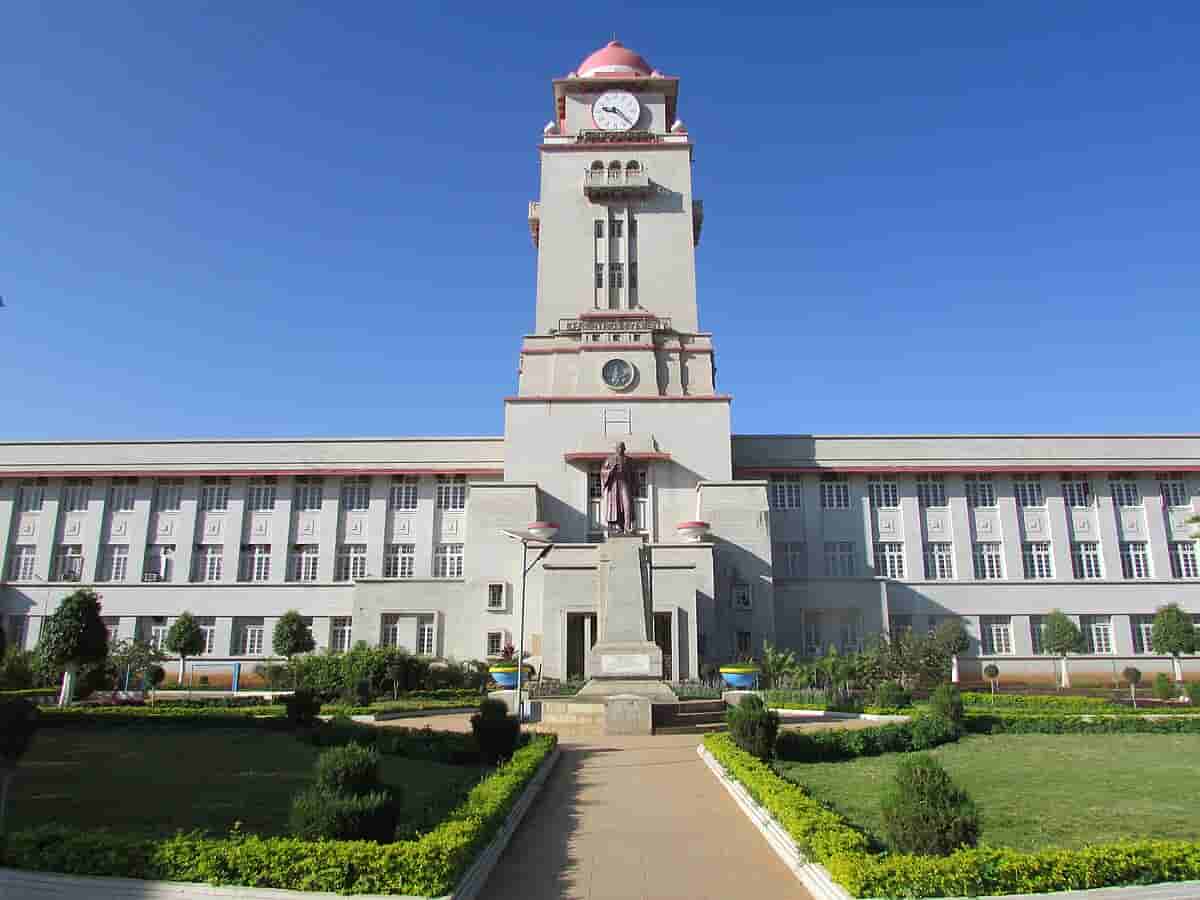
Kamatak University
Prestigious educational institution with scenic campus
Military Mahadeva Temple
An ancient temple dedicated to Lord Shiva, located within the fort.
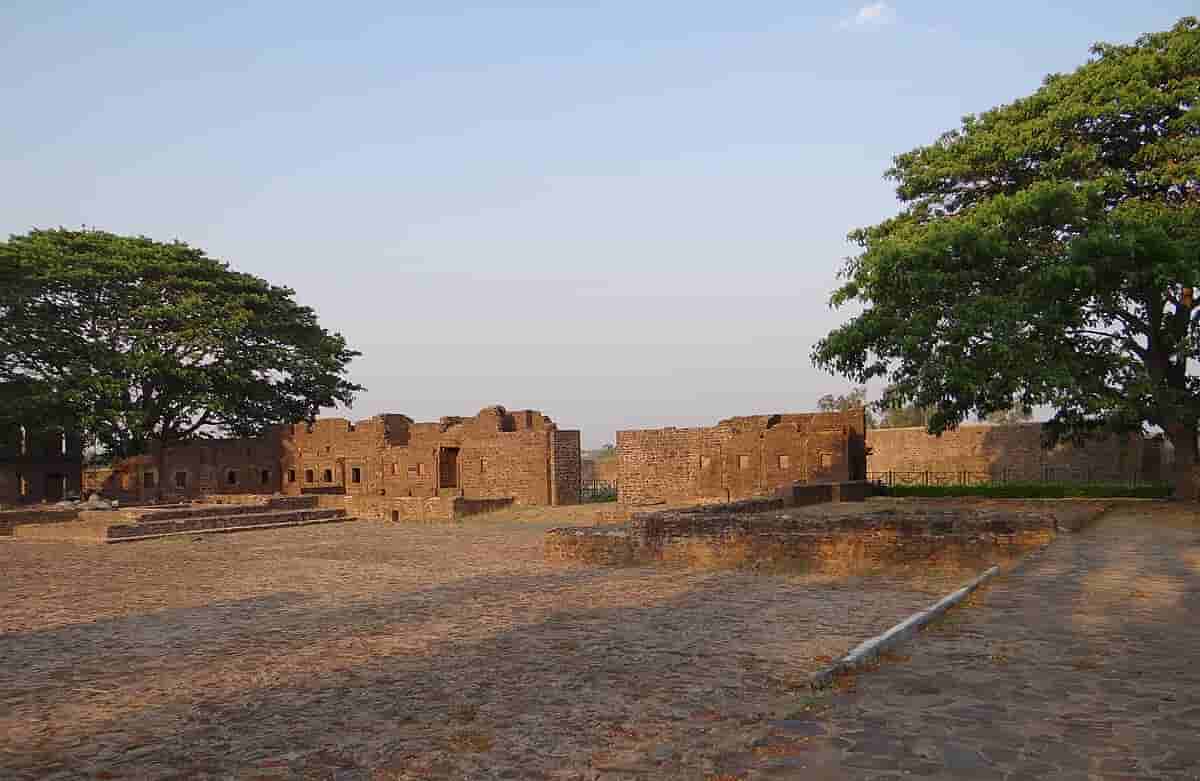
Kittur Fort
A fort associated with Rani Chennamma, a freedom fighter.
🏘️ Neighborhoods
Fort Area
The historic heart of Belgaum, centered around the ancient Belgaum Fort. Home to Kamal Basadi, ancient mosques, and narrow lanes brimming with history.
Cantonment (Camp)
A well-planned, green area established by the British. Known for its wide streets, colonial bungalows, St. Mary's Church, and a more upscale, serene atmosphere.
Kittur Chennamma Circle & Surrounds
The bustling commercial and retail hub of the city. Packed with shops, banks, hotels, and eateries, offering constant energy and convenience.
Shahpur
A densely populated, vibrant old quarter known for its markets, temples, and authentic local life. A great place to experience the city's traditional pulse.
Udyambag
An industrial and residential suburb that is also home to the Belgaum Airport. Features several hotels catering to business travelers and those in transit.
Vantamuri / University Area
The academic nerve center, housing Visvesvaraya Technological University and other colleges. Lined with affordable eateries, cafes, and a youthful vibe.
Tilakwadi
A prominent residential and commercial suburb with modern apartments, schools, and shopping complexes. Offers a quieter, suburban feel.
🍽️ Local Cuisine
Belgaum's cuisine is a delicious reflection of its borderland status, offering a hearty mix of North Karnataka and Maharashtrian flavors. Must-try signature dishes include 'Kunda,' a sweet milk-based delicacy unique to the region, and 'Kele Ambat,' a tangy and spicy raw banana curry. Don't miss 'Belgaum Karadant,' a dry sweet made from roasted gram and jaggery. For savory delights, sample 'Jolada Rotti' (sorghum flatbread) with 'Yennegai' (stuffed brinjal curry) or 'Thalipeeth' (multi-grain pancake). Dining culture ranges from no-frills local 'Khanavalis' (traditional eateries) serving affordable thalis to more upscale restaurants. Popular food areas are around the Fort Road, Gogte Circle, and the Camp area. A budget meal can cost as little as $3-$5, while a mid-range restaurant meal may be $10-$15 per person. Etiquette is generally relaxed; eating with your right hand is common, and it's polite to try a bit of everything served in a thali.
💡 Local Tips
🚗 Day Trip Ideas
Kittur
Historic town famous for the Kittur Fort and the brave queen Rani Chennamma. Visit the fort and museum.
Gokak Falls
A scenic waterfall on the Ghataprabha River, often compared to Niagara in shape. Visit the nearby hanging bridge.
Goa Border (Anmod)
Drive to the scenic Western Ghats pass marking the Karnataka-Goa border. Enjoy lush mountain views and a taste of the coastal state's proximity.
Godchinamalaki Falls
A beautiful and lesser-known waterfall near Gokak, offering a peaceful natural retreat.
Sogal
A pilgrimage site known for the Sogal Someshwar Temple and its natural surroundings, ideal for a spiritual and scenic trip.
Dandeli
Famous adventure hub in the Western Ghats for white-water rafting, wildlife safaris, and jungle stays.
🛡️ Safety Tips
Belgaum is generally a safe city for travelers, with a significant military presence contributing to overall security. Exercise standard precautions: avoid isolated areas after dark, keep valuables secure, and be cautious in crowded markets to prevent petty theft. Common scams are rare but be wary of inflated prices from auto-rickshaw drivers not using meters or at some tourist-oriented stalls. The city center and cantonment areas are well-patrolled. For emergencies, dial 100 for police, 102 for ambulance, and 101 for fire. Health-wise, drink only bottled or purified water, and be cautious with street food; choose busy stalls with high turnover. Mosquito repellent is advisable, especially during and after the monsoon. It's recommended to have travel insurance. Respect local customs, especially when visiting religious sites by dressing modestly.
💰 Budget Guide
Belgaum is a budget-friendly destination. A budget traveler can manage on $30-$40 per day, covering a basic guesthouse ($15-$25), local meals from 'khanavalis' ($5-$10), auto-rickshaw rides ($3-$5), and free/low-cost attractions like the fort. Mid-range travelers should budget $60-$90 per day for a comfortable hotel ($40-$60), meals at decent restaurants ($15-$25), hired taxis for sightseeing ($15-$20), and entry fees. A luxury day exceeding $120 includes upscale hotels (from $80+), fine dining, private car hires, and guided tours. Money-saving tips: Use auto-rickshaw meters, eat at local thali joints, visit public parks and temples with no entry fees, and explore on foot where possible. Many historical sites have minimal charges. Traveling outside peak holiday seasons can also yield better hotel rates.