Welcome to Batu Pahat
Nestled along the northwestern coast of Johor, Batu Pahat is a charming Malaysian city that offers a refreshing escape from the well-trodden tourist trail. Its name, meaning 'chiselled rock' in Malay, hints at a history intertwined with local craftsmanship and trade, but today it reveals itself as a laid-back destination where authentic local life unfolds at a leisurely pace. While it may not boast the towering skyscrapers of Kuala Lumpur, Batu Pahat captivates with its blend of coastal serenity, bustling local markets, and a warm, community-focused atmosphere. With a solid infrastructure for visitors, including 63 hotels catering to various preferences, the city provides a comfortable base for exploration. Whether you're drawn to the gentle waves of Minyak Beku Beach, the vibrant chaos of the night market, or the spiritual calm of the Min Chong Chinese Temple, Batu Pahat presents an unfiltered slice of Malaysian culture, perfect for a concise yet enriching one to two-day immersion.
Overview
Batu Pahat, a major district in Johor, Malaysia, has evolved from a humble fishing and agricultural settlement into a thriving commercial and industrial hub, particularly known for its textile and garment manufacturing. Historically, the area was significant for its rock quarries, which supplied materials for construction across the region. Culturally, it is a harmonious blend of Malay, Chinese, and Indian communities, reflected in its diverse festivals, temples, and daily life. The city is famous for its local food scene, especially its seafood and traditional Malay cakes (kuih). Key districts include the town center around Jalan Rahmat and Jalan Rugayah, which is the commercial heart, and areas like Taman Banang and Taman Flora for residential and local dining spots. While industrial growth marks its modern identity, Batu Pahat retains a strong sense of local charm, with attractions like the BP Mall and Batu Pahat Mall catering to modern needs, while the nearby Sri Gading Waterfall and coastal areas offer natural respite.
🗓️ Best Time to Visit
The best time to visit Batu Pahat is during the drier periods from February to September, when rainfall is relatively lower, making it ideal for outdoor exploration and beach visits. Batu Pahat experiences a tropical climate with consistent temperatures year-round, but has distinct monsoon seasons. The Northeast Monsoon typically brings heavier rains from November to March, which can lead to occasional flooding and disrupt outdoor plans. The Southwest Monsoon from May to September is generally drier. Peak tourist seasons often coincide with Malaysian school holidays and major festivals like Hari Raya Aidilfitri (dates vary), Chinese New Year (Jan/Feb), and Deepavali (Oct/Nov), during which the city is livelier but accommodations may be pricier. The off-peak season during the rainy monsoon months offers fewer crowds and potentially better hotel rates, but visitors should be prepared for sudden downpours. There are no major city-wide events, but local temple festivals and night markets provide consistent cultural engagement regardless of season.
🌤️ Weather & Climate
Batu Pahat has a tropical rainforest climate with high humidity and temperatures consistent year-round. It experiences significant rainfall throughout the year, with distinct monsoon seasons influencing precipitation patterns.
Seasons
Northeast Monsoon (Wet Season)
💨 Humidity: high
Expect frequent heavy afternoon showers and thunderstorms. Days can be hot and humid, with a higher chance of travel disruption due to rain.
Southwest Monsoon (Drier Season)
💨 Humidity: high
Generally drier and sunnier weather, though brief showers are still possible. This is the best time for outdoor activities and beach visits.
Inter-monsoon Periods
💨 Humidity: high
Transitional periods with unpredictable weather, mixing sunny spells with sudden thunderstorms.
Monthly Weather Details
January Weather
Best for: indoor activities, cultural sites
February Weather
Best for: sightseeing, local markets
March Weather
Best for: sightseeing, local markets
April Weather
Best for: mixed activities
May Weather
Best for: beach, outdoor exploration
June Weather
Best for: beach, outdoor exploration
July Weather
Best for: beach, outdoor exploration
August Weather
Best for: beach, outdoor exploration
September Weather
Best for: beach, outdoor exploration
October Weather
Best for: indoor activities, food tours
November Weather
Best for: indoor activities, cultural sites
December Weather
Best for: indoor activities, cultural sites
🎒 What to Pack
All Year Round
- lightweight, breathable clothing
- rain jacket or umbrella
- sun protection (hat, sunglasses, sunscreen)
- insect repellent
- comfortable walking shoes
- reusable water bottle
🚗 Getting Around
Getting around Batu Pahat is straightforward, with several options catering to different budgets. The most common and affordable public transport is the local bus service, which connects major areas within the town and to nearby districts like Parit Raja; fares are very low, typically under RM5. Taxis are available but not always metered; it's advisable to negotiate the fare before the ride. Ride-hailing services like Grab are widely used, reliable, and offer transparent pricing for trips across town. For the independent traveler, renting a car or motorcycle is an excellent option to explore at your own pace, with rentals available from local agencies. Walking is pleasant in the compact town center, especially around the markets and malls, but distances to attractions like the beach or waterfall require transport. Biking is less common for tourists due to traffic. The nearest major airport is Senai International Airport (JHB) in Johor Bahru, about a 90-minute drive away; transfers can be arranged via taxi, Grab, or pre-booked private car services for approximately RM150-200.
🎯 Top Attractions
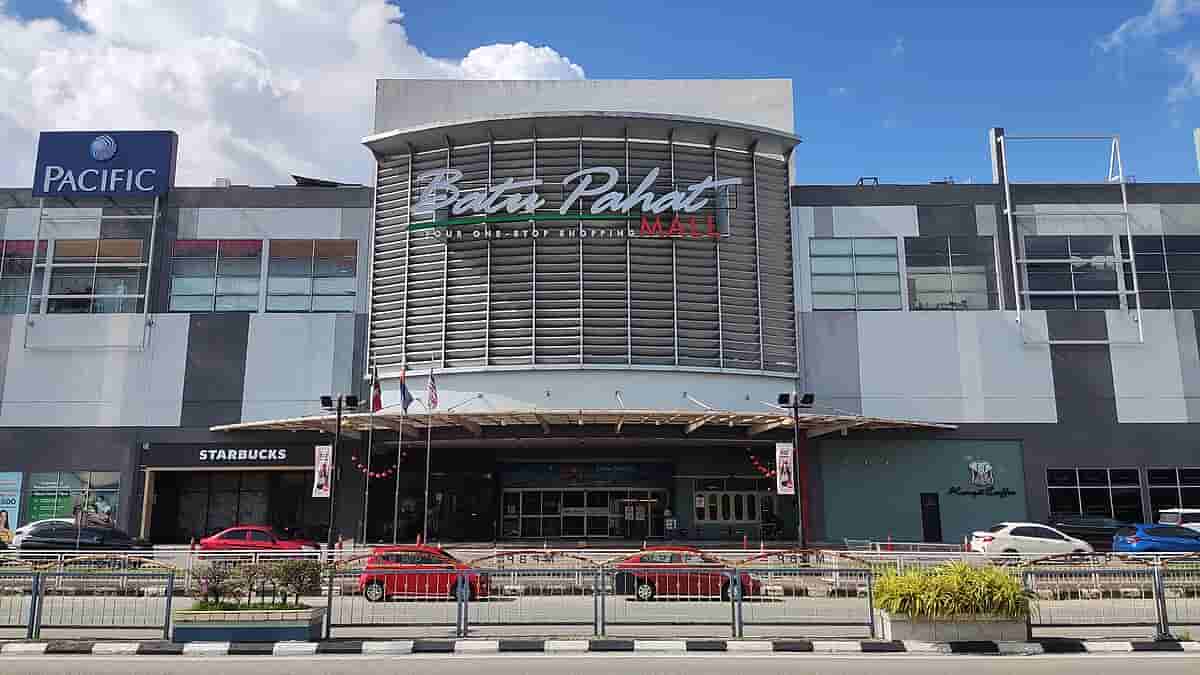
Batu Pahat Mall
Modern shopping mall with various retail stores, entertainment, and dining options.
Batu Pahat Minyak Beku Beach
A scenic beach area ideal for relaxation and sunset views.
Sri Gading Waterfall
A serene waterfall surrounded by lush greenery, ideal for picnics and relaxation.
Aeon Big Batu Pahat
Large shopping mall with diverse stores and entertainment.

BP Mall
A popular local mall offering shopping, dining, and entertainment options.
Local Night Market
Vibrant market offering street food and local goods.
Mini Stadium Batu Pahat
Local sports complex hosting various events.
Taman Negara Johor Tanjung Piai
National park at the southernmost tip of mainland Asia.
Parit Raja Town Center
Local market and dining area with traditional Malaysian food.
Min Chong Chinese Temple
A historic temple known for its intricate architecture and cultural significance.
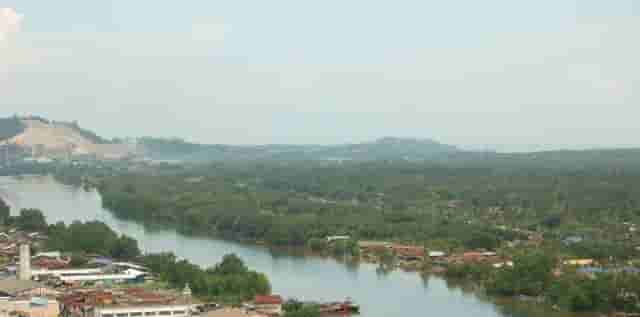
Batu Pahat River
A scenic riverfront area ideal for leisurely walks and local food stalls.
Batu Pahat Old Street
Historic street with colonial-era architecture and local eateries.
🏘️ Neighborhoods
Town Center (Jalan Rahmat/Rugayah)
The commercial and historical heart of Batu Pahat, bustling with shops, banks, local eateries, and key landmarks like the clock tower.
Taman Banang
A well-established residential and commercial area known for its popular local food streets, cafes, and proximity to Batu Pahat Mall.
Taman Flora
A quieter residential zone with a growing number of local restaurants and shops, offering a more suburban feel.
Kampung Mohd. Amin
A coastal area near Minyak Beku Beach, providing a seaside atmosphere with seafood restaurants and homestay options.
Parit Raja
A nearby town and educational hub (home to a university campus) with its own vibrant town center and youthful energy.
Sri Gading
A suburban area known for its access to natural attractions like Sri Gading Waterfall and a more relaxed pace of life.
🍽️ Local Cuisine
Batu Pahat's cuisine is a delicious testament to its multicultural makeup, with a strong emphasis on fresh seafood and hearty local dishes. Must-try signatures include 'Mee Bandung Muar' (a rich, prawn-based noodle soup), 'Asam Pedas' (a spicy and sour fish stew), and 'Otak-Otak' (grilled fish cake in banana leaf). The city is also famous for its variety of 'Kuih' (traditional cakes) and 'Roti Canai'. For a true local experience, head to the bustling night market (pasar malam) where stalls offer everything from satay to fresh fruit. Popular food areas are scattered around the town center, Taman Banang, and near the waterfront. Dining is casual and affordable; a meal at a local eatery (warung) or food court can cost as little as RM10-15, while a seafood dinner at a restaurant may range from RM30-50 per person. Etiquette is relaxed; using your right hand for eating (if not using utensils) is customary, and it's polite to try a bit of everything when sharing dishes with a group.
💡 Local Tips
🚗 Day Trip Ideas
Tanjung Piai National Park
Visit the southernmost tip of mainland Asia, featuring mangrove forests, boardwalks, and unique coastal wildlife.
Muar Town
Explore the historical 'River Town' known for its colonial architecture, local food (especially Mee Bandung), and riverfront.
Kukup Island
Experience a unique fishing village on stilts, famous for its seafood restaurants and homestays over the water.
Johor Bahru
Malaysia's southern capital, offering shopping malls, Legoland Malaysia, and cultural sites like the Sultan Abu Bakar Mosque.
Desaru Coast
A developed beach resort area with premium hotels, a waterpark, and golf courses for a more upscale coastal escape.
Gunung Ledang (Mount Ophir)
Challenge yourself with a hike up Johor's highest mountain, surrounded by lush rainforest and waterfalls.
🛡️ Safety Tips
Batu Pahat is generally a safe city for travelers, with a low crime rate. However, standard precautions apply. Be mindful of petty theft in crowded areas like markets and bus stations; keep valuables secure and out of sight. Traffic can be hectic, so exercise caution when crossing streets. Common scams are rare but be wary of overly friendly strangers offering deals that seem too good to be true. There are no specific no-go areas, but it's wise to avoid poorly lit, isolated spots at night. For health, drink bottled or filtered water and use insect repellent to prevent mosquito-borne diseases like dengue. Emergency numbers are 999 for police and 994 for fire/ambulance. Ride-hailing apps like Grab are recommended for safe and reliable transportation after dark. Overall, exercising common sense and respecting local customs will ensure a very safe visit.
💰 Budget Guide
Batu Pahat is an affordable destination. A budget traveler can manage on RM80-120 per day, covering a basic hostel or guesthouse (RM40-60), street food meals (RM20-30), local bus transport (RM5-10), and free or low-cost activities like visiting markets or beaches. A mid-range traveler spending RM150-250 daily can enjoy a comfortable hotel (RM100-150), restaurant meals and cafes (RM40-60), Grab rides (RM20-30), and paid attractions. A luxury budget of RM350+ allows for premium hotels (RM200+), fine dining, private car hires, and spa treatments. Money-saving tips include eating at local hawker centers and pasar malam, using public buses, visiting free natural attractions like the beach, and avoiding shopping in air-conditioned malls for souvenirs. Accommodation prices are generally below the national average, with the city's 63 hotels offering good value, especially outside of festival periods.