Welcome to Alibaug
Nestled along the Konkan coast of Maharashtra, Alibaug is a serene coastal town that has long been the weekend sanctuary for Mumbai's urban dwellers. Just a short ferry ride across the Arabian Sea, this 'Goa of Maharashtra' offers a perfect blend of sun-kissed beaches, historic forts, and laid-back village charm, all without the overwhelming crowds of more famous destinations. The town serves as the administrative headquarters of the Raigad district and is the gateway to a stunning archipelago of beaches and islands. Its unique appeal lies in its accessibility and variety; you can explore a 17th-century sea fort in the morning, relax on a pristine beach in the afternoon, and savor fresh seafood as the sun sets. With a growing tourism infrastructure that includes 139 hotels catering to every preference, from rustic homestays to luxurious beach resorts, Alibaug is perfectly equipped to host travelers seeking a quick coastal escape or a deeper exploration of the Konkan region. The average stay of 2-3 days is just enough to unwind and discover its many treasures.
Overview
Alibaug's history is deeply intertwined with the Maratha Empire and maritime prowess. It was developed in the 17th century by the legendary Maratha admiral Kanhoji Angre as a strategic naval base, with the iconic Kolaba Fort standing as a testament to this seafaring past. The town later came under Portuguese influence, evident in structures like the Savali Church. Today, Alibaug is famous for its cluster of beaches—Alibaug Beach, Varsoli, Nagaon, and the stunning Kashid Beach a short drive north—each offering a different vibe. It's also renowned for its succulent Alphonso mangoes, fresh kokum, and delectable seafood. The culture is a relaxed Konkani blend, where life moves to the rhythm of the tides. The main town center is compact and bustling, centered around the Alibaug Market, while the coastal stretches are dotted with resorts, weekend homes, and fishing villages. The city is the perfect base for exploring the magnificent Murud-Janjira Fort, an impregnable island fortress, and the tranquil Kanhoji Angre Island.
🗓️ Best Time to Visit
The best time to visit Alibaug is from October to March, during the post-monsoon and winter months. This period offers pleasant, sunny weather with temperatures ranging from 20°C to 32°C, ideal for beach activities, fort exploration, and sightseeing. This is the peak tourist season, so expect higher prices and more crowds, especially on weekends. The monsoon season (June to September) transforms the region with lush greenery and dramatic seascapes, but heavy rainfall can disrupt travel and water-based activities. However, it's a beautiful, quiet time for those who enjoy the rain. The summer months (April and May) are hot and humid, though the sea breeze provides some relief. Major events are sparse but look out for local temple festivals (jatras) and the vibrant Ganesh Chaturthi celebrations in August/September. For a balance of good weather and manageable crowds, aim for the shoulder months of October or March.
🌤️ Weather & Climate
Alibaug has a tropical monsoon climate with three distinct seasons: a warm winter, a hot and humid summer, and a very wet monsoon. The weather is heavily influenced by its coastal location, ensuring moderate temperatures year-round compared to inland areas.
Seasons
Winter
💨 Humidity: moderate
Pleasant and dry, with cool mornings and evenings. Ideal for all outdoor activities, beach visits, and sightseeing.
Summer
💨 Humidity: high
Hot and humid, but sea breezes offer relief. Best for early morning or late afternoon outings.
Monsoon
💨 Humidity: very high
Heavy to very heavy rainfall, lush green landscapes. Travel can be disrupted, and water activities are often suspended.
Monthly Weather Details
January Weather
Best for: beach, sightseeing
February Weather
Best for: beach, sightseeing
March Weather
Best for: beach, sightseeing
April Weather
Best for: beach, early mornings
May Weather
Best for: indoor, early mornings
June Weather
Best for: indoor, scenic drives
July Weather
Best for: indoor activities
August Weather
Best for: indoor activities
September Weather
Best for: indoor, photography
October Weather
Best for: sightseeing, beach
November Weather
Best for: beach, sightseeing
December Weather
Best for: beach, sightseeing
🎒 What to Pack
All Year Round
- sunscreen
- sunglasses
- hat
- light cotton clothing
- swimwear
- comfortable walking shoes
- reusable water bottle
🚗 Getting Around
Getting around Alibaug and its surrounding attractions requires a mix of transport modes. Within the main town, auto-rickshaws are the most common and affordable way to travel short distances; always agree on a fare before starting your journey. For exploring the wider region, including beaches like Kashid and forts like Murud-Janjira, hiring a private taxi or auto-rickshaw for a full or half-day is the most convenient option. Ride-sharing apps like Ola are operational but not always reliable. Renting a scooter or bike is a popular and flexible choice for independent travelers, available from numerous shops in town. Public buses connect Alibaug to nearby villages and towns, but they can be infrequent and crowded. There is no major airport in Alibaug; the nearest is in Mumbai (Chhatrapati Shivaji Maharaj International Airport). From there, you can take a taxi (2-3 hour drive) or a combination of train/ferry/taxi via the Mandwa jetty, which is a scenic and faster route during peak traffic.
🎯 Top Attractions
Alibaug Beach
A popular beach destination for Mumbaikars, known for its forts and water sports.
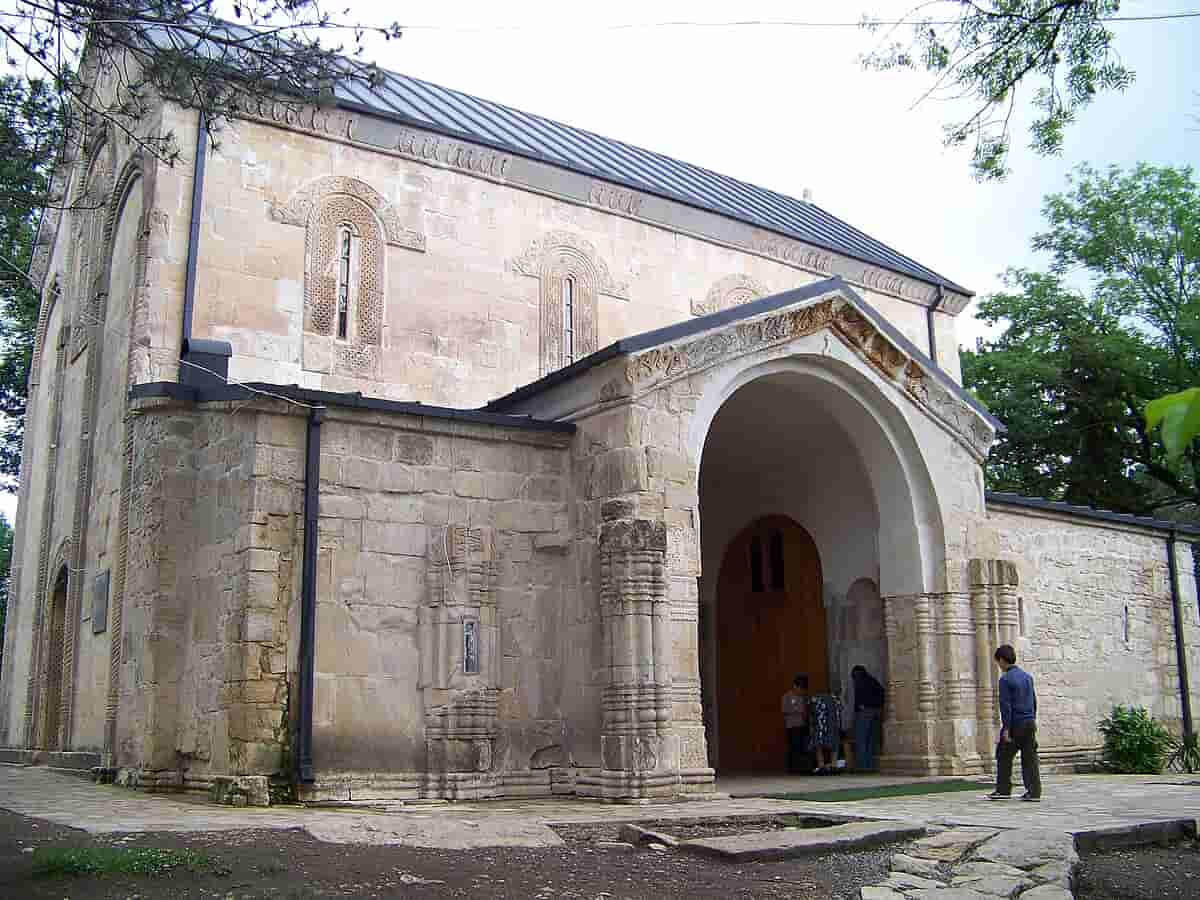
Savali Church
Historic church with architectural charm
Alibaug Fort
A historic seaside fort offering insights into the region's maritime history and scenic views.
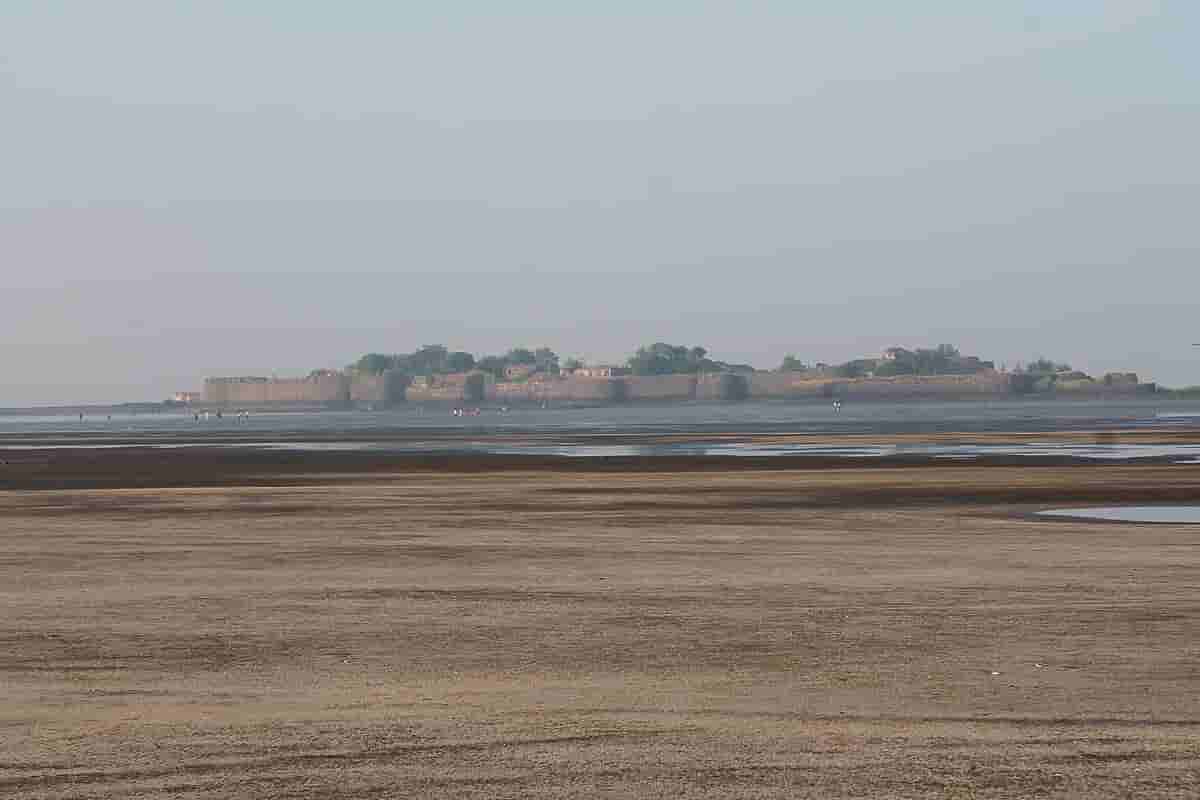
Kolaba Fort
A 17th-century sea fort accessible by foot during low tide, offering historical insights.
Kanakeshwar Forest
A dense forest area with a temple atop a hill, providing panoramic views and trekking.
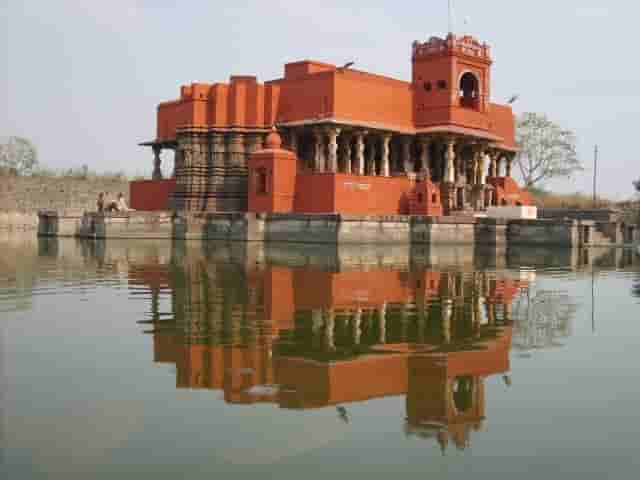
Kanakeshwar Temple
An ancient temple located on a hilltop with panoramic views of the surrounding area.
Kashid Beach
A picturesque beach with white sands and clear waters, popular for water sports and picnics.
Kanhoji Angre Island
Island with a lighthouse and ruins, ideal for day trips and photography.
Murud-Janjira Fort
Historic island fort known for its impregnable structure.
Alibaug Market
Local market offering fresh produce and souvenirs.
Nagaon Beach
Quiet beach ideal for swimming and sunbathing
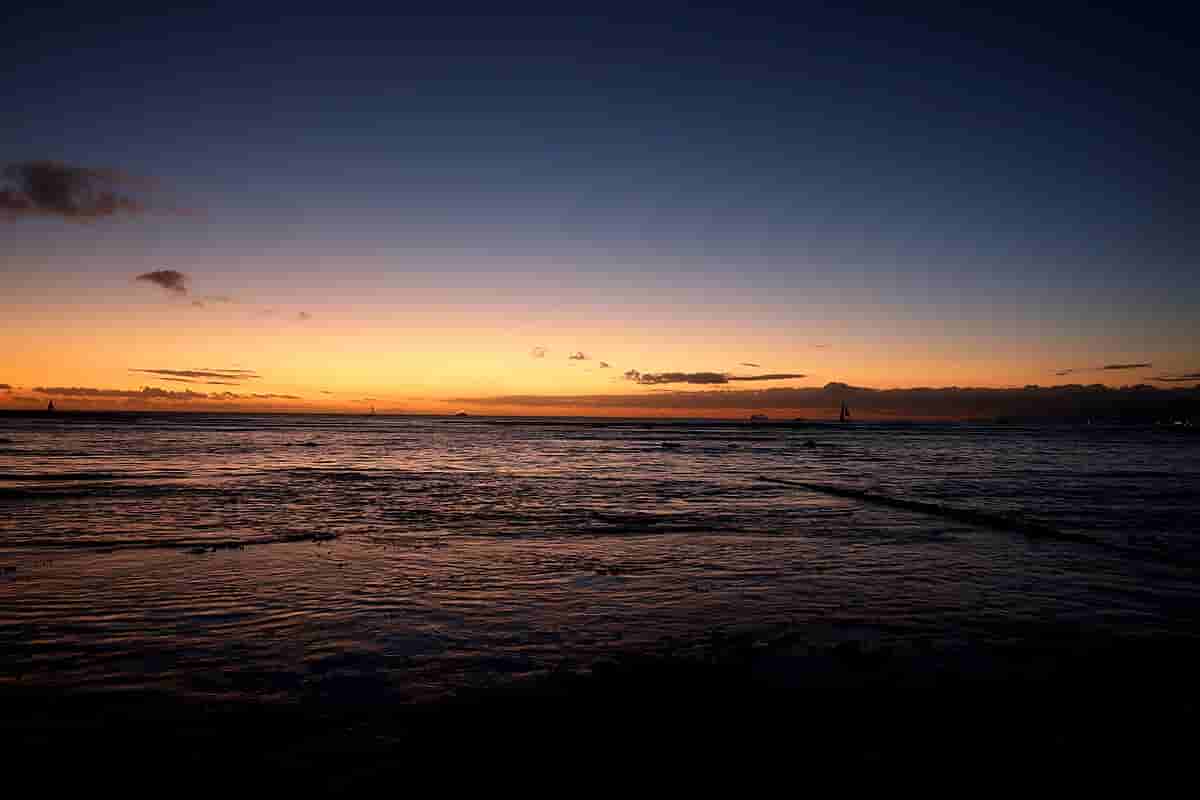
Kihim Beach
A tranquil beach surrounded by coconut groves, perfect for relaxation.
🏘️ Neighborhoods
Alibaug Town Center
The bustling heart of the city, home to the main market, bus stand, and landmarks like Alibaug Fort and Savali Church. Lively and authentic.
Varsoli
A serene beach area just south of the main town, known for its clean, wide beach and a concentration of resorts and weekend homes.
Nagaon
Famous for its long, palm-fringed beach and water sports. A popular spot with numerous beach shacks and mid-range accommodations.
Kihim
A quieter, more rustic beach village surrounded by casuarina groves. Known for its peaceful vibe and birdwatching opportunities.
Akshi
A picturesque fishing village with a rocky coastline and a tranquil beach. Offers a glimpse into local Konkani life.
Kashid
Located north of Alibaug, this area boasts one of Maharashtra's most beautiful white-sand beaches, lined with upmarket resorts.
Murud
A historic coastal town near the majestic Janjira Fort. Offers a mix of beach time and profound cultural exploration.
🍽️ Local Cuisine
Alibaug is a paradise for seafood lovers, offering the freshest catch from the Arabian Sea. The local Konkani cuisine is a highlight, characterized by its use of coconut, kokum, and fiery red chilies. Must-try signature dishes include Sol Kadhi, a refreshing pink drink made from kokum and coconut milk; Bombil Fry (crispy fried Bombay duck); and a variety of fish and prawn curries like Kolambi Curry (prawn curry) served with steamed rice. Vegetarian options are plentiful, with dishes like Amti (a spicy lentil curry) and Aluchi Patal Bhaji (colocasia leaves curry). Dining culture is casual, with the best meals often found at simple beach shacks and local eateries known as 'hotels'. The Alibaug market area and the lanes near the main bus stand are great for authentic, budget-friendly food. A hearty meal can cost anywhere from ₹200-500 per person. Etiquette is relaxed; eating with your hands is common, and it's customary to wash them before and after the meal.
💡 Local Tips
🚗 Day Trip Ideas
Murud-Janjira Fort
Explore the magnificent and impregnable island fortress of the Siddis, accessible by boat from Murud beach.
Kashid Beach
Relax on one of Maharashtra's most beautiful white-sand beaches, lined with casuarina trees.
Kanakeshwar Forest & Temple
Trek through dense forest to the ancient Kanakeshwar Temple, offering panoramic views of the coastline.
Korlai Fort & Lighthouse
Visit this Portuguese-built fort and climb the lighthouse for stunning views of the Revdanda creek and Arabian Sea.
Phansad Wildlife Sanctuary
A biodiversity hotspot ideal for birdwatching, nature walks, and spotting deer and other wildlife.
Revdanda Beach & Fort
A less crowded beach with the ruins of a Portuguese fort, perfect for a peaceful historical outing.
🛡️ Safety Tips
Alibaug is generally a safe destination for tourists, including solo travelers and families. Violent crime is rare. However, exercise standard precautions: avoid isolated beaches after dark, don't leave valuables unattended on the beach, and be cautious while swimming, as currents can be strong, especially during monsoon. Common scams are limited but be wary of auto-rickshaw drivers overcharging; always negotiate or insist on using the meter if available. When visiting remote forts or beaches, it's safer to go in a group. Keep emergency numbers handy: Police (100), Ambulance (102/108). For health, drink only bottled or purified water. Mosquito repellent is essential, especially post-monsoon. The sun can be intense, so stay hydrated and use high-SPF sunscreen. Respect local customs, particularly when visiting temples (dress modestly, remove footwear).
💰 Budget Guide
Alibaug can cater to various budgets, though it leans more towards mid-range and luxury, especially for accommodation. A budget traveler can manage on ₹1,500-2,500 per day by staying in basic guesthouses or homestays (₹800-1,500/night), eating at local 'hotels' and street stalls (₹200-400 per meal), and using public buses or shared autos. A mid-range budget of ₹3,500-6,000 per day covers comfortable hotel/resort stays (₹2,500-4,500/night), meals at decent restaurants (₹500-800 per meal), private auto-rickshaw hires for local sightseeing, and entry fees to attractions. Luxury travelers can spend ₹8,000+ daily on boutique beach resorts (₹5,000+/night), fine dining, private car hires with a driver, and spa treatments. Money-saving tips: Visit on weekdays for better hotel rates, eat where the locals eat, bargain for auto-rickshaw fares, and consider renting a bike for independent exploration. Many beaches and some forts have no entry fee.