Welcome to Agra
Agra, a city that needs no introduction, yet forever surprises. Nestled in the Indian state of Maharashtra, this historic gem is a symphony of Mughal grandeur and vibrant street life, where the scent of spices mingles with the echoes of emperors. While the world knows it as the home of the sublime Taj Mahal, Agra is a multi-faceted destination, offering layers of history, culture, and sensory experiences waiting to be peeled back over a recommended 3 to 4-day stay. From the intricate marble inlay of Itmad-ud-Daulah's Tomb to the bustling chaos of Kinari Bazaar, the city oscillates between serene beauty and exhilarating chaos. With a robust tourism infrastructure supporting its iconic status, visitors can choose from 399 hotels, ensuring options for every taste and budget, with an average nightly rate of around $80. Agra is not just a monument; it's a living museum, a culinary adventure, and a testament to India's rich, layered past, all waiting to be discovered beyond the postcard frame.
Overview
Agra's story is inextricably linked to the Mughal Empire, which established it as its capital in the 16th century. This period of immense wealth and power left an indelible architectural legacy, transforming the city into a showcase of Indo-Islamic art. While the Taj Mahal, Agra Fort, and Fatehpur Sikri are the undisputed stars, the city's soul resides in its bustling old quarters, vibrant markets, and the enduring craft traditions like marble inlay work. Culturally, Agra is a melting pot, with influences from its Mughal past deeply embedded in its cuisine, language, and festivals. The city is famous not only for its monuments but also as a center for leather goods, carpets, and exquisite stone craftsmanship. The main districts for visitors typically revolve around the Taj Ganj area near the Taj Mahal, the more modern Sadar Bazaar for amenities, and the historic core around Agra Fort. Agra is a city of contrasts, where rickshaws weave around monuments that have stood for centuries, offering a profound journey through time.
🗓️ Best Time to Visit
The best time to visit Agra is during the cooler, dry months from October to March. This period offers pleasant daytime temperatures and clear skies, ideal for extensive sightseeing, especially at the Taj Mahal. Peak tourist season runs from November to February, coinciding with winter holidays; expect larger crowds and higher prices. The summer months (April to June) are intensely hot, with temperatures often exceeding 40°C (104°F), making outdoor exploration challenging. The monsoon season (July to September) brings relief from the heat but also high humidity and sporadic, heavy rainfall. Major events include the Taj Mahotsav, a 10-day cultural festival usually held in February featuring crafts, music, and dance. Visiting in the shoulder months of October or late March can offer a good balance of favorable weather and slightly thinner crowds.
🌤️ Weather & Climate
Agra experiences a hot semi-arid climate with three distinct seasons: a cool, dry winter, a very hot summer, and a humid monsoon. Temperatures can be extreme, with significant variation between day and night, especially in winter.
Seasons
Winter
💨 Humidity: low
Pleasant and dry days with cool to chilly nights. Mornings can be foggy, occasionally affecting views. Ideal for all outdoor sightseeing.
Summer
💨 Humidity: low to moderate
Intensely hot and dry. Heatwaves are common. Sightseeing is best confined to early mornings and late afternoons. Stay hydrated.
Monsoon
💨 Humidity: high
Hot and humid with sporadic, heavy rainfall and thunderstorms. Lush greenery appears. Rain can disrupt outdoor plans but brings relief from the heat.
Monthly Weather Details
January Weather
Best for: sightseeing
February Weather
Best for: sightseeing, festivals
March Weather
Best for: sightseeing (early month)
April Weather
Best for: early morning visits
May Weather
Best for: indoor activities
June Weather
Best for: indoor activities
July Weather
Best for: sightseeing between rains
August Weather
Best for: sightseeing between rains
September Weather
Best for: sightseeing between rains
October Weather
Best for: sightseeing
November Weather
Best for: sightseeing
December Weather
Best for: sightseeing
🎒 What to Pack
All Year Round
- sunscreen
- sunglasses
- hat
- comfortable walking shoes
- reusable water bottle
🚗 Getting Around
Navigating Agra is an adventure in itself. Auto-rickshaws and cycle-rickshaws are the most common and affordable modes for short distances; always agree on a fare before starting your journey. For more comfort, app-based ride-sharing services like Uber and Ola operate reliably. Taxis are available for hire by the hour or day, which is convenient for visiting multiple scattered sites. While the city center around the Taj and Fort is somewhat walkable, distances between major attractions can be significant. There is no metro system. For airport transfers, pre-paid taxi counters at the arrival terminal offer fixed rates to the city center, which is the most hassle-free option. A fun and eco-friendly way to explore the narrower lanes of the old city is by bicycle rickshaw. Costs are low: a short auto-rickshaw ride may cost 50-100 INR, while a full-day hired car with driver might range from 1500-2500 INR.
🎯 Top Attractions
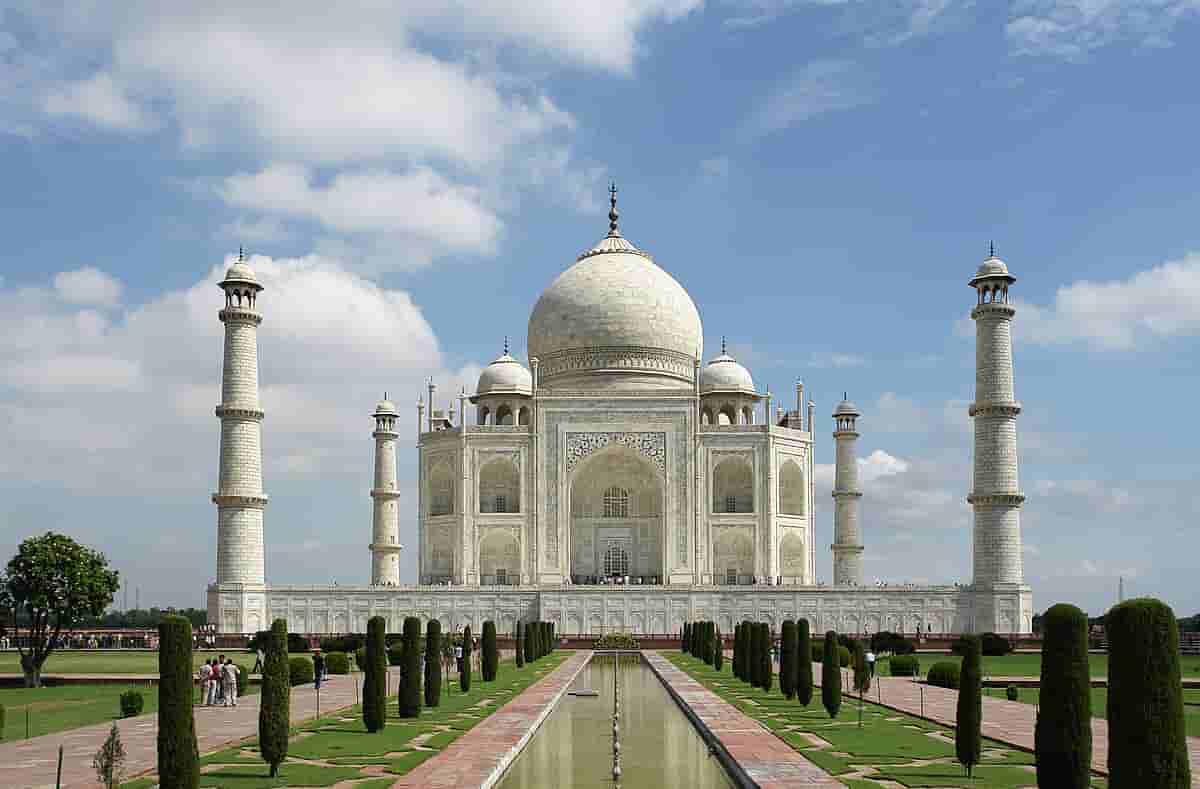
Taj Mahal
One of the most iconic and breathtaking monuments in the world, the Taj Mahal is a must-visit for its architectural grandeur and historical significance.
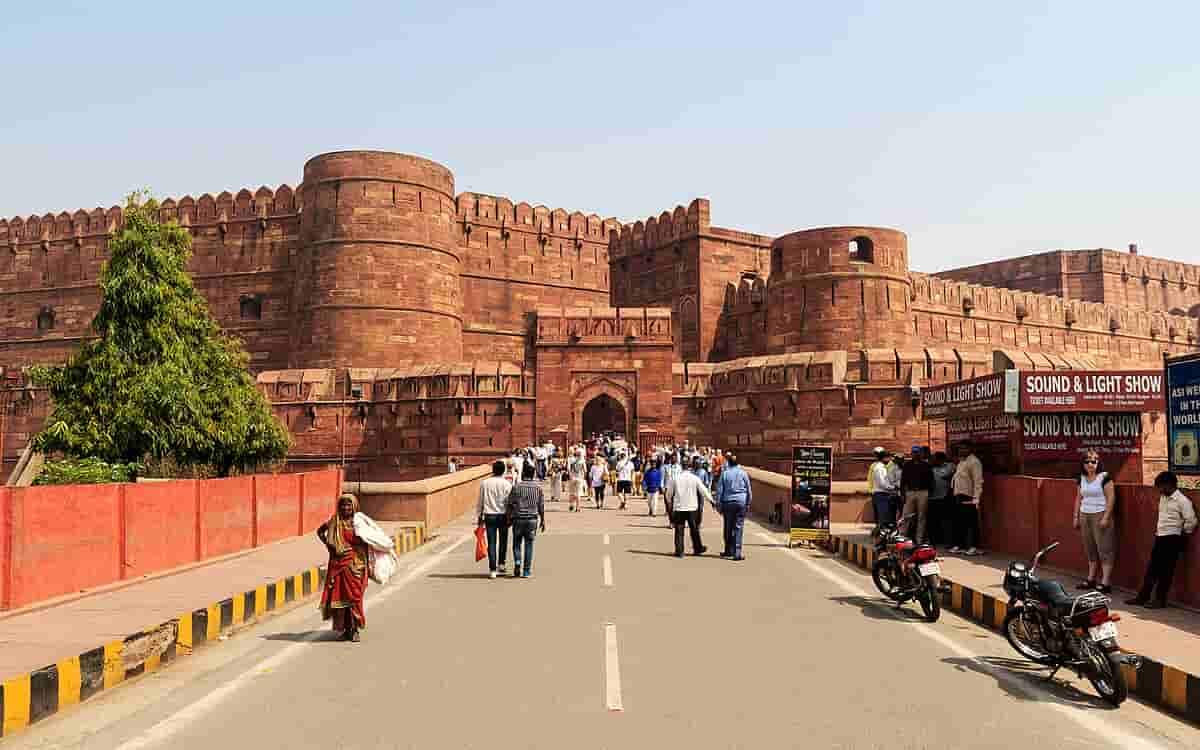
Agra Fort
A UNESCO World Heritage Site, this massive red sandstone fortress offers stunning views and a glimpse into the region's rich Mughal history.
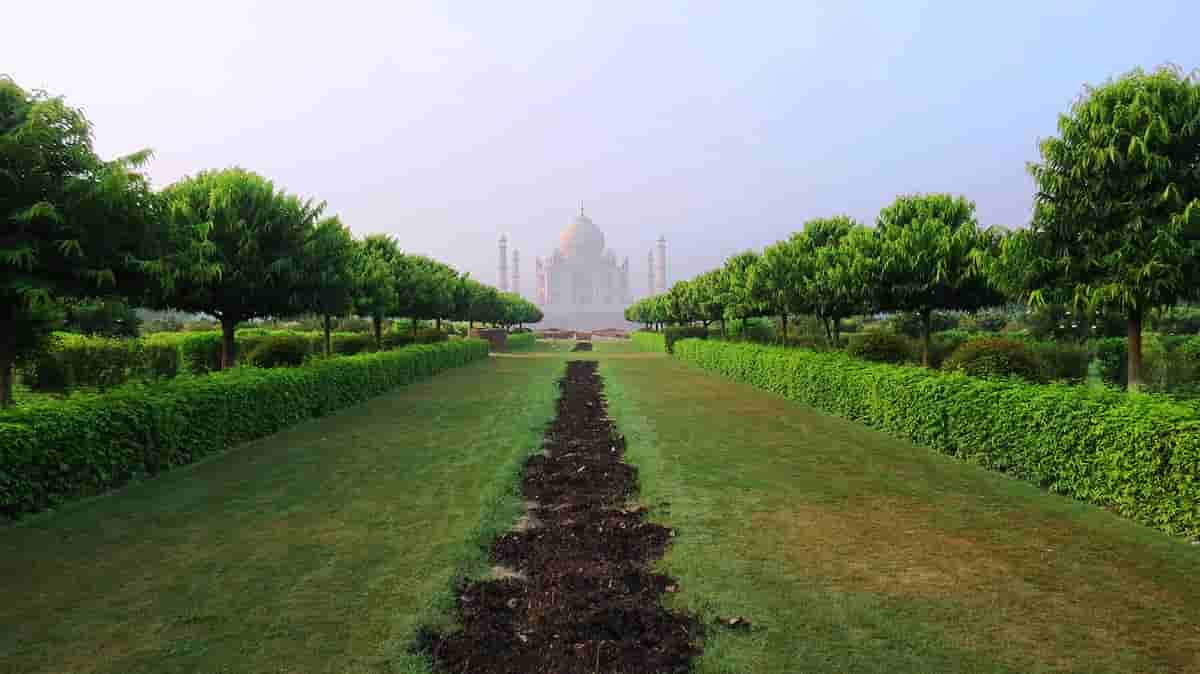
Mehtab Bagh
A charbagh complex offering one of the best sunset views of the Taj Mahal across the Yamuna River.
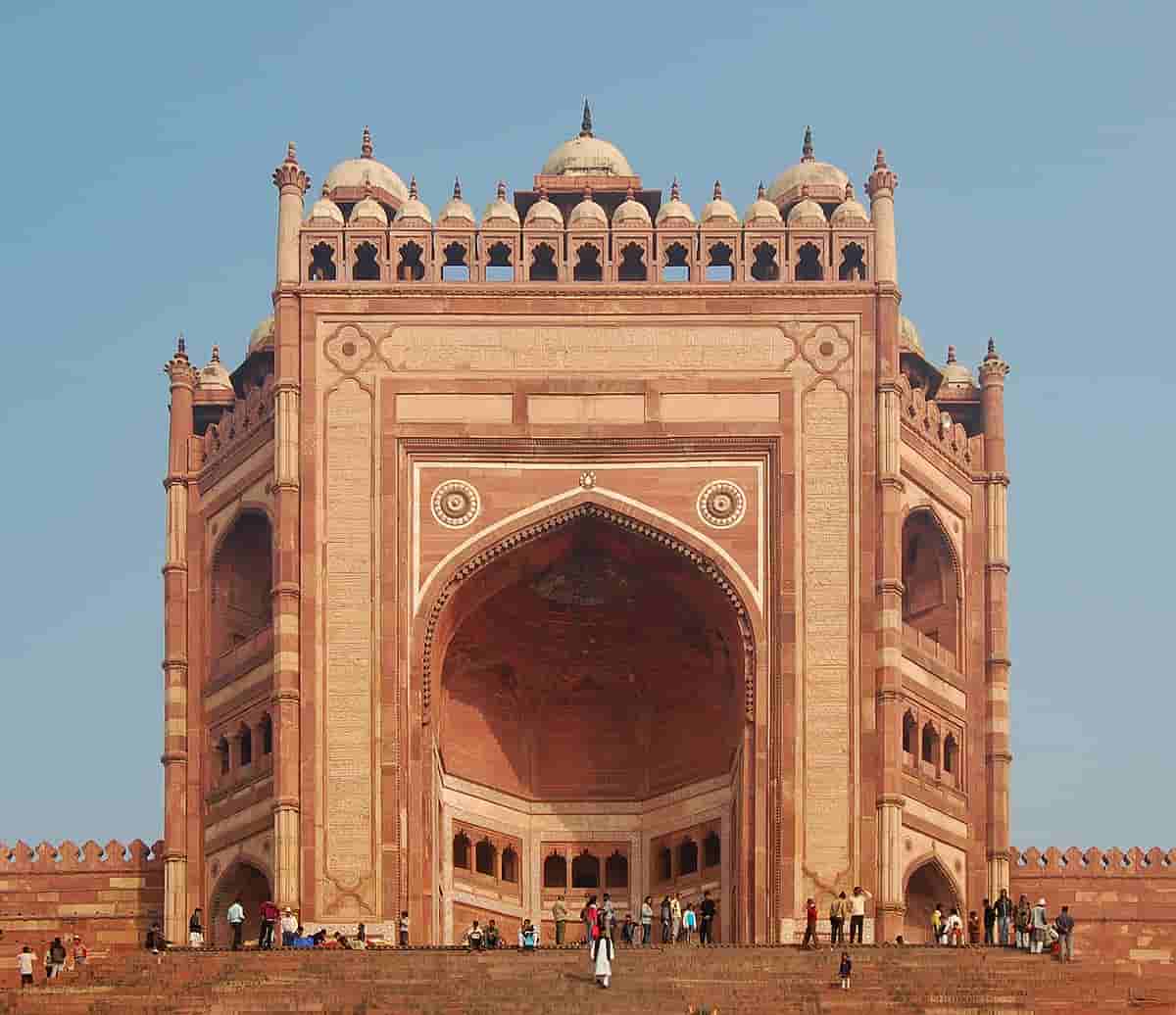
Fatehpur Sikri
A Mughal capital city built in the 16th century, now a well-preserved ghost town and UNESCO site.
Keoladeo National Park
A UNESCO World Heritage site and bird sanctuary, especially famous for migratory birds.
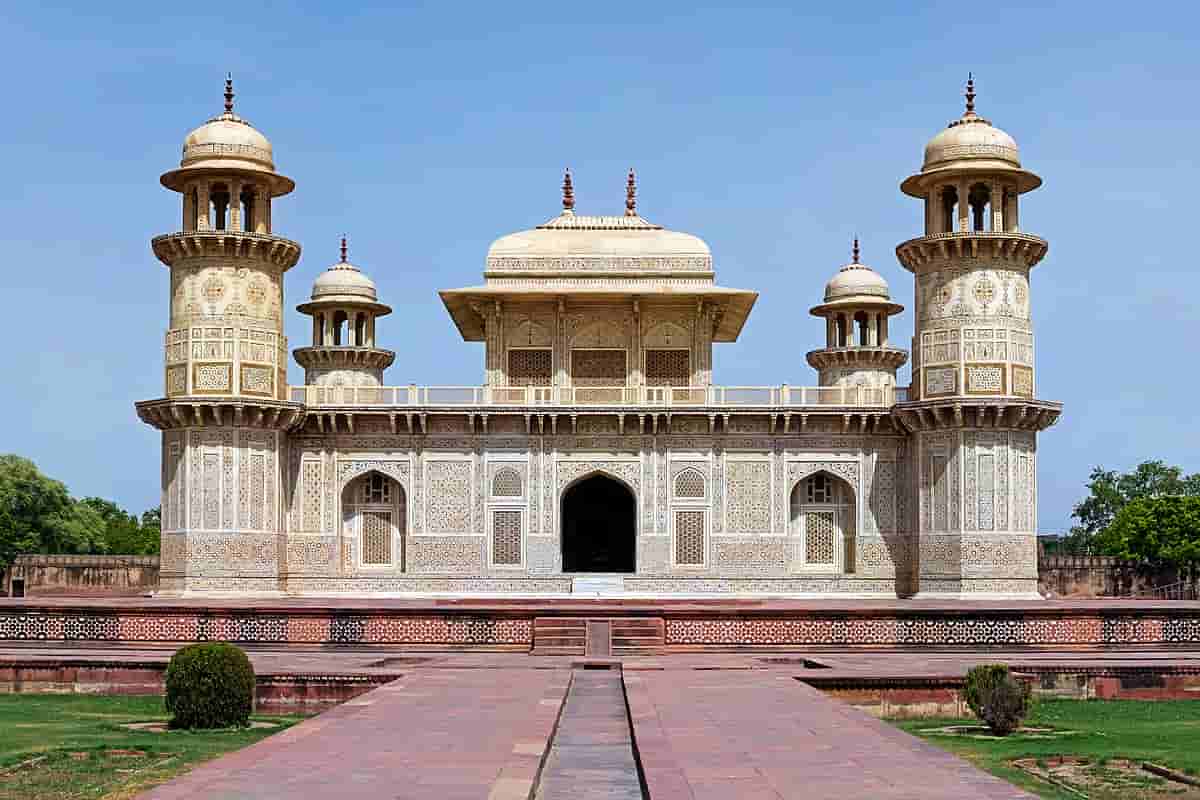
Tomb of Itimad-ud-Daulah
Also known as the 'Baby Taj', this beautiful mausoleum is considered a precursor to the Taj Mahal and features intricate marble inlay work.
Itmad-ud-Daulah's Tomb
Often called the 'Baby Taj', this ornate tomb is considered a draft of the Taj Mahal.
Jama Masjid
India’s largest mosque with stunning architecture and panoramic views from its minarets.
Itimad-ud-Daulah's Tomb
Often called the 'Baby Taj', this tomb features intricate marble inlay work.
Kinari Bazaar
A vibrant market near the Taj Mahal, selling souvenirs, handicrafts, and local goods.
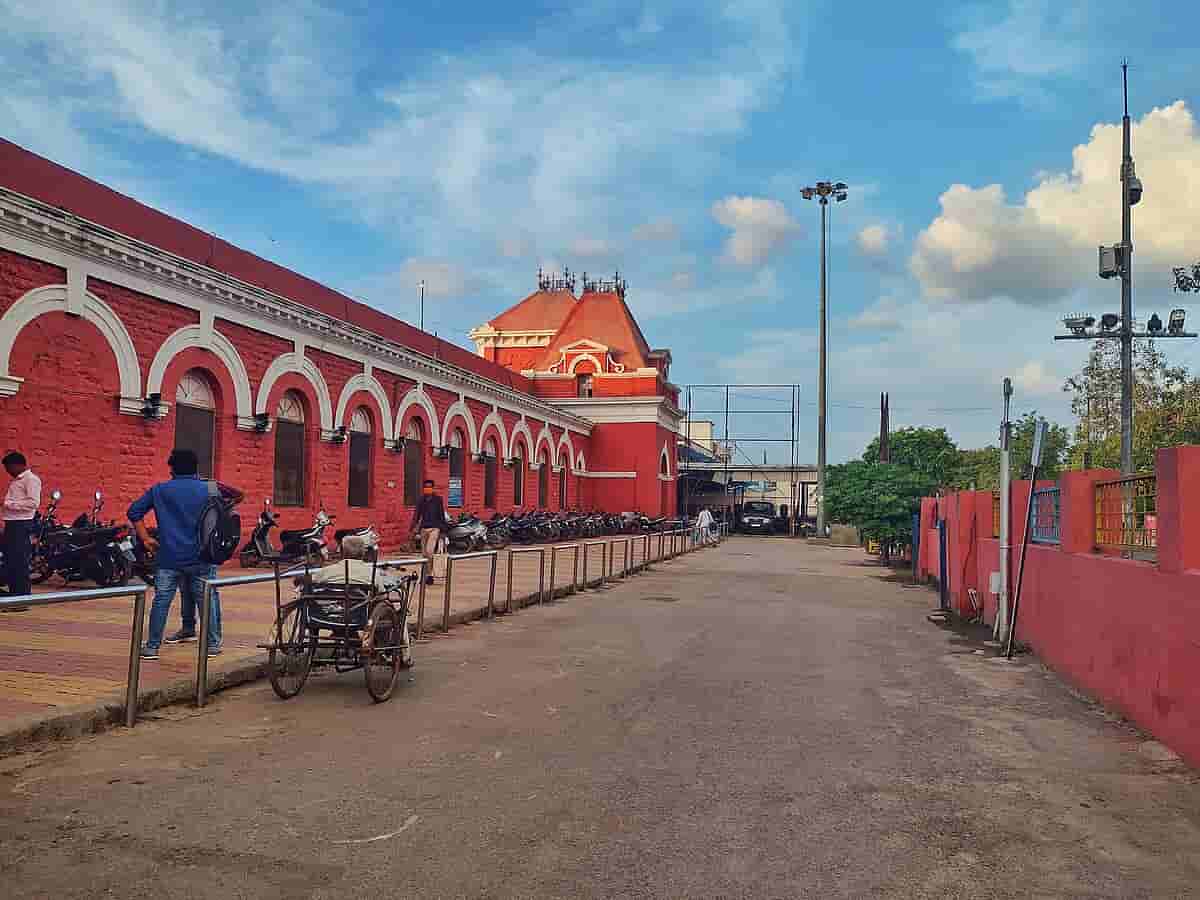
Agra Fort Railway Station
Convenient transport hub for exploring the city.
Itmad-ud-Daulah
Often called the 'Baby Taj', this tomb is known for its intricate marble inlay work.
🏘️ Neighborhoods
Taj Ganj
The bustling area immediately surrounding the Taj Mahal, packed with budget guesthouses, cafes, and shops. The epicenter for first-time visitors.
Sadar Bazaar
A vibrant, more modern market area with a wider range of mid-range hotels, restaurants, shops, and better infrastructure. A hub for activity.
Fatehabad Road
A long thoroughfare lined with numerous luxury and upscale hotels, resorts, and finer dining options. Offers more space and amenities.
Civil Lines
A quieter, more residential and administrative area with some older colonial-era buildings, parks, and a selection of hotels.
Agra Fort Area
The historic heart near the massive Agra Fort and Jama Masjid. Immersive in history but can be chaotic and less developed for tourists.
M.G. Road
A major commercial street connecting key areas, with a mix of shops, banks, and eateries. Convenient for transport and services.
🍽️ Local Cuisine
Agra's cuisine is a rich legacy of the Mughal court, characterized by aromatic spices, tender meats, and decadent sweets. Must-try signature dishes include Mughlai classics like *Mughlai Biryani*, *Kebabs* (especially *Seekh* and *Galouti*), and rich curries such as *Butter Chicken* and *Mutton Korma*. For a unique local experience, try *Petha*, a translucent candy made from ash gourd, available in myriad flavors. *Bedai* with spicy *aloo sabzi* is a popular breakfast. Dining ranges from bustling street stalls in Sadar Bazaar and around Jama Masjid to upscale restaurants in luxury hotels. Mealtimes are social affairs, often eaten with the right hand. Price ranges are wide: a hearty street food meal can cost under 100 INR, a mid-range restaurant meal 300-800 INR, and fine dining significantly more. Don't miss trying *Dalmoth*, a savory snack, and always save room for a cup of creamy, cardamom-scented chai.
💡 Local Tips
🚗 Day Trip Ideas
Fatehpur Sikri
The magnificent, abandoned Mughal capital city, a UNESCO site with stunning red sandstone architecture including the Buland Darwaza gate and Jama Masjid.
Mathura
The revered birthplace of Lord Krishna, filled with ancient temples, ghats along the Yamuna River, and a deeply spiritual atmosphere.
Vrindavan
A holy town associated with Krishna's childhood, famous for its countless temples, especially the Banke Bihari and ISKCON temples.
Keoladeo National Park (Bharatpur Bird Sanctuary)
A UNESCO World Heritage Site and a paradise for birdwatchers, especially in winter when migratory birds flock here.
Sikandra
The tomb of Emperor Akbar, showcasing a unique blend of architectural styles set within a peaceful garden complex.
🛡️ Safety Tips
Agra is generally safe for tourists, but standard precautions are essential. Petty theft like pickpocketing can occur in crowded markets and tourist sites; keep valuables secure and be mindful of bags. Common scams include inflated prices for guides, rickshaws, and souvenirs, and 'closed monument' tricks to divert you to shops. Only hire government-approved guides at official counters. Be cautious when walking alone at night in poorly lit areas. Drink only bottled or purified water and eat at busy, reputable establishments to avoid stomach issues. Emergency numbers: Police (100), Ambulance (102/108). Women travelers should dress modestly and may experience staring; ignoring it is usually best. Overall, a firm 'no thank you' to unsolicited offers and staying aware of your surroundings will ensure a safe visit.
💰 Budget Guide
Agra can cater to all budgets. A budget traveler can manage on $25-40 per day, staying in guesthouses ($10-20/night), eating street food ($2-5/meal), and using cycle-rickshaws. Mid-range travelers spending $50-100 per day can enjoy comfortable hotels ($30-60/night), meals at decent restaurants ($5-15/meal), auto-rickshaw rides, and entrance fees to major sites. A luxury budget of $150+ per day affords heritage or 5-star hotels ($80+/night), fine dining, private car with driver, and guided tours. Major costs are monument entry fees, with the Taj Mahal costing 1100 INR for foreigners. Save money by buying a composite ticket for multiple monuments, eating at local *dhabas*, using ride-sharing apps for transparent pricing, and avoiding shopping near major tourist sites. Carry student ID for discounts where applicable.