Welcome to Chiang Mai
Nestled in the mountainous embrace of northern Thailand, Chiang Mai is a city that captivates the soul with its harmonious blend of ancient tradition and vibrant modern energy. Founded in 1296 as the capital of the Lanna Kingdom, this cultural powerhouse offers a serene yet stimulating escape from Thailand's bustling coastal hubs. The city is defined by its charming moat and crumbling brick walls, gateways to a labyrinth of historic temples, artisan workshops, and aromatic street food stalls. Beyond the old city, the trendy Nimmanhaemin district pulses with chic cafes and boutiques, while the surrounding countryside reveals misty mountains, elephant sanctuaries, and hill tribe villages. With over 2619 hotels and accommodations ranging from backpacker hostels to luxurious resorts, averaging around $84.33 per night, Chiang Mai is an accessible and deeply rewarding destination, best savored over a 5 to 7-day stay to fully absorb its layered charm.
Overview
Chiang Mai, the 'Rose of the North,' is the cultural and historical heart of northern Thailand. Its story began over 700 years ago with the Lanna Kingdom, whose distinct architecture, cuisine, and customs still define the region today. The city is famously encircled by a square moat and the remnants of ancient walls, with Tha Phae Gate serving as its symbolic entrance. Inside this old city, over 300 Buddhist temples, including the majestic Wat Chedi Luang, create a spiritual and architectural wonderland. Chiang Mai is renowned for its laid-back atmosphere, thriving digital nomad community, and status as a hub for Thai handicrafts like silk, silver, and celadon pottery. The city is also the gateway to exploring the natural beauty of Doi Suthep mountain and the diverse cultures of the northern hill tribes. Districts range from the historic Old City to the modern, university-driven Nimman area, each offering a unique slice of northern Thai life.
🗓️ Best Time to Visit
The best time to visit Chiang Mai is during the cool, dry season from November to early February. This period offers pleasant daytime temperatures and low humidity, making it ideal for temple-hopping, hiking, and exploring. It is also the peak tourist season, coinciding with major events like Loy Krathong and Yi Peng lantern festivals in November. The hot season from March to June sees temperatures soar, but it's a good time for visiting waterfalls and enjoying hotel pools. The rainy season (July to October) brings frequent, heavy showers, usually in the late afternoon, but also lush greenery, fewer crowds, and lower prices. While some mountain roads may become difficult, this season has its own charm and is excellent for indoor activities like cooking classes and spa visits.
🌤️ Weather & Climate
Chiang Mai has a tropical savanna climate with three distinct seasons: a cool dry season, a very hot dry season, and a rainy monsoon season. Temperatures are generally warm to hot year-round, with significant relief in the cool season.
Seasons
Cool Season
💨 Humidity: moderate
Pleasant, sunny days and cool nights. Minimal rainfall. The most popular and comfortable time for tourism.
Hot Season
💨 Humidity: moderate to high
Intensely hot, especially in April. Occasional thunderstorms may begin in late May/June. Good for early morning and late evening activities.
Rainy Season
💨 Humidity: high
High humidity with heavy, predictable afternoon downpours. Lush, green landscapes. Fewer tourists and lower prices.
Monthly Weather Details
January Weather
Best for: sightseeing, hiking, festivals
February Weather
Best for: sightseeing, outdoor activities
March Weather
Best for: early morning tours, water activities
April Weather
Best for: Songkran festival, pool/indoor activities
May Weather
Best for: visiting waterfalls, indoor attractions
June Weather
Best for: lush scenery, cultural classes
July Weather
Best for: indoor activities, spa visits
August Weather
Best for: cooking classes, temple visits between showers
September Weather
Best for: photography (green landscapes), museum visits
October Weather
Best for: end-of-rainy-season festivals, bargain hunting
November Weather
Best for: Yi Peng lantern festival, all outdoor activities
December Weather
Best for: sightseeing, mountain trips, Christmas markets
🎒 What to Pack
All Year Round
- lightweight clothing
- sun protection (hat, sunglasses, sunscreen)
- comfortable walking shoes
- reusable water bottle
- light rain jacket or umbrella
🚗 Getting Around
Chiang Mai is a relatively compact city, making it easy to navigate. The iconic red songthaews (shared converted pickup trucks) function as flexible, inexpensive taxis; just flag one down, confirm the destination and price (typically 30-60 THB per person for short trips within the city). For more privacy, ride-hailing apps like Grab are widely used and reliable. Renting a motorbike is popular for the adventurous, but traffic can be chaotic, and an international driving permit is required. Bicycles are a pleasant way to explore the flat Old City. Tuk-tuks are available for shorter trips but agree on a fare before boarding. From Chiang Mai International Airport (CNX), a taxi or Grab ride to the city center takes 15 minutes and costs 150-200 THB. Walking is highly enjoyable within the Old City walls and the Nimman area.
🎯 Top Attractions

Tha Phae Gate
The historic eastern gate to Chiang Mai's old city, a bustling hub for markets, festivals, and the starting point for exploring ancient temples.
Sunday Walking Street
Weekly night market stretching along Ratchadamnoen Road, selling handicrafts and street food.

Wat Chedi Luang
A magnificent and historic temple in the old city, known for its massive, partially ruined Lanna-style chedi (stupa) that inspires awe.
One Nimman
A stylish lifestyle shopping complex with designer stores, eateries, and events.
Nimman Road
A trendy street in Chiang Mai famous for its cafes, boutiques, art galleries, and nightlife.
Chiang Mai University
A beautiful and sprawling campus with a serene anglican lake, charming coffee shops, and a relaxed, youthful atmosphere perfect for a stroll.
Nimmanhaemin Road
A trendy district known for its modern cafes, art galleries, and chic boutiques, ideal for shopping and entertainment.
Doi Suthep
Sacred mountain home to the famous Wat Phra That Doi Suthep temple and offering stunning views of Chiang Mai

Chiang Mai Night Bazaar
A bustling market offering local handicrafts, street food, and unique souvenirs, perfect for evening shopping and cultural exploration.
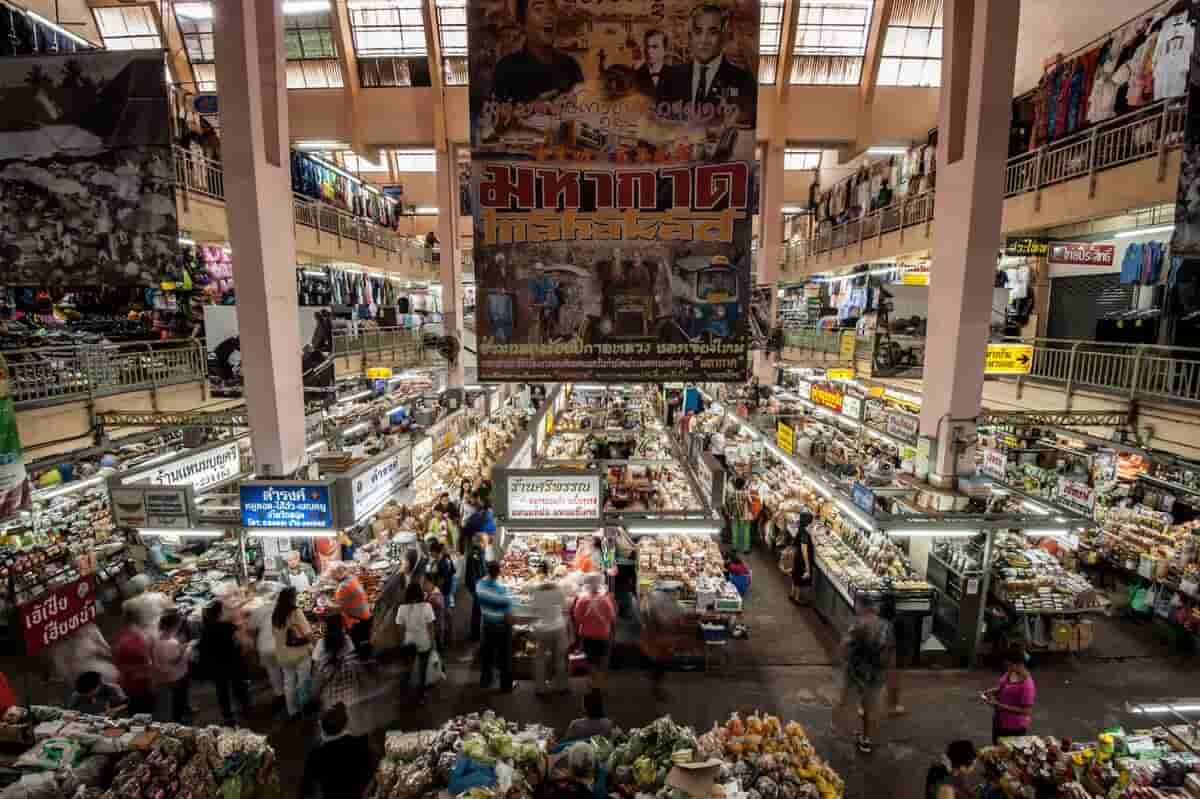
Warorot Market
Browse the vibrant stalls of this lively local market, offering handicrafts, street food, and authentic Thai souvenirs.
Maya Mall
Modern shopping mall with diverse retail and dining options
Maya Shopping Mall
Large shopping mall with a variety of stores, restaurants, and entertainment.
🏘️ Neighborhoods
Old City (Within the Walls)
The historic heart, surrounded by a moat and remnants of ancient walls. Packed with centuries-old temples, guesthouses, cafes, and massage shops. A walker's paradise.
Nimmanhaemin (Nimman)
The trendy, modern district centered around Nimmanhaemin Road. Filled with hip cafes, cocktail bars, designer boutiques, art galleries, and digital nomad hubs.
Riverside
Stretching along the Ping River, this area offers scenic views, upscale hotels, fine dining restaurants, and a more tranquil atmosphere compared to the city center.
Santitham
A local residential area north of the Old City, known for its authentic Thai eateries, local markets, and university vibe. Less touristy and very affordable.
Hang Dong
A suburban district south of the city, home to large shopping complexes like CentralFestival, residential estates, and golf courses. Requires transport to explore.
Wat Ket
A charming, quiet neighborhood on the east bank of the Ping River. Known for its antique shops, boutique guesthouses, and a mix of local and expat-owned cafes.
Chang Khlan (Night Bazaar)
The bustling commercial zone centered on the famous Night Bazaar. Packed with hotels, souvenir stalls, restaurants, and entertainment venues. Very tourist-focused.
Suthep
The area at the base of Doi Suthep mountain, near Chiang Mai University. Offers a cooler climate, lush surroundings, and proximity to nature and hiking trails.
🍽️ Local Cuisine
Chiang Mai's cuisine is a distinct and flavorful branch of Thai food, less reliant on seafood and more on herbs, vegetables, and meats. Must-try signature dishes include Khao Soi (crispy egg noodles in a rich, coconut-curry broth), Sai Oua (herbal northern Thai sausage), and Nam Prik Noom (a spicy green chili dip). Dining is a casual, social affair, with night markets like the Sunday Walking Street offering incredible street food variety. Warorot Market is a daytime foodie paradise. For a traditional experience, seek out a Khan Toke dinner, where dishes are served on a low table while you sit on the floor, often accompanied by cultural performances. Meals are incredibly affordable, with street food dishes from 50 THB and sit-down restaurant meals from 150-300 THB. Etiquette is relaxed; using a spoon and fork is standard, and it's polite to take modest portions when sharing.
💡 Local Tips
🚗 Day Trip Ideas
Doi Inthanon National Park
Home to Thailand's highest peak, stunning waterfalls, royal pagodas, and hill tribe villages. A nature lover's paradise.
Elephant Nature Park
A renowned ethical sanctuary where you can observe, feed, and bathe rescued elephants in a natural environment.
San Kamphaeng Hot Springs
Relax in natural geothermal pools, boil eggs in the hot springs, and enjoy the surrounding parkland.
Mae Sa Valley
A scenic valley offering a loop of attractions including waterfalls, orchid farms, butterfly gardens, and snake shows.
Wiang Kum Kam
The ancient, submerged former capital of Lanna, explored by bicycle or horse-drawn carriage among excavated temple ruins.
Bua Tong 'Sticky' Waterfalls
Unique limestone waterfalls you can climb up without slipping due to the mineral-deposited, grippy surface.
🛡️ Safety Tips
Chiang Mai is generally a very safe city for travelers. Violent crime is rare. The most common issues are petty theft (keep bags secure in crowded markets) and traffic accidents (be extremely cautious when walking or riding). Be wary of common scams: gem/jewelry purchase scams, overly friendly strangers offering unsolicited tours, and taxi/tuk-tuk drivers refusing to use the meter (always agree on a price first). When visiting temples, dress modestly. Drink bottled or filtered water. Emergency numbers: Tourist Police (1155), General Emergency (191). For health, ensure you have travel insurance, use mosquito repellent to prevent dengue, and be cautious with street food hygiene—choose busy stalls with high turnover.
💰 Budget Guide
Chiang Mai is famously affordable. A budget traveler can manage on 800-1,200 THB ($22-$33) per day: dorm bed (200 THB), street food meals (60-100 THB each), songthaew transport (30-60 THB), and free temple visits. Mid-range travelers spending 1,500-3,000 THB ($41-$82) daily enjoy private guesthouse rooms (800-1,500 THB), nice restaurant meals (200-400 THB), occasional taxis, and paid activities like cooking classes (1,000-1,500 THB). A luxury budget of 5,000+ THB ($137+) affords boutique hotels, fine dining, private tours, and spa treatments. Money-saving tips: eat at local markets, use songthaews, visit free temples, walk or bike in the Old City, and travel during the rainy season for lower accommodation rates. ATMs are widespread, but they charge a 220 THB fee per withdrawal.