Welcome to Krabi
Nestled along Thailand's stunning Andaman coast, Krabi is a province of breathtaking natural drama where limestone karsts erupt from emerald waters and dense jungle meets pristine shoreline. More than just a gateway to famous islands, Krabi Town and its surrounding areas offer a captivating blend of serene Thai culture and adrenaline-fueled adventure. Whether you're scaling the 1,237 steps to the golden Buddha at Tiger Cave Temple, kayaking through the mystical Ao Luek Mangrove Forest, or simply watching the sunset paint the sky from Railay Beach, Krabi promises an unforgettable escape. With a vast range of accommodations catering to every traveler—from beachfront bungalows to luxury resorts across 858 hotels—finding your perfect base is effortless. A recommended stay of 4-5 days allows you to soak in the diverse landscapes, from the lively shores of Ao Nang to the tranquil canals of Than Bok Khorani National Park.
Overview
Krabi's history is etched into its dramatic landscape, with archaeological evidence of human habitation dating back over 40,000 years. Once a quiet fishing and agricultural province, its destiny changed with the rise of tourism, transforming it into a world-renowned destination while retaining a laid-back charm distinct from other Thai hotspots. The province is famous for its iconic karst formations, world-class rock climbing, and as the launching point for excursions to the Phi Phi Islands. Culturally, it's a melting pot of Thai, Chinese, and Muslim sea-faring communities, visible in its temples, cuisine, and daily life. Key districts include Krabi Town, the administrative heart with its riverwalk and night market; Ao Nang, the bustling tourist hub with easy beach access; and Railay, the secluded peninsula accessible only by boat, famed for its cliffs and beaches. The area is also celebrated for its national parks, hot springs, and ethical elephant sanctuaries.
🗓️ Best Time to Visit
The best time to visit Krabi is during the dry season, from November to April, when skies are clear, seas are calm, and sunshine is abundant. This peak period, especially December to February, offers ideal conditions for island hopping, beach days, and outdoor activities, but also sees higher prices and crowds. The shoulder months of November and late April can provide a good balance. The monsoon season runs from May to October, bringing heavy rainfall, higher humidity, and rougher seas, which can limit boat tours. However, this off-peak season means fewer tourists, lush green scenery, and significantly lower prices. Major events include the Krabi Naga Fest (usually October/November), a cultural festival celebrating the province's mythical serpent, and various Buddhist holidays celebrated at local temples like Tiger Cave. The rainy season still has many sunny hours, but afternoon downpours are common.
🌤️ Weather & Climate
Krabi has a tropical monsoon climate characterized by high temperatures and humidity year-round, with a distinct wet and dry season. The weather is generally hot, with cooling sea breezes along the coast.
Seasons
Dry Season
💨 Humidity: moderate
Sunny, hot days with low rainfall, ideal for all outdoor and beach activities. The most popular and crowded time to visit.
Wet Season
💨 Humidity: high
Very humid with frequent, heavy rain showers and thunderstorms, especially in the afternoons. Lush greenery but potential for disrupted boat travel.
Monthly Weather Details
January Weather
Best for: beach, sightseeing, climbing
February Weather
Best for: beach, sightseeing, climbing
March Weather
Best for: beach, sightseeing
April Weather
Best for: beach, Songkran festival
May Weather
Best for: indoor activities, rainforest tours
June Weather
Best for: indoor activities, rainforest tours
July Weather
Best for: indoor activities, rainforest tours
August Weather
Best for: indoor activities, rainforest tours
September Weather
Best for: indoor activities, cultural sites
October Weather
Best for: indoor activities, cultural festivals
November Weather
Best for: beach, sightseeing, climbing
December Weather
Best for: beach, sightseeing, climbing
🎒 What to Pack
All Year Round
- lightweight clothing
- swimsuit
- sunglasses
- high-SPF sunscreen
- insect repellent
- rain jacket or poncho
- reef-safe sunscreen
- waterproof phone case
🚗 Getting Around
Transport in Krabi is varied and relatively inexpensive. The main public transport for short distances is the 'songthaew' (shared pickup truck taxi) with fixed routes, especially between Ao Nang and Krabi Town. For more flexibility, metered taxis are available at the airport and in tourist areas, but ride-hailing apps like Grab are more reliable for fixed fares. Motorbike taxis are ubiquitous for quick, cheap solo trips. Renting a scooter is popular for exploring independently (ensure you have an international license and wear a helmet). For accessing islands and beaches like Railay, long-tail boats and speedboats are essential from piers in Ao Nang or Krabi Town. Krabi International Airport (KBV) is about 15km from town; airport transfers via pre-booked minivan, taxi, or hotel shuttle cost $10-$25. Walking is feasible within specific areas like Ao Nang Beach Road or Krabi Town center, but distances between attractions generally require transport.
🎯 Top Attractions
Ao Nang Beach
Discover the stunning natural beauty of this crescent-shaped bay, with its soft white sand, clear turquoise waters, and dramatic limestone cliffs.
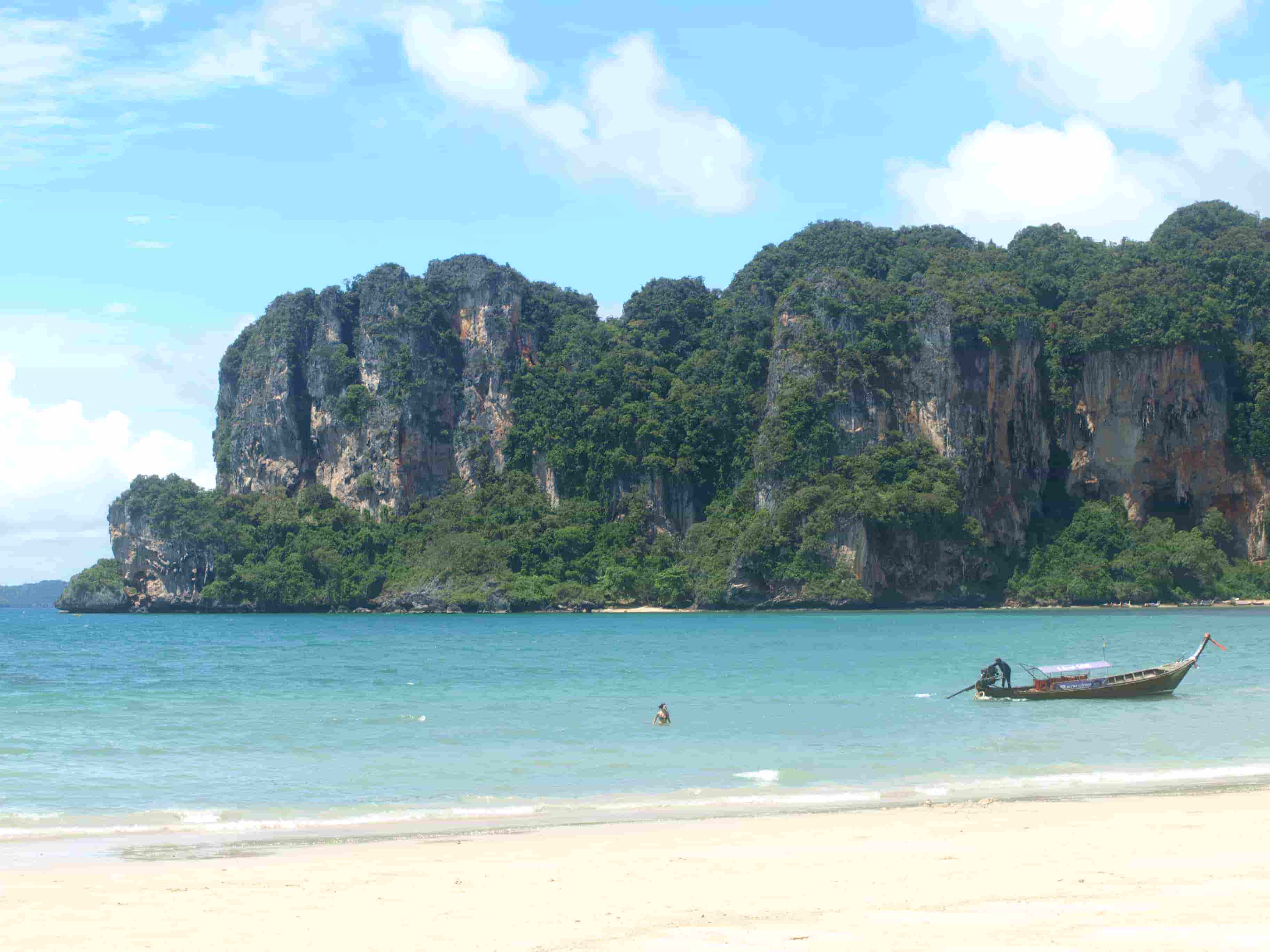
Railay Beach
Famous for its crystal-clear waters, dramatic cliffs, and vibrant nightlife, Railay Beach is a top destination for adventure seekers and beach lovers.
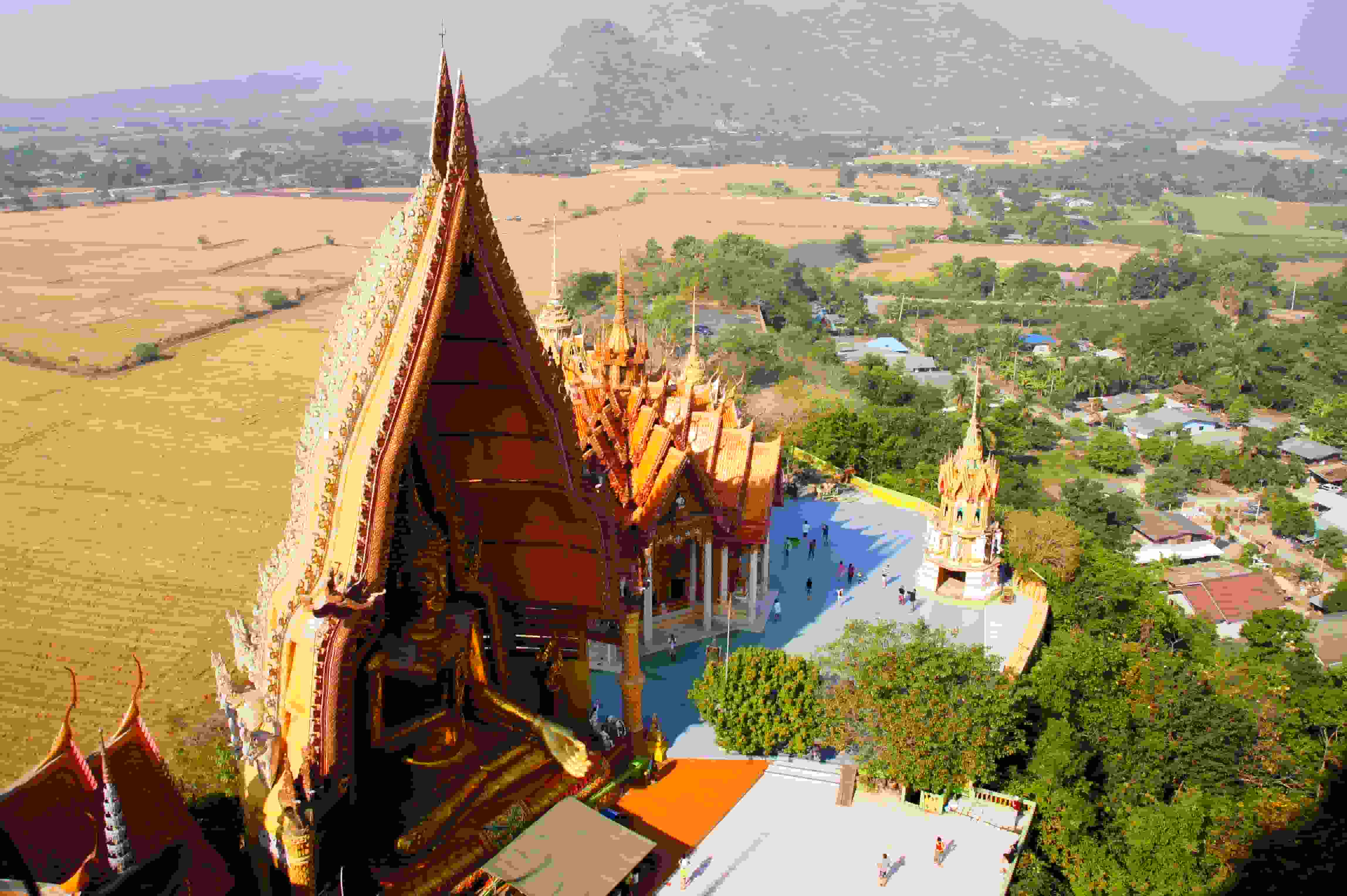
Tiger Cave Temple
A renowned Buddhist temple set high atop a mountain, with 1,237 steps leading to a magnificent golden Buddha statue and panoramic views.
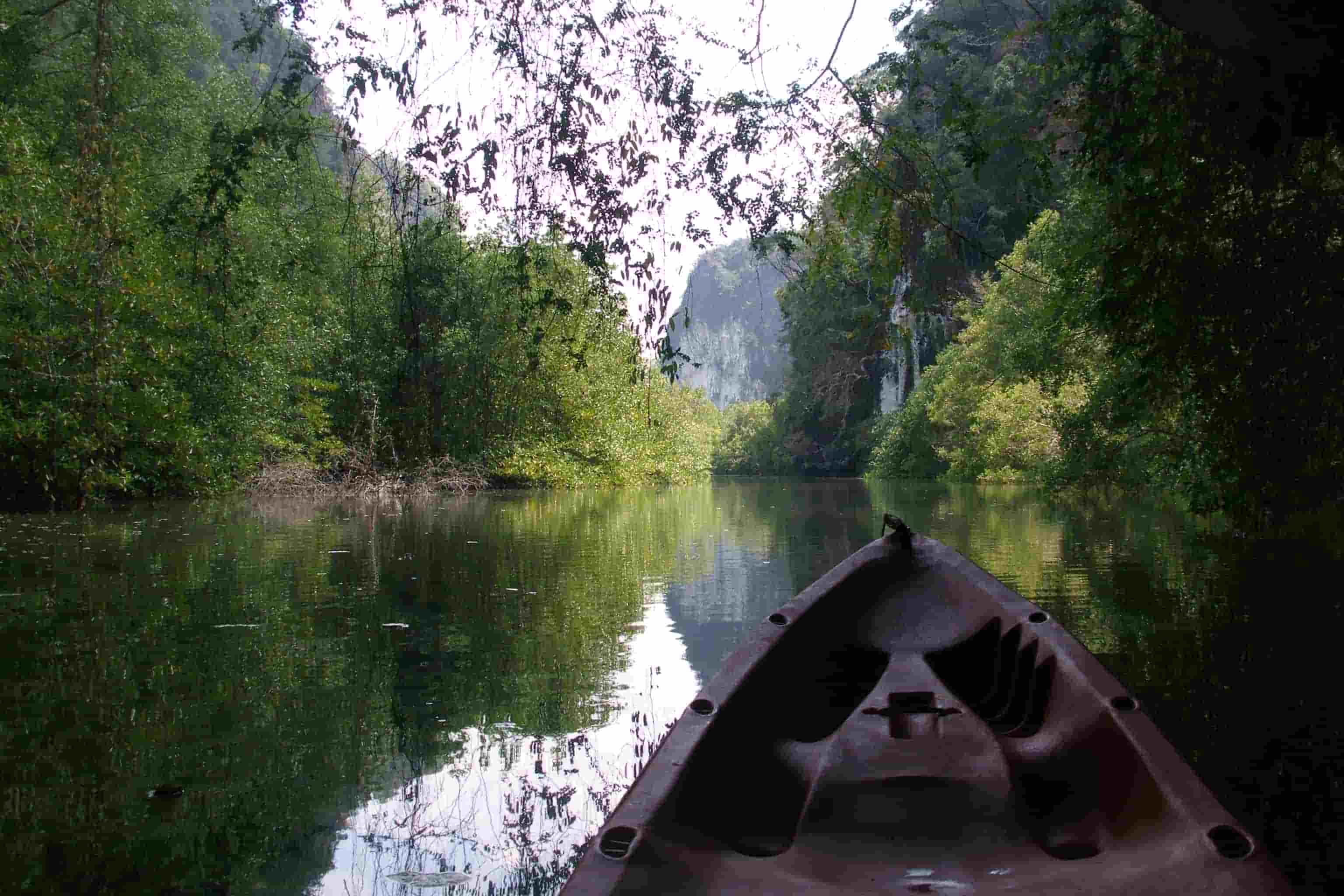
Ao Luek Mangrove Forest
Protected mangrove forest with kayaking tours
Than Bok Khorani National Park
A park with limestone cliffs, emerald ponds, caves, and botanical gardens.
Klong Root (Clear Water Canal)
A natural canal with incredibly clear emerald water, ideal for canoeing.
Krabi Town Night Market
A vibrant market offering local foods, handicrafts, and souvenirs, perfect for experiencing authentic Thai culture.
Phi Phi Islands
Breathtaking archipelago known for its crystal-clear waters, vibrant marine life, and stunning natural scenery.
Chill Hill Viewpoint
Panoramic viewpoint overlooking Krabi's limestone formations
Hot Spring Waterfall
Natural hot springs flowing into waterfall pools
Wat Kaew Korawaram
Beautiful and important Buddhist temple in Krabi Town with a white chedi and city views.
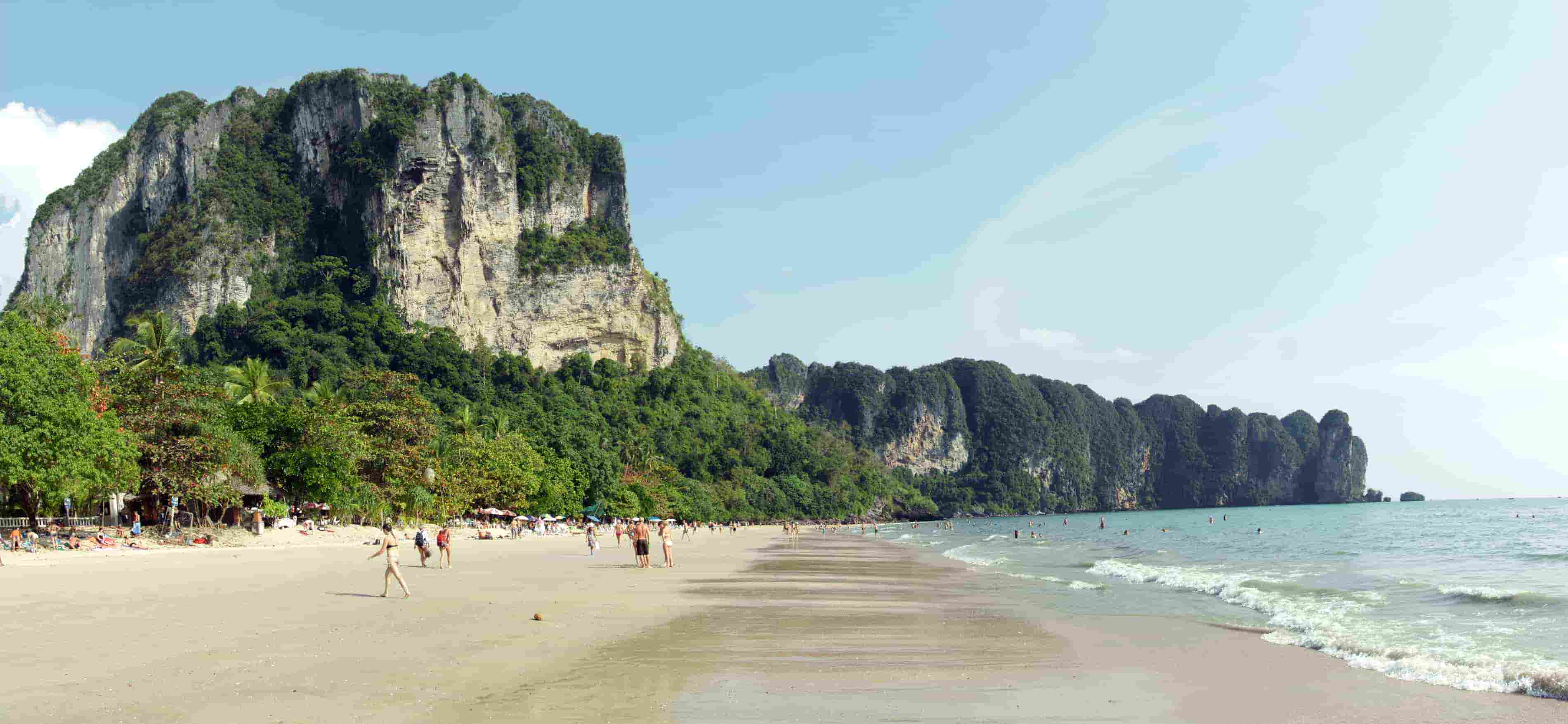
Ao Nang
The bustling main tourist center of Krabi, filled with shops, restaurants, and long-tail boats to nearby islands.
🏘️ Neighborhoods
Ao Nang
The main tourist hub with a long beach, extensive accommodation, restaurants, and tour operators. Lively and convenient, but can be crowded.
Krabi Town
The provincial capital on the Krabi River. Offers authentic Thai culture, the weekend night market, and a local vibe. Less beach-focused.
Railay Beach
A stunning peninsula accessible only by boat, surrounded by limestone cliffs. World-class rock climbing and beautiful, secluded beaches.
Tubkaek Beach
A quieter, upscale area north of Ao Nang with high-end resorts, gorgeous sunset views of the Hong Islands, and a more relaxed pace.
Klong Muang
A peaceful area between Ao Nang and Tubkaek, with a long beach, mid-range to luxury resorts, and a handful of restaurants.
Ao Nam Mao
A small, quiet bay near the airport and Ao Nang. Home to the main pier for Phi Phi boats and a few low-key resorts.
Nopparat Thara
Adjacent to Ao Nang, this area features a long, peaceful beach part of a national park. Less developed with a few bungalows and seafood restaurants.
🍽️ Local Cuisine
Krabi's cuisine is a delicious reflection of its coastal and multicultural heritage, emphasizing fresh seafood, bold Southern Thai flavors, and Malay influences. Must-try signature dishes include 'Khao Mok Kai' (Thai-Muslim chicken biryani), 'Gaeng Som Pla' (a sour and spicy fish curry), and 'Pad Cha' (stir-fried seafood or meat with wild pepper and basil). Freshly grilled prawns, squid, and fish are staples at beachside restaurants and the Krabi Town Night Market. Dining is casual and social; street food is excellent, safe, and incredibly affordable ($1-$3 per dish). Sit-down restaurant meals range from $5-$15. Popular food areas are the Krabi Town Night Market, Ao Nang's sois (side streets) behind the beach, and local seafood shacks along the river. Etiquette is relaxed; it's common to share dishes. Use a spoon and fork (fork to push food onto the spoon), and be cautious with spice levels—'mai phet' means not spicy.
💡 Local Tips
🚗 Day Trip Ideas
Phi Phi Islands
Iconic islands featured in 'The Beach.' Day tours include Maya Bay, Monkey Beach, and snorkeling in crystal-clear waters.
Hong Islands
A stunning archipelago part of a national park, perfect for snorkeling, kayaking through lagoons, and relaxing on pristine beaches.
Emerald Pool & Hot Spring Waterfall
A natural inland excursion to swim in a stunning green mineral pool and warm natural jacuzzi streams in the jungle.
Koh Lanta
A larger, laid-back island known for long beaches, a national park, and a diverse mix of cultures. Accessible by car ferry.
Than Bok Khorani National Park
A serene park with crystal-clear canals, limestone caves, and botanical gardens. Ideal for swimming, picnics, and easy hiking.
Ao Thalane & Bor Thor
Mangrove forest and sea canoeing tours through dramatic karst canyons, hidden lagoons, and ancient cave paintings.
🛡️ Safety Tips
Krabi is generally very safe for travelers, with low violent crime. Petty theft (bag snatching, pickpocketing) can occur in crowded tourist areas and beaches—keep valuables secure and never leave belongings unattended. Be cautious of common scams: jet ski/motorbike rental damage claims (take thorough photos/videos before renting), gemstone scams, and overly friendly strangers offering tours. Use official taxi stands or ride-hailing apps. When swimming, heed red flag warnings on beaches, as currents can be strong. Road safety is a concern; drive defensively if renting a motorbike. Drink bottled water. Emergency numbers: Tourist Police 1155, General Emergency 191. For health, ensure travel insurance covers adventure activities; consider vaccinations for Hepatitis A and Typhoid. Mosquito-borne illnesses are present, so use repellent.
💰 Budget Guide
Krabi can suit any budget. A backpacker can manage on $30-$40 per day: dorm bed ($5-$10), street food meals ($1-$3), local transport/songthaews ($1-$3 per trip), and free activities like beaches and hiking. A mid-range traveler spending $70-$120 per day enjoys private air-conditioned rooms ($25-$50), restaurant meals ($5-$15), occasional tours ($30-$50), and taxi/boat trips. Luxury travelers can expect $200+ per day for beachfront resorts ($100+), fine dining, private tours, and spa treatments. Average hotel price is around $82/night. Save money by eating at local markets, booking tours directly from operators in town (not hotel concierge), traveling in the low season, using shared long-tail boats to Railay, and negotiating for longer-term scooter rentals. Many natural attractions like Tiger Cave Temple and beaches have minimal or no entry fees.