Welcome to Klaipeda
Welcome to Klaipeda, Lithuania's captivating maritime gateway. As the country's only major port city, Klaipeda hums with a unique energy, blending a rich, tumultuous history with a vibrant, modern spirit. Nestled where the Danė River meets the Baltic Sea, this city is your portal to the breathtaking Curonian Spit, a UNESCO World Heritage site just a short ferry ride away. The heart of Klaipeda is its charming Old Town, a picturesque maze of cobblestone streets lined with distinctive half-timbered, Germanic-style architecture—a legacy of its time as the Prussian city of Memel. Here, you'll find the rhythmic pulse of the Dancing Fountain, the serene Danes River Promenade, and the historical layers of Memel Castle. With a welcoming atmosphere and a compact, walkable center, Klaipeda is perfectly sized for exploration. Visitors are well catered for with a selection of 15 hotels, offering comfortable bases from which to discover this coastal gem. Whether you're drawn by history, maritime culture, or the call of the dunes, Klaipeda promises a memorable and distinctly Baltic experience.
Overview
Klaipeda's story is etched into its very streets. Founded in 1252 by the Teutonic Knights as Memel, it is Lithuania's oldest city and has been ruled by Germans, Swedes, and Russians before returning to Lithuania in 1923. This complex past is visible in the unique Fachwerk (half-timbered) architecture of the Old Town, which was meticulously rebuilt after WWII. The city is famous as the 'Gateway to the Curonian Spit,' with ferries constantly shuttling from the Smiltynė Ferry Terminal to the pristine dunes and pine forests of this natural wonder. Culturally, Klaipeda is a hub of maritime activity, hosting the popular Sea Festival every summer. The main districts include the historic Old Town (Senamiestis), the bustling City Centre around the theatre square, and the quieter, greener suburbs like Smiltynė across the lagoon. The city is also a significant industrial and educational center, giving it a youthful, dynamic feel alongside its historical charm.
🗓️ Best Time to Visit
The best time to visit Klaipeda is from late May to early September, when the weather is mild and the city is alive with activity. Summer (June-August) is peak season, with long daylight hours, average temperatures around 18-20°C (64-68°F), and major events like the Klaipeda Sea Festival in July, which fills the port with tall ships and celebrations. This is the ideal time for ferry trips to the Curonian Spit and enjoying outdoor cafes. The shoulder seasons of late spring (May) and early autumn (September) offer fewer crowds, pleasant weather, and beautiful seasonal colors. Winter (December-February) is the off-peak season; it's cold, gray, and often snowy, but it has a stark, peaceful beauty and lower prices. However, some attractions may have reduced hours, and ferry schedules to the Spit can be limited. For a balance of good weather and manageable tourism, May and September are excellent choices.
🌤️ Weather & Climate
Klaipeda has a temperate maritime climate, characterized by mild summers, cool winters, and consistent precipitation year-round. The Baltic Sea moderates temperatures but also brings frequent cloud cover and humidity.
Seasons
Winter
💨 Humidity: high
Cold, damp, and often overcast with frequent snowfall and freezing rain. Days are short. The sea can partially freeze.
Spring
💨 Humidity: moderate
Unpredictable weather transitioning from cold to mild. April and May see more sunshine and blooming nature.
Summer
💨 Humidity: moderate
The most pleasant season with long daylight hours. Warm but rarely hot, with occasional rain showers and cool sea breezes.
Autumn
💨 Humidity: high
Increasingly cool, wet, and windy. September can be mild, but by November, conditions are gloomy and wintery.
Monthly Weather Details
January Weather
Best for: indoor activities, museums
February Weather
Best for: indoor activities
March Weather
Best for: early sightseeing
April Weather
Best for: sightseeing, parks
May Weather
Best for: sightseeing, outdoor cafes
June Weather
Best for: beach, festivals, Spit
July Weather
Best for: beach, Sea Festival, Spit
August Weather
Best for: beach, Spit, sailing
September Weather
Best for: sightseeing, Spit, hiking
October Weather
Best for: cultural visits
November Weather
Best for: museums, indoor activities
December Weather
Best for: Christmas markets
🎒 What to Pack
All Year Round
- umbrella
- waterproof jacket
- comfortable walking shoes
- layers
🚗 Getting Around
Klaipeda is a very walkable city, especially the compact Old Town and city center. For longer distances, the public bus network is efficient and affordable, with single tickets costing around €1-€1.50 when purchased from the driver or kiosks. Taxis and ride-sharing apps like Bolt are readily available and reasonably priced for short trips within the city. Renting a bicycle is a fantastic way to explore, with dedicated paths along the river and to the ferry terminal; several rental shops offer daily rates. The Smiltynė Ferry Terminal is the key transport hub for accessing the Curonian Spit; pedestrian and car ferries run frequently (every 20-30 minutes) and the crossing takes about 10 minutes. Palanga International Airport (PLQ) is about 30km north; the best transfer options are taxi (€25-€35) or bus #1 to Klaipeda bus station. There is no train service from the airport.
🎯 Top Attractions
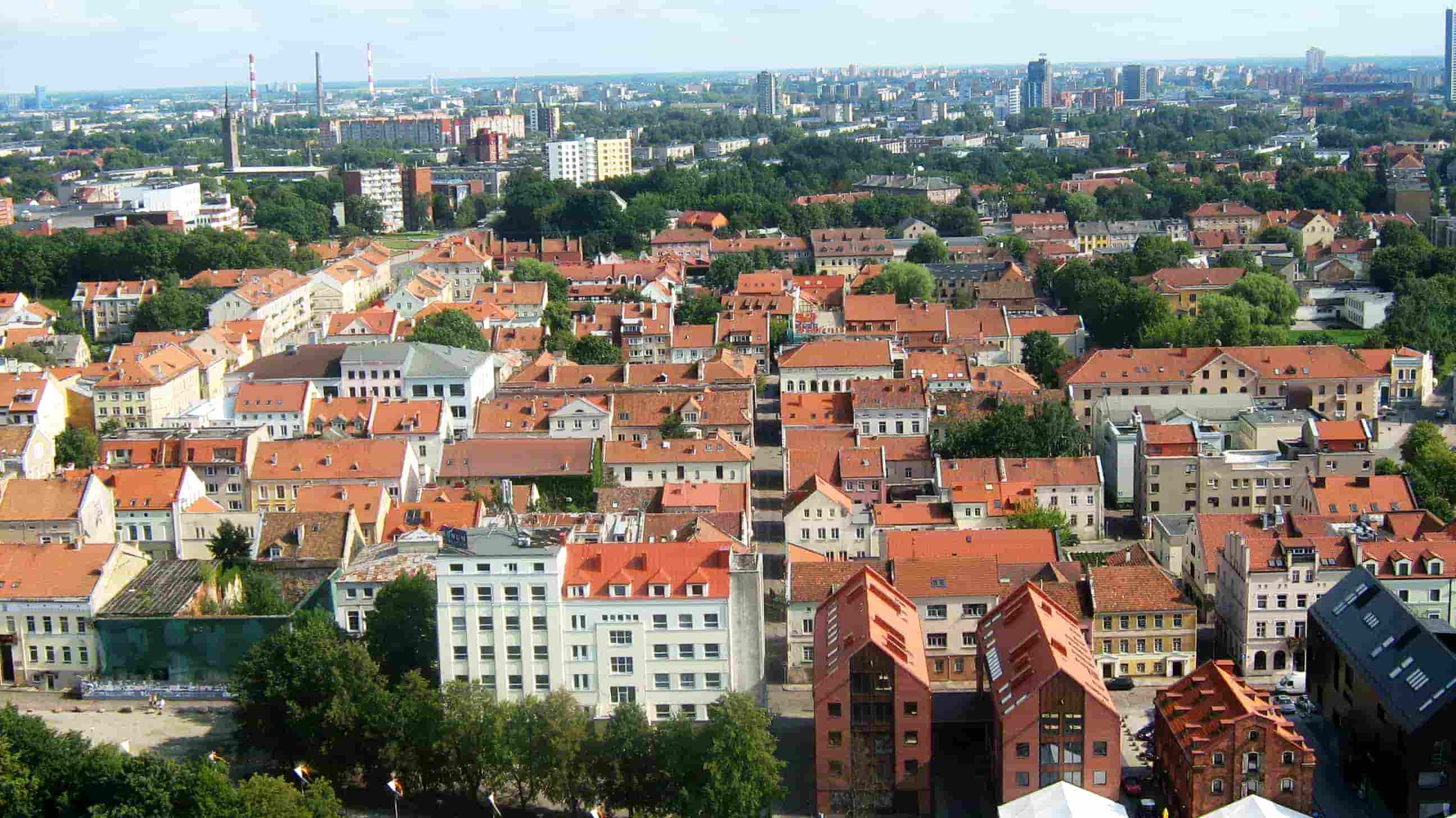
Klaipeda Old Town
Discover the charming German-influenced architecture, the iconic Theatre Square, and the historic sculptures of this port city's center.
Memel Castle Museum
An archaeological site and museum dedicated to the history of the Teutonic Order's castle and the city of Klaipėda.
Danes River Promenade
Scenic walkway along the river with sculptures
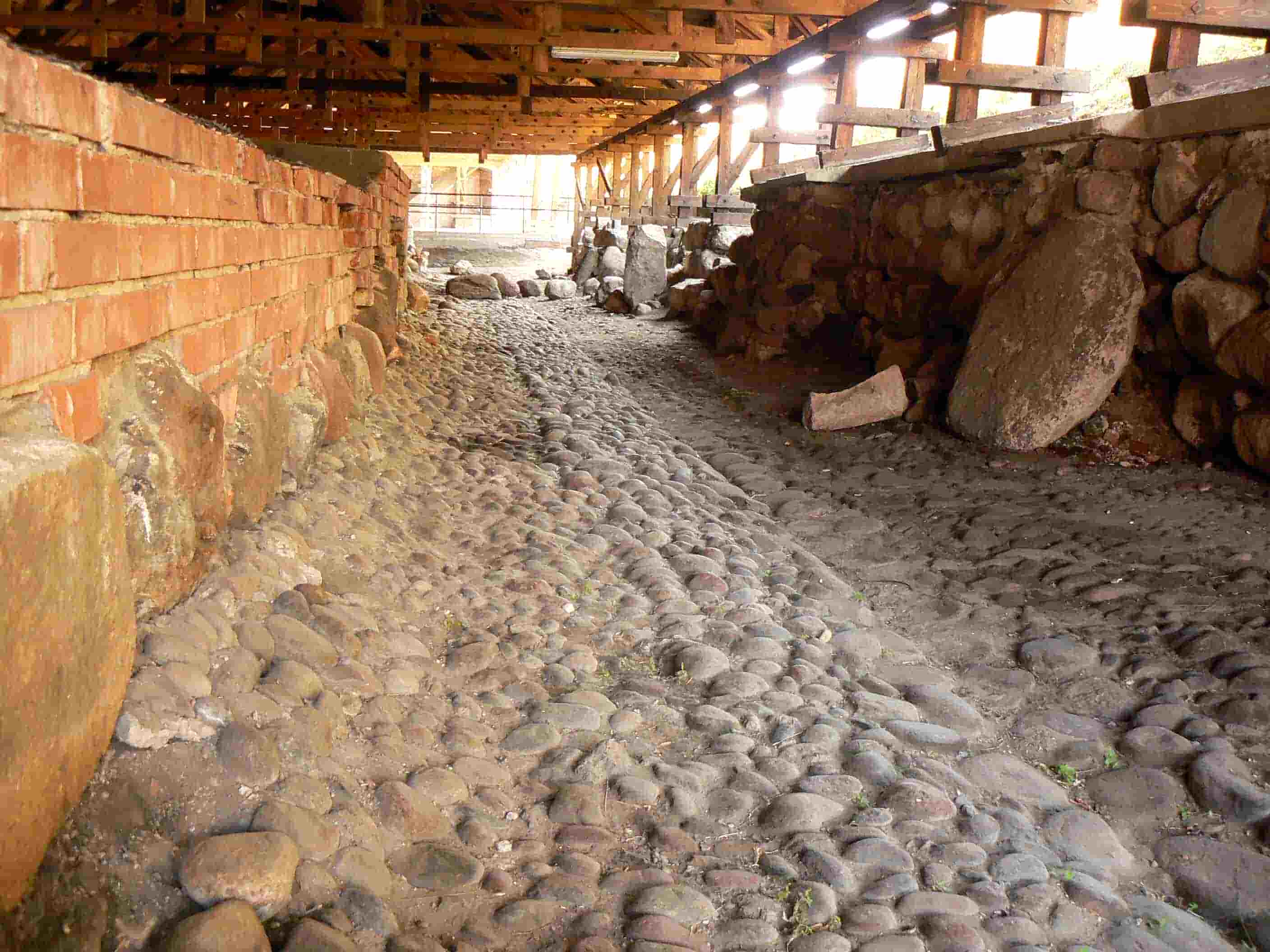
Klaipeda Castle
Historic castle ruins offering insights into the city's medieval past.
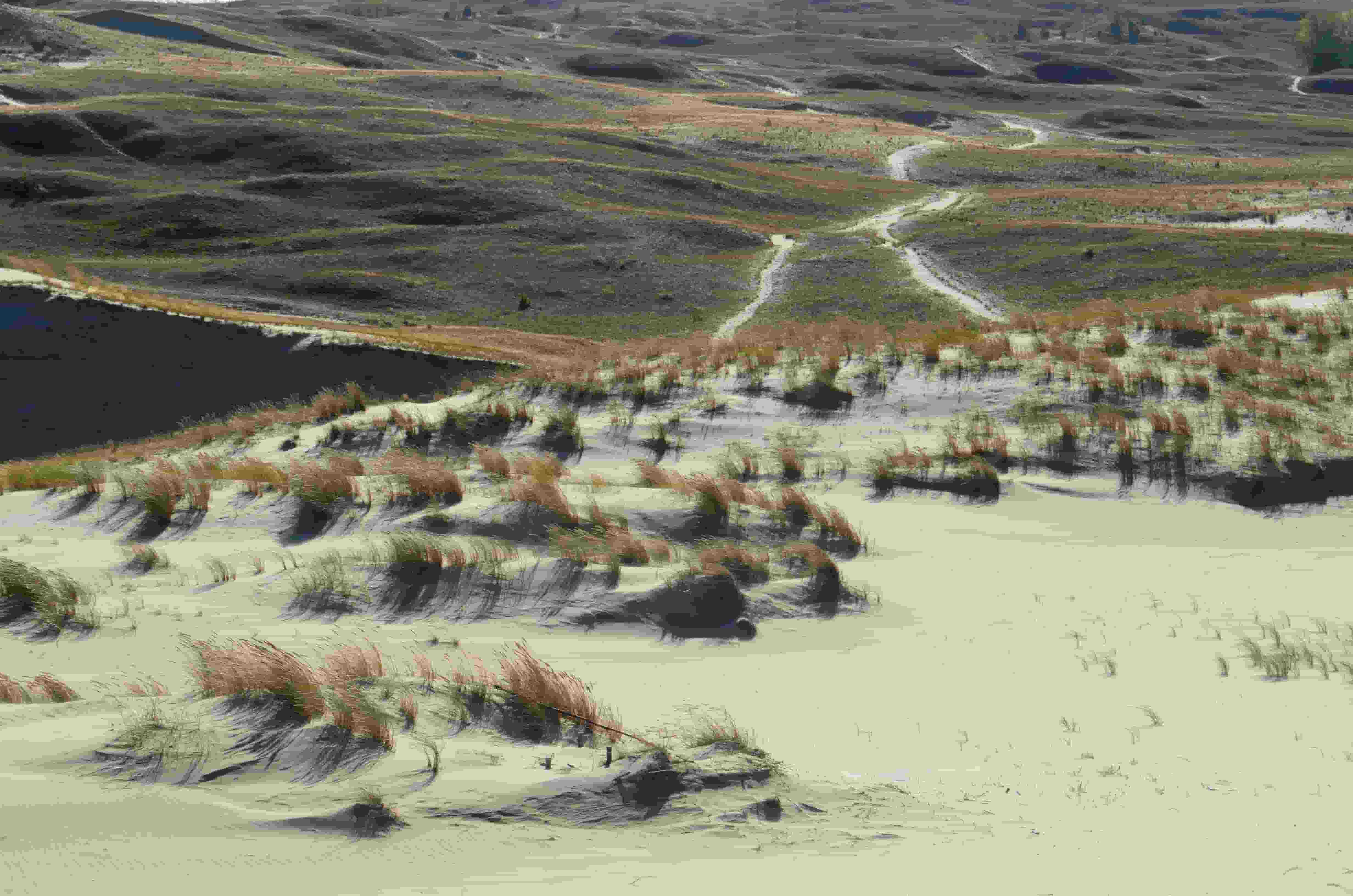
Curonian Spit
UNESCO World Heritage site with dunes and beaches.
Dancing Fountain
Musical fountain show in the city center.
Klaipėda Old Town
A charming historic district with cobblestone streets, half-timbered architecture, and the iconic Theatre Square.
Danes River
A scenic river perfect for walks and boat tours.
Danė River
A scenic river flowing through the city, lined with restaurants and offering picturesque boat tours.
Smiltynė Ferry Terminal
The gateway to the Curonian Spit, a UNESCO World Heritage site known for its massive sand dunes and unique landscapes.
Klaipeda Sculpture 'The Black Ghost'
A must-see bronze sculpture emerging from the water, depicting a legendary phantom that once haunted the city.
Danes River Embankment
A picturesque waterfront promenade lined with cafes and boats, perfect for a scenic stroll day or night.
🏘️ Neighborhoods
Old Town (Senamiestis)
The historic heart with cobblestone streets, half-timbered architecture, major museums, the castle site, and the Dancing Fountain. Packed with restaurants and cafes.
City Centre (Centras)
The modern commercial hub surrounding the Old Town. Features the main shopping streets, the theatre, larger hotels, and administrative buildings.
Smiltynė
A quiet, forested neighborhood across the lagoon on the Curonian Spit, accessible by ferry. Home to the Sea Museum, dolphinarium, and sandy beaches.
Melnragė
A popular seaside resort district within the city limits, south of the port. Known for its long sandy beach, promenade, and guesthouses.
Žvejybos uostas (Fishing Port)
The working port area with the fish market, ferry terminals, and industrial charm. Offers fresh seafood restaurants and views of massive ships.
Birutė
A primarily residential area with a large park, a famous sculpture park, and the peaceful Danė River banks. Offers a local, non-touristy feel.
🍽️ Local Cuisine
Klaipeda's cuisine is a hearty reflection of its maritime setting and Lithuanian roots. Must-try dishes include smoked fish from the Baltic Sea, especially eel and flounder, often served with dark rye bread. Sample 'cepelinai' (potato dumplings stuffed with meat or curd), 'šaltibarščiai' (refreshing cold beetroot soup with buttermilk), and 'kugelis' (potato pudding). The city's German heritage surfaces in dishes like 'skilandis' (smoked sausage). Dining culture is generally casual and hearty. For a local experience, visit the central market or the fish market near the ferry terminal. The Old Town and the Danė River promenade are lined with restaurants and cafes offering both traditional fare and international cuisine. A budget meal can cost €8-€12, mid-range €15-€25, and fine dining upwards of €30. Tipping 5-10% is appreciated for good service in restaurants. Don't forget to try local beers and 'midus' (mead).
💡 Local Tips
🚗 Day Trip Ideas
Curonian Spit (Neringa)
A UNESCO World Heritage site of immense sand dunes, pine forests, and quaint fishing villages like Nida and Juodkrantė.
Palanga
Lithuania's premier summer resort town, famous for its long sandy beach, bustling pier, and the beautiful Amber Museum in a former palace.
Šiauliai (Hill of Crosses)
A powerful and unique pilgrimage site featuring hundreds of thousands of crosses on a small hill, symbolizing faith and national identity.
Žemaičių Kalvarija (Samogitian Calvary)
An important Catholic pilgrimage site with a complex of 19 wooden chapels and churches on a scenic hill, hosting major festivals.
Priekulė & Minija River
Explore the serene Minija River by rented boat or kayak, winding through picturesque Lithuanian countryside and villages.
🛡️ Safety Tips
Klaipeda is generally a very safe city for travelers. Violent crime is rare. Standard precautions apply: be aware of your belongings in crowded areas like the bus station, markets, and during major festivals to guard against petty pickpocketing. There are no specific high-risk areas, but it's wise to be cautious in quieter, poorly lit streets at night. Common scams are infrequent but be wary of unofficial taxi drivers overcharging; always use metered taxis or ride-sharing apps. Emergency numbers are 112 for all services (police, fire, ambulance). Tap water is safe to drink. The Baltic Sea can be cold and have strong currents; only swim at designated beaches with lifeguards. In winter, watch for icy sidewalks. Healthcare is good, and EU citizens should carry a European Health Insurance Card (EHIC).
💰 Budget Guide
Klaipeda offers good value compared to Western Europe. A budget traveler can manage on €40-€60 per day: stay in a hostel dorm (€15-€25), eat at self-catering or cheap eateries (€10-€15), use public transport/walk (€2-€5), and enjoy free/low-cost sights like the Old Town. A mid-range budget of €80-€120 per day covers a private hotel room (€50-€80 from the city's 15 hotels, averaging $146/night), restaurant meals (€20-€30), some taxi rides, and paid attractions like castle museums or ferry trips. Luxury spending starts at €150+ per day for upscale hotels, fine dining, private tours, and car rentals. Money-saving tips: visit in shoulder seasons for lower hotel rates, purchase bus tickets in advance at kiosks, take the pedestrian ferry to the Curonian Spit (cheaper than car ferry), and enjoy the many free walking tours and public events in summer.