Welcome to Kaunas
Kaunas, Lithuania's second city and a former temporary capital, is a captivating blend of interwar modernism, medieval history, and youthful energy. Nestled at the confluence of the Nemunas and Neris rivers, this city in the heart of the country offers a more intimate and authentic Lithuanian experience than its coastal sibling, Vilnius. Kaunas is a city of resilience and reinvention, its skyline a testament to a complex past, from the red-brick Gothic of its Old Town to the striking functionalist architecture of its New Town. Today, it pulses with a creative spirit, fueled by a large student population, a thriving tech scene, and its designation as a European Capital of Culture in 2022. With a welcoming atmosphere and a manageable scale, visitors can comfortably explore its treasures, supported by a choice of 22 hotels catering to various tastes and budgets. Whether you're drawn to poignant history, avant-garde art, or simply the charm of a lively pedestrian boulevard, Kaunas promises a rich and memorable stop on any Baltic itinerary.
Overview
Kaunas's story is one of strategic importance and cultural flowering. Its history is anchored by the 14th-century Kaunas Castle, a guardian at the river junction. The city's golden age arrived in the interwar period (1919-1939), when it served as the provisional capital of Lithuania. This era left an indelible mark, gifting the city with a stunning collection of Art Deco and Functionalist architecture, one of Europe's finest. The city is famously divided into distinct districts: the compact, cobblestoned Old Town (Senamiestis) with its cathedral and castle; the New Town (Naujamiestis), centered around the nearly 2-kilometer-long pedestrian Laisvės Alėja (Liberty Avenue); and the quiet, green Žaliakalnis (Green Hill) neighborhood, home to the iconic Christ's Resurrection Basilica. Kaunas is famous for its basketball passion, its deep artistic heritage embodied by composer-painter M. K. Čiurlionis, and for the sobering Ninth Fort, a memorial to the victims of 20th-century atrocities. It's a city where history is palpable, creativity is celebrated, and Lithuanian identity is proudly on display.
🗓️ Best Time to Visit
The best time to visit Kaunas is from late spring to early autumn (May through September), when the weather is mild and the city is alive with outdoor cafes and events. Summer (June-August) is peak season, with long days, average highs around 22°C (72°F), and major festivals like the Kaunas City Day in late May and the Pažaislis Music Festival running through the summer. This is the ideal time for walking tours and park visits, but expect more tourists. The shoulder months of May and September offer pleasant temperatures and fewer crowds, perfect for sightseeing. Autumn brings beautiful foliage, especially in Ąžuolynas Park. Winter (December-February) is cold and snowy, with temperatures often below freezing, but it has its own charm with Christmas markets and a serene, frosty atmosphere. The off-peak seasons (late autumn and winter outside the holidays) see lower hotel rates and empty museums, though some outdoor attractions may have limited access.
🌤️ Weather & Climate
Kaunas has a humid continental climate with distinct seasons. Winters are cold and snowy, while summers are mild and relatively rainy.
Seasons
Winter
💨 Humidity: high
Cold and snowy with short days. Temperatures often stay below freezing. Pack warm layers and waterproof boots.
Spring
💨 Humidity: moderate
Unpredictable, transitioning from chilly and wet to pleasantly mild by May. Nature comes alive.
Summer
💨 Humidity: moderate
Warmest and sunniest period, but also the rainiest. Long daylight hours perfect for exploration.
Autumn
💨 Humidity: high
Cooling temperatures, increasing rain, and beautiful fall colors, especially in September and October.
Monthly Weather Details
January Weather
Best for: indoor activities, Christmas markets
February Weather
Best for: winter sports, museums
March Weather
Best for: early spring sightseeing
April Weather
Best for: sightseeing as parks bloom
May Weather
Best for: outdoor activities, festivals
June Weather
Best for: exploring, long days
July Weather
Best for: festivals, river activities
August Weather
Best for: city walks, open-air events
September Weather
Best for: sightseeing, fall colors
October Weather
Best for: museum visits, cozy cafes
November Weather
Best for: indoor cultural sites
December Weather
Best for: Christmas markets
🎒 What to Pack
All Year Round
- comfortable walking shoes
- layered clothing
- umbrella or rain jacket
- power adapter
🚗 Getting Around
Kaunas is a highly walkable city, especially between the Old Town and along Laisvės Alėja. For longer distances, the public bus and trolleybus network is extensive, reliable, and inexpensive. Single tickets can be purchased from the driver or via the "m.Ticket" app, with fares around €1. Taxis are readily available and affordable; use reputable companies like Kauno Taksi or the Bolt app for transparent pricing. Ride-sharing via Bolt is also popular. Biking is a great option, with city bike-sharing (Cyclocity) stations and dedicated lanes in some areas. The city's small size makes rideshares and taxis very cost-effective for group travel. Kaunas International Airport (KUN) is located about 15km northeast of the center; the most convenient transfer is by taxi or Bolt (approx. €15-20), while public bus line 29G offers a much cheaper connection to the central bus and train station.
🎯 Top Attractions
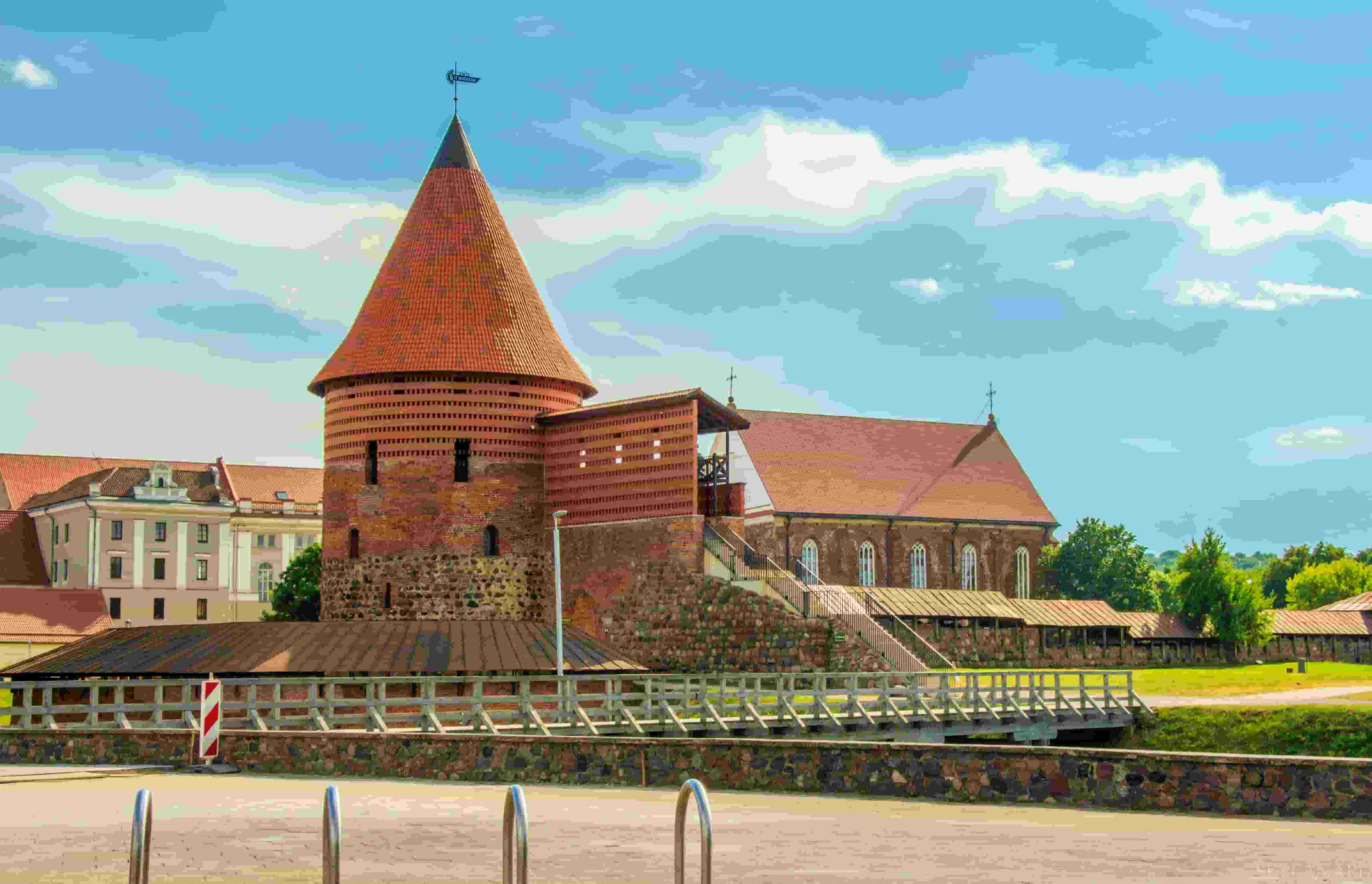
Kaunas Castle
A magnificent 14th-century castle and one of Kaunas' most iconic landmarks, offering stunning views of the Old Town.
Laisves Aleja
Pedestrian street with shops, cafes, and cultural sites
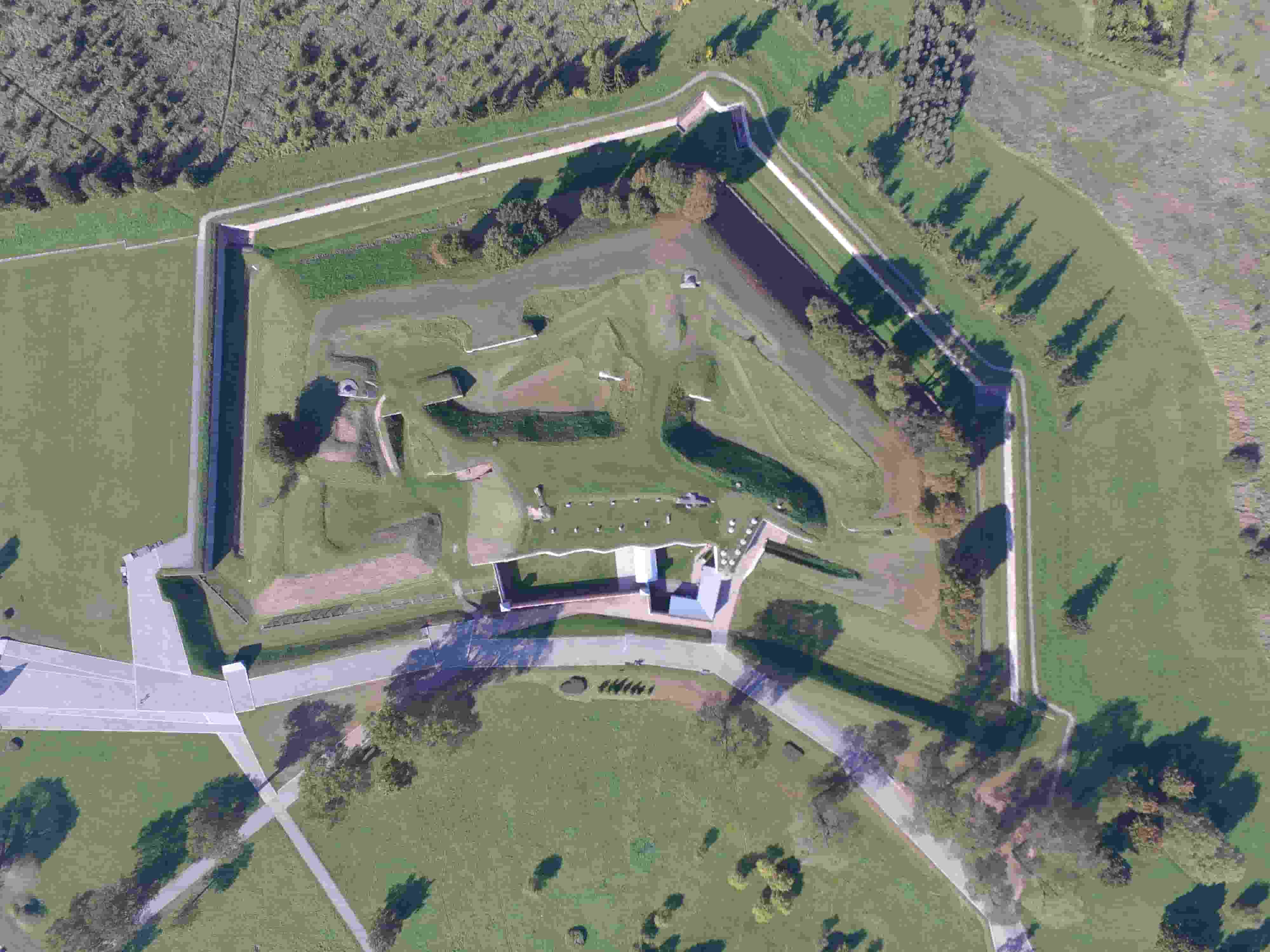
Ninth Fort
A historic fortress that played a significant role during World War II, now a powerful memorial and museum.
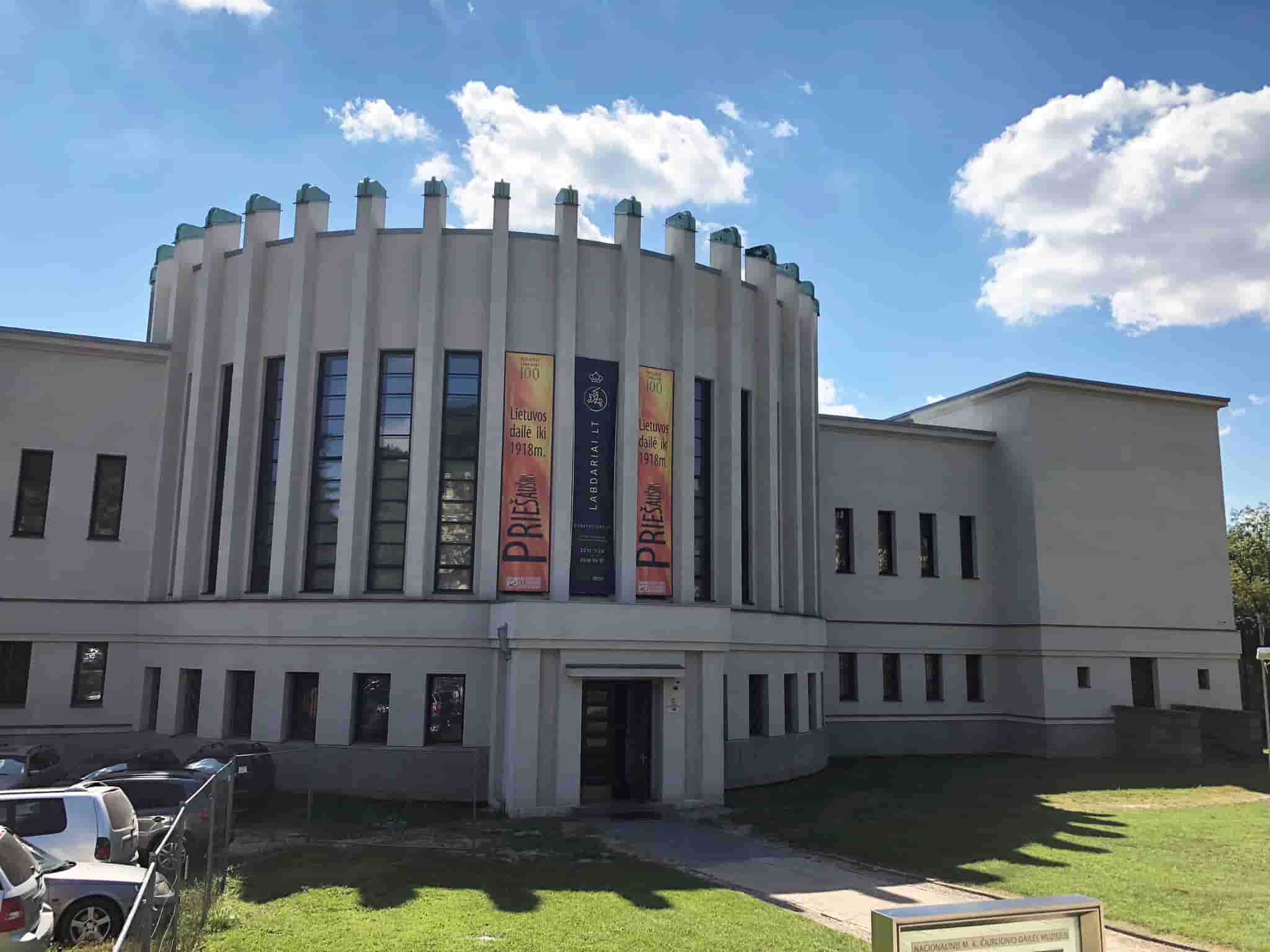
M. K. Ciurlionis National Art Museum
Art museum featuring Lithuanian and international works
Ąžuolynas Park
A large oak tree park ideal for walking, jogging, and relaxation.
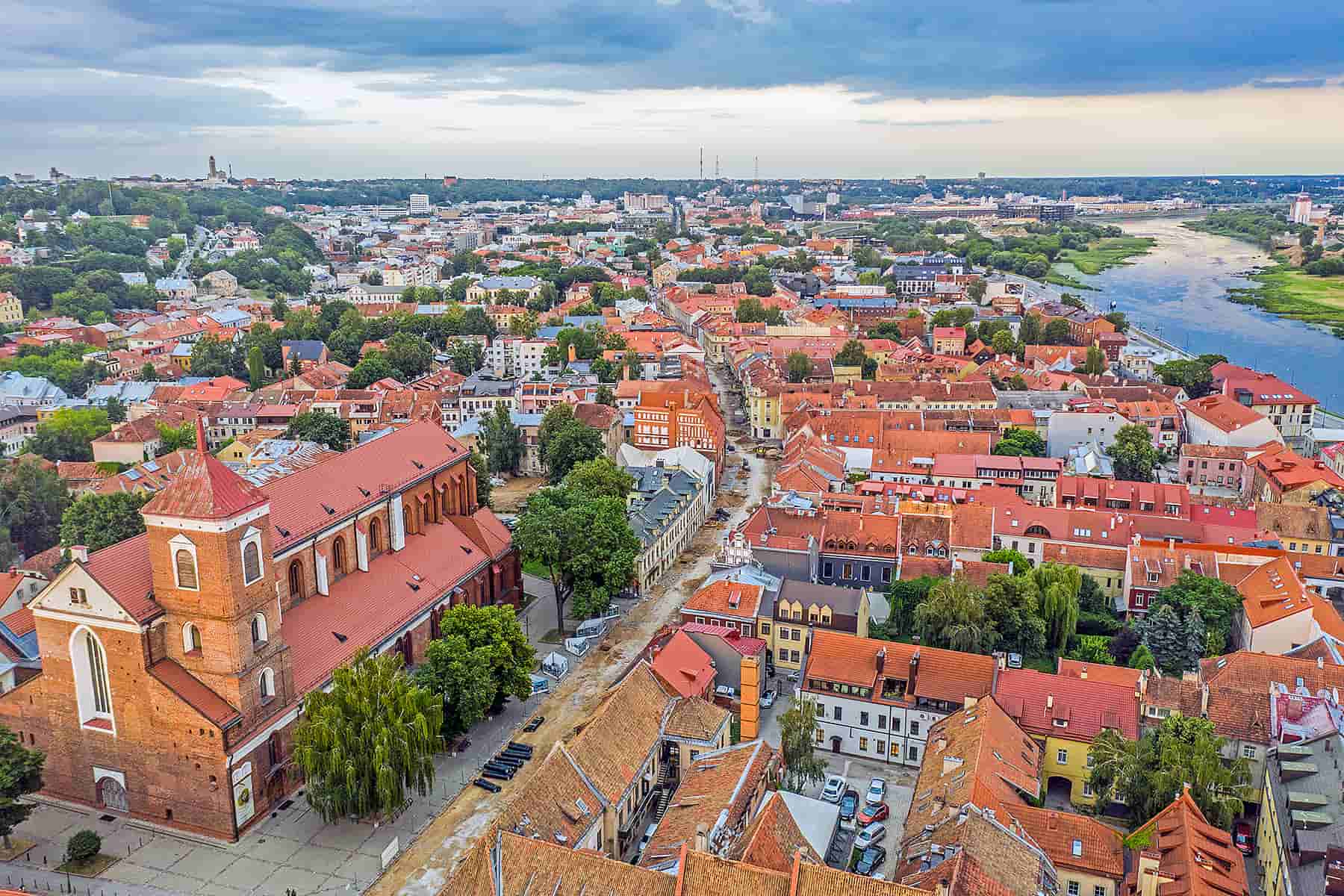
Kaunas Old Town
Historic district with well-preserved medieval architecture and a lively cultural scene.
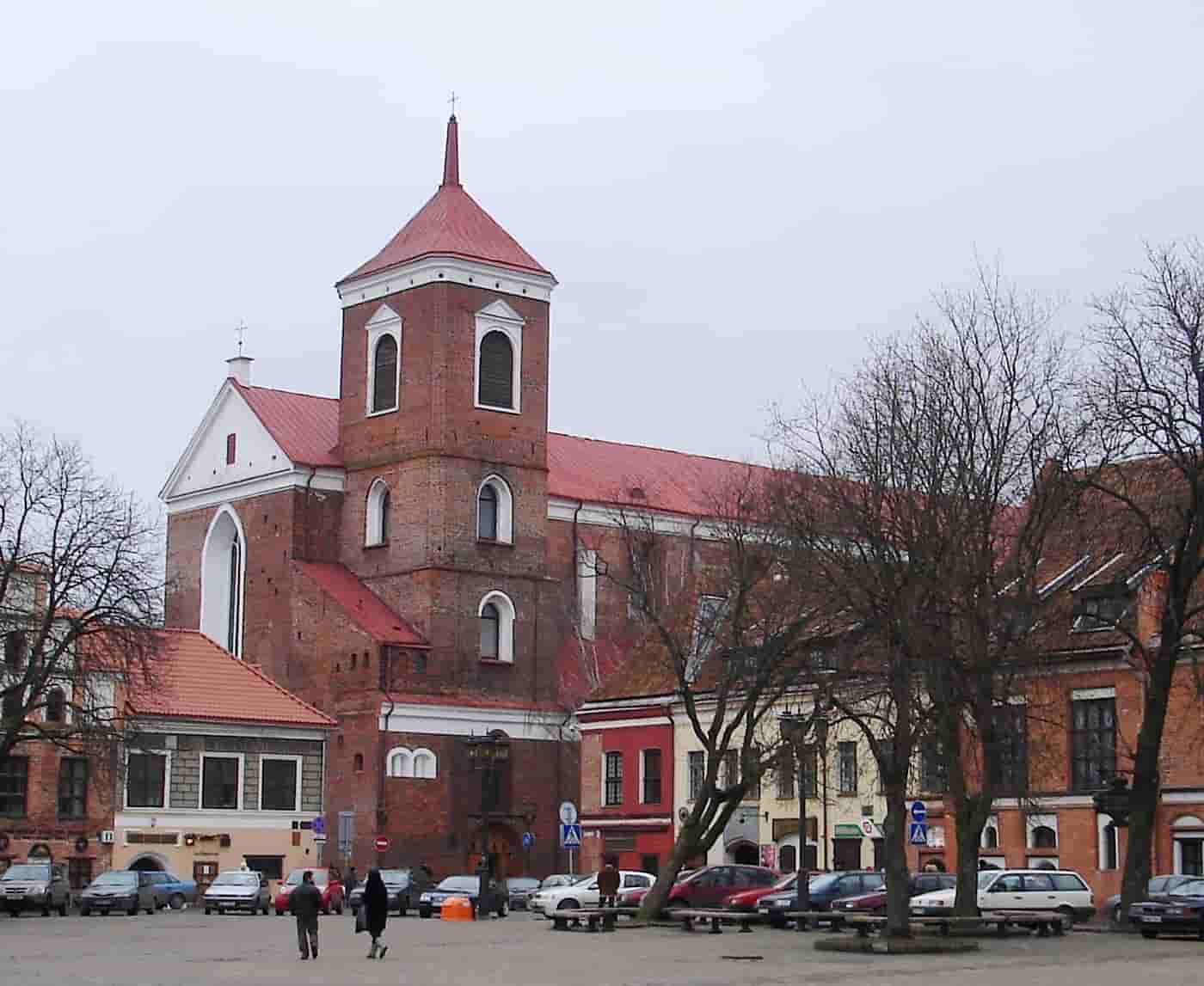
Kaunas Cathedral Basilica
A grand Gothic-style cathedral dating back to the 15th century, known for its impressive architecture and rich history.
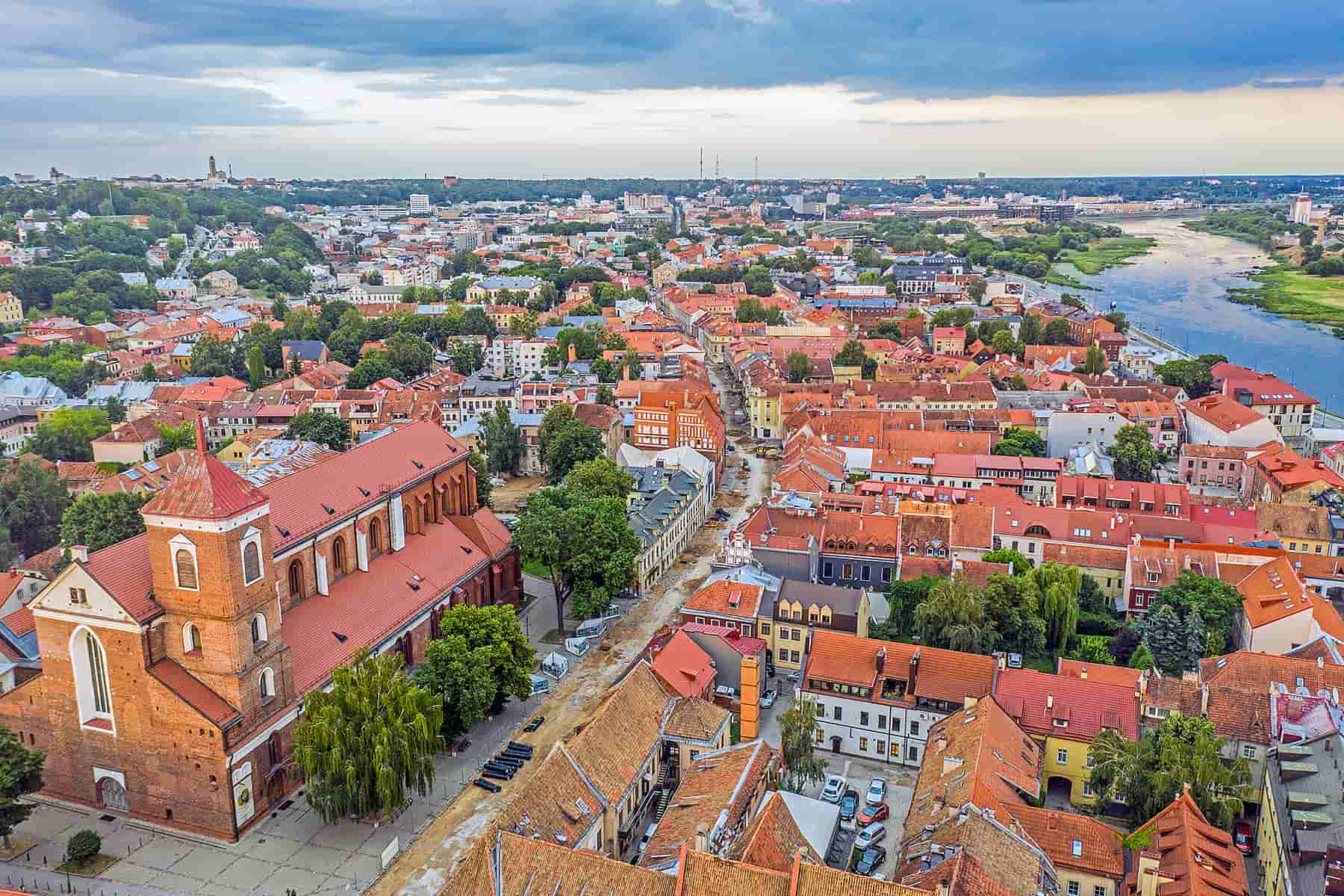
Old Town Kaunas
A historic area with cobblestone streets and colorful buildings.
M. K. Čiurlionis National Art Museum
Art museum showcasing works by Lithuania's most famous painter and composer.
Laisvės Alėja
Main pedestrian street with shops, cafes, and historic buildings
Devil's Museum
Unique collection of devil sculptures and artwork
War Museum of Lithuania
Informative museum chronicling Lithuania's military history and struggles.
🏘️ Neighborhoods
Senamiestis (Old Town)
The historic heart with cobbled streets, Kaunas Castle, the Cathedral Basilica, and Town Hall Square. Packed with restaurants, cafes, and museums.
Naujamiestis (New Town)
Centered on the pedestrian Laisvės Alėja. The commercial and cultural hub with shops, cafes, interwar architecture, and key museums like the Čiurlionis Museum.
Žaliakalnis (Green Hill)
A quiet, hilly residential area known for its interwar functionalist houses, the Christ's Resurrection Basilica offering panoramic views, and a funicular.
Aleksotas
Located on the opposite bank of the Nemunas River, known for its iconic viewpoint of Kaunas Old Town, the Aleksotas Funicular, and quieter atmosphere.
Šančiai
A historic district with wooden architecture, a strong sense of community, and the Vytautas the Great War Museum. Offers an authentic, less touristy feel.
Dainava
A large residential district primarily consisting of Soviet-era apartment blocks. Not a typical tourist area but offers insight into everyday local life.
Centras (Strict Center)
The immediate area around the train and bus stations and the modern city hall. A mix of business, transport, and some hotels, very functional for arrivals/departures.
🍽️ Local Cuisine
Lithuanian cuisine in Kaunas is hearty, rooted in potatoes, rye, pork, and dairy. Must-try dishes include "cepelinai" (zeppelins)—large potato dumplings stuffed with minced meat or curd, served with sour cream and bacon bits; "šaltibarščiai" (cold beetroot soup) with boiled eggs and hot potatoes, perfect for summer; and "kibinai," savory pastries from the Karaim community. For dessert, try "šakotis" (tree cake). Dining culture is generally casual and welcoming. Laisvės Alėja and the Old Town are filled with restaurants ranging from traditional "virtuvė" (kitchen) style pubs to modern bistros. A budget meal can cost under €10, a mid-range restaurant dinner €15-25, and high-end dining €30+. Etiquette is straightforward; a 5-10% tip for good service is appreciated but not mandatory. Don't miss the local beer—Kaunas has several excellent microbreweries.
💡 Local Tips
🚗 Day Trip Ideas
Trakai Island Castle
A picturesque Gothic castle on an island in a lake, the former capital of the Grand Duchy of Lithuania. Try the local Karaim cuisine.
Pažaislis Monastery and Church
A stunning Baroque architectural masterpiece complex on the banks of the Kaunas Lagoon, also a venue for a famous music festival.
Rumšiškės Open-Air Museum
One of Europe's largest ethnographic open-air museums, showcasing traditional Lithuanian life from across the country's regions.
Kaunas Lagoon Regional Park
A vast recreational area ideal for hiking, cycling, boating, and relaxing on beaches near the city.
Kėdainiai Old Town
A well-preserved historic town with a unique multicultural (Scottish, German, Jewish) heritage and a distinctive market square.
Birštonas
A peaceful resort town on the Nemunas River, known for its mineral water, spa treatments, and beautiful riverside walks.
🛡️ Safety Tips
Kaunas is generally a very safe city for travelers. Violent crime is rare. Standard precautions apply: be aware of your belongings in crowded areas like bus stations or on public transport to guard against petty pickpocketing. There are no specific high-risk areas, but it's wise to be cautious in quieter, poorly lit streets at night. Common scams are uncommon, but be wary of taxi drivers not using a meter; insist on it or use the Bolt app. Emergency number is 112 for police, fire, or ambulance. Tap water is safe to drink. Healthcare is of a good standard; EU citizens should carry a European Health Insurance Card (EHIC). For others, travel insurance is recommended. The city is very walkable, but watch for uneven cobblestones in the Old Town.
💰 Budget Guide
Kaunas is an affordable European destination. A budget traveler can manage on €35-50 per day: stay in a hostel dorm (€12-20), eat at self-catering or cheap canteens (€10-15), use public transport/walk (€2-5), and visit free attractions like Laisvės Alėja and parks. Mid-range travelers (€70-120/day) can enjoy a private hotel room (€40-70 from the city's 22 hotels, averaging around $83/night), dine at nice restaurants (€20-30), take taxis occasionally, and visit paid museums. Luxury (€150+/day) affords boutique hotels, fine dining, private tours, and spa visits. Save money by purchasing the Kaunas City Card for transport and museum discounts, eating lunch specials, visiting on free museum days (often last Sunday of the month), and walking everywhere in the compact center.