Welcome to Kisoro
Nestled in the far southwestern corner of Uganda, where the rolling green hills of the Virunga Mountains meet the sky, Kisoro is a gateway to the extraordinary. This small, vibrant town is more than just a stopover; it is the beating heart of a region renowned for its profound natural beauty and life-changing wildlife encounters. Kisoro serves as the primary access point for treks to see the endangered mountain gorillas in the nearby Mgahinga Gorilla National Park and Bwindi Impenetrable National Park, making it a crucial hub for conservation tourism. The town itself, set at a cool, high altitude, offers stunning vistas of volcanic peaks like Mount Sabyinyo and Mount Muhabura, and the serene waters of Lake Mutanda are just a short journey away. With a welcoming community and a modest but essential tourism infrastructure, including around 10 hotels catering to various needs, Kisoro provides a genuine and unforgettable base for adventure. The average hotel price of $95.50 reflects its status as a specialized destination, where visitors come not for luxury, but for the raw, authentic experience of connecting with one of the planet's most precious ecosystems.
Overview
Kisoro is a district capital in Uganda's Western Region, famously known as the 'Switzerland of Africa' for its dramatic, mist-shrouded volcanic landscapes. Historically, the area was inhabited by the Batwa pygmies, the forest's original guardians, whose cultural experiences are now a vital part of the region's tourism. The town gained international significance with the establishment of Mgahinga Gorilla National Park (1991) and its proximity to Bwindi Impenetrable National Park, a UNESCO World Heritage Site. These parks are sanctuaries for roughly half of the world's remaining mountain gorillas. Kisoro town is compact, centered around a bustling market where locals from surrounding villages trade produce, crafts, and goods. The culture is a blend of the Bakiga and Batwa peoples, with a strong emphasis on community and conservation. While the town itself is modest, its fame is global, drawing visitors who come for gorilla trekking, volcano hiking, and cultural immersion. The main districts are essentially the town center, with its shops and services, and the surrounding rural parishes that lead to the park gates and lake shores.
🗓️ Best Time to Visit
The best time to visit Kisoro is during the two dry seasons: from June to September and December to February. These periods offer the most favorable conditions for gorilla trekking and hiking, with drier trails, less mud, and clearer views of the stunning landscapes. The weather is generally mild and sunny, though cool at night due to the high altitude. The peak tourist seasons coincide with these dry months, particularly July-August and December, so securing gorilla permits and accommodation well in advance is crucial. The long rainy season from March to May and the short rains in October-November are considered off-peak. While trekking can be more challenging with slippery paths and frequent showers, the forests are lush, crowds are thinner, and some lodges may offer lower rates. There are no major city-wide festivals, but cultural performances by the Batwa community are available year-round. Regardless of season, always be prepared for sudden weather changes in this mountainous region.
🌤️ Weather & Climate
Kisoro enjoys a mild, temperate climate due to its high altitude (approx. 1,900m). It experiences consistent temperatures year-round with distinct wet and dry seasons. Mornings and evenings are often cool, while afternoon sunshine can be warm.
Seasons
Long Dry Season
💨 Humidity: moderate
The most popular time to visit. Days are generally sunny and pleasant, with cool, crisp nights. Rain is infrequent, making it ideal for trekking and outdoor activities.
Short Rains
💨 Humidity: high
Intermittent showers and thunderstorms, often in the afternoons. The landscape is very green. Trails can be muddy, but tourist numbers are lower.
Short Dry Season
💨 Humidity: moderate
Another excellent window for travel. Weather is similar to the long dry season, with warm days and occasional light rain.
Long Rains
💨 Humidity: high
The wettest period with prolonged, heavy rainfall. Trekking is most challenging, but the forest is at its most vibrant. This is the true low season.
Monthly Weather Details
January Weather
Best for: gorilla trekking, hiking
February Weather
Best for: gorilla trekking, hiking
March Weather
Best for: birdwatching, cultural visits
April Weather
Best for: birdwatching, cultural visits
May Weather
Best for: birdwatching, cultural visits
June Weather
Best for: gorilla trekking, hiking
July Weather
Best for: gorilla trekking, hiking
August Weather
Best for: gorilla trekking, hiking
September Weather
Best for: gorilla trekking, hiking
October Weather
Best for: trekking (with preparation), photography
November Weather
Best for: trekking (with preparation), photography
December Weather
Best for: gorilla trekking, hiking
🎒 What to Pack
All Year Round
- waterproof hiking boots
- rain jacket
- fleece or sweater
- hat for sun
- sunscreen
- reusable water bottle
- daypack
🚗 Getting Around
Getting around Kisoro and its attractions relies on a mix of transport. Within the town center, walking is perfectly feasible. For longer distances, such as to park headquarters, Lake Mutanda, or nearby villages, the most common options are *boda-bodas* (motorcycle taxis) and private hire taxis. Boda-bodas are affordable and nimble on rough roads, with short trips costing around UGX 3,000-10,000 ($0.80-$2.70). Negotiate the fare before riding and always wear a helmet. Private taxis (4x4 vehicles are recommended for park roads) can be hired for half or full days through your hotel; expect to pay $50-$100+ depending on the itinerary. There is no formal ride-sharing. Public minibuses (matatus) connect Kisoro to major towns like Kabale, but are less useful for reaching remote trailheads. Most visitors on gorilla treks use arranged transport from their lodge or tour operator, which includes transfers to the park briefing point. Kisoro Airstrip handles domestic charter flights, with transfers to town arranged by lodges.
🎯 Top Attractions
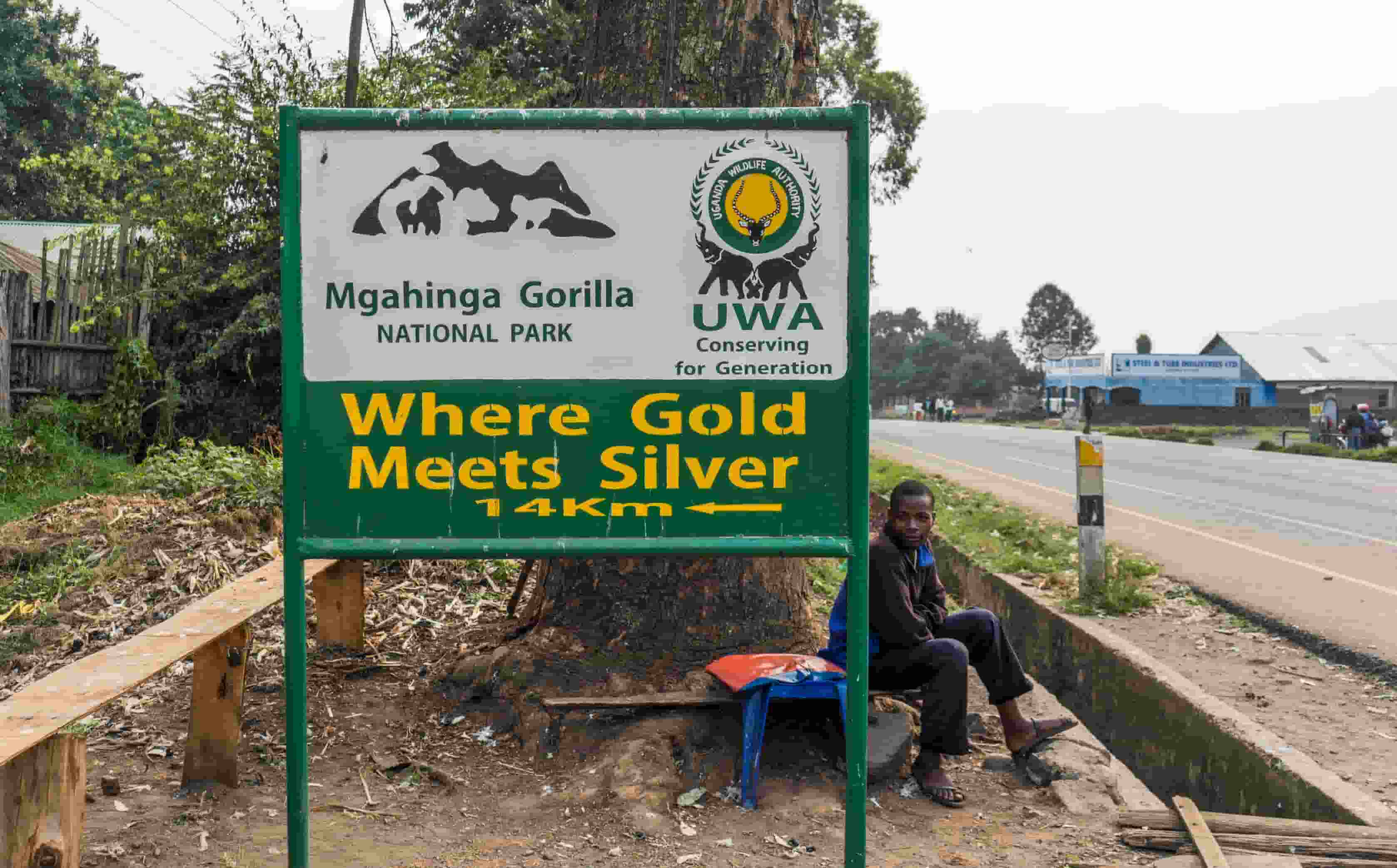
Mgahinga Gorilla National Park
A national park offering guided gorilla trekking experiences through volcanic landscapes.
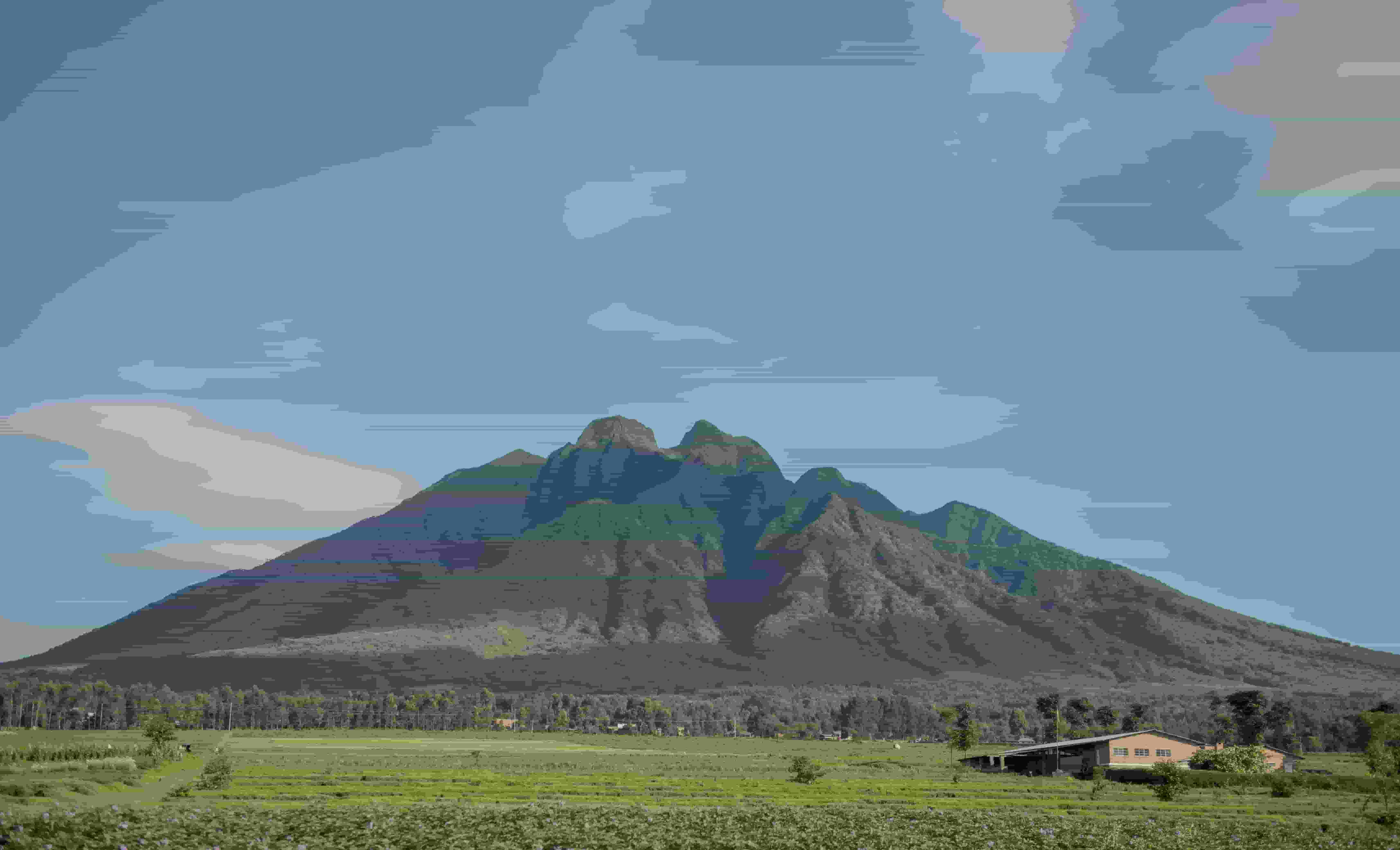
Mount Sabyinyo
Volcanic mountain offering challenging hikes with breathtaking panoramic views.
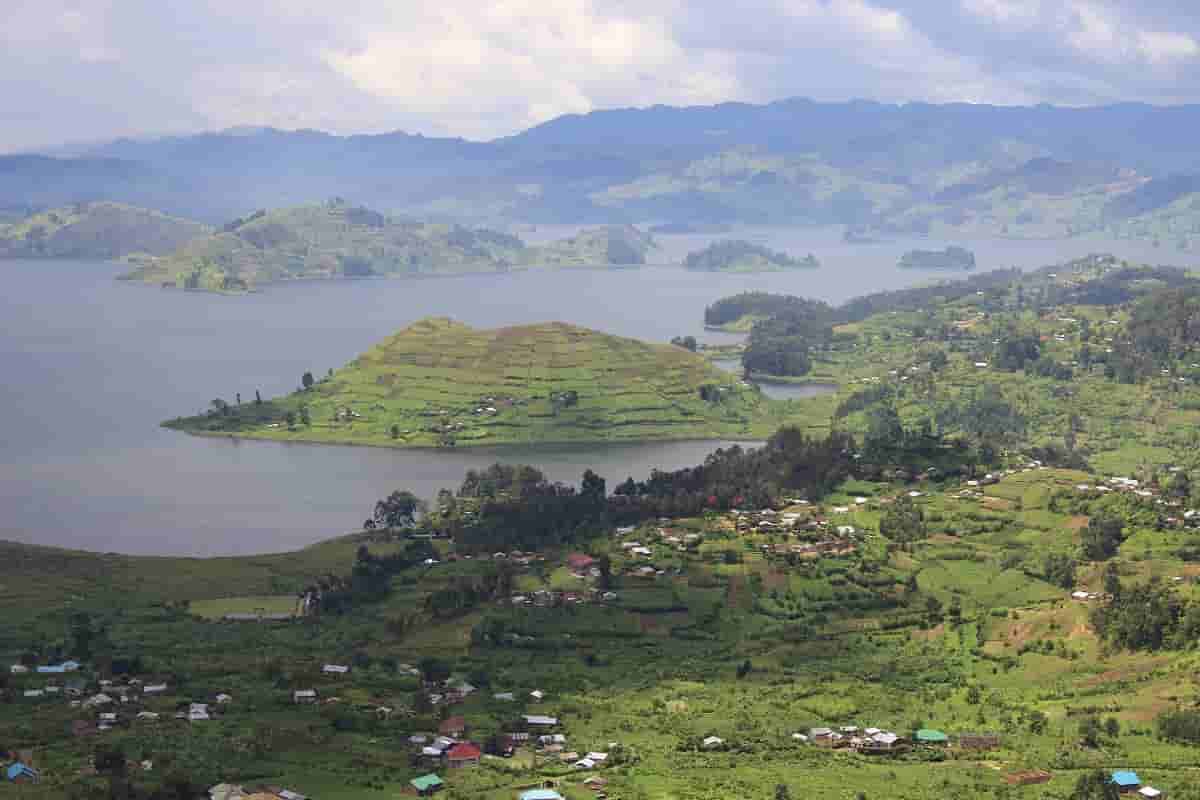
Lake Mutanda
A scenic lake surrounded by hills, ideal for canoeing, bird watching, and photography.
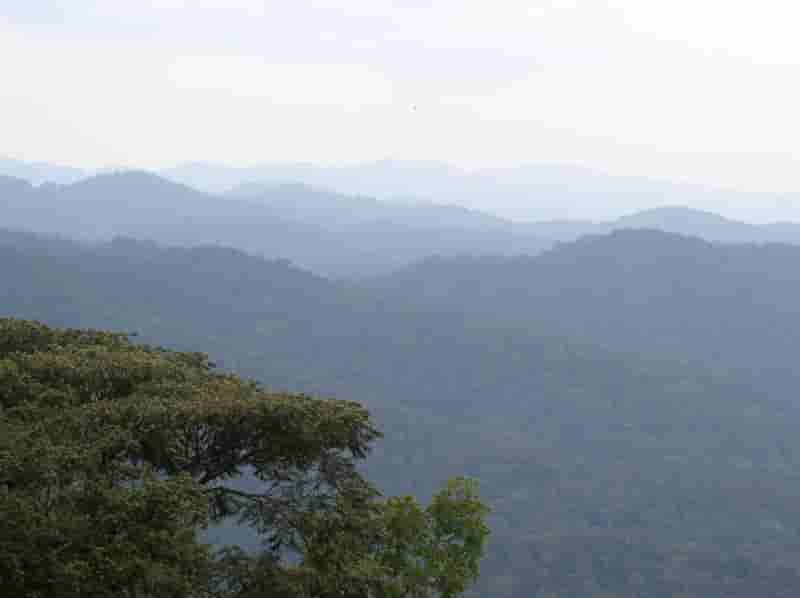
Bwindi Impenetrable Forest
A UNESCO site known for its population of endangered mountain gorillas and rich biodiversity.
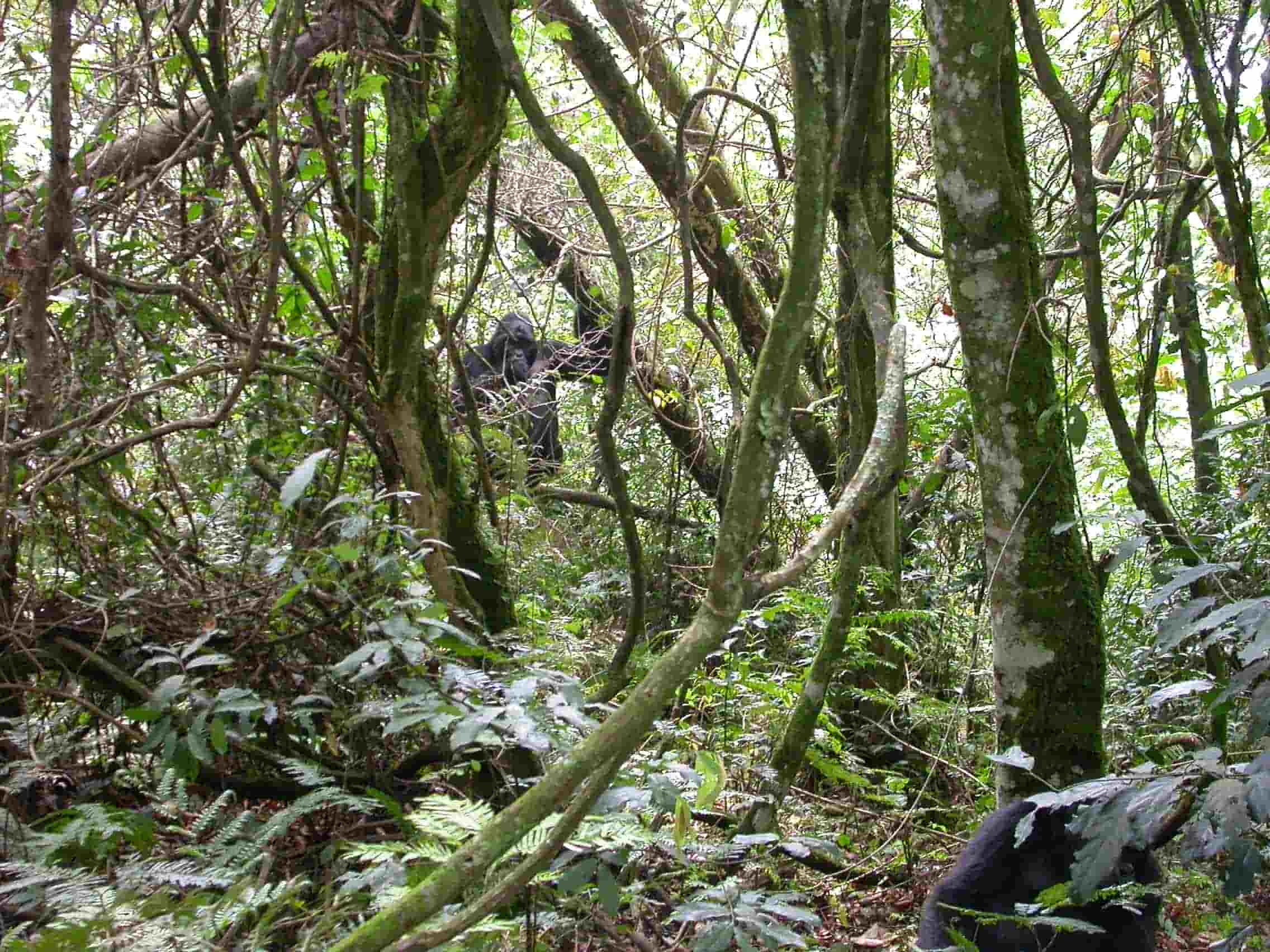
Bwindi Impenetrable National Park
UNESCO site home to mountain gorillas and diverse wildlife.
Rushaga Gorilla Families
Starting point for gorilla trekking to see habituated families.
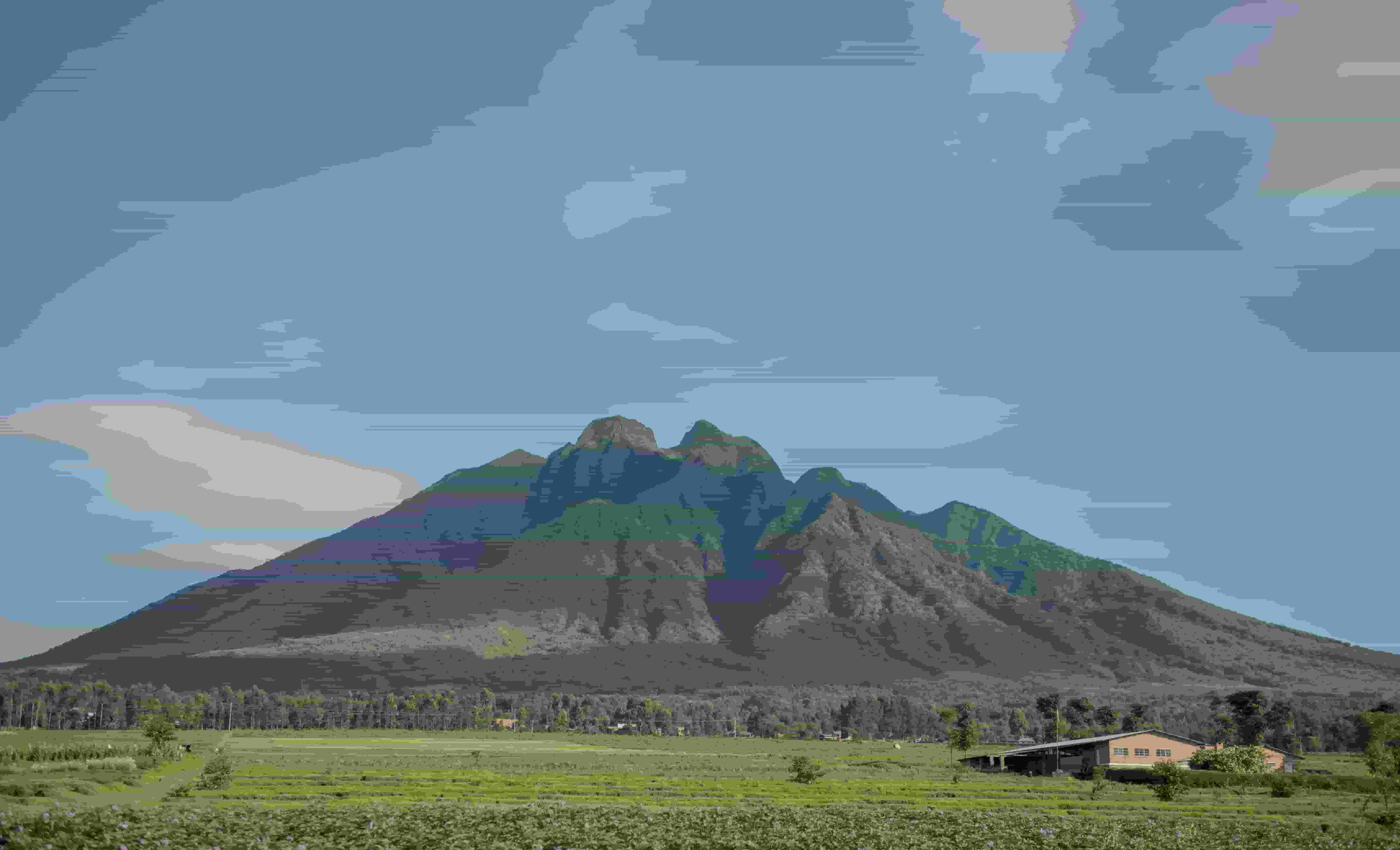
Mount Sabinyo
An extinct volcano whose peak marks the border of Uganda, Rwanda, and DRC.
Kisoro Town Market
A lively local market where you can experience daily life in the town.
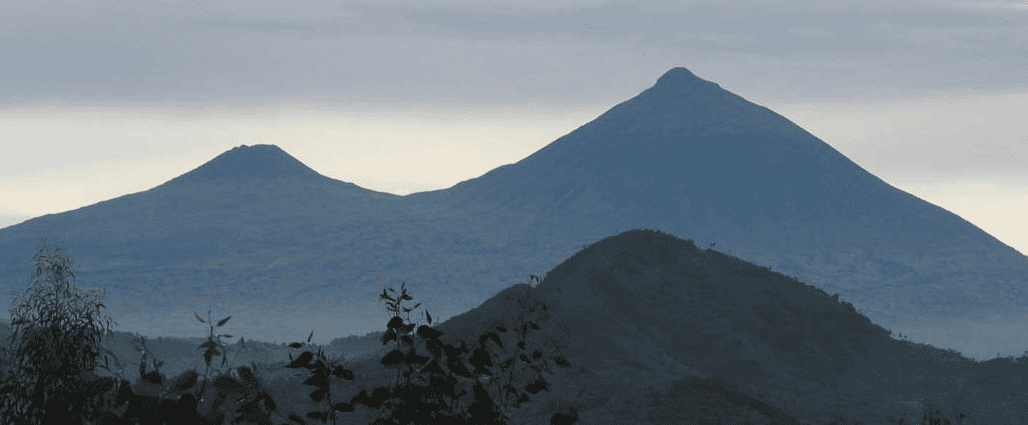
Mount Muhabura
A dormant volcano offering challenging hikes with rewarding panoramic views.
Kisoro Batwa Community
Opportunities to learn about the culture and traditions of the indigenous Batwa people.
Kisoro Market
Local market selling fresh produce and crafts
🏘️ Neighborhoods
Kisoro Town Center
The commercial and transport hub, featuring the main market, shops, banks, and local restaurants. This is where most services are located.
Lake Mutanda Shores
A serene area dotted with upscale lodges and campsites offering breathtaking views of the lake and volcanoes. Focus is on relaxation and nature.
Nteko / Mgahinga Park Edge
Rural parishes near the entrance to Mgahinga Gorilla National Park. Offers a remote, immersive experience close to volcano trek starting points.
Rushaga Sector (Bwindi)
Though a drive from town, this area south of Kisoro is a key gateway to the Rushaga gorilla families in Bwindi. Lodges here are designed for trekkers.
Bunagana Border Area
A bustling transit zone near the Democratic Republic of Congo border. More functional than touristic, with basic accommodations for those in transit.
Chahafi & Surrounding Hills
Scattered rural homesteads and farms in the picturesque hills around Kisoro. Offers homestay experiences and authentic cultural interaction.
🍽️ Local Cuisine
Kisoro's cuisine is hearty and reflective of its highland farming culture. The staple is *matoke* (steamed green bananas), often served with a savory groundnut (peanut) sauce or bean stew. *Eshabwe* is a popular side dish made from ghee, salt, and sometimes herbs. Meat stews with goat, beef, or chicken are common. For a truly local experience, try *Rolex* (not the watch!), a chapati rolled with eggs and vegetables, sold by street vendors. Fresh produce from the fertile hills, including Irish potatoes, peas, and cabbages, features prominently. Dining is informal; most hotels and lodges serve a mix of local and international dishes. For authentic local food, small restaurants in town offer budget-friendly plates. A typical local meal can cost UGX 10,000-20,000 ($2.70-$5.40), while lodge dinners are more expensive. Etiquette is simple: it's customary to wash hands before and after eating, as some food is eaten with the right hand. Always use bottled or purified water for drinking.
💡 Local Tips
🚗 Day Trip Ideas
Mgahinga Gorilla National Park
Trek to see the rare mountain gorillas or hike one of the three volcanic peaks: Mount Sabyinyo, Gahinga, or Muhabura.
Lake Mutanda
Enjoy canoeing, birdwatching, or a guided nature walk along the shores of this beautiful lake with island views.
Batwa Cultural Experience
An immersive journey with the indigenous Batwa people, learning about their forest heritage, traditions, and music.
Rushaga Sector (Bwindi)
Visit the southern sector of Bwindi for gorilla trekking or a guided community walk to see the Nkuringo area.
Mount Sabinyo Cave Exploration
A less strenuous hike to explore the fascinating caves on the slopes of Mount Sabinyo, rich in local lore.
Echuya Forest Reserve
A birdwatcher's paradise located on the road to Kabale, home to many Albertine Rift endemics.
🛡️ Safety Tips
Kisoro is generally safe, with friendly locals and a low crime rate against tourists. However, standard precautions apply. Petty theft like pickpocketing can occur in crowded areas like the market; keep valuables secure and out of sight. Use reputable boda-boda drivers and agree on fares upfront. When gorilla trekking, always follow your guide's instructions strictly for your safety and the animals' wellbeing. Maintain a 7-meter distance from the gorillas. Health-wise, malaria is present; use prophylaxis, mosquito repellent, and sleep under nets. Altitude sickness is rare but possible on volcano hikes; acclimatize and hydrate. Drink only bottled or purified water. Emergency numbers: Police - 999, Ambulance - 911. It's advisable to have comprehensive travel insurance that covers medical evacuation and gorilla trekking.
💰 Budget Guide
A day in Kisoro can vary widely in cost, dominated by the gorilla permit ($800 for foreigners). Excluding the permit, budget travelers can manage on $40-60 per day: basic guesthouse ($20-30), local meals ($5-10), and boda-boda transport ($5). Mid-range travelers spending $100-200 per day will enjoy comfortable lodge accommodation (around the $95.50 average), good meals at lodges ($15-25), private taxi transfers ($30-50), and guided nature walks. Luxury budgets of $300+ per day afford high-end eco-lodges with full board, private 4x4 with driver-guide, and premium activities. Money-saving tips: Travel in the rainy season for potential lodge discounts, eat at local restaurants in town, book tours directly with local operators, and share taxi costs with other travelers. Remember, the gorilla permit is a fixed, non-negotiable cost that must be booked far in advance through the Uganda Wildlife Authority.