Welcome to Kabale
Nestled in the verdant, rolling hills of southwestern Uganda, Kabale is a captivating gateway to some of Africa's most profound natural wonders. Often called the 'Switzerland of Africa' for its stunning highland scenery, this bustling town serves as the primary hub for travelers venturing to the nearby Bwindi Impenetrable National Park and the serene Lake Bunyonyi. More than just a transit point, Kabale offers its own unique charm with a vibrant town center, a friendly local community, and breathtaking overlooks that showcase the region's dramatic topography. With a range of accommodations to suit various needs, including around 20 hotels averaging $85.85 per night, visitors can find a comfortable base to explore from. A recommended stay of one day allows you to absorb the town's essence, though many find themselves extending their visit to soak in the tranquil atmosphere and use it as a springboard for deeper adventures into Uganda's wild heart.
Overview
Kabale is the administrative and commercial capital of the Kigezi region in Western Uganda. Its history is deeply intertwined with the Bakiga people, known for their resilience and rich cultural traditions. The town grew significantly during the colonial era and has since evolved into a vital service center for the surrounding agricultural communities, famous for producing some of Uganda's finest potatoes and dairy. Kabale is most famous for its proximity to two UNESCO World Heritage Sites: the mountain gorilla sanctuary of Bwindi Impenetrable National Park and the serene, island-dotted Lake Bunyonyi, one of Africa's deepest lakes. The town itself is characterized by its bustling market, a compact town center with shops and services, and surrounding hills offering panoramic views. The culture is a blend of traditional Bakiga customs and modern Ugandan life, evident in the lively town market and the welcoming nature of its residents.
🗓️ Best Time to Visit
The best time to visit Kabale is during the drier seasons, from June to August and December to February. These periods offer the most reliable weather for gorilla trekking in Bwindi, hiking, and enjoying Lake Bunyonyi's activities, with sunny days and cooler nights. The long rainy season from March to May and the short rains from September to November can make roads muddy and trails slippery, potentially disrupting travel plans, though the landscape is exceptionally lush and green. There is no distinct peak season for Kabale town itself, but demand for accommodations spikes during the gorilla trekking high seasons (June-August and December). Major events are often cultural and tied to the local community, with occasional church-led festivals. Traveling in the shoulder months just after the rains can offer a good balance of pleasant weather and fewer tourists.
🌤️ Weather & Climate
Kabale enjoys a mild, temperate highland climate due to its altitude (around 2,000 meters). Temperatures are consistently cool to warm year-round, with significant rainfall distributed across two wet seasons. Mornings and evenings can be chilly.
Seasons
Long Dry Season
💨 Humidity: moderate
The most popular time to visit. Days are sunny and pleasant, nights are cool. Ideal for all outdoor activities, especially gorilla trekking.
Short Dry Season
💨 Humidity: moderate
Warm and relatively dry, though occasional showers are possible. Excellent for travel and festivals.
Long Rainy Season
💨 Humidity: high
Heavy, persistent rainfall. Roads can become difficult. Lush greenery but challenging for trekking.
Short Rainy Season
💨 Humidity: high
Moderate to heavy rainfall, often in afternoon showers. Intermittent sun. Landscape is very green.
Monthly Weather Details
January Weather
Best for: sightseeing, trekking
February Weather
Best for: sightseeing, trekking
March Weather
Best for: photography (greenery)
April Weather
Best for: indoor/cultural activities
May Weather
Best for: indoor/cultural activities
June Weather
Best for: trekking, lake activities
July Weather
Best for: trekking, lake activities
August Weather
Best for: trekking, lake activities
September Weather
Best for: bird watching
October Weather
Best for: bird watching
November Weather
Best for: photography (greenery)
December Weather
Best for: sightseeing, trekking
🎒 What to Pack
All Year Round
- lightweight waterproof jacket
- layered clothing (t-shirts, fleece)
- sturdy hiking shoes
- sun hat
- sunscreen
- insect repellent
- reusable water bottle
🚗 Getting Around
Getting around Kabale and its surrounding attractions relies on a mix of transport options. Within the town center, walking is feasible for short distances. The most common form of public transport is the boda-boda (motorcycle taxi), which is inexpensive (approx. 2,000-5,000 UGX for short trips) but requires negotiation and caution; always wear a helmet. For longer distances or group travel, special hire taxis (private cars) can be arranged through hotels. Matatus (shared minibus taxis) connect Kabale to other towns and some nearby attractions like Lake Bunyonyi, offering a very affordable but crowded experience. There is no ride-sharing app service like Uber. For airport transfers, most visitors arrive via Entebbe International Airport and take a domestic flight to Kisoro or Kihihi, then arrange a 1-2 hour road transfer to Kabale, or undertake a long but scenic 8-9 hour drive from Kampala. Renting a 4x4 vehicle with a driver is highly recommended for exploring the region's rugged terrain.
🎯 Top Attractions
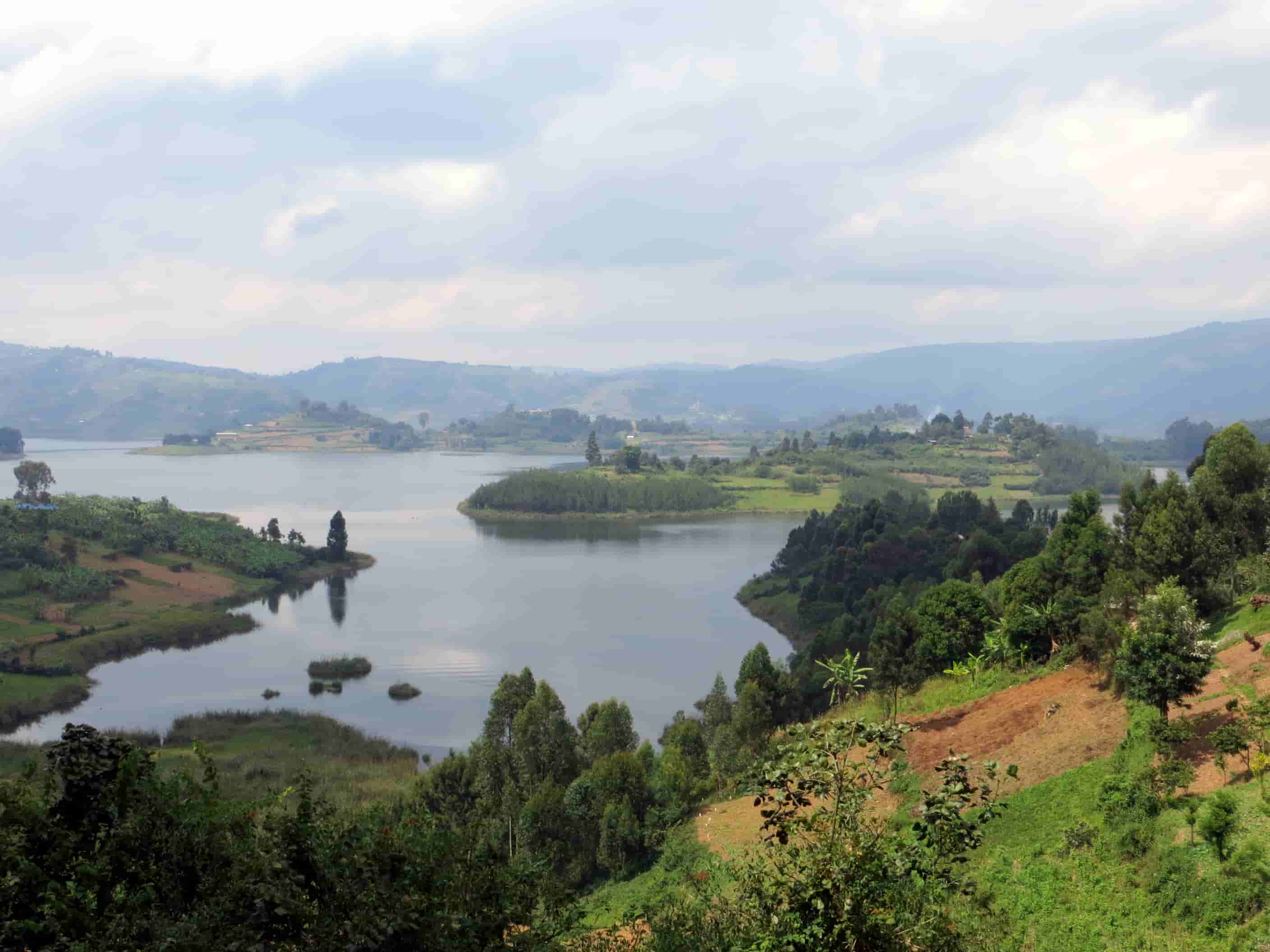
Lake Bunyonyi
Africa's second-deepest lake, surrounded by terraced hills and ideal for swimming and canoeing.
Kabale Town Centre
The main town area with shops and local eateries.
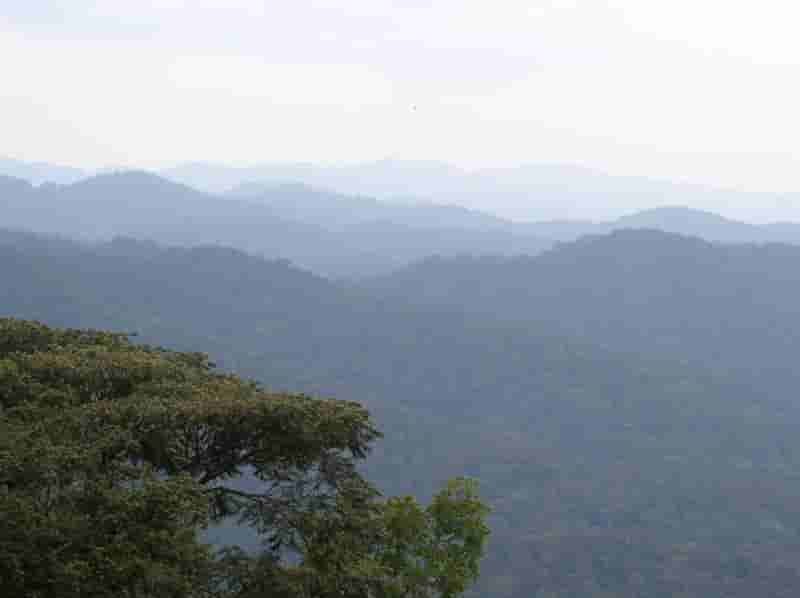
Bwindi Impenetrable Forest
A UNESCO World Heritage Site and one of the best places in the world for gorilla trekking.
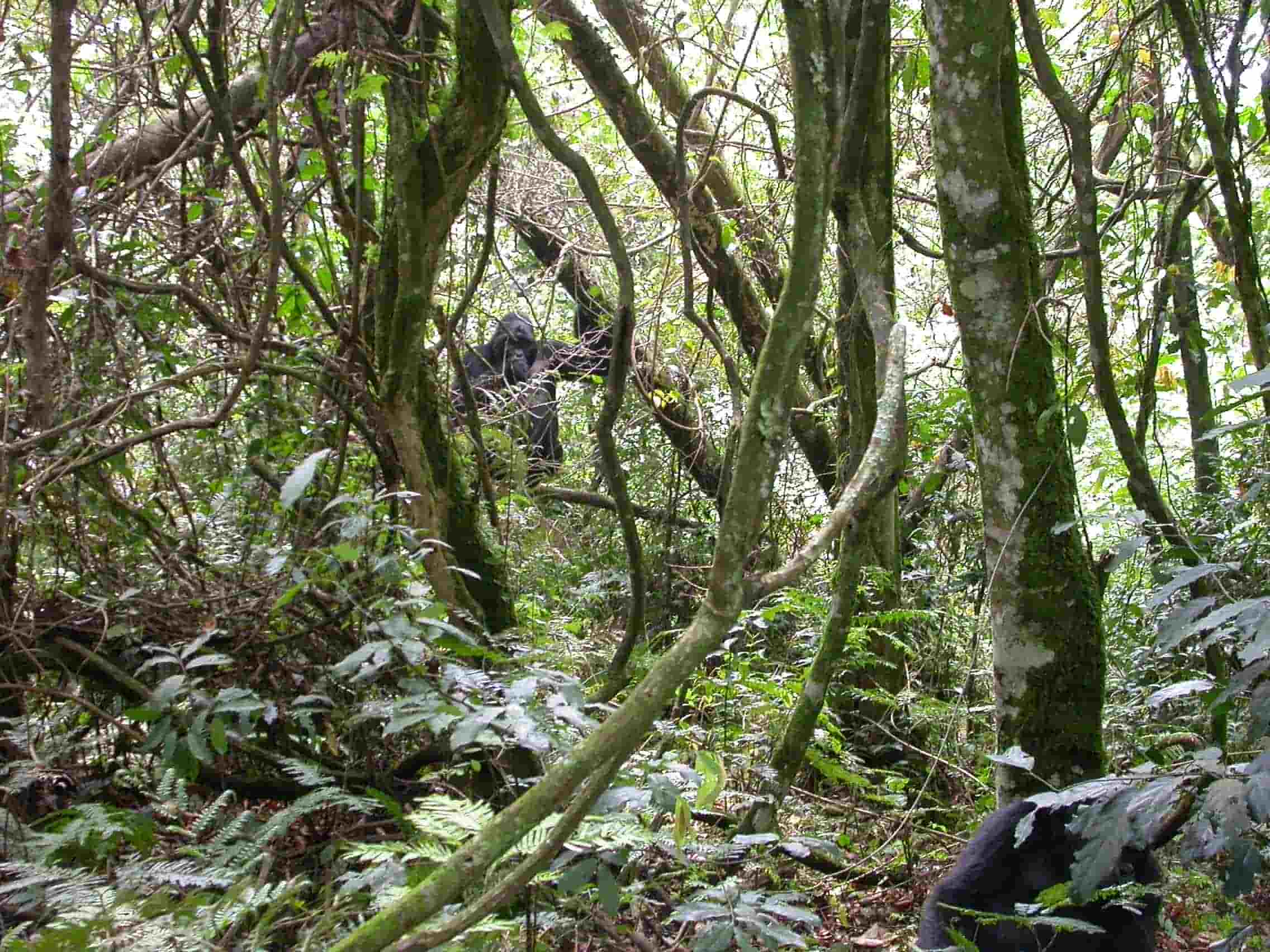
Bwindi Impenetrable National Park
UNESCO World Heritage Site famous for mountain gorilla trekking.
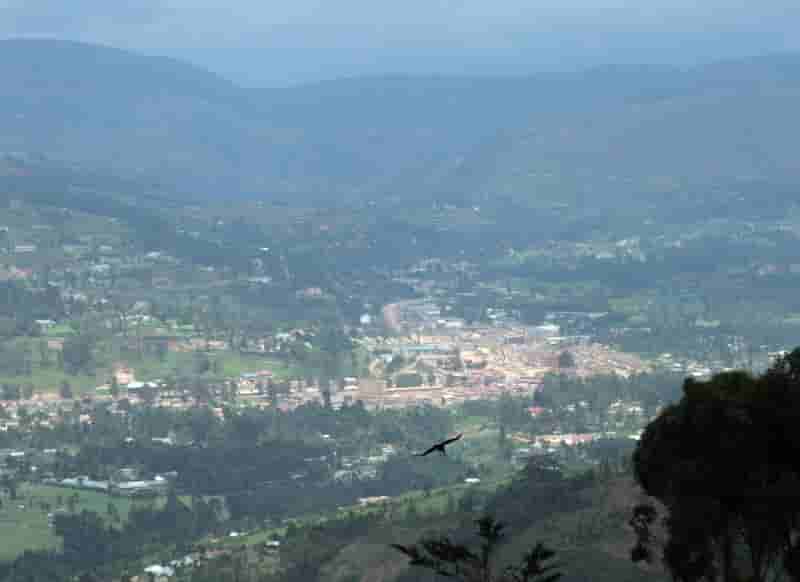
Kabale Town
A bustling town known as the 'Switzerland of Africa' for its cool climate and scenic beauty.
Bunyonyi Overlook
Viewpoint offering panoramic views of Lake Bunyonyi and surrounding hills.
Kabale Town Market
A vibrant market reflecting the agricultural richness of the Kigezi highlands.
Kabale Town Center
Commercial hub of the region with markets, shops, and local businesses.
Local Community Village
Opportunity to experience local culture and crafts.
Waterfall Trail
Scenic hiking trail leading to a beautiful forest waterfall.
🏘️ Neighborhoods
Kabale Town Centre
The bustling heart of the town, home to the main market, banks, shops, and administrative buildings. This is where you'll find most services and a lively local atmosphere.
Lake Bunyonyi (Resort Area)
The scenic lakeshore area, about 20 minutes from town, dotted with lodges, campsites, and resorts offering stunning water views and tranquility.
Kigongi / Kiyebe
Residential hillside areas on the outskirts of town, offering quieter stays with beautiful panoramic views of the surrounding hills and valleys.
Rushoroza
A suburban area with some guesthouses and local homes, providing a more authentic residential feel while still being close to the town center.
Bunyonyi Overlook Vicinity
Areas along the road leading to Lake Bunyonyi, famous for their breathtaking viewpoints overlooking the lake and its islands.
🍽️ Local Cuisine
Kabale's cuisine reflects its highland agriculture and Bakiga heritage. Signature dishes are hearty and starch-based. Must-try foods include Eshabwe (ghee sauce often served with millet or potato bread), Akaro (millet bread), and muchomo (grilled meat, often goat). Meals typically feature matooke (steamed green bananas), Irish potatoes (a local staple), beans, and groundnut sauce. Dining is often a communal affair. For a local experience, visit the town market or small roadside eateries for authentic, budget-friendly meals (3,000-10,000 UGX). More tourist-oriented lodges around Lake Bunyonyi offer international and Ugandan dishes at higher prices (15,000-40,000 UGX). Etiquette is generally informal; it's customary to wash your hands before and after eating, as many dishes are eaten with the right hand. Always try to sample the local fresh produce, including passion fruit and tree tomatoes.
💡 Local Tips
🚗 Day Trip Ideas
Lake Bunyonyi
Explore Africa's second-deepest lake by canoe, visit punishment islands, and enjoy stunning hillside views.
Bwindi Impenetrable National Park (Southern Sectors)
Embark on the ultimate adventure: trek to see the endangered mountain gorillas (requires permit).
Bunyonyi Overlook & Waterfall Trail
Drive to the famous viewpoint for panoramic photos of the lake, then hike to a nearby scenic waterfall.
Local Community Village Tour
Visit a Bakiga community near Kabale to learn about traditional farming, crafts, music, and dance.
Kisoro Town & Mgahinga Gorilla National Park
A longer day trip to another charming town and a park known for gorillas and golden monkey trekking.
🛡️ Safety Tips
Kabale is generally a safe town for travelers, with a low crime rate against tourists. However, standard precautions apply. Be cautious of petty theft in crowded areas like the market; keep valuables secure and out of sight. When using boda-bodas, agree on a price beforehand, wear a helmet, and be aware of traffic. There are no major scams, but always book gorilla permits and major tours through reputable, licensed operators. Avoid walking alone at night in poorly lit areas; use a trusted taxi. Emergency numbers: Police - 999, Ambulance - 912. Health-wise, drink only bottled or purified water. Malaria is present, so prophylaxis, repellent, and mosquito nets are essential. Altitude sickness is not a major concern in Kabale town but can be for some in the higher hills. Ensure you have comprehensive travel insurance.
💰 Budget Guide
Daily budgets in Kabale vary widely based on activities. A budget traveler can manage on $40-60 per day: basic guesthouse ($15-25), local meals ($5-10), boda-boda transport ($3-5), and free/low-cost sights like the market. Mid-range travelers spending $80-150 per day can enjoy comfortable hotel lodging ($50-85), meals at nicer lodges ($15-25), private taxi hires ($20-40), and paid activities like a Lake Bunyonyi canoe trip. Luxury budgets of $200+ cover high-end lakeside lodges ($100+), all meals, private 4x4 with driver, and gorilla trekking permits ($800 itself, not included in daily budget). Money-saving tips: Travel in a group to share transport costs, eat at local restaurants, book accommodations directly, and use matatus for inter-town travel. The biggest expense by far is gorilla trekking; budget for this separately.