Welcome to Gulu
Gulu, the vibrant heart of Northern Uganda, is a city of profound resilience and captivating energy. Once a focal point during the region's troubled past, it has emerged as a dynamic hub of commerce, culture, and community, offering travelers an authentic and deeply human experience far from the typical tourist trail. Located about 330 kilometers north of Kampala, Gulu serves as the administrative and economic capital of the north, characterized by its wide, leafy streets, bustling markets, and a palpable sense of forward momentum. The city's unique appeal lies in its blend of Acholi tradition and modern Ugandan life, where you can witness a community actively shaping its future. With a growing infrastructure catering to visitors, including 13 hotels offering a range of comfortable stays, Gulu is increasingly accessible for those seeking to understand the soul of Uganda beyond its national parks. Whether you're drawn by history, local culture, or simply the chance to connect with some of the friendliest people on the continent, Gulu promises a memorable and meaningful stop on your Ugandan journey.
Overview
Gulu's history is deeply intertwined with the story of Northern Uganda. For decades, it was the epicenter of conflict and displacement due to the Lord's Resistance Army insurgency. Since peace returned in the mid-2000s, the city has undergone a remarkable transformation, rebuilding itself into a thriving regional capital. It's famous for its resilient spirit and as a gateway to understanding post-conflict recovery and Acholi culture. The city is not formally divided into distinct tourist districts; its life revolves around the compact central area. Key landmarks include the imposing St. Joseph's Cathedral, a symbol of faith and community, and the Gulu War Memorial, a sobering tribute to the past. The true pulse of the city, however, beats in its markets—the sprawling Gulu Main Market and the Central Market—where everything from fresh produce to traditional crafts is sold in a cacophony of color and sound. Gulu University adds a youthful, intellectual energy, while the Kaunda Grounds host everything from football matches to cultural events. The city is a living lesson in resilience, where memorials of the past stand alongside bustling commerce and hopeful development.
🗓️ Best Time to Visit
The best time to visit Gulu is during the drier seasons, which offer the most comfortable conditions for exploration. The primary dry season runs from December to February, featuring sunny days, lower humidity, and minimal rainfall, making it ideal for market visits, sightseeing, and day trips. A shorter, less reliable dry period occurs from June to July. The long rainy season spans March to May, with April typically being the wettest month. These months see heavy, often daily downpours that can make rural roads muddy and challenging, though the landscape is lush and green. A shorter rainy season occurs from August to November. There isn't a pronounced tourist 'peak season' in Gulu, but visitor numbers may slightly increase during the dry months. Major events are often tied to cultural celebrations and public holidays, such as Uganda's Independence Day on October 9th, which may feature gatherings at Gulu Independence Park. For a balance of good weather and fewer visitors, the shoulder months of late November or early March can be excellent choices.
🌤️ Weather & Climate
Gulu experiences a tropical savanna climate with distinct wet and dry seasons. Temperatures are consistently warm year-round, with moderate variation. The primary climatic factor is rainfall, which dictates travel conditions.
Seasons
Long Dry Season
💨 Humidity: moderate
Sunny, hot days and pleasantly cool nights. Ideal for all outdoor activities and travel.
Long Rainy Season
💨 Humidity: high
Hot, humid, and wet with frequent, heavy afternoon thunderstorms. Landscapes are lush but roads can be difficult.
Short Dry Season
💨 Humidity: moderate
A break in the rains with warm, partly cloudy weather. A good time for travel.
Short Rainy Season
💨 Humidity: moderate to high
Unpredictable rainfall, often in lighter showers. Generally warm with green scenery.
Monthly Weather Details
January Weather
Best for: sightseeing, outdoor activities
February Weather
Best for: sightseeing, outdoor activities
March Weather
Best for: cultural visits, photography (green landscapes)
April Weather
Best for: indoor activities, market visits
May Weather
Best for: indoor activities, market visits
June Weather
Best for: sightseeing, travel
July Weather
Best for: sightseeing, travel
August Weather
Best for: cultural visits
September Weather
Best for: cultural visits
October Weather
Best for: cultural visits
November Weather
Best for: sightseeing, travel
December Weather
Best for: sightseeing, outdoor activities
🎒 What to Pack
All Year Round
- lightweight clothing
- sun hat
- sunscreen
- insect repellent
- reusable water bottle
- comfortable walking shoes
- power adapter (UK Type G)
🚗 Getting Around
Getting around Gulu is straightforward and affordable, with options ranging from walking to local taxis. The city center is relatively compact and very walkable, allowing you to easily explore the main market, cathedral, and parks on foot. For longer distances, the most common form of public transport is the *boda-boda* (motorcycle taxi). They are ubiquitous, cheap (starting from around 2,000-5,000 UGX for short trips), and fast, but insist on a helmet for safety. For groups or more comfort, standard taxis (often shared minibuses on set routes) and private hire cars are available; you can negotiate a fare for a private trip (typically 10,000-30,000 UGX within town). Ride-hailing apps like SafeBoda are operational and recommended for fixed fares and verified drivers. There is no major airport in Gulu; most visitors arrive via bus from Kampala or Entebbe. The bus park is centrally located, and from there, a boda-boda or taxi can take you to your accommodation. Bicycle rentals are occasionally available and can be a pleasant way to explore the quieter outskirts.
🎯 Top Attractions
Gulu Central Market
A bustling local market offering fresh produce, crafts, and a vibrant atmosphere.
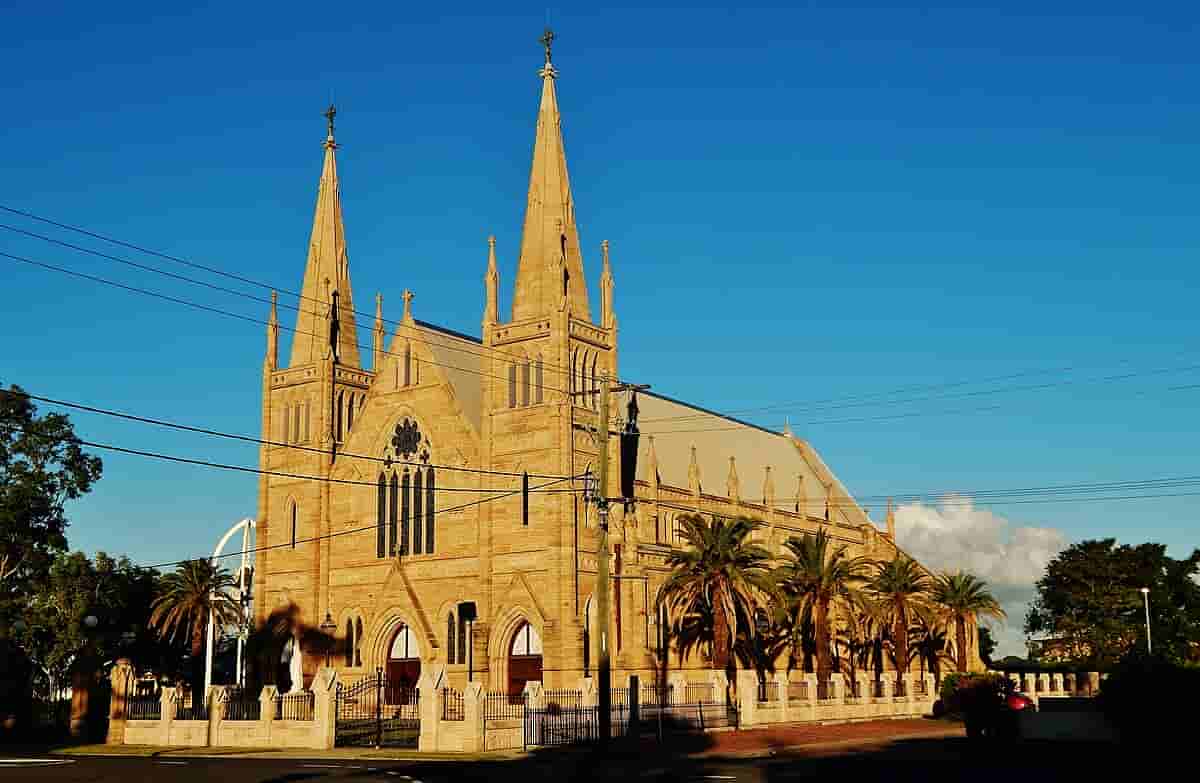
St. Joseph's Cathedral
A historic Catholic cathedral with impressive architecture.
Gulu Independence Park
A central city park with monuments and spaces for relaxation and events.
Gulu War Memorial
A monument commemorating the victims of the Lord's Resistance Army conflict.
Kaunda Grounds
A major public space and stadium in Gulu, often hosting events and gatherings.
Gulu Main Market
Bustling market offering a wide variety of local goods.
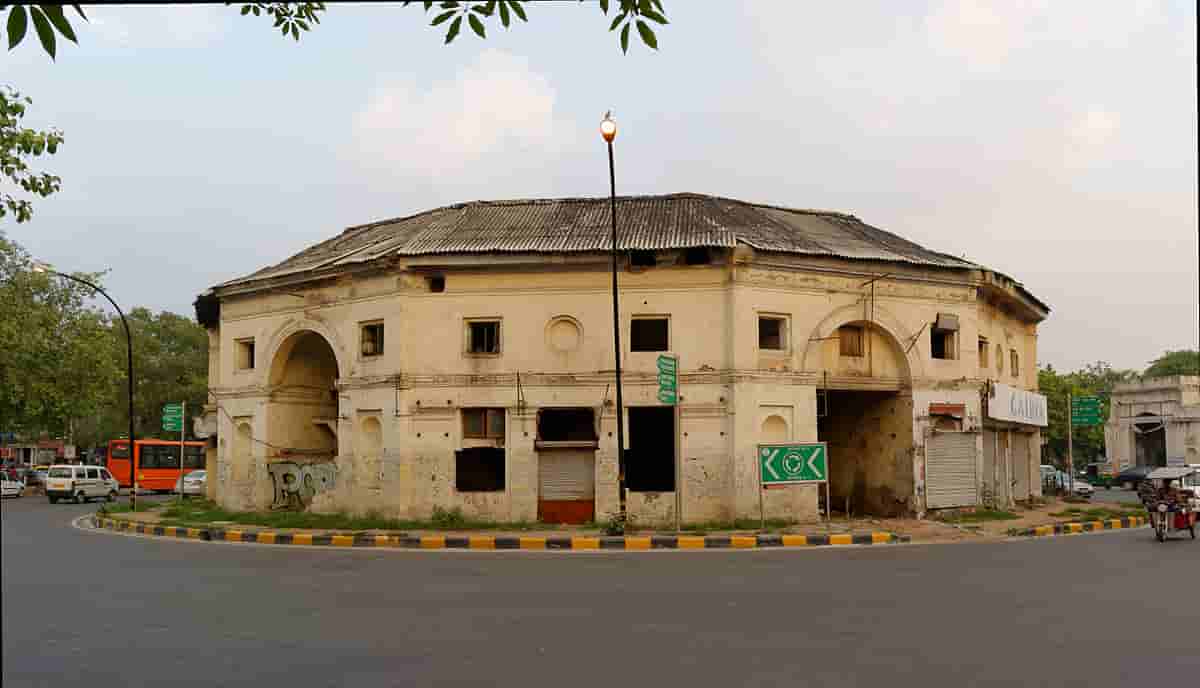
Gulu Market
A bustling local market offering everything from fresh food to crafts and clothing.
Kaunda Ground
A major sports and events stadium in the heart of Gulu.
Gulu University
A public university contributing significantly to the region's development.
🏘️ Neighborhoods
City Centre
The bustling heart of Gulu, home to the main markets, St. Joseph's Cathedral, banks, and most government offices. This is where you'll find the highest concentration of shops, restaurants, and hotels.
Layibi
A residential and institutional area located to the west of the center. It is home to Gulu University, giving it a youthful, academic vibe with affordable eateries and student hangouts.
Pece
A historic and densely populated division east of the city center. It features the Pece Stadium and a lively local market, offering a very authentic slice of everyday Gulu life.
Bar-Dege
A central division known for its commercial activity and transportation links, including the main bus park. It's a hub of constant movement with many small businesses and lodges.
Laroo
A quieter, more suburban area on the outskirts, offering a respite from the city bustle. It provides glimpses of a more rural setting while still being accessible to the center.
Customs Corner Area
A developing area with several newer hotels, guesthouses, and restaurants. It's a bit removed from the market chaos, offering more modern amenities and quieter lodging options.
🍽️ Local Cuisine
Gulu's cuisine is a hearty introduction to Acholi and broader Ugandan flavors, centered on fresh, local ingredients. The cornerstone of any meal is *posho* (maize flour porridge) or *matooke* (steamed green bananas), served with a rich stew or sauce. Signature dishes include *malakwang* (a sour leafy vegetable stew often cooked with groundnuts or simsim), *boo* (a flavorful dish made from cowpeas), and *nyoyo* (a mixture of beans and maize). Meat lovers should try *muchomo*—grilled meat, often goat or pork, sold at roadside stalls in the evenings. Street food is vibrant and safe; try *rolex* (a chapati rolled with eggs and vegetables) or fresh, sweet pineapples from the market. Dining is a communal affair, often eaten with the hands (right hand only). For a sit-down meal, local restaurants offer generous plates for 5,000-15,000 UGX. More upscale hotel restaurants serve international fare at higher prices. Always drink bottled or purified water. A visit to Gulu Central Market is a must for experiencing the raw ingredients and food culture firsthand.
💡 Local Tips
🚗 Day Trip Ideas
Murchison Falls National Park
Uganda's largest national park, famous for the powerful Murchison Falls where the Nile crashes through a narrow gorge. Excellent for safari game drives and boat cruises to see hippos, crocodiles, and birds.
Ziwa Rhino Sanctuary
The only place in Uganda to see wild rhinos. Take a guided trek on foot to observe these magnificent creatures up close in a protected sanctuary.
Amuru District & Traditional Homesteads
Visit rural Acholi villages to experience traditional life, see round thatched huts (ot), and learn about local customs, crafts, and farming practices.
Paraa Safari Lodge Area
Even if not staying overnight, you can drive to the park's hub for a lunch overlooking the Nile and perhaps arrange an afternoon boat trip on the river.
Gulu's Surrounding Countryside
Simply take a boda-boda or hire a car for a few hours to explore the lush green landscapes, small trading centers, and peaceful rural scenery around Gulu.
🛡️ Safety Tips
Gulu is generally safe for travelers, with a low crime rate compared to larger cities. Common sense precautions are advised: avoid walking alone in poorly lit areas at night, keep valuables discreet, and use registered boda-bodas or ride-hailing apps. Petty theft like pickpocketing can occur in crowded markets, so be vigilant with bags and wallets. Scams are rare but be cautious of overly friendly strangers offering unsolicited tours or deals. Health-wise, malaria is prevalent; use prophylaxis, sleep under a mosquito net, and wear repellent. Drink only bottled or purified water. Road safety is a concern; boda-bodas can be risky—always wear a helmet. Emergency numbers: Police (999), Ambulance (911). It's recommended to have travel insurance that covers medical evacuation. Respect local customs and dress modestly, especially when visiting religious sites. The people of Gulu are famously hospitable, and engaging with the community respectfully will be met with warmth.
💰 Budget Guide
Gulu is an affordable destination by most standards. A budget traveler can manage on $25-40 per day. This covers a basic guesthouse ($10-20), local meals from markets or eateries ($5-10), boda-boda transport ($3-5), and free or low-cost activities like market visits. Mid-range travelers spending $50-80 per day can enjoy a comfortable hotel room (from the city's 13 hotels, averaging around $97, but many good options are cheaper), meals at nicer restaurants, private taxi hires, and guided tours. A luxury budget of $100+ affords the best hotels, all meals at top restaurants, private drivers, and exclusive cultural experiences. Money-saving tips: Eat street food and at local 'hotels' (small restaurants), use boda-bodas or walk for transport, and focus on free attractions like the markets and parks. Bargaining is expected in markets but be respectful. Accommodation prices are relatively stable, but booking directly can sometimes yield better rates than online platforms.