Welcome to Kandy
Nestled in the heart of Sri Lanka's lush hill country, Kandy is a city where history, spirituality, and natural beauty converge in a breathtaking valley. As the last capital of the ancient Sinhalese kings, Kandy is not just a city but a living museum, a UNESCO World Heritage Site, and the cultural epicenter of the island. The serene Kandy Lake mirrors the surrounding emerald hills, while the air carries the scent of incense and the rhythmic beats of traditional drums. This sacred city is home to the Temple of the Sacred Tooth Relic, one of Buddhism's most venerated sites, drawing pilgrims and travelers alike. With its temperate climate, vibrant arts scene, and welcoming atmosphere, Kandy offers a profound contrast to the coastal bustle. Visitors can choose from a wide range of accommodations, with 198 hotels available, ensuring options from charming guesthouses to luxurious retreats, all averaging around $75.99 per night, making a 2-3 day immersion into this cultural treasure both accessible and unforgettable.
Overview
Kandy, the capital of the Central Province, is Sri Lanka's second-largest city and its undisputed cultural heart. Founded in the 14th century, it famously resisted European colonial powers for nearly three centuries before falling to the British in 1815. This history of independence is palpable in its architecture, traditions, and proud populace. The city is globally renowned for the Temple of the Sacred Tooth Relic (Sri Dalada Maligawa), which houses the tooth relic of the Buddha and is the focal point of the magnificent Esala Perahera festival each July/August. Culturally, Kandy is the home of Kandyan dance, drumming, and traditional arts like silverwork and lacquerware. The city center revolves around the artificial Kandy Lake and the temple complex. Key districts include the historic core near the temple, the more modern areas around the Kandy City Center mall, and the tranquil, leafy suburbs climbing the surrounding hills. It's famous for its botanical gardens (Peradeniya), serene sanctuaries like Udawatta Kele, and as a gateway to the hill country's tea plantations.
🗓️ Best Time to Visit
The best time to visit Kandy is during the dry season, from January to April, when rainfall is lower and temperatures are pleasant, ideal for exploring temples and gardens. The city enjoys a relatively mild climate year-round due to its elevation. Peak tourist season aligns with this dry period and the major cultural event, the Esala Perahera, usually held in July or August. This 10-day festival featuring elaborate processions is a spectacular but crowded time to visit; book accommodations far in advance. The second inter-monsoonal period from December to mid-April is generally the most reliable for clear skies. The southwest monsoon (Yala) brings rain to the region from May to July, and the northeast monsoon (Maha) affects it from October to December, making these the off-peak seasons. While these months see more rainfall, often in afternoon showers, the landscapes are at their lushest, crowds are thinner, and hotel rates can be more favorable.
🌤️ Weather & Climate
Kandy enjoys a tropical rainforest climate moderated by its 500-meter elevation. It features warm temperatures year-round with significant rainfall, particularly during two monsoon seasons. Humidity is generally high.
Seasons
Dry Season
💨 Humidity: moderate
The most pleasant time with lower rainfall, warm days, and cooler nights. Ideal for all outdoor sightseeing.
First Inter-Monsoon
💨 Humidity: high
Hot and humid with increased rainfall, especially in the afternoons. The Sinhalese New Year occurs in April.
Southwest Monsoon (Yala)
💨 Humidity: high
The wettest period, with heavy rains, particularly on southwestern slopes. The Esala Perahera festival occurs in July/August.
Second Inter-Monsoon
💨 Humidity: high
Another very wet period with the possibility of cyclonic influences. Landscapes are incredibly lush and green.
Northeast Monsoon (Maha)
💨 Humidity: high
Cooler temperatures but still significant rainfall, tapering off towards January.
Monthly Weather Details
January Weather
Best for: sightseeing, festivals
February Weather
Best for: sightseeing, gardens
March Weather
Best for: sightseeing
April Weather
Best for: New Year celebrations, indoor activities
May Weather
Best for: lush scenery, temple visits
June Weather
Best for: lush scenery
July Weather
Best for: Esala Perahera festival
August Weather
Best for: Esala Perahera festival
September Weather
Best for: temple visits
October Weather
Best for: indoor cultural activities
November Weather
Best for: indoor cultural activities
December Weather
Best for: sightseeing between showers
🎒 What to Pack
All Year Round
- lightweight clothing
- rain jacket or umbrella
- comfortable walking shoes
- sunscreen
- insect repellent
- modest attire for temples
🚗 Getting Around
Kandy is a compact city where many key attractions are within walking distance of each other, especially around the lake and temple area. For longer distances, tuk-tuks (auto-rickshaws) are ubiquitous, affordable, and perfect for short hops; always agree on a price before starting your journey (expect 200-500 LKR for most central trips). Ride-hailing apps like PickMe operate reliably. Local buses are extremely cheap (50-100 LKR) and connect all parts of the city and surrounding regions, but can be crowded. For a scenic and memorable experience, consider hiring a private car with a driver for day trips or a half-day city tour (approx. $30-50). The city is hilly, so biking can be strenuous. The main international airport (Bandaranaike International, CMB) is about 3-4 hours away by road; pre-booked airport taxis or private transfers are the most convenient option (approx. $50-70). Train travel from Colombo offers one of the world's most beautiful rail journeys, highly recommended for arrival or departure.
🎯 Top Attractions
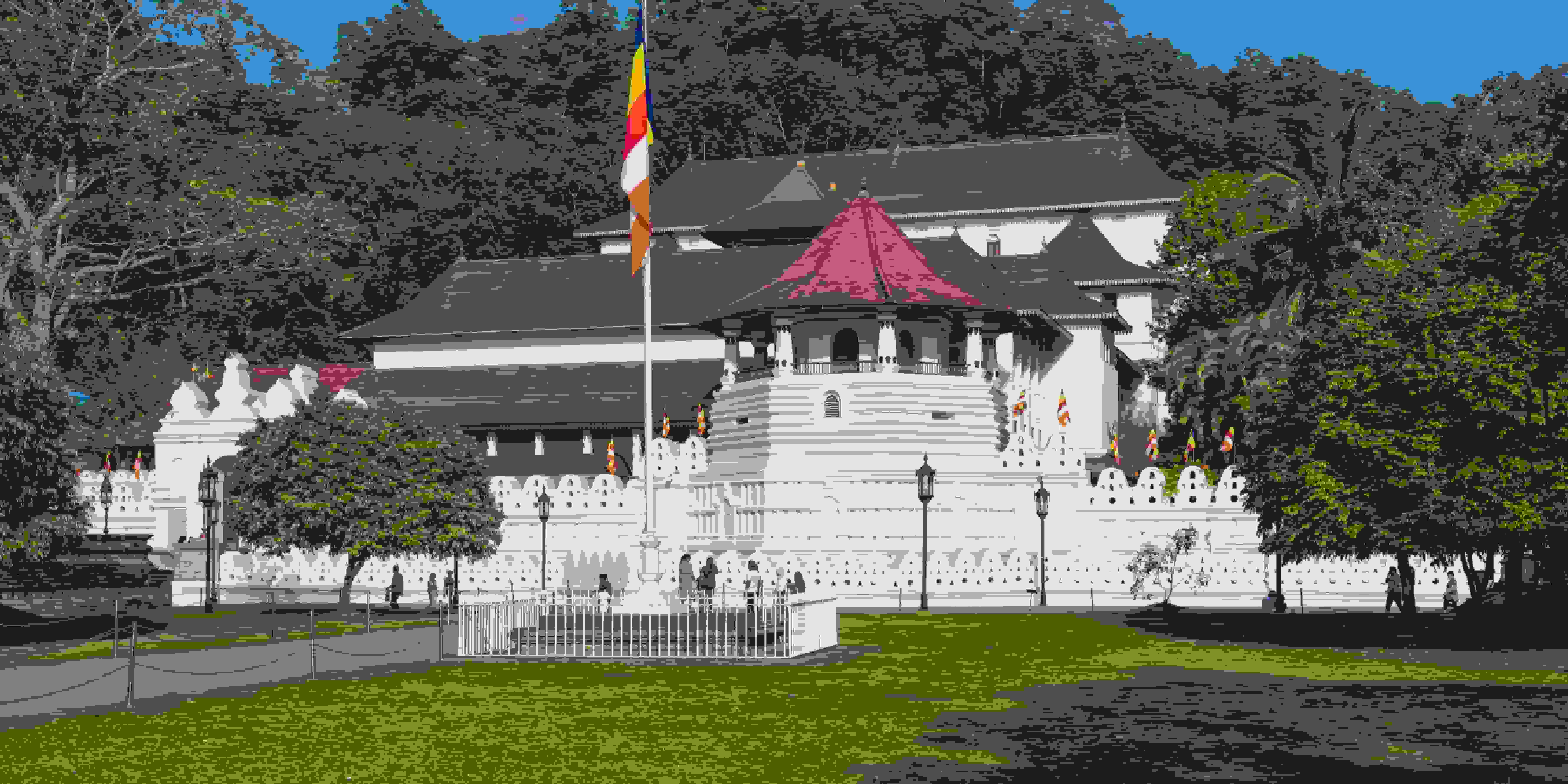
Temple of the Tooth
A UNESCO World Heritage site, this sacred temple houses the relic of the Buddha's tooth and is a must-see cultural landmark.
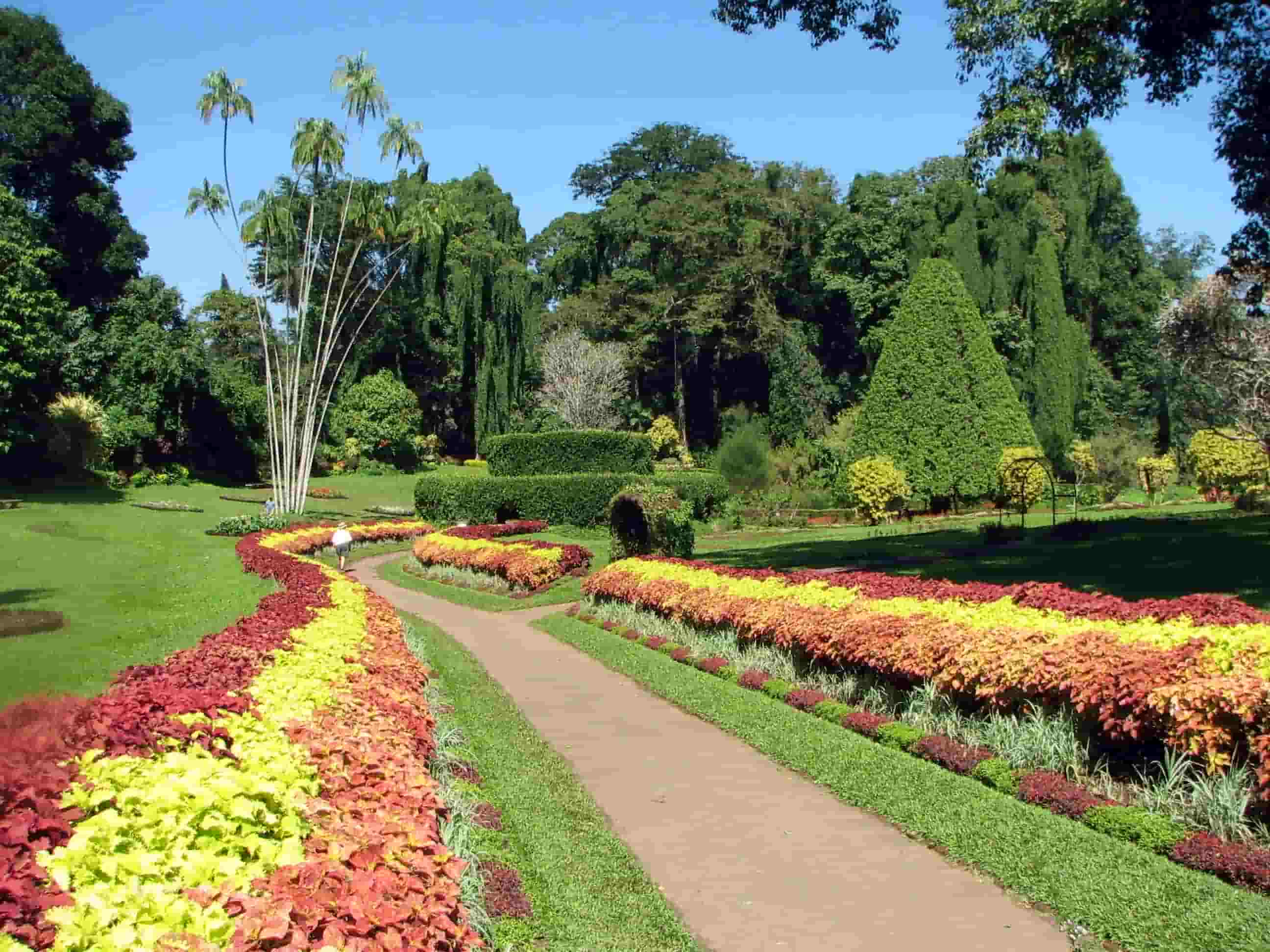
Royal Botanical Gardens
Stroll through these expansive gardens and marvel at the diverse flora, including rare and endemic plant species.
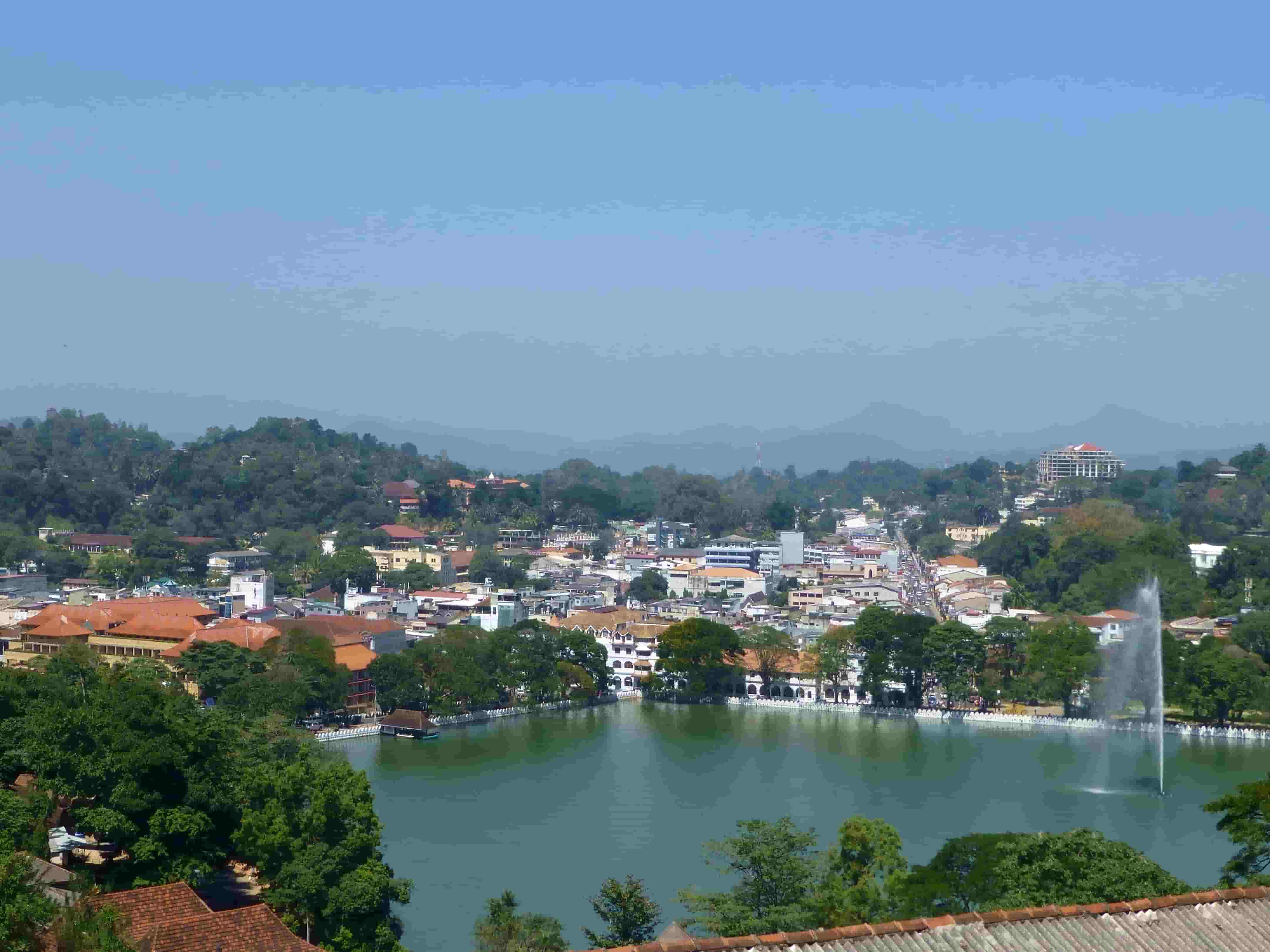
Kandy Lake
A scenic artificial lake surrounded by lush greenery and historic buildings, offering a peaceful oasis in the heart of Kandy.
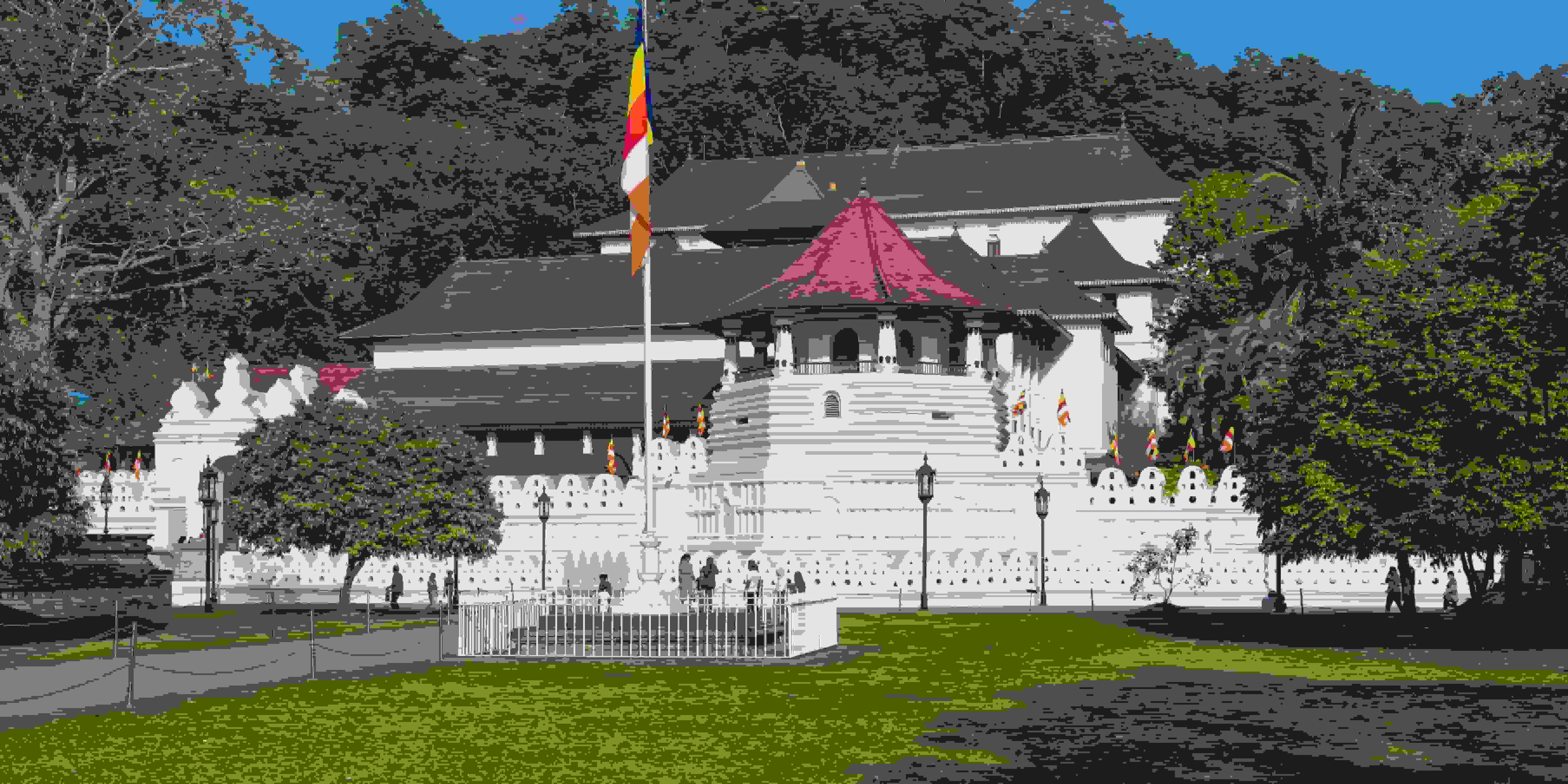
Temple of the Sacred Tooth Relic
A UNESCO site and one of Buddhism's most sacred temples, housing a relic of the Buddha.
Kandy View Point
Panoramic views of the city and surrounding hills
Udawatta Kele Sanctuary
A tranquil forest reserve known for its diverse wildlife and hiking trails.
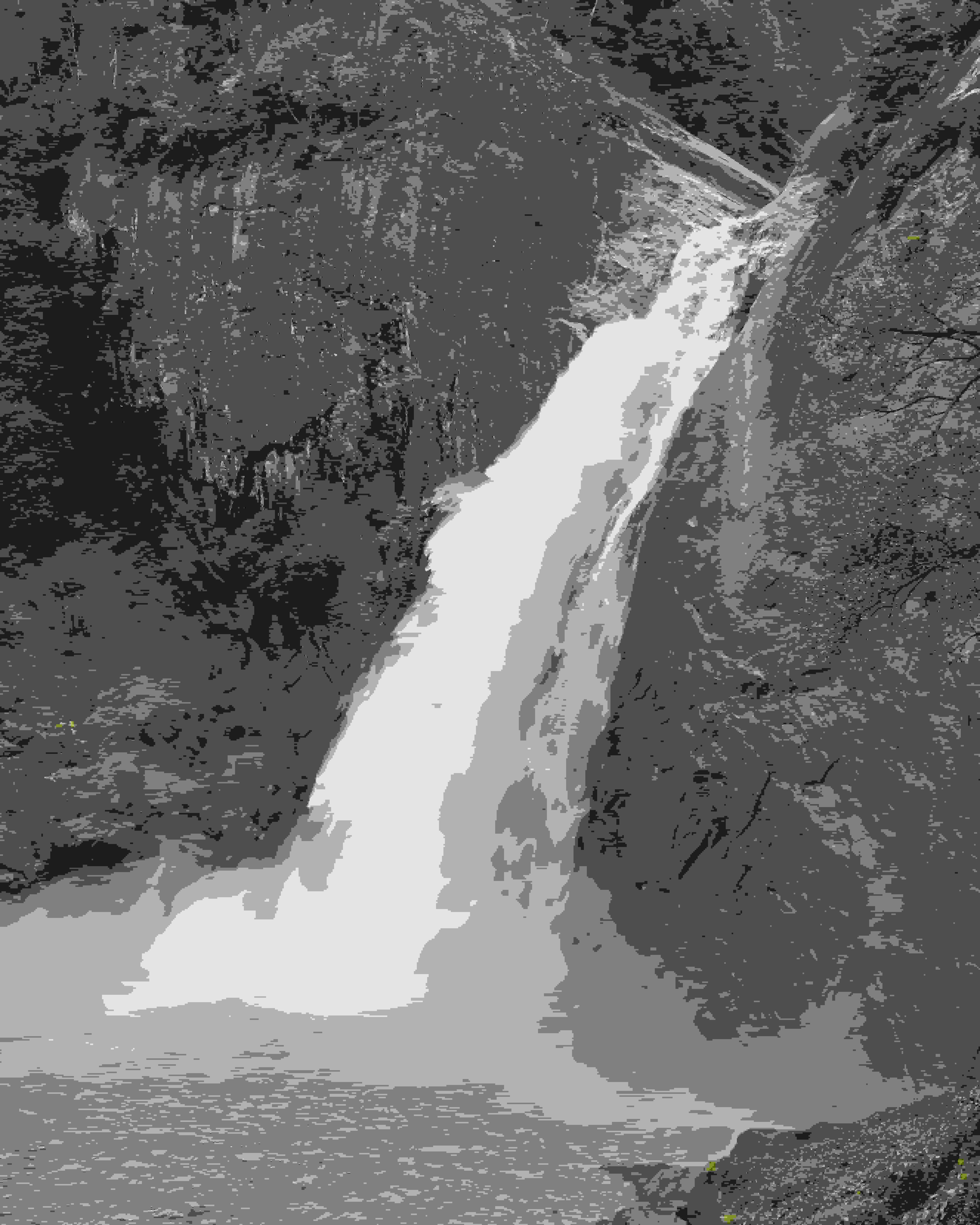
Dunhinda Falls
Beautiful waterfall set in a scenic forest environment.
Hiriwadana Gardens
Botanical garden showcasing tropical flora.
Victoria Reservoir
Scenic reservoir ideal for hiking and picnics.
Kandy City Center
Cultural capital with the Temple of the Sacred Tooth Relic.
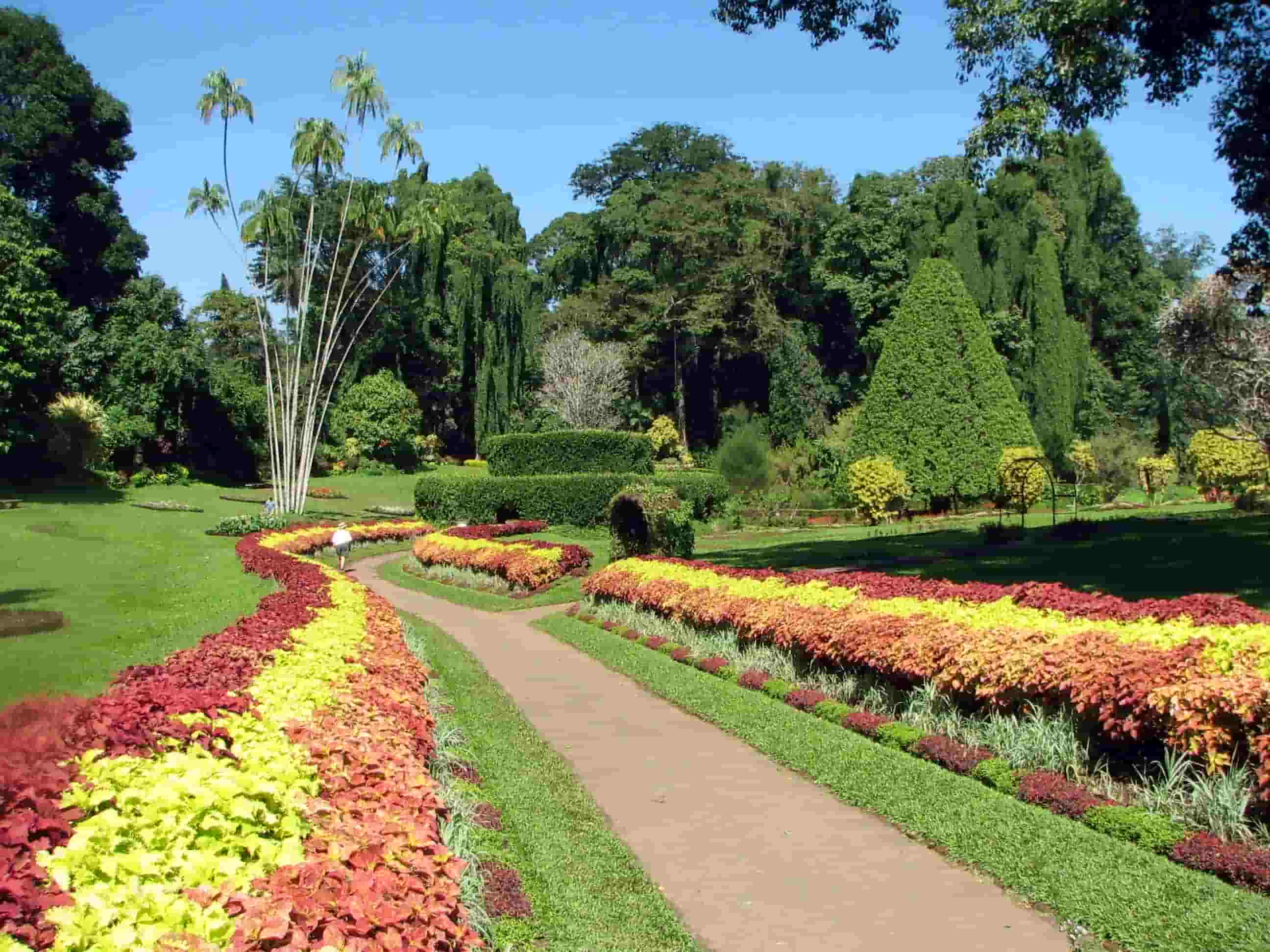
Royal Botanical Gardens, Peradeniya
A sprawling, beautiful garden with an extensive collection of plants and orchids.
Eden Falls
A serene, private waterfall located within the resort's own jungle property.
🏘️ Neighborhoods
City Center (Dalada Veediya)
The historic heart surrounding Kandy Lake and the Temple of the Tooth. Packed with shops, hotels, and cultural sites. Bustling and central.
Peradeniya
Home to the world-famous Royal Botanical Gardens. A more suburban, academic area near the University of Peradeniya. Lush and peaceful.
Katugastota
A northern suburb along the Mahaweli River. Known for its bridge, local market, and as a transit point. Lively and residential.
Gurudeniya / Mahaiyawa
Residential hillside areas offering stunning panoramic views of the city below. Quieter, with some upscale guesthouses and villas.
Anniwatta
A commercial and transport hub near the main bus station. Very busy, with many budget accommodations, eateries, and shops.
Pilimatalawa
A southern suburb on the road to Nuwara Eliya. Features attractions like the Ceylon Tea Museum and serene countryside vibes.
Kundasale
Located east of the city center, known for the Victoria Reservoir and Golf Club. Offers a resort-like atmosphere and outdoor activities.
🍽️ Local Cuisine
Kandyan cuisine offers a distinct, often spicier variant of Sri Lankan food, with an emphasis on rice, curries, and indigenous vegetables. Must-try signature dishes include Kandy 'Mallung' (a sautéed green leafy dish), 'Kiri Bath' (milk rice), and a variety of 'Kool' (a seafood broth from nearby areas). A traditional rice and curry meal, with 8-10 small bowls of different curries, sambols, and chutneys, is a culinary adventure. Don't miss 'Buffalo Curd' with 'Kithul' treacle, a classic hill country dessert. Dining culture ranges from humble 'hotels' (local eateries) serving hearty lunches to more upscale restaurants with lake views. The Kandy City Center and surrounding streets offer a mix of local and international options. For an authentic experience, seek out a 'Lamprais' (a Dutch-influenced rice parcel) or fresh 'Hoppers' (bowl-shaped pancakes). Price ranges are broad: a street snack costs under $1, a local meal $3-5, and a fine dining experience $15-30 per person. Etiquette suggests eating with your right hand, though cutlery is always available.
💡 Local Tips
🚗 Day Trip Ideas
Peradeniya Royal Botanical Gardens
One of the finest botanical gardens in Asia, spanning 147 acres with majestic palm avenues, orchid houses, and giant bamboo.
Dunhinda Falls
A spectacular 63-meter waterfall near Badulla, surrounded by mist and lush forest. A scenic and moderately challenging hike to the base.
Victoria Reservoir & Randenigala Park
A serene man-made reservoir perfect for boat rides, picnics, and spotting wildlife like elephants and birds in the surrounding park.
Pinnawala Elephant Orphanage
A renowned elephant conservation center where you can observe herds bathing and feeding. A popular family-friendly attraction.
Nuwara Eliya
Little England, a colonial hill station famous for tea plantations, cool climate, Victorian architecture, and golf. Visit a tea factory.
Sigiriya Rock Fortress
A UNESCO site featuring the iconic lion rock fortress with ancient frescoes, water gardens, and panoramic views. A must-see historical wonder.
🛡️ Safety Tips
Kandy is generally a safe city for travelers, with a low incidence of violent crime. However, petty theft like pickpocketing can occur in crowded markets and during major festivals like the Perahera. Be cautious of overly friendly strangers offering guided tours or gem deals; only use licensed guides from official counters. When using tuk-tuks, agree on the fare beforehand. Areas around the lake and temple are well-patrolled but can be quiet at night; stick to well-lit main streets. Emergency numbers are 119 for police, 110 for ambulance. Health-wise, drink bottled or purified water. Use mosquito repellent, especially in the evenings, to prevent dengue. Respect local customs at religious sites by covering shoulders and knees and removing shoes. Traffic can be chaotic, so exercise extreme caution when crossing streets.
💰 Budget Guide
Kandy can suit most budgets. A budget traveler can manage on $25-35 per day: staying in hostels or basic guesthouses ($10-15), eating at local 'hotels' ($5-8), using buses and tuk-tuks ($3-5), and visiting low-cost attractions like temples (small donation) and public gardens. Mid-range travelers should budget $50-80 per day: comfortable hotels or boutique guesthouses ($30-50), meals at good local restaurants ($15-20), occasional taxis/tours ($10), and entry fees to major sites. A luxury experience costs $120+ per day: heritage hotels or 5-star resorts ($80+), fine dining ($30+), private car with driver ($40-60), and exclusive cultural shows. Money-saving tips: Travel during the off-peak season for better hotel rates, eat where locals eat, use buses for intercity travel, and bargain politely for souvenirs. Many temples have free entry times, and simply walking around the lake is a priceless experience.