Welcome to Galle
Galle, a city where history whispers from sun-bleached ramparts and the Indian Ocean crashes against a timeless shore, is the crown jewel of Sri Lanka's southern coast. More than just a destination, it's a living tapestry woven from Portuguese, Dutch, and British colonial threads, all framed within the magnificent UNESCO World Heritage Site of Galle Fort. This isn't a city frozen in time, but one that breathes with a vibrant, contemporary energy, where chic boutiques and art galleries inhabit 17th-century Dutch warehouses, and the scent of salt air mingles with exotic spices. Whether you're drawn by the allure of pristine beaches like Unawatuna and Jungle Beach, the hallowed cricket grounds of the Galle International Stadium, or the serene gaze of the Japanese Peace Pagoda, Galle offers a captivating blend of relaxation and cultural immersion. With a diverse range of 116 hotels nestled within its historic fort and along its palm-fringed coastline, finding your perfect base—from a charming guesthouse to a luxurious villa—is effortless, allowing you to fully surrender to the city's unique magic over a recommended stay of two to three days.
Overview
Galle's significance is anchored in its strategic harbor, which made it a prized possession for European colonial powers for centuries. The Portuguese first fortified the site in the 16th century, but it was the Dutch who, from 1649 onwards, built the magnificent Galle Fort that defines the city today—a star-shaped bastion of ramparts, cobblestone streets, and colonial architecture. The British later took control in 1796. This layered history is palpable as you wander the Fort's quiet lanes, past the iconic white Galle Lighthouse, the stoic Dutch Reformed Church, and grand merchant homes. Beyond the Fort walls, the city expands into a bustling Sri Lankan hub. Galle is famous for its stunning coastline, with beaches ranging from the popular Unawatuna to the more secluded Jungle Beach. It's also a cultural center, home to institutions like the Martin Wickramasinghe Folk Museum Complex, which celebrates Sinhalese heritage. The city seamlessly blends its historic core with modern Sri Lankan life, offering a rich experience of history, beach relaxation, and vibrant local culture.
🗓️ Best Time to Visit
The best time to visit Galle is during the dry season on the southwest coast, which runs from December to March. These months offer plenty of sunshine, low humidity, and minimal rainfall, making it ideal for exploring the Fort, lounging on the beaches, and enjoying outdoor activities. This is also the peak tourist season, so expect higher prices and more crowds, especially around the Christmas and New Year holidays. The period from April to September sees the southwest monsoon, bringing intermittent rain, higher humidity, and stronger waves to the west-facing beaches like Unawatuna, though there are still many sunny periods. The off-peak seasons (April-June and September-October) can offer better deals on accommodation from the city's 116 hotels. Major events include the Galle Literary Festival in January/February, a highlight for culture enthusiasts. The monsoon shifts to the northeast from October to November, bringing unsettled weather to Galle as well, though this is a quieter time to visit.
🌤️ Weather & Climate
Galle enjoys a tropical monsoon climate with consistently warm temperatures year-round. The city experiences distinct wet and dry seasons influenced by dual monsoons, leading to high humidity and significant rainfall, particularly from April to November.
Seasons
Dry Season (Southwest Coast)
💨 Humidity: moderate
Sunny, hot, and relatively dry days with calm seas. Ideal for beach activities and sightseeing.
Southwest Monsoon (Yala)
💨 Humidity: high
Heavy rainfall, especially in the afternoon and evening. High humidity and rough seas on west-facing beaches.
Inter-monsoon & Northeast Monsoon Influence
💨 Humidity: high
Unsettled weather with frequent showers and thunderstorms. A transitional period with less predictable conditions.
Monthly Weather Details
January Weather
Best for: beach, sightseeing
February Weather
Best for: beach, sightseeing
March Weather
Best for: beach, sightseeing
April Weather
Best for: indoor activities, sightseeing between showers
May Weather
Best for: indoor activities, sightseeing between showers
June Weather
Best for: indoor activities, sightseeing between showers
July Weather
Best for: indoor activities, sightseeing between showers
August Weather
Best for: indoor activities, sightseeing between showers
September Weather
Best for: indoor activities, sightseeing between showers
October Weather
Best for: indoor activities, sightseeing between showers
November Weather
Best for: indoor activities, sightseeing between showers
December Weather
Best for: beach, sightseeing
🎒 What to Pack
All Year Round
- lightweight clothing
- rain jacket or umbrella
- sunscreen (high SPF)
- sunglasses
- hat
- insect repellent
- comfortable walking shoes
- swimwear
🚗 Getting Around
Galle Fort is best explored on foot—its compact, pedestrian-friendly lanes are a joy to wander. For longer distances, the ubiquitous three-wheeled tuk-tuk is the most common and affordable mode of transport; always agree on a price before starting your journey (short trips within the city should cost 200-500 LKR). Ride-hailing apps like PickMe operate reliably in the area. Local buses are extremely cheap but can be crowded; they connect Galle Fort to the bus station in the new town and to nearby beaches like Unawatuna and Hikkaduwa. Renting a bicycle or scooter is a popular option for exploring at your own pace, with many rentals available. For airport transfers, the most convenient option is a pre-booked private car or taxi from Bandaranaike International Airport (CMB), which takes about 2.5-3 hours and costs approximately $80-$100. A cheaper but longer alternative is the airport bus to Colombo and then a train or bus to Galle.
🎯 Top Attractions
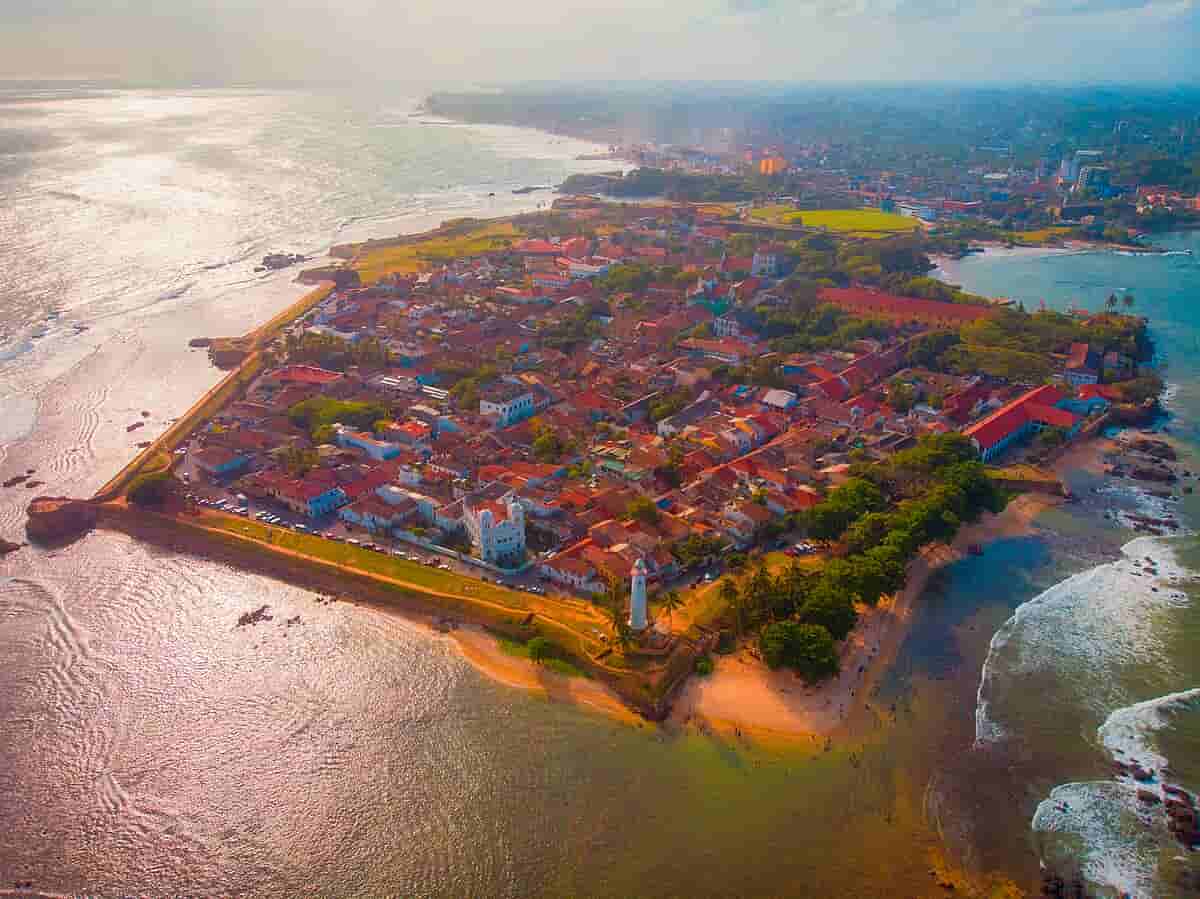
Galle Fort
UNESCO-listed seafront citadel of colonial lanes, boutiques, cafés, and preserved bastions.
Unawatuna Beach
A popular crescent-shaped beach known for its calm waters and coral reefs.
Jungle Beach
Secluded beach accessible through a jungle trail, ideal for snorkeling and relaxation.
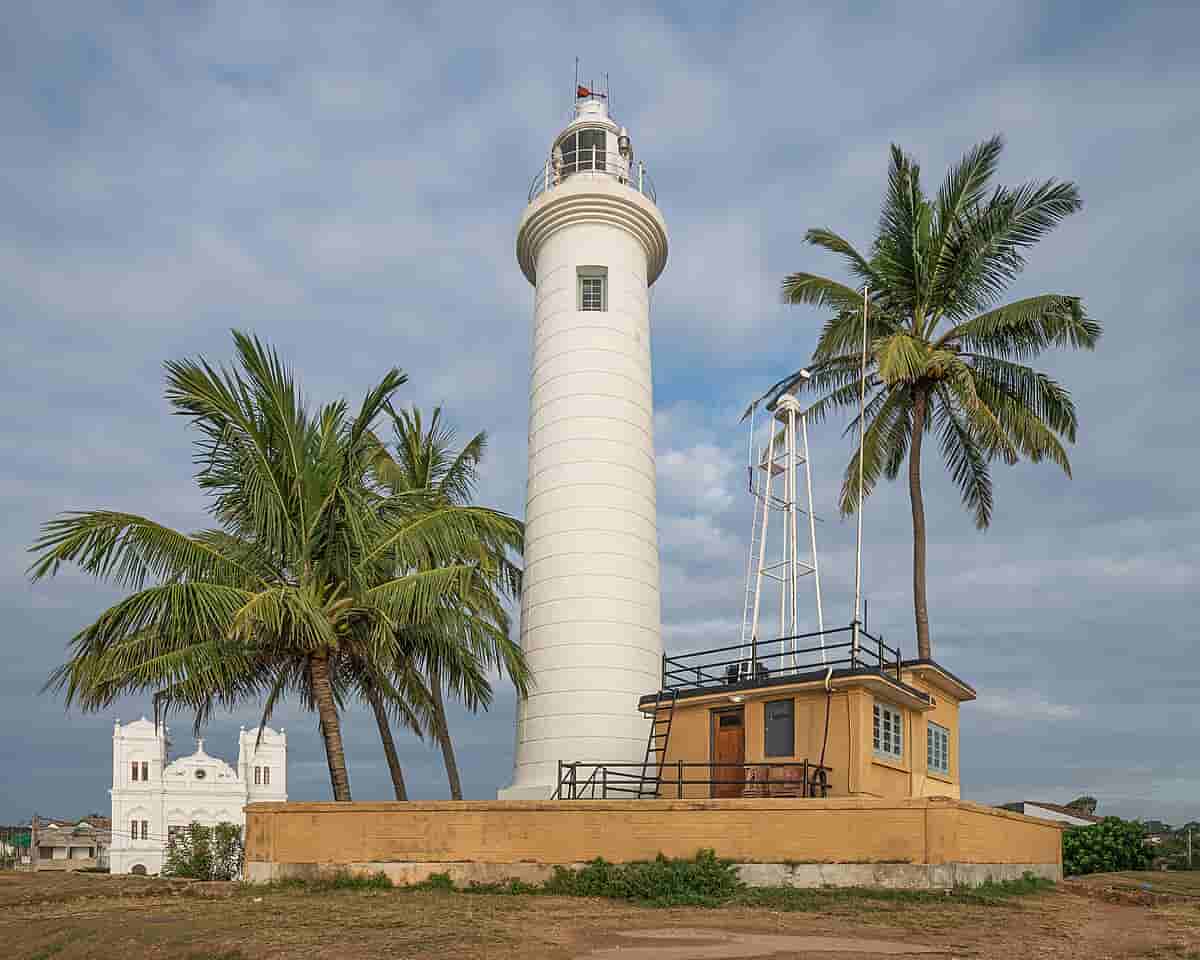
Galle Lighthouse
A historic lighthouse within the fort offering scenic sea views.
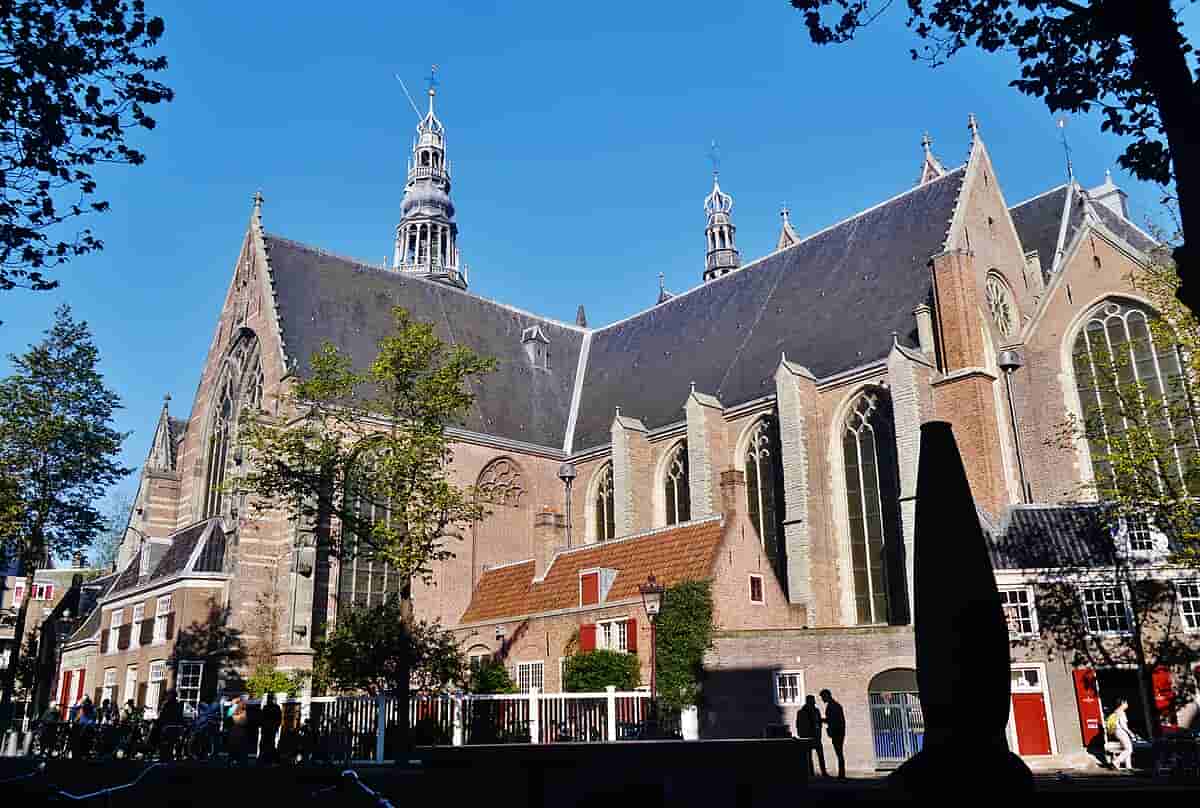
Dutch Reformed Church
Historic church with ornate interiors and peaceful atmosphere.
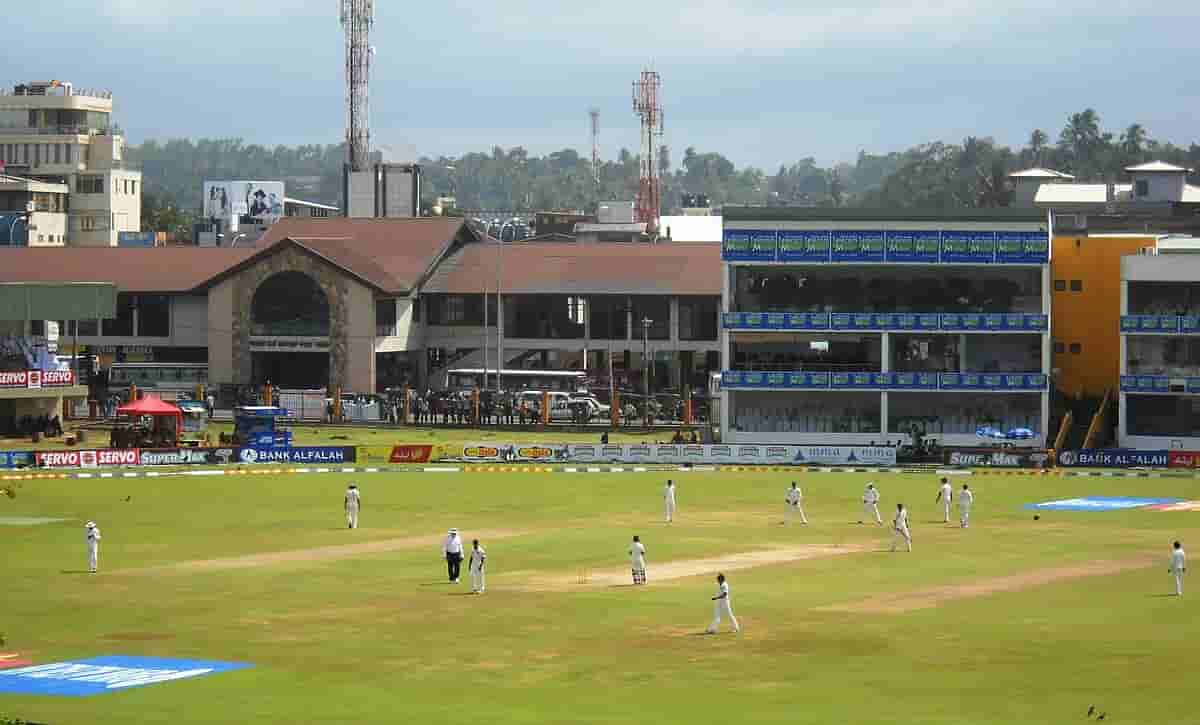
Galle International Stadium
A scenic cricket stadium by the sea, hosting international matches.
Japanese Peace Pagoda
A Buddhist stupa offering panoramic views of Galle and the Indian Ocean.
Martin Wickramasinghe Folk Museum Complex
Cultural museum and heritage gardens celebrating local literature and traditions.
Rathgama Beach
Quiet beach ideal for swimming and relaxing
Hikkaduwa Beach
Famous for its coral reefs and opportunities for snorkeling and diving.
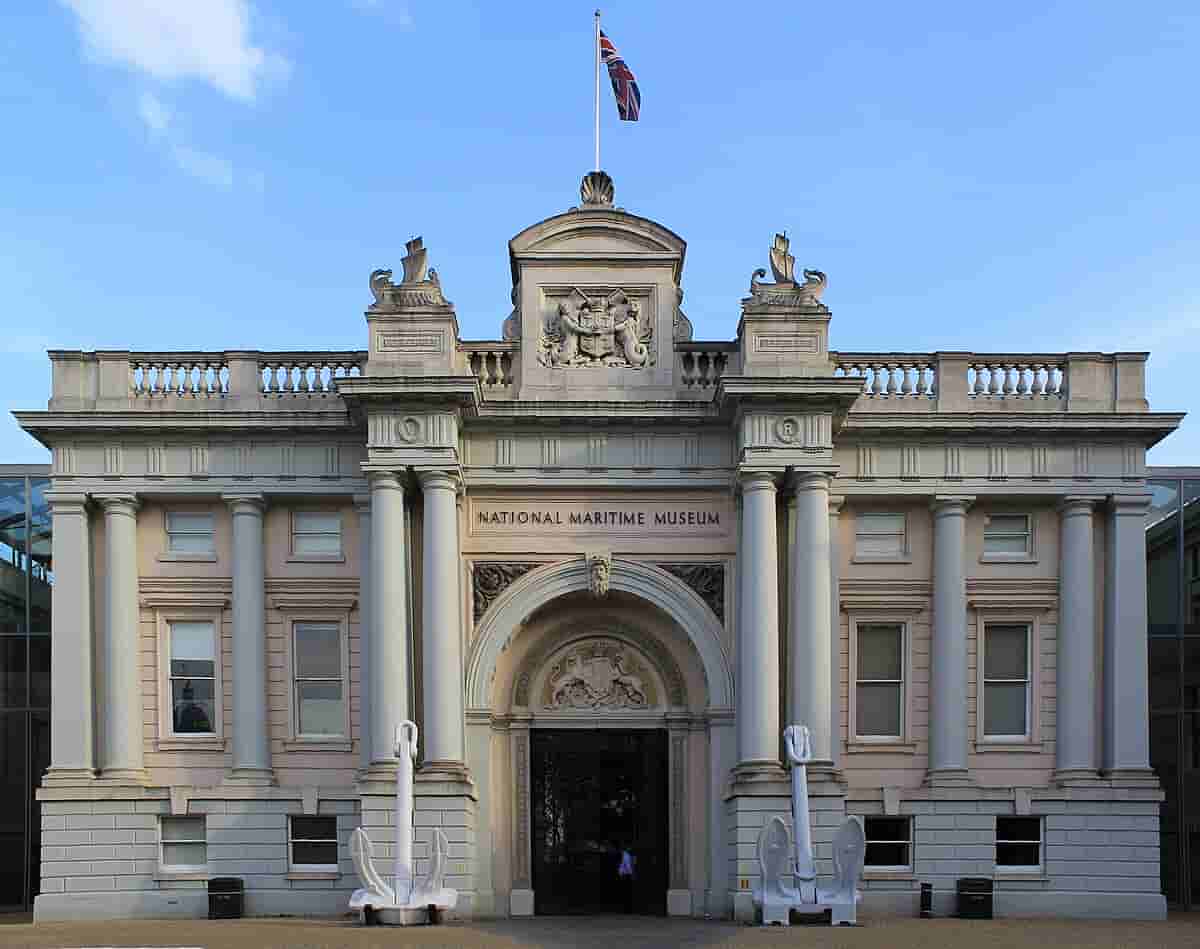
National Maritime Museum
Museum showcasing Sri Lanka's maritime history and artifacts.
Kanneliya Forest Reserve
Rainforest reserve with hiking trails and biodiversity.
🏘️ Neighborhoods
Galle Fort
The historic, UNESCO-listed walled city with cobblestone streets, colonial architecture, boutique hotels, galleries, and fine dining. The heart of tourist Galle.
Unawatuna
A bustling beach resort area just south of Galle, famous for its crescent-shaped bay, beach bars, restaurants, and water sports.
Jungle Beach / Rumassala
A more secluded area near Unawatuna, known for the tranquil Jungle Beach, the Japanese Peace Pagoda, and lush jungle hills.
Galle New Town
The modern, bustling commercial center outside the Fort walls, home to the bus station, markets, local eateries, and everyday Sri Lankan life.
Habaraduwa / Talpe
A stretch of coastline north of Unawatuna, offering upscale beach resorts, villas, and a more serene, luxurious beach experience.
Hikkaduwa
A famous beach town further north (approx 20km), renowned for its coral reefs, surfing, vibrant nightlife, and backpacker scene.
Weligama / Mirissa
Coastal towns to the east of Galle, famous for whale watching, surfing at Weligama Bay, and the picturesque Mirissa Beach.
🍽️ Local Cuisine
Galle offers a fantastic introduction to Sri Lankan cuisine, characterized by its generous use of spices, coconut, and fresh seafood. Must-try signature dishes include fiery red or black fish curry, hoppers (bowl-shaped fermented rice flour pancakes), kottu roti (chopped roti stir-fried with vegetables, egg, and meat), and lamprais (rice and curries baked in a banana leaf). Dining culture is casual, with a mix of upscale restaurants within the Fort and local 'hotels' (simple eateries) in the new town. Seafood is a highlight—visit the fish market in the morning and have your catch cooked at a nearby shack. Popular food areas include the lanes within Galle Fort for atmospheric dining and Pedlar Street for cafes. Price ranges from 500 LKR for a local meal to 3000+ LKR in a fine-dining setting. Etiquette is relaxed; eating with your right hand is traditional but cutlery is always available. Don't miss a cup of pure Ceylon tea.
💡 Local Tips
🚗 Day Trip Ideas
Mirissa
Famous for whale watching (season: Nov-Apr), beautiful Mirissa Beach, and surfing at nearby Weligama Bay.
Hikkaduwa
Vibrant beach town known for its coral reefs (glass-bottom boat tours), surfing, and lively nightlife.
Bentota
Resort area offering river safaris on the Bentota River, water sports, and the Brief Garden.
Kanneliya Rainforest
A UNESCO-listed biosphere reserve with guided jungle hikes, waterfalls, and rich biodiversity.
Ambalangoda
Traditional mask-making village with workshops and a mask museum, plus quieter beaches.
Colombo
Sri Lanka's bustling commercial capital for shopping, museums, colonial architecture, and a cosmopolitan dining scene.
🛡️ Safety Tips
Galle is generally a safe city for tourists, with a low incidence of violent crime. However, standard travel precautions apply. Petty theft like bag-snatching can occur, especially in crowded areas and on beaches; keep valuables secure and avoid flashing expensive items. Be cautious of overly friendly strangers offering guided tours or gem deals—common scams involve high-pressure sales for overpriced or fake gems. Use registered tuk-tuks or ride-hailing apps. When swimming, heed warning flags on beaches, as currents can be strong. Drink bottled water. Emergency numbers: Police (119), Ambulance (110), Tourist Police (011-2421052). Health-wise, ensure you're up-to-date on routine vaccines and consider those for Hepatitis A and Typhoid. Use mosquito repellent to prevent dengue. The sun is intense, so stay hydrated and use protection.
💰 Budget Guide
Galle can cater to various budgets. A budget traveler can manage on $30-$50 per day: stay in hostels or basic guesthouses outside the Fort ($15-$25), eat at local 'hotels' ($3-$5 per meal), use buses and tuk-tuks ($5), and enjoy free activities like walking the Fort ramparts. Mid-range travelers should budget $80-$150 daily: this covers a comfortable hotel or boutique guesthouse ($50-$100), meals at good restaurants ($10-$20 per meal), private tuk-tuk tours ($20-$30), and paid attractions. Luxury travelers can spend $200+: staying in a heritage hotel within the Fort or a beachfront villa ($150+), fine dining, private car hires, and spa treatments. Money-saving tips: Travel in the shoulder season for better hotel rates from the 116 available options, eat where locals eat, negotiate tuk-tuk fares upfront, and prioritize free sights like the Fort walls and lighthouse view.