Welcome to Kalibo
Kalibo, the vibrant capital of Aklan province in the Philippines, is far more than just a gateway to the world-famous beaches of Boracay. This bustling, historic town on the island of Panay is a destination in its own right, offering a rich tapestry of culture, history, and natural beauty. As the proud home of the Philippines' oldest and most raucous festival, the Ati-Atihan, Kalibo pulses with a unique energy that blends deep-rooted tradition with modern Filipino life. The city serves as the primary commercial and transport hub for the region, with its international airport welcoming visitors from across the globe. For those looking to immerse themselves in authentic provincial life, Kalibo provides a perfect base, supported by a range of 47 hotels that cater to every traveler's need, from simple guesthouses to comfortable mid-range accommodations, ensuring a convenient stay while exploring its many charms. From the serene mangrove forests of Bakhawan Eco-Park to the lively chaos of its public market, Kalibo invites you to discover the heart and soul of Western Visayas.
Overview
Kalibo is the capital and oldest town of Aklan province, with a history dating back to 1213 AD when it was settled by Bornean datus. It's famously known as the birthplace of the Ati-Atihan Festival, a week-long celebration in January honoring the Santo Niño (Child Jesus) with street dancing, drumbeats, and participants covered in soot. This festival, considered the 'Mother of All Philippine Festivals,' defines the city's cultural identity. While often seen as a transit point for Boracay, Kalibo has its own distinct character centered around the Aklan River. The city is compact and walkable, with key areas including the historic town plaza surrounded by the Kalibo Cathedral and government buildings, the bustling commercial district along Roxas Avenue, and the more tranquil riverside areas. It's famous for its piña cloth, woven from pineapple fibers, and its role as a major hub for the region's agriculture and trade. The local culture is warm and deeply religious, with a strong sense of community pride evident in its well-kept parks and shrines.
🗓️ Best Time to Visit
The absolute best time to visit Kalibo is in January, specifically the third week, to experience the world-renowned Ati-Atihan Festival. This is the peak season, so book accommodations well in advance. The dry season, from December to May, offers the most pleasant weather for exploring, with less rain and lower humidity. This period is ideal for visiting the Bakhawan Eco-Park and other outdoor attractions. The wet season runs from June to November, with increased rainfall and the possibility of typhoons, particularly between August and October. While this is the off-peak season with potentially lower prices and fewer crowds, some outdoor activities may be disrupted. Shoulder months like November and May can offer a good balance. Major events are concentrated around the Ati-Atihan in January, but other religious fiestas and town celebrations occur throughout the year, often tied to the Catholic calendar.
🌤️ Weather & Climate
Kalibo has a tropical monsoon climate characterized by high temperatures, high humidity, and distinct wet and dry seasons. It is warm to hot year-round, with the heaviest rainfall typically occurring during the typhoon season.
Seasons
Dry Season
💨 Humidity: moderate to high
Sunny and hot days with lower chance of rain, ideal for festivals and outdoor exploration. Peak tourist season.
Wet Season
💨 Humidity: high
Frequent heavy rainfall and thunderstorms, with highest risk of typhoons from August to October. Lush greenery but potential for travel disruptions.
Monthly Weather Details
January Weather
Best for: festivals, sightseeing
February Weather
Best for: sightseeing, eco-park
March Weather
Best for: beach trips, outdoor activities
April Weather
Best for: beach trips, outdoor activities
May Weather
Best for: indoor activities, early summer trips
June Weather
Best for: indoor cultural sites
July Weather
Best for: indoor cultural sites
August Weather
Best for: indoor activities, cautious travel
September Weather
Best for: indoor activities, cautious travel
October Weather
Best for: indoor activities, cautious travel
November Weather
Best for: transition to dry season activities
December Weather
Best for: festive sightseeing
🎒 What to Pack
All Year Round
- lightweight clothing
- rain jacket or umbrella
- sunscreen (SPF 50+)
- insect repellent
- reusable water bottle
- comfortable walking shoes
☀️ Dry Season
- hat/cap
- sunglasses
- swimwear
🌧️ Wet Season
- quick-dry clothes
- waterproof bag
- sturdy sandals
- antifungal powder
🚗 Getting Around
Kalibo is a relatively small and flat city, making it very walkable for exploring the central downtown area, including the cathedral, parks, and public market. For longer distances, the most common mode of public transport is the tricycle – motorized rickshaws that can be hired for a single passenger or shared. Always agree on a fare before starting your journey; short trips within the city center should cost around 20-50 PHP. There are also jeepneys that ply fixed routes to nearby towns and barangays (villages). Taxis are available but less common than tricycles; ride-sharing apps like Grab are not currently operational in Kalibo. For airport transfers, most hotels offer pickup services, or you can easily find a tricycle or van outside the terminal. Renting a bicycle is a pleasant option for exploring the Bakhawan Eco-Park area. For day trips to nearby provinces or the Caticlan jetty port for Boracay, air-conditioned vans and buses depart regularly from the city center and terminal near the public market.
🎯 Top Attractions
Kalibo Cathedral
A historic Roman Catholic church known for its religious significance and architectural beauty.
Aklan Freedom Shrine
A monument commemorating the local heroes of the Philippine Revolution.
Kalibo Public Market
A bustling local market offering fresh produce, souvenirs, and traditional Filipino goods.

Bakhawan Eco-Park
Mangrove forest park with boardwalks, ideal for nature walks and bird watching.
Pastrana Park
Public park with playgrounds, walking paths, and local events.

Aklan River
River ideal for boat rides and enjoying natural scenery.
Golden Sarok Shrine
A historic shrine known for its cultural significance.
Gaisano Mall Kalibo
Shopping mall with various retail stores and dining options.
Ati-Atihan Festival Site
Venue for the famous annual festival with street dancing.
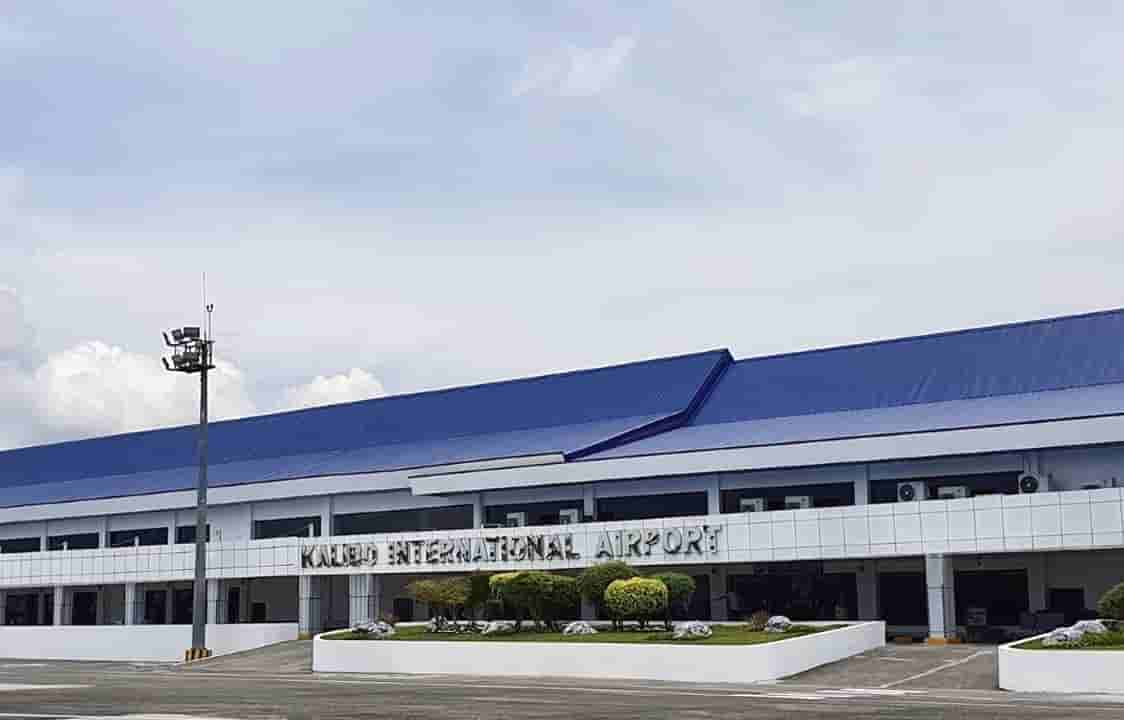
Kalibo International Airport
Gateway airport to Boracay and other destinations

St. John the Baptist Cathedral
Historic church with Spanish colonial architecture
Kalibo Town Center
Central area with markets, shops, and local government offices.
🏘️ Neighborhoods
Poblacion (Town Center)
The historic heart of Kalibo, centered around the town plaza with the Kalibo Cathedral, Pastrana Park, government buildings, and the Freedom Shrine. This is the cultural and administrative core.
Roxas Avenue Area
The main commercial and transport thoroughfare. Lined with banks, shops, restaurants, hotels, and the main jeepney/van terminal. The most bustling part of the city.
Andagao
A residential and commercial area located near Kalibo International Airport (KIO). Home to several hotels, the Gaisano Mall, and the Ati-Atihan Festival site.
Bakhawan Area
Located east of the city center along the coast, this area is defined by the famous Bakhawan Eco-Park. It's greener, quieter, and closer to nature.
Buswang New
A riverside barangay known for its fishing community and beautiful views of the Aklan River. Offers a glimpse into local life away from the downtown bustle.
Mobo
A district with a mix of residential areas, schools, and local businesses. It provides a more authentic, everyday living experience of Kalibo.
🍽️ Local Cuisine
Kalibo's cuisine is a delicious reflection of its coastal and agricultural setting. The must-try signature dish is 'Kinilaw na Isda' or 'Hipon' – fresh raw fish or shrimp cured in vinegar, calamansi juice, ginger, onions, and chili, akin to ceviche. Another local specialty is 'Linagpang,' a smoky grilled or roasted chicken or fish soup. Seafood is abundant and fresh, often simply grilled or cooked in coconut milk. Don't miss trying the local 'Piaya,' a sweet, flat unleavened bread filled with muscovado sugar. Dining is informal and communal. Popular food areas include the Kalibo Public Market for ultra-authentic and affordable eats, and the clusters of carinderias (local eateries) and barbecue stalls that come alive in the evening along major streets. A full meal at a local eatery can cost as little as 100-150 PHP, while a nice restaurant meal might range from 300-600 PHP. Etiquette is relaxed; using a spoon and fork is standard, and it's polite to say 'po' and 'opo' to show respect.
💡 Local Tips
🚗 Day Trip Ideas
Boracay Island
World-famous island with stunning white sand beaches and vibrant nightlife. Kalibo is the main air gateway.
Ibajay & Tangalan Mangrove Forests
Explore more extensive and serene mangrove ecosystems and boardwalks, less visited than Bakhawan.
Tibiao (for Adventure)
Town known for its kayaking, river tubing, and the unique Kawa Hot Bath (bathing in a giant cauldron).
Numancia & New Washington
Coastal towns offering fresh seafood feasts by the beach, oyster farms, and a quieter coastal vibe.
Buruanga (via Libertad)
Access to secluded beaches, caves, and the stunning Jawili Falls in the neighboring province of Antique.
🛡️ Safety Tips
Kalibo is generally a safe city for travelers, with a low crime rate against tourists. However, standard precautions apply. Be vigilant in crowded areas like the public market and during festivals, as pickpocketing can occur. Avoid flashing expensive jewelry or electronics. Use registered tricycles and agree on fares upfront to avoid misunderstandings. At night, stick to well-lit main streets. There are no specific no-go areas, but it's wise to be cautious in quieter, poorly lit neighborhoods after dark. Emergency numbers are 117 for police and 911 for general emergencies. For health, drink only bottled or purified water. Be mindful of food hygiene; eat at busy stalls where turnover is high. Mosquito-borne illnesses like dengue can be a risk, so use repellent, especially in the wet season. Traffic can be chaotic, so cross roads carefully. Overall, the biggest risks are minor theft and traffic accidents, not violent crime.
💰 Budget Guide
Kalibo is a very affordable destination. A budget traveler can manage on 1,000-1,500 PHP ($18-$27) per day by staying in a basic guesthouse or hostel (500-800 PHP/night), eating at carinderias and market stalls (150-300 PHP/day), using tricycles and walking for transport (100 PHP/day), and enjoying free or low-cost attractions like parks and the cathedral. A mid-range traveler should budget 2,500-4,000 PHP ($45-$72) per day for a comfortable hotel room (1,500-2,500 PHP/night), meals at decent restaurants (600-1,000 PHP/day), occasional taxi rides, and paid tours like the Bakhawan Eco-Park. Luxury spending starts at 5,000+ PHP ($90+) per day for the best hotels, fine dining, and private transport. Money-saving tips: Stay slightly outside the absolute center for better hotel rates, eat where locals eat, use shared tricycle rides, visit free public attractions, and avoid visiting during the peak Ati-Atihan festival if seeking the lowest prices.