Welcome to Bohol
Bohol, a heart-shaped island province in the Philippines' Central Visayas region, is a destination that feels like a storybook come to life. It's a place where geological wonders, pristine beaches, and unique wildlife converge to create an unforgettable tropical escape. Far more than just a beach getaway, Bohol offers a rich tapestry of experiences, from the iconic, rolling Chocolate Hills to the serene, jungle-fringed Loboc River. The island serves as a sanctuary for the world's smallest primate, the wide-eyed Philippine tarsier, and boasts a coastline dotted with powdery white sand, most famously on Panglao Island. With its deep Spanish colonial history evident in centuries-old churches and the significant Blood Compact Shrine, Bohol seamlessly blends natural spectacle with cultural heritage. This diversity is matched by its accommodation options, with over 402 hotels, resorts, and guesthouses catering to every style and budget, ensuring every traveler finds their perfect home base for adventure.
Overview
Bohol is the tenth-largest island in the Philippines and the main island of Bohol Province, which includes 75 smaller surrounding islands. Its history is marked by early settlements, Spanish colonization beginning in the 16th century, and its role as a site of the first international treaty of friendship between Filipinos and Spaniards, commemorated at the Blood Compact Shrine in Tagbilaran City, the provincial capital. The island is globally famous for its unique geological formation, the Chocolate Hills—over 1,200 perfectly cone-shaped hills that turn brown in the dry season. Culturally, Bohol is known for its preserved Spanish-era churches, like the Baclayon Church, and vibrant festivals such as the Sandugo Festival. The main districts for visitors include Tagbilaran City (the bustling capital and transport hub), Panglao Island (the tourism epicenter with Alona Beach), and the interior towns like Carmen (for the Chocolate Hills) and Loboc (for river cruises). The island's economy thrives on agriculture, fishing, and a robust tourism industry centered around its natural and historical attractions.
🗓️ Best Time to Visit
The best time to visit Bohol is during the dry season, from December to May, when you can expect plenty of sunshine, minimal rainfall, and ideal conditions for beach activities, island hopping, and exploring the countryside. The peak tourist seasons are during the cool, dry months from December to February and the hot, dry months of March to May, especially around Easter holidays. The off-peak or rainy season runs from June to November, with increased rainfall and the possibility of typhoons, particularly from August to October. While this period sees fewer crowds and lower prices, some outdoor activities may be disrupted. Major events include the Sandugo Festival in Tagbilaran City every July, celebrating the historic blood compact with street dancing and festivities, and the Ubi Festival in January, highlighting the local purple yam. For a balance of good weather and manageable crowds, the shoulder months of November and early December or late May are excellent choices.
🌤️ Weather & Climate
Bohol has a tropical climate with consistently warm temperatures year-round, averaging 26-32°C (79-90°F). The year is distinctly divided into a dry season and a rainy season, with high humidity common.
Seasons
Dry Season
💨 Humidity: moderate
Sunny and hot, especially from March to May. Ideal for all outdoor activities, beach days, and island hopping. The coolest and most pleasant months are December to February.
Rainy Season
💨 Humidity: high
Characterized by frequent, heavy afternoon showers and the possibility of typhoons, particularly from August to October. Lush green landscapes but some outdoor activities may be disrupted.
Monthly Weather Details
January Weather
Best for: sightseeing, beach
February Weather
Best for: sightseeing, beach
March Weather
Best for: beach, island hopping
April Weather
Best for: beach, island hopping
May Weather
Best for: beach, island hopping
June Weather
Best for: indoor activities, cultural sites
July Weather
Best for: festivals (Sandugo), cultural sites
August Weather
Best for: indoor activities, river cruises
September Weather
Best for: indoor activities, river cruises
October Weather
Best for: indoor activities, cultural sites
November Weather
Best for: sightseeing, beach
December Weather
Best for: sightseeing, beach, festivals
🎒 What to Pack
All Year Round
- lightweight clothing
- swimwear
- sunglasses
- hat
- reef-safe sunscreen
- insect repellent
- reusable water bottle
- waterproof bag
- power adapter
🚗 Getting Around
Getting around Bohol involves a mix of transportation options. The main gateway is Bohol-Panglao International Airport on Panglao Island. From there, taxis and ride-hailing apps like Grab are available for transfers to hotels, though pre-arranged hotel shuttles are common. For exploring the island, the most popular and flexible option is renting a scooter or motorcycle (approx. $10-15/day), but be cautious on unfamiliar roads. For longer distances or group tours, hiring a private van with a driver (approx. $50-80/day) is cost-effective. Public transportation consists of jeepneys and multicabs (shared minivans) on fixed routes between towns (very cheap, $0.25-$1) and tricycles (motorcycle with sidecar) for short trips within towns (approx. $1-3 per ride, negotiate first). There are no ride-sharing services like Uber, but Grab operates in Tagbilaran and Panglao. For island-hopping to nearby destinations like Balicasag or Virgin Island, organized boat tours from Alona Beach are the standard.
🎯 Top Attractions
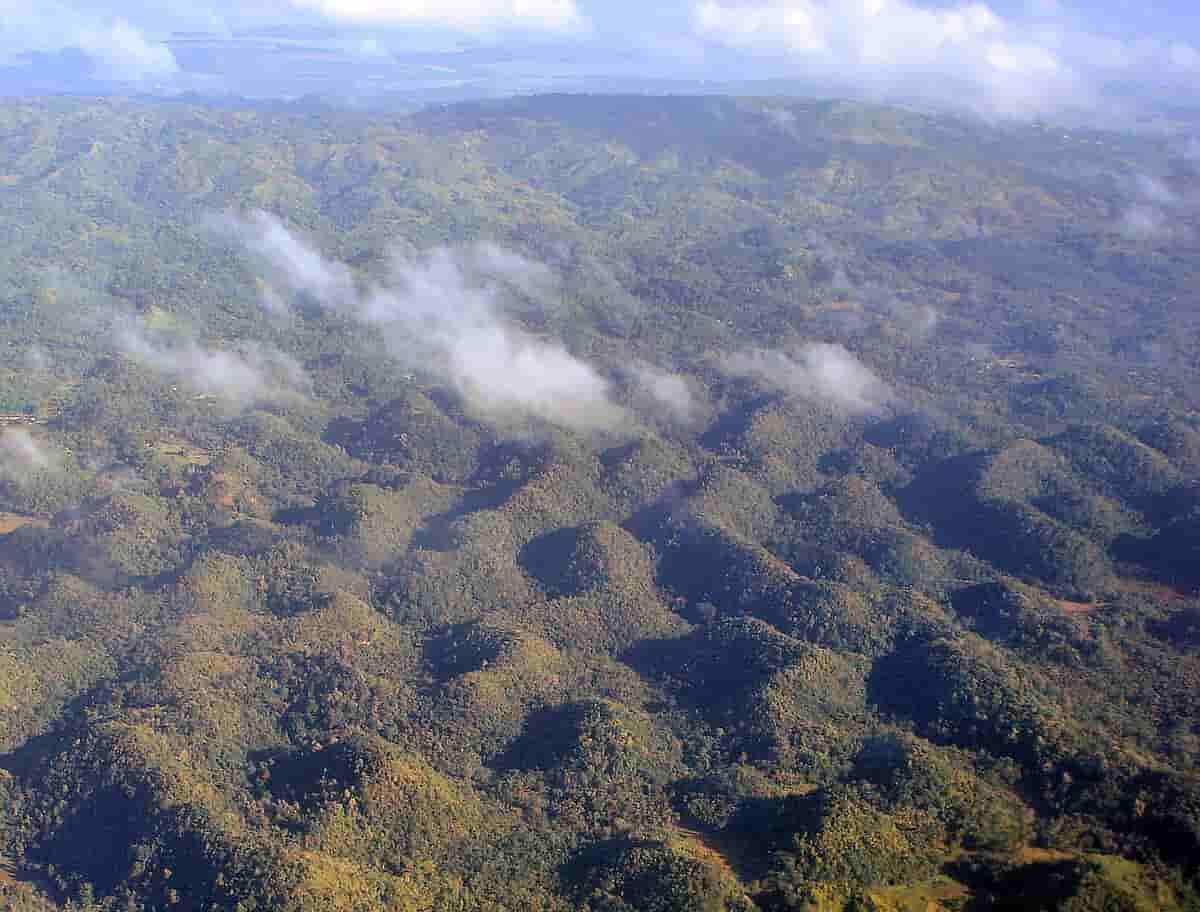
Chocolate Hills
Famous geological formation of over 1,200 perfectly cone-shaped hills spread over a large area.
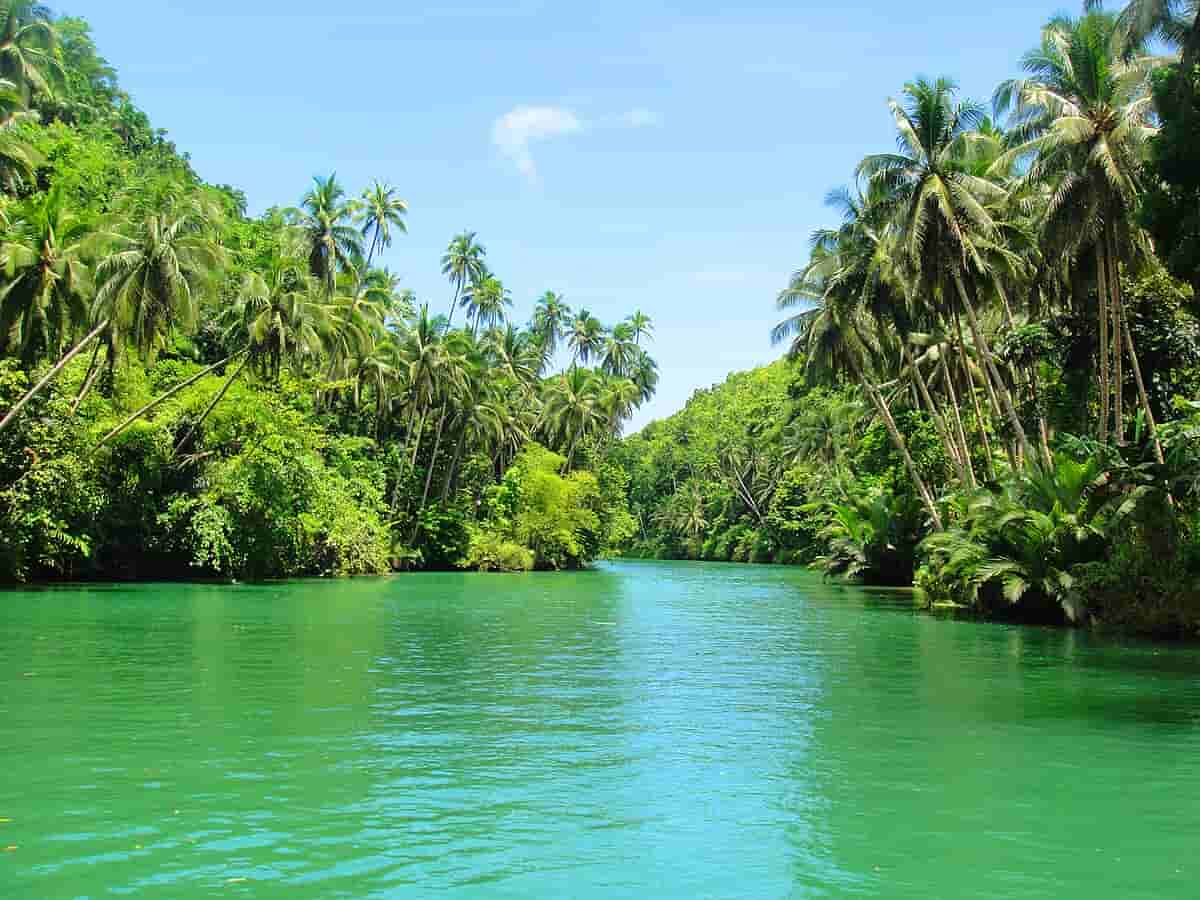
Loboc River
Famous for its serene floating restaurants and river cruises amidst a lush, green landscape.
Tarsier Sanctuary
Conservation area where you can see the Philippine tarsier, one of the world's smallest primates.
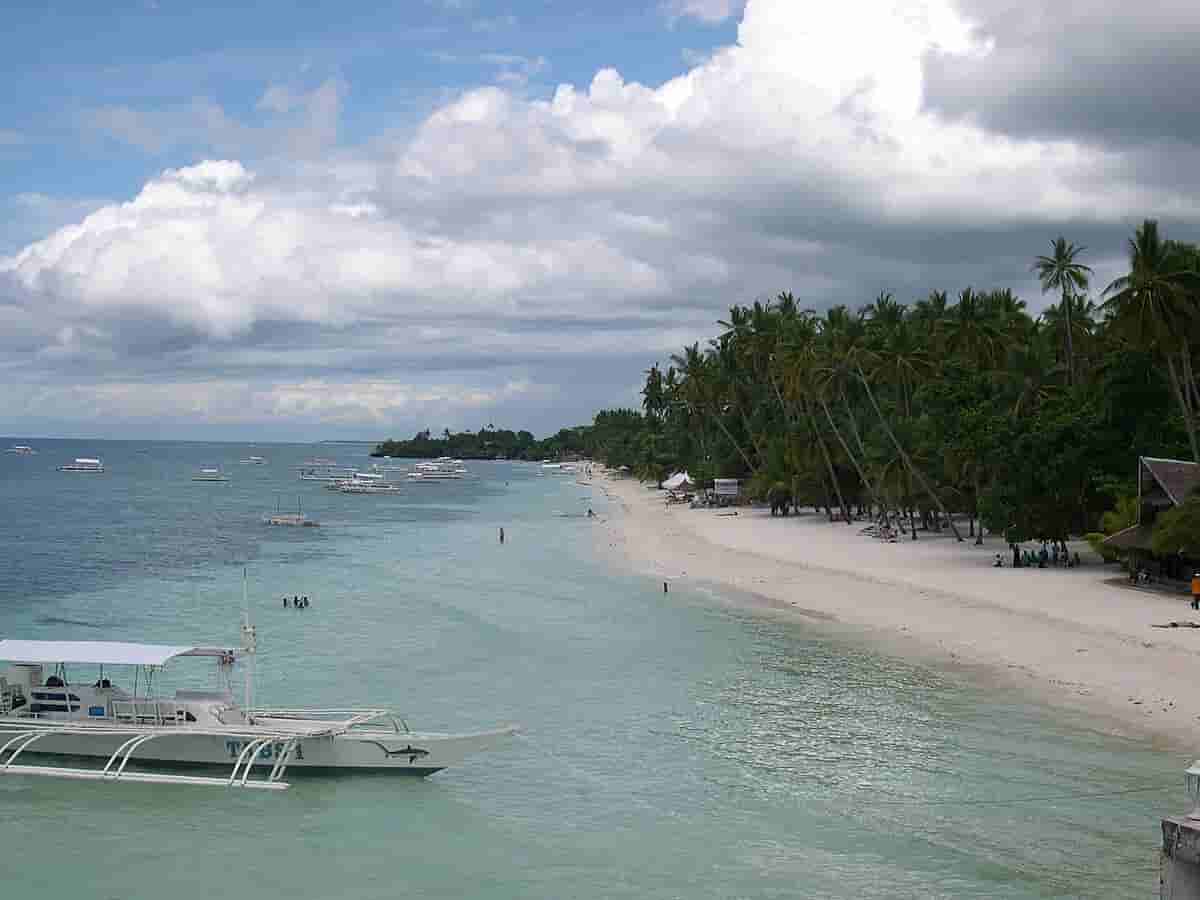
Alona Beach
Popular beach with white sand, clear waters, and opportunities for diving and snorkeling.
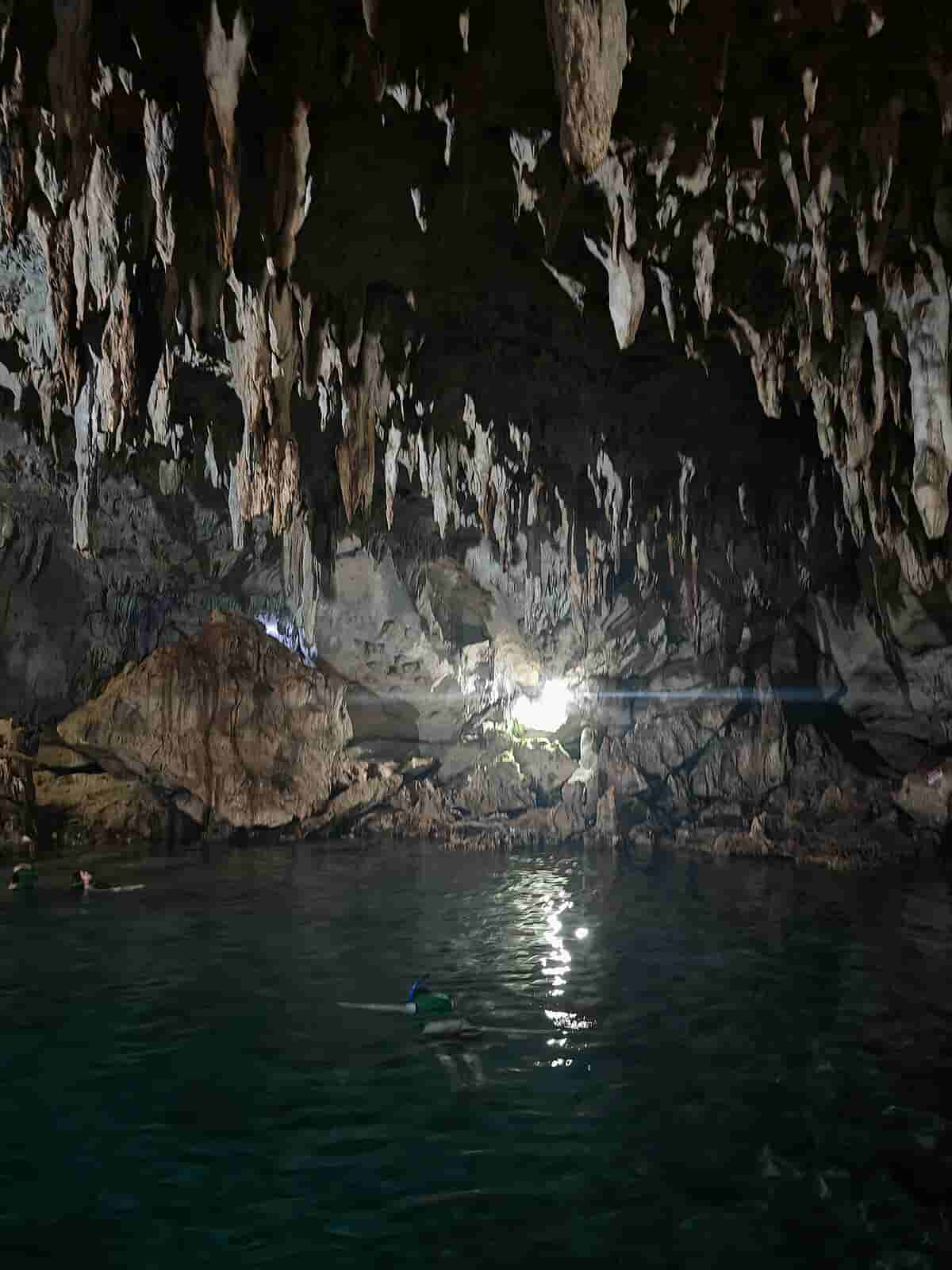
Hinagdanan Cave
A stunning limestone cave with a natural underground pool and dramatic rock formations.
Blood Compact Shrine
A historical site commemorating the first international treaty of friendship between Filipinos and Spaniards.
Bohol Tarsier Sanctuary
Conservation area for the tiny Philippine tarsier
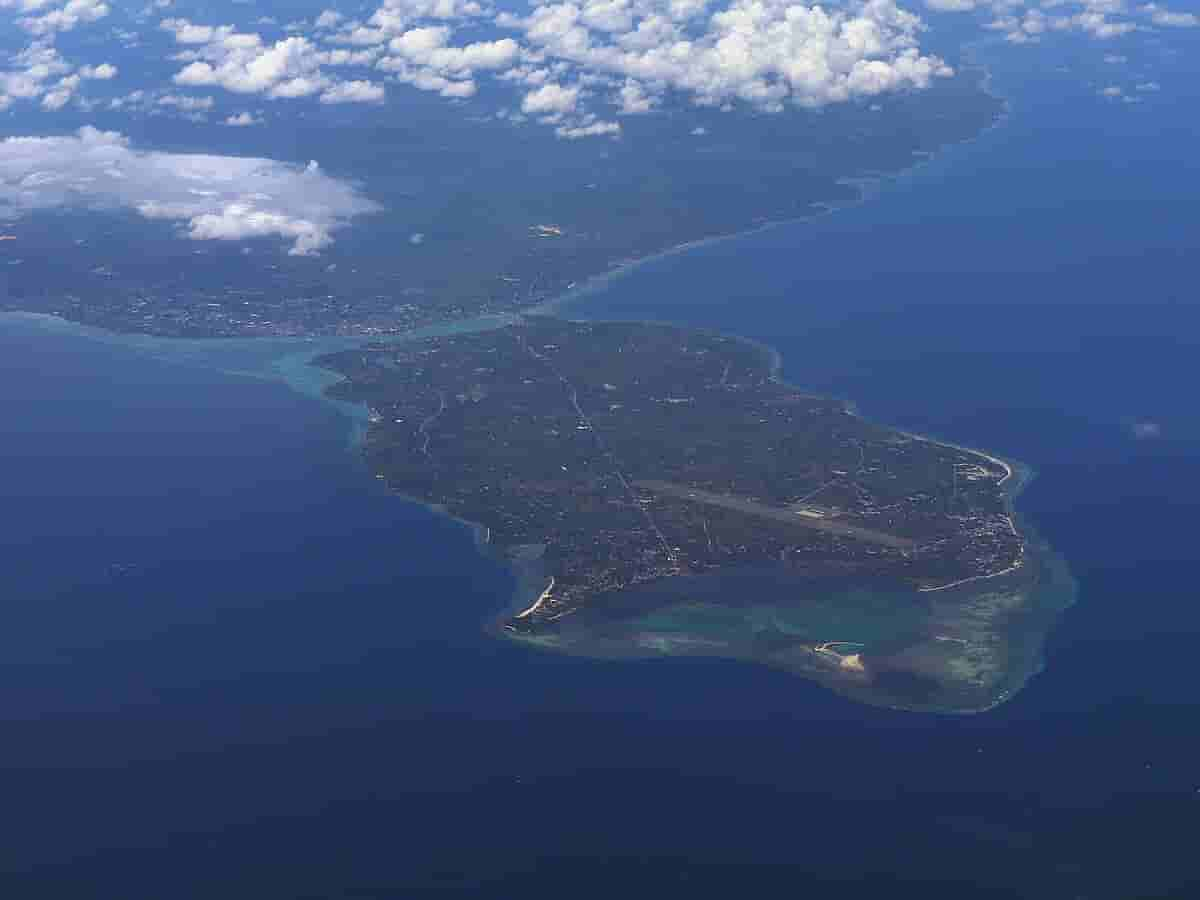
Panglao Island
An island known for its diving spots, coral reefs, and relaxed tropical atmosphere.
Bohol Bee Farm
An organic farm and restaurant known for its healthy food, ice cream, and scenic views.
Bohol Provincial Capitol
The seat of the provincial government, known for its neoclassical architecture.
Bohol Island
Gateway to attractions like the Chocolate Hills and tarsier sanctuaries.
Bohol Chocolate Hills
UNESCO-listed geological formation of over 1,200 cone-shaped hills.
🏘️ Neighborhoods
Alona Beach (Panglao)
The bustling tourism heart of Bohol, famous for its white-sand beach, dive shops, restaurants, and vibrant nightlife. It's the main hub for island-hopping tours.
Danao (Panglao)
A quieter, more residential area of Panglao Island north of Alona, with newer resorts, a more local feel, and access to beautiful, less crowded beaches like Doljo.
Tagbilaran City
The provincial capital and main transportation gateway. A functional city with historical sites, shopping malls, and ferry terminals, but not a primary beach destination.
Loboc
A lush, riverside town inland, famous for its floating restaurants on the Loboc River and as a stop on the popular countryside tour circuit.
Carmen
Home to the iconic Chocolate Hills complex. A rural area offering stunning panoramic views and proximity to Bohol's most famous natural attraction.
Baclayon
A historic coastal town just south of Tagbilaran, known for one of the oldest stone churches in the Philippines and a quaint museum.
Anda
A secluded peninsula on Bohol's east coast, boasting pristine, long white-sand beaches, crystal-clear water, and a truly off-the-beaten-path atmosphere.
🍽️ Local Cuisine
Boholano cuisine is a delightful part of the Visayan culinary tradition, focusing on fresh seafood, hearty soups, and unique local ingredients. Must-try signature dishes include 'Kalamay' (a sticky sweet dessert made from glutinous rice, coconut milk, and brown sugar, sold in coconut shells), 'Ube' (purple yam) in various forms like jam and pastries, and 'Peanut Kisses' (peanut-brittle cookies shaped like the Chocolate Hills). For mains, savor 'Sutukil' (grilled, stewed, and soured fish), 'Chicken Binakol' (chicken soup cooked in coconut water with lemongrass), and fresh seafood like grilled squid and tuna. Dining culture is casual, with many eateries being open-air 'carinderias' (local canteens) and beachfront grills. Popular food areas include Alona Beach for tourist-friendly restaurants, Tagbilaran City for local markets and eateries, and the Bohol Bee Farm for organic, innovative dishes. Price ranges from budget meals ($2-5) at carinderias to mid-range ($8-15) at sit-down restaurants. Etiquette is relaxed; it's customary to say 'Salamat' (thank you).
💡 Local Tips
🚗 Day Trip Ideas
Balicasag Island
A premier diving and snorkeling destination famous for its marine sanctuary, stunning coral walls, and frequent dolphin sightings on the boat ride over.
Virgin Island (Pungtud Island)
A stunning sandbar that appears during low tide, offering incredible photo opportunities and shallow, crystal-clear waters perfect for wading.
Cabilao Island
A quieter, less-developed island northwest of Bohol, known for excellent diving, a laid-back vibe, and a historic lighthouse.
Anda Peninsula
Explore the pristine white-sand beaches, secluded coves, and the beautiful Cabagnow Cave Pool on Bohol's scenic and peaceful eastern coast.
Sikatuna's Mirror of the World
A unique park featuring miniature replicas of world landmarks like the Taj Mahal and Eiffel Tower, plus a butterfly garden and adventure activities.
🛡️ Safety Tips
Bohol is generally a safe destination for tourists, with a low crime rate, especially in tourist areas. However, standard precautions apply: secure your valuables, use hotel safes, and avoid displaying expensive jewelry. Be cautious of petty theft in crowded places. Common scams are rare but can include overcharging by unofficial tour guides or tricycle drivers; always agree on a price before a service. When swimming, heed warning flags on beaches, as currents can be strong. For health, drink bottled or purified water, and use mosquito repellent to prevent dengue. Traffic can be chaotic; exercise extreme caution when driving or crossing roads. Emergency numbers are 117 for police and 911 for general emergencies. Keep the contact details of your country's embassy handy. Overall, Boholanos are known for their warmth and hospitality, contributing to a secure and welcoming environment.
💰 Budget Guide
Bohol can cater to a wide range of budgets. A budget traveler can manage on $30-40 per day, staying in hostels or basic guesthouses ($10-20/night), eating at local carinderias ($2-5/meal), using public transport, and choosing free or low-cost activities like public beach access. A mid-range traveler should budget $70-120 per day, covering comfortable hotels or resorts ($40-80/night), meals at nicer restaurants ($8-15/meal), occasional taxis or scooter rentals, and paid tours (e.g., countryside tour ~$30-50). A luxury traveler can expect $150+ per day, enjoying high-end resorts ($100+/night), fine dining, private car transfers and tours, and premium activities like private island hopping. Money-saving tips: Travel during the off-peak season for lower accommodation rates, eat where locals eat, book tours directly with operators or join group tours, use jeepneys for inter-town travel, and haggle politely at markets. Many natural attractions have minimal entrance fees.