Welcome to Jounieh
Perched on the stunning Mediterranean coast, Jounieh is Lebanon's vibrant heart of leisure and faith, a city where ancient devotion meets modern revelry. Just a short drive north of Beirut, this coastal gem in the Mont-Liban region offers a dramatic escape, with its sweeping bay framed by the majestic Mount Lebanon range. The city is famously crowned by the gleaming white statue of Our Lady of Lebanon in Harissa, a pilgrimage site visible for miles, which you can ascend via the iconic Teleferique cable car for breathtaking panoramic views. By night, the city transforms, its corniche buzzing with life and the legendary Casino du Liban adding a touch of glamour. With a convenient selection of 22 hotels averaging around $87 a night, Jounieh serves as the perfect base for a memorable one-day adventure, effortlessly blending spiritual serenity, natural wonders like the nearby Jeita Grotto, and pulsating energy into an unforgettable Lebanese experience.
Overview
Jounieh's history is deeply intertwined with its role as a refuge and a resort. Originally a quiet fishing village, it grew in prominence as a summer getaway for Beirut's elite and a safe haven during the country's turbulent periods. Today, it is a microcosm of Lebanon's spirit, famous for its dramatic juxtapositions: the solemnity of the Marian shrine at Harissa overlooks the glittering bay and the lively entertainment hub below. The city is not administratively divided into strict districts but is defined by key areas: the bustling Jounieh Bay and Harbor lined with cafes and restaurants, the elevated spiritual precinct of Harissa, and the entertainment-focused zone around the Casino du Liban. Culturally, it is a place of celebration, known for its vibrant nightlife, seaside promenades, and as a gateway to natural treasures. It is most famous for the Harissa pilgrimage site, the thrilling Teleferique (gondola) ride connecting the coast to the mountain, and its status as Lebanon's premier casino and nightlife destination.
🗓️ Best Time to Visit
The ideal time to visit Jounieh is during the shoulder seasons of spring (April to June) and autumn (September to November). These months offer pleasantly warm temperatures, minimal rainfall, and comfortable conditions for exploring both the coastal areas and mountain sights like Harissa. Summer (July-August) is the peak tourist season, characterized by hot, humid weather and vibrant nightlife, but also larger crowds and higher prices. Winter (December-March) is the off-peak season; while mild compared to many regions, it can be rainy and cooler, with some attractions operating on reduced hours. Major events include vibrant Easter celebrations and Marian feasts at the Harissa shrine in spring, summer music festivals and beach parties, and festive Christmas and New Year's events, with the Casino du Liban and corniche particularly lively during the holiday season.
🌤️ Weather & Climate
Jounieh enjoys a classic Mediterranean climate with hot, dry summers and mild, rainy winters. The coastal location ensures generally temperate weather, though humidity can be high in summer.
Seasons
Spring
💨 Humidity: moderate
Pleasant and warm, ideal for sightseeing and outdoor activities with blooming landscapes.
Summer
💨 Humidity: high
Hot, sunny, and humid, perfect for beach outings and vibrant nightlife.
Autumn
💨 Humidity: moderate
Warm and comfortable, similar to spring, with fewer crowds.
Winter
💨 Humidity: moderate
Mild but wet, with cooler temperatures and most rain; indoor attractions are best.
Monthly Weather Details
January Weather
Best for: indoor activities, cultural sites
February Weather
Best for: indoor activities, cultural sites
March Weather
Best for: sightseeing, hiking
April Weather
Best for: sightseeing, outdoor cafes
May Weather
Best for: beach, cable car, all activities
June Weather
Best for: beach, nightlife, boating
July Weather
Best for: beach, nightlife, water sports
August Weather
Best for: beach, nightlife, festivals
September Weather
Best for: beach, sightseeing, all activities
October Weather
Best for: sightseeing, hiking, dining
November Weather
Best for: sightseeing, cultural visits
December Weather
Best for: indoor activities, holiday events
🎒 What to Pack
All Year Round
- comfortable walking shoes
- sunglasses
- sunscreen
- light jacket
🚗 Getting Around
Navigating Jounieh is relatively straightforward. The most scenic and iconic transport is the Teleferique (cable car), which provides a essential link between the city center and the Harissa shrine. For local travel, service taxis (shared vans following set routes) are the most common and affordable public transport, but require knowledge of routes. Private taxis are readily available and can be hailed or booked via apps like Allo Taxi; always insist on using the meter or agree on a fare beforehand. Ride-sharing apps are also operational. Walking is enjoyable along the Jounieh Bay corniche, but the city is hilly and spread out, making walking between major areas impractical. Renting a car offers maximum flexibility for exploring Jounieh and nearby day trips. Beirut-Rafic Hariri International Airport is about a 30-45 minute drive south; airport transfers are best arranged via hotel shuttle, pre-booked private taxi, or ride-share.
🎯 Top Attractions
Jounieh Bay
A coastal bay featuring beaches, cable car rides, and vibrant nightlife.
Teleferique
Cable car ride offering stunning vistas of the coastline and mountains.
Our Lady of Lebanon
A historic shrine with stunning architecture and religious significance.
Jounieh Harbor
Picturesque harbor with waterfront promenade, seafood restaurants, and stunning views of the Mediterranean.
Jounieh Gondola
Historic cable car that provides panoramic views of the city and surrounding mountains.
Our Lady of Lebanon Shrine
Majestic Catholic sanctuary overlooking Jounieh, renowned for its serene atmosphere and religious significance.
Harissa
A mountain village known for the Our Lady of Lebanon statue and panoramic views.
Harissa Cathedral
Iconic cathedral accessible by cable car, offering stunning views
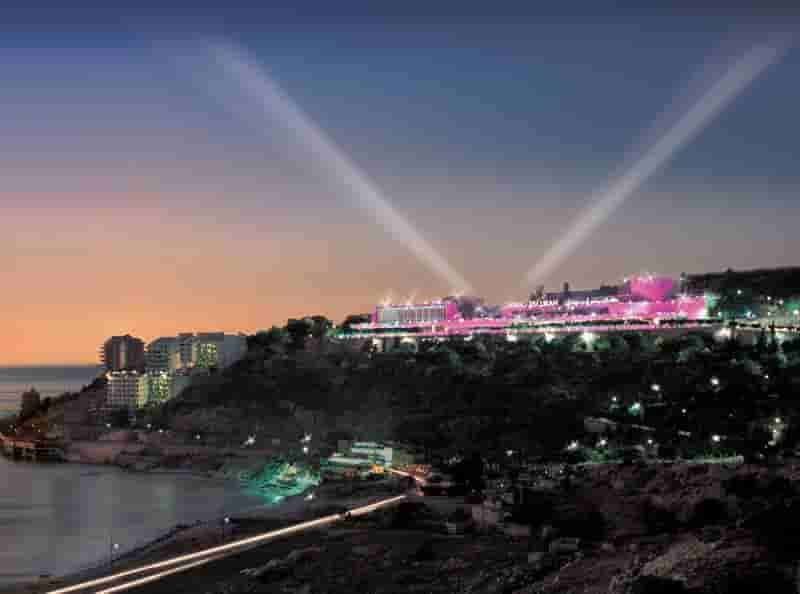
Casino du Liban
Historic casino offering entertainment and gaming.
Jeita Grotto
Limestone caves with stunning formations and an underground river.
Teleferique du Liban
A cable car ride offering stunning views of the mountains and sea.
Saint Paul Cathedral
Historic Catholic cathedral with beautiful architecture
🏘️ Neighborhoods
Jounieh Bay & Harbor
The vibrant heart of the city, featuring the scenic corniche, bustling marina, and a dense concentration of restaurants, cafes, and hotels.
Harissa
The spiritual mountain-top district, home to the iconic Our Lady of Lebanon shrine and cathedral, offering panoramic views and a serene atmosphere.
Casino du Liban Area
Centered around the legendary casino, this zone is focused on upscale entertainment, luxury hotels, and glamorous nightlife.
Maameltein
A coastal residential and commercial area adjacent to Jounieh, known for its beach resorts, private clubs, and quieter atmosphere.
Sarba
A primarily residential neighborhood with local markets, shops, and a more authentic, everyday Lebanese feel away from the main tourist track.
Zouk Mikael
A neighboring town known for its historic souk (market) and cultural events, offering a taste of traditional Lebanese town life.
🍽️ Local Cuisine
Jounieh offers a quintessential Lebanese culinary journey. Dining is a social, leisurely affair, often enjoyed in large groups with many shared mezze plates. Must-try signature dishes include fresh seafood from the bay, such as grilled sayadieh (fish with rice and caramelized onions), and classic Lebanese mezze like hummus, tabbouleh, and fattoush. For a unique experience, try makanek (Lebanese sausages) or arayes (spiced meat stuffed in pita). The corniche and harbor are lined with restaurants ranging from casual fish shacks to upscale dining venues. A typical meal can range from $15-$25 per person at a mid-range restaurant to $50+ for a fine-dining seafood feast. Etiquette involves sharing food, using bread to scoop dips, and accepting the strong Arabic coffee often offered at meal's end. Tipping (10-15%) is customary for good service.
💡 Local Tips
🚗 Day Trip Ideas
Byblos (Jbeil)
Explore one of the world's oldest continuously inhabited cities, with a historic port, crusader castle, and charming souk.
Jeita Grotto
Marvel at the stunning limestone caves, a UNESCO tentative site, featuring an upper gallery and a lower river cave explored by boat.
Beirut
Dive into the capital's vibrant energy, visiting the Corniche, National Museum, Mohammad Al-Amin Mosque, and bustling downtown.
Harissa & Teleferique
Although part of Jounieh, dedicating time to ascend via cable car, visit the shrine, and enjoy the views is a quintessential trip.
The Cedars of God (Arz el-Rab)
A longer trip to the majestic cedar forest, a UNESCO World Heritage site and national symbol of Lebanon.
Batroun
A charming coastal town known for its ancient Phoenician wall, citrus groves, artisan breweries, and relaxed beaches.
🛡️ Safety Tips
Jounieh is generally safe for tourists, especially in the main tourist areas along the bay and in Harissa. Exercise standard precautions: be aware of your surroundings, especially at night, and avoid displaying valuables. Petty crime like pickpocketing can occur in crowded places. Use licensed taxis with meters or agree on fares upfront to avoid overcharging. Political demonstrations can occur; avoid large gatherings. Emergency numbers are 112 (general) and 140 for tourist police. For health, drink bottled water. Traffic can be chaotic; cross streets carefully. It's advisable to check your government's travel advisories for Lebanon before your trip for the latest safety information.
💰 Budget Guide
A daily budget for Jounieh can vary widely. Budget travelers can manage on $50-70 per day by staying in guesthouses ($30-50), eating street food and local mezze ($10-15), using service taxis ($1-2 per ride), and enjoying free sights like the corniche and Harissa shrine grounds. Mid-range travelers should budget $100-150 per day, covering a comfortable hotel ($70-100), meals at good restaurants ($25-40), private taxis and the Teleferique ($10-20), and paid attractions like the Jeita Grotto. A luxury day exceeding $250 includes upscale hotels ($150+), fine dining with seafood ($60+), private drivers, and evenings at the Casino du Liban. Money-saving tips: visit in shoulder seasons, use service taxis, enjoy the abundant free walking and sightseeing opportunities, and share mezze plates at restaurants.