Welcome to Beirut
Beirut, the vibrant capital of Lebanon, rises from the shores of the Mediterranean Sea with an intoxicating blend of ancient history and relentless modernity. Often called the 'Paris of the Middle East,' this city is a phoenix, having rebuilt itself time and again, its spirit unbroken. Its coastline, framed by the iconic Pigeon Rocks, offers stunning sunsets, while its downtown area buzzes with restored architecture and luxury boutiques. Beirut is a city of contrasts, where Roman ruins sit beside contemporary art galleries, and the call to prayer mingles with the clinking of glasses in trendy rooftop bars. For the traveler, comfort is assured with a wide range of accommodations; the city boasts over 120 hotels, from boutique gems in historic neighborhoods to international chains along the Corniche, with an average nightly rate making it accessible for various budgets. A stay of two to three days allows you to scratch the surface of its layered soul, from the bustling souks to the serene campus of the American University of Beirut.
Overview
Beirut's history stretches back over 5,000 years, making it one of the world's oldest continuously inhabited cities. It has been ruled by Phoenicians, Romans, Ottomans, and the French, each layer visible in its archaeological sites and architectural tapestry. The city is famous for its resilient and cosmopolitan culture, a melting pot of religious communities and a hub for arts, education, and commerce in the Arab world. The heart of modern Beirut is its reconstructed Downtown area and the adjacent Zaitunay Bay marina, symbols of its post-civil war renaissance. The city is divided into distinct districts, each with its own character: the upscale waterfront of Raouche, the bohemian nightlife hub of Gemmayzeh with its charming stairways, the upscale shopping of Beirut Souks, and the historic charm of the Achrafieh district. Beirut is ultimately defined by its people, whose legendary hospitality and love for life (joie de vivre) are palpable in every café, restaurant, and conversation.
🗓️ Best Time to Visit
The best times to visit Beirut are during the pleasant shoulder seasons of spring (April to June) and autumn (September to November). Spring brings mild temperatures, blooming jacaranda trees, and ideal conditions for sightseeing and café culture. Autumn offers similarly comfortable weather and warm sea temperatures perfect for a final swim. Summer (July-August) is peak season, characterized by hot, humid weather, crowded beaches, and a vibrant, non-stop nightlife scene, but also higher prices. Major summer events include the Beirut International Film Festival and numerous beach club parties. Winter (December to March) is the off-peak season, with cooler temperatures and significant rainfall, though it's a great time for cultural indoor activities and experiencing the city's cozy café vibe. The holiday season in December is beautifully festive.
🌤️ Weather & Climate
Beirut enjoys a typical Mediterranean climate with hot, humid summers and mild, rainy winters. The sea moderates temperatures year-round, making coastal areas pleasant even in winter.
Seasons
Spring
💨 Humidity: moderate
Pleasant and mild, perfect for outdoor exploration and café sitting. Occasional spring showers.
Summer
💨 Humidity: high
Hot, sunny, and humid. Ideal for beach days and vibrant nightlife. Peak tourist season.
Autumn
💨 Humidity: moderate
Warm and comfortable, with sea still swimmable. Another excellent time for sightseeing.
Winter
💨 Humidity: moderate
Cool and wet, with the majority of annual rainfall. Chilly evenings require a jacket.
Monthly Weather Details
January Weather
Best for: indoor activities, museums, café culture
February Weather
Best for: indoor activities, museums
March Weather
Best for: sightseeing, early spring walks
April Weather
Best for: sightseeing, outdoor cafes
May Weather
Best for: beach, sightseeing, nightlife
June Weather
Best for: beach, swimming, nightlife
July Weather
Best for: beach, swimming, nightlife
August Weather
Best for: beach, swimming, nightlife
September Weather
Best for: beach, sightseeing, nightlife
October Weather
Best for: sightseeing, outdoor dining
November Weather
Best for: sightseeing, cultural visits
December Weather
Best for: indoor activities, festive markets
🎒 What to Pack
All Year Round
- comfortable walking shoes
- sunglasses
- sunscreen
- light scarf/shawl for visiting religious sites
🚗 Getting Around
Navigating Beirut is an adventure in itself. The city has no formal metro system, and public buses are informal and not always tourist-friendly. The most common and convenient way to get around is by taxi. Use licensed 'service' taxis (shared taxis on fixed routes) for short, cheap trips, or negotiate a fare for a private ride beforehand. Ride-hailing apps like Uber and Bolt operate reliably and are recommended for transparent pricing. Walking is highly enjoyable in compact, pedestrian-friendly districts like Gemmayzeh, Mar Mikhael, and Downtown, but be prepared for uneven sidewalks and hectic traffic when crossing major roads. Renting a car is not advised for visitors due to chaotic traffic and unique local driving customs. Beirut–Rafic Hariri International Airport (BEY) is about 9km south of the city center; the safest and easiest transfer is via a pre-booked private car or app-based ride, taking 20-45 minutes depending on traffic.
🎯 Top Attractions
Pigeon Rocks
Admire the stunning natural rock formations and take in the breathtaking views of the Mediterranean Sea from this iconic Beirut landmark.
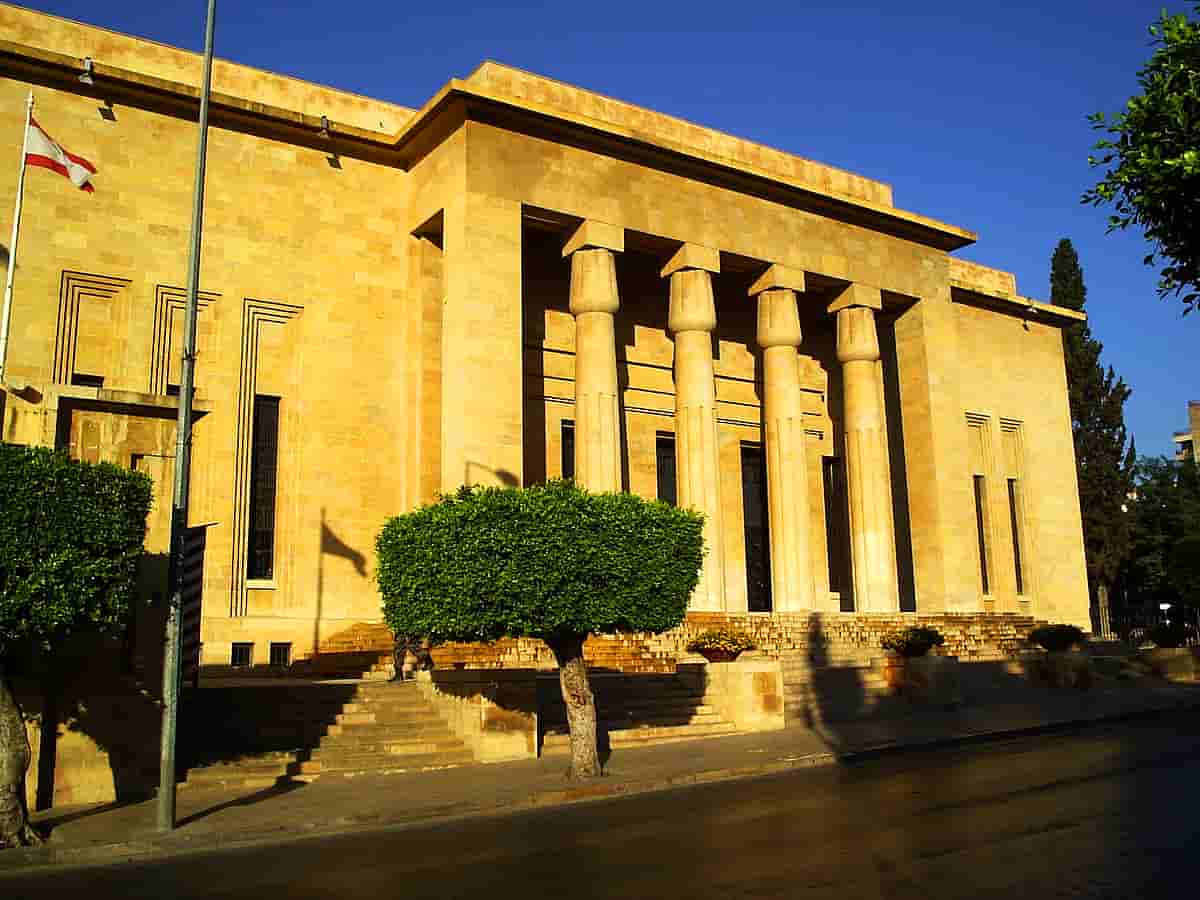
National Museum of Beirut
Discover the rich cultural heritage of Lebanon through the museum's extensive collection of archaeological artifacts and historical exhibits.
Zaitunay Bay
An elegant waterfront promenade lined with upscale restaurants and cafes, offering stunning views of the Mediterranean and the marina.
American University of Beirut
Historic campus with beautiful gardens and Mediterranean views.
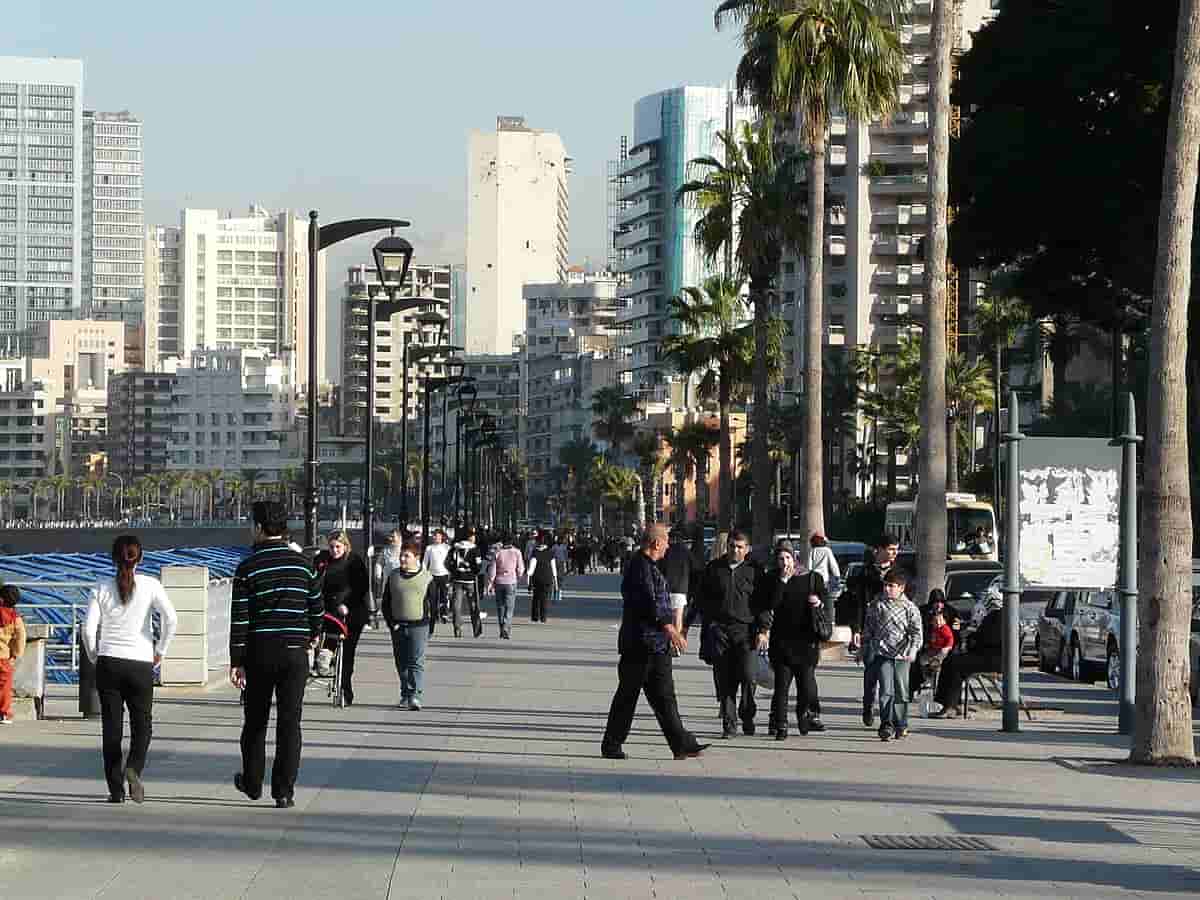
Corniche Beirut
A famous seaside promenade ideal for walking, jogging, and enjoying panoramic views of the Mediterranean and Pigeon Rocks.
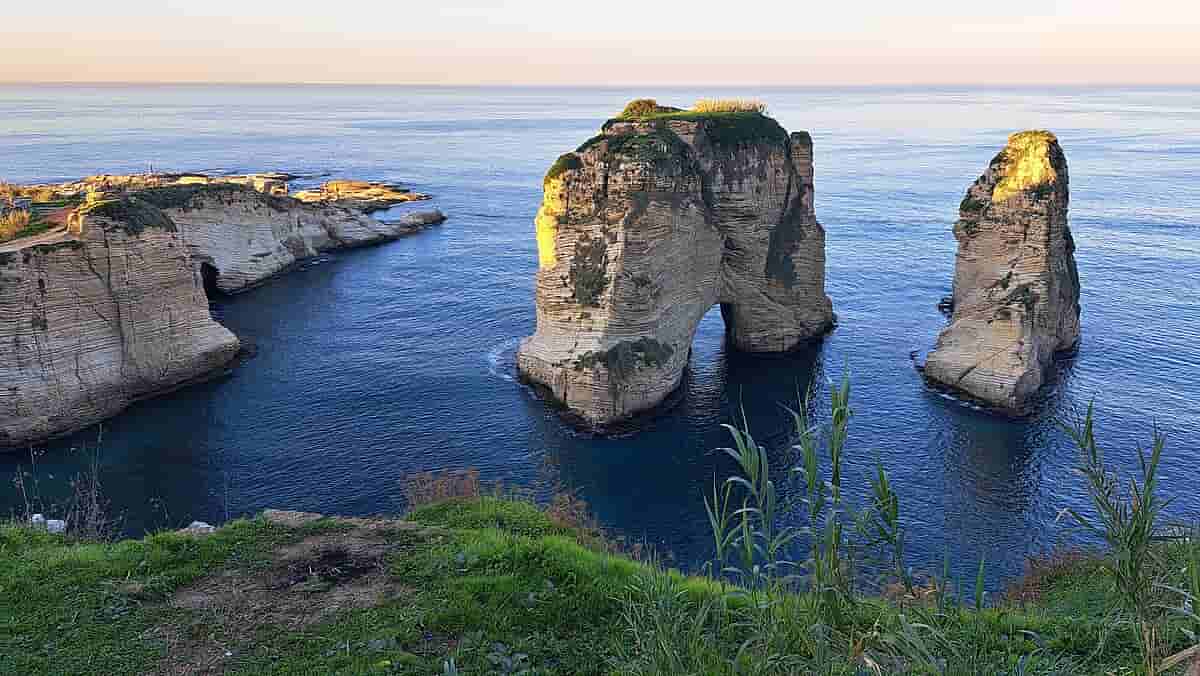
Raouche
Area known for its iconic Pigeon Rocks.
Downtown Beirut
The revitalized city center, home to historical landmarks like Martyrs' Square, Parliament, and beautifully restored Ottoman-era buildings.
Gemmayzeh Street
A bohemian street famous for its traditional Lebanese houses, art galleries, and a wide selection of pubs and restaurants with lively outdoor seating.
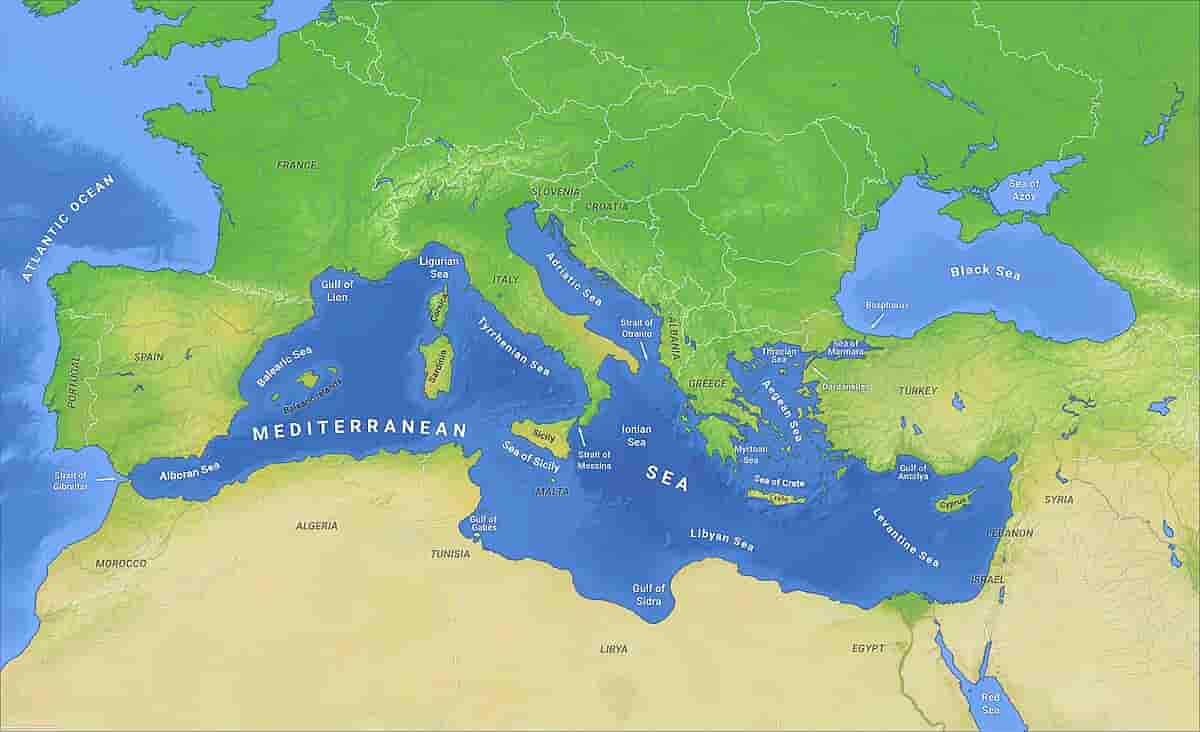
Mediterranean Sea
Beautiful coastline with Corniche promenade
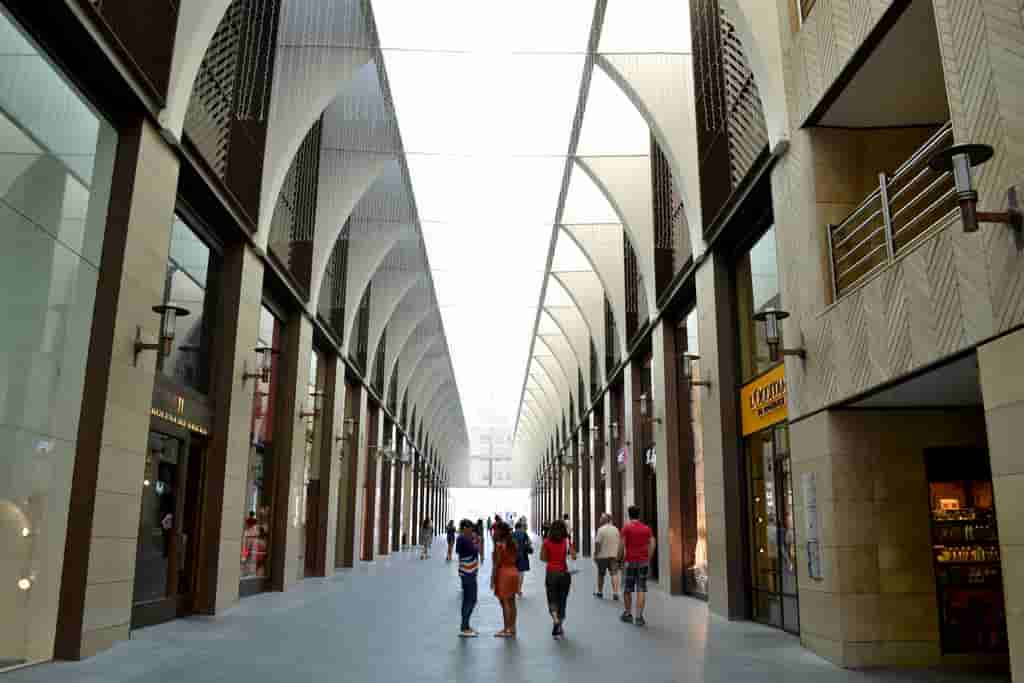
Beirut Souks
A modern, open-air shopping complex that blends contemporary architecture with the historical layout of the old souks, featuring high-end retailers.
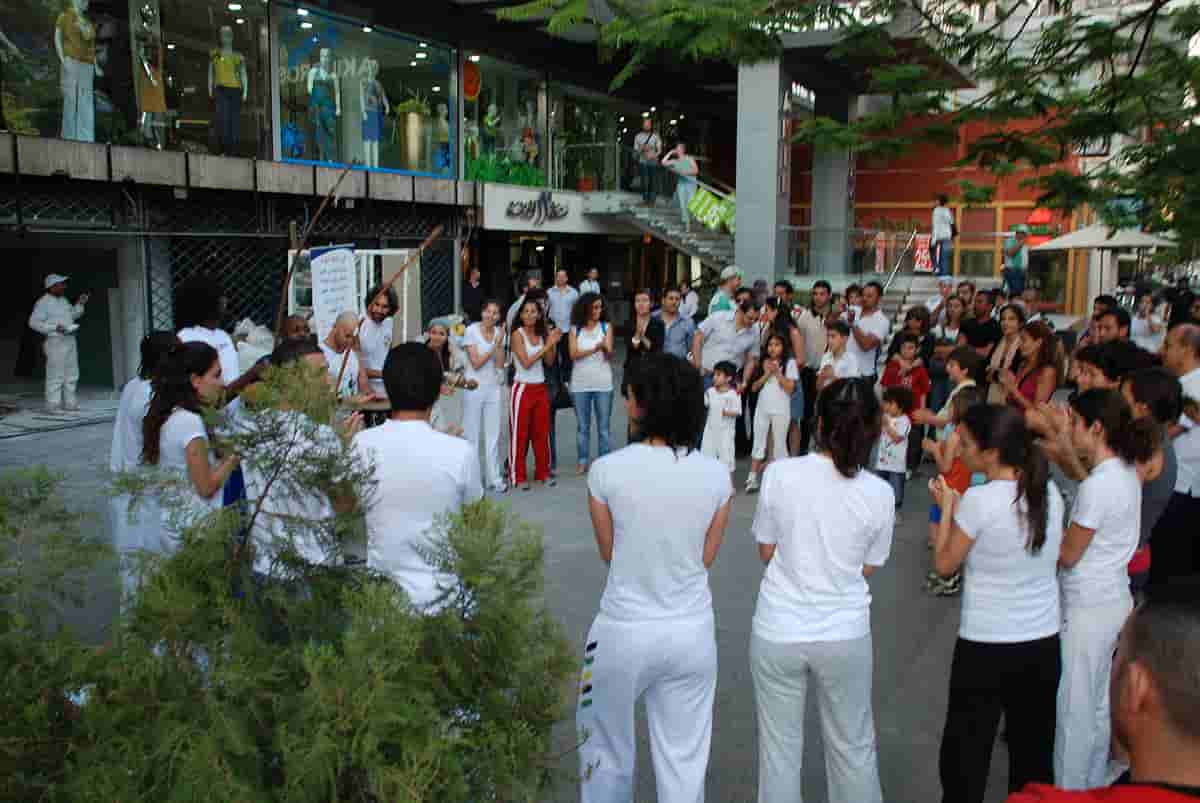
Hamra Street
Immerse yourself in the bustling energy of this popular shopping and dining district, known for its diverse range of local and international offerings.
Corniche Beach
Coastal promenade
🏘️ Neighborhoods
Downtown (Solidere)
The meticulously reconstructed city center, featuring upscale shopping at Beirut Souks, restored Ottoman-era buildings, luxury hotels, and high-end dining around Nejmeh Square.
Gemmayzeh
A historic, bohemian neighborhood known for its vibrant nightlife, charming stair-streets (like the famous 'Stairs'), art galleries, and a dense concentration of bars and restaurants.
Mar Mikhael
Adjacent to Gemmayzeh, this is the epicenter of Beirut's hipster scene, with converted warehouses hosting cutting-edge bars, concept restaurants, art spaces, and graffiti-lined streets.
Hamra
A bustling, cosmopolitan district centered around the American University of Beirut. Filled with bookshops, cafes, mid-range hotels, and a lively street scene popular with students and intellectuals.
Achrafieh
A traditionally upscale residential area with elegant 19th-century mansions, designer boutiques, gourmet restaurants, and upscale nightlife along Monot Street.
Raouche
The coastal neighborhood famous for the iconic Pigeon Rocks. A scenic area with a long seaside promenade (Corniche), seafood restaurants, and luxury apartments with sea views.
Saifi Village
A charming, pedestrian-friendly enclave within the Downtown area, known for its Parisian-style architecture, art galleries, designer boutiques, and quiet cafes.
Bourj Hammoud
A densely populated, vibrant Armenian district across the river. A sensory overload of markets selling spices, textiles, handicrafts, and household goods at very low prices.
🍽️ Local Cuisine
Lebanese cuisine is a celebrated feast for the senses, and Beirut is its ultimate showcase. Meals are social, lengthy affairs centered around mezze—a dazzling array of small dishes like hummus, baba ghanoush, tabbouleh, and warak enab (stuffed grape leaves). Must-try signature dishes include grilled meats like shish taouk (marinated chicken) and kafta, fresh seafood by the Mediterranean, and mana'ish (savory pies) for breakfast. For a unique Beirut experience, try a traditional 'fatteh' or the rich, slow-cooked stews. Dining areas range from upscale restaurants in Zaitunay Bay and Downtown to incredibly vibrant and affordable street food joints in neighborhoods like Hamra and Mar Mikhael. A typical mezze meal can range from $15-$40 per person. Etiquette is key: meals are shared, eating with your right hand is customary, and refusing a coffee or dessert offering can be seen as impolite. Always say 'Sahtain' (to your health) before eating.
💡 Local Tips
🚗 Day Trip Ideas
Byblos (Jbeil)
One of the oldest continuously inhabited cities in the world, with a stunning Crusader castle, ancient Phoenician ruins, and a charming fishing port and souk.
Jeita Grotto
A breathtaking natural wonder featuring two interconnected limestone caves with spectacular stalactites and stalagmites, and an underground river.
Harissa & Jounieh
Take the téléphérique (cable car) from Jounieh up to the mountain of Harissa to see the iconic statue of Our Lady of Lebanon and panoramic views over the bay.
Baalbek
A UNESCO World Heritage site featuring some of the largest and best-preserved Roman temple ruins in the world, including the colossal Temple of Jupiter.
The Chouf Mountains & Beiteddine
Escape to the cool mountains to visit the magnificent Beiteddine Palace and walk among the ancient cedars in the Barouk Cedar Reserve.
Sidon (Saida)
A historic coastal city with a bustling old souk, a dramatic Sea Castle built by the Crusaders, and the fascinating Soap Museum.
🛡️ Safety Tips
Beirut is generally safe for tourists, but standard precautions are essential. Petty crime like pickpocketing can occur in crowded areas like Hamra Street or the souks. Be wary of common scams, such as taxi drivers not using meters and charging inflated fares (always agree on a price or use an app). Avoid political demonstrations and large gatherings. Some areas on the southern outskirts are best avoided; ask your hotel for current advice. Traffic is a significant hazard; cross roads carefully. Drink bottled water. Emergency numbers: 112 (general emergency), 140 (police), 125 (fire). Keep copies of your passport. Overall, Lebanese people are incredibly hospitable and will go out of their way to help visitors feel welcome.
💰 Budget Guide
Beirut can cater to all budgets, though it's not a cheap destination. Budget travelers can manage on $50-70 per day by staying in hostels or budget hotels ($30-50), eating street food like falafel and mana'ish ($5-10 per meal), using service taxis, and enjoying free sights like the Corniche and Pigeon Rocks. Mid-range travelers should budget $100-150 per day, covering a comfortable hotel ($80-120), meals in good local restaurants ($15-30 per meal), occasional taxis, and paid attractions like the National Museum. Luxury travelers can expect $250+ per day for 5-star hotels, fine dining, private drivers, and upscale shopping. Money-saving tips: Use 'service' taxis for short hops, eat where locals eat, visit public beaches, and explore the many free galleries and historic streets. Avoid exchanging money on the street; use ATMs or official exchange offices.