Welcome to Jilin City
Nestled in the heart of Northeast China's Jilin Province, Jilin City is a captivating destination where dramatic natural beauty meets rich history, offering a distinct experience from its more famous provincial capital, Changchun. Often called the 'River City' for the serpentine Songhua River that gracefully flows through its center, Jilin is famed for a breathtaking winter phenomenon: the 'Rime Ice.' On frigid mornings, mist from the river freezes upon the riverside willow and pine trees, cloaking the city in a magical, frosty white spectacle. Beyond winter, the city serves as a gateway to outdoor adventures, from the vast Songhua Lake to premier ski resorts like Beidahu. With a welcoming atmosphere and a manageable scale, Jilin City provides a comfortable base for exploration, supported by a range of 179 hotels catering to every style and budget, ensuring a restful stay after days filled with discovery.
Overview
Jilin City boasts a history stretching back centuries, once serving as a vital military stronghold and later as the provincial capital before the title moved to Changchun. Its culture is a blend of Han Chinese, Manchu, and Korean influences, reflecting its position in the Northeast. The city is administratively divided into districts like Chuanying (the bustling city center), Longtan, and Fengman, home to the massive Songhua Lake Dam. Jilin is internationally famous for its 'Rime Ice' (雾凇), a natural winter wonder that draws photographers and tourists from across the globe. It's also a premier destination for winter sports, hosting national competitions at resorts like Beidahu. In summer, the city transforms into a hub for lake activities and mountain hiking. Key landmarks include the historic Jilin Catholic Church, the educational Jilin Meteorite Museum (housing one of the world's largest meteorites), and the serene Beishan Park with its collection of temples.
🗓️ Best Time to Visit
The best time to visit Jilin City depends entirely on your desired experience. For the iconic Rime Ice, plan your trip between December and February. This is the peak winter season, with very cold, dry weather offering the highest chance of witnessing the frosty spectacle, especially around the Songhua River. The ski season also runs from late November to March. For pleasant weather and outdoor activities like boating on Songhua Lake or hiking, late spring (May-June) and early autumn (September-October) are ideal, with mild temperatures and fewer crowds. Summer (July-August) is warm and rainy but lush green, perfect for escaping hotter southern cities. Major events include the Jilin International Rime Ice Festival in January, various winter sports competitions, and summer cultural festivals at Beishan Park.
🌤️ Weather & Climate
Jilin City experiences a temperate continental monsoon climate with four distinct seasons. Winters are long, bitterly cold, and dry, while summers are warm, humid, and rainy. Spring and autumn are short but pleasant transitions.
Seasons
Winter
💨 Humidity: low
Extremely cold, dry, and snowy. Prime time for rime ice viewing and skiing. Daylight hours are shorter.
Spring
💨 Humidity: moderate
A brief, unpredictable season with warming temperatures, occasional rain, and melting snow.
Summer
💨 Humidity: high
Warm to hot, humid, and the wettest season. Frequent rainfall and thunderstorms.
Autumn
💨 Humidity: moderate
Cool, crisp, and generally sunny. Beautiful fall foliage, especially in the surrounding mountains.
Monthly Weather Details
January Weather
Best for: rime ice viewing, skiing
February Weather
Best for: rime ice viewing, skiing
March Weather
Best for: late-season skiing
April Weather
Best for: sightseeing, hiking
May Weather
Best for: sightseeing, hiking
June Weather
Best for: lake activities
July Weather
Best for: lake activities, escaping heat
August Weather
Best for: lake activities
September Weather
Best for: hiking, sightseeing, foliage
October Weather
Best for: hiking, sightseeing, foliage
November Weather
Best for: early winter scenery
December Weather
Best for: early-season skiing, winter scenery
🎒 What to Pack
All Year Round
- power adapter
- personal toiletries
- comfortable walking shoes
🚗 Getting Around
Jilin City is relatively compact and easy to navigate. The public bus system is extensive and inexpensive, with most fares costing 1-2 RMB, covering major attractions and districts. Taxis are plentiful and affordable, with a starting fare of around 8 RMB; ensure the meter is used or agree on a price for longer trips. Ride-hailing apps like Didi are widely used and convenient. For exploring the city center and riverside, walking is highly enjoyable, especially along the Songhua River. Biking is also an option, with shared bikes available. The city does not have a metro system. For airport transfers, Changchun Longjia International Airport (CGQ) is the closest major airport, about 1.5 hours away by high-speed train or airport shuttle bus. Jilin has its own smaller airport with limited domestic flights.
🎯 Top Attractions
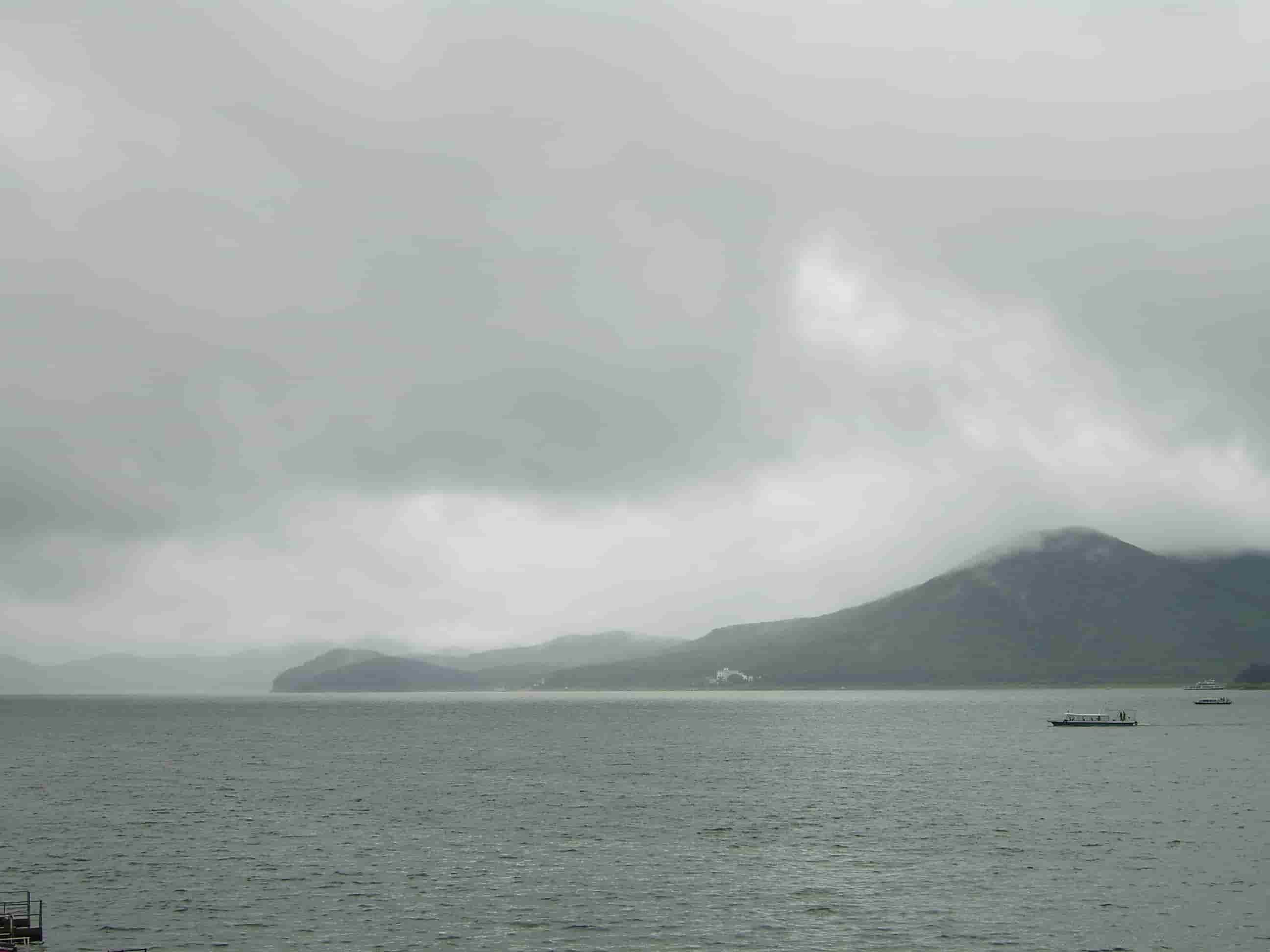
Songhua Lake
A large reservoir offering boating, fishing, and scenic views, especially in winter for ice activities.
Beidahu Ski Resort
Another premier ski destination known for hosting international competitions and having excellent powder snow.
Jilin Meteorite Museum
Museum dedicated to the largest meteorite shower in recorded history, with exhibits and specimens.
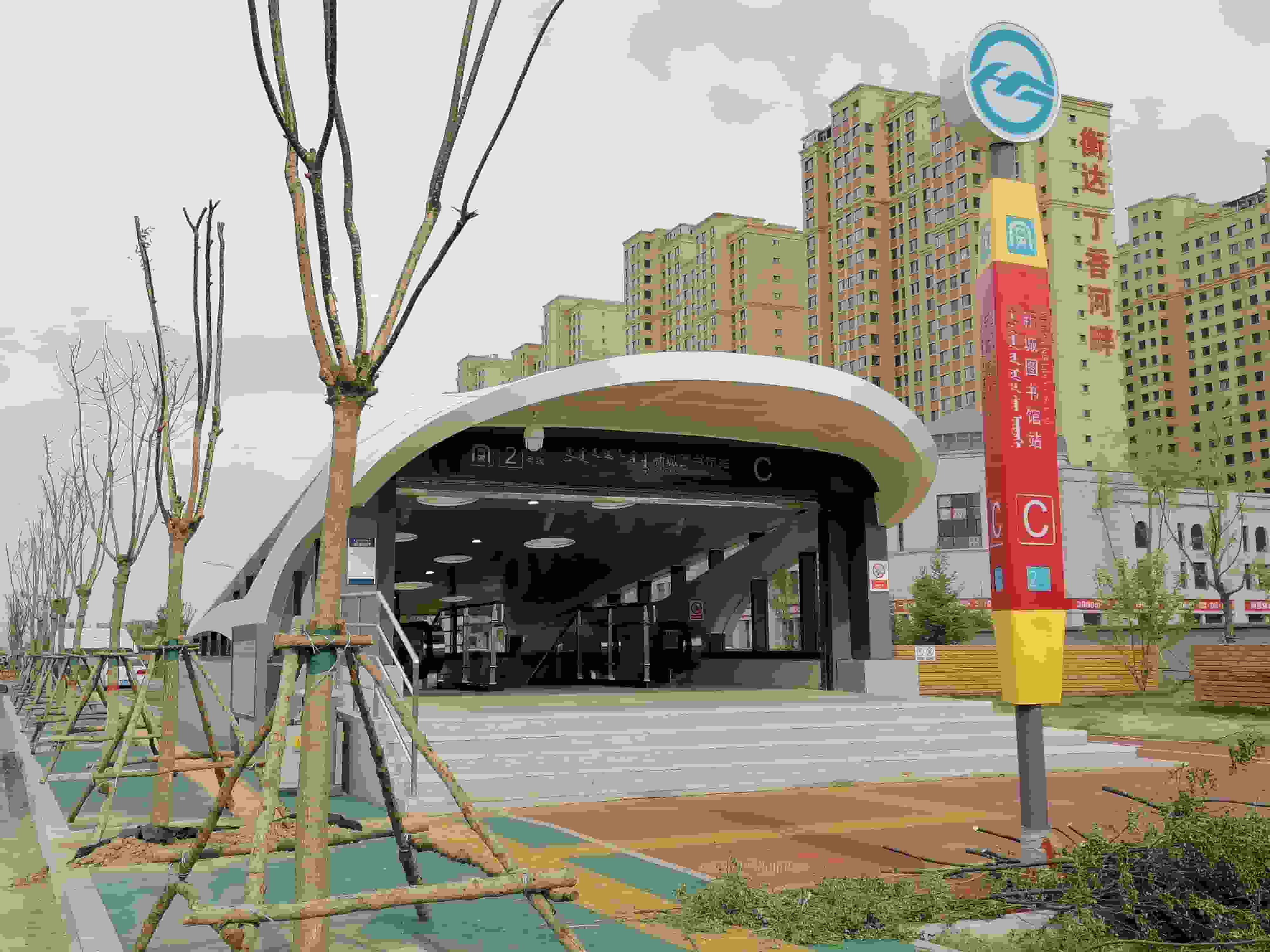
Beishan Park
Large park with lakes, pavilions, and recreational facilities, popular for leisure activities.
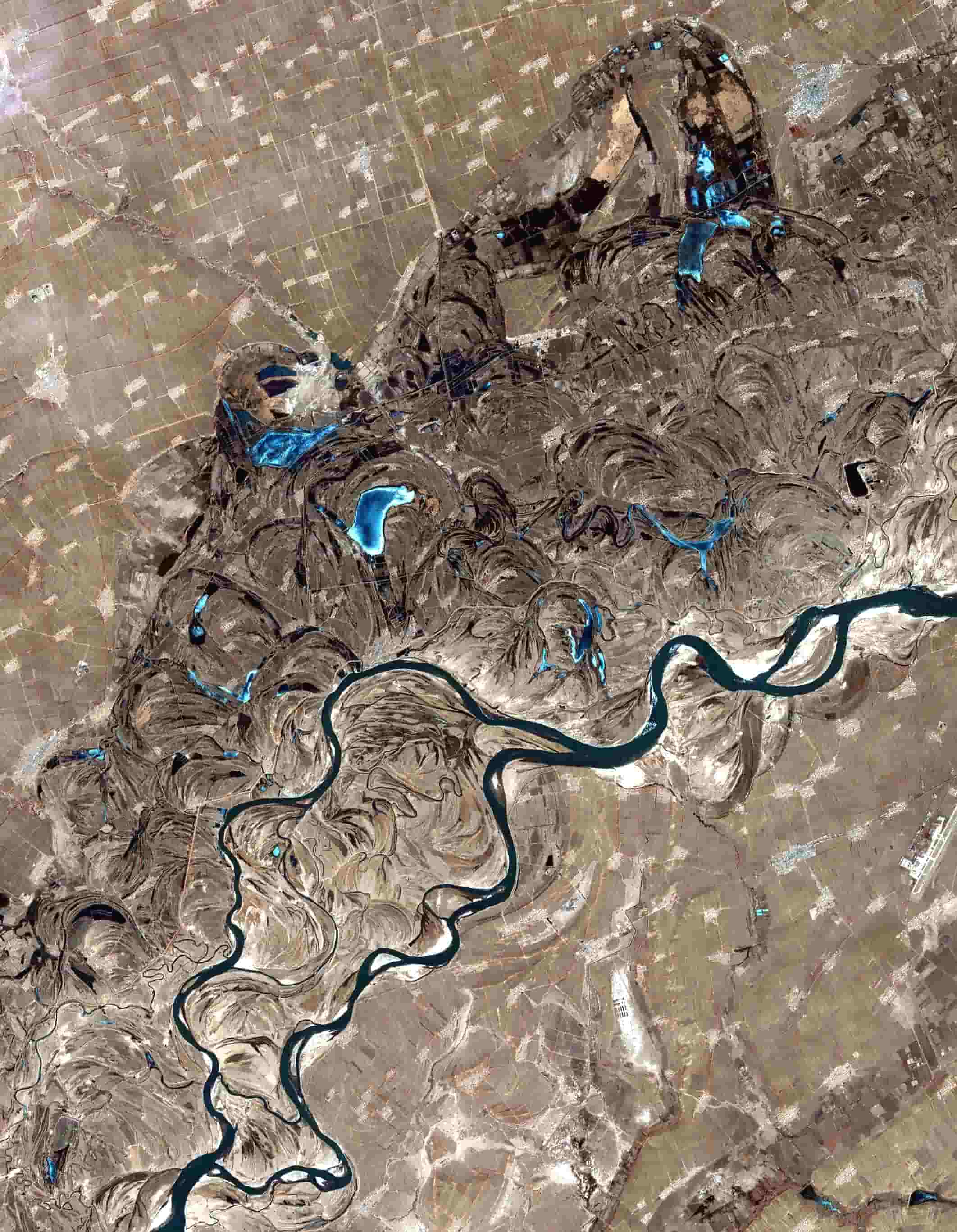
Songhua River
A major river famous for its winter rime ice scenery and pleasant riverside promenades.
Songhua Lake Ski Resort
A major ski resort with slopes for all levels, ski lifts, and winter sports facilities.
Tianjin Street Pedestrian Mall
Popular shopping and entertainment street.
Jilin Catholic Church
A historic Gothic-style church built in the early 20th century.
Jilin City Ski Resort
Ski resort with slopes and winter sports.
Local Temple
Traditional temple with peaceful gardens.
Wusong Island
A picturesque island on the Songhua River, popular for walks and views.
High-end shopping district
An area featuring luxury brands, designer stores, and upscale malls.
🏘️ Neighborhoods
Chuanying District
The bustling city center and main administrative hub. Home to Tianjin Street Pedestrian Mall, the Songhua River waterfront, and many hotels and restaurants.
Fengman District
Located south of the city center, this district is dominated by the massive Songhua Lake and the Fengman Dam. Offers resorts, water activities, and scenic views.
Longtan District
A historic district north of the river, featuring Beishan Park with its ancient temples and the impressive Longtan Mountain. A quieter, more cultural area.
Changyi District
An important transportation hub containing Jilin Railway Station. A practical area with many business hotels and convenient access to public transport.
Beidahu Ski Resort Area
Not a city district per se, but a major destination northwest of the city. A purpose-built ski village with hotels, restaurants, and slopeside access.
Songjiang Riverside
The scenic belt along the Songhua River, especially beautiful from Jiangcheng Square to the Catholic Church. Lined with parks and ideal for walks and photography.
🍽️ Local Cuisine
Jilin City's cuisine is hearty and flavorful, reflecting its cold climate and multicultural influences. Signature dishes include 'Braised Pork with Vermicelli' (猪肉炖粉条), a warming stew, and 'Pot-Bagged Meat' (锅包肉), a crispy, sweet-and-sour fried pork dish that originated in the Northeast. Korean influences are strong, so don't miss authentic Korean barbecue and cold noodles (冷面). Street food is a delight; try grilled skewers, 'jianbing' (savory crepes), and sugar-coated hawthorns on a stick. For dining, explore areas around Tianjin Street Pedestrian Mall and near universities for vibrant, affordable options. Meal prices range from 20-50 RMB for street food or a simple noodle shop to 80-150 RMB per person for a sit-down restaurant. Etiquette is generally informal; sharing dishes is common, and a simple 'ganbei' (cheers) is appreciated during meals.
💡 Local Tips
🚗 Day Trip Ideas
Beidahu Ski Resort
A world-class ski resort with slopes for all levels, a ski jump venue, and a scenic alpine village. Offers skiing, snowboarding, and summer hiking.
Songhua Lake (Fengman Scenic Area)
A vast, beautiful reservoir perfect for boat tours, fishing, hiking along the shore, and visiting the impressive Fengman Dam.
Changchun
The provincial capital, home to the Puppet Emperor's Palace, impressive museums, and vibrant shopping districts like Chongqing Road.
Jiaohe Ancient City
An archaeological site with remnants of an ancient Bohai Kingdom (698-926 AD) city, including city walls and foundations.
Lafa Mountain
A scenic mountain area offering hiking trails, Buddhist temples, and stunning views, especially during the autumn foliage season.
🛡️ Safety Tips
Jilin City is generally very safe for travelers, with low violent crime rates. Standard precautions apply: be aware of your belongings in crowded areas like Tianjin Street or bus stations to guard against petty theft. Scams are rare but be cautious with unsolicited tour guides or taxi drivers not using the meter. Traffic can be hectic, so cross streets carefully. In winter, the primary safety concern is the extreme cold; dress appropriately to prevent frostbite and hypothermia. Sidewalks can be icy, so wear shoes with good traction. For emergencies, dial 110 for police, 120 for medical ambulance, and 119 for fire. Tap water is not for drinking; use bottled water. Most hospitals have international clinics, but travel insurance is recommended.
💰 Budget Guide
Jilin City is an affordable destination. Budget travelers can manage on 200-300 RMB per day: stay in hostels or budget hotels (80-150 RMB/night), eat street food and at local noodle shops (30-50 RMB/meal), use public buses (2-4 RMB/ride), and visit free attractions like Beishan Park. Mid-range travelers spending 400-700 RMB/day can enjoy comfortable 3-4 star hotels (250-400 RMB/night), dine at nice local restaurants (60-100 RMB/meal), take taxis occasionally, and pay for ski lift tickets or museum entries. Luxury at 1000+ RMB/day includes 5-star hotels or resort stays, fine dining, private tours, and premium ski experiences. Money-saving tips: visit in shoulder seasons (spring/autumn) for lower hotel rates, use public transport, eat where locals eat, and look for bundled attraction tickets. Many parks and temples have minimal or no entry fees.