Welcome to Chongqing
Chongqing, a sprawling metropolis in southwestern China, is a city of dramatic contrasts and breathtaking topography. Often called the 'Mountain City' or the 'Fog City,' it rises from the confluence of the mighty Yangtze and Jialing Rivers in a dizzying cascade of skyscrapers, bridges, and steep staircases carved into hillsides. As one of China's four direct-controlled municipalities, Chongqing is a powerhouse of industry and culture, famous for its fiery hotpot, sultry climate, and the mesmerizing nightscape where neon lights reflect on the rivers. Its unique urban landscape, built on hills with limited flat land, creates a vertical cityscape navigated by a fascinating network of monorails, cable cars, and escalators. With its strategic position as the gateway to the Three Gorges and a rich history as a wartime capital, Chongqing offers a raw, energetic, and unforgettable Chinese urban experience. The city is well-equipped for visitors, boasting an impressive 3965 hotels ranging from riverside luxury to cozy guesthouses, ensuring a comfortable base for exploring its many layers.
Overview
Chongqing is a city defined by its geography and history. Its story is one of resilience, having served as the provisional capital of China during the Second Sino-Japanese War, which spurred rapid development and an influx of diverse cultures. Today, it's a vital economic hub in western China, known for its massive manufacturing and logistics sectors. Culturally, it is the heart of Sichuanese (though administratively separate) cuisine, most famously the mouth-numbing, spicy Chongqing hotpot. The city is famous for its lack of bicycles—its steep hills make them impractical—and for its 'bangbang' army, porters who carry goods on bamboo poles. Main districts include Yuzhong District, the historical and commercial core housing Jiefangbei CBD and Hongya Cave; Shapingba, a university and cultural district; Jiangbei, a modern financial and business center; and Nan'an, which offers stunning river views. From the ancient alleyways of Ciqikou to the futuristic monorails snaking through apartment buildings, Chongqing is a living museum of China's past and its breakneck-speed future.
🗓️ Best Time to Visit
The best times to visit Chongqing are during the spring (March to May) and autumn (September to November). These seasons offer the most pleasant weather, with mild temperatures, lower humidity, and less frequent fog and rain, making outdoor exploration comfortable. Spring brings blooming flowers, while autumn provides clear, crisp skies ideal for photography. Summer (June to August) is the peak tourist season but is intensely hot, humid, and rainy, often called one of China's 'Three Furnaces.' This is when the city's famous fog is at its thinnest, but heat can be oppressive. Major summer events include various hotpot festivals. Winter (December to February) is the off-peak season; it's chilly, damp, and perpetually shrouded in thick, atmospheric fog. While less crowded and hotel prices are lower, the gloom can obscure the famous views. The Chinese New Year (January/February) sees the city decorated and lively, but travel is extremely busy nationwide.
🌤️ Weather & Climate
Chongqing has a humid subtropical monsoon climate characterized by hot, humid summers, mild and damp winters, and high annual rainfall. It is famously foggy, especially from late autumn to early spring.
Seasons
Spring
💨 Humidity: moderate
Pleasant and mild with increasing warmth. Blooming flowers and occasional rain showers.
Summer
💨 Humidity: high
Extremely hot, humid, and rainy. Frequent thunderstorms and intense heatwaves. Fog is minimal.
Autumn
💨 Humidity: moderate
The most comfortable season. Cool, crisp air, less rain, and clearer skies. Ideal for sightseeing.
Winter
💨 Humidity: high
Chilly, damp, and perpetually overcast with thick, persistent fog. Rarely sees snow, but feels colder due to humidity.
Monthly Weather Details
January Weather
Best for: indoor activities, hotpot
February Weather
Best for: indoor activities, cultural sites
March Weather
Best for: sightseeing, parks
April Weather
Best for: sightseeing, outdoor exploration
May Weather
Best for: river cruises, outdoor dining
June Weather
Best for: indoor attractions, evening views
July Weather
Best for: indoor attractions, shopping malls
August Weather
Best for: indoor attractions, nightlife
September Weather
Best for: ideal sightseeing, hiking
October Weather
Best for: ideal sightseeing, photography
November Weather
Best for: sightseeing, cultural sites
December Weather
Best for: indoor activities, hotpot
🎒 What to Pack
All Year Round
- umbrella
- comfortable walking shoes
- layers
🚗 Getting Around
Navigating Chongqing's 3D landscape is an adventure. The backbone is its efficient, extensive metro system, including the iconic Line 2 which becomes a monorail offering stunning city views. Buses cover every corner but can be confusing for non-Mandarin speakers. Taxis and ride-hailing apps (Didi) are abundant and affordable for shorter trips, though traffic jams are common. A unique must-try is the Yangtze River Cableway, a historic aerial tramway providing breathtaking panoramas. For river crossings, public ferries are a cheap and scenic option. Walking is rewarding in pedestrian areas like Ciqikou or Jiefangbei, but be prepared for steep climbs and endless stairs—comfortable shoes are essential. Biking is not practical due to the terrain. From Chongqing Jiangbei International Airport (CKG), the metro Line 3/10 provides a cheap (approx. $1-2) and fast connection to the city center, while taxis cost around $15-25. A transportation card (宜居畅通卡) is highly recommended for seamless travel on metro and buses.
🎯 Top Attractions
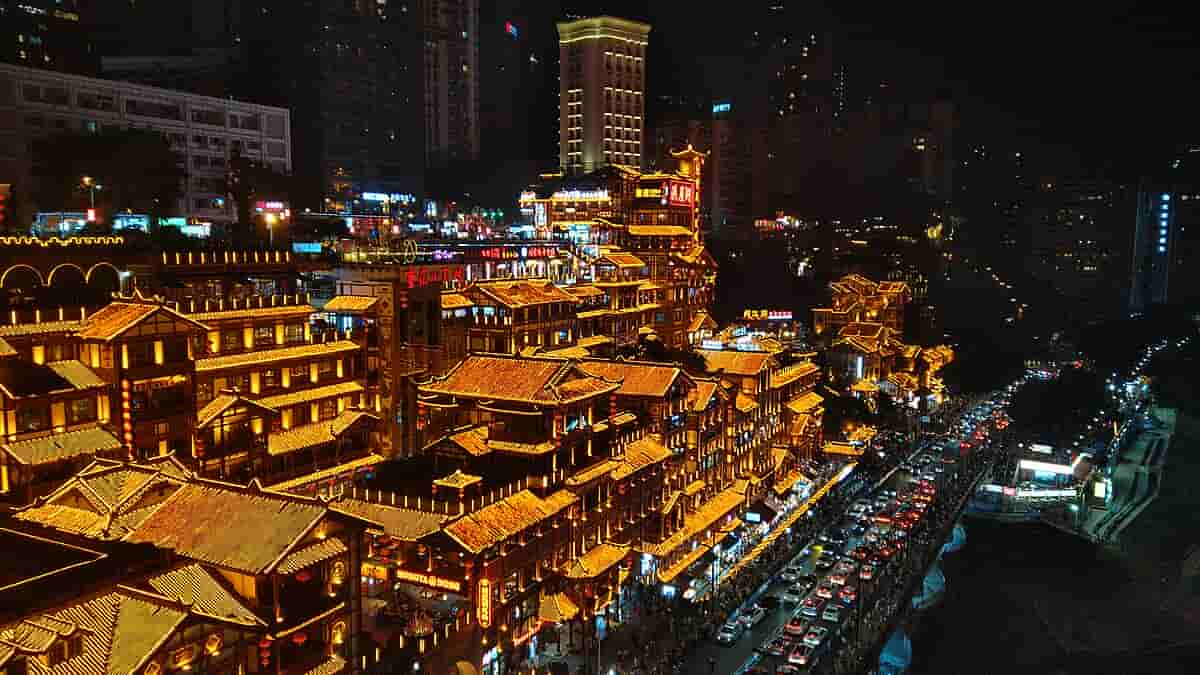
Hongya Cave
A unique stilted building complex on the riverbank, known for its traditional architecture, shops, and night views.
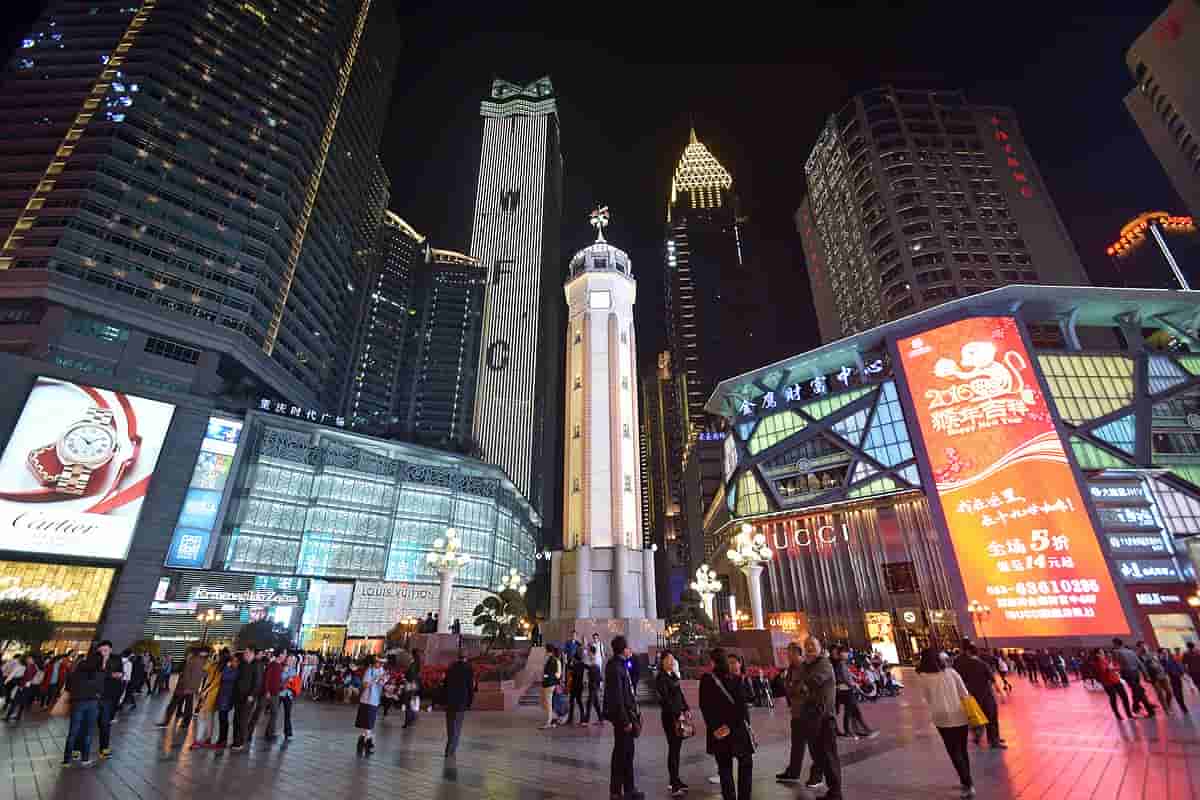
Jiefangbei
Chongqing's main commercial center, known for its shopping, dining, and iconic monument.
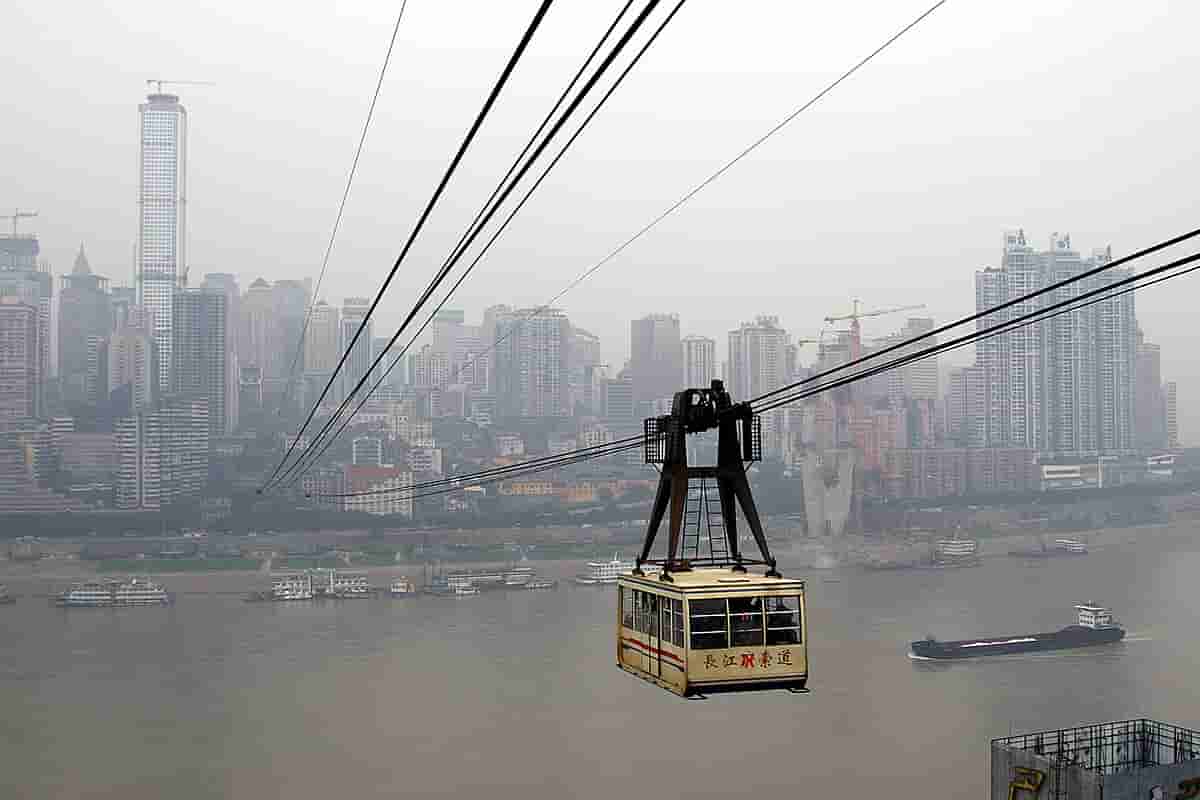
Yangtze River Cableway
A scenic cable car ride offering breathtaking aerial views of the Yangtze River and cityscape.
Jiefangbei Square
Chongqing's central commercial district, full of shops, restaurants, and entertainment options.
Ci Qi Kou Ancient Town
A well-preserved ancient town on the Jialing River, known for its traditional architecture.
Jiefangbei Pedestrian Street
The city's bustling commercial and financial center, famous for its monumental People's Liberation Monument.
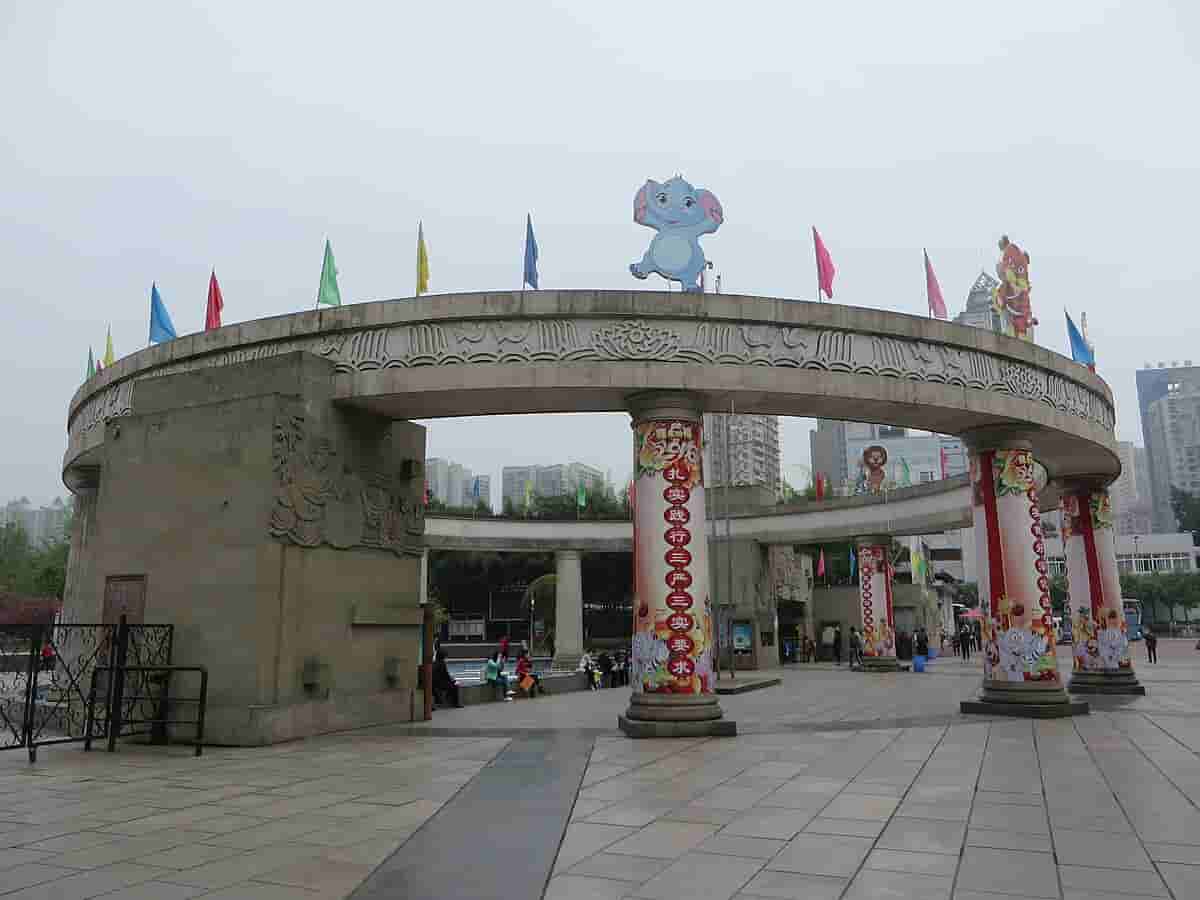
Chongqing Zoo
A large zoo famous for its giant panda exhibit and a wide variety of other animals.
Chaotianmen Square
A vibrant public square known for its impressive architecture, street food stalls, and panoramic views of the Yangtze River.
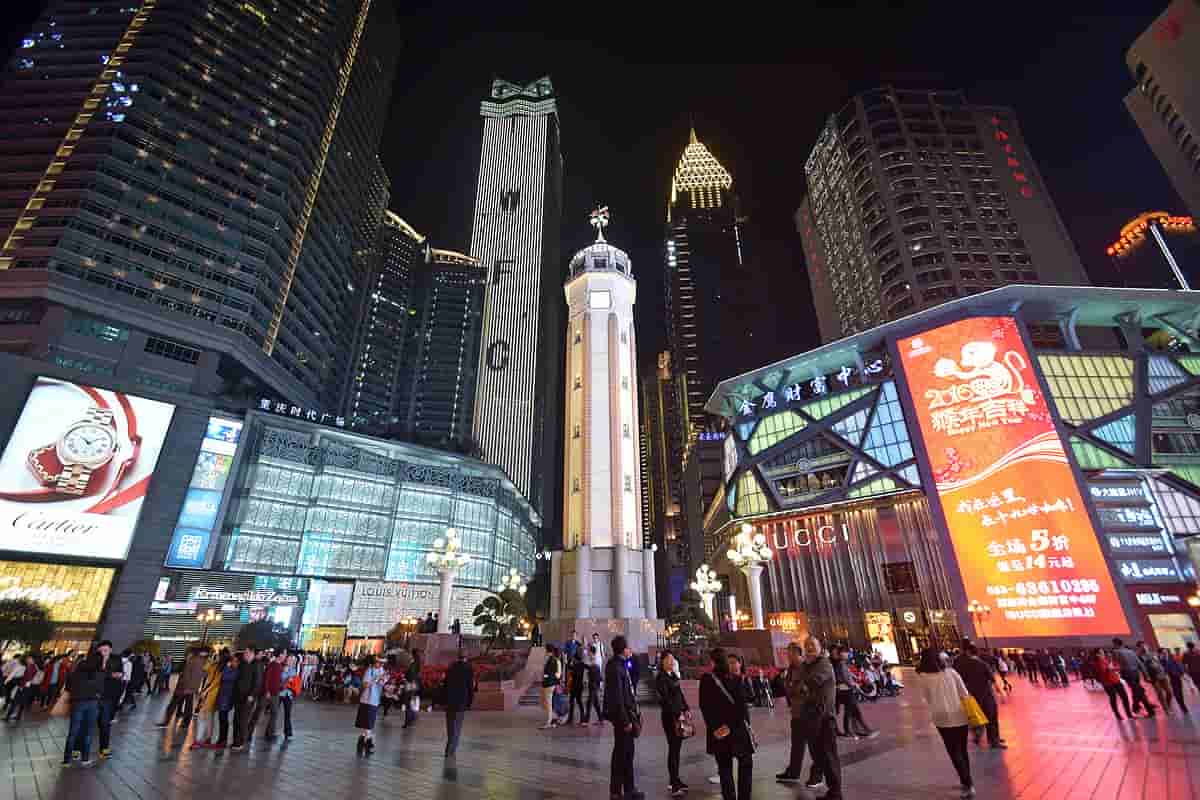
Jiefangbei CBD
The central business district featuring skyscrapers, shopping malls, and the People's Liberation Monument.
Ciqikou Ancient Town
A well-preserved historic district featuring traditional architecture, local shops, and delicious street food.
Hongye Cave Scenic Area
Unique karst cave system with guided trails.
Chongqing Expo Museum
Tech exhibition highlighting China's innovation hub.
🏘️ Neighborhoods
Yuzhong (Jiefangbei)
The historical and commercial heart of Chongqing, home to the Jiefangbei CBD, Hongya Cave, and Chaotianmen Square. A dense, bustling area of skyscrapers, shopping, and major attractions.
Jiangbei (Guanyinqiao)
A modern financial and business district north of the Jialing River. Features upscale malls, corporate headquarters, and a slightly more orderly, planned urban feel compared to Yuzhong.
Shapingba
A major university district with a youthful, cultural vibe. Home to Chongqing University, numerous bookstores, cafes, and a more relaxed pace. Close to Ciqikou Ancient Town.
Nan'an (Nanbin Road)
Stretches along the southern bank of the Yangtze, famous for its beautiful riverside promenades and unparalleled views of the Yuzhong skyline. A popular area for dining and evening strolls.
Yubei (New North Zone)
A sprawling, modern district housing the international airport and many expat communities. Features international schools, large villas, and suburban-style living with shopping complexes.
Ciqikou Ancient Town
Not just a tourist attraction but a distinct neighborhood preserving old Chongqing's architecture and atmosphere. Narrow streets filled with tea houses, snack stalls, and craft shops.
🍽️ Local Cuisine
Chongqing cuisine is synonymous with bold, mouth-numbing spice, courtesy of the liberal use of Sichuan peppercorns and fiery chili. The undisputed king is Chongqing Hotpot: a bubbling, oil-based broth filled with chili and Sichuan pepper, used to cook thinly sliced meats, offal, and vegetables. Another classic is Chongqing Spicy Chicken (La Zi Ji), featuring crispy fried chicken buried in a mountain of dried chilies. For breakfast, try Xiao Mian—simple, spicy noodles in a complex broth. Street food thrives; seek out spicy skewers (Chuan Chuan) and Sichuan dumplings (Sui Jiao). The dining culture is loud, communal, and informal. Popular food areas include Nanbin Road for hotpot with a view, Ciqikou for snacks and tea, and the countless 'fly restaurants' (informal local eateries) hidden in backstreets. Price ranges from $2-5 for street food and noodles, $10-20 per person for a casual restaurant meal, to $30+ for upscale hotpot. Etiquette is straightforward: dive in, share dishes, and don't be shy about sweating—it's part of the experience.
💡 Local Tips
🚗 Day Trip Ideas
Dazu Rock Carvings
A UNESCO World Heritage Site featuring stunning Buddhist, Confucian, and Taoist rock sculptures dating from the 9th-13th centuries.
Wulong Karst National Geology Park
Spectacular natural landscape featuring the Three Natural Bridges, giant sinkholes, and limestone gorges, a UNESCO site and film location.
Fengdu Ghost City
An ancient town on the Yangtze's north bank, famous for its temples and statues depicting the Chinese afterlife and underworld mythology.
Ciqikou Ancient Town
While technically in the city, this well-preserved ancient town feels like a step back in time with its tea houses, snacks, and traditional architecture.
Heishan Valley
A scenic area with forests, streams, and waterfalls, offering hiking and a cool escape from the city's summer heat.
🛡️ Safety Tips
Chongqing is generally a safe city for travelers, with a low violent crime rate. However, standard big-city precautions apply. Be vigilant against petty theft in crowded areas like Jiefangbei Pedestrian Street and on busy public transport. Common scams include overcharging by unofficial taxi drivers (always use metered taxis or Didi) and tea house scams where tourists are lured in and presented with exorbitant bills. Be cautious when walking near steep riverbanks and always use designated crossings, as traffic can be chaotic. Spicy food may upset sensitive stomachs; have medication on hand and drink bottled water. Air pollution can be an issue; sensitive individuals may want masks. Key emergency numbers: Police 110, Fire 119, Ambulance 120. For non-emergency tourist assistance, dial 12301.
💰 Budget Guide
Chongqing offers good value, though costs are rising. A daily budget can be broken down as follows: Budget ($30-50): Dorm bed or basic hotel ($15-25), street food and noodles ($5-10), public transport ($2-5), free sights (walking the old towns, city views). Mid-Range ($80-150): Comfortable 3-4 star hotel ($50-90), restaurant meals and hotpot ($15-30), taxis/metro ($5-10), paid attractions and cable car rides ($10-20). Luxury ($200+): 5-star riverside hotel ($120+), fine dining ($50+), private car tours, premium spa experiences. Money-saving tips: Purchase a transportation card for discounted fares, eat at local 'fly restaurants' and food streets, visit many free public parks and viewpoints, and avoid shopping in major tourist traps like Hongya Cave's main levels. Accommodation outside the very core Yuzhong district often provides better value.