Welcome to Hangzhou
Nestled in the heart of Zhejiang province, Hangzhou is a city where ancient poetry and modern dynamism converge with breathtaking grace. For centuries, it has been celebrated as one of China's most beautiful cities, immortalized by Marco Polo and countless Chinese poets who deemed it 'paradise on earth.' The city's soul is the ethereal West Lake, a UNESCO World Heritage site whose misty waters, pagoda-dotted islands, and willow-lined causeways inspire contemplation. Yet, Hangzhou is far more than a scenic postcard; it's a thriving tech hub, the home of e-commerce giant Alibaba, and a city pulsating with youthful energy. With a remarkable 2629 hotels ranging from lakeside luxury resorts to cozy boutique stays, averaging around $99 a night, Hangzhou is wonderfully accessible for travelers seeking both serenity and urban excitement. Whether you're sipping the world-renowned Longjing tea in a hillside plantation, cruising the ancient Grand Canal, or exploring futuristic shopping malls like In77, Hangzhou offers a layered, unforgettable journey through the past, present, and future of China.
Overview
Hangzhou's history as a cultural and economic powerhouse dates back over a millennium, serving as the capital of the Southern Song Dynasty and a pivotal terminus of the Grand Canal. This legacy is woven into its fabric, from the serene Lingyin Temple, one of China's most significant Buddhist monasteries, to the bustling Qinghefang Ancient Street, which preserves the architecture and crafts of old Hangzhou. The city is globally famous for two things: the sublime beauty of West Lake and its production of Longjing (Dragon Well) tea, considered the finest green tea in China. Modern Hangzhou is divided into distinct districts: the West Lake District is the tourist and scenic heart; Shangcheng and Xiacheng are central urban areas with business and shopping; Binjiang is the modern tech hub across the Qiantang River; and Yuhang is a growing suburban area. The city seamlessly blends its historic charm with cutting-edge innovation, evident in its efficient metro system, eco-friendly public bike sharing, and vibrant digital payment culture.
🗓️ Best Time to Visit
The best times to visit Hangzhou are spring (March to May) and autumn (September to November). Spring brings mild temperatures, blooming flowers around West Lake, and the fresh harvest of Longjing tea, creating a picture-perfect, albeit popular, season. Autumn offers clear, crisp skies, comfortable weather, and stunning golden and red foliage, making it ideal for hiking and lakeside strolls. Summer (June-August) is hot, humid, and rainy, with peak tourist crowds, though it's lively with events. Winter (December-February) is cold and damp, with occasional light snow, offering a stark, quiet beauty and fewer tourists. Major seasonal events include the West Lake International Fireworks Festival (typically October), the Longjing Tea Festival (late March-April), and the Qiantang River Tidal Bore viewing period around the Mid-Autumn Festival. To avoid the largest domestic tourist crowds, steer clear of national holidays like Chinese New Year and Golden Week in early October.
🌤️ Weather & Climate
Hangzhou has a humid subtropical climate with four distinct seasons. It features hot, humid, and rainy summers, and chilly, damp winters with occasional frost. Spring and autumn are relatively short but very pleasant.
Seasons
Spring
💨 Humidity: moderate
Mild and blooming, but often rainy. Perfect for tea plantation visits and flower viewing.
Summer
💨 Humidity: high
Hot, humid, and the rainy season. Expect frequent downpours and thunderstorms.
Autumn
💨 Humidity: moderate
The most comfortable season. Sunny, dry, and cool with beautiful foliage.
Winter
💨 Humidity: moderate
Chilly and damp, with overcast skies and occasional light snow. Indoor heating can be limited.
Monthly Weather Details
January Weather
Best for: cultural sights, temple visits
February Weather
Best for: Chinese New Year festivities
March Weather
Best for: early spring blossoms
April Weather
Best for: tea picking, West Lake walks
May Weather
Best for: hiking, outdoor activities
June Weather
Best for: lotus viewing, indoor attractions
July Weather
Best for: early morning outings
August Weather
Best for: shopping malls, evening cruises
September Weather
Best for: Qiantang tidal bore viewing
October Weather
Best for: autumn foliage, hiking
November Weather
Best for: sightseeing, photography
December Weather
Best for: festive lights, museum visits
🎒 What to Pack
All Year Round
- Umbrella or raincoat
- Comfortable walking shoes
- Power adapter
- Face masks
🚗 Getting Around
Hangzhou boasts an excellent, integrated public transport system. The metro network is clean, efficient, and expanding, with lines connecting major hubs like Hangzhou East Railway Station and Ding'an Road Metro Station to key attractions. The public bus system is extensive and very cheap. For shorter distances, Hangzhou's bike-sharing program (with dedicated lanes) is legendary and a delightful way to explore West Lake's perimeter. Taxis and ride-hailing apps (Didi) are plentiful and affordable. For airport transfers, Hangzhou Xiaoshan International Airport is connected to the city center by metro Line 19, airport shuttle buses, and taxis (a 45-60 minute ride). Costs are low: metro rides start around 2-4 RMB, bus fares are 2 RMB, bike rentals are often free for the first hour, and a cross-city taxi ride might cost 50-100 RMB. Purchasing a transportation card or using Alipay/WeChat Pay for all transit is highly recommended.
🎯 Top Attractions
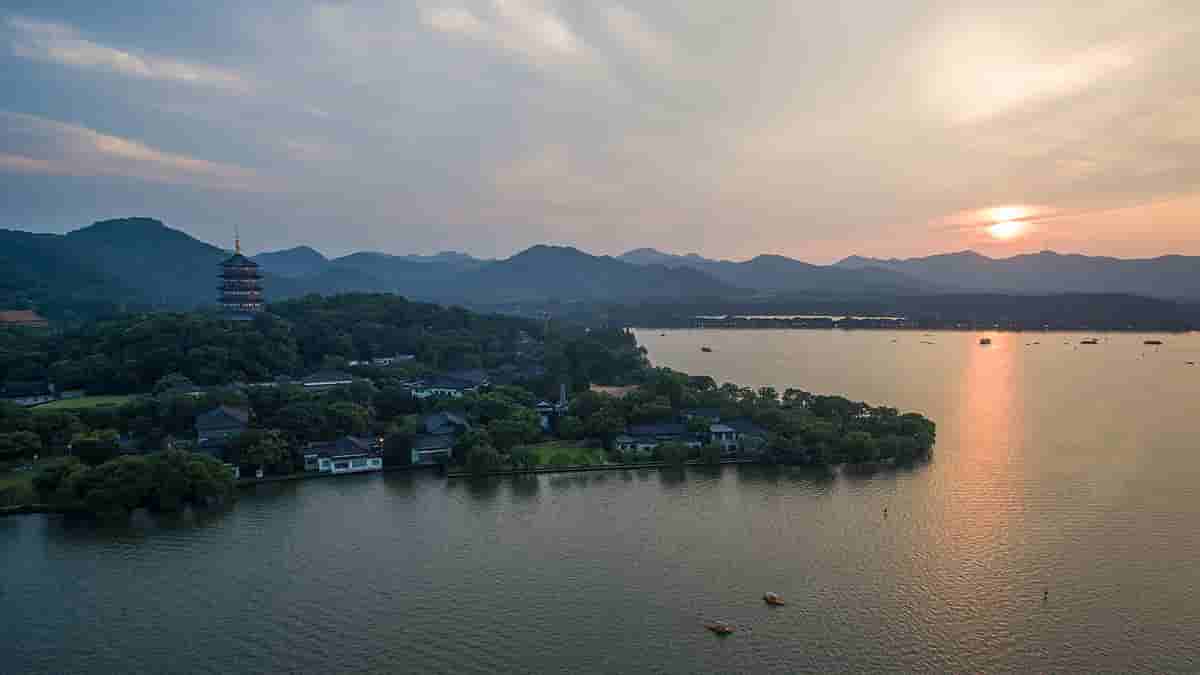
West Lake
A UNESCO World Heritage Site famed for its scenic beauty and traditional Chinese gardens, perfect for a leisurely stroll or boat ride.
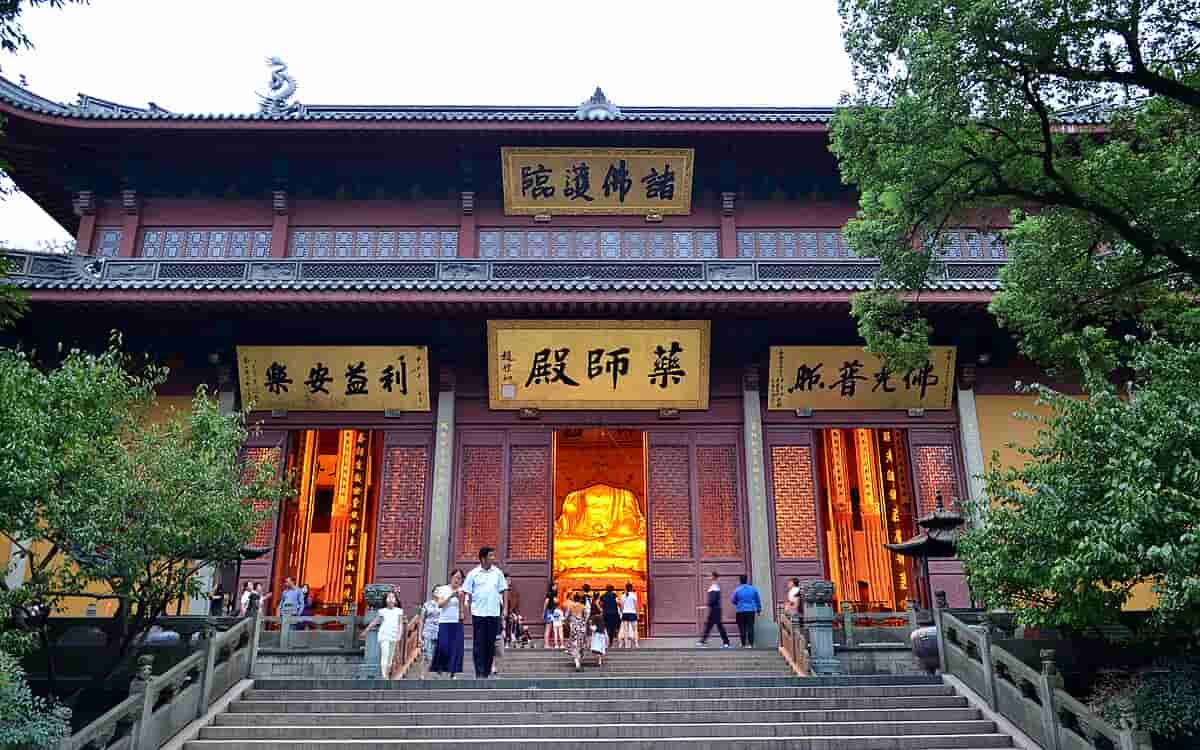
Lingyin Temple
A renowned Buddhist temple nestled in the hills, with intricate architecture and peaceful surroundings perfect for spiritual reflection.
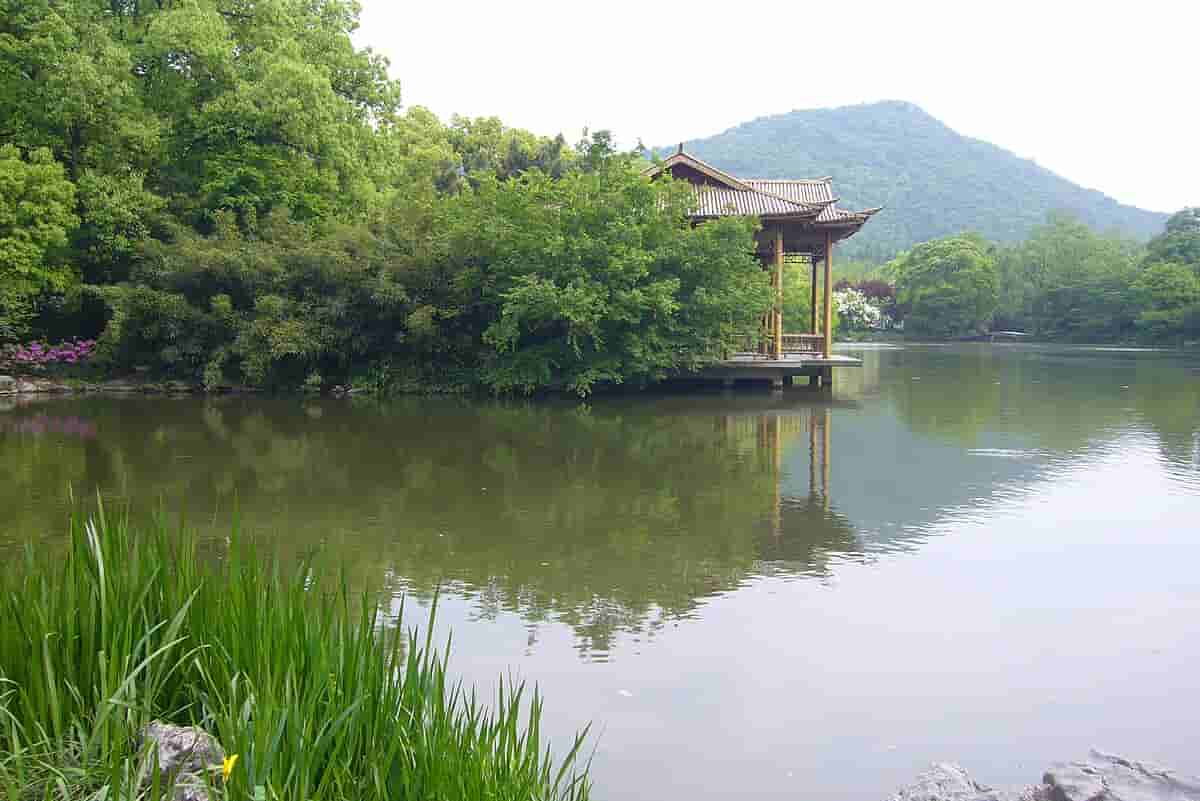
Xixi National Wetland Park
An urban wetland park known as the 'Kidney of Hangzhou,' famous for its serene waterways, lush greenery, and rich ecology.
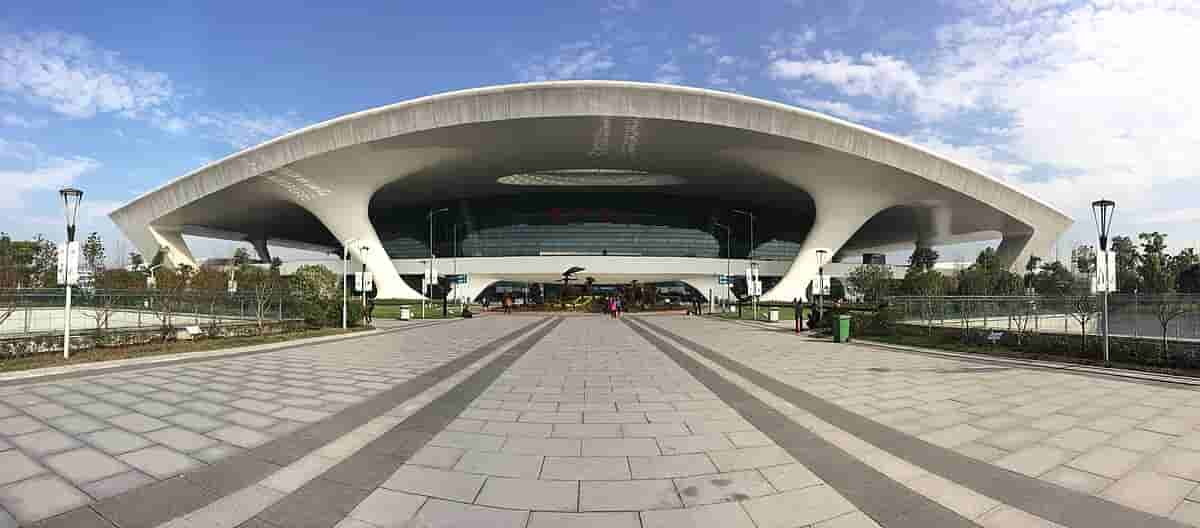
Hangzhou East Railway Station
Conveniently located just steps from the hotel, Hangzhou East Railway Station provides easy access to the rest of the city and surrounding regions.
Qinghefang Ancient Street
A historic street with traditional architecture, shops, and tea houses reflecting old Hangzhou.
Ding'an Road Metro Station
A subway station providing easy access to Hangzhou's public transport.
In77 Shopping Mall
A large shopping complex with international brands and dining options.
Hangzhou Grand Canal
An ancient waterway offering boat tours, scenic views, and a peek into Hangzhou's rich cultural history.
Hangzhou Paradise Amusement Park
A large theme park offering thrilling rides, live shows, and family-friendly entertainment for all ages.
Xingguang Avenue
Commercial street with shops and local eateries
Hangzhou Qianjiang New City
Modern business district with skyscrapers and lights.
Hangzhou Future Sci-tech City
Innovation hub with tech companies and exhibitions.
🏘️ Neighborhoods
West Lake (Xihu)
The scenic and cultural heart of Hangzhou, centered around the UNESCO-listed lake. Home to gardens, pagodas, causeways, and upscale hotels.
Shangcheng / Wulin Square
The central business and shopping district. Features major malls like In77, department stores, and is a major transport hub.
Qinghefang / Hefang Street
A historic neighborhood centered on a restored ancient street. Packed with traditional shops, snack stalls, tea houses, and museums.
Xixi (West Stream)
A quieter area dominated by the vast Xixi National Wetland Park. Offers a peaceful, natural escape within the city.
Binjiang
The modern tech hub south of the Qiantang River, home to Alibaba and other tech giants. Features modern architecture and expat-friendly amenities.
Gongshu / Grand Canal
The historic canal zone with renovated warehouses, museums, and cafes along the water. A blend of industrial heritage and hipster culture.
Xiacheng
A large, mostly residential district with local markets, everyday eateries, and good metro access. Offers an authentic local living experience.
🍽️ Local Cuisine
Hangzhou cuisine, part of the refined Zhejiang school, is known for its freshness, subtle sweetness, and beautiful presentation, often featuring bamboo shoots, freshwater fish, and tea. Must-try signature dishes include Dongpo Pork (braised, melt-in-your-mouth pork belly), West Lake Vinegar Fish (sweet and sour freshwater fish), Longjing Shrimp (stir-fried shrimp with tea leaves), and Beggar's Chicken (clay-baked chicken). Dining culture ranges from humble noodle shops serving Pian'er Chuan (noodle soup) to historic restaurants like Louwailou overlooking the lake. Key food areas are Gaoyin Street for local breakfast, Hefang Street for snacks, and the areas around In77 for diverse options. A budget meal can cost under 30 RMB, mid-range 50-150 RMB per person, and a luxury feast at a top restaurant from 300 RMB upwards. Etiquette is generally relaxed; sharing dishes is standard, and it's polite to try a bit of everything.
💡 Local Tips
🚗 Day Trip Ideas
Wuzhen Water Town
A beautifully preserved ancient canal town with stone bridges and traditional workshops. The east section is more touristy, the west more authentic.
Shaoxing
Famous as the 'Venice of the East' and the hometown of writer Lu Xun. Known for its canals, yellow rice wine, and historic culture.
Qiandao Lake (Thousand Island Lake)
A stunning artificial lake with over 1,000 islands, perfect for boat tours, hiking, and relaxing in resort hotels.
Ningbo
A major port city with a rich maritime history, featuring the Tianyige Museum (oldest private library) and charming old streets.
Moganshan
A lush bamboo-covered mountain retreat popular for hiking, historic villas, and escaping the summer heat.
🛡️ Safety Tips
Hangzhou is an exceptionally safe city for travelers, with low violent crime rates. Petty theft like pickpocketing can occur in crowded tourist areas, on buses, and at major train stations, so keep valuables secure. Be cautious of common scams such as 'tea ceremony' invitations that lead to exorbitant bills, or overpriced taxi rides (always insist on the meter or use Didi). Traffic can be hectic, so exercise caution when crossing streets. The tap water is not drinkable; always consume bottled or boiled water. Major hospitals have international clinics. Key emergency numbers: Police 110, Fire 119, Ambulance 120. For non-emergency tourist assistance, dial 12301. Having travel insurance and a VPN to access common Western websites and apps is recommended.
💰 Budget Guide
Hangzhou can cater to all budgets. A budget traveler can manage on 250-400 RMB per day: dorm bed (80 RMB), street food/cheap meals (60 RMB), public transport/bike (20 RMB), and free/low-cost sights (West Lake walks, some temples). Mid-range travelers spending 500-1000 RMB daily can enjoy comfortable hotel rooms (300-500 RMB), nice restaurant meals (100-150 RMB), taxi rides, and paid attraction entries. Luxury travel (1500+ RMB/day) affords lakeside 5-star hotels, gourmet dining, private guides, and spa treatments. Save money by using public bikes, visiting free scenic areas, eating at local noodle shops, and avoiding peak holiday travel. Many museums are free. Purchasing a combo ticket for West Lake attractions can offer savings.