Welcome to Iloilo
Welcome to Iloilo City, the vibrant and historic heart of the Western Visayas region in the Philippines. Often called the 'City of Love' for its warm and welcoming people, Iloilo is a captivating blend of rich Spanish colonial heritage, a dynamic modern economy, and a deep-seated cultural pride. Strategically located on the southeastern coast of Panay Island, it serves as a major gateway to the region's stunning beaches and islands. The cityscape is a fascinating juxtaposition, where centuries-old churches stand proudly alongside sleek convention centers and sprawling business parks like the Iloilo Business Park. The famous Iloilo River Esplanade offers a serene urban escape, while the city's culinary scene is legendary across the nation. With a comfortable range of accommodations, including 139 hotels averaging around $86 per night, Iloilo is an accessible and rewarding destination, perfect for a 2 to 3-day immersion into authentic Philippine culture and hospitality.
Overview
Iloilo City's history is deeply woven into the fabric of the Philippines. It was a major trading port during the Spanish colonial era, amassing great wealth from the sugar industry, which funded the construction of its magnificent heritage churches like the Gothic-Renaissance Molo Church and the neoclassical Jaro Cathedral, home to the revered image of Our Lady of Candles. The city is famous as the birthplace of the iconic Philippine textile, the 'piña' cloth, and the graceful 'pavement dancing' of the Dinagyang Festival. Today, Iloilo is a bustling metropolis divided into seven districts, including the bustling commercial hub of City Proper, the heritage-rich Jaro, and the modern Mandurriao district, home to the Iloilo Business Park and Convention Center. It's renowned for its well-planned infrastructure, clean and green initiatives, and its status as a UNESCO Creative City for Gastronomy, making it a city that honors its past while confidently embracing the future.
🗓️ Best Time to Visit
The best time to visit Iloilo is during the dry season, which runs from December to May. January is particularly spectacular due to the world-famous Dinagyang Festival, a vibrant, high-energy street dancing competition honoring the Santo Niño. This period offers sunny skies and lower humidity, ideal for exploring historical sites and the Esplanade. The months of March to May are the hottest and driest, perfect for day trips to nearby beaches, though be prepared for intense sun. The rainy season spans June to November, with August to October seeing the heaviest rainfall and occasional typhoons. While hotel rates may be lower during this off-peak period, outdoor activities can be disrupted. For a balance of good weather and cultural immersion without the peak festival crowds, consider visiting in February or late November.
🌤️ Weather & Climate
Iloilo has a tropical climate characterized by high temperatures and humidity year-round, with two distinct seasons: a dry season from December to May and a pronounced rainy season from June to November.
Seasons
Dry Season
💨 Humidity: moderate to high
Sunny and hot, especially from March to May. Ideal for all outdoor activities, festivals, and beach trips. January hosts the Dinagyang Festival.
Rainy Season
💨 Humidity: high
Frequent heavy showers and thunderstorms, with peak rainfall and typhoon risk from August to October. Lush greenery but potential for travel disruptions.
Monthly Weather Details
January Weather
Best for: festivals, sightseeing
February Weather
Best for: sightseeing, beaches
March Weather
Best for: beaches, outdoor activities
April Weather
Best for: beaches, water activities
May Weather
Best for: indoor attractions, early beach trips
June Weather
Best for: museum visits, culinary tours
July Weather
Best for: indoor activities, shopping malls
August Weather
Best for: indoor cultural sites
September Weather
Best for: indoor activities only
October Weather
Best for: indoor activities only
November Weather
Best for: sightseeing between showers
December Weather
Best for: Christmas festivities, sightseeing
🎒 What to Pack
All Year Round
- lightweight clothing
- umbrella or raincoat
- sunscreen (SPF 50+)
- insect repellent
- reusable water bottle
- comfortable walking shoes
☀️ Dry Season
- hat
- sunglasses
- swimwear
- light cover-up for sun
🚗 Getting Around
Navigating Iloilo is relatively straightforward. The most iconic and affordable mode of transport is the jeepney, with fixed routes covering the entire city; just hail one and pay the minimal fare (around ₱9-15). For more direct routes, modernized jeepneys and air-conditioned vans (called 'UV Express') are available. Taxis are plentiful, metered, and inexpensive for shorter trips within the city. Ride-sharing apps like Grab are also operational and reliable. For the adventurous, renting a bicycle or taking a leisurely walk is highly enjoyable along the extensive Iloilo River Esplanade network, which connects several key districts. Tricycles are best for short, inner-district trips. From Iloilo International Airport, which is about a 30-minute drive from the city center, you can take an airport taxi (fixed rate, around ₱300-400) or arrange a hotel transfer.
🎯 Top Attractions
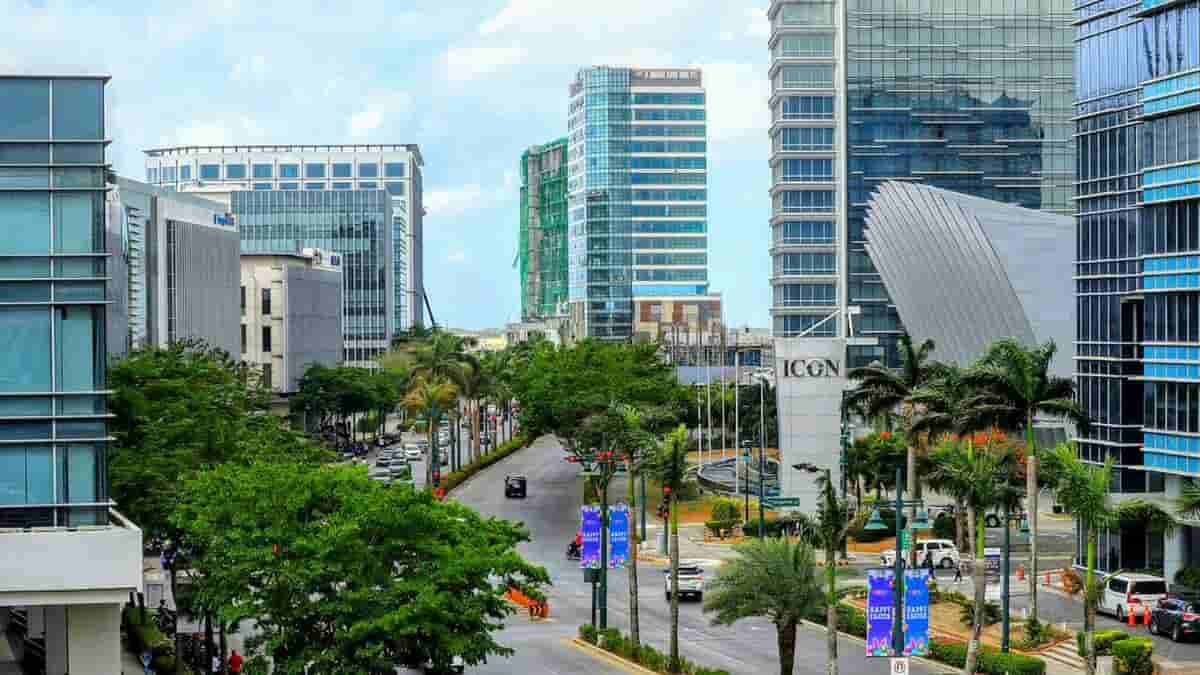
Iloilo Business Park
Modern commercial complex with shopping, dining, and entertainment options
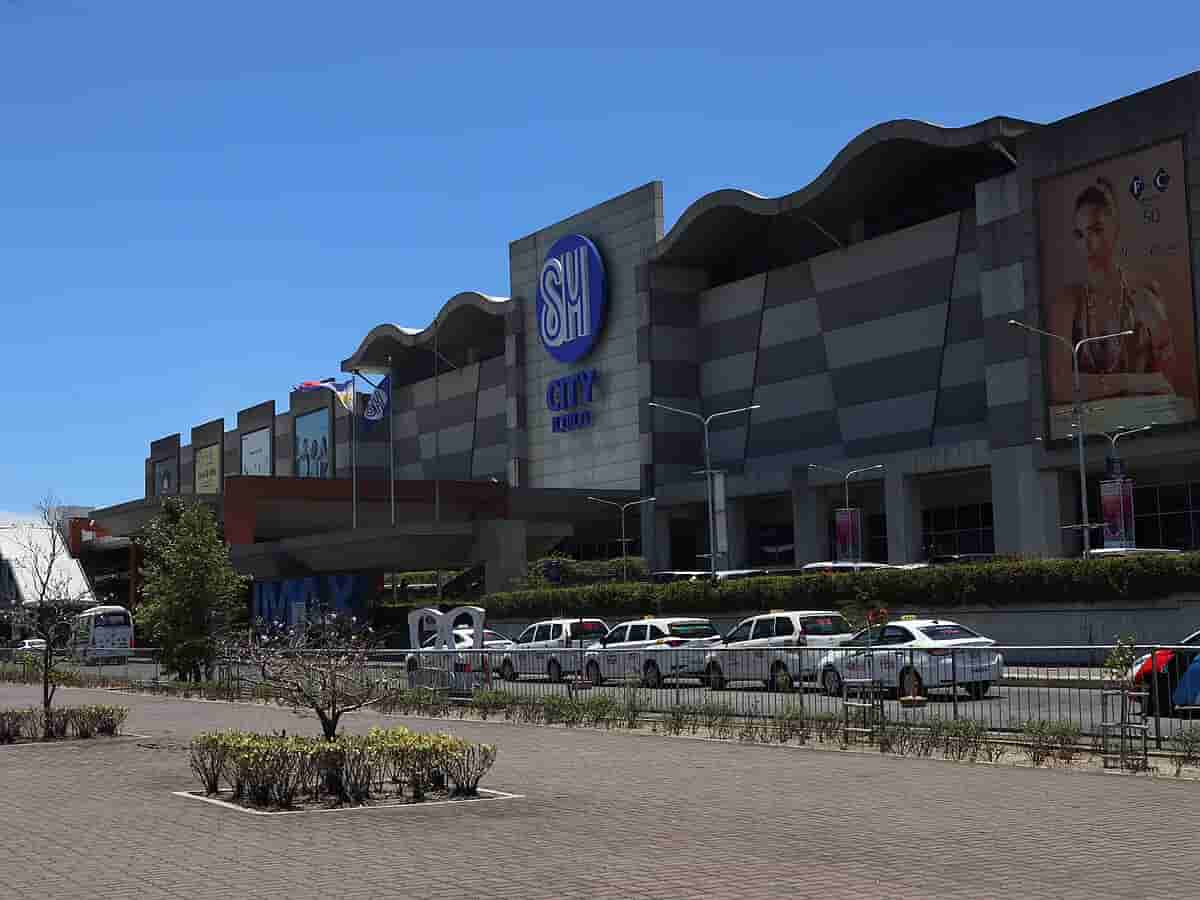
SM City Iloilo
A large shopping mall with a wide range of retail stores, dining options, and entertainment facilities.
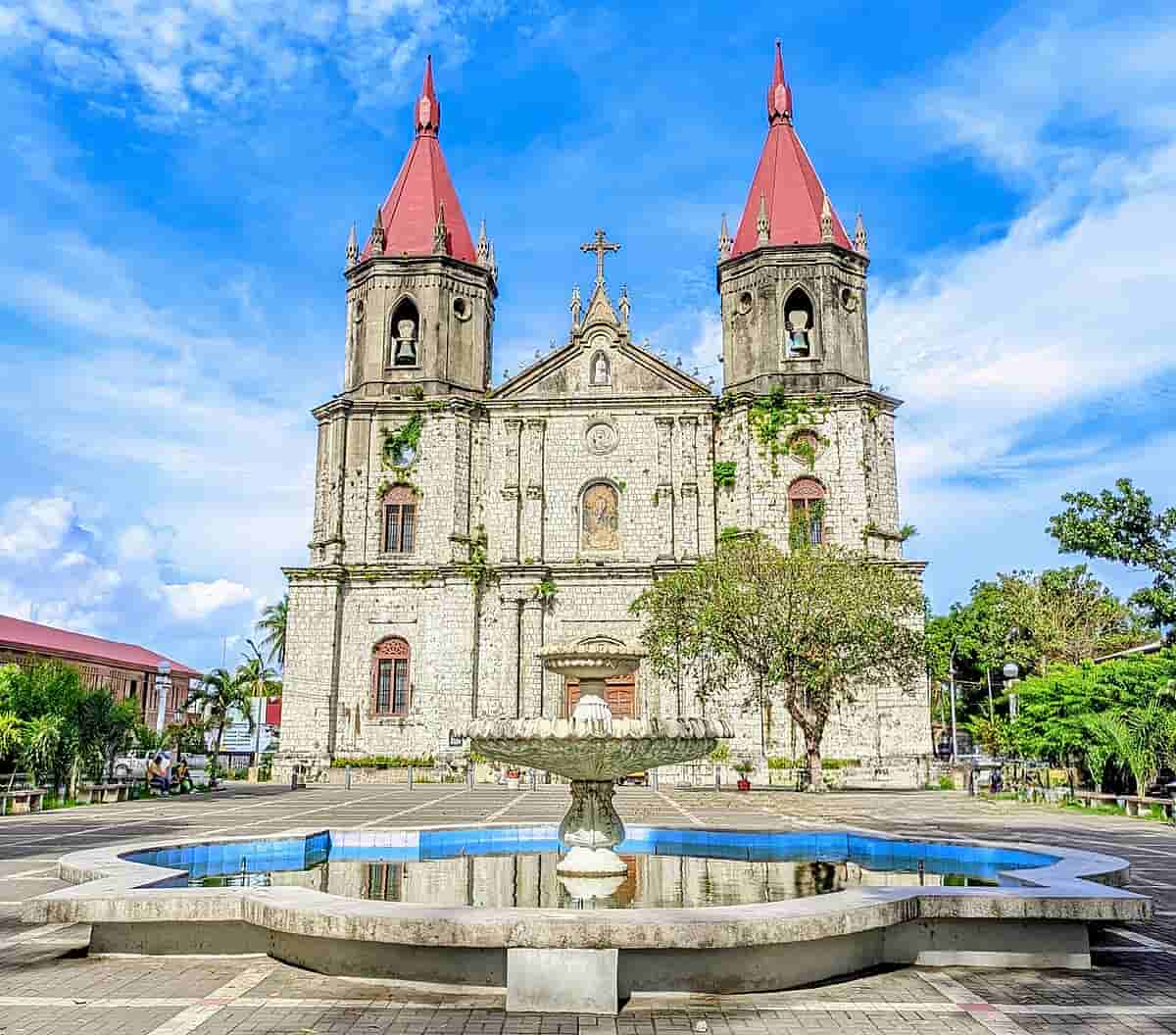
Molo Church
A historic Gothic-Renaissance church known as the 'feminist church' due to its all-female saint statues.
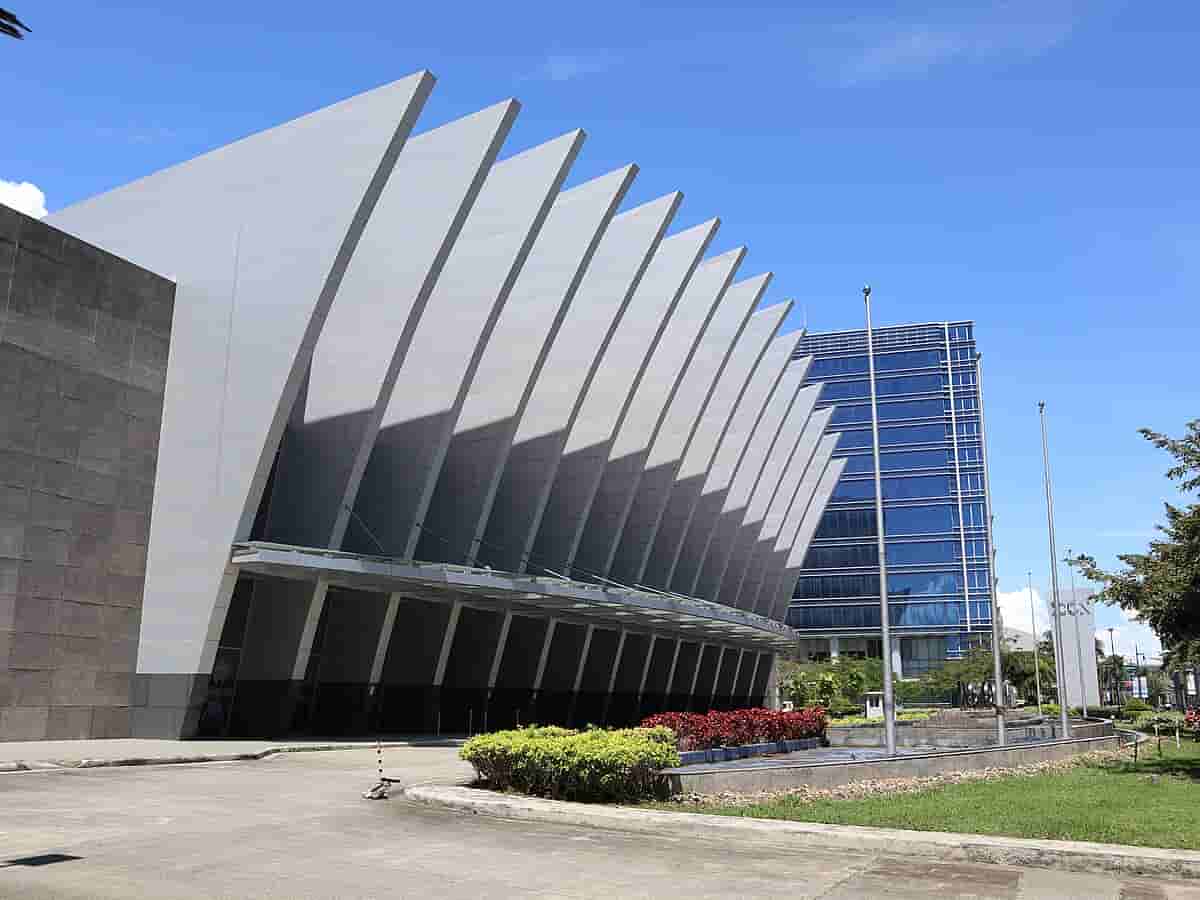
Iloilo Convention Center
A modern architectural landmark and venue for major events and conferences.
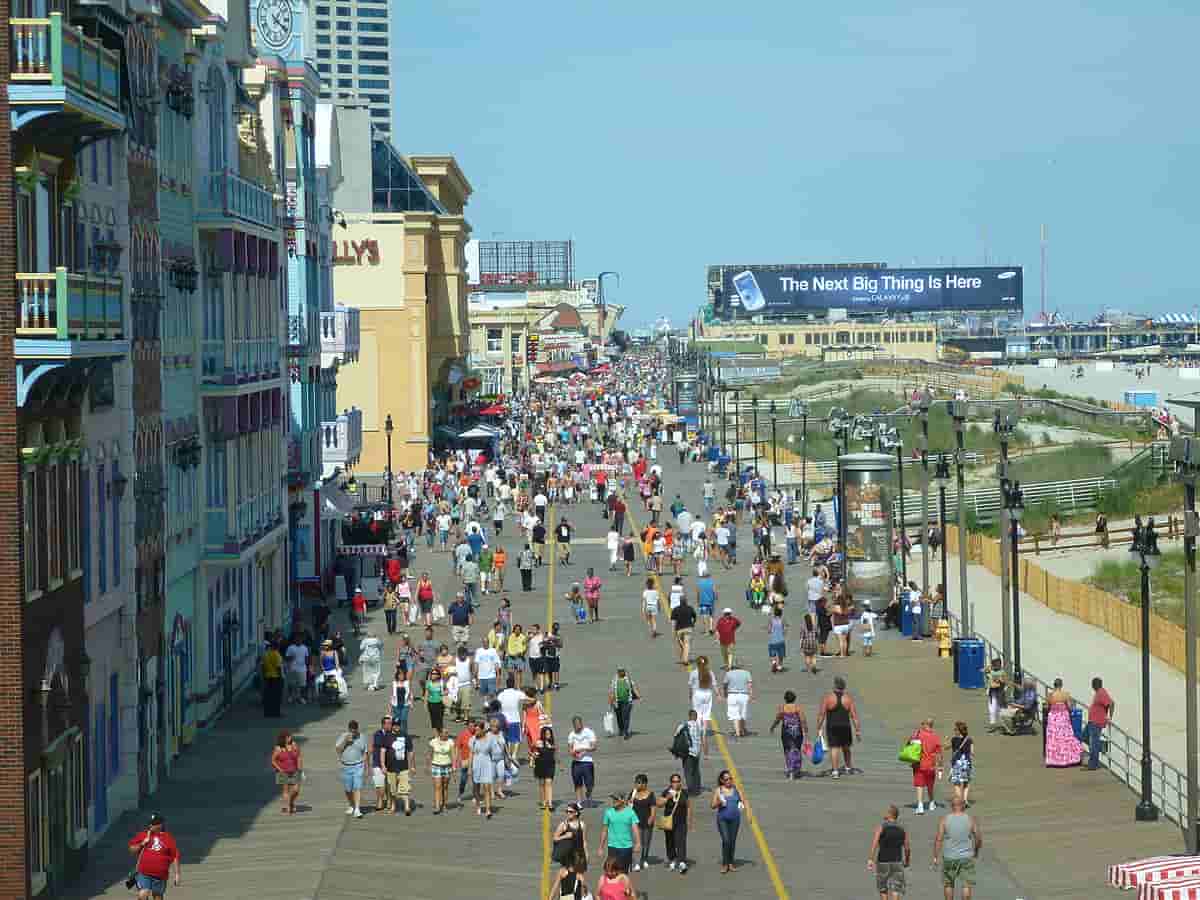
Esplanade
Riverfront promenade perfect for walking, jogging, and enjoying sunset views.
Iloilo City Museum
Local history and cultural exhibits.
Mactan Shrine
Religious site dedicated to the Santo Niño.
Lake Miraculous
Scenic lake for boating and relaxation.
Iloilo City Center
Heart of the city with shops, restaurants, and cultural sites.
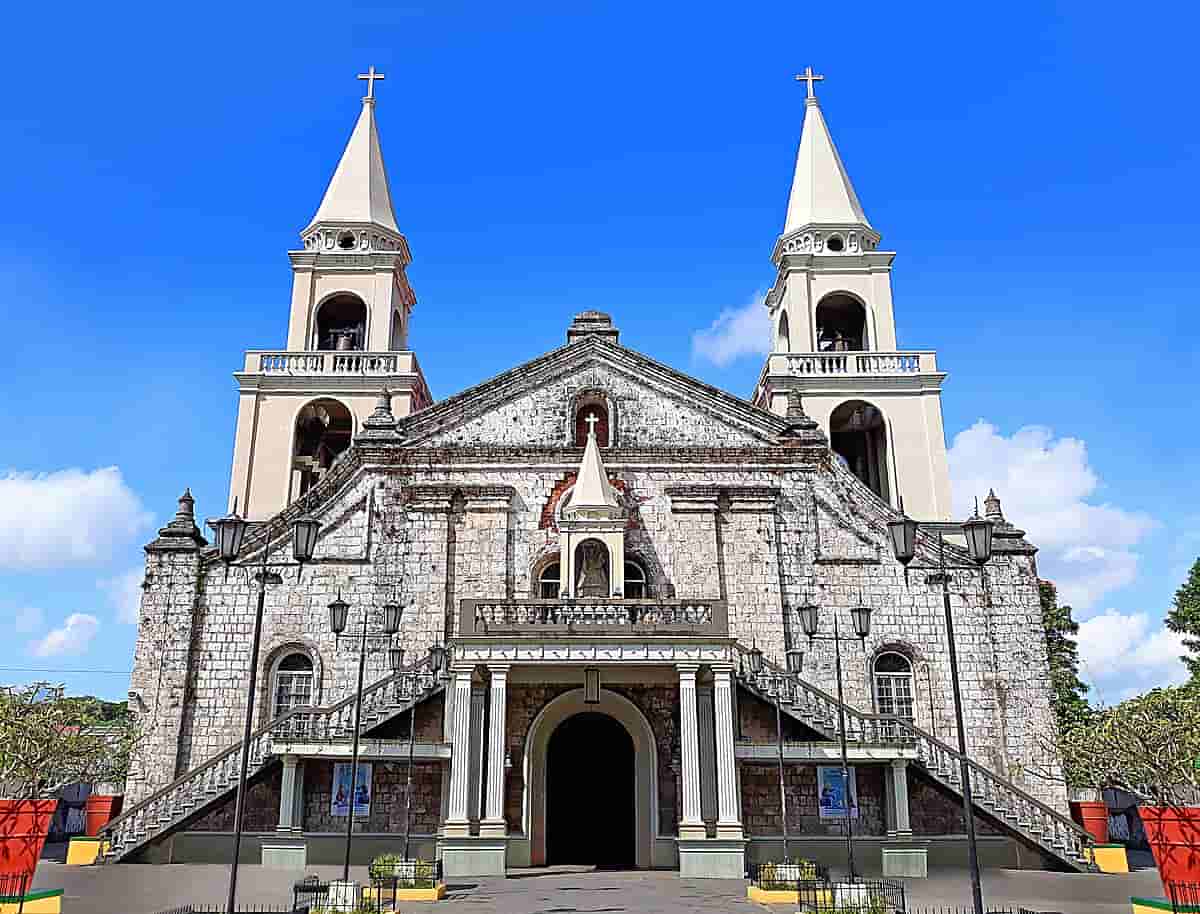
Jaro Cathedral
A national landmark and the seat of the Roman Catholic Archdiocese of Jaro.
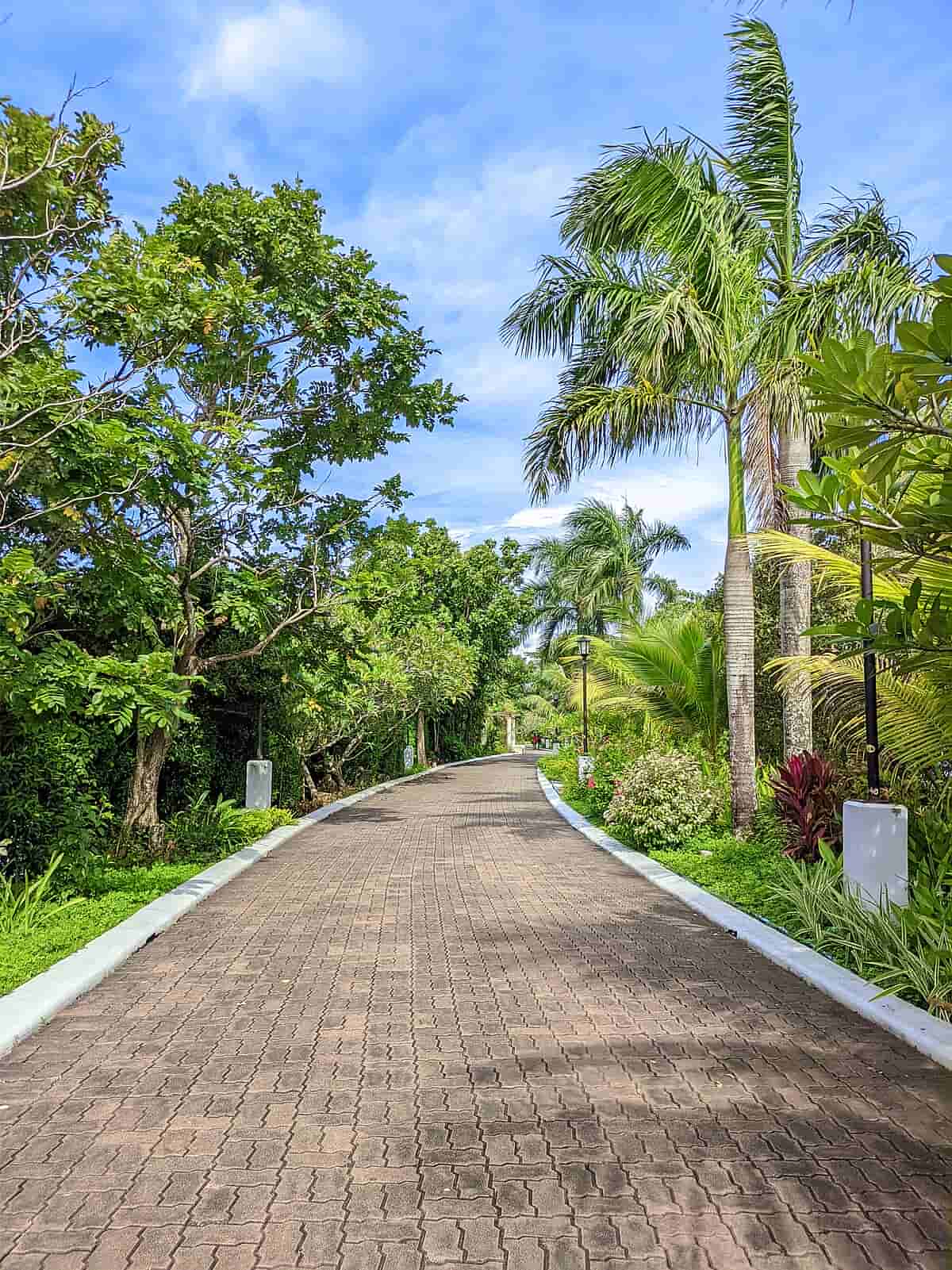
Iloilo River Esplanade
A scenic riverside promenade perfect for jogging, biking, and enjoying views of the Iloilo River.
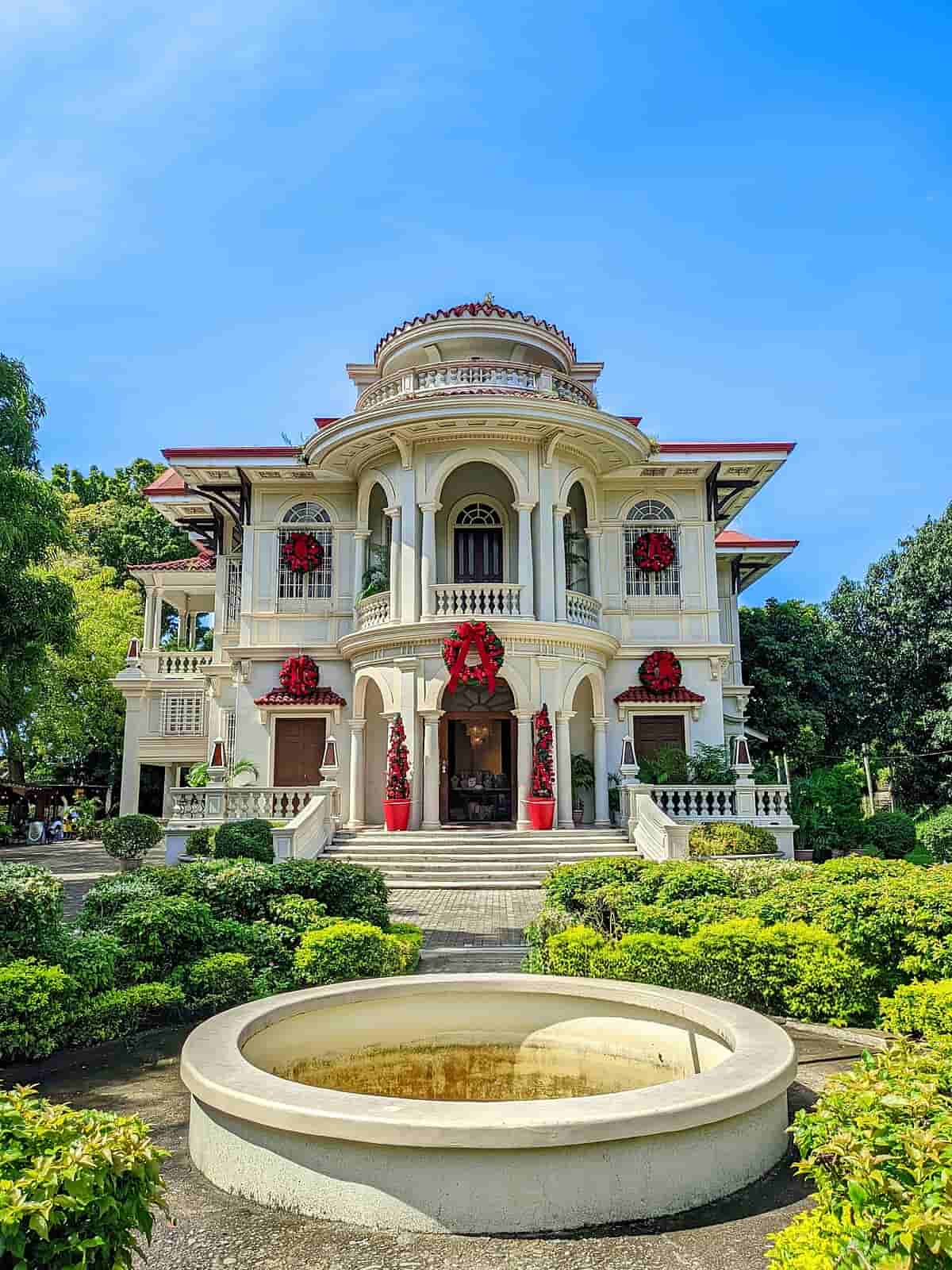
Molo Mansion
Heritage house turned into a museum and restaurant showcasing Iloilo's history.
🏘️ Neighborhoods
City Proper
The historic downtown and main commercial hub. Home to the Iloilo City Hall, Sunburst Park, and the bustling Calle Real with its heritage buildings.
Mandurriao
The modern face of Iloilo, featuring the Iloilo Business Park, Convention Center, Festive Walk Mall, and the bustling Smallville nightlife complex.
Jaro
A former separate town, rich in history and religion. Famous for the Jaro Cathedral, Belfry, and Plaza. Known for its antique houses and bakeries.
Molo
A coastal district known for the iconic Gothic-Renaissance Molo Church (the feminist church) and the nearby Iloilo Esplanade extension.
La Paz
The culinary heartland, home of the legendary La Paz Batchoy. Centered around the lively La Paz Public Market.
Villa
A coastal area known for its string of seafood restaurants along the beachfront. A popular spot for sunset dinners of fresh grilled fish and shellfish.
🍽️ Local Cuisine
Iloilo is rightfully celebrated as the culinary capital of the Philippines. Your gastronomic journey must begin with La Paz Batchoy, a rich noodle soup with pork, liver, and chicharon, best enjoyed at the original Deco's or Ted's in La Paz market. Seafood is exceptionally fresh; try grilled scallops or 'diwal' (angel wing clams) when in season. Don't miss the city's signature 'pancit molo' (a wonton soup) and the sweet 'biscocho' (buttered toasted bread) from Jaro. For a unique experience, sample 'kansi', a sour soup with beef shank and jackfruit. Dining is a social affair, with meals often shared 'kamayan' style (eating with hands). Visit the festive Iloilo Supermarket food court or the stalls along Villa Beach for affordable feasts. Mid-range restaurants abound in Smallville and Mandurriao. A simple rule: if there's a queue of locals, you're in the right place.
💡 Local Tips
🚗 Day Trip Ideas
Guimaras Island
Famous for its sweet mangoes (claimed as the world's sweetest), pristine beaches, and island hopping tours.
Miagao
Home to the stunning, fortress-like Miagao Church, a UNESCO World Heritage Site and a masterpiece of Baroque architecture.
Garinfarm
A unique agricultural pilgrimage site and resort in San Joaquin, with beautiful gardens, a Via Crucis, and panoramic views.
Islas de Gigantes
A breathtaking island group in Carles known for dramatic cliffs, pristine sandbars, fresh scallops, and the iconic Tangke Lagoon.
Tatoy's Manokan & Seafoods (Villa Beach)
Not a town, but a legendary restaurant destination for a feast of native chicken inasal and fresh seafood by the sea.
🛡️ Safety Tips
Iloilo is generally considered one of the safer cities in the Philippines. Violent crime against tourists is rare. However, exercise standard precautions: be aware of pickpockets in crowded markets and festivals, don't flash expensive jewelry or electronics, and use hotel safes. Avoid walking alone in dimly lit areas at night. Common scams are limited but be wary of overly friendly strangers offering tours or deals. Traffic can be hectic, so cross streets carefully. For health, drink only bottled or purified water and ensure food is freshly cooked. Emergency numbers are 117 (national emergency) and 166 (Iloilo City Police). Taxis and Grab are the safest transport options after dark. Overall, use common sense and you'll find Ilonggos to be incredibly helpful and honest.
💰 Budget Guide
Iloilo offers excellent value for money. A budget traveler can manage on $25-40 per day: stay in hostels or basic hotels ($15-25), eat at local carinderias ($2-4 per meal), and use jeepneys ($0.20). Mid-range travelers spending $50-100 daily can enjoy comfortable 3-4 star hotels ($40-70), dine at nice restaurants ($5-15 per meal), take taxis occasionally, and join guided tours. Luxury budgets of $150+ afford 5-star hotels (from $100), fine dining, private transfers, and spa treatments. Key money-saving tips: travel during the off-peak season for hotel deals, eat where the locals eat, use the efficient jeepney system, and explore free attractions like the Esplanade, churches, and city museums. Many cultural experiences, like watching practice sessions for festivals, are also free.