Welcome to Huizhou
Nestled along the Pearl River Delta in Guangdong province, Huizhou is a captivating city where ancient history, spiritual tranquility, and modern coastal living converge. Often overshadowed by its colossal neighbors Guangzhou and Shenzhen, Huizhou offers a refreshingly authentic and diverse Guangdong experience. This is a city of remarkable contrasts: the serene, willow-lined banks of Huizhou West Lake stand in harmony with the dynamic energy of the Zhongxin Commercial Area, while the sacred peaks of Luofu and Nankun Mountains watch over the sprawling Dayawan Beach coastline. Whether you seek a spiritual retreat in ancient Buddhist temples, a rejuvenating soak in natural hot springs, or simply a relaxed seaside escape, Huizhou delivers with understated charm. With a robust infrastructure catering to both business and leisure travelers, the city offers over 1228 hotels, ensuring comfortable stays for every preference and budget, making it an ideal destination for an immersive 5 to 7-day exploration.
Overview
Huizhou boasts a rich history dating back over two millennia, serving as a crucial administrative and cultural center in southern China. Its name, meaning 'Beneficial Prefecture,' hints at its long-standing prosperity. The city is deeply intertwined with Lingnan culture and is renowned as a cradle of Taoism and Buddhism, with Luofushan Mountain being one of China's ten famous Taoist and Buddhist mountains. Modern Huizhou is a key industrial and petrochemical hub, evident in areas like the Shuikou Industrial Area, but it has masterfully balanced this with the preservation of its natural and historical treasures. The city is famous for its stunning natural landscapes, including the picturesque West Lake (a classic Chinese garden landscape often compared to its Hangzhou namesake), the pristine beaches of Dayawan, and the lush, mist-shrouded mountains. Culturally, it's a place of pilgrimage, hot spring resorts, and a slower pace of life that allows visitors to connect with both nature and ancient Chinese spiritual traditions.
🗓️ Best Time to Visit
The best time to visit Huizhou is during the autumn (October to November) and spring (March to April) months. These seasons offer the most pleasant weather, with mild temperatures, lower humidity, and less rainfall, perfect for exploring mountains, temples, and beaches. Summer (May to September) is hot, humid, and the rainy season, with frequent downpours and the possibility of typhoons, though it's peak season for beach activities at Dayawan. Winter (December to February) is mild and dry but can be cool, especially in the mountainous regions. Major events include various temple fairs and celebrations on Luofushan during traditional Chinese festivals like Chinese New Year (Spring) and the vibrant beach activities and water sports festivals in Dayawan during the summer. The off-peak seasons of late winter and the height of summer rain offer fewer crowds and lower hotel rates.
🌤️ Weather & Climate
Huizhou has a humid subtropical monsoon climate characterized by long, hot, and rainy summers, and short, mild, and relatively dry winters. Typhoons can affect the region in late summer and early autumn.
Seasons
Spring
💨 Humidity: high
Warming up with increasing rainfall and humidity. Pleasant for outdoor activities early in the season.
Summer
💨 Humidity: very high
Hot, humid, and the rainy season. Frequent thunderstorms and risk of typhoons. Beach weather but prepare for rain.
Autumn
💨 Humidity: moderate
The most pleasant season with comfortable temperatures, less rain, and lower humidity. Ideal for all travel.
Winter
💨 Humidity: moderate
Mild and dry, but can be chilly, especially in the mountains. Rarely sees frost. Pack a light jacket.
Monthly Weather Details
January Weather
Best for: sightseeing, temple visits
February Weather
Best for: cultural festivals, city exploration
March Weather
Best for: hiking, garden visits
April Weather
Best for: outdoor activities, West Lake
May Weather
Best for: early beach trips
June Weather
Best for: indoor/beach (between rains)
July Weather
Best for: beach, typhoon watch
August Weather
Best for: beach, water sports
September Weather
Best for: beach, mountain retreats
October Weather
Best for: all activities, best overall
November Weather
Best for: hiking, hot springs
December Weather
Best for: sightseeing, cultural sites
🎒 What to Pack
All Year Round
- Umbrella or raincoat
- Comfortable walking shoes
- Power adapter
- Sunscreen
🚗 Getting Around
Huizhou is well-connected by public transport. The city's bus network is extensive and affordable, covering most urban areas and major attractions. Taxis and ride-hailing apps like Didi are readily available and relatively inexpensive for point-to-point travel. For exploring compact areas like Huizhou West Lake or the Zhongxin Commercial Area, walking is highly enjoyable. While biking is less common in the dense urban core, it can be a great option along the beachfront in Dayawan. Huizhou does not have its own commercial airport; the nearest major airports are in Shenzhen (approx. 1.5-2 hours by car/bus) and Guangzhou (approx. 2-2.5 hours). Direct intercity buses and high-speed rail links connect Huizhou to these transportation hubs efficiently. For trips to the mountains (Nankun, Luofu), hiring a private car or joining a tour is often the most convenient option. Overall, transport costs are low to moderate.
🎯 Top Attractions
Shuikou Industrial Area
A major industrial and commercial zone in Huizhou.
Huizhou West Lake
A scenic urban lake area with walking paths, gardens, and traditional pavilions.
Dayawan Beach
A long sandy beach on the South China Sea, popular for swimming and sunbathing.
Zhongxin Commercial Area
Business district with offices and shopping.
Nankun Mountain
A popular natural resort area known for hiking, hot springs, and beautiful scenery.
Luofushan Mountain
A famous mountain with hiking trails and scenic viewpoints.
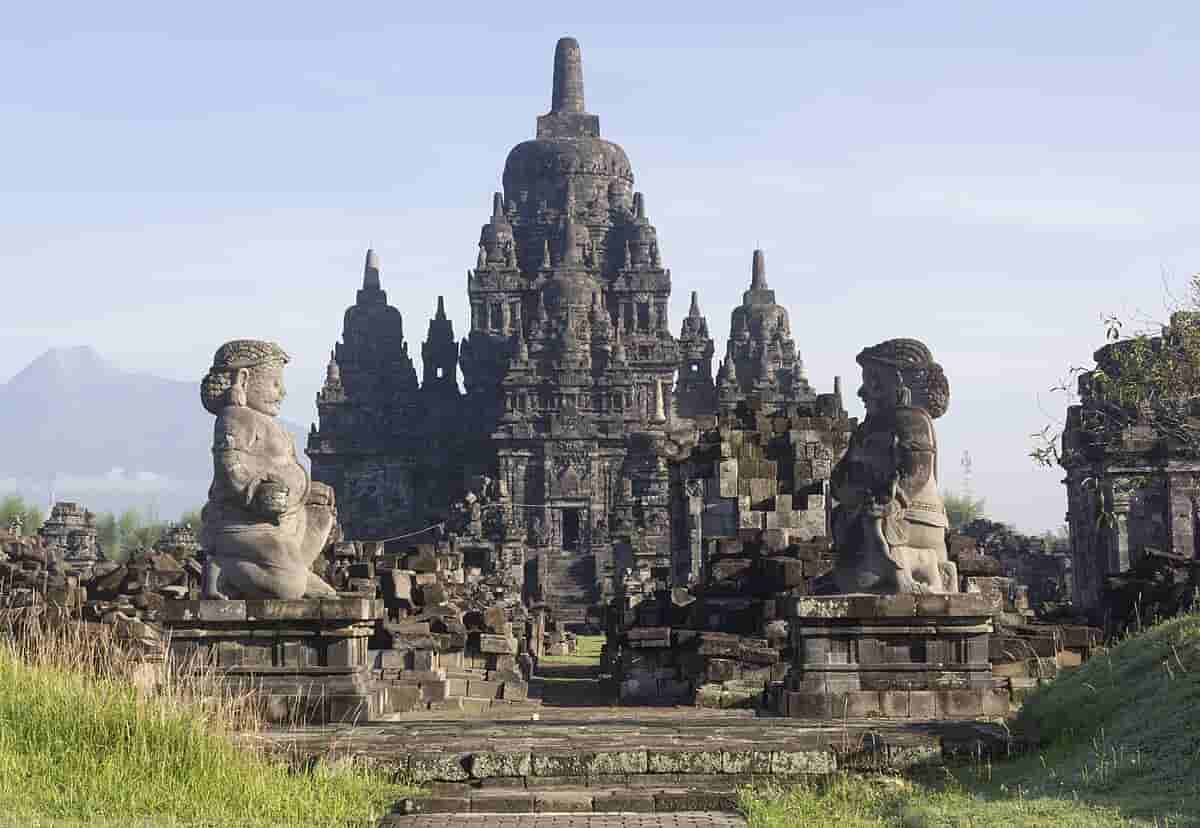
Buddhist Temple
Ancient temple offering quiet reflection and cultural insight.

Cable Car Ride
A cable car offering stunning aerial views of the surrounding landscape.
Fuli Hot Spring Resort
Renowned hot spring resort offering relaxation and wellness treatments.
Luofu Mountain
A sacred Taoist mountain known for its temples, waterfalls, and hiking trails.
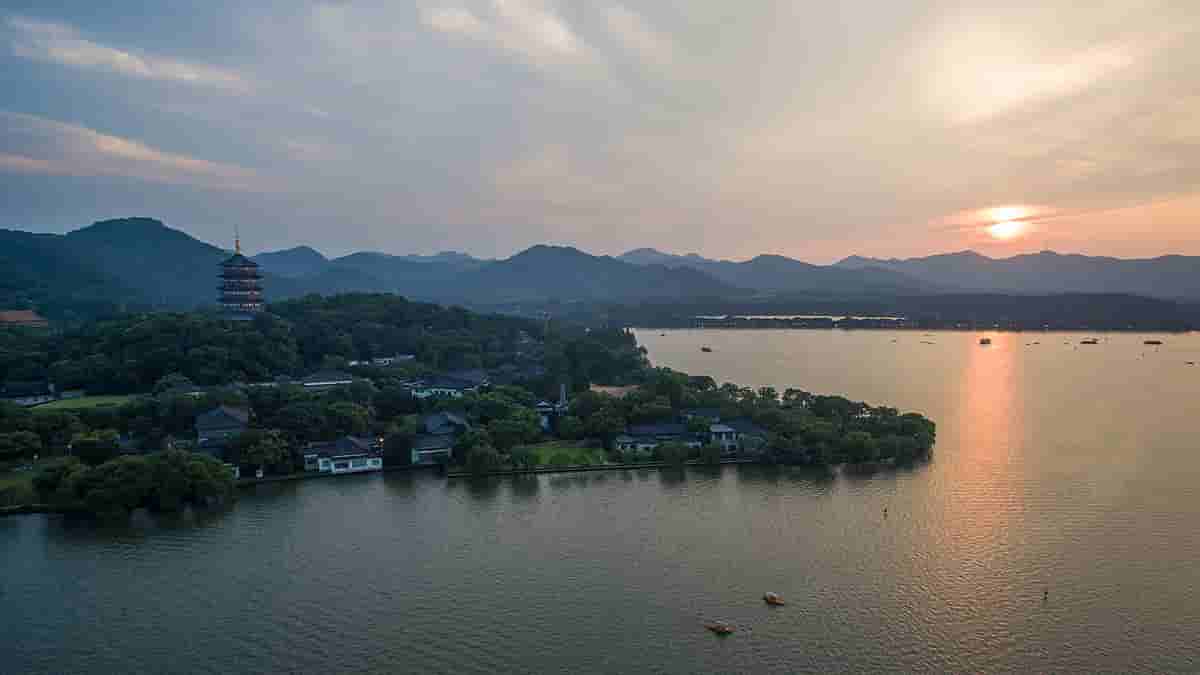
West Lake
Scenic lake area with parks, walking paths, and recreational activities
Huizhou Ancient City
A historic area with traditional architecture, temples, and local snack streets.
🏘️ Neighborhoods
Huicheng District (City Center)
The administrative and historical heart of Huizhou, home to the beautiful West Lake, government buildings, and a mix of old and new architecture. Well-connected and central.
Zhongxin Commercial Area
The modern downtown and shopping core. Bustling with department stores, malls, restaurants, hotels, and entertainment options. The epicenter of urban life.
Dayawan District
The coastal zone featuring long sandy beaches, marina developments, and seafood restaurants. A popular getaway for beach lovers and water sports enthusiasts.
Boluo County (Luofushan Area)
The gateway to the sacred Luofushan Mountain. Area is dotted with temples, hiking trails, and resorts centered around spiritual tourism and natural hot springs.
Longmen County (Nankun Mountain Area)
A scenic area known for the Nankun Mountain Nature Reserve, offering eco-tourism, forest hikes, waterfalls, and rustic guesthouses away from the urban bustle.
Huizhou South Railway Station Area
A newly developed area around the high-speed rail station. Features modern apartment complexes, some hotels, and convenient transport links, but less local character.
Shuikou & Zhongkai Area
Major industrial and high-tech development zones. Functional with many business hotels and dining options catering to the corporate crowd, but fewer tourist attractions.
🍽️ Local Cuisine
Huizhou cuisine is a delightful branch of Cantonese food, emphasizing fresh, local ingredients and clean, savory flavors, with a notable love for seafood and river fish. Must-try signature dishes include Huizhou Salt-baked Chicken, a fragrant and tender delicacy; Yongfu Tofu, a braised tofu dish with a rich history; and fresh seafood from Dayawan, especially steamed fish and prawns. Don't miss the local breakfast favorite, Huizhou Rice Noodles, often served in a light broth. Dining culture is casual and communal. Popular food areas are scattered: seek out old-town eateries for authentic local fare, the Zhongxin Commercial Area for a mix of local and international chains, and the seafood restaurants lining the port in Dayawan. Price ranges are very reasonable, from cheap street food and noodle shops to mid-range family restaurants. Etiquette follows general Chinese customs: sharing dishes is standard, and a slight messiness from eating shellfish with hands is perfectly acceptable.
💡 Local Tips
🚗 Day Trip Ideas
Luofushan (Luofu Mountain)
A full-day spiritual and natural retreat. Explore ancient Taoist and Buddhist temples, take the cable car for panoramic views, hike through lush forests, and visit the Dongjiang River Memorial.
Nankun Mountain Nature Reserve
An eco-paradise for hikers. Discover pristine streams, waterfalls, and dense subtropical forests. Offers more rugged and less commercialized hiking compared to Luofushan.
Shenzhen
Experience China's ultra-modern megacity. Visit famous sites like Window of the World, Shenzhen Bay, or the bustling shopping districts. Easily accessible via high-speed rail.
Dongguan
Explore another key Pearl River Delta city known for its manufacturing history and now cultural sites like the Opium War Museum and Keyuan Garden.
Hakka Walled Village (Kaiping Diaolou)
A longer but rewarding trip to a UNESCO World Heritage site. See the unique fortified multi-story towers and villages built by overseas Hakka Chinese. Best with a private car or tour.
Xunliao Bay
A less developed, quieter alternative to Dayawan Beach. Enjoy longer, cleaner sandy shores with fewer crowds, ideal for a relaxed coastal escape.
🛡️ Safety Tips
Huizhou is generally a very safe city for travelers. Violent crime against tourists is rare. Exercise standard precautions: be aware of your belongings in crowded areas like markets and bus stations to guard against petty theft. Common scams are limited but be cautious of overly friendly strangers inviting you for tea or to a game, which can lead to exorbitant bills. When using taxis, ensure the meter is used or agree on a price beforehand. Traffic can be chaotic, so be extremely careful when crossing streets. The main health recommendation is to drink bottled water. For emergencies, dial 110 for police, 120 for medical ambulance, and 119 for fire. If visiting the mountains, stay on marked trails and be prepared for sudden weather changes.
💰 Budget Guide
Huizhou is an affordable destination by Chinese coastal city standards. A budget traveler can manage on $40-60 USD per day by staying in hostels or budget hotels ($20-35), eating at local noodle shops and street food ($5-10), using public buses ($1-2), and visiting free attractions like West Lake. A mid-range traveler should budget $80-120 USD daily, covering a comfortable 3-4 star hotel (around the $100 average), meals at decent local restaurants ($15-25), occasional taxis, and paid attractions like cable cars or hot springs. Luxury travel exceeds $200+ per day for high-end resorts, fine dining, and private tours. Money-saving tips: Travel during off-peak seasons for lower hotel rates, eat where locals eat, use the efficient bus system, and consider combo tickets for mountain attractions. Many natural sights have minimal entrance fees.