Welcome to Huangshi
Nestled along the southern bank of the mighty Yangtze River in Hubei province, Huangshi emerges as a city of compelling contrasts, where industrial heritage meets serene natural beauty. Often overlooked by international travelers rushing to more famous Chinese destinations, Huangshi offers a genuine, unvarnished glimpse into the heart of central China. Its identity is forged from two powerful elements: its history as a significant mining and industrial center, and its stunning landscape of lakes, rivers, and parks that provide a lush counterpoint. The city's skyline tells a story of transformation, with modern developments rising alongside reminders of its industrial past. For the curious traveler, this duality is Huangshi's greatest charm. You can explore the fascinating remnants of its mining history at the Huangshi National Mine Park in the morning, and by afternoon, find tranquility beside the reflective waters of Lianhua Lake or Cihu. With a well-developed infrastructure catering to both business and leisure, Huangshi offers a comfortable stay, supported by a selection of 146 hotels that provide options for every preference and budget, ensuring visitors have a convenient base from which to discover this multifaceted city.
Overview
Huangshi's history is deeply intertwined with mineral wealth, earning it the nickname 'the cradle of China's modern heavy industry.' For centuries, its rich deposits of iron, copper, and coal fueled development, shaping the city's economy and skyline. While still an important industrial hub, Huangshi has consciously embraced ecological restoration, transforming former mining sites into green parks and protecting its abundant water resources. Culturally, it is a city of Hubei province, influenced by the broader Chu culture of the region, with a practical, hardworking spirit. The city is famous for its 'city of hundreds of lakes' moniker, with numerous scenic water bodies like Lianhua Lake and Cihu integrated into the urban fabric. Key districts include the bustling downtown area around Baiguanlou Square and the City Center Mall, the scenic Cihu district surrounding the lake of the same name, and the Tieshan district, known for its historical mining sites and parks. Huangshi is a city in transition, proudly showcasing its industrial past while actively building a greener, more livable future, offering visitors a unique perspective on China's ongoing urban evolution.
🗓️ Best Time to Visit
The best times to visit Huangshi are during the mild and pleasant shoulder seasons of spring (April to early June) and autumn (September to October). Spring brings comfortable temperatures, blooming flowers around the lakes, and lush greenery, making it ideal for exploring parks like Tieshan Park and the Cihu Scenic Area. Autumn offers clear, crisp days with brilliant blue skies, perfect for strolls along the Yangtze River or visits to Mingyue Bay. Summers (July-August) are hot, humid, and rainy, which can be oppressive for extensive outdoor sightseeing, though the lakes provide some respite. Winters (December-February) are chilly and damp, with occasional frost, but hotel rates are at their lowest. Major events are often tied to traditional Chinese festivals. The Huangshi International Mining Culture and Tourism Festival, celebrating the city's heritage, is a notable event. The Dragon Boat Festival in early summer may feature races on the Yangtze or local lakes. Visiting during national holidays like Golden Week (early October) guarantees crowds, while weekdays and off-peak seasons offer a more relaxed experience.
🌤️ Weather & Climate
Huangshi has a humid subtropical climate with four distinct seasons. It features hot, humid summers and chilly, damp winters, with significant rainfall throughout the year.
Seasons
Spring
💨 Humidity: moderate
Pleasant and mild with increasing warmth and rain. Flowers bloom, ideal for outdoor exploration.
Summer
💨 Humidity: high
Hot, humid, and rainy, with frequent downpours. Can be oppressive for extended outdoor activities.
Autumn
💨 Humidity: moderate
The most comfortable season. Clear, sunny days with cool, crisp air, perfect for sightseeing.
Winter
💨 Humidity: moderate
Chilly and damp with overcast skies. Rare snow, but indoor heating can be minimal.
Monthly Weather Details
January Weather
Best for: indoor museums, temple visits
February Weather
Best for: Lunar New Year festivities, indoor activities
March Weather
Best for: early spring park visits
April Weather
Best for: sightseeing, lake visits
May Weather
Best for: outdoor activities, hiking
June Weather
Best for: indoor attractions, early morning outings
July Weather
Best for: waterfront areas, air-conditioned malls
August Weather
Best for: evening walks, river views
September Weather
Best for: ideal sightseeing in parks and lakes
October Weather
Best for: perfect weather for all outdoor exploration
November Weather
Best for: cultural sites, comfortable walking
December Weather
Best for: visiting museums, shopping malls
🎒 What to Pack
All Year Round
- umbrella or raincoat
- comfortable walking shoes
- power adapter
- reusable water bottle
🚗 Getting Around
Huangshi's public transportation system is functional and affordable, centered around an extensive public bus network that connects major districts, attractions, and transport hubs. Buses are the primary mode for locals and cost only a few yuan per ride; have small change ready or use a transportation card for convenience. Taxis are plentiful and inexpensive for direct trips, especially useful for reaching specific attractions like the Mine Park or more distant scenic areas. Ensure the driver uses the meter or agree on a fare beforehand. Ride-hailing apps like Didi are widely used and often more convenient for non-Mandarin speakers. For shorter distances within the city center, walking is enjoyable, especially around Baiguanlou Square and along pedestrian-friendly lakeside paths. Bike-sharing services (both docked and dockless) are popular for navigating between parks and urban areas. Huangshi does not have its own commercial airport; the nearest major airport is Wuhan Tianhe International Airport (WUH), approximately a 90-minute to 2-hour drive away. Transfer options include pre-booked private cars, airport shuttle buses, or the high-speed train from Wuhan to nearby Huangshi North Station, followed by a taxi or bus into the city center.
🎯 Top Attractions
Huangshi National Mine Park
A unique park built around an old mine, offering educational exhibits and geological sights.
Cihu Scenic Area
A scenic spot centered around Cihu Lake, known for its natural beauty and tranquil environment.
City Center Mall
A modern shopping center with various retail and dining options.
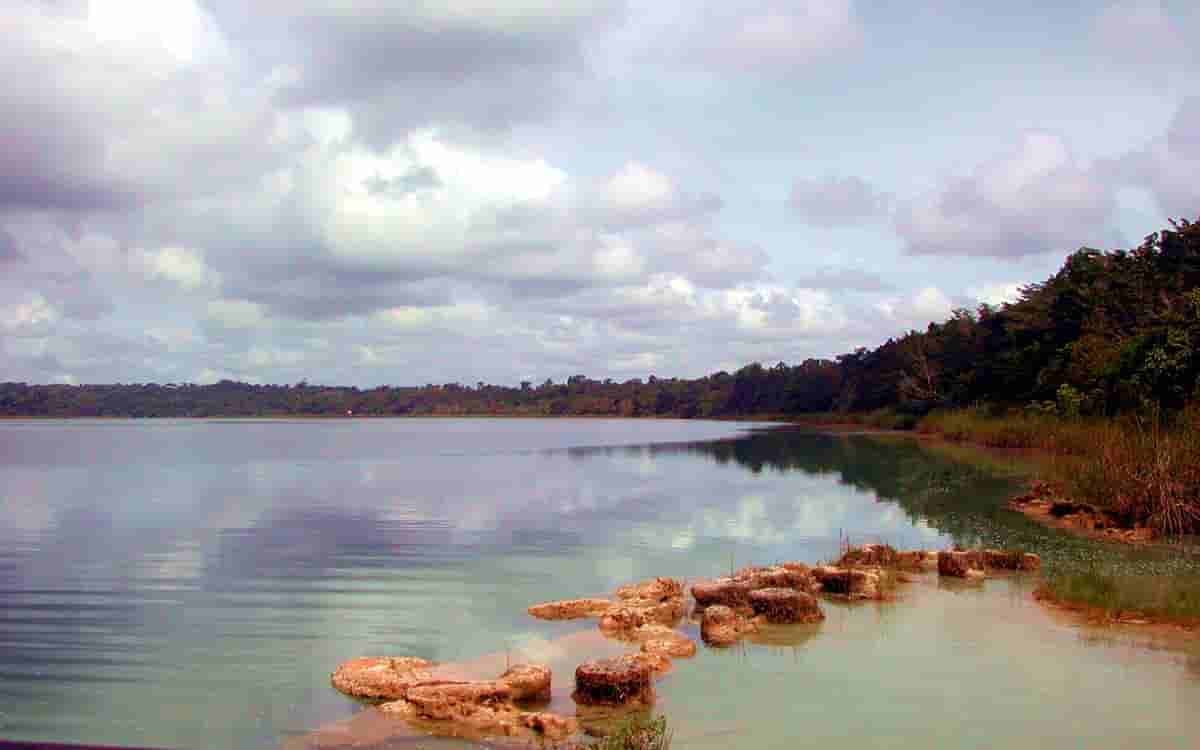
Lianhua Lake
Scenic lake for boating and picnics
Mingyue Bay
Romantic spot for sunset views
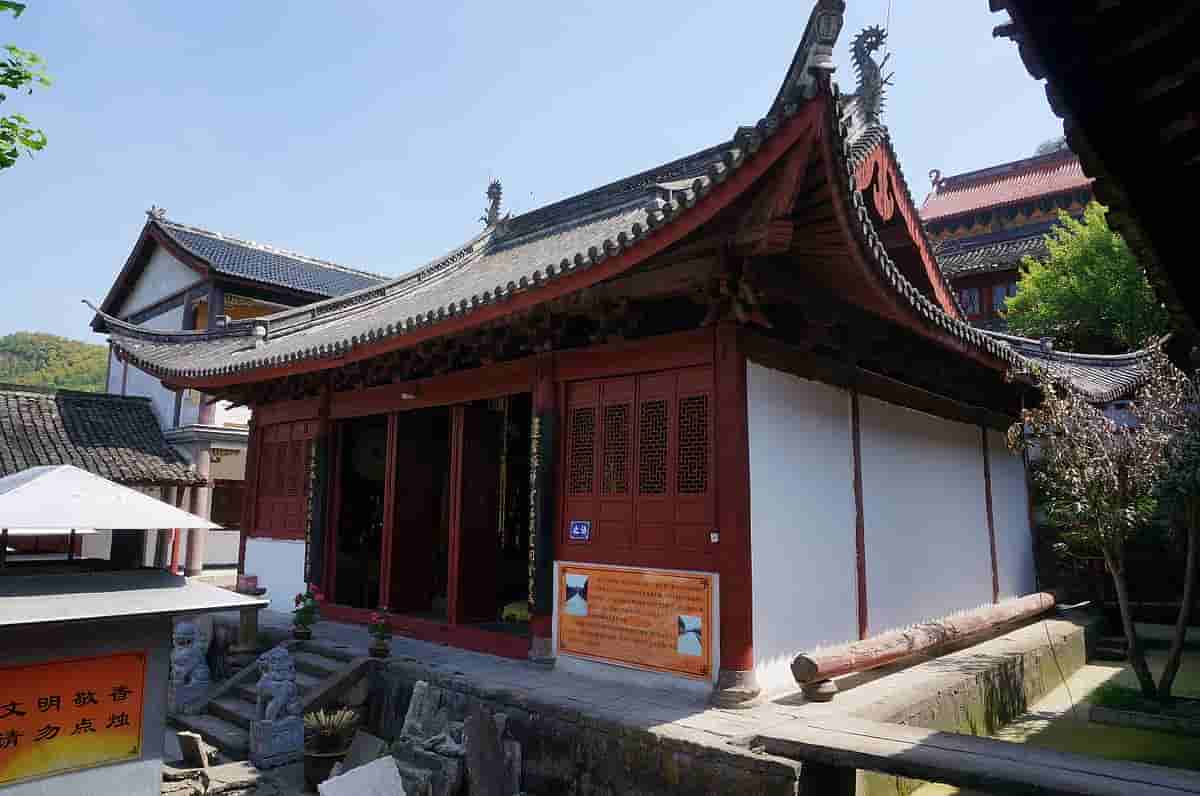
Yuexiu Temple
Buddhist temple with cultural significance
Yangtze River
Longest river in Asia, offering cruises and scenic views
Tieshan Park
Urban park with lakes and pagodas
Baiguanlou Square
Public square often hosting events and gatherings.
Art Gallery
Exhibition space featuring works by local and national artists.
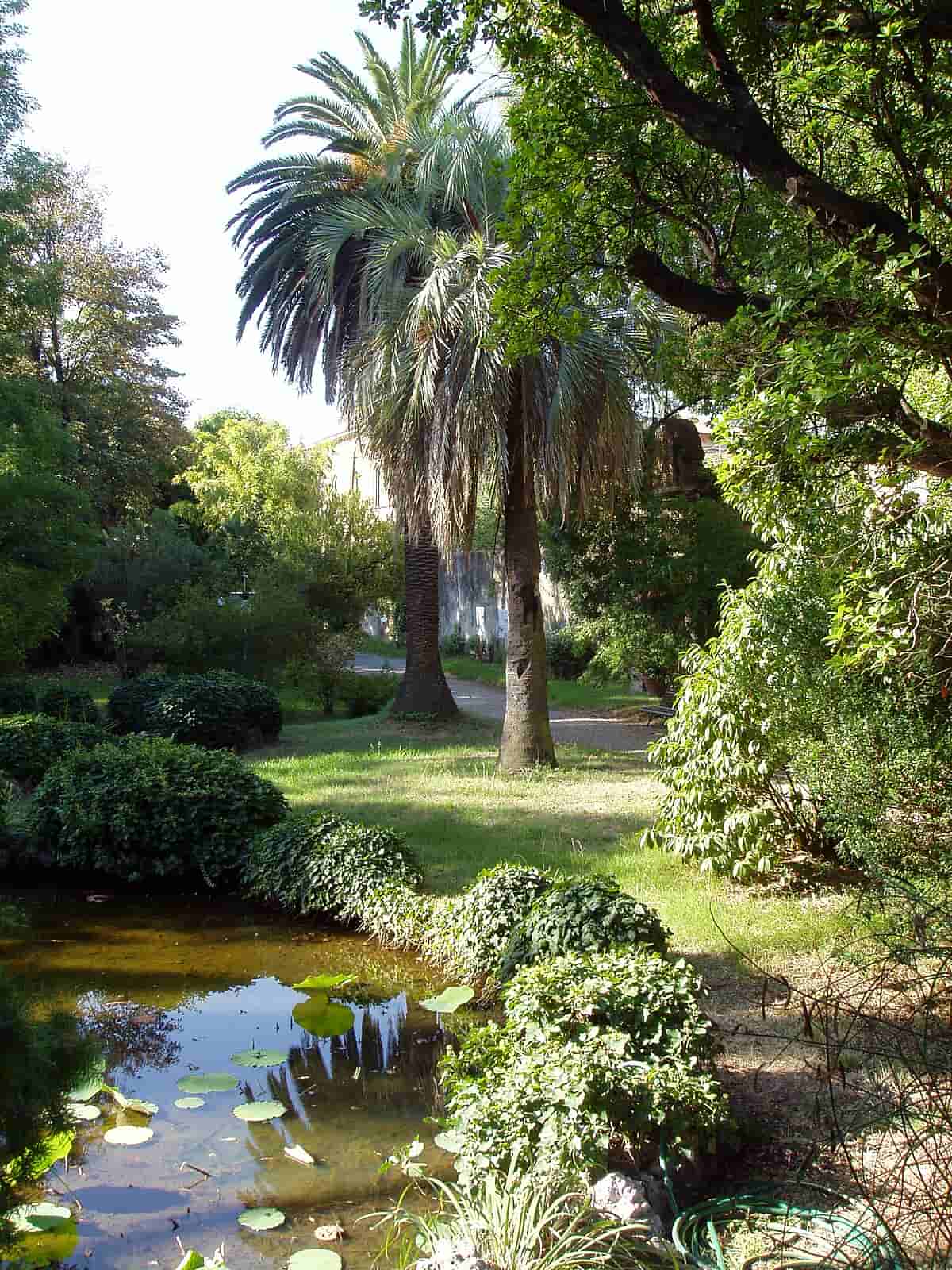
Botanical Garden
Large garden with diverse plant species and walking paths.
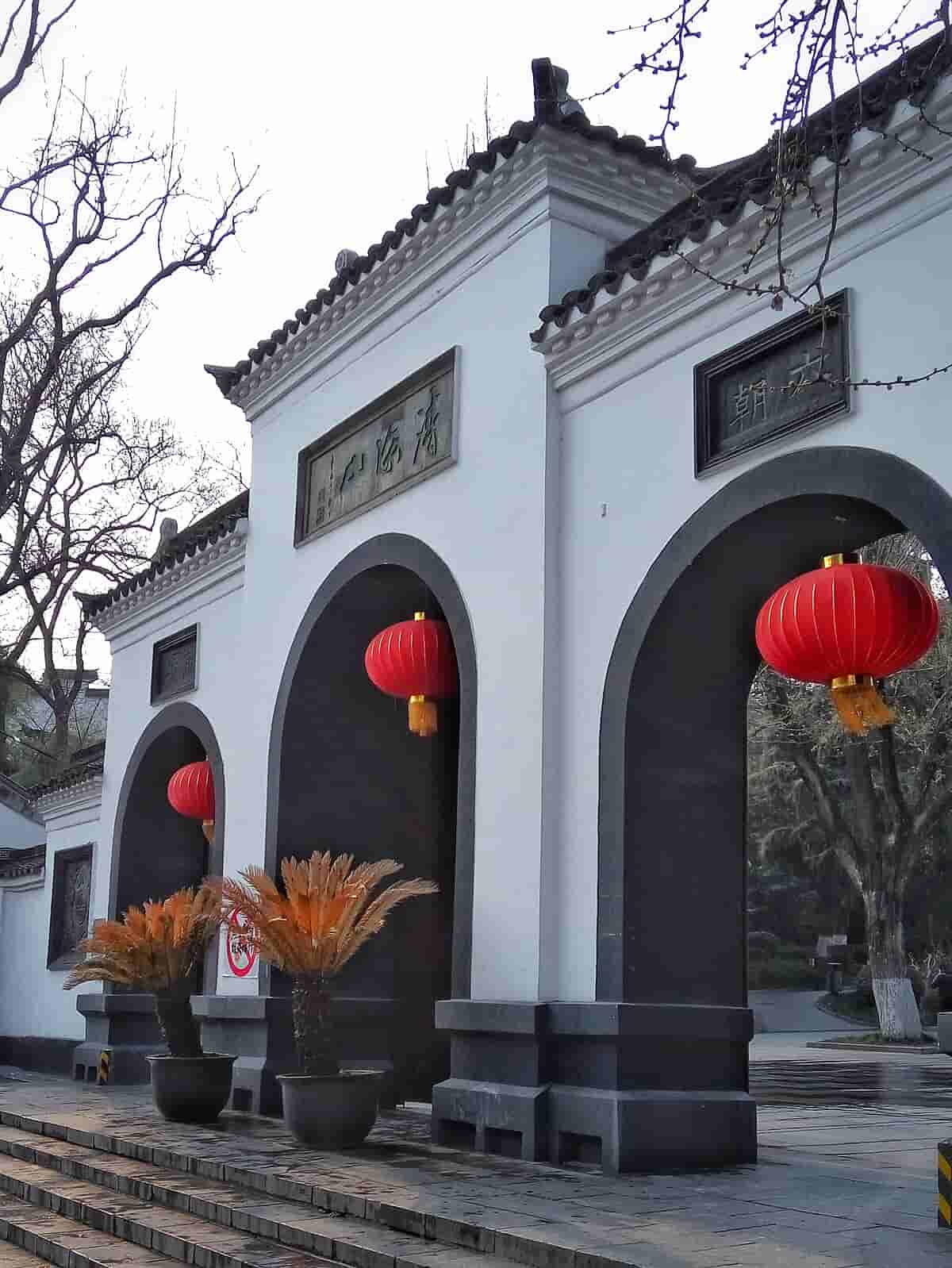
Qinglongshan Park
Urban park with hills, temples, and recreational facilities.
🏘️ Neighborhoods
Downtown (Centered on Baiguanlou)
The bustling commercial and transportation heart of Huangshi. Home to Baiguanlou Square, the City Center Mall, major bus stations, and a high concentration of hotels and restaurants.
Cihu Scenic Area
A picturesque district built around the beautiful Cihu Lake. Features lakeside walks, parks, the Art Gallery, and a more relaxed, scenic atmosphere away from the downtown bustle.
Tieshan District
The historic core of Huangshi's mining industry, now known for the Huangshi National Mine Park and Tieshan Park. Offers a unique blend of industrial heritage and reclaimed green spaces.
Huangshigang District
A central urban district with government buildings, cultural venues, and access to the Yangtze River waterfront. A good mix of local life and administrative centers.
Xialu District
A major district hosting universities and educational institutions. Has a youthful vibe with affordable eateries, cafes, and lively street markets catering to students.
Lianhua Lake Area
Surrounding one of Huangshi's most famous lakes, this area is prized for its natural beauty, lakeside resorts, and tranquil environment. Slightly further from the downtown core.
🍽️ Local Cuisine
Huangshi's cuisine is a hearty branch of Hubei (E) cuisine, characterized by fresh river fish, savory stews, and a preference for steaming and braising. Signature dishes are heavily influenced by the city's proximity to the Yangtze River and its many lakes. Must-try foods include 'Hongshao Yu' (braised fish in a rich, slightly sweet brown sauce), 'Lianhuachi Liangmian' (cold noodles from Lianhua Lake area), and various freshwater delicacies like crayfish and crab in season. Dining culture is casual and communal. Popular food areas can be found around the City Center Mall and near university campuses, where small restaurants and street food stalls offer affordable, delicious meals. For a more local experience, explore the food streets that come alive in the evening. Price ranges are very reasonable: a satisfying bowl of noodles can cost under 20 RMB, a multi-dish meal at a mid-range restaurant around 50-100 RMB per person, and a luxurious seafood feast by the river for 150 RMB+. Etiquette is standard for Chinese dining: sharing dishes is the norm, and it's polite to serve elders first. Don't be shy to try eating with chopsticks, and remember that tipping is not customary in China.
💡 Local Tips
🚗 Day Trip Ideas
Wuhan
The bustling capital of Hubei province. Visit the Yellow Crane Tower, East Lake, and the historic Hankou concession area.
Ezhou
A neighboring city with historical sites like the Ezhou Confucian Temple and scenic West Hill (Xishan) on the Yangtze.
Daye Lake
A large, scenic freshwater lake perfect for a day of boating, lakeside walks, and enjoying fresh aquatic cuisine.
Yangxin County
Explore rural Hubei landscapes, traditional villages, and the Wangying Ancient Village for a glimpse into historic architecture.
Qinglong Mountain (Qinglongshan)
A forested mountain area offering hiking trails, temples, and panoramic views over the surrounding countryside.
🛡️ Safety Tips
Huangshi is generally a very safe city for travelers, with low rates of violent crime. Petty theft like pickpocketing can occur in crowded areas such as markets, bus stations, and the City Center Mall, so keep valuables secure and be mindful of your belongings. Standard scam awareness applies: be cautious of overly friendly strangers inviting you for tea or to a special art exhibition, which often lead to pressured purchases. Use licensed taxis or reputable ride-hailing apps. Traffic can be chaotic for pedestrians; always use crosswalks and be alert when crossing streets, even at green lights. Emergency numbers are 110 for police, 120 for medical ambulance, and 119 for fire. Tap water is not safe for drinking; consume only bottled or boiled water. For minor health issues, pharmacies are widely available. Major hospitals have international clinics, but travel insurance with medical coverage is highly recommended. Air quality can vary, so those with respiratory issues may want to monitor levels and carry a mask on hazy days.
💰 Budget Guide
Huangshi is an affordable destination by Chinese standards. A budget traveler can manage on 200-300 RMB ($30-45) per day: staying in a budget hotel or hostel (100-150 RMB), eating at local noodle shops and street stalls (50 RMB), using public buses (10 RMB), and visiting free parks and low-cost attractions. A mid-range traveler should budget 400-600 RMB ($60-90) daily: a comfortable 3-4 star hotel (250-350 RMB), meals at decent sit-down restaurants (100-150 RMB), occasional taxis (50 RMB), and paid entry to key sites like the Mine Park (50 RMB). A luxury experience of 800 RMB+ ($120+) per day covers upscale hotels, fine dining featuring local delicacies, private car hires, and guided tours. Money-saving tips include traveling during the off-peak winter season for lower hotel rates, eating where locals eat (avoiding restaurants directly next to tourist sites), utilizing the efficient bus system, and focusing on the many free scenic areas like Lianhua Lake and Yangtze River walks. Purchasing a combo ticket for clustered attractions can also offer savings.